Top 10 Natural Monuments around Ascou
Best natural monuments around Ascou include prominent peaks, deep gorges, and serene lakes within the Ariège department of the French Pyrenees. This region offers diverse landscapes ranging from high-altitude summits to thermal springs. The area provides opportunities to explore unique geological formations and rich biodiversity. Visitors can experience the natural features of the Pyrenees, from its valleys to its mountain plateaus.
Best natural monuments around Ascou
- The most popular natural monuments is En Beys Refuge, a restaurant and accommodation…
Last updated: October 22, 2026
Mérens sulphur springs
Highlight • Natural Monument
Open at the end of the Nabre valley, the constitution of the springs contrasts with the spa towns of …
Translated by Google •
Tip by

En Beys Refuge
Highlight • Restaurant
Translated by Google •
Tip by
Sign up now to discover places like this
Get recommendations on the best single tracks, peaks, & plenty of other exciting outdoor places.
Gorges de la Frau
Highlight (Segment) • Gorge
Showing Translation
Tip by

Naguille Lake
Highlight • Lake
Now in …
Translated by Google •
Tip by
Camporells Refuge
Highlight • Mountain Hut
Translated by Google •
Tip by

Sign up for free to discover even more natural monuments around Ascou.
Already have an account?



Tips from the Community

Beautiful mountain refuge in a spectacular setting.
0
0

Half of those present aren't following the rules! At the start of the climb, a sign clearly states that swimwear should be worn out of consideration (especially for children). Instead, a Frenchman presents himself completely naked. Some French women enjoy exposing their breasts. Everyone present is smugly sprawling, lying head-to-toe in the water without a single gesture of consideration for newly arrived visitors. A little further upstream from the spring, we encounter the third disappointment: Down in the village, several signs indicate a camping ban. A few meters above the spring, we found a camping tent in the forest (keyword: wild camping) and a prepared campfire site (as if there weren't enough forest fires in France by 2025). The behavior of some of the people is unacceptable.
2
4

The gorge is gorgeous indeed! I was there in August. Not a drop of water. Would like to go back a different season. Descent was partially overgrown and hard to find. No views there.
0
0

Over a length of three kilometres, the Èrç river has sculpted the rocks over thousands of years, creating a deep gorge that reaches between 300 and 400 metres deep. A place where the power of nature and the traces of erosion are clearly visible. The Gorges de la Frau are not only an impressive natural phenomenon, but also a witness to history. For centuries, they served as a natural passage between the Pyrenean valleys and thus tell stories of trade, travel and discovery. Today, this gorge is a central point of the Grand Traversée Ariège Pyrénées (GTAP) VTT, a mountain bike trail that makes the hearts of all adventurers beat faster. But whether you are on foot or on two wheels, the view of this narrow and steep gorge is breathtaking. It's almost like entering another world, where the rocks form the walls of an ancient castle and every stone, every tree, every curve has a story to tell. And although photos try to capture its beauty, they simply cannot do justice to the majestic atmosphere of the Gorges de la Frau. It is a place to be experienced, felt and breathed - an unforgettable natural wonder not to be missed on your trip through the Pyrenees.
4
1

Dry toilets available but water point (source) 300 m from the refuge.
0
0

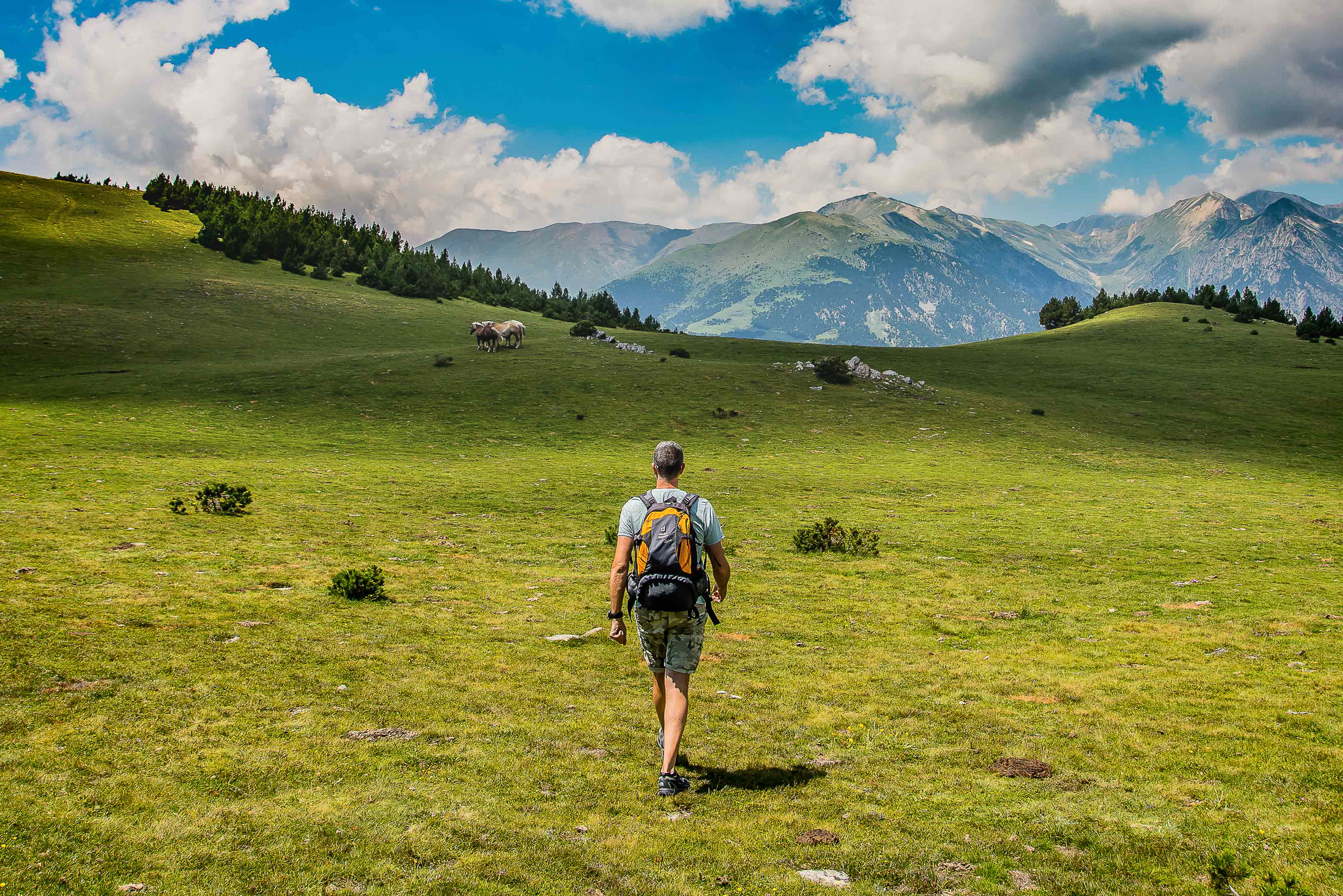
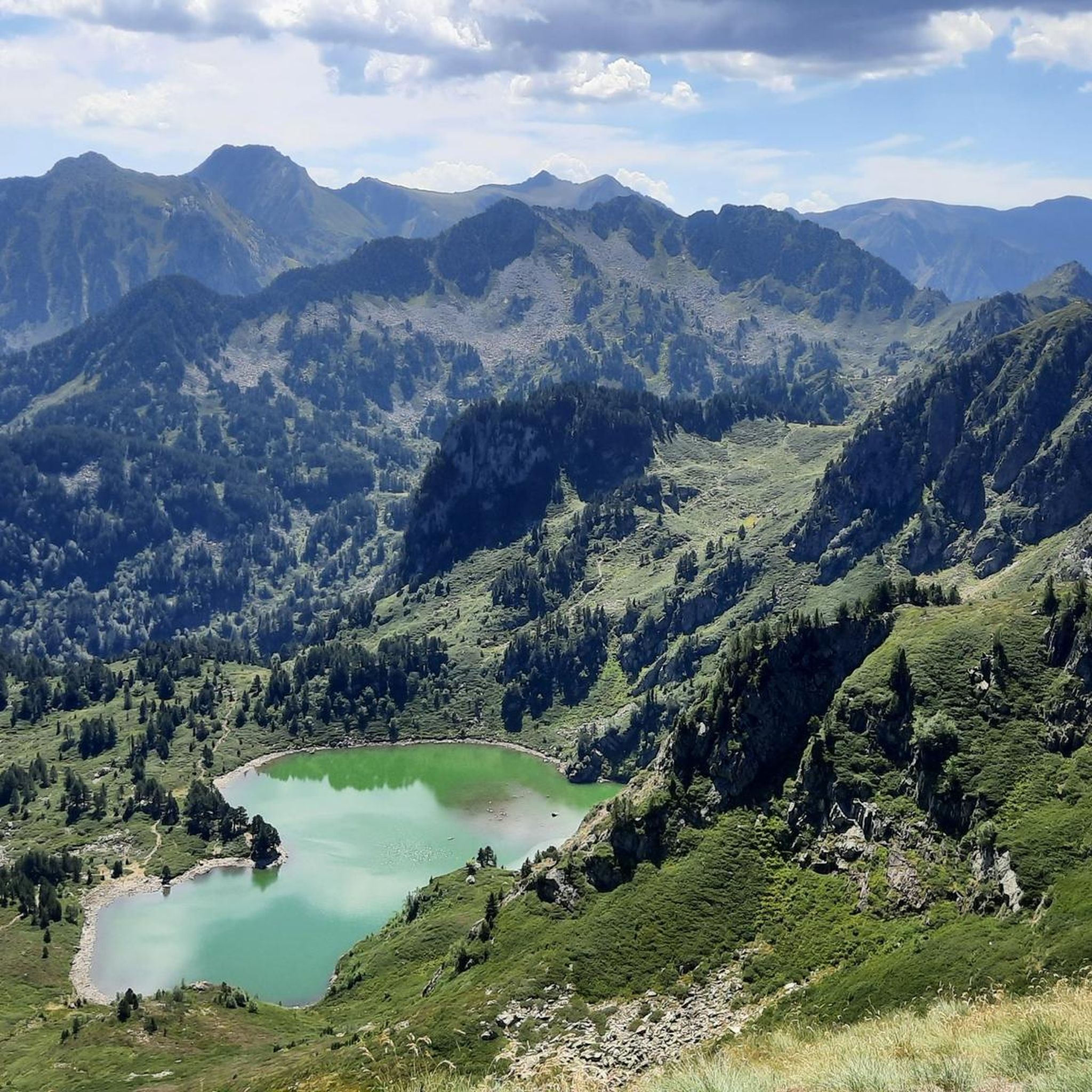
Nestled at the foot of the Pérics at 2,240 meters, the Camporells refuge is in a remarkable setting. Located on the banks of the Estany del Mig (middle pond), it has 19 places and 12 additional tents.
1
0

Gorges de la Frau is a narrow canyon that stretches for three kilometers. This protected natural space is formed by the erosion of the Èrç river on the rock. The canyon has a depth of between 300 and 400 meters and has for centuries been a passage between the Pyrenean valleys.
3
0

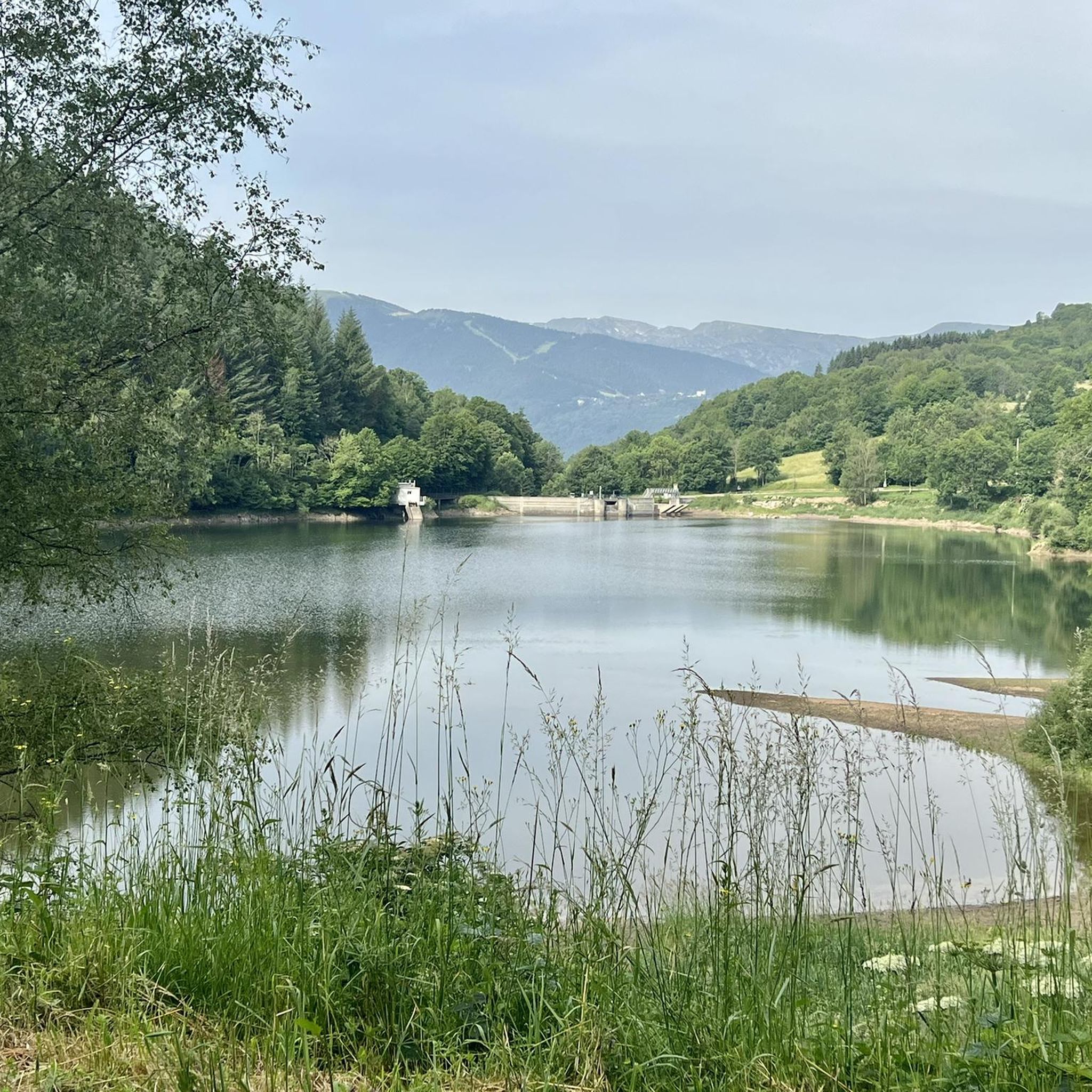
The Etang de Naguilles is a dam lake which supplies the hydroelectric power station of Orlu. With an area of almost 100 hectares, it culminates at 1,855 meters. Now in industrial use, the pond has long animated local tales and legends. The Ariégeois say that the pond of Naguilles was born from the meeting of a blacksmith and the beast of the forest of Naguilles. The blacksmith allegedly gave the ferocious ferocious beast a white-hot iron bar. The beast, then thirsty, would have emptied all the water sources of the mountain before exploding at the current location of the pond.
0
1
Frequently Asked Questions
What are some of the most popular natural monuments around Ascou?
The region around Ascou offers a variety of natural monuments appreciated by visitors. Among the most popular are En Beys Refuge, which overlooks eponymous ponds at 1,970 meters, and Camporells Refuge, nestled at the foot of the Pérics at 2,240 meters. Visitors also enjoy the natural bathing experience at Mérens sulphur springs, with water heated to around forty degrees, and the impressive Gorges de la Frau, a deep canyon sculpted by the Èrç river.
Are there good hiking opportunities near the natural monuments around Ascou?
Yes, the area around Ascou is excellent for hiking. You can find various trails, from moderate to difficult, leading to many natural monuments. For instance, the ascent to Dent d'Orlu from the north is a well-marked trail of medium to difficult intensity. The Ars Waterfall is accessible via a rewarding 3.5 to 4-hour round trip hike from Aulus-les-Bains. You can explore more options in the Mountain Hikes around Ascou guide, which includes routes like the 'Refuge d'En Beys loop'.
What unique natural features can I expect to see in the Ascou region?
The Ascou region, part of the Ariège Pyrenees, boasts diverse natural features. You can witness prominent peaks like Pic de Tarbesou, offering 360-degree panoramic views, and the distinctive Dent d'Orlu. The area is also home to serene high-altitude lakes such as the Rabassoles Lakes (Lac Noir, Lac Bleu, Lac Bas) below Pic de Tarbesou, and the large Naguille Lake. Dramatic geological formations include the deep Gorges de la Frau and the cascading Ars Waterfall.
When is the best time to visit the natural monuments around Ascou?
The best time to visit depends on the activity you're seeking. For hiking and enjoying the full flow of waterfalls like the Ars Waterfall, May and June are ideal due to snowmelt. Summer offers superb hiking and wildlife observation on plateaus like Plateau de Beille. In winter, areas like Pic de Tarbesou become classic spots for ski touring, and Plateau de Beille transforms into a renowned Nordic ski resort.
Are there any family-friendly natural monuments or activities around Ascou?
While many trails in the Pyrenees can be challenging, some natural monuments offer more accessible experiences. The Mérens sulphur springs provide a unique and relaxing natural bathing experience that can be enjoyed by families. For hiking, it's best to check specific trail difficulties, but many areas offer shorter, less strenuous paths suitable for families. Refuges like En Beys Refuge are often suitable for groups and families, offering a warm welcome and catering.
What kind of wildlife can I observe near the natural monuments?
The natural monuments around Ascou are rich in biodiversity. The Orlu National Reserve, which includes Dent d'Orlu, is home to chamois, deer, and capercaillie. The area around the Ars Waterfall features rare and protected species like the trumpet rat and capercaillie. Plateau de Beille, classified as a ZNIEFF, offers opportunities to observe various wildlife and unique flora such as oblong-leaved sundew and bog club moss.
Are there any natural monuments that are particularly good for viewpoints?
Absolutely. Pic de Tarbesou, at 2,364 meters, offers magnificent 360-degree panoramic views across the Ariège Pyrenees. Dent d'Orlu also provides spectacular aerial views. Additionally, Plateau de Beille is known for its exceptional 360-degree panoramic views of the Ariège Pyrenees, making it a great spot for expansive mountain vistas.
Can I find accommodation or places to eat near the natural monuments?
Yes, several natural monuments are associated with facilities. En Beys Refuge and Camporells Refuge both offer accommodation and catering services. The Ars Waterfall is accessible from Aulus-les-Bains, a nearby spa town, which would have amenities. For other areas, it's advisable to check local towns like Ax-les-Thermes for cafes, pubs, and accommodation options.
What other outdoor activities can I do in the Ascou region besides hiking?
Beyond hiking, the Ascou region offers various outdoor activities. In winter, areas like Pic de Tarbesou are popular for ski touring, and Plateau de Beille is a renowned Nordic ski resort. For cycling enthusiasts, there are challenging road cycling routes, such as those found in the Road Cycling Routes around Ascou guide. The Gorges de la Frau are also part of the Grand Traversée Ariège Pyrénées (GTAP) VTT, a mountain bike trail.
Are there any running trails near the natural monuments?
Yes, the region provides excellent opportunities for trail running. You can find various running trails that pass by or lead to natural monuments. For example, the Running Trails around Ascou guide features routes like 'Le Pic de Tarbesou - trail loop starting from the Col de Pailhères car park' and 'Lake Campauleil – Virgin's Rock loop from Orgeix'.
Do I need permits or special access to visit the natural monuments?
Generally, access to most natural monuments in the Ariège Pyrenees is open for hiking and exploration. However, specific areas like the Orlu National Reserve, which includes Dent d'Orlu, are protected, and visitors should respect local regulations regarding wildlife and environmental preservation. For refuges like En Beys and Camporells, it's recommended to contact them directly for opening dates and bed availability, especially if planning an overnight stay.
What is the geological significance of the natural monuments in this area?
The natural monuments around Ascou showcase significant geological features. Pic de Tarbesou, for instance, consists primarily of metasediments from the Cambrian age, resting on igneous rocks of the Hercynian Querigut pluton. The Gorges de la Frau are a prime example of erosion, where the Èrç river has sculpted rocks over thousands of years, creating a deep canyon. These formations highlight the powerful natural processes that shaped the Pyrenean landscape.
Most popular routes around Ascou
Most popular attractions around Ascou

Get inspired with the komoot mobile app


Explore more
Extend your search for the best caves by checking out these guides of the top ones around Ascou:
