Top 20 Natural Monuments around Arrens-Marsous
Best natural monuments around Arrens-Marsous are found within the Hautes-Pyrénées department of France, a region characterized by its mountain landscapes and diverse natural attractions. This area is part of the Pyrenees National Park and includes the "Gabizos Vallée d'Arrens" Natura 2000 site, highlighting its ecological significance. The mountainous surroundings offer numerous lakes, waterfalls, and peaks, providing opportunities for outdoor exploration.
Best natural monuments around Arrens-Marsous
- The most popular natural monuments is View of the Pont d'Espagne waterfalls, a waterfall…
Last updated: May 24, 2026
View of the Pont d'Espagne waterfalls
Highlight • Waterfall
Translated by Google •
Tip by

Oulettes de Gaube Glacier
Highlight • Natural Monument
Very low in altitude for a glacier, the …
Translated by Google •
Tip by
Sign up now to discover places like this
Get recommendations on the best single tracks, peaks, & plenty of other exciting outdoor places.
Sign up for free
Lower Blue Ibón
Highlight • Lake
All the Aragonese lakes are protected by being included …
Translated by Google •
Tip by

Orteig Passage
Highlight • Trail
Translated by Google •
Tip by

Esplumouse Waterfall
Highlight • Waterfall
From the top of the waterfall you are at the best …
Translated by Google •
Tip by
Sign up for free to discover even more natural monuments around Arrens-Marsous.
Sign up for free
Already have an account?
Start today with a free account
Your next adventure awaits.
Login or Signup
Popular around Arrens-Marsous
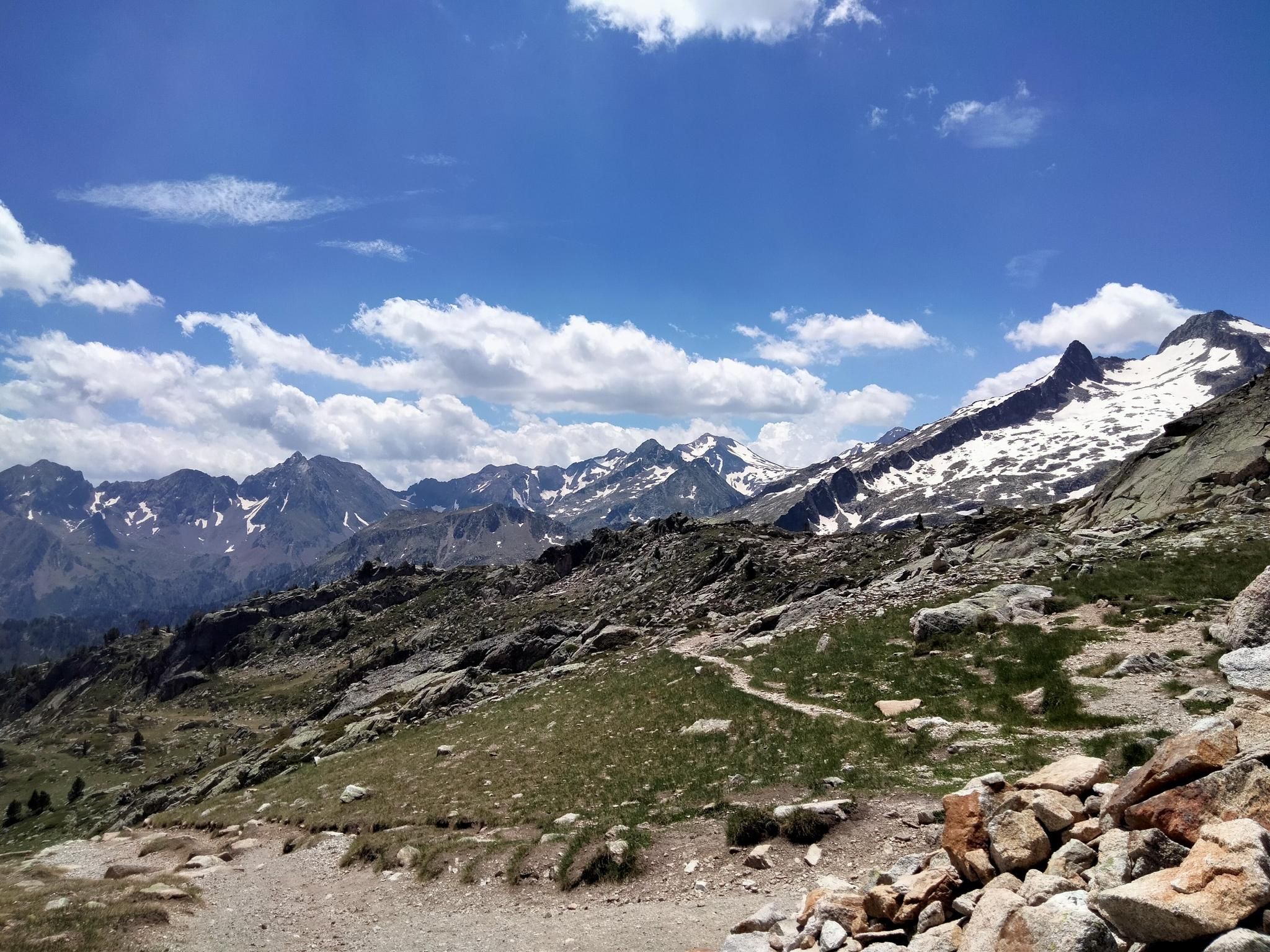
Hexatrek, the western and central Pyrenees – Between mountains and the ocean
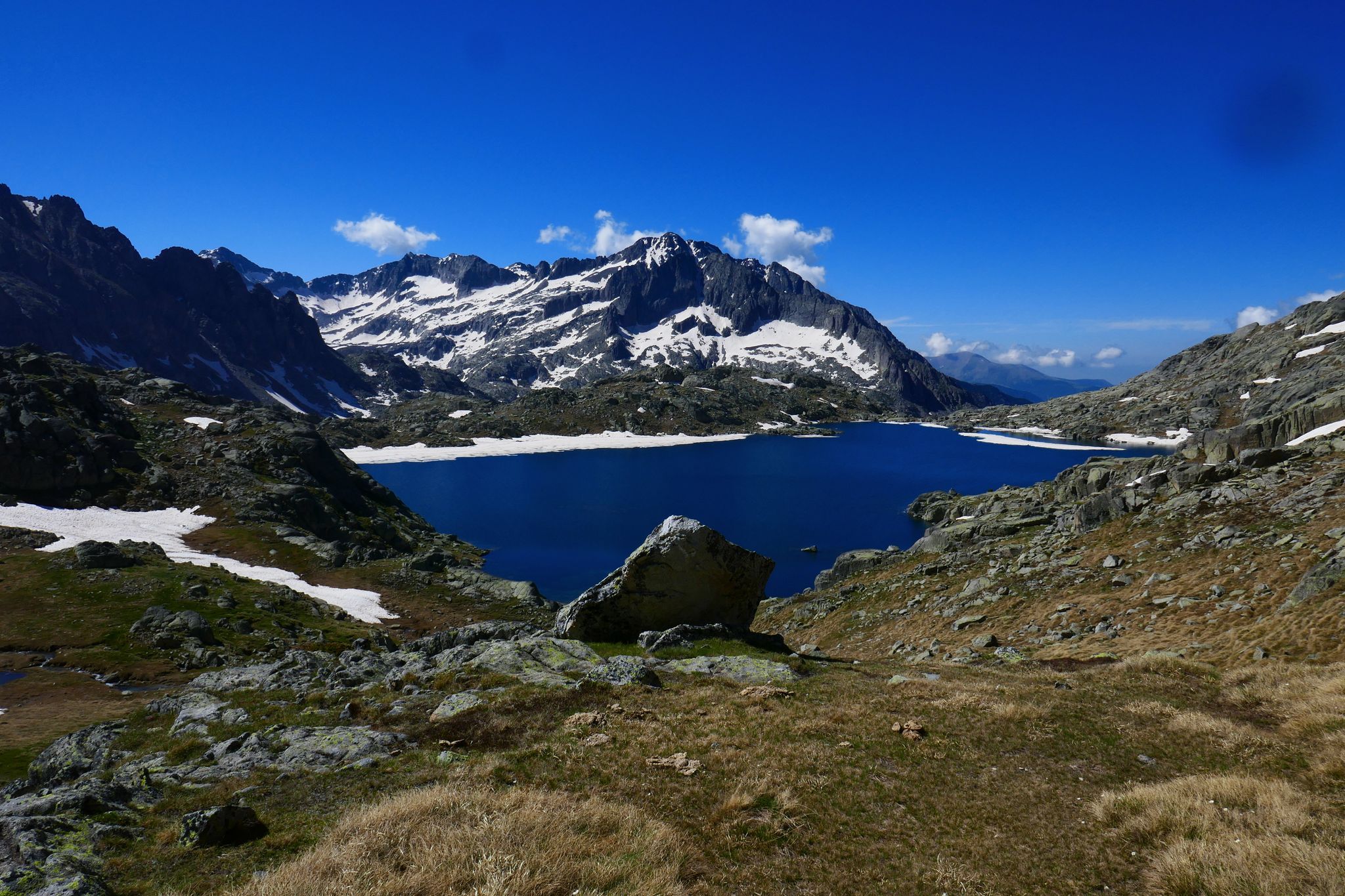
GR 10 – Central Pyrenees crossing the Pyrenees
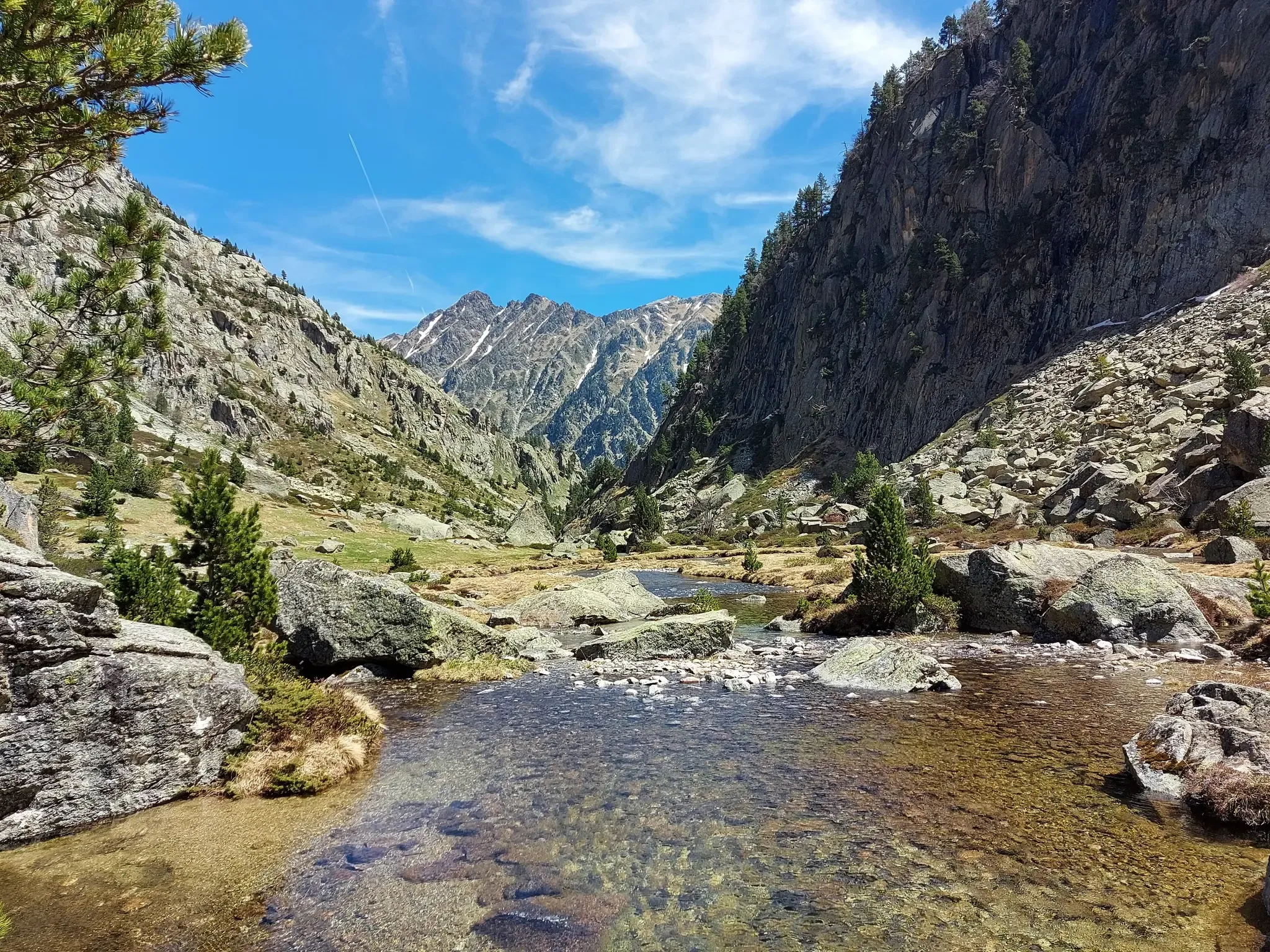
Tour of the Balaïtous – From passes to lakes
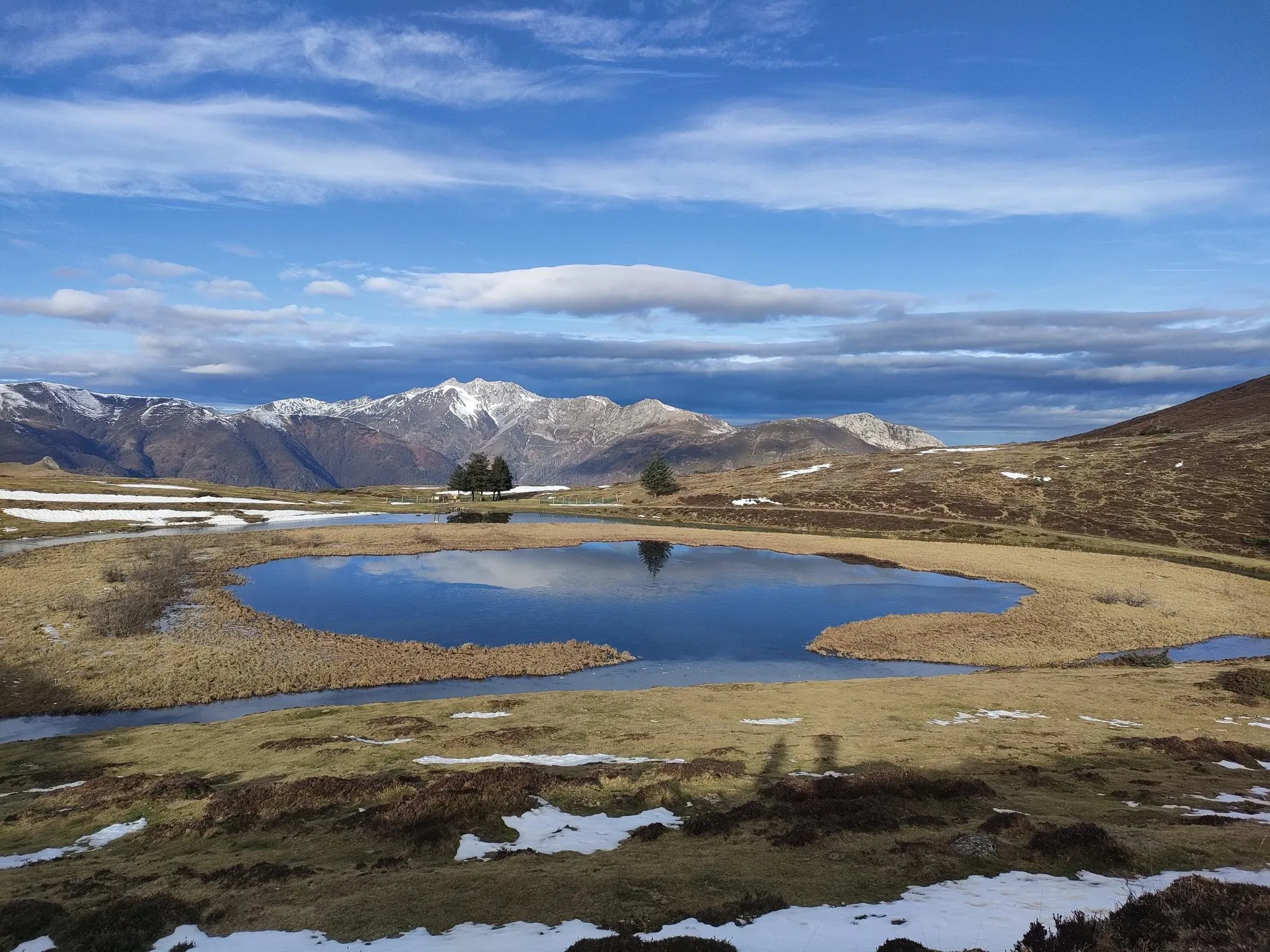
Ridges and valleys – Tour du Val d’Azun in southern France
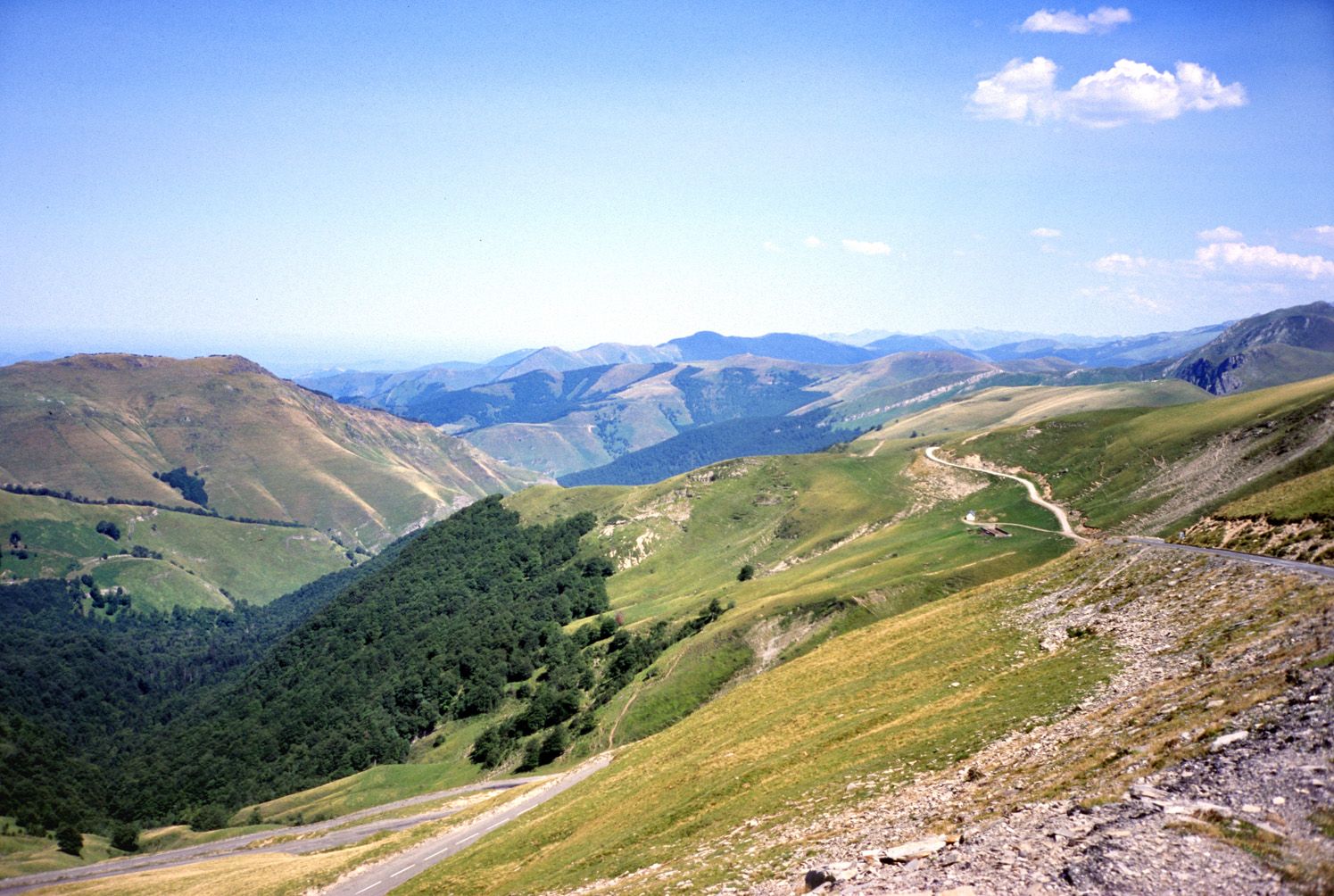
The most beautiful road bike passes of the Pyrenees
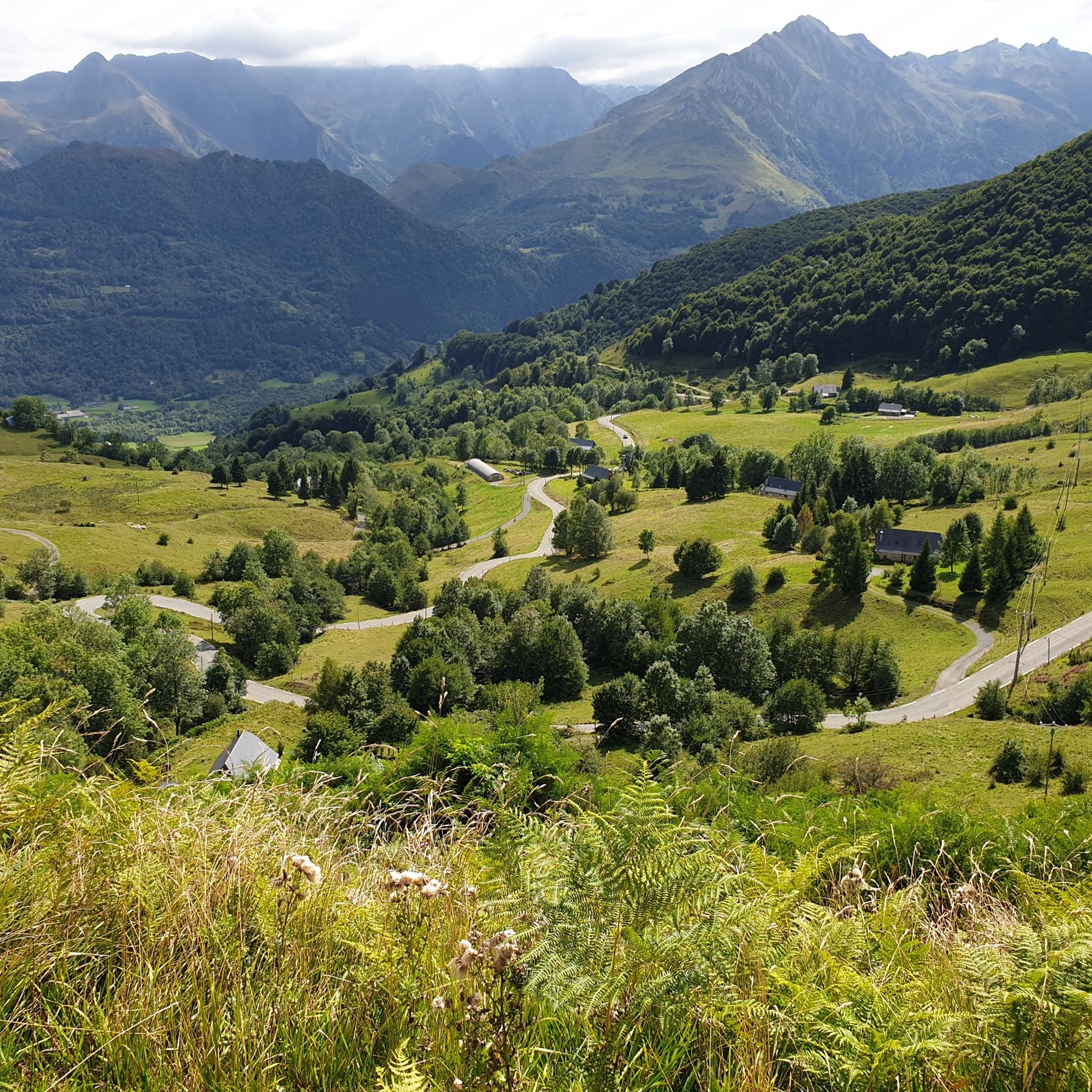
Hiking around Arrens-Marsous
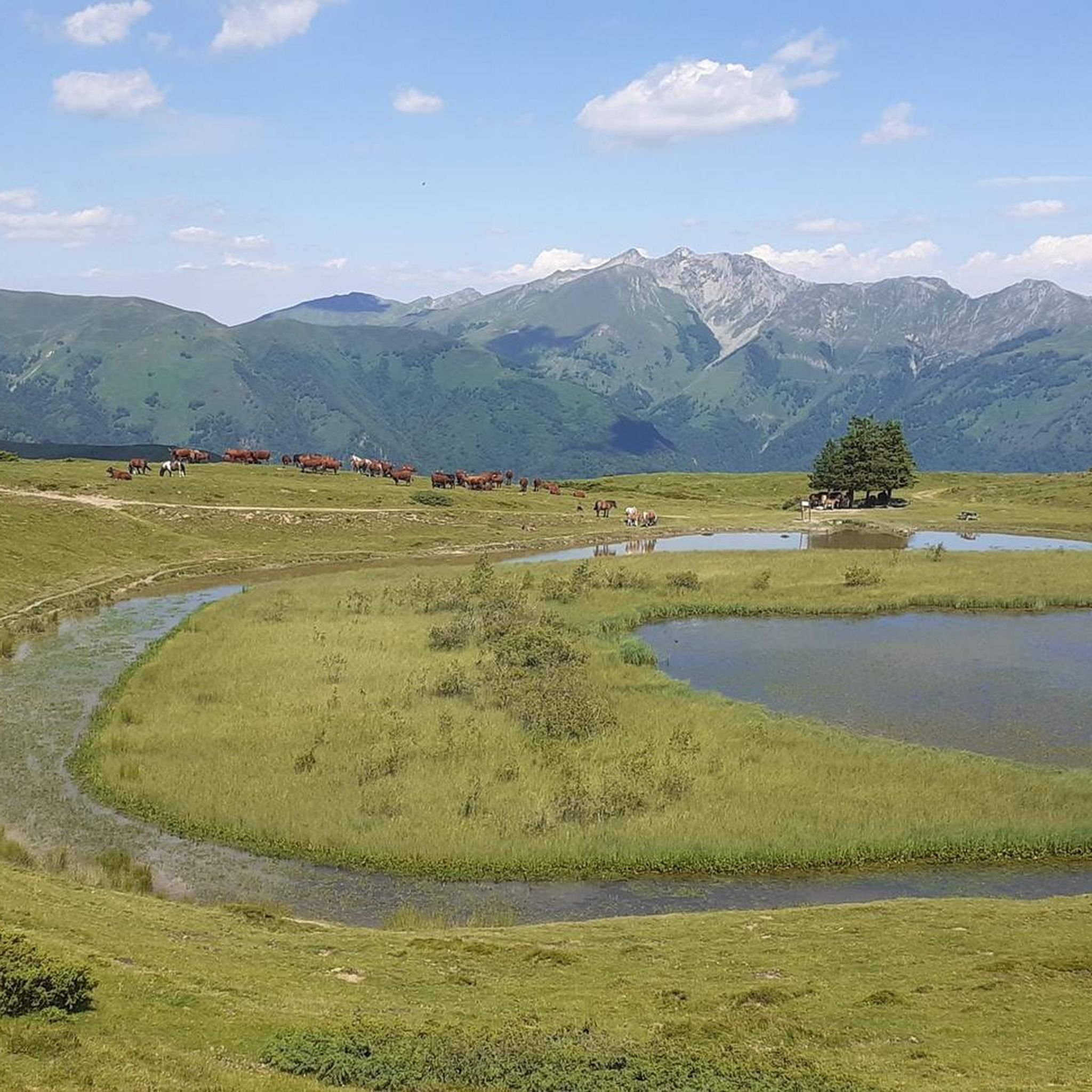
Road Cycling Routes around Arrens-Marsous
MTB Trails around Arrens-Marsous
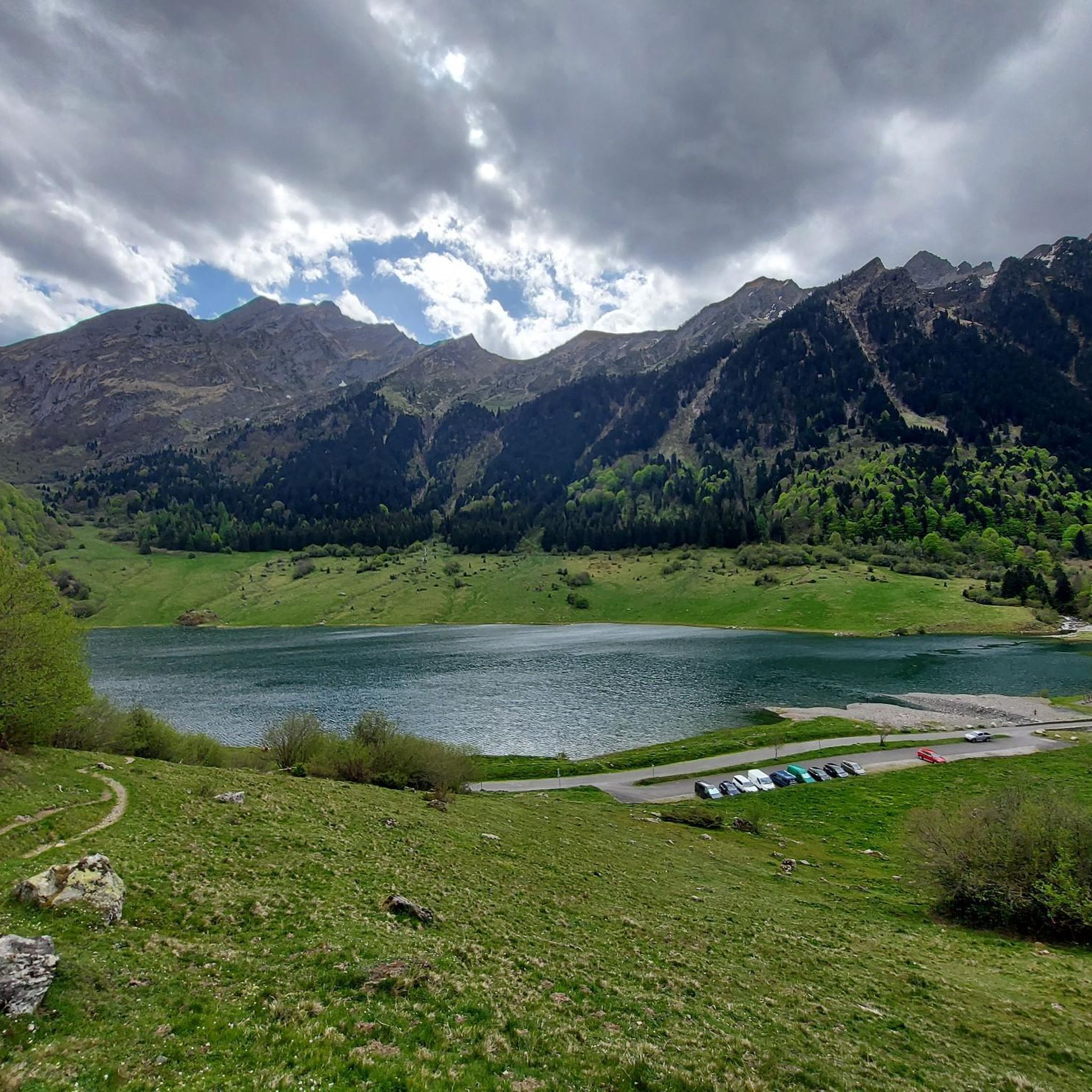
Running Trails around Arrens-Marsous
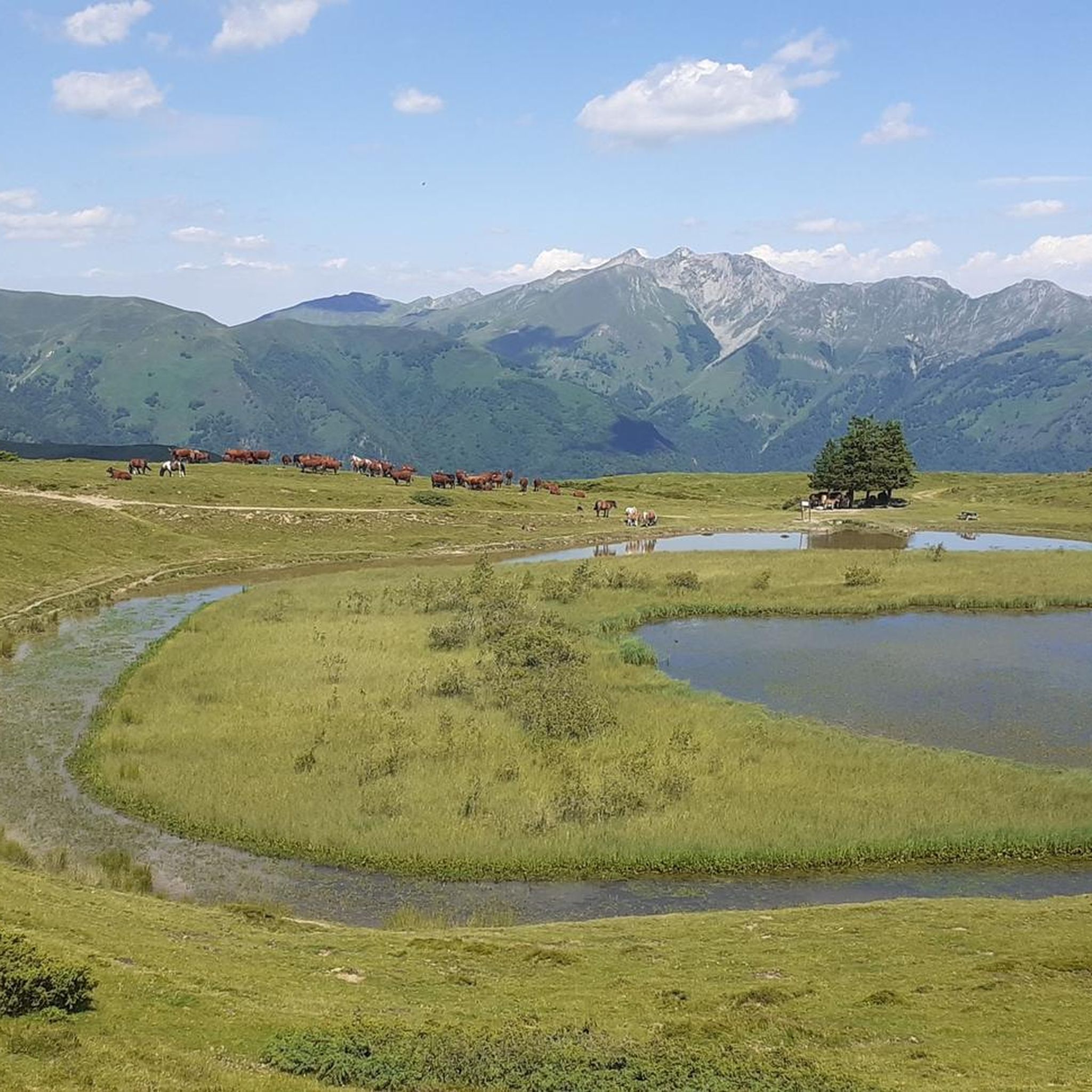
Cycling around Arrens-Marsous
Other adventures around Arrens-Marsous


Tips from the Community

The Vignemale is imposing and eye-catching. Its glacier has become so small, its days are unfortunately numbered. This small cirque is very pretty, but getting there still requires good physical condition.
0
0


... view of the bridge and the waterfall.
2
0
Unfortunately, the waterfall can only be seen clearly from further down.
3
0

Exposed rock passage, wonderful in good weather
0
0

Beautiful….. What else can I say
0
0

https://www.youtube.com/shorts/4mQiMHH2K-M "Glacier du Vignemale" is a glacier located in the Pyrenees, specifically in the Hautes-Pyrénées region in France. Here are some facts about the "Glacier du Vignemale": Location: This glacier is located on the French side of the Pyrenees, in the Occitanie region, near the Pyrenees National Park. Altitude: The "Glacier du Vignemale" is located at a considerable altitude, and its highest point is about 3,298 meters above sea level. Access: Reaching the glacier generally requires a hike or mountain climb, and it can be a popular destination for hikers and mountaineers. Natural Environment: The region surrounding the glacier is impressive in terms of natural beauty, with steep mountains, alpine landscapes and the presence of glaciers that are characteristic of the Pyrenees. Activities: The glacier and its surroundings offer opportunities for outdoor activities, such as hiking, mountaineering and nature watching. It may also be a place of interest for those interested in geology and glacier formation.
0
0

Very beautiful waterfall. From both sides!!! Great restaurant there
0
0
Frequently Asked Questions
What are some of the most impressive natural monuments to visit near Arrens-Marsous?
The region around Arrens-Marsous, nestled within the Pyrenees National Park, offers several remarkable natural monuments. Among them, the View of the Pont d'Espagne waterfalls stands out as an exceptional site with a series of cascades, serving as a popular starting point for various hikes. Another significant natural monument is the Oulettes de Gaube Glacier, located at approximately 2,400 meters, offering dramatic views of the Vignemale massif. Visitors also appreciate the Esplumouse Waterfall, which cascades 90 meters down the Gaube valley.
What kind of natural features can I expect to see in the Arrens-Marsous area?
The Arrens-Marsous area is rich in diverse natural features, primarily characterized by stunning mountain landscapes. You can expect to encounter numerous waterfalls, such as the impressive Pont d'Espagne waterfalls and the Esplumouse Waterfall. The region also features picturesque mountain lakes like Lac de Gaube and Lower Blue Ibón, as well as glaciers like the Oulettes de Gaube Glacier. High mountain passes, including Col du Soulor and Col d'Aubisque, offer panoramic views, while the Pyrenees National Park provides opportunities to observe diverse flora and fauna.
When is the best time to visit the natural monuments around Arrens-Marsous?
The best time to visit the natural monuments around Arrens-Marsous largely depends on the activities you plan. For hiking and exploring the high mountain passes and lakes, the warmer months from late spring to early autumn (June to September) are ideal, as trails are generally clear of snow and weather conditions are more stable. During winter, some higher-altitude sites may be inaccessible or require specialized equipment for winter hiking, but the snow-covered landscapes offer a different kind of beauty.
Are there family-friendly natural monuments suitable for all ages near Arrens-Marsous?
Yes, several natural monuments in the area are suitable for families. The Pont d'Espagne waterfalls are a great option, offering accessible paths and the possibility of reaching Lac de Gaube via a relatively easy walk or even a chairlift from Cauterets. Lac de Tech, located just 12 km from Arrens-Marsous, is another serene spot perfect for a family stroll, where ponies and cows often roam freely.
What are the difficulty levels of trails leading to these natural monuments?
The difficulty levels of trails leading to natural monuments around Arrens-Marsous vary significantly. You can find easy strolls, such as those around Lac de Tech or the initial paths at Pont d'Espagne. Intermediate trails lead to sites like the Esplumouse Waterfall and Lower Blue Ibón. For more experienced hikers, challenging routes lead to high-altitude sites like the Oulettes de Gaube Glacier and the Orteig Passage, which may involve steep ascents and require good physical condition.
Are there options for wild swimming near Arrens-Marsous' natural sites?
While the region boasts many beautiful lakes and rivers, it's important to note that environmental protection is a priority. For instance, the Aragonese lakes, including the Lower Blue Ibón, are protected as Singular Wetlands. Activities that could modify water quality, such as bathing with chemicals like sunscreen, are generally discouraged or prohibited to preserve these delicate ecosystems. Always check local regulations before attempting any wild swimming.
What outdoor activities can I do near the natural monuments around Arrens-Marsous?
The area around Arrens-Marsous offers a wide range of outdoor activities. Hiking is very popular, with trails leading to waterfalls, lakes, and glaciers. Cycling is also a major draw, especially on the famous mountain passes like Col du Soulor and Col d'Aubisque. You can find various routes for different sports, including hiking, running, and mountain biking. For example, you can explore routes like the Lake Suyen and Larribet Refuge Trail for hiking, or the Pic de Bazès Panoramic Loop for mountain biking. More information on these activities can be found in the Hiking around Arrens-Marsous, Running Trails around Arrens-Marsous, and MTB Trails around Arrens-Marsous guides.
Are there specific hiking trails near these natural monuments?
Absolutely. Many natural monuments serve as focal points for hiking trails. For instance, the Pont d'Espagne waterfalls are a major starting point for hikes to Lac de Gaube, the Oulettes glacier, the Marcadau valley, and Lake Ilhéou. The GR10 long-distance trail also passes through this area. You can find detailed hiking routes, such as the 'Lake Suyen and Larribet Refuge Trail' or the 'Hike of lake Migouélou', in the Hiking around Arrens-Marsous guide.
What do visitors enjoy the most about the natural monuments in Arrens-Marsous?
Visitors consistently praise the breathtaking natural beauty and the sense of wide-open spaces. The succession of waterfalls at Pont d'Espagne, the dramatic backdrop of the Vignemale massif at Oulettes de Gaube Glacier, and the panoramic views from the Esplumouse Waterfall are frequently highlighted. The opportunity for diverse outdoor activities, from easy family walks to challenging mountaineering, also contributes to the region's appeal.
Are there any hidden natural gems or less-known spots worth discovering?
While many sites are well-known, exploring the broader Pyrenees National Park and the 'Gabizos Vallée d'Arrens' Natura 2000 site can reveal quieter spots. The Orteig Passage, for example, offers a spectacular view of the lake below and is recommended for experienced hikers, providing a more secluded experience away from the main trails. The serene Lac de Tech, with its free-roaming ponies and cows, also offers a peaceful escape.
Is it possible to visit these natural monuments during winter?
Visiting natural monuments around Arrens-Marsous during winter is possible, but it requires careful planning and often specialized equipment. Many high-altitude trails and passes, like those leading to the Oulettes de Gaube Glacier, will be covered in snow and ice, making them suitable only for experienced winter hikers or mountaineers. Lower-altitude areas and accessible sites like Pont d'Espagne may still be visited, sometimes with snowshoes, offering a unique and tranquil winter landscape. Always check local conditions and forecasts before heading out.
Are there places to eat or get refreshments near the natural monuments?
Yes, depending on the specific natural monument, you can often find options for refreshments. For instance, near Lac de Gaube, the Hôtellerie du lac de Gaube provides an opportunity for refreshments. In more remote areas or at higher altitudes, such as near Lake Ilhéou or the Arrémoulit refuge, there might be mountain refuges where you can find food and accommodation. It's always advisable to carry your own supplies, especially for longer hikes.
Most popular routes around Arrens-Marsous
Most popular attractions around Arrens-Marsous

Get inspired with the komoot mobile app


Explore more
Extend your search for the best caves by checking out these guides of the top ones around Arrens-Marsous:
