Top 5 Natural Monuments around Mont-L'Évêque
Best natural monuments around Mont-L'Évêque include diverse natural spaces. The area features the historic Château de Mont-l'Évêque and its 50-hectare English-style park, through which the Nonette River flows, forming a pond. Mont-L'Évêque also borders the extensive Ermenonville Forest, known for its sandy soils and unique vegetation. These interconnected natural areas provide varied landscapes for exploration.
Best natural monuments around Mont-L'Évêque
- The most popular natural monuments is Étangs de Commelles, a lake that is part of the Chantilly forest and a protected site. This area is rich in biodiversity and was historically frequented by artists.
- Another must-see spot is Mont Pagnotte viewpoint, a forest and summit. From this point, visitors can admire a panoramic view of the Halatte Forest and the surrounding countryside.
- Visitors also love Butte d'Aumont, a natural monument and viewpoint. This summit offers panoramic views of the surrounding countryside and the Halatte forest.
- Mont-L'Évêque is known for its forests, lakes, and viewpoints. The region offers a variety of natural monuments to see and explore, from ancient trees to historical parks.
- The natural monuments around Mont-L'Évêque are appreciated by the komoot community, with more than 110 upvotes and 29 photos shared across the highlights.
Last updated: May 24, 2026
Mont Pagnotte viewpoint
Highlight • Forest
Translated by Google •
Tip by

Étangs de Commelles
Highlight • Lake
Translated by Google •
Tip by

Sign up now to discover places like this
Get recommendations on the best single tracks, peaks, & plenty of other exciting outdoor places.
Sign up for free
Butte d'Aumont
Highlight • Natural Monument
Translated by Google •
Tip by
The Chêne des Grès
Highlight • Natural Monument
Translated by Google •
Tip by

Jean-Jacques Rousseau Park
Highlight • Natural Monument
Translated by Google •
Tip by
Sign up for free to discover even more natural monuments around Mont-L'Évêque.
Sign up for free
Already have an account?
Start today with a free account
Your next adventure awaits.
Login or Signup

Tips from the Community

The orientation table that previously existed and the wooden terrace have been removed. The trees have grown, making the view non-existent. Before, on a clear day, it was possible to make out the Eiffel Tower.
0
0

From this summit you can enjoy a panoramic view of the surrounding countryside and the Halatte forest. You can also discover the historical and cultural heritage of the region, such as the ruins of the Aumont castle and the Saint-Martin chapel.
3
0
The Jean-Jacques Rousseau park in Ermenonville is a beautiful example of a landscaped garden, inspired by the paintings of Poussin and Claude Lorrain. There you can admire ponds, meadows and groves, as well as small buildings evoking different virtues, values or characters. The park is named after the philosopher Jean-Jacques Rousseau, who spent the last six weeks of his life there and was buried on Île des Peupliers. You can follow in his footsteps and meditate on his writings, engraved on certain ruins. The park is also a place of literary pilgrimage, as many famous writers and artists have visited it over the centuries. You can enjoy the tranquility and harmony of nature in this park, which is open Tuesday to Sunday, from 11 a.m. to 5:30 p.m.
2
0
Mont Pagnotte is the highest point in Valois and one of the highest in the Paris region, with an altitude of 222 meters. It was also an ancient Celtic and Gallo-Roman colony, of which you can still see some ruins along the way. The trail takes you through the magnificent Halatte Forest, where you can appreciate the diversity of trees and wildlife. From the summit of Mont Pagnotte, you can admire a panoramic view of the forest and the surrounding countryside. This is an ideal hike for a family outing or to escape the city.
2
0
The Jean-Jacques Rousseau Park in Ermenonville is a beautiful example of a landscaped garden, inspired by the paintings of Poussin and Claude Lorrain. You can admire ponds, meadows and groves, as well as small buildings that evoke different virtues, values or characters. The park is named after the philosopher Jean-Jacques Rousseau, who spent the last six weeks of his life there and was buried on Île des Peupliers. You can follow in his footsteps and meditate on his writings, engraved on certain ruins. The park is also a place of literary pilgrimage, as many famous writers and artists have visited it over the centuries. You can enjoy the tranquility and harmony of nature in this park, which is open from Tuesday to Sunday, from 11:00 a.m. to 5:30 p.m.
2
0

The ponds of Commelles are part of the beautiful forest of Chantilly and therefore of the Regional Natural Park Oise-Pays de France It is a protected site, rich in biodiversity, with thousands of frogs in March. In the 19th century, the ponds were frequented by romantic artists and authors such as Chateaubriand.
1
1

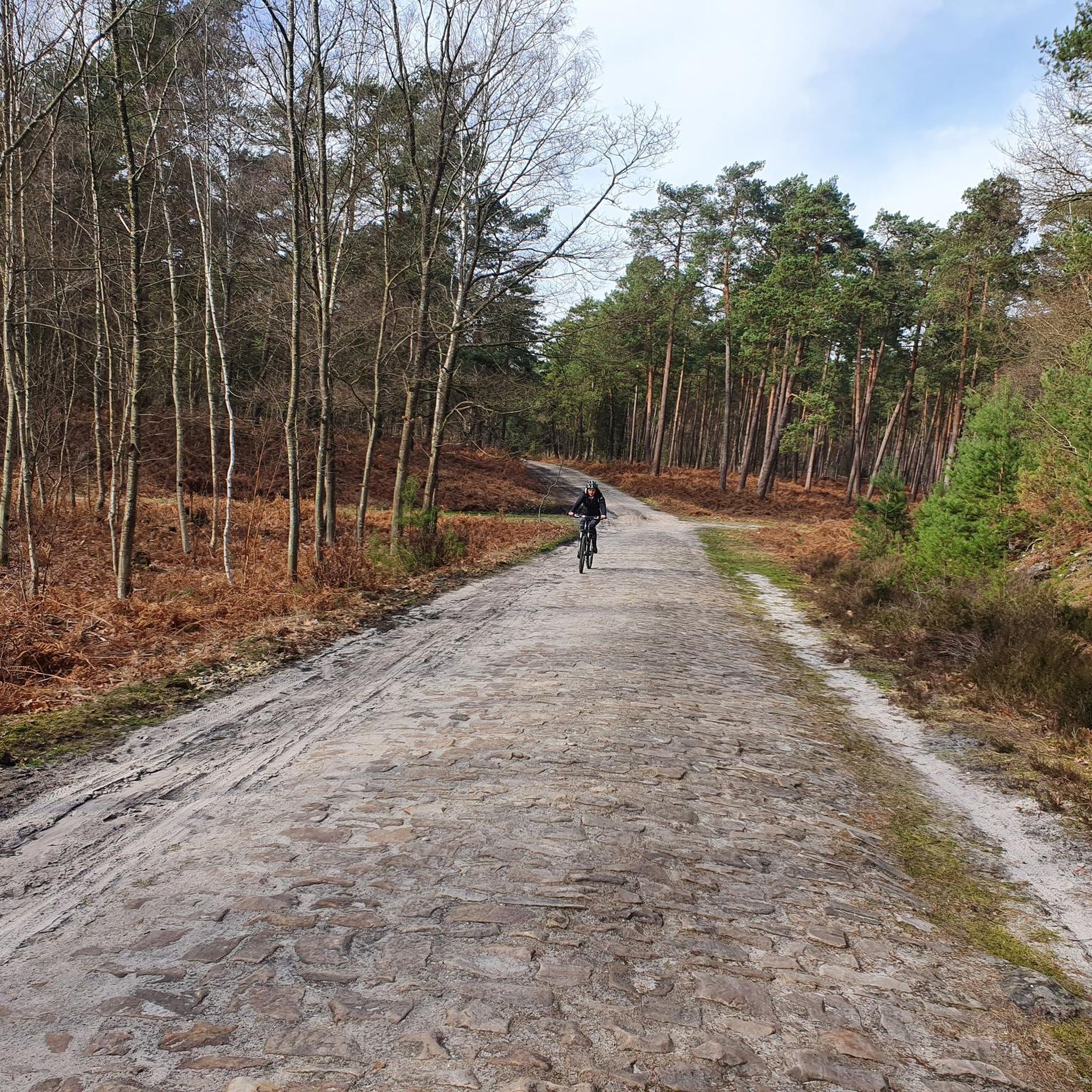
Here we find a quite astonishing sandy mound in the middle of the forest! A small dune of Pilat in the middle of the Halatte forest. On your mountain bikes!
0
0
Beautiful point of view on the treetops. The panorama is not exceptional but it is the highest point of Valois with 222 m of altitude anyway!
0
0
Frequently Asked Questions
What natural features define the Mont-l'Évêque area?
The Mont-l'Évêque area is characterized by a blend of historical and natural landscapes. Key features include the expansive 50-hectare English-style park surrounding the Château de Mont-l'Évêque, through which the Nonette River flows, forming tranquil ponds. Additionally, the region borders the vast Ermenonville Forest, known for its unique sandy soils, Scots pines, and diverse ecosystem.
Are there any significant viewpoints to explore around Mont-l'Évêque?
Yes, the area offers several notable viewpoints. You can visit Mont Pagnotte viewpoint, which is the highest point in Valois and provides a panoramic view of the Halatte Forest and surrounding countryside. Another excellent spot is Butte d'Aumont, offering similar panoramic views of the countryside and the Halatte forest, and featuring a unique sandy mound.
Where can I find unique natural spots like ancient trees?
For nature lovers, a visit to The Chêne des Grès is highly recommended. This remarkable sessile oak, approximately 300 years old and 23 meters high, stands majestically in the forest of Pontarmé and is a true natural monument.
What kind of wildlife can be observed in the natural areas?
The natural areas around Mont-l'Évêque are rich in biodiversity. In the Château de Mont-l'Évêque park, you can often see swans on the Nonette River's pond. The Ermenonville Forest is an ecologically precious site, hosting rare species such as the European nightjar and praying mantis. Additionally, the Étangs de Commelles are known for their abundant frog population, especially in March.
Are there family-friendly natural sites around Mont-l'Évêque?
Many natural sites in the area are suitable for families. The park around the Château de Mont-l'Évêque is perfect for leisurely strolls. The Étangs de Commelles, part of the Chantilly forest, offer a protected site rich in biodiversity that families can explore. Mont Pagnotte viewpoint and The Chêne des Grès are also considered family-friendly, providing engaging walks and sights.
What outdoor activities are available near these natural monuments?
The region offers a variety of outdoor activities. You can find numerous routes for cycling, mountain biking, and running. These routes often pass through the Halatte Forest, Ermenonville Forest, and near the various natural monuments, providing diverse terrain and scenic views for all skill levels.
Are there specific hiking trails recommended for exploring the natural monuments?
While specific hiking trails are integrated into broader guides, you can explore areas like the Halatte Forest, which features trails leading to viewpoints such as Mont Pagnotte and Butte d'Aumont. The Ermenonville Forest also offers extensive trails, including those with unique sandy landscapes. For detailed routes, refer to the running, cycling, and MTB guides for the Mont-l'Évêque area.
What is the best time of year to visit the natural monuments in Mont-l'Évêque?
The natural monuments around Mont-l'Évêque can be enjoyed throughout the year. Spring brings vibrant greenery and active wildlife, such as frogs at the Étangs de Commelles. Summer is ideal for longer days and outdoor activities. Autumn offers beautiful foliage in the forests, while winter provides a serene, quiet atmosphere, especially in the Ermenonville Forest's unique sandy landscapes. The Château park is open daily, free of charge, allowing for visits in any season.
Are there historical or cultural aspects integrated with the natural sites?
Yes, several natural sites have significant historical and cultural connections. The Château de Mont-l'Évêque park itself is a historical landscape. Mont Pagnotte was an ancient Celtic and Gallo-Roman colony with visible ruins. The Étangs de Commelles were frequented by romantic artists and authors in the 19th century. Additionally, the Jean-Jacques Rousseau Park in Ermenonville is a landscaped garden with strong literary and philosophical ties, where Rousseau spent his last weeks.
What do visitors enjoy most about the natural monuments in Mont-l'Évêque?
Visitors particularly appreciate the diverse landscapes and the blend of natural beauty with historical elements. The panoramic views from Mont Pagnotte and Butte d'Aumont are highly rated. The tranquility and biodiversity of the Étangs de Commelles and the unique character of the Ermenonville Forest's sandy terrain also receive positive feedback. The opportunity for peaceful walks and discovering ancient trees like The Chêne des Grès are also highlights for many.
Is the Jean-Jacques Rousseau Park accessible to the public?
Yes, the Jean-Jacques Rousseau Park in Ermenonville is open to the public from Tuesday to Sunday, typically from 11:00 a.m. to 5:30 p.m. It offers a beautiful landscaped garden with ponds, meadows, and groves, providing a peaceful setting for visitors to enjoy nature and reflect on its historical significance.
Are there any natural areas with a unique geological character?
Yes, the Ermenonville Forest stands out with its unique geological character. It is known for its distinctive sandy soils and a 'sea of sand' landscape, which gives it a 'Mediterranean ambiance' despite being in France. This sandy substrate supports specific vegetation and makes for a different kind of forest exploration compared to traditional woodlands.
Most popular routes around Mont-L'Évêque
Most popular attractions around Mont-L'Évêque

Get inspired with the komoot mobile app


Explore more
Extend your search for the best caves by checking out these guides of the top ones around Mont-L'Évêque:
