Top 5 Natural Monuments around Frise
Best natural monuments around Frise are found in a region characterized by its diverse landscapes. This area features a mix of historical sites, viewpoints, and man-made monuments that have become significant natural landmarks. Visitors can explore locations shaped by both geological processes and historical events, offering unique insights into the region's past. The natural monuments around Frise provide varied outdoor experiences for those interested in history and natural features.
Best natural monuments around Frise
- The most popular natural monuments is…
Last updated: May 8, 2026
Lochnagar Crater
Highlight • Monument
Translated by Google •
Tip by

Frise Viewpoint
Highlight • Viewpoint
Translated by Google •
Tip by

Sign up now to discover places like this
Get recommendations on the best single tracks, peaks, & plenty of other exciting outdoor places.
Sign up for free
La Boisselle Mine Crater
Highlight • Historical Site
Translated by Google •
Tip by

Mametz Wood Welsh Division Memorial
Highlight • Monument
Translated by Google •
Tip by

Start today with a free account
Your next adventure awaits.
Login or Signup

Tips from the Community

The Cratère de Lochnagar, an impressive war memorial, was created by a huge mine blown up by the British Royal Engineers on 1 July 1916, as part of the Battle of the Somme. The explosion marked the beginning of the battle and left a crater 90 metres in diameter and 25 metres deep. Interestingly, the crater was named after Lochnagar Street, the trench from which the tunnel was dug. The crater is now a preserved site of remembrance and a religious service is held there every year on 1 July in memory of those who died.
8
0

The 38th Welsh Division Memorial, unveiled in 1987, is dedicated to the soldiers of the 38th Welsh Division who fell at the Battle of Mametz Wood in July 1916, at the start of the Battle of the Somme, and "marks their sacrifice for Freedom" with a red dragon, the symbol of Wales. With its wings in motion, the dragon, facing Mametz Wood, tears through barbed wire with its claws. On July 10, 1916, during the Battle of the Somme, the 38th Welsh Division was forced to capture Mametz Wood, a stronghold of German resistance that was preventing any eastward advance of the British Army. The wood was taken after fierce bayonet fighting, at the cost of very heavy losses, on July 12, 1916. For most of the soldiers, it was their baptism of fire: 4,000 men were put out of action, including 600 killed and 600 missing. Having lost a quarter of its strength, the 38th Welsh Division was relieved after a week and did not participate in a major offensive again until July 31, 1917.
0
0

Just off the road to Bapaume, is the site of the grand mine. At 7am on the 1st July 1916 the biggest explosion in history cause this hole o e of several that marked the start of the Battle of the Somme. Well worth a visit.
0
0

Very moving place of memory. Never forget 💮.
1
0

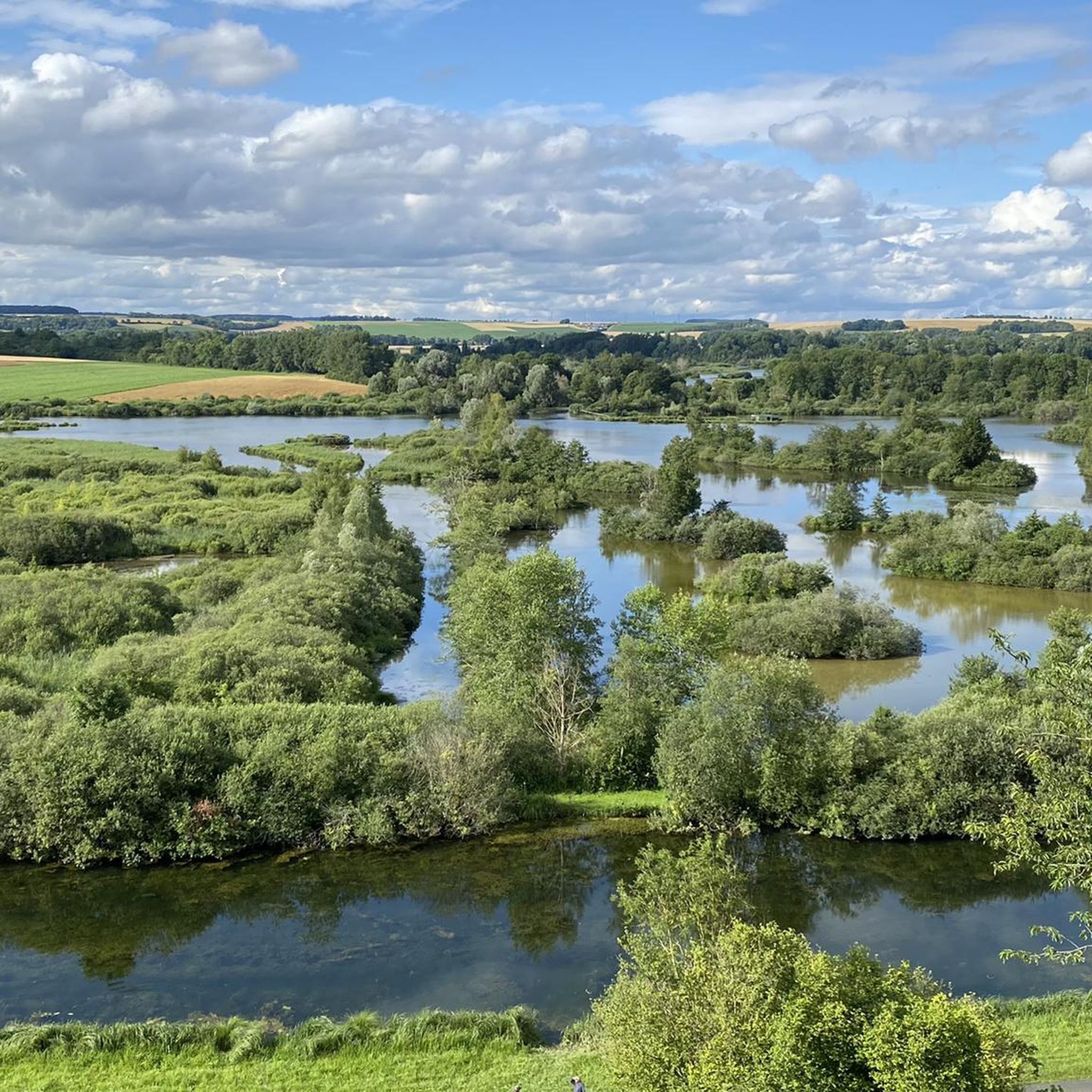
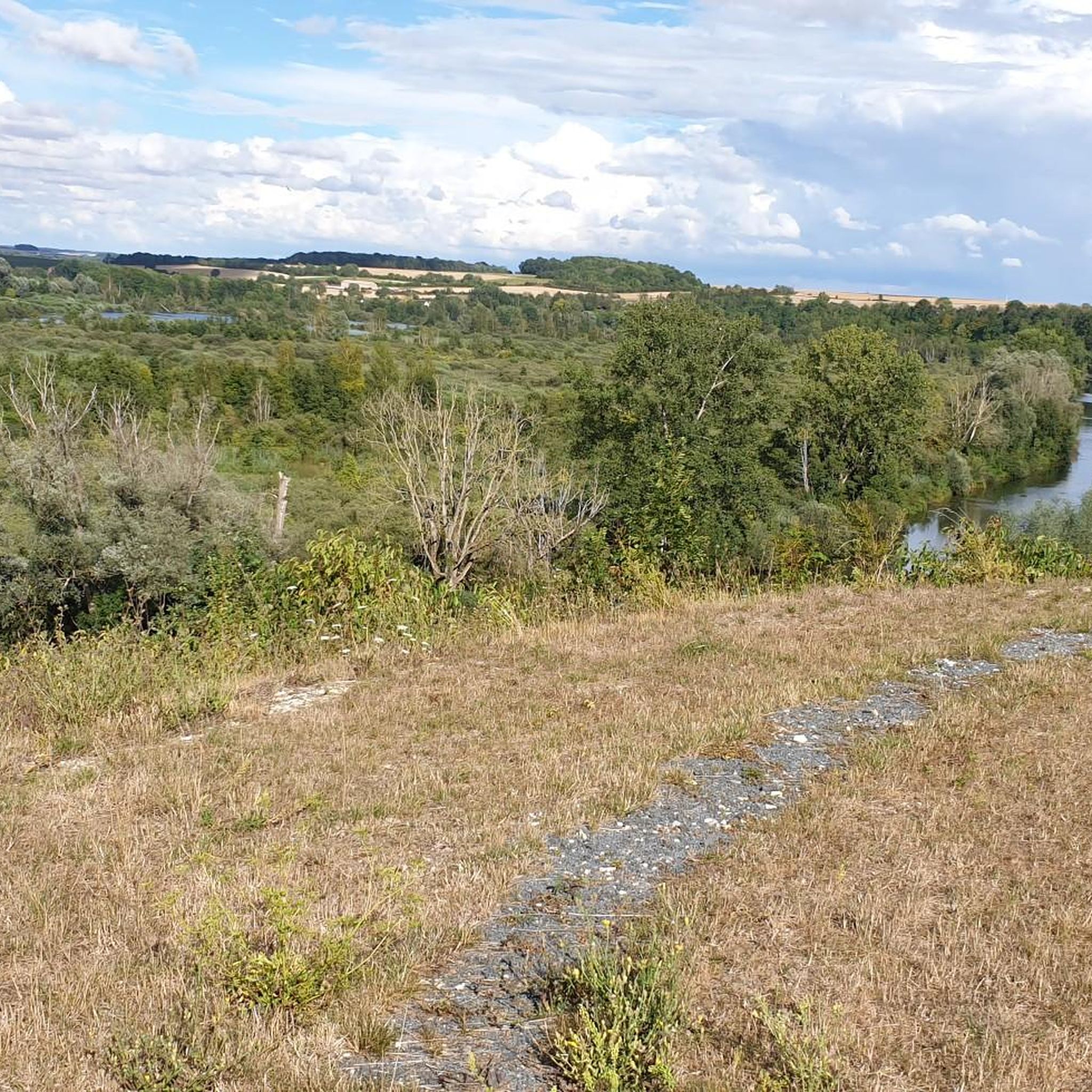
The Frize mountain belvedere reveals a striking view of the meanders of the Somme, in a peaceful setting that contrasts with its past marked by the battles of the First World War. Traces of this history are still visible in the trenches and shell impacts. Mentioned by Blaise Cendrars, this land rich in history today offers visitors an exceptional panorama of a landscape of marshes and ponds.
2
0

Enormous crater! Should you take with you on the tour: few are so well preserved and accessible.
2
0
An impressive example of the power of destruction: 100 years later, you still stand at this crater and can't imagine what really happened here. Well documented and can also be visited by groups, the area has space for stay and exchange.
3
0

Lochnagar Crater is the largest man-made World War I mine crater on the Western Front, created by a massive explosion that marked the start of the Battle of the Somme in 1916. You can tour the crater on a walk , discover history through information panels and pay tribute to the men and women who suffered during the Great War. The Lochnagar Crater Foundation organizes annual commemoration ceremonies and maintains the site as a memorial.
5
0
Frequently Asked Questions
What kind of natural monuments can I expect to find around Frise?
The natural monuments around Frise are largely shaped by historical events, particularly World War I. You'll find significant sites like the Lochnagar Crater and La Boisselle Mine Crater, which are impressive man-made craters that have become natural landmarks. Additionally, there are viewpoints such as Frise Viewpoint offering panoramic views of the Somme meanders, blending natural beauty with historical significance.
Are the natural monuments around Frise suitable for families?
Yes, several natural monuments around Frise are considered family-friendly. Sites like the Lochnagar Crater, Frise Viewpoint, La Boisselle Mine Crater, and the Mametz Wood Welsh Division Memorial are all categorized as family-friendly, offering educational and reflective experiences for all ages.
What is the historical significance of the natural monuments in Frise?
Many natural monuments in Frise are deeply intertwined with the history of World War I. The region was a significant battleground, and sites like the Lochnagar Crater and La Boisselle Mine Crater are direct results of massive mine explosions from the Battle of the Somme. These craters, along with memorials like the Mametz Wood Welsh Division Memorial, serve as poignant reminders of the past, offering visitors a chance to reflect on the events that shaped the landscape.
Can I go cycling near the natural monuments in Frise?
Absolutely! The area around Frise offers various cycling opportunities. You can find routes like the 'Canal de la Somme Cycle Path – Banks of the Somme loop' or 'Froissy Lock – Canal de la Somme Cycle Path loop'. For more detailed routes and options, explore the Cycling around Frise guide.
Are there mountain biking trails available near Frise's natural monuments?
Yes, mountain biking is a popular activity in the region. There are MTB trails such as the 'Froissy Station Museum – Ulster Tower loop' and 'Canal de la Somme Cycle Path – Froissy Station Museum loop'. For a comprehensive list of trails, check out the MTB Trails around Frise guide.
What kind of views can I expect from the viewpoints in Frise?
From viewpoints like the Frise Viewpoint, you can expect striking panoramic views of the Somme meanders. This includes a landscape of marshes and ponds, offering a peaceful setting that contrasts with the area's historical past marked by World War I battles.
What do visitors enjoy most about the natural monuments around Frise?
Visitors frequently appreciate the unique blend of natural beauty and profound historical significance. The impressive scale of sites like the Lochnagar Crater, the serene views from Frise Viewpoint, and the poignant memorials all contribute to a deeply moving and educational experience. The opportunity to explore these sites on foot or by bike is also highly valued.
Are there any gravel biking routes near the natural monuments?
Gravel biking is indeed an option around Frise. You can find routes like the 'Château de Suzanne – Canal de la Somme Cycle Path loop' or 'Froissy Lock – Towpath Along the Somme River loop'. More details on these and other routes can be found in the Gravel biking around Frise guide.
What is the Lochnagar Crater and why is it significant?
The Lochnagar Crater is the largest man-made World War I mine crater on the Western Front. It was created by a massive explosion on July 1, 1916, marking the start of the Battle of the Somme. Today, it serves as a preserved site of remembrance, where annual commemoration ceremonies are held, and visitors can learn about its history through information panels.
What is the La Boisselle Mine Crater?
The La Boisselle Mine Crater is another significant artificial mine crater from World War I, formed by a massive explosion on the first day of the Battle of the Somme. It's a historical site and natural monument where visitors can walk around the crater and learn about its past through information panels, paying respects to fallen soldiers.
Can I find memorials related to World War I among the natural monuments?
Yes, the region features important memorials. The Mametz Wood Welsh Division Memorial, for instance, is dedicated to the soldiers of the 38th Welsh Division who fell during the Battle of Mametz Wood in July 1916. These memorials are often integrated into the landscape, offering places for reflection.
Most popular attractions around Frise

Get inspired with the komoot mobile app


Explore more
Extend your search for the best caves by checking out these guides of the top ones around Frise:
