Top 4 Natural Monuments around Lescout
Best natural monuments around Lescout are located in the Tarn department of southern France, an area characterized by its rural and agricultural landscape. The region offers several natural attractions in its vicinity. These sites provide opportunities to explore the local environment and its historical significance. Visitors can find a mix of natural features and culturally significant spots.
Best natural monuments around Lescout
- The most popular natural monuments is Statue of Saint Stapin and Viewpoint, a man-made monument and viewpoint…
Last updated: August 28, 2026
Baylou Chapel and Mougnès Waterfall
Highlight • Religious Site
Translated by Google •
Tip by

Statue of Saint Stapin and Viewpoint
Highlight • Monument
Translated by Google •
Tip by
Sign up now to discover places like this
Get recommendations on the best single tracks, peaks, & plenty of other exciting outdoor places.
Sign up for free
Summit of the Oppidum de Berniquaut
Highlight • Summit
Translated by Google •
Tip by

Dourgne Pass
Highlight (Segment) • Mountain Pass
Translated by Google •
Tip by
Small Caves of the Haut-Languedoc Regional Natural Park
Highlight • Cave
Translated by Google •
Tip by

Sign up for free to discover even more natural monuments around Lescout.
Sign up for free
Already have an account?
Start today with a free account
Your next adventure awaits.
Login or Signup


Tips from the Community

The highest point was occupied mainly during the medieval period.
0
0

To access, take the mountain bike trail. The entrance to the cave is on the left at the top of the trail.
0
0

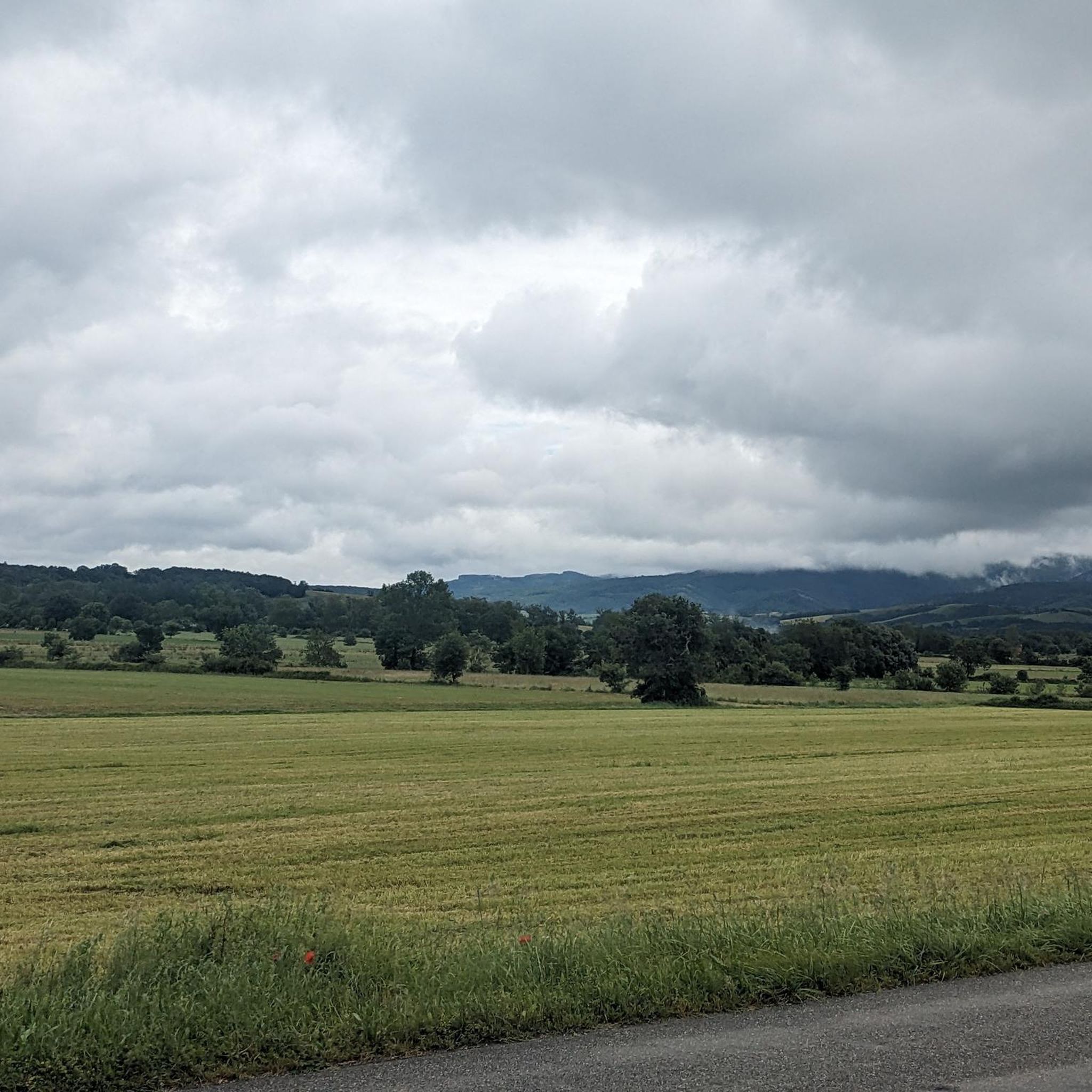
Beautiful 2 km climb starting from Dourgne, the view must be beautiful 😊, I was there on a foggy day 🌫️ so I don't know
1
0

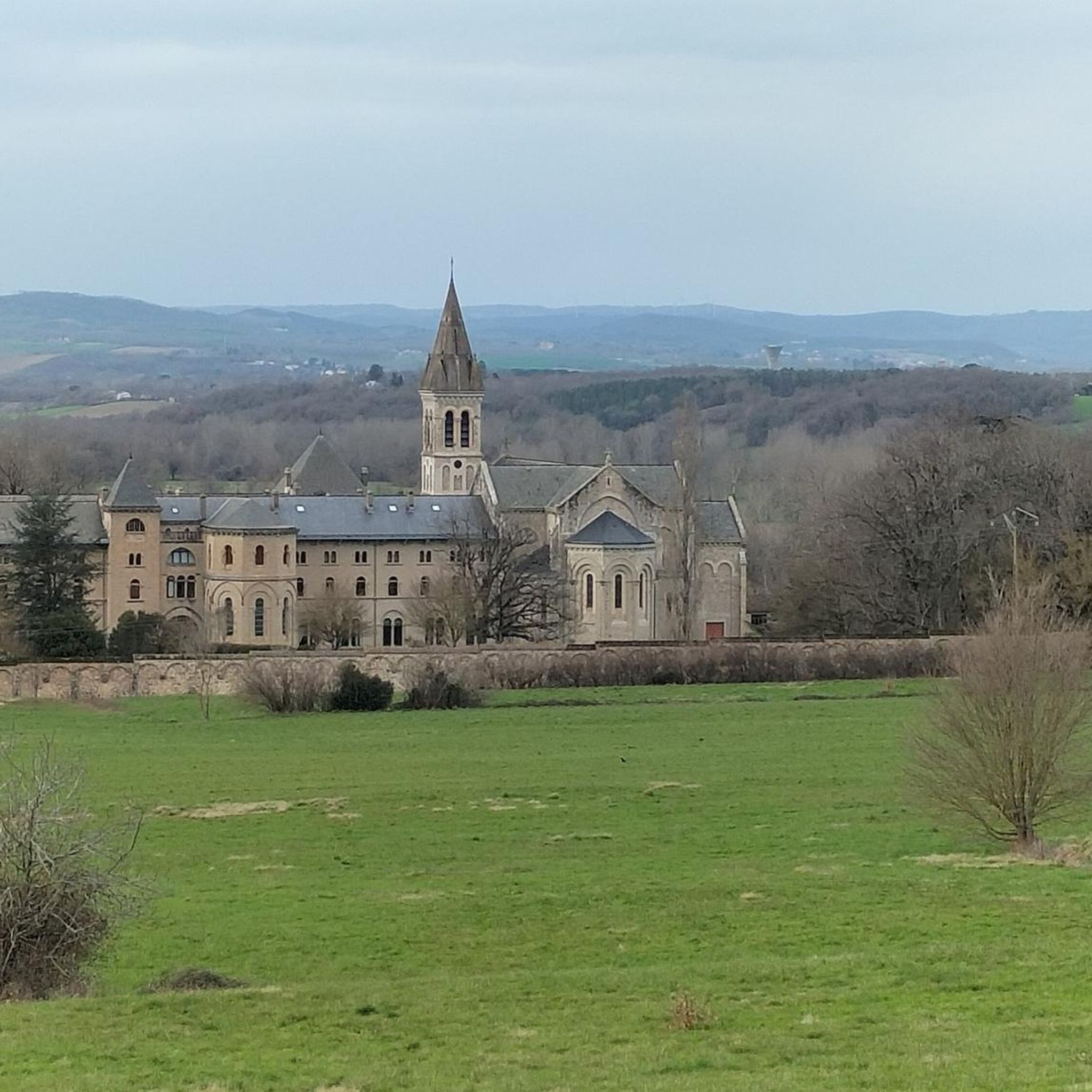
Magnificent site with the presence of a pretty chapel (quite modern: 1950) and a waterfall/spring once famous for curing ailments.
0
0
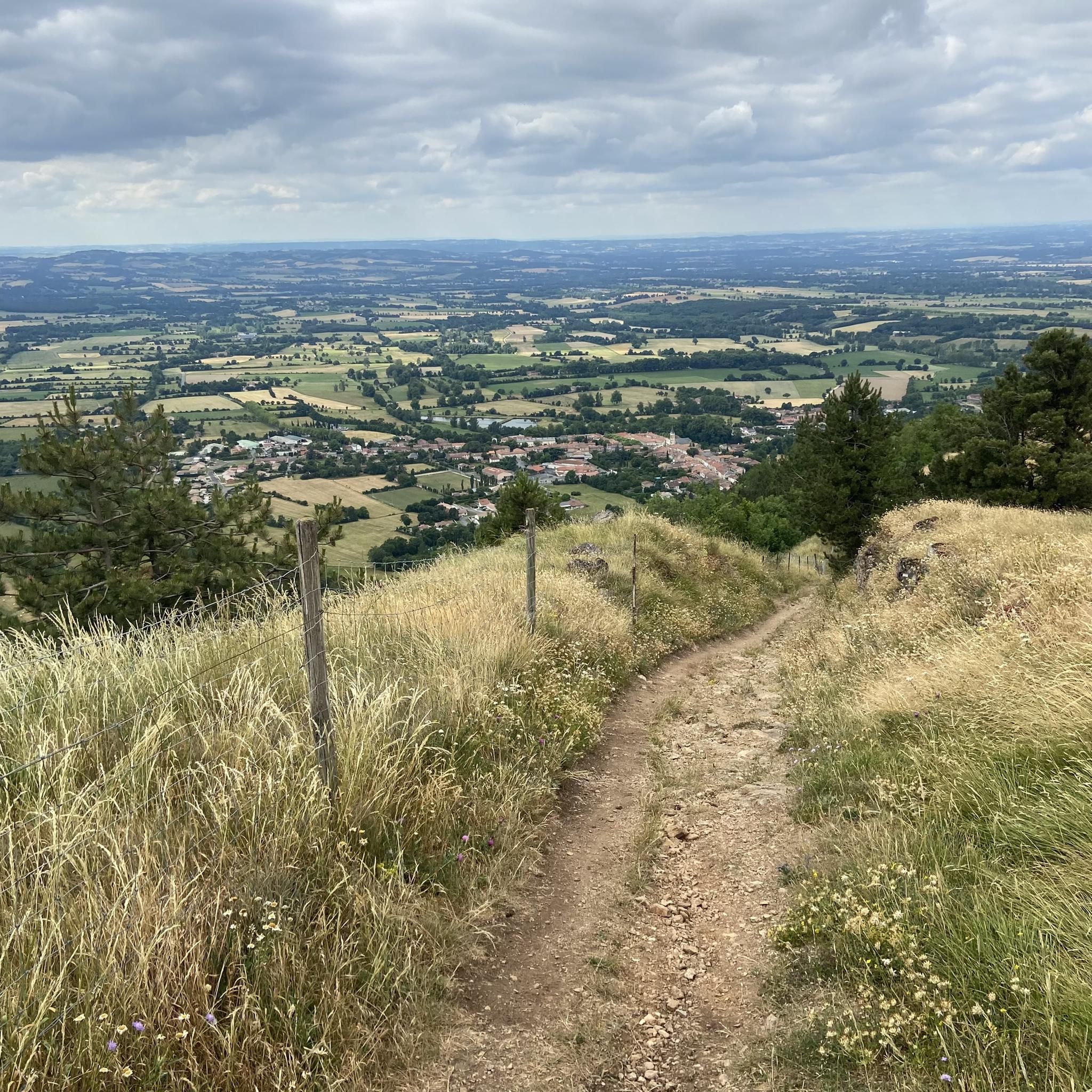
Statue of Saint Stapin (a 7th century hermit who became bishop of Carcassonne) erected on a pedestal forming several turrets. The site offers, as often in this kind of religious monument, a magnificent view of the surroundings.
0
0
The highest point of the Oppidum de Berniquaut, northwest of the Montagne Noire, offers a magnificent view.
0
1

I was in the fog, I'm going back... The deer in the mist invited me..
0
0

The Cascade and its source it was once frequented by those who hoped for a cure. A custom in particular was observed here, as in many places besides: that of washing the sick part with a cloth which was then left on the spot. Hence the name of monies given to the locality, word designates in Occitan the linen abandoned near the cult sources.
1
0
Frequently Asked Questions
What unique natural attractions can I find around Lescout?
Beyond typical natural features, the area offers sites with historical and cultural significance. For instance, the Baylou Chapel and Mougnès Waterfall is known for its cascade and source, historically associated with healing practices. You can also explore the Small Caves of the Haut-Languedoc Regional Natural Park, which hold archaeological interest with remnants from earlier times.
Are there any natural monuments with historical significance near Lescout?
Yes, several natural monuments in the vicinity have historical ties. The Summit of the Oppidum de Berniquaut was notably occupied during the medieval period and offers a magnificent view. The Baylou Chapel and Mougnès Waterfall is also a historical site, with traditions of healing and a nearby chapel.
What kind of views can I expect from the natural monuments around Lescout?
Many natural monuments in the region offer expansive views. The Statue of Saint Stapin and Viewpoint provides a magnificent panorama of the surroundings from its elevated position. Similarly, the Summit of the Oppidum de Berniquaut, the highest point of the oppidum, also boasts impressive vistas.
Are there opportunities for hiking or cycling near these natural monuments?
Absolutely. The region around Lescout is well-suited for outdoor activities. You can find various routes for MTB trails, road cycling, and gravel biking. For example, there are challenging MTB loops like 'La Capelette Chapel – Panoramic view loop from Verdalle' and scenic road cycling routes such as 'Arfons – Col de Dourgne via Sorèze loop from Soual'.
What is the Dourgne Pass and what can I experience there?
The Dourgne Pass is a mountain pass that offers a regular climb with good road conditions. It's also a viewpoint, and visitors have reported seeing deer in the mist. There's even an entrance to a cave at the top of a nearby trail, adding an element of exploration.
What do visitors particularly enjoy about the natural monuments around Lescout?
Visitors appreciate the blend of natural beauty and historical context. The Baylou Chapel and Mougnès Waterfall is noted for its serene setting and cultural practices. The Statue of Saint Stapin and Viewpoint is loved for its impressive statue and the magnificent views it provides.
Are there any natural monuments suitable for families with children?
While specific 'family-friendly' categories aren't listed for all, sites like the Baylou Chapel and Mougnès Waterfall offer a gentle natural setting that could be pleasant for families. The historical and cultural stories associated with it might also engage older children. Exploring the Small Caves of the Haut-Languedoc Regional Natural Park could also be an adventure, especially with the informative boards.
What kind of wildlife might I encounter near the natural monuments?
While not explicitly detailed for all sites, the Dourgne Pass has been noted by visitors for sightings of deer, particularly in misty conditions. The rural and forested nature of the region suggests a possibility of encountering local fauna, especially in less frequented areas like the Haut-Languedoc Regional Natural Park.
How long should I plan for a visit to these natural monuments?
The duration of your visit depends on the specific monument and your interest. For viewpoints like the Statue of Saint Stapin and Viewpoint or the Summit of the Oppidum de Berniquaut, a quick stop for the view might take 30 minutes to an hour. If you plan to explore the surrounding trails or delve into the history of sites like the Mougnès Waterfall, you might want to allocate 1-2 hours or more.
Are there any natural monuments that are less known or considered 'hidden gems'?
The Small Caves of the Haut-Languedoc Regional Natural Park could be considered a hidden gem, offering archaeological interest within a forest setting. While the Mougnès Waterfall is locally known, its historical and cultural context, as described in local research, makes it a unique and perhaps less widely publicized natural spot for visitors from outside the immediate area.
What is the best time of year to visit the natural monuments around Lescout?
The rural and agricultural landscape of Lescout, combined with the nature of its monuments (viewpoints, waterfalls, passes), suggests that spring and autumn would be ideal. These seasons typically offer pleasant temperatures for outdoor exploration and hiking, with vibrant foliage in autumn and blooming nature in spring. Summer can also be enjoyable, though it might be warmer.
Most popular routes around Lescout
Most popular attractions around Lescout

Get inspired with the komoot mobile app


Explore more
Extend your search for the best caves by checking out these guides of the top ones around Lescout:
