Top 5 Natural Monuments around Ormesson
Best natural monuments around Ormesson include significant natural features primarily found within the Forest of Fontainebleau. This area is characterized by its unique geological formations, extensive woodlands, and diverse landscapes. Visitors can explore a variety of natural spaces, from distinctive rock formations to panoramic viewpoints. The region offers opportunities to experience natural history and varied terrain.
Best natural monuments around Ormesson
- The most popular natural monuments is The Elephant, a natural monument that features a rock formation resembling an elephant. The shapes of the rocks in the Forest of Fontainebleau are a notable geological characteristic.
- Another must-see spot is Dame Jouanne Viewpoint, a viewpoint offering extensive views over the Forest of Fontainebleau. This location is one of the peaks in the forest and provides a perspective on the surrounding landscape, including the marshes of Larchant.
- Visitors also love Mont Simonet, a forest area with typical Fontainebleau landscapes. This sector is characterized by numerous rock formations on a sandy base, offering varied terrain for exploration.
- Ormesson is known for its rock formations, viewpoints, and forest landscapes. The area provides a variety of natural monuments to see and explore, particularly within the Forest of Fontainebleau.
- The natural monuments around Ormesson are appreciated by the komoot community, with 155 upvotes and 30 photos shared by visitors.
Last updated: July 5, 2026
The Elephant
Highlight • Natural Monument
Translated by Google •
Tip by

Dame Jouanne Viewpoint
Highlight • Viewpoint
Translated by Google •
Tip by
Sign up now to discover places like this
Get recommendations on the best single tracks, peaks, & plenty of other exciting outdoor places.
Sign up for free
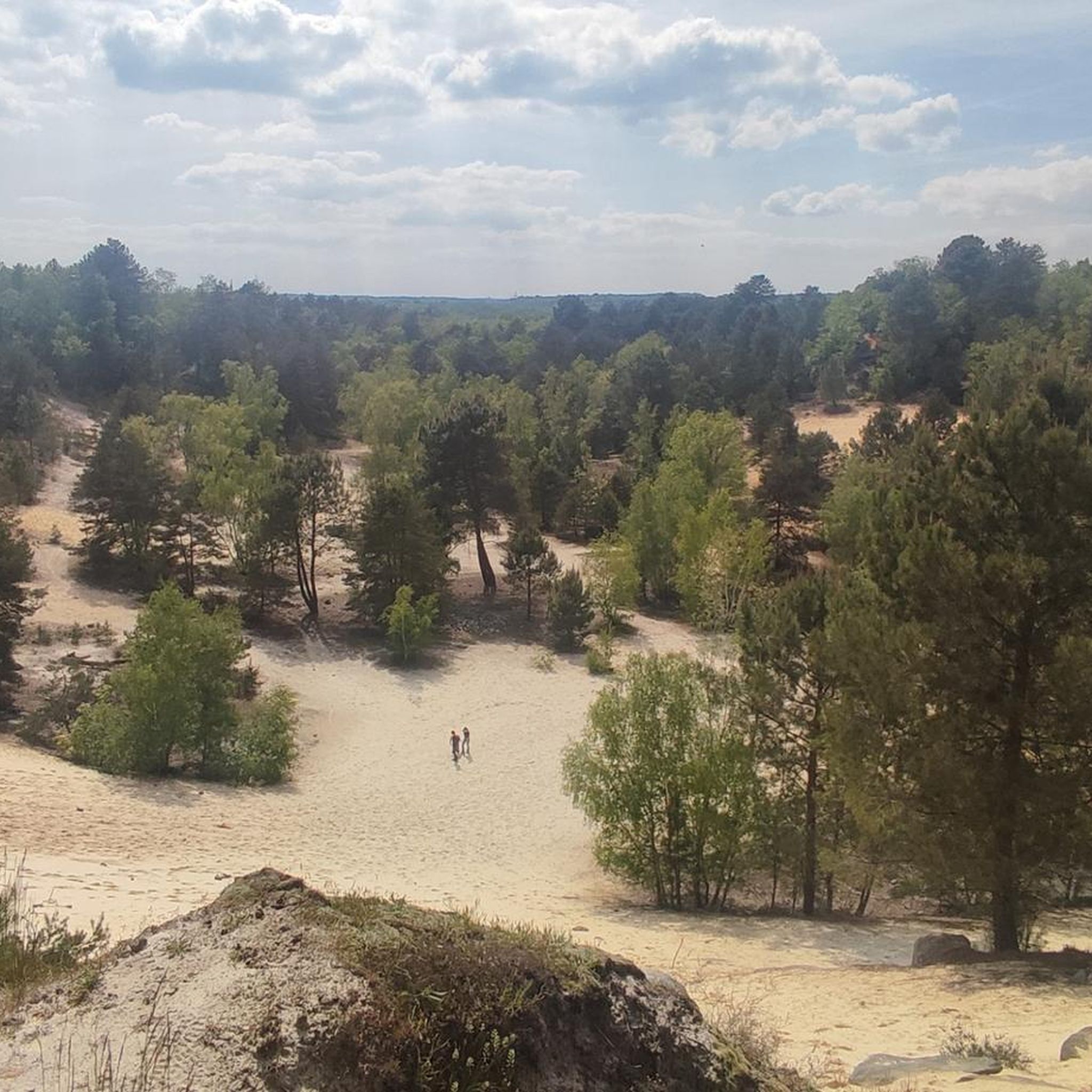
Mer de Sable of the Forest of Fontainebleau
Highlight • Natural Monument
The Mer de Sable is now far from its mining past. From 1910, it was exploited for its quality sandstone and sand. The operation transported its production by air carrier to the Loing canal in Bagneaux-sur-Loing. The mine shut down in the early 1950s and remains from that time can be seen nearby.
Translated by Google •
Tip by

Mont Simonet
Highlight • Forest
Translated by Google •
Tip by

Magnificent panorama
Highlight • Viewpoint
Translated by Google •
Tip by

Sign up for free to discover even more natural monuments around Ormesson.
Sign up for free
Already have an account?
Start today with a free account
Your next adventure awaits.
Login or Signup


Tips from the Community

This small sector, located to the north of the classic L’Éléphant massif, is made up of generally poorly exposed blocks, the majority of which are located on the slopes of the Mont Simonet gable.
0
0

Beautiful view of the forest and the village of Larchant.
0
0
Not hard to see the elephant shape of the rock. Some nice paths and trails around.
0
0

…without forgetting the famous “dog’s ass” 🙂
1
0

Typical landscape of the forest of Fontainebleau, rocks as far as the eye can see on a sandy bottom. In a climbing paradise....but also very pleasant for hiking!
1
0

View of Larchant and its clearing.
1
0

Manoury as well as its neighbor Dame Jouanne is not only interesting for trail running but even more famous for climbing.
2
0
Frequently Asked Questions
What are the most popular natural monuments around Ormesson?
Visitors frequently enjoy the unique rock formations and viewpoints within the Forest of Fontainebleau. Highly rated spots include The Elephant, known for its distinctive rock shape, and Dame Jouanne Viewpoint, which offers expansive views over the forest and the marshes of Larchant.
Are there family-friendly natural attractions near Ormesson?
Yes, the Mer de Sable of the Forest of Fontainebleau is a great family-friendly option. This unique area features sandy 'beaches' and rocks, providing an interesting landscape for walks and exploration. The Morbras Departmental Park also offers accessible natural settings for outdoor activities and relaxation along the River Morbras.
What kind of natural features can I expect to see?
The area is characterized by diverse landscapes, including significant rock formations, extensive woodlands, and panoramic viewpoints. You'll find unique geological features like those at Mont Simonet, which features numerous rock formations on a sandy base, and serene river environments like the Morbras River flowing through the Parc du Château d'Ormesson and Morbras Departmental Park.
What outdoor activities can I do near these natural monuments?
The region offers various outdoor activities. You can find numerous routes for gravel biking, hiking, and road cycling. For example, there are moderate to difficult gravel biking routes like the 'Loing Canal – View of Moret-sur-Loing loop' and hiking trails such as 'The Face Rock – Pierre Le Sault Quarry loop'. You can explore more options on the Gravel biking around Ormesson, Hiking around Ormesson, and Road Cycling Routes around Ormesson guide pages.
Are there historical or cultural sites related to the natural environment?
While not a natural monument in the traditional sense, the Les Bossats Archaeological Site offers a profound connection to the region's natural history. This site reveals ancient environments and human interaction, with findings indicating it was a strategic location for Neanderthals and Solutreans due to its sheltered valley and water springs. You can learn more about its significance at culture.gouv.fr.
What do visitors enjoy most about the natural monuments in this area?
Visitors particularly appreciate the unique geological formations and the extensive views. Many are surprised by the shapes of the rocks in the Forest of Fontainebleau, often comparing them to animals like the elephant. The panoramic viewpoints, such as the Magnificent panorama, are also highly valued for their superb views of the forest massif.
What is the best season to visit the natural monuments around Ormesson?
The Forest of Fontainebleau and its natural monuments are enjoyable year-round. Spring and autumn offer pleasant temperatures and vibrant foliage, ideal for hiking and exploring. Summer is great for longer days outdoors, while winter can provide a unique, serene experience, especially if you enjoy quiet walks through the forest.
Are there any circular walks or trails around the natural monuments?
Yes, many of the trails within the Forest of Fontainebleau, where most natural monuments are located, offer circular routes. These allow you to experience various rock formations, viewpoints, and forest landscapes without retracing your steps. Specific route details can be found on the Hiking around Ormesson guide page.
Can I bring my dog to the natural attractions?
Generally, dogs are permitted on trails and in natural parks in France, provided they are kept on a leash. The Morbras Departmental Park and the extensive grounds of the Parc du Château d'Ormesson are suitable for walks with dogs. Always check local signage for specific rules regarding pets in protected areas or near wildlife.
Are there accessible trails for people with limited mobility near the natural monuments?
While many trails in the Forest of Fontainebleau feature varied terrain with rocks and sandy sections, the Morbras Departmental Park offers more accessible, bucolic paths along the River Morbras, suitable for easier strolls. For specific accessibility information on other sites, it's advisable to check local park information directly.
Where can I find cafes or refreshments near the natural monuments?
While the natural monuments themselves are often in more secluded forest areas, you can typically find cafes and restaurants in the nearby towns and villages surrounding the Forest of Fontainebleau, such as Nemours or Larchant. It's a good idea to plan your refreshment stops before or after your visit to the more remote natural sites.
What should I wear when visiting the natural monuments?
Comfortable walking shoes or hiking boots are recommended, especially if you plan to explore the rocky and sandy terrain of the Forest of Fontainebleau. Layered clothing is also advisable to adapt to changing weather conditions. During warmer months, consider sun protection, and in cooler seasons, waterproof outerwear might be beneficial.
Most popular routes around Ormesson
Most popular attractions around Ormesson

Get inspired with the komoot mobile app


Explore more
Extend your search for the best caves by checking out these guides of the top ones around Ormesson:
