Top 4 Mountain Passes around Ibarrolle
Best mountain passes around Ibarrolle are situated in the French Basque Country, within the Pyrénées-Atlantiques department. This region is characterized by green hills and valleys, with elevations ranging from 159 to 764 meters. Ibarrolle's location provides access to the broader Pyrenees mountain range, which features numerous mountain passes. These passes offer diverse experiences for cyclists, hikers, and sightseers.
Best mountain passes around Ibarrolle
- The most popular mountain passes is Col d'Osquich, a mountain pass that offers views of the…
Last updated: August 15, 2026
Col d'Iparlatze
Highlight • Mountain Pass
Translated by Google •
Tip by

Col d'Osquich
Highlight • Mountain Pass
Translated by Google •
Tip by

Sign up now to discover places like this
Get recommendations on the best single tracks, peaks, & plenty of other exciting outdoor places.
Sign up for free
Col d'Haritzarte
Highlight • Mountain Pass
Translated by Google •
Tip by

Col de Gamia (west)
Highlight (Segment) • Mountain Pass
Translated by Google •
Tip by

Start today with a free account
Your next adventure awaits.
Login or Signup
Tips from the Community

Passage over a mountain pass of little interest, but if you have the opportunity to take the path leading to the chapel, then it's worth the detour!
0
0


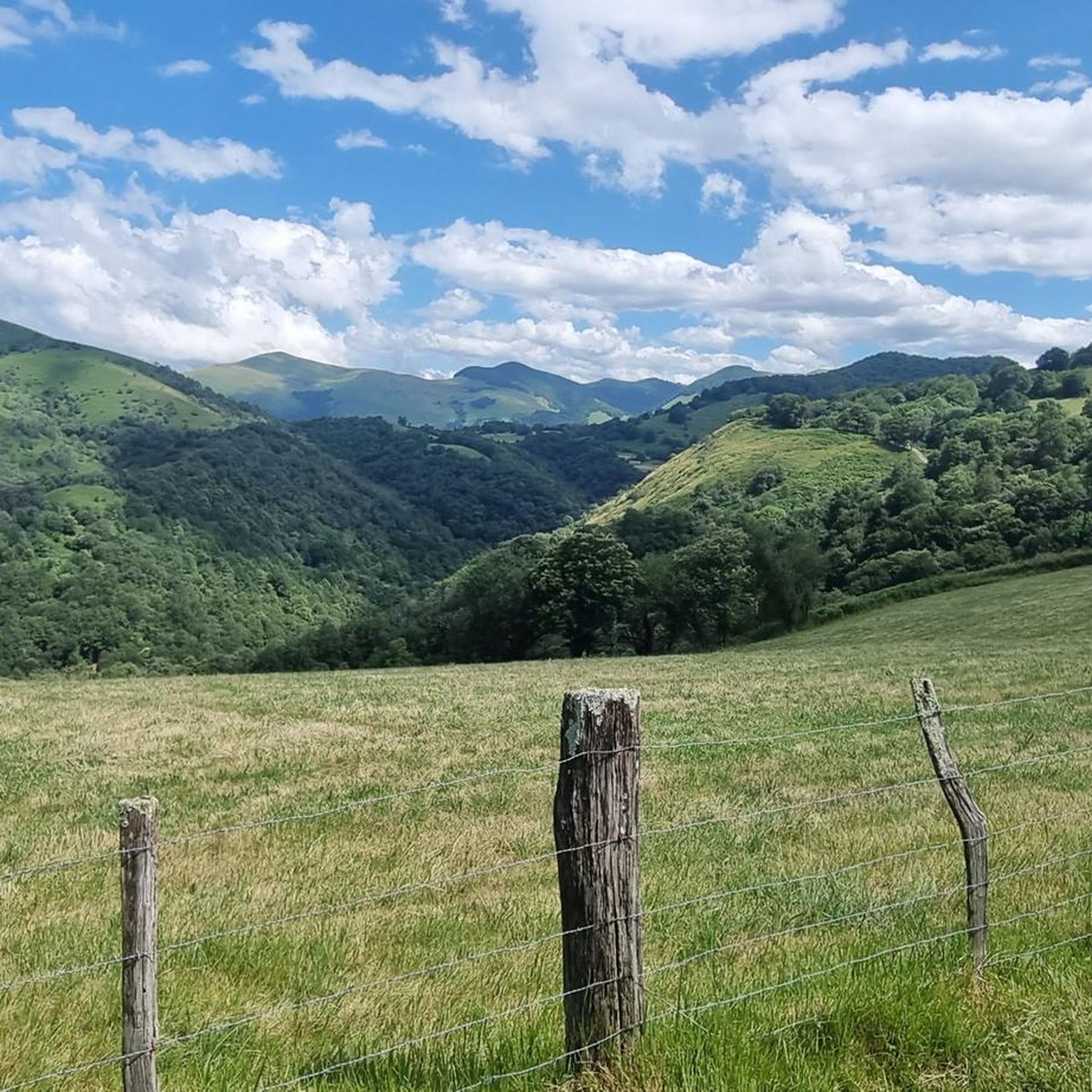
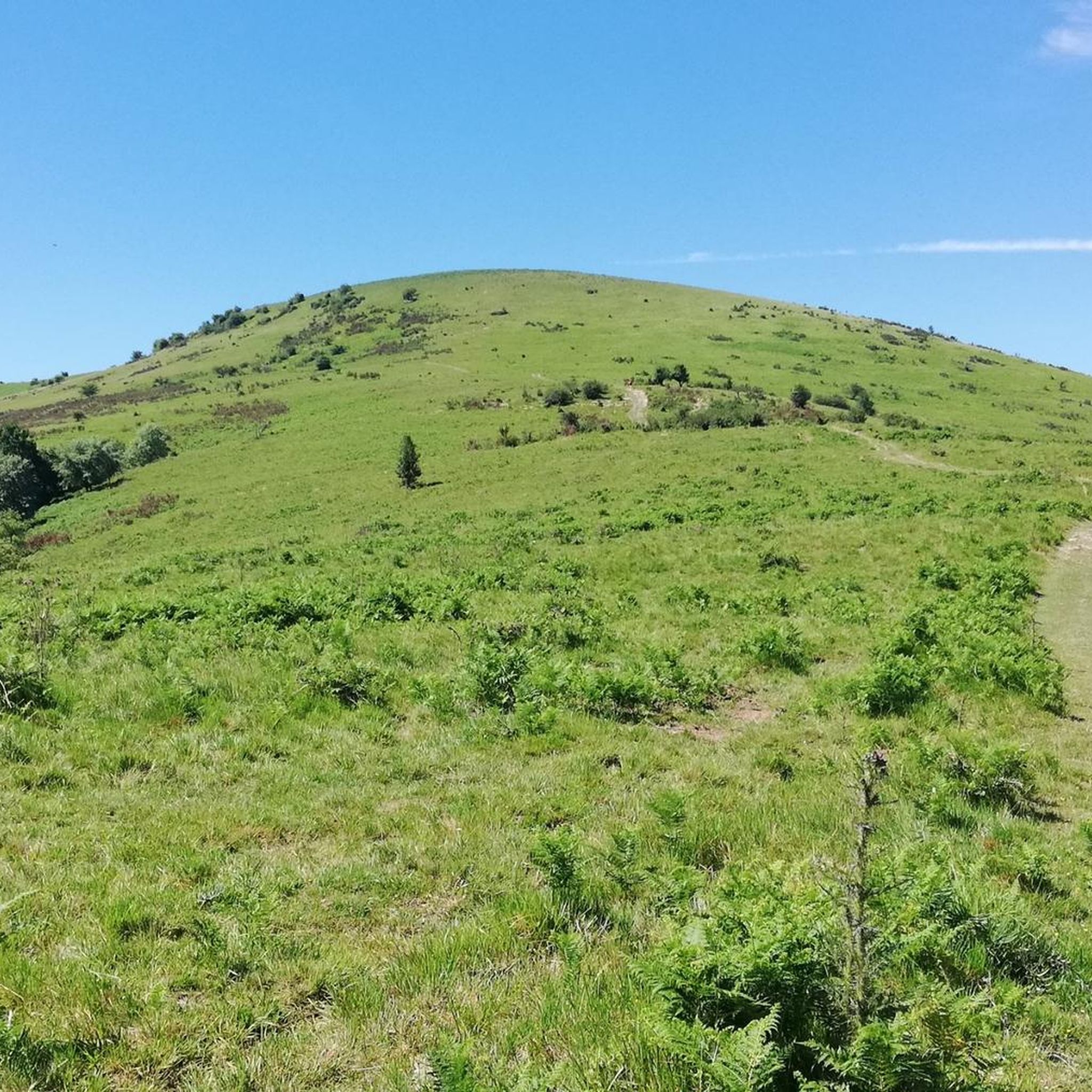
The Haritzarte pass is just below the ridge of the same name. Located between the Col d'Ergutze and the Pic de Béhorléguy, it offers a magnificent panorama of the Basque Country, including the crests of Iparla that can be seen in the distance.
5
1

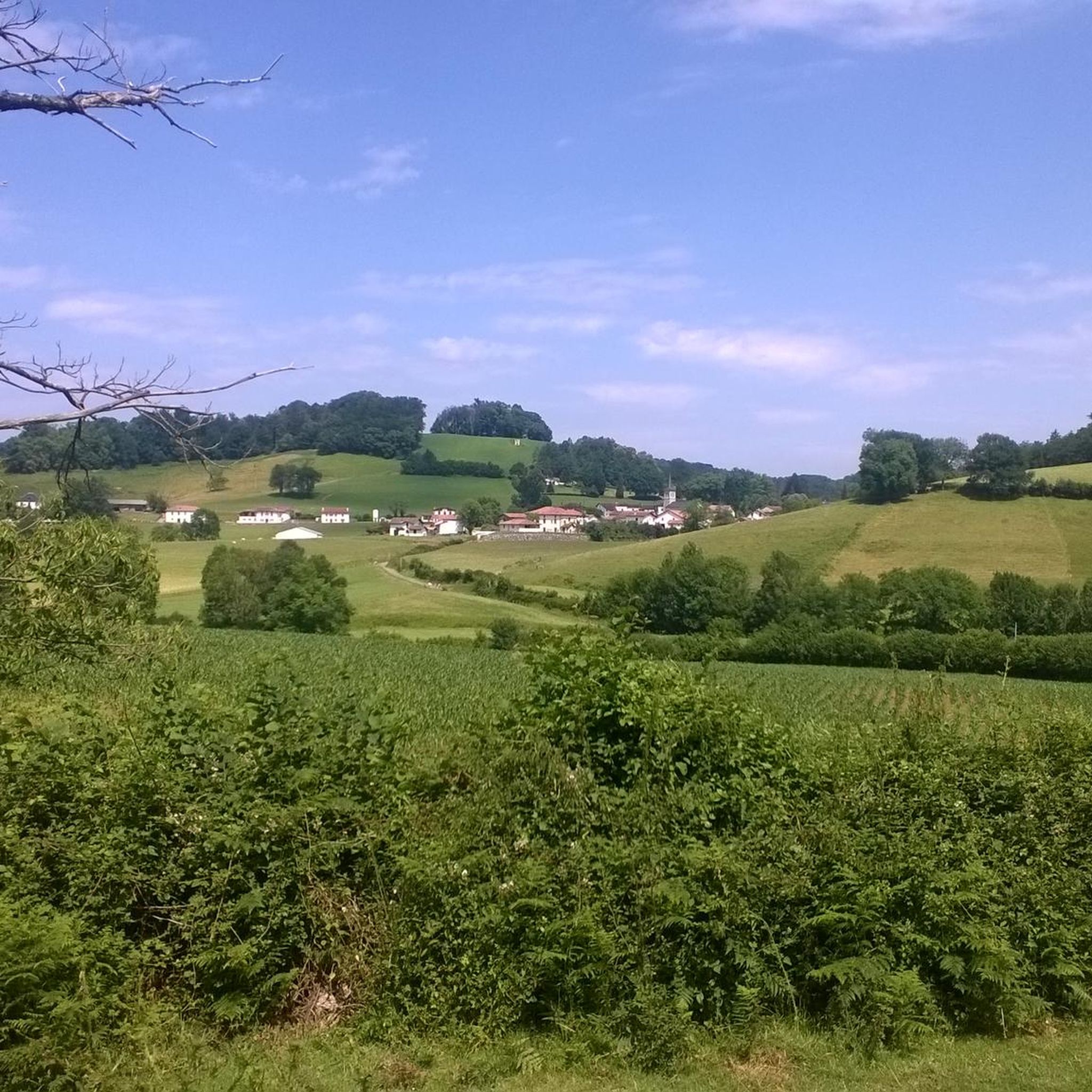
A small pass to climb on a fine day, a restaurant on the way up, with a magnificent view of the Soule below.
1
0

The Ipharlatze pass (or Iparlatze pass, in Basque Iparlatzeko lekoa) is a pass located between Lantabat and Ostabat-Asme in Lower Navarre in the Pyrénées-Atlantiques. It separates the Lantabat valley from that of Bidouze.
1
0

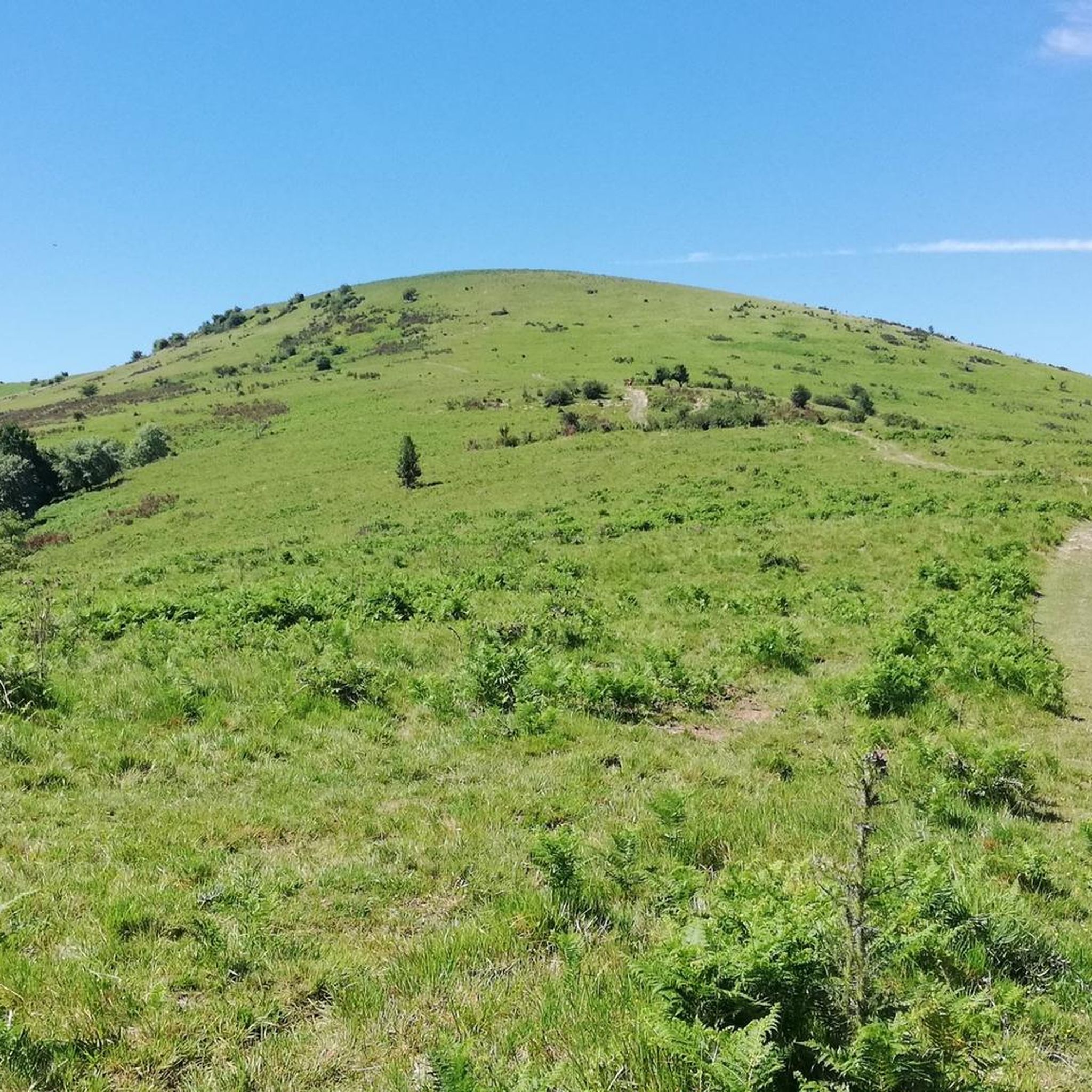
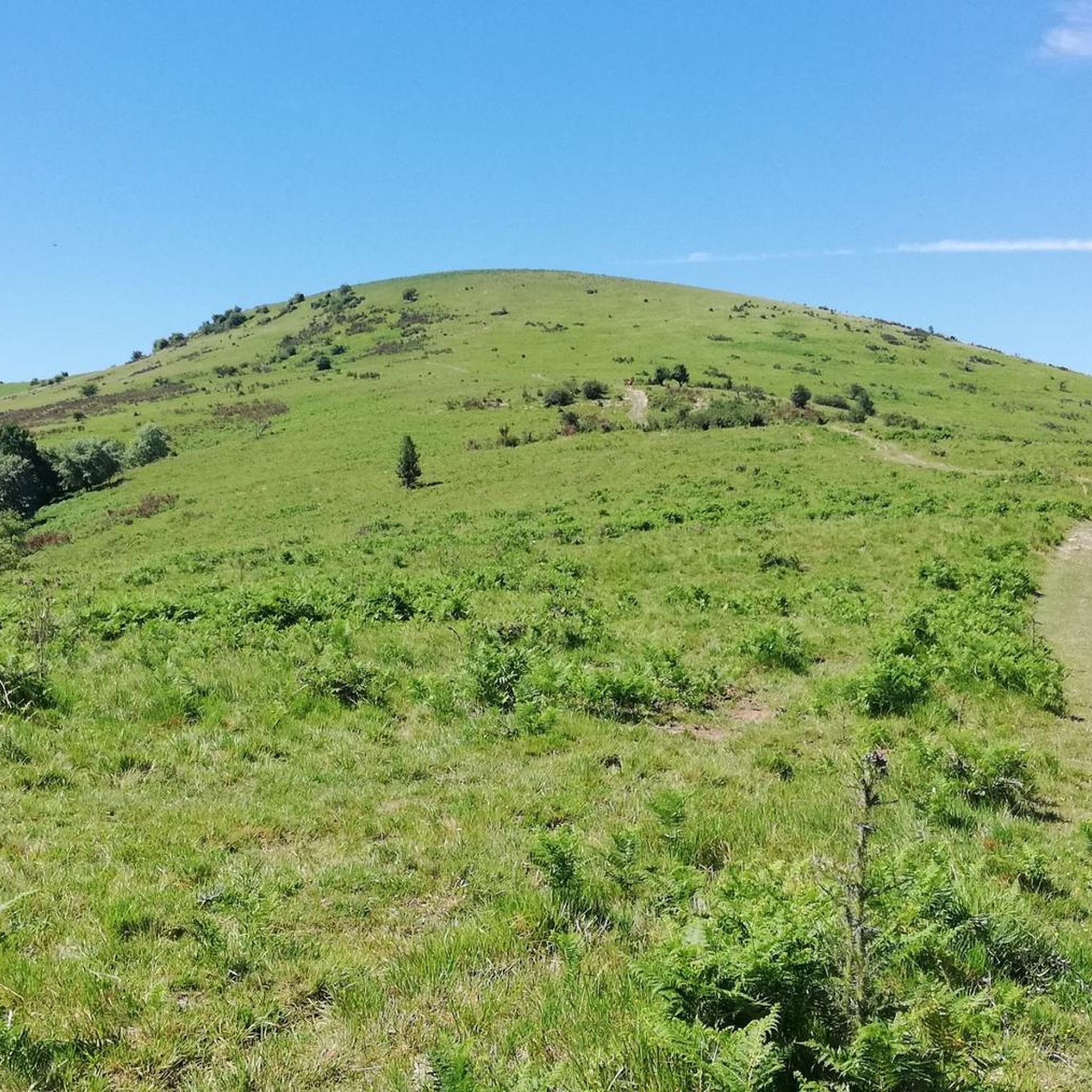
Petit col has a little more than 300m of altitude which is as accessible by road bike as by mountain bike. Unobstructed view at the top, but no water point!
0
0

A little col to ease you in gently before progressing on to the big ones!
0
1
A small collar that fits well. The road is narrow, with no traffic. The start is a bit rough, but it gets you going!
1
0
Frequently Asked Questions
What are some notable mountain passes in the broader region near Ibarrolle?
While Ibarrolle itself is characterized by green hills, its location in the Pyrénées-Atlantiques department provides access to the majestic Pyrenees mountain range. Notable passes in the wider region include Col d'Aubisque, known for its stunning views and Tour de France history; Col de Marie-Blanque, a challenging climb for cyclists; and Col du Pourtalet, situated on the border with Spain offering views of the Pic du Midi d'Ossau.
Are there any mountain passes around Ibarrolle suitable for cycling?
Yes, the region offers several passes popular with cyclists. Col d'Osquich is known as an accessible climb with a restaurant on the route. Col d'Iparlatze is accessible by both road bike and mountain bike, offering unobstructed views of the Pyrenees. Further afield, passes like Col d'Aubisque and Col de Marie-Blanque are legendary for their challenging cycling routes.
What kind of views can I expect from the mountain passes near Ibarrolle?
The mountain passes around Ibarrolle and in the broader Pyrenees region offer diverse and expansive views. From Col d'Haritzarte, you can enjoy a panorama of the Basque Country, including the crests of Iparla in the distance. Col d'Iparlatze provides unobstructed views of the Pyrenees. Higher passes like Col d'Aubisque offer stunning vistas of the Gourette cirque, and Col du Pourtalet boasts an unmissable view of the Pic du Midi d'Ossau.
Are there any easy or accessible mountain passes to visit near Ibarrolle?
For a more accessible experience, Col d'Osquich is described as an accessible climb, making it a good option for those looking for a gentler introduction. In the wider region, Col de Saint-Ignace, though lower in elevation (169m), is a significant starting point for trails to La Rhune and offers panoramic views, with the option of taking a small train to the summit.
What outdoor activities can I do near these mountain passes?
The region around Ibarrolle is excellent for various outdoor activities. You can find numerous hiking trails, such as the 'Haritzarte Pass – Béhorléguy loop' or the 'Château d'Apat loop'. For cyclists, there are road cycling routes like the 'Mauléon-Licharre – Col d'Osquich loop'. Running enthusiasts can explore trails like the 'Ttutturu trail' or the 'Col d'Haritzarte – Béhorléguy loop'. You can find more details on these activities in the hiking guide, road cycling guide, and running guide for Ibarrolle.
When is the best time to visit the mountain passes in the Pyrenees near Ibarrolle?
The best time to visit the mountain passes in the Pyrenees region is generally from late spring to early autumn (May to October). Many higher passes, such as Col d'Aubisque, are typically closed from mid-November to May due to snow, making summer and early autumn ideal for cycling and hiking. Lower passes are often accessible for longer periods.
Are there any mountain passes with historical significance in the region?
Yes, several passes in the broader Pyrenees region hold historical significance, particularly due to their frequent inclusion in the Tour de France. Col d'Aubisque and Col de Marie-Blanque are legendary stages in this iconic cycling race, contributing to their historical and sporting renown.
What natural features can I observe around the mountain passes?
The region is rich in natural beauty. Passes like Col du Pourtalet are adjacent to protected areas of the National Park, known for pastoral landscapes and summer grazing herds. The Col de Larrau, situated in the Iraty Forest, offers a sublime landscape. Many passes provide panoramic views of the green hills, valleys, and distant Pyrenean crests, such as those seen from Col d'Haritzarte.
What do visitors enjoy most about the mountain passes around Ibarrolle?
Visitors particularly appreciate the scenic viewpoints and the opportunities for cycling. For instance, Col d'Osquich is enjoyed for its magnificent view of the Soule region. Col d'Iparlatze is praised for its unobstructed views of the Pyrenees, making it a favorite for both road and mountain biking.
Are there any mountain passes that connect France and Spain in this area?
Yes, there are several passes in the wider Pyrenees region that serve as gateways between France and Spain. Col du Pourtalet connects the Ossau Valley in France with Spain's Tena Valley. Another example is Col d'Ispéguy, which is also located on the French-Spanish border, connecting Saint-Étienne-de-Baïgorry and Errazu.
Can I find food or refreshments near any of the mountain passes?
Yes, if you're visiting Col d'Osquich, there is a restaurant available on the route, offering a convenient stop for refreshments and a meal while enjoying the views.
Most popular attractions around Ibarrolle

Get inspired with the komoot mobile app


Explore more
See even more epic mountain passes by checking out these guides around Ibarrolle:
