Top 11 Natural Monuments around Courtefontaine
Best natural monuments around Courtefontaine include a variety of geological and natural features in the Doubs department of the Burgundy-Franche-Comté region. The village is known for its unique hydrological features, such as the "Short Spring," which is believed to be the origin of its name. The area also features ancient trees, like the Tricentennial Oak, and is situated near the extensive Forêt de la Joux, offering natural attractions near Courtefontaine. These natural elements provide insights into the local landscape and…
Last updated: May 24, 2026
Bief Waterfall
Highlight • Waterfall
Translated by Google •
Tip by

Bisontin Cave
Highlight • Cave
Translated by Google •
Tip by
Sign up now to discover places like this
Get recommendations on the best single tracks, peaks, & plenty of other exciting outdoor places.
Sign up for free
Fontaine de Roches
Highlight • Natural Monument
Translated by Google •
Tip by
Goule Bridge
Highlight • Bridge
Translated by Google •
Tip by

Ladder Trail and Waterfall in Parc naturel régional du Doubs Horloger
Highlight (Segment) • Trail
Translated by Google •
Tip by

Sign up for free to discover even more natural monuments around Courtefontaine.
Sign up for free
Already have an account?
Start today with a free account
Your next adventure awaits.
Login or Signup

Tips from the Community

E-bike, considering portage areas just after Biaufond and steep climb to reach St.-Brais
0
0

Really impressive, you should definitely spend some time there.
1
0

This stage could be in the Amazon – green, greener, greenest… We didn't see any snakes or crocodiles, but the birdsong is unimaginable. Be careful, the trail is underwater in places during high water.
0
0

Spectacular and refreshing after a walk in the sun!
0
0

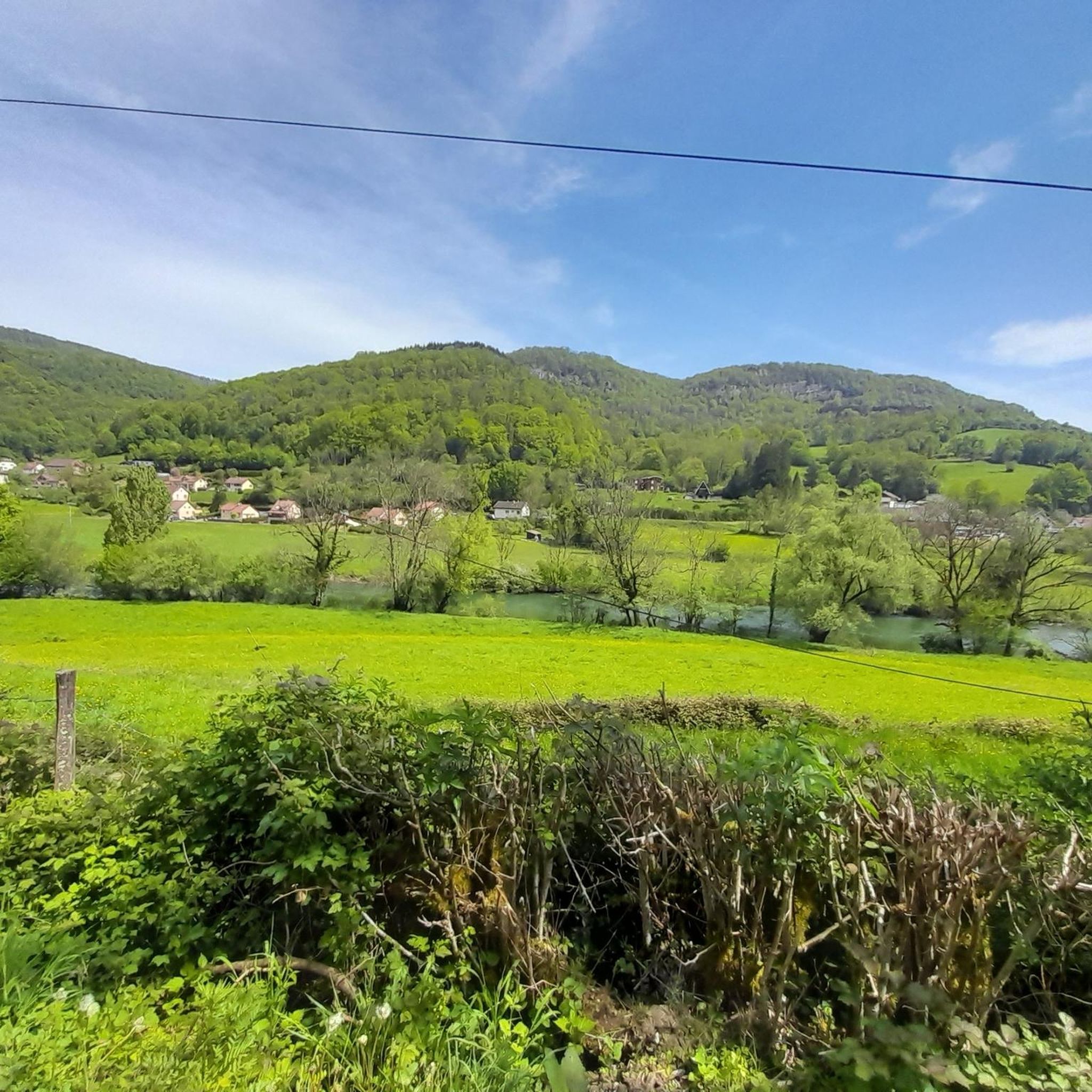
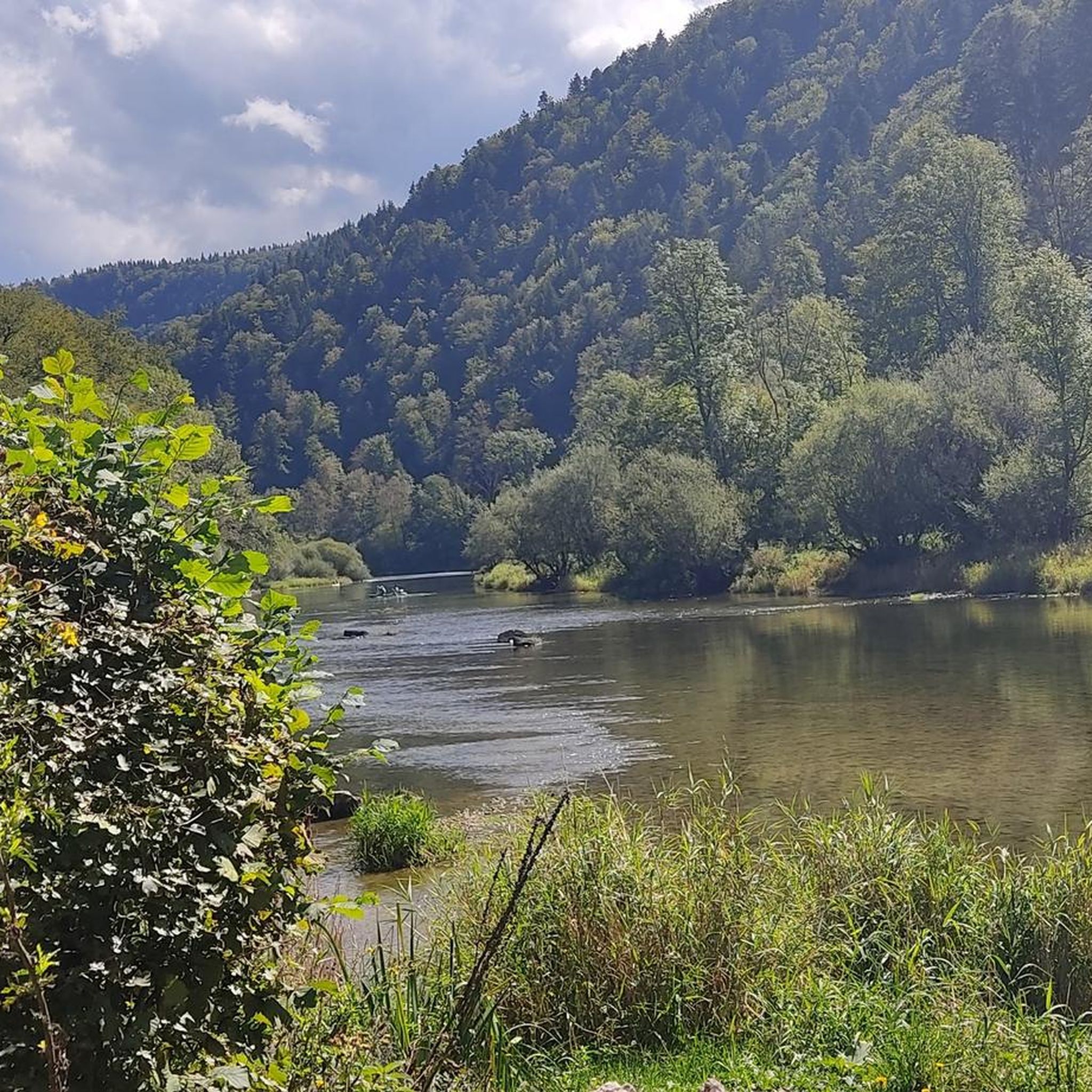
The view of the Doubs from the bridge is fantastic and the food in the nearby restaurant is also impressive.
1
0

If you want to give some inspiration to your run, you absolutely must go to the Chute du Bief de Vautenaivre. It is a majestic natural site where a small stream flows from a rocky overhang that was once a seabed. You can see ancient fossils embedded in the ceiling of the cave-like shelter. You will be rewarded with breathtaking views of the waterfall and surrounding forest.
2
0
If you are looking for a superb waterfall in the Doubs, you absolutely must go to the Chute du Bief de Vautenaivre. This is a majestic natural site where a small stream plunges from a rocky overhang that was once a seabed. You can see ancient fossils embedded in the ceiling of the cave-like shelter. You will be rewarded with breathtaking views of the waterfall and surrounding forest.
6
0
The Roches fountain is a natural fountain formed by a limestone rock called tuff or travertine, which creates a beautiful waterfall of water. The fountain is located at the foot of a cliff, near the village of Roches-lès-Blamont, which sits on a rocky promontory overlooking a valley. You can access the fountain by following a path that leaves the village and goes down to the stream. The hike is approximately 2 km and takes approximately 45 minutes. You can enjoy the view of the fountain and the surrounding forest, as well as the historical and cultural heritage of the village, which includes some old buildings and monuments. The fountain is particularly impressive after heavy rains, when it flows abundantly and creates a veil of water above the tuff.
2
0
Frequently Asked Questions
What unique natural features can I discover directly within Courtefontaine village?
Within Courtefontaine, you can explore the significant "Short Spring" (Curtus Fons), which is believed to be the origin of the village's name. This spring emerges from a hillside, flows past a lavoir and old mill, and then disappears into an underground river system. Another notable feature is the Tricentennial Oak Tree, planted around 1678, which stands as a living monument representing centuries of local history.
Are there any family-friendly natural monuments around Courtefontaine?
Yes, several natural monuments are suitable for families. The Fontaine de Roches is a natural fountain with a beautiful waterfall, accessible via a pleasant 2 km path from Roches-lès-Blamont. Another great option is the Goule Bridge, which offers scenic views of the Doubs River and provides historical context, making it an engaging spot for all ages.
What kind of geological formations can I expect to see near Courtefontaine?
The region around Courtefontaine is rich in geological curiosities. You can visit the Bisontin Cave, where two rocks form a natural arch, creating a unique rock courtyard described by visitors as a 'natural cathedral'. The Fontaine de Roches also showcases interesting limestone formations, where tuff or travertine creates a distinctive waterfall.
What outdoor activities can I do near the natural monuments around Courtefontaine?
The area offers a variety of outdoor activities. You can find numerous running trails, such as the 'Chute du Bief — loop — running from Vautenaire', or explore mountain biking routes like the 'Suspension bridge – Riverside Trail along the Doubs loop from Goumois'. For road cycling, consider routes like 'Montalembert Castle – Denkmal für die Gefallenen 🕊️ loop from Belfays'. You can find more details and routes on the respective guide pages for running, MTB, and road cycling around Courtefontaine.
Are there any challenging hiking trails with waterfalls in the area?
Yes, for a more challenging experience, the Ladder Trail and Waterfall in Parc naturel régional du Doubs Horloger is a notable option. This trail features a waterfall and gorge, with narrow, sometimes muddy sections, small stream crossings, and even a ladder. It's a demanding path that rewards hikers with stunning natural beauty.
What is the best time of year to visit the natural monuments in Courtefontaine?
The natural monuments around Courtefontaine are generally enjoyable throughout the warmer months, from spring to autumn. Spring offers lush greenery and abundant water flow at waterfalls like the Bief Waterfall, while autumn provides beautiful foliage. Summer is ideal for outdoor activities, but some trails might be underwater during high water periods, especially the Ladder Trail.
Can I find ancient historical sites or structures related to the natural monuments?
Yes, the Goule Bridge is a nice piece of history, with display boards providing context. The "Short Spring" in Courtefontaine itself is historically significant, linked to the village's name and early infrastructure, including an old mill and lavoir. The Tricentennial Oak also serves as a living historical landmark.
Where can I find a majestic waterfall with unique geological features?
The Bief Waterfall (Chute du Bief de Vautenaivre) is a majestic natural site where a stream plunges from a rocky overhang. This overhang was once a seabed, and you can still see ancient fossils embedded in the ceiling of the cave-like shelter, offering a fascinating glimpse into the region's geological past.
What do visitors particularly enjoy about the natural monuments in this area?
Visitors frequently praise the breathtaking views and the refreshing experience, especially after a walk. Many appreciate the unique geological formations, such as the natural arch at Bisontin Cave, and the historical context provided by sites like the Goule Bridge. The sense of immersion in nature, particularly in areas like the Forêt de la Joux, is also a common highlight.
Is there a large forest area near Courtefontaine for exploration?
Yes, Courtefontaine is characterized by its proximity to the vast Forêt de la Joux. This extensive forest provides ample opportunities for outdoor activities such as hiking and mountain biking, allowing visitors to fully immerse themselves in the natural environment surrounding the village.
Are there any natural monuments that offer a sense of tranquility and historical connection?
The local natural monuments in Courtefontaine offer a more intimate connection to the village's natural heritage. The "Short Spring" and the Tricentennial Oak Tree provide a serene and historically rich experience, linking directly to the village's identity and centuries of ecological continuity.
Most popular routes around Courtefontaine
Most popular attractions around Courtefontaine

Get inspired with the komoot mobile app


Explore more
Extend your search for the best caves by checking out these guides of the top ones around Courtefontaine:
