Top 8 Natural Monuments around Favières
Best natural monuments around Favières are primarily found within the Somme department, offering a diverse range of natural landscapes. The region is characterized by its significant coastal features, including the expansive Baie de Somme, known for its ecological importance and diverse ecosystems. Visitors can explore protected natural areas, observe wildlife, and experience varied terrain from coastal beaches to marshlands. These natural sites provide opportunities for nature observation and appreciating the area's unique geography.
Best natural monuments around Favières
- The most…
Last updated: July 5, 2026
Cape Hornu
Highlight • Beach
The name Cap Hornu comes from the Picard word “hornu”, which means “horned” …
Tip by

Baie de Somme
Highlight • Beach
Translated by Google •
Tip by

Sign up now to discover places like this
Get recommendations on the best single tracks, peaks, & plenty of other exciting outdoor places.
Sign up for free
Baie de Somme
Highlight • Natural Monument
Translated by Google •
Tip by

Marais du Crotoy to La Bassée
Highlight • Natural
Crotoy marsh at La Bassée / Somme Bay nature reserve / Marquenterre ornithological park / The Marquenterre dune massif, the mollières de l'Authie and the …
Translated by Google •
Tip by

Translated by Google •
Tip by
Sign up for free to discover even more natural monuments around Favières.
Sign up for free
Already have an account?
Start today with a free account
Your next adventure awaits.
Login or Signup
Tips from the Community

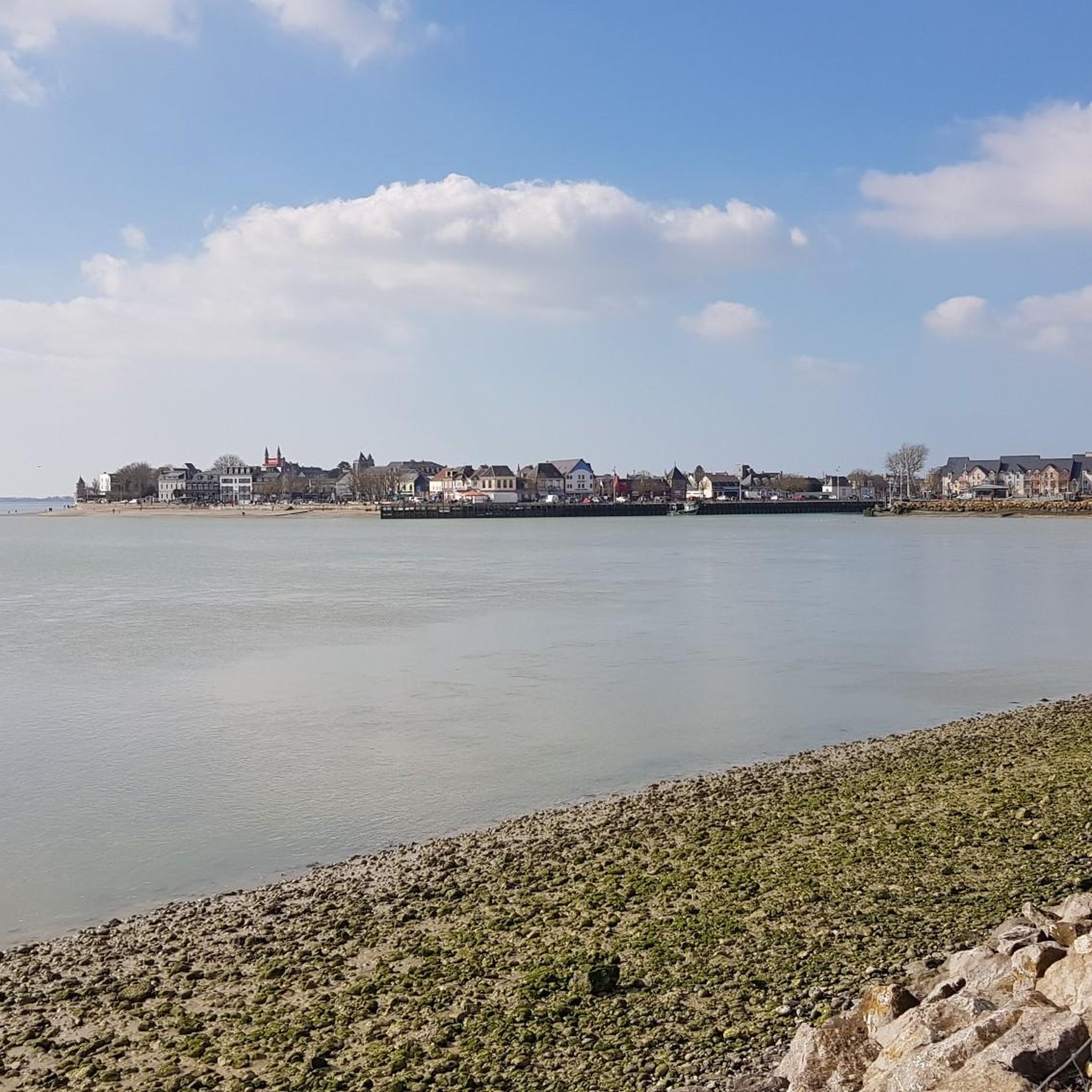
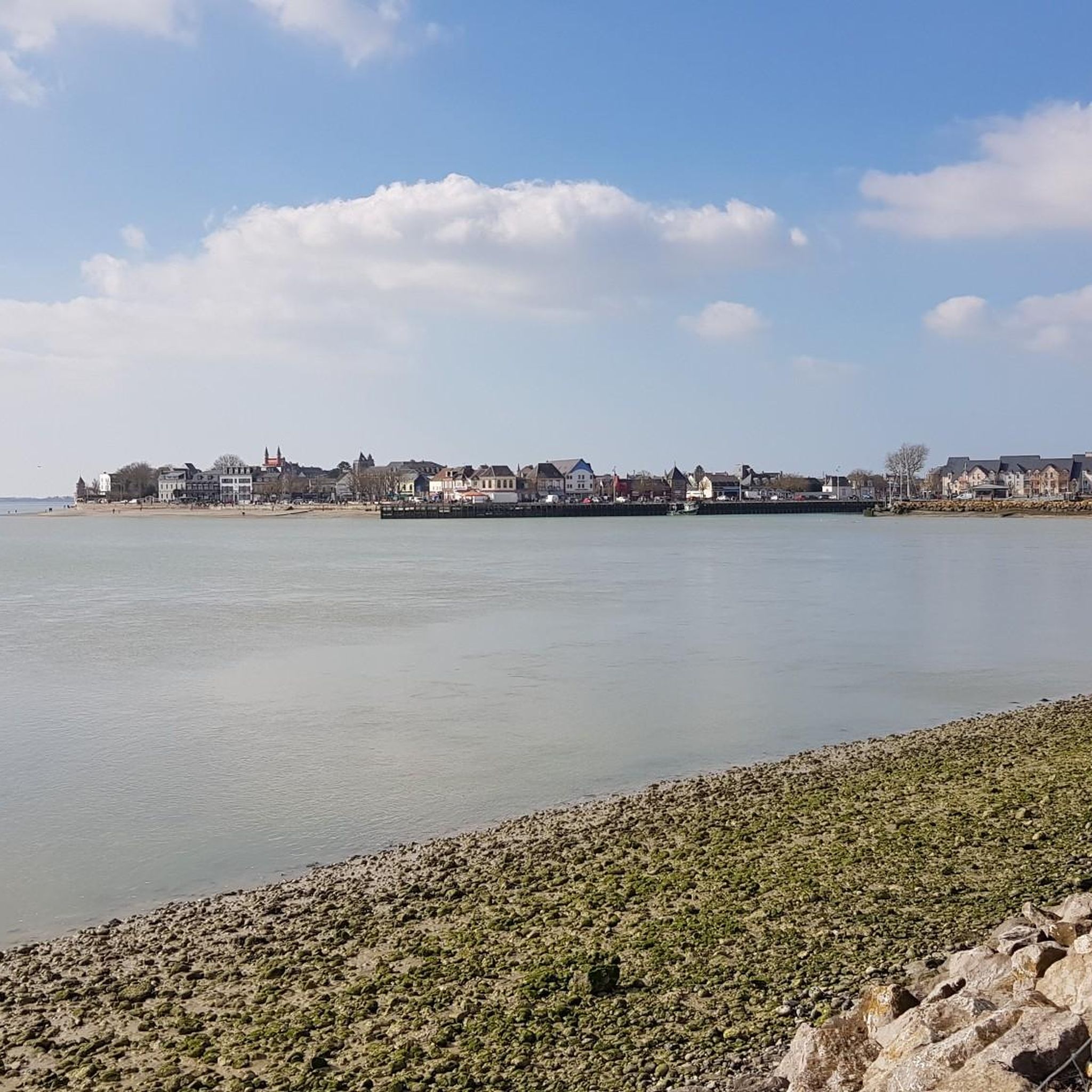
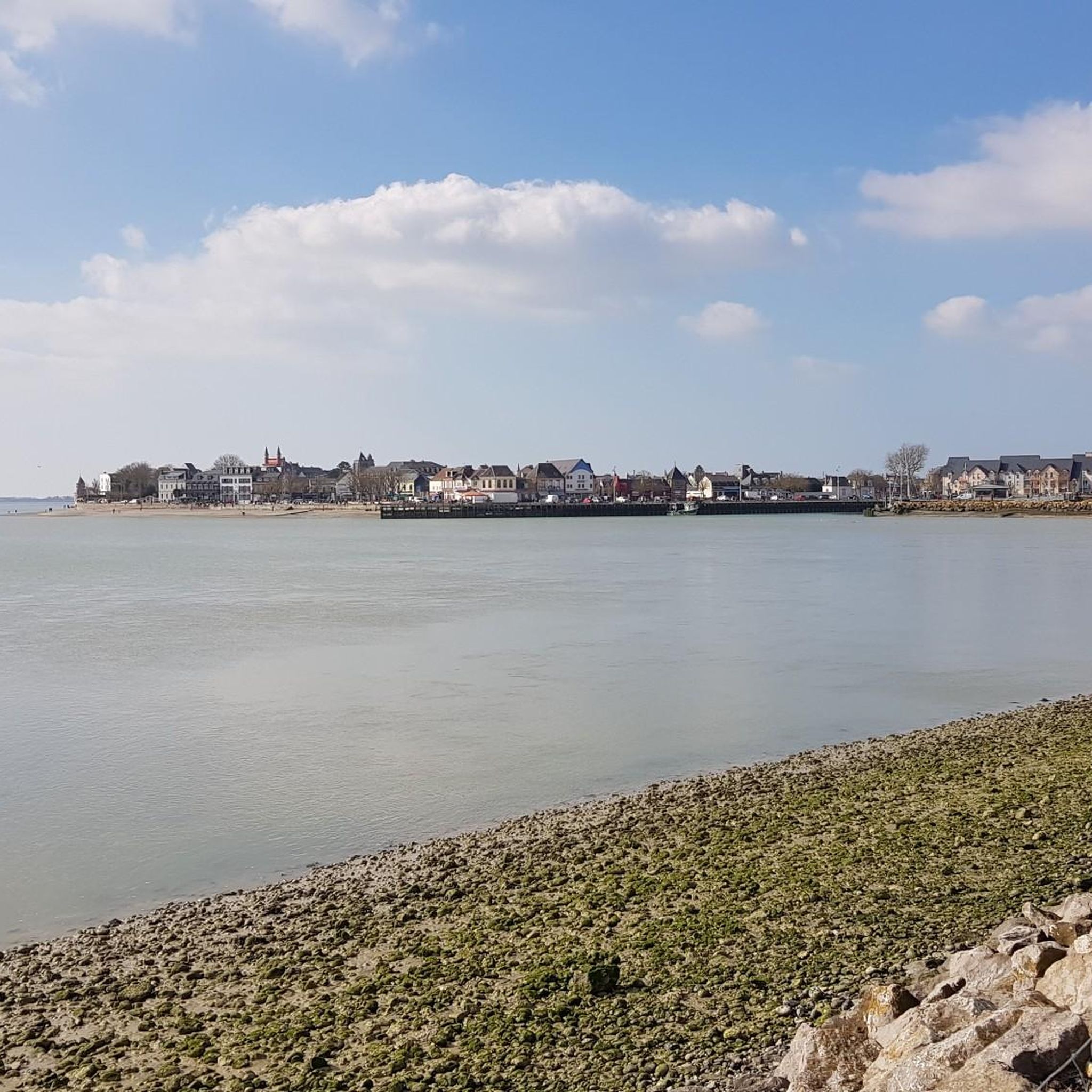
The bay of summer, on our trip it was low tide.
6
0

Cross the Bay of the Somme from Crotoy, take the steam train back and then go to Le Hourdel to see the seals, that's all you need for a wonderful holiday. https://youtu.be/nenNw-_0ADE
0
0

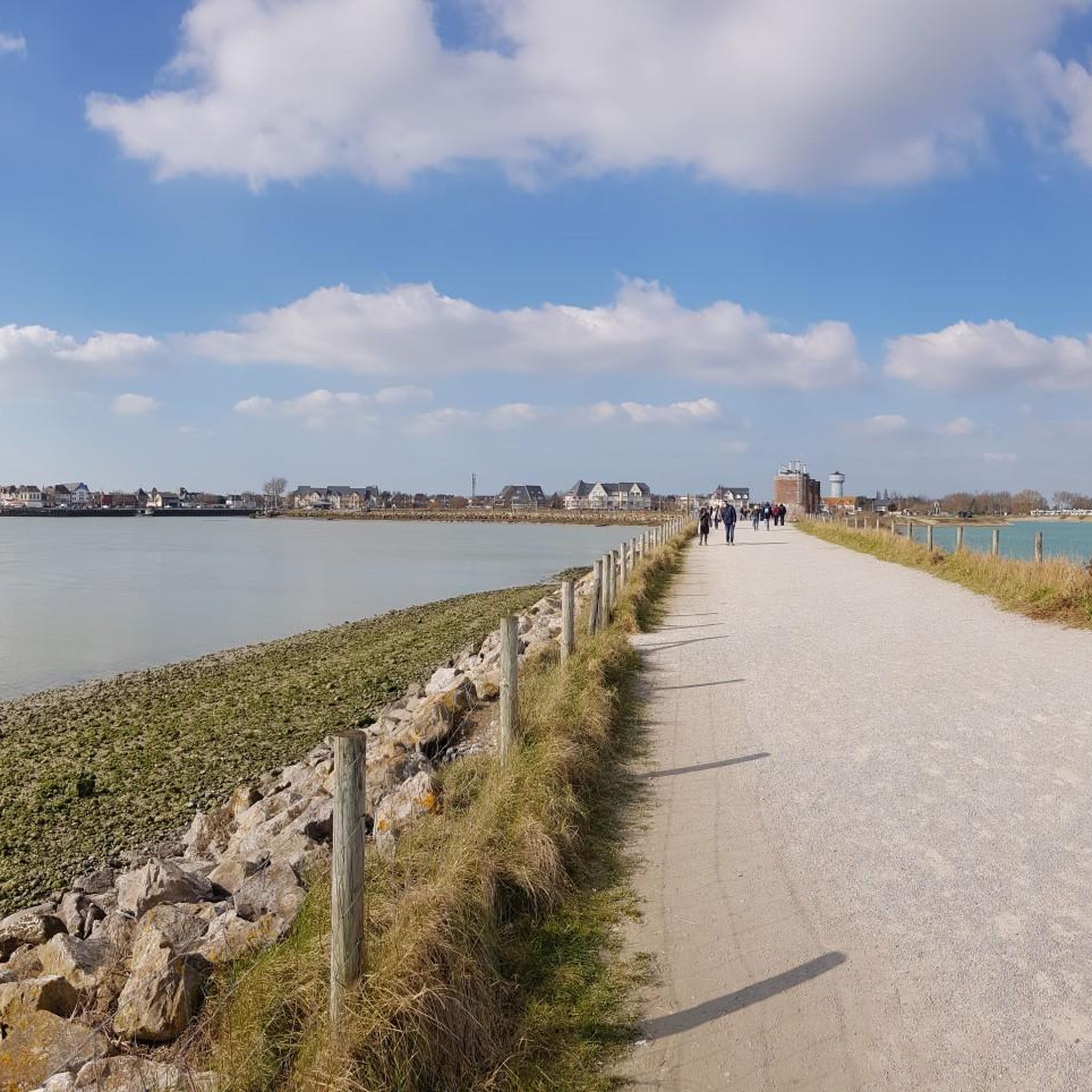
The dike at Favières is a hiking trail that takes you to the edge of the Bay of Somme, a nature reserve that is home to a rich biodiversity of fauna and flora. It was built in the 19th century to protect the land from the sea. The sea wall offers a panoramic view of the bay, where you can observe the changing colors of the water, the sandbanks and the marshes. You will also be able to spot many birds, such as herons, egrets, ducks and geese.
3
0
If you're lucky, you'll see sea lilacs, a plant with purple flowers that covers the beach in summer. It is a rare and magnificent spectacle that will make your hike unforgettable.
2
0
At Cape Hornu you can enjoy a panoramic view of the bay and its wildlife. You can follow the path along the coast, passing by the Chapelle des Marins, a small chapel dedicated to sailors who lost their lives at sea. You will also discover the charming town of Saint-Valery-sur-Somme, with this medieval street plan, its ancient ramparts and its colorful houses. It's a great way to experience the beauty and history of this area.
4
0

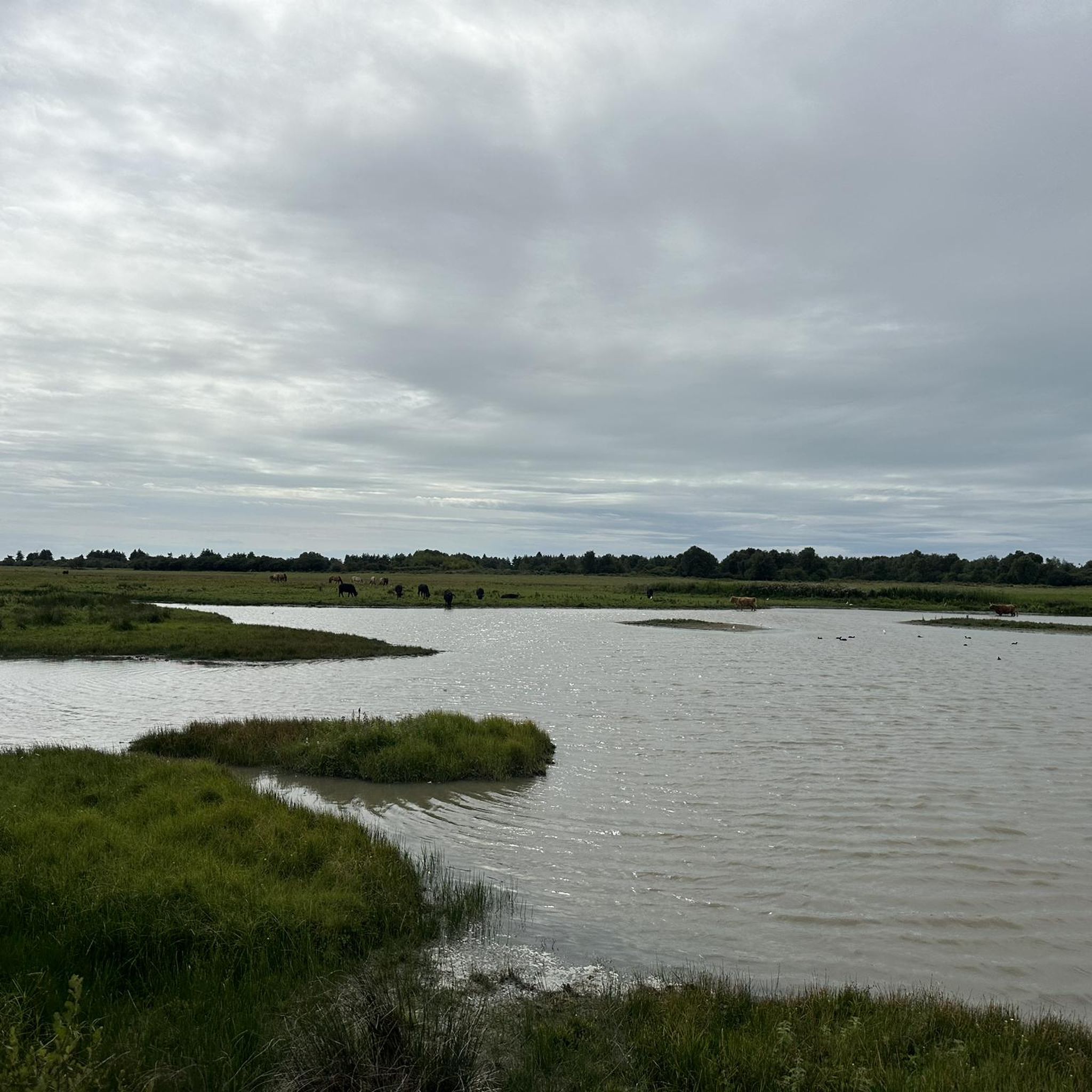
Crotoy marsh at La Bassée Crotoy marsh at La Bassée / Somme Bay nature reserve / Marquenterre ornithological park / The Marquenterre dune massif, the mollières de l'Authie and the bordering enclosures / The Crotoy marsh and the adjacent foreshore, Le Crotoy
0
0

Cap Hornu is a cape located near Saint-Valery-sur-Somme, on the south bank of the Bay of Somme. The name Cap Hornu comes from the Picard word “hornu”, which means “horned” or “pointed”, and refers to the shape of the cape. The cape was also known as Cap Saint-Valery in the past. The history of Cap Hornu is closely linked to that of Saint-Valery-sur-Somme, which was a strategic port and a medieval town that witnessed many historical events. In 1066, William the Conqueror departed from Saint-Valery-sur-Somme with his fleet to invade England. In 1431, Joan of Arc was imprisoned in Saint-Valery-sur-Somme before being transferred to Rouen. In 1568, a massacre of Huguenots took place in Saint-Valery-sur-Somme after a battle between Catholics and Protestants
6
0
The Bay of the Somme or Somme Bay (French: Baie de Somme) is a nature reserve in the Somme department in northern France. This bay has an area of 70 km² and extends from Le Hourdel to Saint-Quentin-en-Tourmont. The bay is formed by the estuary of the Somme, which flows into the Channel here. A smaller river, the Maye, also flows into the bay here. The bay consists of mud flats and salt marshes, and the fresh water is carried north by the Fleuve marin côtier, a coastal current along the Picardy estuaries. The bay is rich in life forms, both marine animals, water birds, seals and the like. Sea lavender, sea wort and samphire are some of the characteristic plants on the salt marshes. The bay is also important from a cultural history point of view. For example, William the Conqueror set out from Saint-Valery-sur-Somme to conquer England. https://nl.wikipedia.org/wiki/Baai_van_de_Somme
3
0
Frequently Asked Questions
What are the most popular natural monuments to visit around Favières?
Among the most appreciated natural monuments are Cape Hornu, offering panoramic views of the Bay of Somme, and the expansive Baie de Somme itself, a significant nature reserve. Visitors also enjoy the Marais du Crotoy to La Bassée, known for its diverse flora and fauna within the Somme Bay nature reserve.
Are there family-friendly natural monuments in the Favières area?
Yes, several natural monuments are suitable for families. Cape Hornu and Baie de Somme are both considered family-friendly, offering accessible natural beauty. The Panoramic view of Marquenterre Park also provides an excellent experience for all ages to observe migratory birds.
What kind of wildlife can I expect to see at the natural monuments near Favières?
The region is rich in wildlife, especially within the Baie de Somme. You can observe marine animals, a wide variety of water birds, and seals. The Parc du Marquenterre, accessible from viewpoints like the Panoramic view of Marquenterre Park, is a renowned ornithological reserve, perfect for birdwatching. Pointe du Hourdel is particularly known for its significant seal colony.
Are there opportunities for hiking near the natural monuments around Favières?
Absolutely. The Favières area, particularly around the Baie de Somme, offers numerous hiking opportunities. You can find trails suitable for various difficulty levels, including easy walks like the Bassin de chasse du Crotoy loop or more challenging routes such as the Port of Le Crotoy – Saint-Valery-sur-Somme Lock loop. For more options, explore the Hiking around Favières guide.
What other outdoor activities can I do near the natural monuments?
Beyond hiking, the area provides excellent opportunities for gravel biking and running. You can explore routes like the Le Crotoy – Cap Hourdel Lighthouse loop for gravel biking, or enjoy running trails such as the Le Crotoy – Somme Bay loop. Check out the Gravel biking around Favières and Running Trails around Favières guides for detailed routes.
Are there any historical aspects associated with the natural monuments in this region?
Yes, the natural landscape is intertwined with history. Cape Hornu, for instance, has a rich history linked to medieval events and was once home to a hermitage. The Baie de Somme itself holds cultural significance, notably as the departure point for William the Conqueror's invasion of England.
Where can I find the best viewpoints to observe the natural beauty?
For stunning vistas, Cape Hornu offers panoramic views of the Bay of Somme and its wildlife. Another excellent spot is the Panoramic view of Marquenterre Park, which provides a 360-degree perspective of the park and the bay, ideal for nature observation.
What are the unique geological features found in the natural monuments around Favières?
The primary geological features are the extensive mud flats and salt marshes of the Baie de Somme, formed by the estuary of the Somme River. These dynamic coastal environments are constantly shaped by tidal flows and river currents, creating unique ecosystems. The adjacent foreshore and marshlands, such as those at Marais du Crotoy to La Bassée, also showcase distinct wetland geology.
What is the best time of year to visit the natural monuments around Favières?
The best time to visit largely depends on your interests. For birdwatching, spring and autumn are ideal due to migratory patterns, especially at sites like Parc du Marquenterre. Summer offers pleasant weather for coastal walks and seal observation at Pointe du Hourdel. However, the natural beauty of the Baie de Somme can be appreciated year-round, with each season offering a different perspective.
Are there any natural monuments that are particularly good for birdwatching?
Yes, the area is a paradise for birdwatchers. The Panoramic view of Marquenterre Park and the Marquenterre Park Observatory are excellent spots within the renowned Parc du Marquenterre, an ornithological reserve. Here, you can observe hundreds of migratory and resident bird species in their natural wetland habitat.
Can I see seals in their natural habitat near Favières?
Yes, the Baie de Somme is home to a significant seal colony. Pointe du Hourdel, located about 7 km from Favières, is a well-known spot for observing seals in the wild. It's recommended to visit during low tide for the best chance to see them resting on the sandbanks.
Are there any forest natural monuments for walks near Favières?
While the coastal and marshland areas are prominent, the Forêt de Crécy is located approximately 12 km from Favières. This historic forest offers opportunities for relaxing walks and enjoying a woodland environment, providing a different natural experience from the bay.
Most popular routes around Favières
Most popular attractions around Favières

Get inspired with the komoot mobile app


Explore more
Extend your search for the best caves by checking out these guides of the top ones around Favières:
