Top 8 Natural Monuments around Dargnies
Best natural monuments around Dargnies are found in its surrounding region, offering diverse natural beauty. Situated near the Opal Coast in the Hauts-de-France region of France, Dargnies provides access to significant natural attractions. The area is characterized by dramatic white chalk cliffs, unique pebble beaches, and serene wooded areas. These features contribute to a landscape ideal for outdoor exploration.
Best natural monuments around Dargnies
- The most popular natural monuments is La Cise Cliff, a natural monument that features a…
Last updated: May 7, 2026
Ault Chalk Cliffs
Highlight • Natural Monument
Translated by Google •
Tip by

La Cise Cliff
Highlight • Natural Monument
Translated by Google •
Tip by

Sign up now to discover places like this
Get recommendations on the best single tracks, peaks, & plenty of other exciting outdoor places.
Sign up for free
Bois de Cise
Highlight • Forest
Translated by Google •
Tip by

Cliffs of Ault
Highlight • Natural Monument
Even if the city has lost its splendor, the site is impressive, because to the north, the plain of …
Translated by Google •
Tip by

The Hâble d'Ault Route
Highlight (Segment) • Beach
Translated by Google •
Tip by

Sign up for free to discover even more natural monuments around Dargnies.
Sign up for free
Already have an account?
Start today with a free account
Your next adventure awaits.
Login or Signup

Tips from the Community

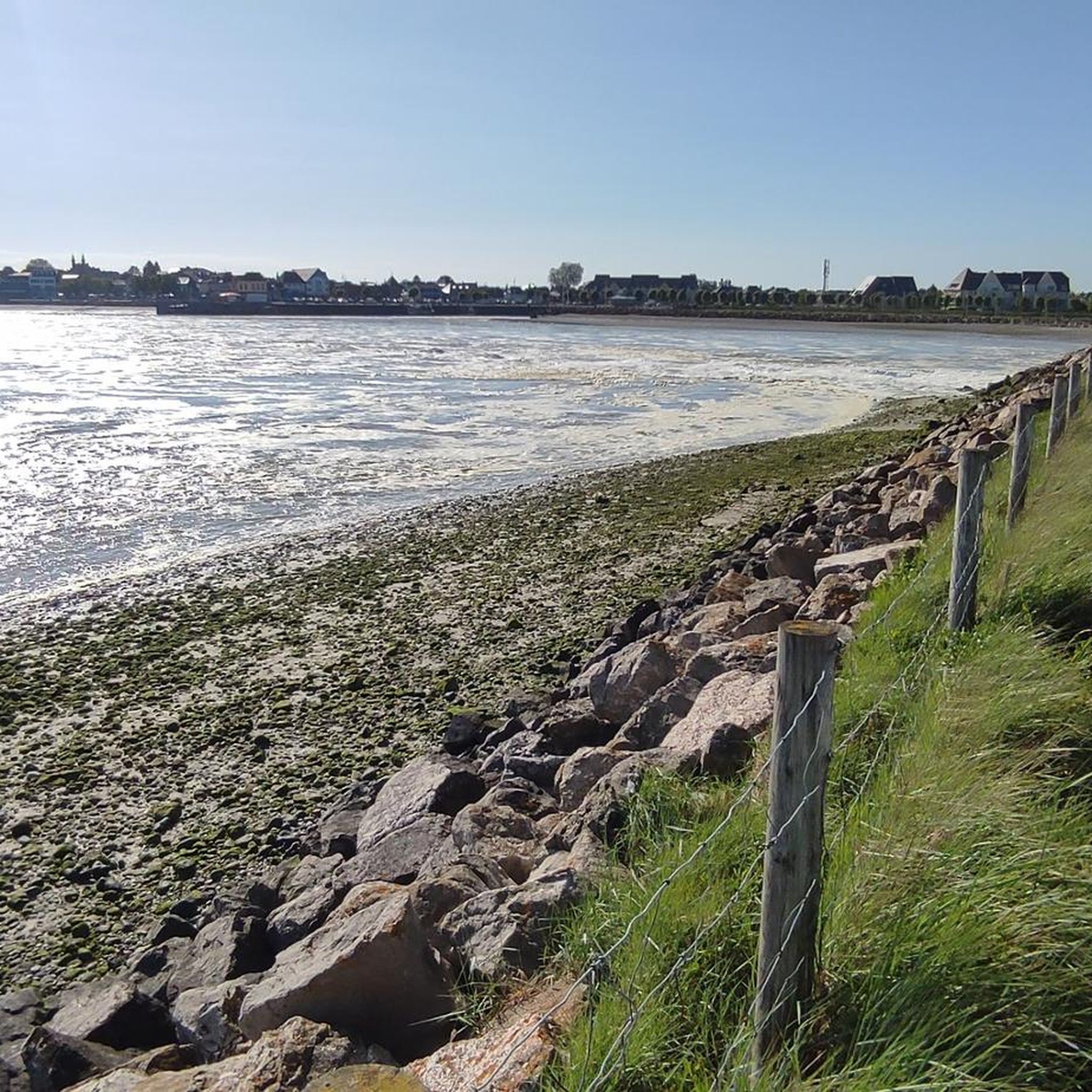
A gravel path. A bit monotonous and technically challenging to ride on a bike. Wide tires are essential, and suspension is helpful. The view is fantastic. The cliffs of Ault are in front of you, the sea is to your right, and the nature reserve (salt marshes) is to your left, with many seabirds, horses, and other wildlife.
0
0

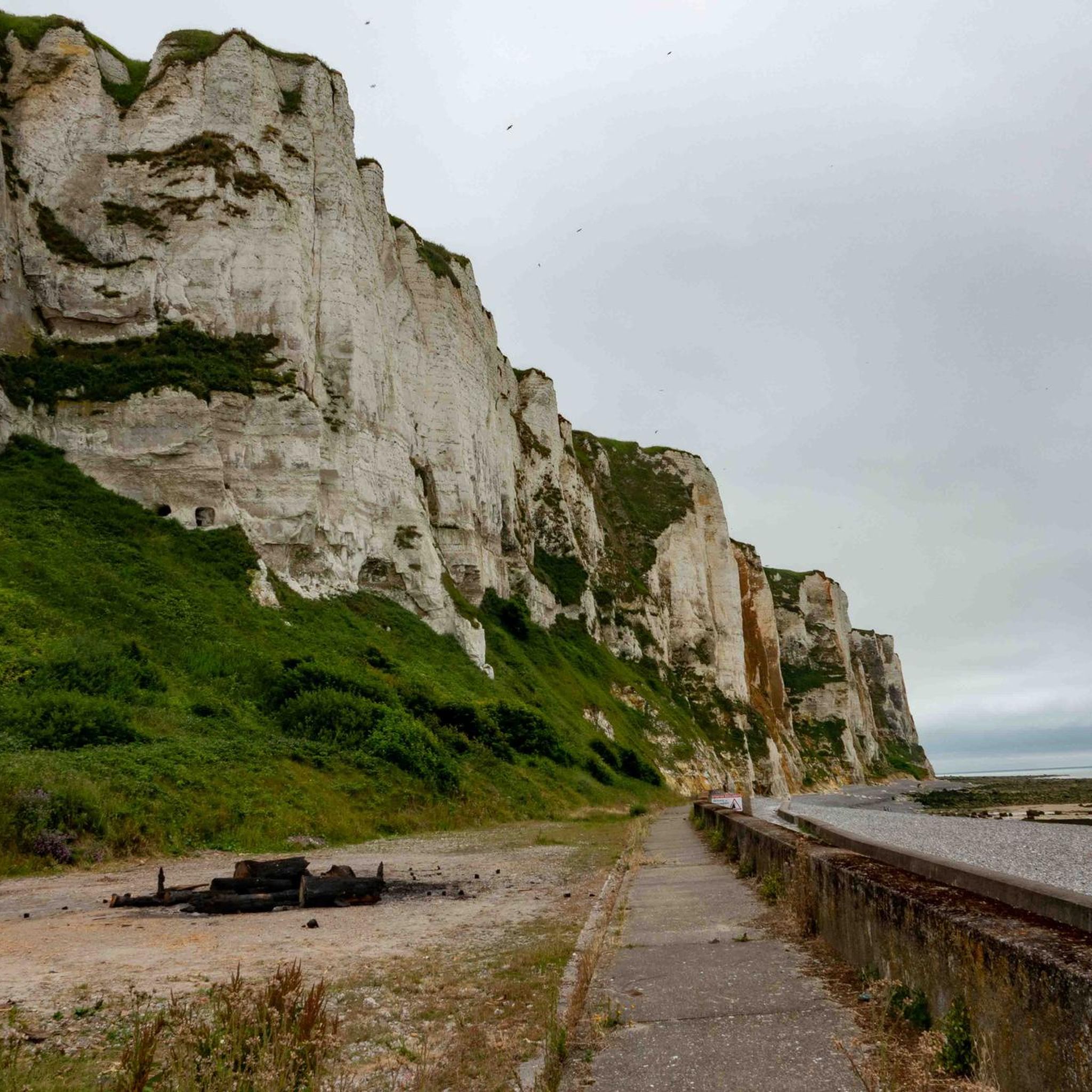
The cliffs are made of chalk and are impressive to look at.
3
0
Here in Ault begin the chalk cliffs, which stretch all the way to Normandy and repeatedly appear as enormous cliffs.
4
0


The cliffs around the beach of Ault are composed of chalk from the Upper Cretaceous, more precisely from the Turonian and Coniacian (around 83 million years ago to 90 million years ago). They are strewn with flint nodules which highlight the subhorizontal stratification planes (the formation of flint has already been discussed in Discovery of the geology of the cliffs of Étretat, presentation of an excursion from the beach of Tilleul (Antifer) to the Porte d'Amont (Étretat Nord)). The relative proportion of chalk and flint is around 90-95% chalk to 5-10% flint. Flint horizons are stratigraphic markers. On the cliffs of Ault, the regular flint band called Seven Sisters is recognizable and characterizes the boundary between the Middle Coniacian and the Upper Coniacian (around 87 million years ago). The boundary between the lower and middle Coniacian is marked by the Shoreham 2 marl level, which is more difficult to identify. These lithostratigraphic markings allow in particular the correlation of distant deposits, such as between the Normandy and Picardy coasts, or between the French and English coasts.
3
0
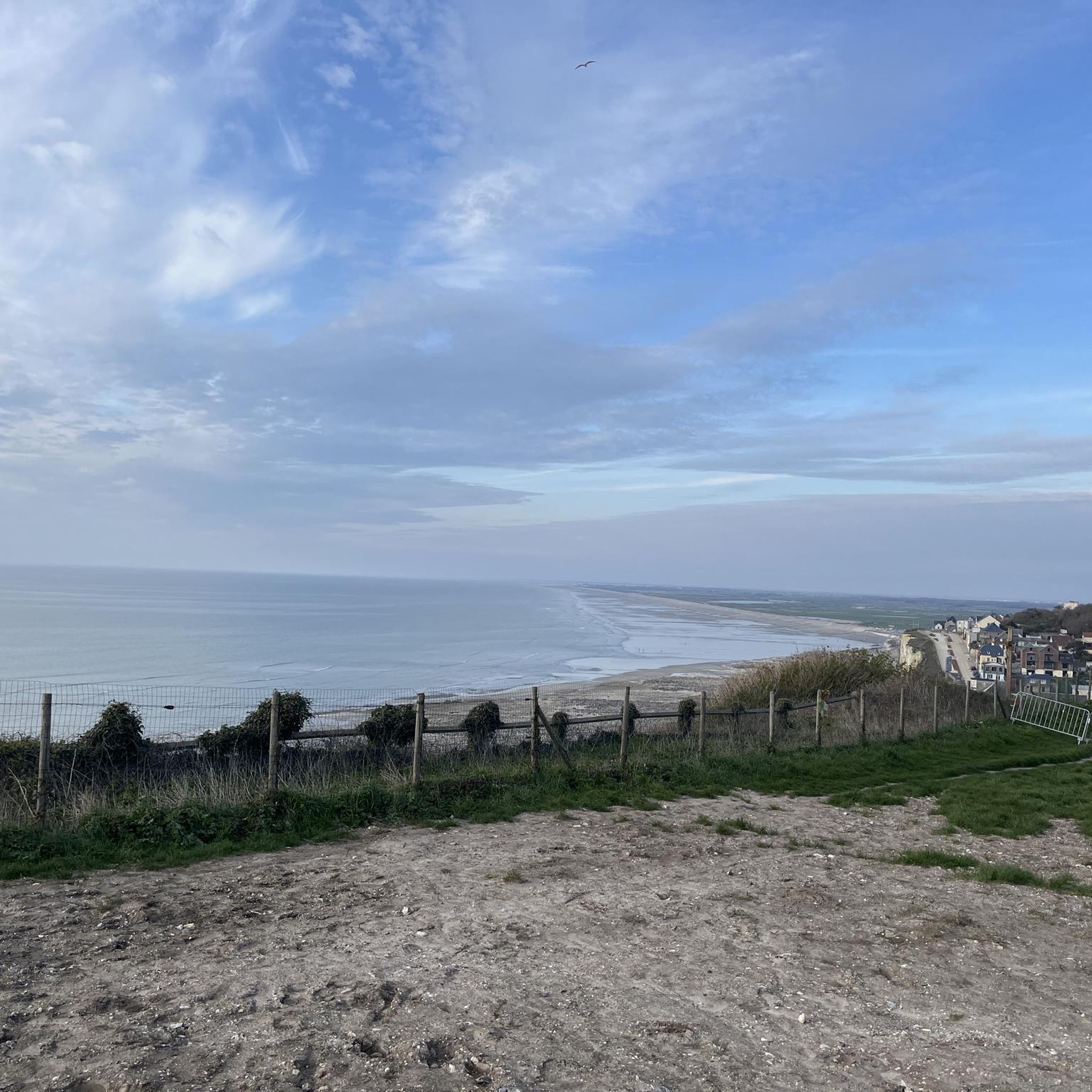
A green setting in the heart of the cliffs, classified as a picturesque area since 1959. The Bois de Cise is an exceptional natural area, a small natural forest, originally wild and abandoned, which became a famous seaside resort during the Belle Époque under the leadership of a visionary who stopped at nothing. This coastal forest was originally a wild forest and a hunting ground in the Middle Ages. At the end of the 19th century, the Bois de Cise was sold off in lots on the initiative of a property developer and became a famous seaside resort of the Belle Époque. Today, it is a charming holiday and walking area that is best explored on foot via the narrow paths and wooden steps that crisscross the area. Very beautiful villas bear witness to the prosperous years before the First World War. Don't forget to go to the panorama, like Victor Hugo in his time, a fantastic viewpoint from which you can see the mouth of the Bay of Somme.
0
0
The cliffs around the beach of Ault are composed of chalk from the Upper Cretaceous, more precisely from the Turonian and Coniacian (around 83 million years ago to 90 million years ago). They are strewn with flint nodules which highlight the subhorizontal stratification planes (the formation of flint has already been discussed in Discovery of the geology of the cliffs of Étretat, presentation of an excursion from the beach of Tilleul (Antifer) to the Porte d'Amont (Étretat Nord)). The relative proportion of chalk and flint is around 90-95% chalk to 5-10% flint. Flint horizons are stratigraphic markers. On the cliffs of Ault, the regular flint band called Seven Sisters is recognizable and characterizes the boundary between the Middle Coniacian and the Upper Coniacian (around 87 million years ago). The boundary between the lower and middle Coniacian is marked by the Shoreham 2 marl level, which is more difficult to identify. These lithostratigraphic markings allow in particular the correlation of distant deposits, such as between the Normandy and Picardy coasts, or between the French and English coasts.
2
0
Frequently Asked Questions
What types of natural monuments can I explore near Dargnies?
Near Dargnies, you can explore dramatic white chalk cliffs, unique pebble beaches, and serene wooded areas. Key attractions include the impressive Ault Chalk Cliffs, the picturesque La Cise Cliff, and the nature reserve of The Hâble d'Ault Route.
What geological features define the cliffs in this region?
The cliffs near Dargnies, such as those at Ault and Mers-les-Bains, are primarily composed of white chalk from the Upper Cretaceous period. They feature distinctive flint nodules that highlight sub-horizontal stratification planes. These formations are part of the hundred kilometers of cliffs bordering the Norman and Picardy coast.
Are there any viewpoints offering panoramic vistas of the coastline?
Yes, several spots offer breathtaking panoramic views. The View of Onival Beach and the Ault Cliffs provides expansive vistas from the top of the small town. Additionally, hiking up the Cliffs of Mers-les-Bains offers magnificent views of the coastline and the town below, and from Bois de Cise, you can enjoy a panorama stretching to the Baie de Somme estuary.
What is the best time to visit the natural monuments around Dargnies?
The natural monuments are enjoyable throughout the year, but spring and summer offer the most pleasant weather for outdoor activities like walking and hiking. The fresh sea air is particularly invigorating during these seasons. Visiting during low tide can also reveal unique features on the beaches, such as stones, pyrite, and occasional fossils.
Are there family-friendly natural sites near Dargnies?
Yes, the region offers several family-friendly options. The View of Onival Beach and the Ault Cliffs is noted as family-friendly. The pebble beaches at Ault and Mers-les-Bains are comfortable for strolling, and exploring the Bois de Cise on foot via its small paths and wooden stairs can be a charming activity for families.
What kind of wildlife can be seen at these natural sites?
At The Hâble d'Ault Route, which is a nature reserve, you can observe various seabirds like mallards, shovelers, and mute swans. The pebble areas also host rare pioneer habitats and plants adapted to the absence of soil, such as the nationally protected sea cabbage. You might also spot grazing sheep and cows near the Cliffs of Mers-les-Bains.
What outdoor activities can I do near these natural monuments?
The area around Dargnies is excellent for various outdoor activities. You can enjoy running on trails like the Marais de Gousseauville loop, find challenging MTB trails around Château d'Eu, or explore road cycling routes such as the Cliffs of Ault loop. For more details, check out the Running Trails around Dargnies, MTB Trails around Dargnies, and Road Cycling Routes around Dargnies guides.
Are there hiking trails that connect the natural monuments?
Yes, the Coastal Path (Sentier du Littoral) connects Mers-les-Bains to Ault, offering a 6-kilometer walk through dramatic landscapes, including the Bois de Cise. This path allows you to experience the stunning cliff formations and picturesque wooded areas firsthand.
What makes Bois de Cise a unique natural monument?
Bois de Cise is an exceptional natural site nestled in the heart of the cliffs, listed since 1959. It's a picturesque green setting that was transformed into a seaside resort during the Belle Époque. Today, it remains a charming spot for strolling, with small paths and wooden stairs, and offers breathtaking panoramas of the cliffs and the Baie de Somme estuary. The early 20th-century villas clinging to the cliffs add to its unique charm.
What should I bring for a visit to the natural monuments?
For a comfortable visit, especially if you plan to hike or walk along the cliffs and beaches, it's advisable to wear sturdy footwear. Depending on the season, layers of clothing are recommended due to the coastal weather. Don't forget water, snacks, and a camera to capture the stunning views.
Can I find cafes or pubs near the natural monuments?
The towns of Ault and Mers-les-Bains, which are adjacent to many of these natural monuments, offer amenities including cafes and pubs. You can find places to refresh and dine after exploring the cliffs and beaches.
What is the significance of the pebble beaches in the area?
The pebble beaches, particularly at Mers-les-Bains and The Hâble d'Ault Route, are a distinctive feature of the coastline. These pebbles originate from the slow erosion of the Pays de Caux cliffs, with flint pieces rolled and shaped by waves. They create unique habitats for specialized plants and are comfortable for strolling, especially with added decking in some areas.
Most popular routes around Dargnies
Most popular attractions around Dargnies

Get inspired with the komoot mobile app


Explore more
Extend your search for the best caves by checking out these guides of the top ones around Dargnies:
