Top 4 Natural Monuments around Saint-Étienne-Les-Orgues
Best natural monuments around Saint-Étienne-Les-Orgues are found within the Alpes-de-Haute-Provence, a region characterized by its diverse natural landscapes. The area is dominated by the Montagne de Lure, a significant peak reaching over 1,800 meters, known for its geological formations and varied ecosystems. Visitors can explore unique karstic features and expansive views across the Provençal hinterland. This environment offers opportunities to observe distinct flora and geological structures.
Best natural monuments around Saint-Étienne-Les-Orgues
- The most popular natural monument is Les Rochers des…
Last updated: May 24, 2026
The Mourres Rocks
Highlight • Natural Monument
These stone mushrooms correspond to very old aquatic grass beds …
Translated by Google •
Tip by

Les Rochers des Mourres
Highlight • Natural Monument
Translated by Google •
Tip by

Sign up now to discover places like this
Get recommendations on the best single tracks, peaks, & plenty of other exciting outdoor places.
Sign up for free
Cliffs Trail
Highlight (Segment) • Trail
Translated by Google •
Tip by

View from the Pas de la Graille
Highlight • Viewpoint
Translated by Google •
Tip by

View of Forcalquier from Parc Naturel Régional du Luberon
Highlight (Segment) • Viewpoint
Translated by Google •
Tip by

Start today with a free account
Your next adventure awaits.
Login or Signup
Popular around Saint-Étienne-Les-Orgues

Tips from the Community

Departing from Forcalquier, a leisurely climb through an interesting landscape with a view towards Mercantour. From Fontienne, beautiful descent.
0
0

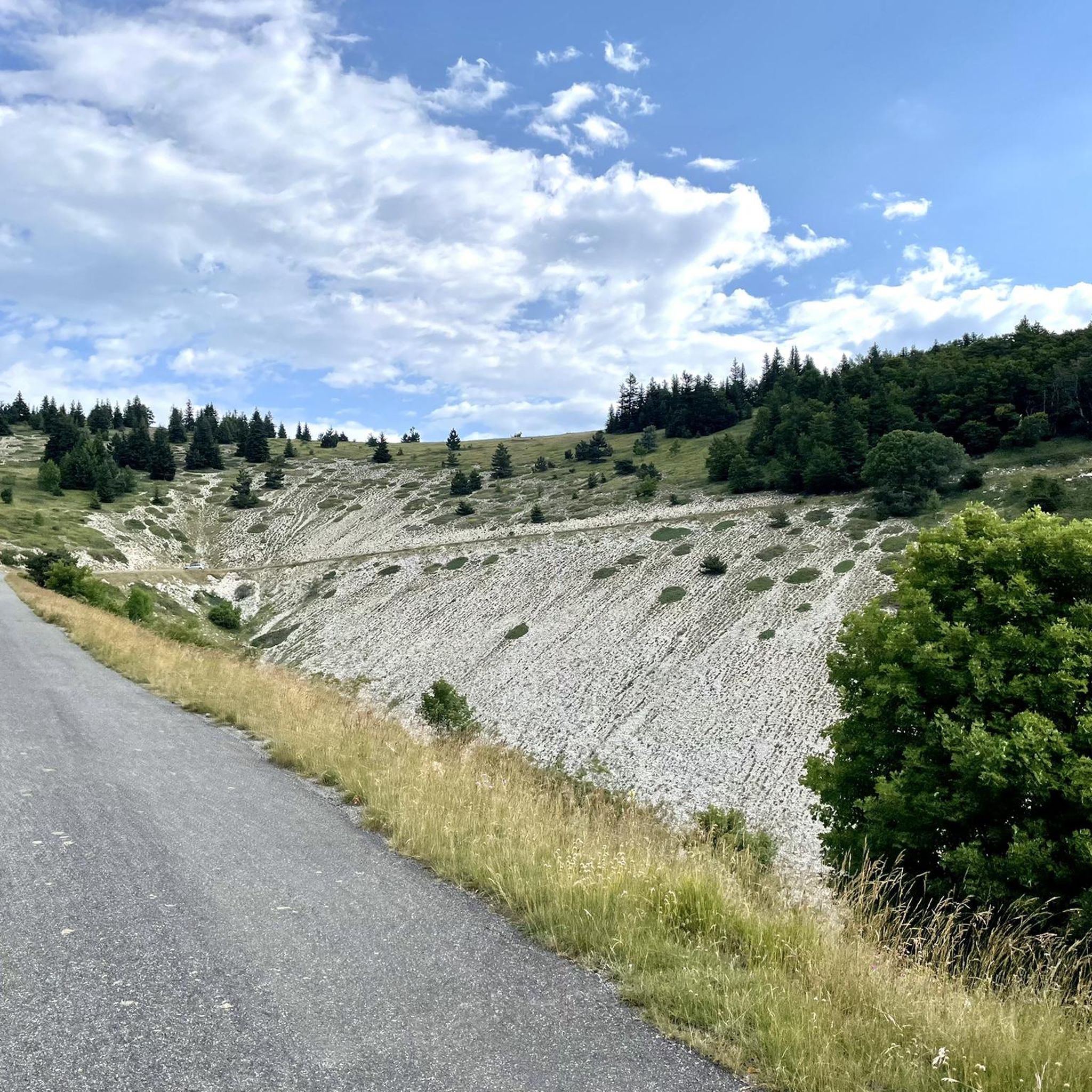
On the high plateau of the monastery there is a rock trail that leads directly along the slope or the rocks of the slope. There are fantastic views along the route.
2
0

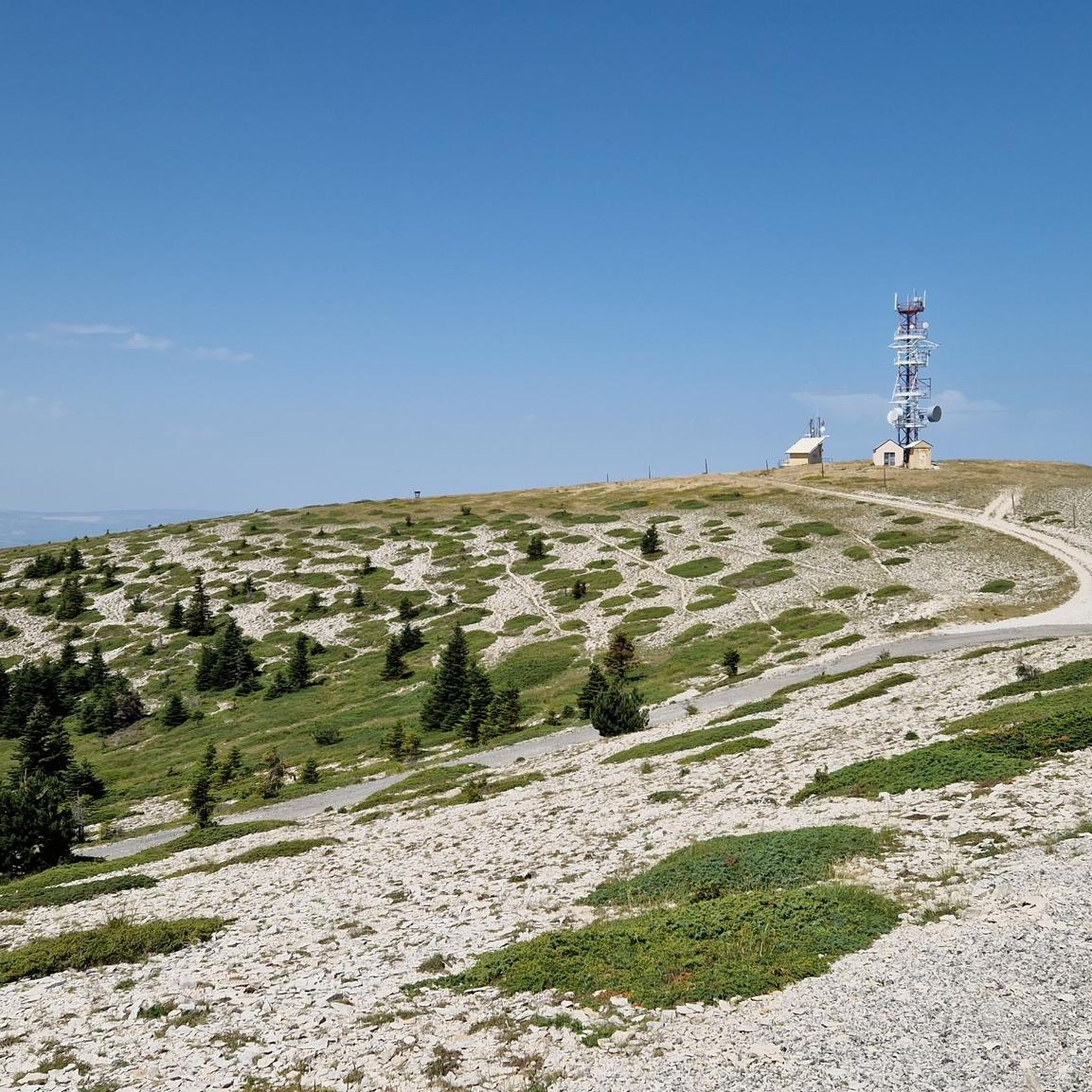
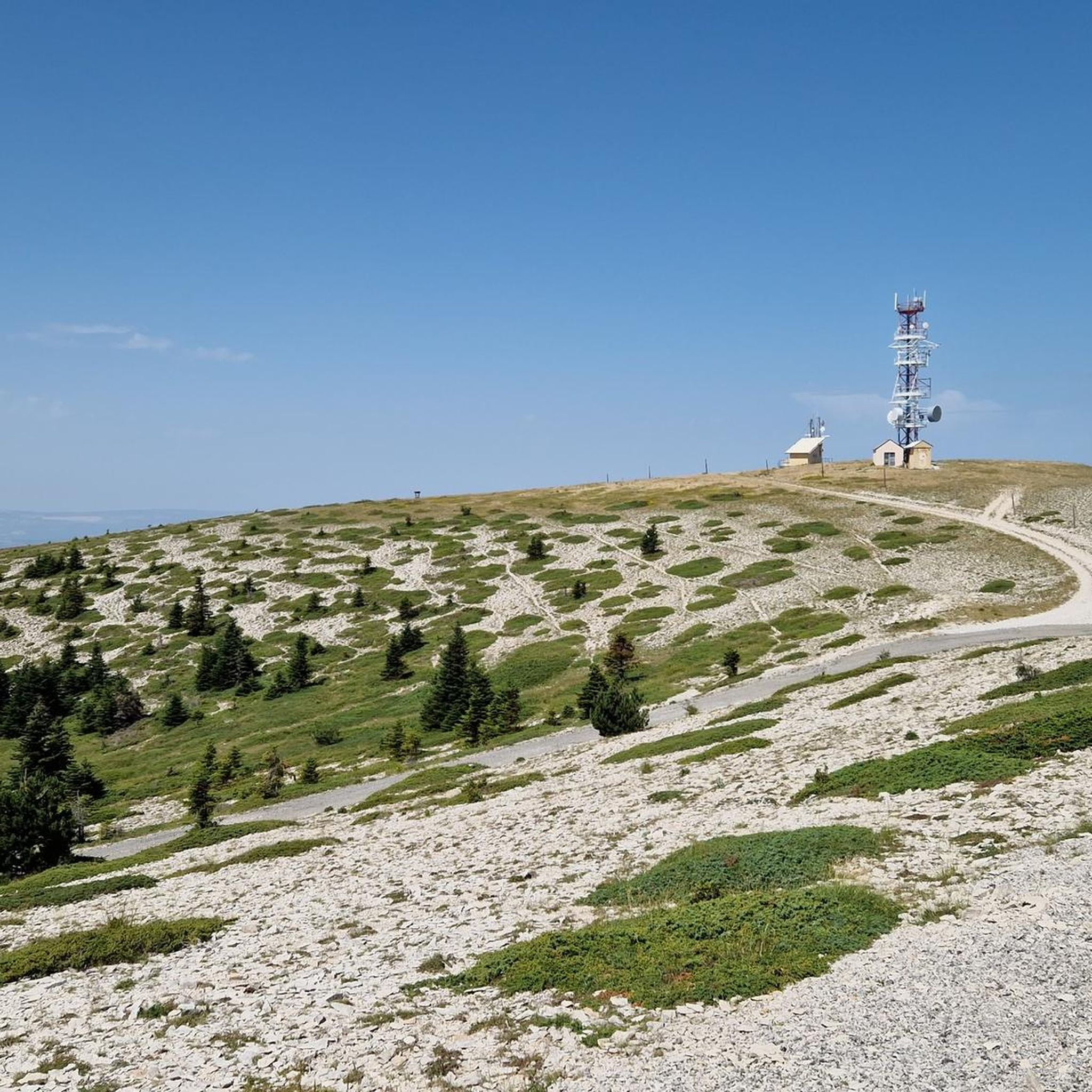
The Graille pass is probably the most famous pass in the Alps without even knowing it. So that? Because it is the obligatory step to reach the mountain of Lure. It is one of the first steps of the southern Alps. It is often compared to Mount Ventoux for its easily climbed, bald summit. Also well known to shepherds, the Pas de la Graille has been a path of transhumance since prehistoric times. The D53 connects Saint-Etienne-les-Orgues with Valbelle.
0
0

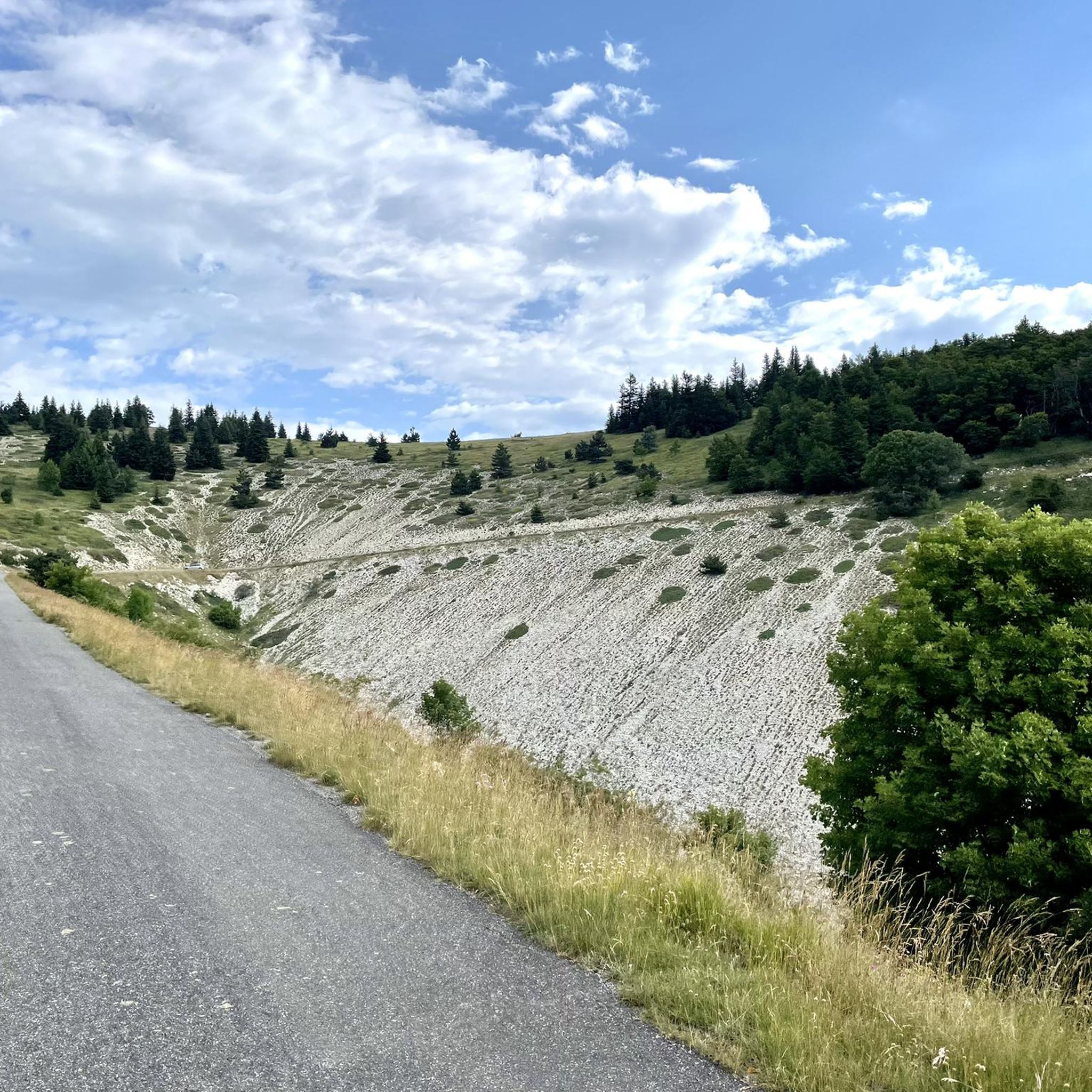
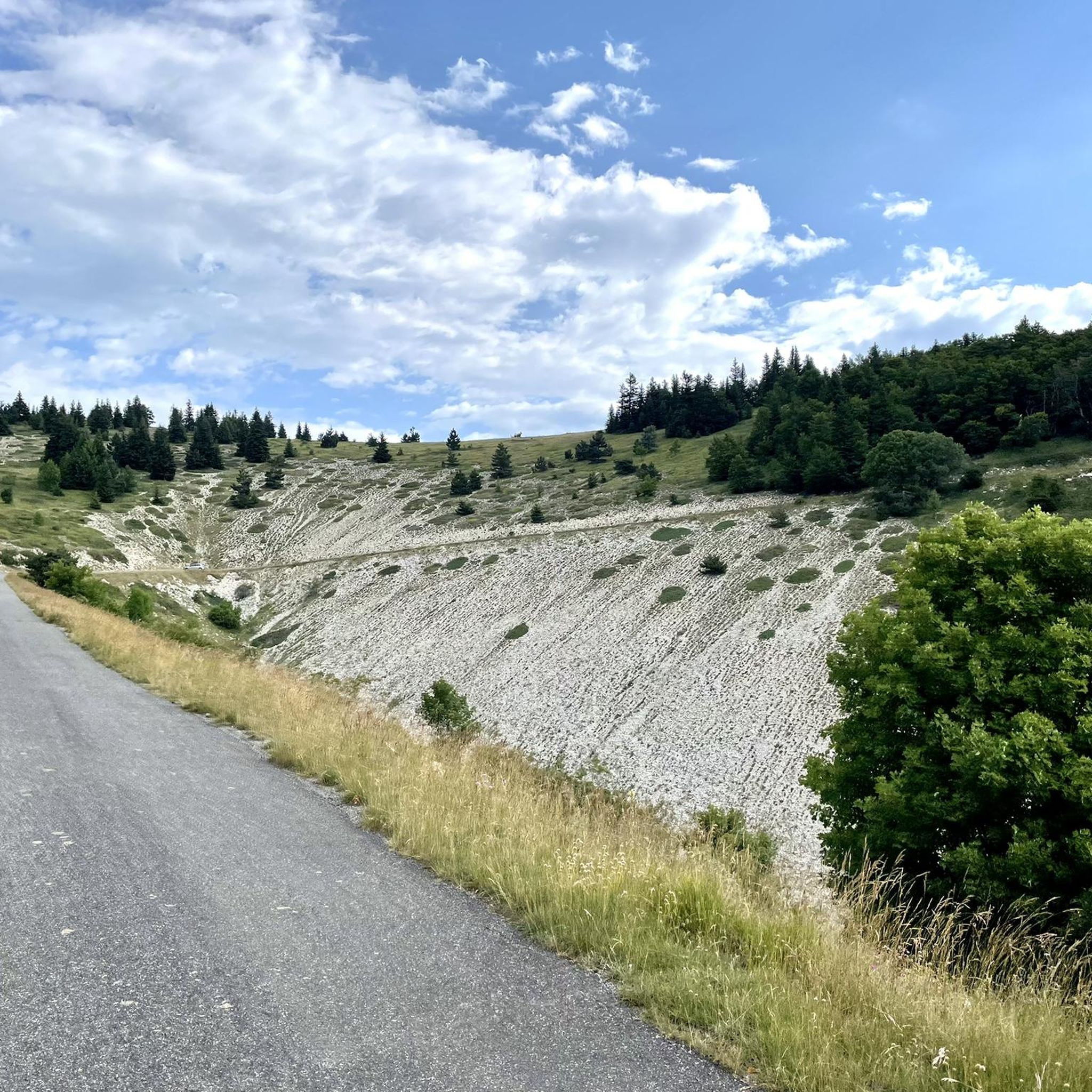
Without necessarily going around the rocks by the mountain bike trail, it's worth going down a hundred meters for the view and the rocks.
2
1
Stage at 1597 m before the signal from the mountain of Lure. You have a wonderful view of the surrounding landscape.
1
1

What an interesting geological formation these Rochers des Mourres are! These stones take every shape imaginable: mounds, haystacks, cylinders, basins. These stone mushrooms correspond to very old aquatic grass beds which developed on the surface of the water and then fossilized, building a kind of limestone skeleton with strange shapes.
6
0


Very wide view over the surrounding moutains and villages.
1
1
Frequently Asked Questions
What are some of the most impressive natural monuments to visit around Saint-Étienne-Les-Orgues?
The region offers several impressive natural monuments. Among them, Les Rochers des Mourres stands out with its unique rock formations resembling stone mushrooms, formed from ancient aquatic grass beds. The majestic Montagne de Lure, often called the 'lighthouse of the Provençal hinterland,' provides vast landscapes and panoramic views. Additionally, the Cliffs Trail offers fantastic views along its route.
Are there any unique geological formations to explore in the area?
Yes, the area is rich in unique geological features. Les Rochers des Mourres are a prime example, showcasing unusual shapes like mounds and cylinders, which are fossilized aquatic grass beds. The Montagne de Lure itself is a significant geological formation, part of a UNESCO biosphere reserve, resting on a vast slab of Urgonian limestone. You can also find karstic phenomena like the Aven des Cèdres, a deep sinkhole on the mountain's southern flank.
Where can I find the best panoramic views of the region?
For breathtaking panoramic views, the Montagne de Lure is an excellent choice. Its ridges offer 360-degree vistas that can extend to the Alps, Mont Ventoux, and the Luberon Regional Natural Park. The View from the Pas de la Graille, at 1597 meters, also provides a wonderful wide view over the surrounding mountains and villages. Another great spot is the View of Forcalquier from Parc Naturel Régional du Luberon, offering sights towards the Mercantour region.
What outdoor activities can I do near these natural monuments?
The natural monuments around Saint-Étienne-Les-Orgues are perfect for various outdoor activities. The Montagne de Lure is a haven for hiking, mountain biking, and horseback riding. In winter, the Lure multi-activity station offers skiing, sledding, and snowshoeing. For cycling enthusiasts, there are numerous routes, including those around the Montagne de Lure Pass and Les Rochers des Mourres. You can find more details on routes for cycling, MTB, and road cycling.
Are there family-friendly natural monuments or activities in the area?
Yes, the Montagne de Lure offers several family-friendly options. The 'Sentier des planètes' (Planets Trail) is an educational hiking route along the ridges, perfect for engaging children with insights into the solar system. The mountain also provides shaded paths through its combes and undergrowth, suitable for leisurely family walks. In winter, the Lure multi-activity station has sledding and snowshoeing, which are popular with families.
What is the best time of year to visit the natural monuments around Saint-Étienne-Les-Orgues?
The best time to visit depends on your preferred activities. Spring and autumn offer pleasant temperatures for hiking and exploring the diverse flora. Summer is ideal for enjoying the cooler mountain air and longer days. Winter transforms the Montagne de Lure into a snowy landscape, perfect for skiing, snowshoeing, and other winter sports at the Lure multi-activity station.
Are there any natural monuments with historical or botanical significance?
The Montagne de Lure holds both historical and botanical significance. Historically, it was a source of aromatic and medicinal plants, with specific itineraries dedicated to discovering these botanical treasures. The mountain is also part of a UNESCO biosphere reserve, renowned for hosting an impressive 85% of French flora species, making it a living botanical museum.
What should I bring when visiting the natural monuments?
When visiting, it's advisable to bring appropriate gear for outdoor activities. This includes sturdy hiking shoes, layers of clothing suitable for changing mountain weather, water, and snacks. If you plan to hike, a map or GPS device is recommended. Don't forget a camera to capture the stunning panoramic views and unique geological formations.
Are the natural monuments around Saint-Étienne-Les-Orgues dog-friendly?
Generally, natural areas and trails in the region are dog-friendly, especially if your dog is well-behaved and kept on a leash. However, it's always best to check specific regulations for protected areas or nature reserves. Ensure you carry water for your dog and clean up after them to preserve the natural environment for everyone.
Can I find any less-known or unique natural sites beyond the main attractions?
Beyond the prominent Montagne de Lure and Les Rochers des Mourres, the region features intriguing karstic formations. The Aven des Cèdres, a significant sinkhole on the southern flank of the Montagne de Lure, offers a glimpse into the area's subterranean geology. While primarily for speleologists, its existence highlights the unique natural processes at play in the Bédoulian limestones of the region.
What kind of flora and fauna can I expect to see?
The Montagne de Lure, being part of a UNESCO biosphere reserve, is exceptionally rich in biodiversity. It hosts an impressive 85% of French flora species, ranging from Mediterranean vegetation at lower elevations to temperate and mountain flora higher up. You can expect to see a variety of wildflowers, aromatic plants, and diverse forest types. The area is also home to various wildlife, though sightings can be elusive, including birds of prey, deer, and smaller mammals.
Most popular routes around Saint-Étienne-Les-Orgues
Most popular attractions around Saint-Étienne-Les-Orgues

Get inspired with the komoot mobile app


Explore more
Extend your search for the best caves by checking out these guides of the top ones around Saint-Étienne-Les-Orgues:
