Top 14 Natural Monuments around Lützelstein
Best natural monuments around Lützelstein are situated in the Bas-Rhin department of France, within the Vosges Mountains. This area is a key part of the Northern Vosges Regional Nature Park, known for its diverse landscapes. The region offers a variety of natural monuments and attractions, providing opportunities for outdoor exploration. Lützelstein's natural heritage sites include unique rock formations and historical dwellings integrated into the landscape.
Best natural monuments around Lützelstein
- The most popular natural monuments is Grotte d'Amour, a…
Last updated: June 21, 2026
Graufthal Troglodyte Houses
Highlight • Historical Site
Translated by Google •
Tip by

Ochsenstall Rock
Highlight • Cave
Translated by Google •
Tip by

Sign up now to discover places like this
Get recommendations on the best single tracks, peaks, & plenty of other exciting outdoor places.
Sign up for free
12 Apostles Stone / Breitenstein
Highlight • Monument
In 1787 it was carved with the effigies of the twelve apostles.
Translated by Google •
Tip by

Grotte d'Amour
Highlight • Cave
How can you be so ignorant and put a pile of shit garnished with lots of speed right behind the rocks 😡😡
Translated by Google •
Tip by

Little Meisenbach Castle
Highlight • Castle
Translated by Google •
Tip by

Sign up for free to discover even more natural monuments around Lützelstein.
Sign up for free
Already have an account?
Start today with a free account
Your next adventure awaits.
Login or Signup
Popular around Lützelstein
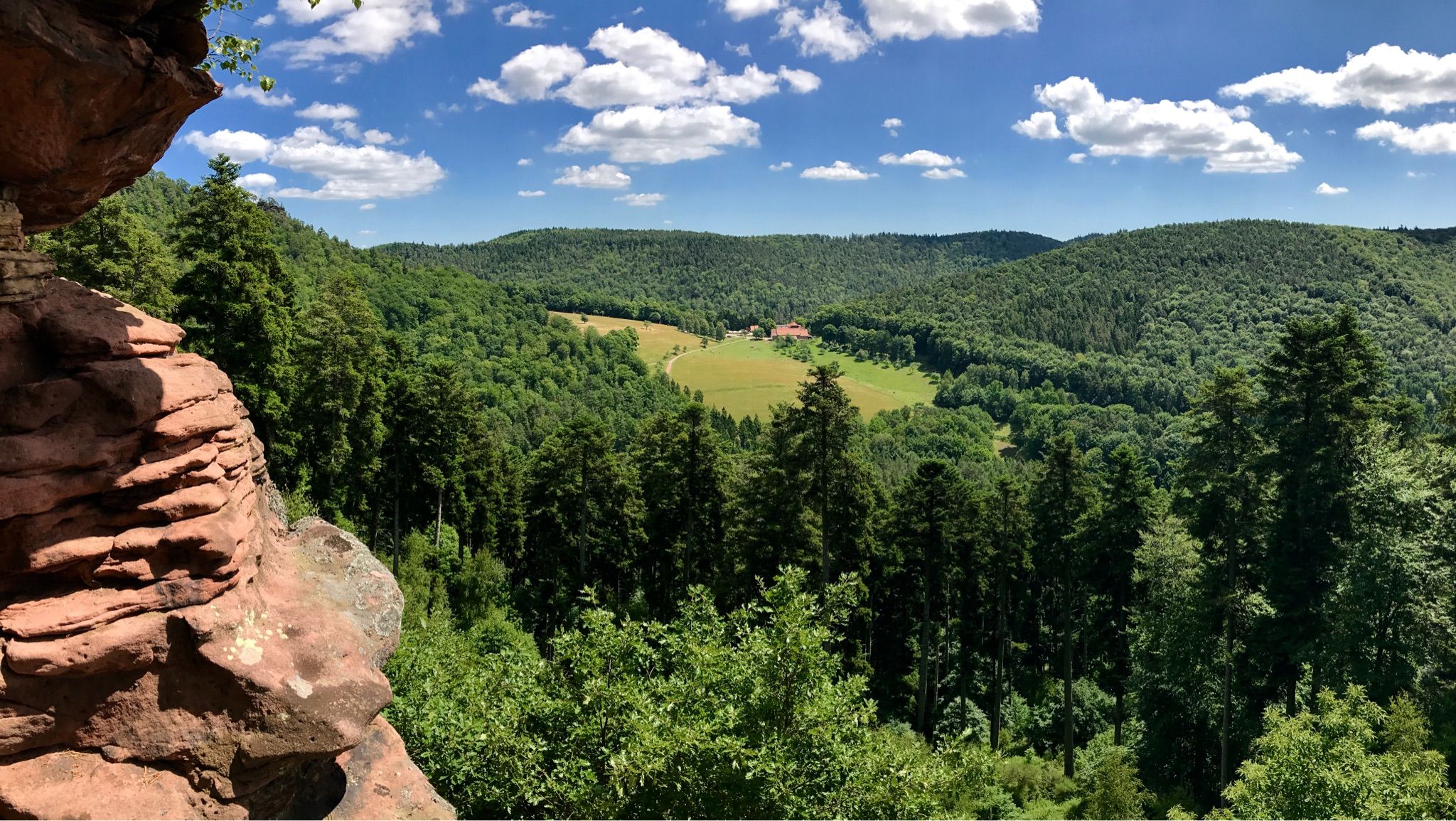
Hike the GR 53 – Explore castles along the Franco-German border
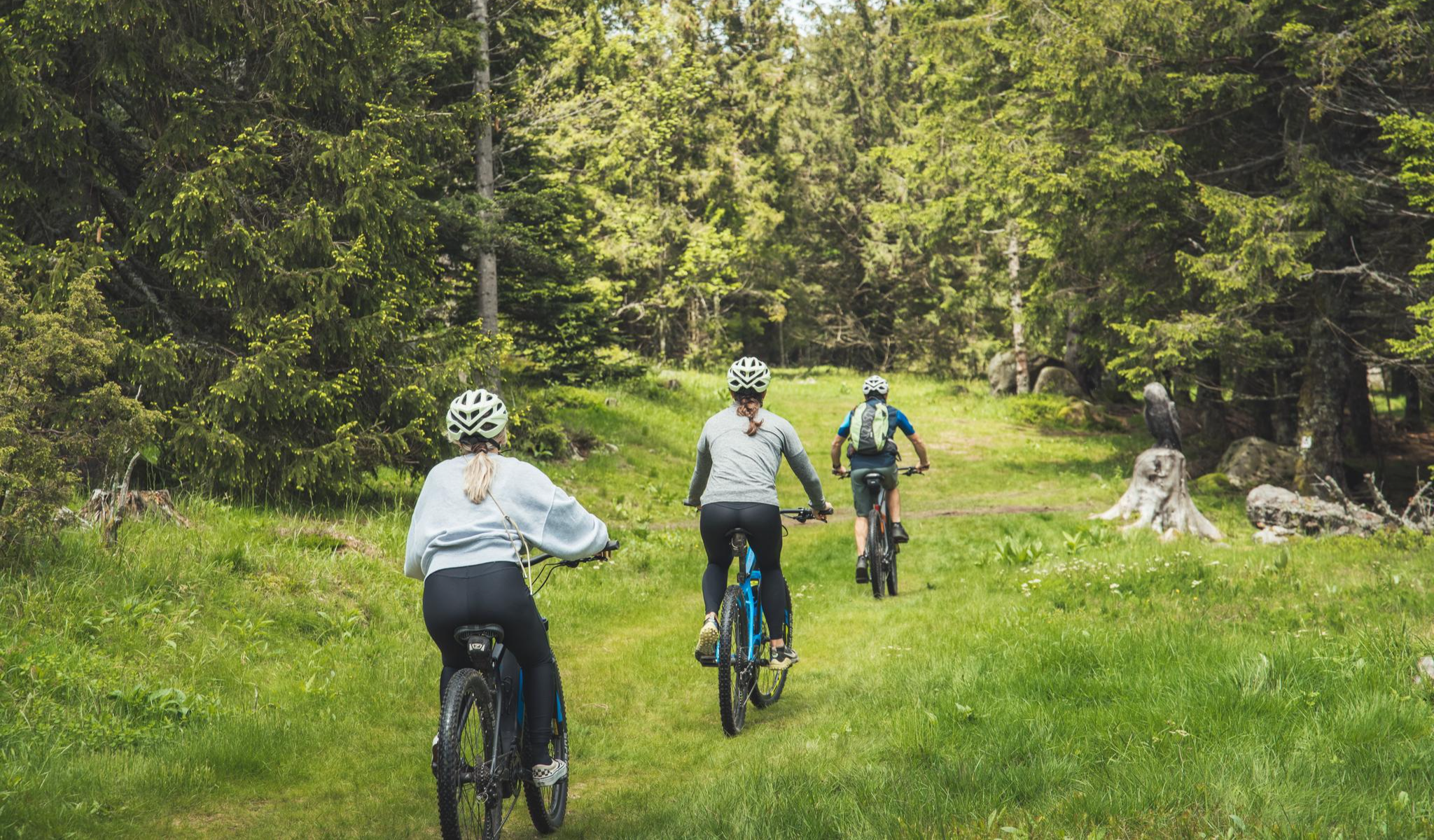
MTB and gravel in the Grand Est – the joy of the low mountains
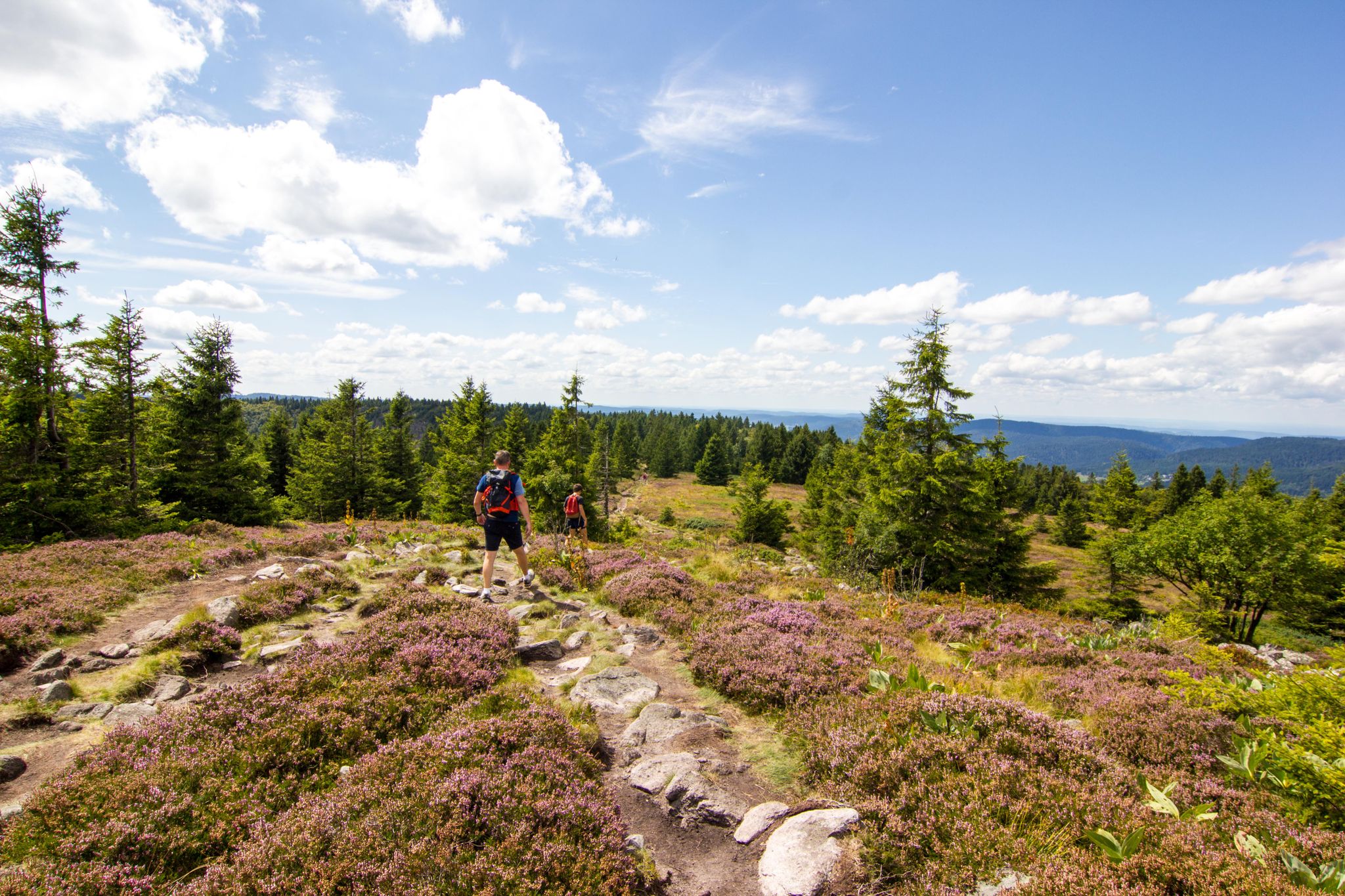
Hiking and relaxation – wellbeing on the Traversée des Vosges
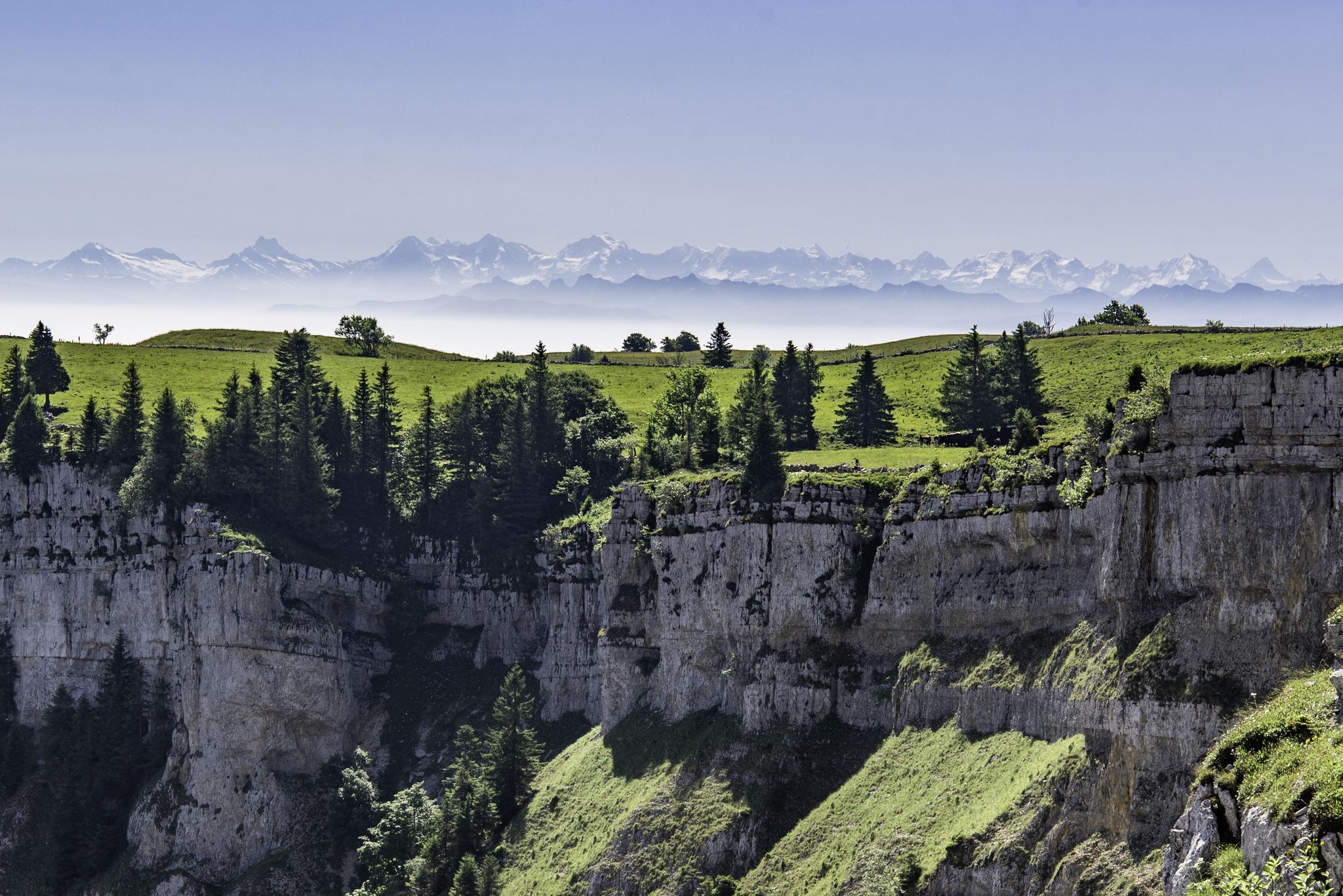
From the Vosges to the Jura mountains – Hexatrek, le Grand Est
Hiking around Lützelstein
MTB Trails around Lützelstein
Running Trails around Lützelstein
Cycling around Lützelstein
Road Cycling Routes around Lützelstein

Gravel biking around Lützelstein
Other adventures around Lützelstein


Tips from the Community

Although the few remaining ruins of this structure are called a castle, it appears that the site was first used as a Roman temple and then as a Christian church. Nearby are superb rock formations typical of the Northern Vosges Mountains.
1
0

Accessible from various directions and/or accessible as a circular walk. The walk up the mountain is quite long.
0
0

Very beautiful places in the calm of the forest
0
0

The remains are not the ruins of a small castle, as the popular name might suggest, but rather the remains of a Roman or Gallo-Roman sanctuary from the 2nd century, with a second phase of use in the 4th century. It may have later been used as a Christian church. In Curt Mündel's guide to the Vosges Mountains (1911 edition), the ruins are referred to as "Meisenbacher Schlössel," and the rock below as "Ochsenstall" (Oxen Stable), probably because the rock overhang was formerly used as a shelter for cattle.
0
0

The Ochsenstall Rock offers an exhilarating mountain biking experience with its rugged terrain and steep slopes. The highlight of your ride is the Ochsenstall Cave, an intriguing little cavern located beneath the rock formations. This cave, carved out by natural forces, offers a moment of exploration and a unique view of the surrounding landscape. It is the perfect place to take a break.
1
0

A beautiful place. What I don't understand: How can you be so ignorant and put a pile of shit garnished with lots of speed right behind the rocks 😡😡
6
1

Very beautiful place, you can take shelter there in case of bad weather and eat a bite on the huge Vosges sandstone table. The hike all around is nice and easy. The trails are almost all clear.
0
0

Not much left to see but easy to incorporate as a loop from the main path.
0
0
Frequently Asked Questions
What types of natural monuments can I explore around Lützelstein?
The region around Lützelstein, nestled in the Northern Vosges Regional Nature Park, offers a diverse range of natural monuments. You can discover unique rock formations like Ochsenstall Rock, caves such as Grotte d'Amour, and historical sites integrated into the landscape, like the Graufthal Troglodyte Houses. The area is rich in natural beauty, from forests to mountainous terrain, providing varied outdoor experiences.
Are there any family-friendly natural monuments in the Lützelstein area?
Yes, several natural monuments around Lützelstein are suitable for families. The Graufthal Troglodyte Houses offer an engaging historical experience built into the rocks. The Grotte d'Amour is also considered family-friendly, providing a pleasant resting spot. Additionally, the 12 Apostles Stone / Breitenstein is a historical and natural landmark that can be enjoyed by all ages.
What kind of hiking opportunities are available near Lützelstein's natural monuments?
Lützelstein is an excellent base for hiking, with numerous trails leading to and past natural monuments. You can find routes of varying difficulty, including moderate hikes like the 'Graufthal – Graufthal Troglodyte Houses loop' or the 'Felsenkanzel – Grotte d'Amour loop'. For more options, explore the comprehensive Hiking around Lützelstein guide.
Can I visit historical natural monuments around Lützelstein?
Absolutely. The region is home to fascinating historical natural monuments. The Graufthal Troglodyte Houses are semi-troglodyte dwellings built into high rocks, listed as historical monuments, and offer a vivid museum experience. Another notable site is the 12 Apostles Stone / Breitenstein, a prehistoric menhir that has served as a border marker and was later carved with religious effigies.
Are there any natural monuments that offer good viewpoints?
Yes, the area features several natural monuments that double as excellent viewpoints. The Ochsenstall Rock is not only a beautiful rock formation but also offers scenic views. Similarly, the Grotte d'Amour is situated in a forest with potential viewpoints nearby, allowing visitors to appreciate the surrounding natural beauty of the Vosges Mountains.
What is the best time of year to visit the natural monuments around Lützelstein?
The Northern Vosges Regional Nature Park, where Lützelstein is located, is beautiful year-round. Spring and autumn offer pleasant temperatures for hiking and vibrant foliage. Summer is ideal for longer outdoor activities, while winter can provide a unique, serene experience, though some trails might be more challenging due to snow or ice. Always check local weather conditions before your visit.
Are there any natural monuments that provide shelter or resting places?
Yes, some natural monuments offer convenient spots for rest and shelter. The Grotte d'Amour is well-known for having a table and bench inside, providing protection from wind and weather. The Ochsenstall Rock also serves as a natural shelter with seating, historically used by herdsmen.
What other outdoor activities can I do near the natural monuments?
Beyond hiking, the Lützelstein area offers various outdoor activities. You can explore running trails, with options like the 'White Rock – Rocher du Corbeau loop'. Road cycling is also popular, with routes such as the 'Port of Lutzelbourg – Graufthal Troglodyte Caves loop'. For detailed routes and guides, refer to the Running Trails around Lützelstein and Road Cycling Routes around Lützelstein guides.
Are dogs allowed on trails to the natural monuments?
The Northern Vosges Regional Nature Park generally welcomes dogs, especially on marked trails, provided they are kept on a leash. It's always advisable to check specific regulations for individual sites or protected areas within the park. Most natural trails are dog-friendly, allowing your canine companion to join your exploration of Lützelstein's natural heritage.
How can I reach the natural monuments around Lützelstein?
Lützelstein is located in the Bas-Rhin department of France, within the Vosges Mountains. While specific public transport options to every natural monument might vary, the village of La Petite-Pierre (Lützelstein) itself is accessible. Many natural monuments are best reached by car, with parking available near trailheads, or by hiking directly from the village or nearby towns within the Northern Vosges Regional Nature Park.
What makes the Northern Vosges Regional Nature Park significant for natural monuments?
The Northern Vosges Regional Nature Park, where Lützelstein is headquartered, is a UNESCO-listed Biosphere Reserve. This designation highlights its exceptional natural beauty and diverse landscapes, making the entire park a significant natural monument in itself. It protects a variety of ecosystems, from forests to unique geological formations, and provides a habitat for diverse flora and fauna, offering an immersive nature experience.
Are there any unique rock formations to see besides Ochsenstall Rock?
Yes, the region is known for its distinctive red sandstone rock formations. While Ochsenstall Rock is a prominent example, you'll encounter many other impressive rock formations throughout the Northern Vosges Mountains. The 12 Apostles Stone / Breitenstein is another unique rock, a large block of red sandstone with historical carvings.
Most popular routes around Lützelstein
Most popular attractions around Lützelstein

Get inspired with the komoot mobile app


Explore more
Extend your search for the best caves by checking out these guides of the top ones around Lützelstein:
