Top 5 Natural Monuments around Dourges
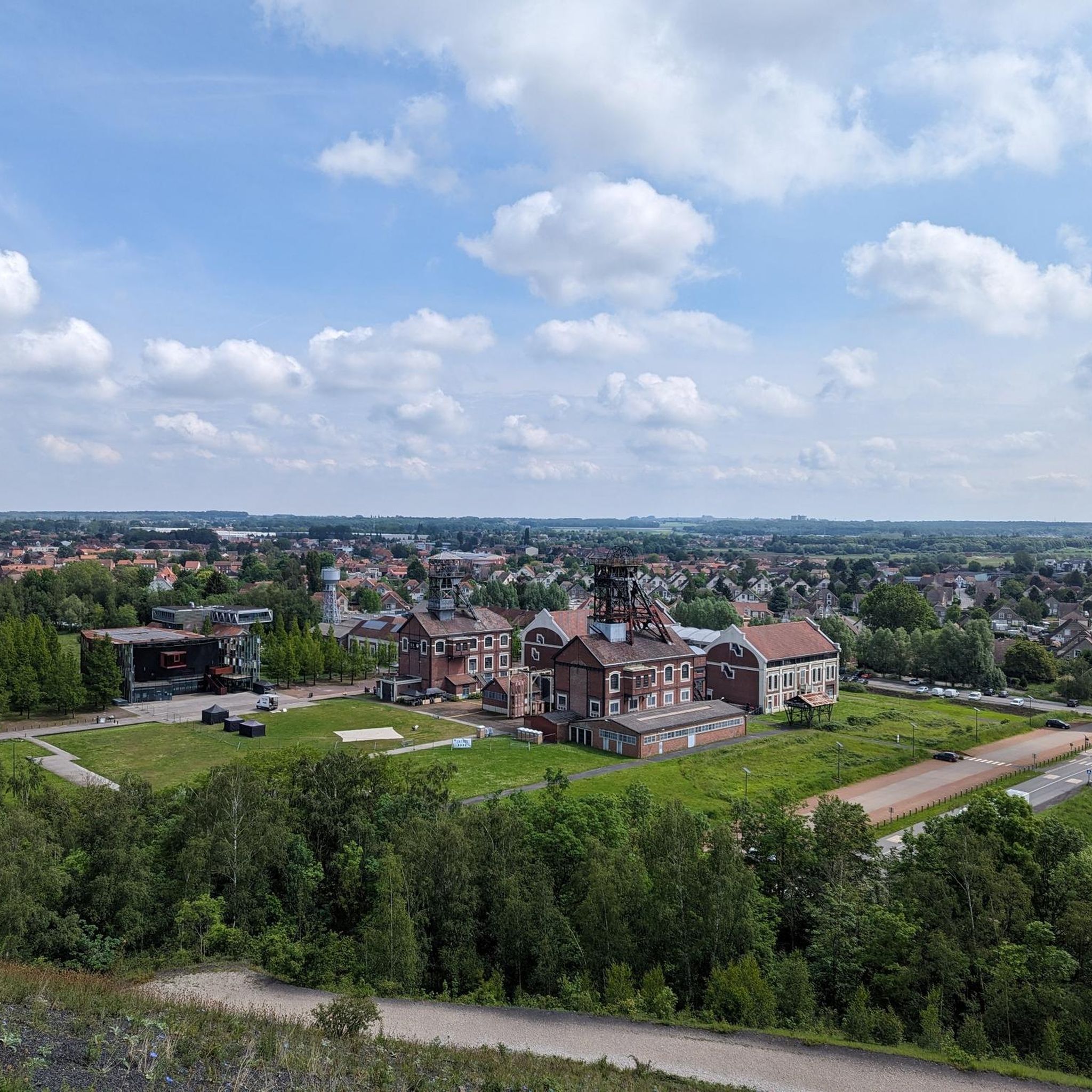
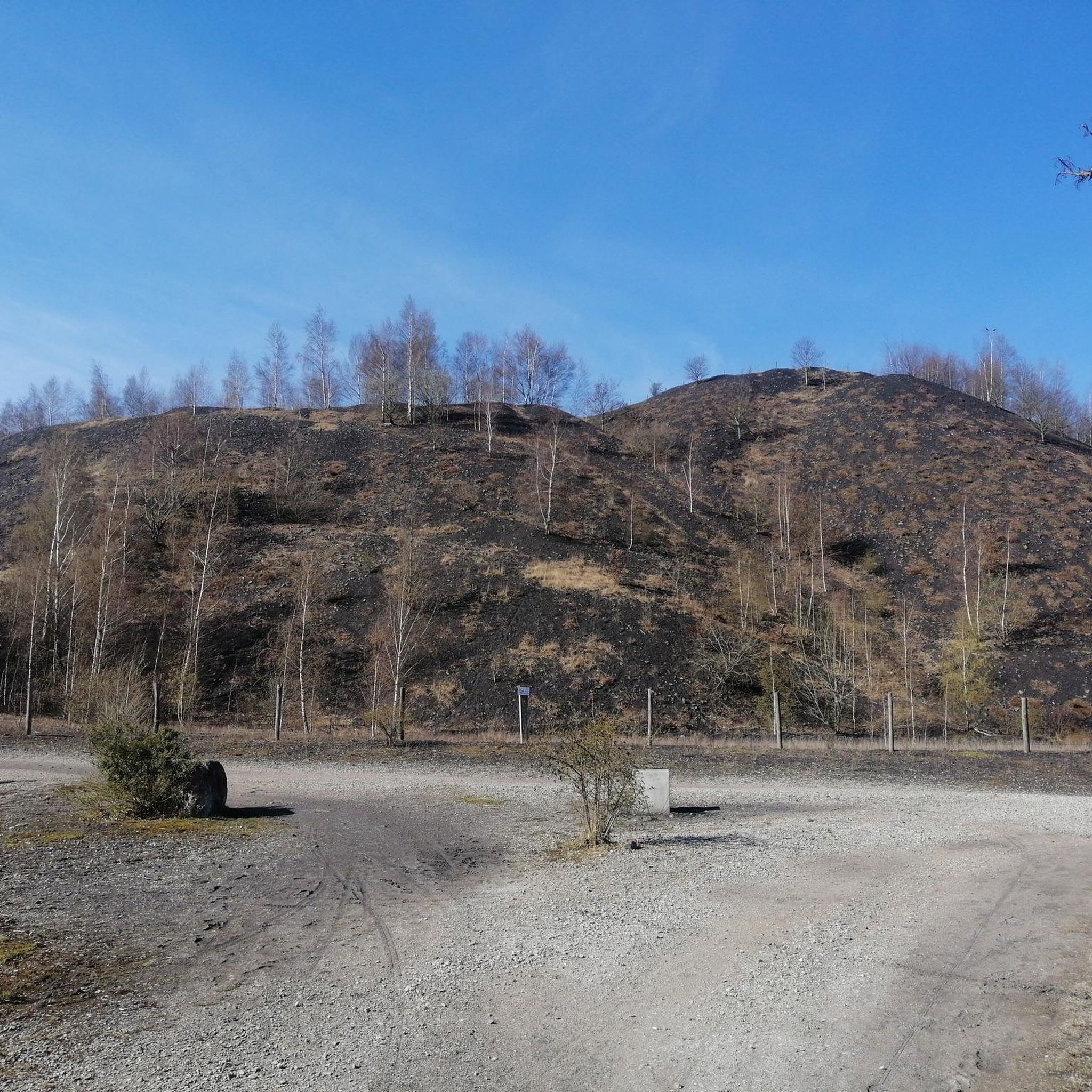
Best natural monuments around Dourges include re-naturalized slag heaps, which are artificial hills formed from mining waste, now offering unique ecosystems. The region's landscape is characterized by its industrial heritage, with these sites providing elevated views and diverse terrain. While traditional natural monuments are less common, Dourges offers specific natural features that have developed on these man-made structures. These areas provide opportunities for walking routes and exploring natural features near Dourges.
Best natural monuments around Dourges
- The most popular natural…
Last updated: May 7, 2026
Ostricourt slag heap
Highlight • Natural Monument
Translated by Google •
Tip by

Leforest slag heap
Highlight • Natural Monument
Translated by Google •
Tip by
Sign up now to discover places like this
Get recommendations on the best single tracks, peaks, & plenty of other exciting outdoor places.
Sign up for free
Ladder Tree
Highlight • Forest
It is easily accessible by bicycle.
Which is not the path that goes deep into the forest.
Translated by Google •
Tip by

Roost-Warendin Slag Heap 138
Highlight • Natural Monument
Translated by Google •
Tip by
Terril Estevelles
Highlight • Summit
Translated by Google •
Tip by

Sign up for free to discover even more natural monuments around Dourges.
Sign up for free
Already have an account?
Start today with a free account
Your next adventure awaits.
Login or Signup


Tips from the Community

beautiful mountain bike playground
0
0

This oak, 200 to 300 years old, would have been used by the German army during the First World War as an observation post. The panel states: "The soldiers could thus observe the artillery and enemy movements. We can still observe some of the iron bars which would have been inserted into the trunk in order to constitute a ladder. The tree having continued to grow, the majority of the bars have been absorbed by the bark."
1
0

Be careful on a narrow path, in some places a slippery plastic coating covers part of the path
0
0

Remarkable century-old oak, having participated in the history of the First World War. It is easily accessible by bicycle. Which is not the path that goes deep into the forest.
1
0


Mandatory and iconic stopover in the region
1
0

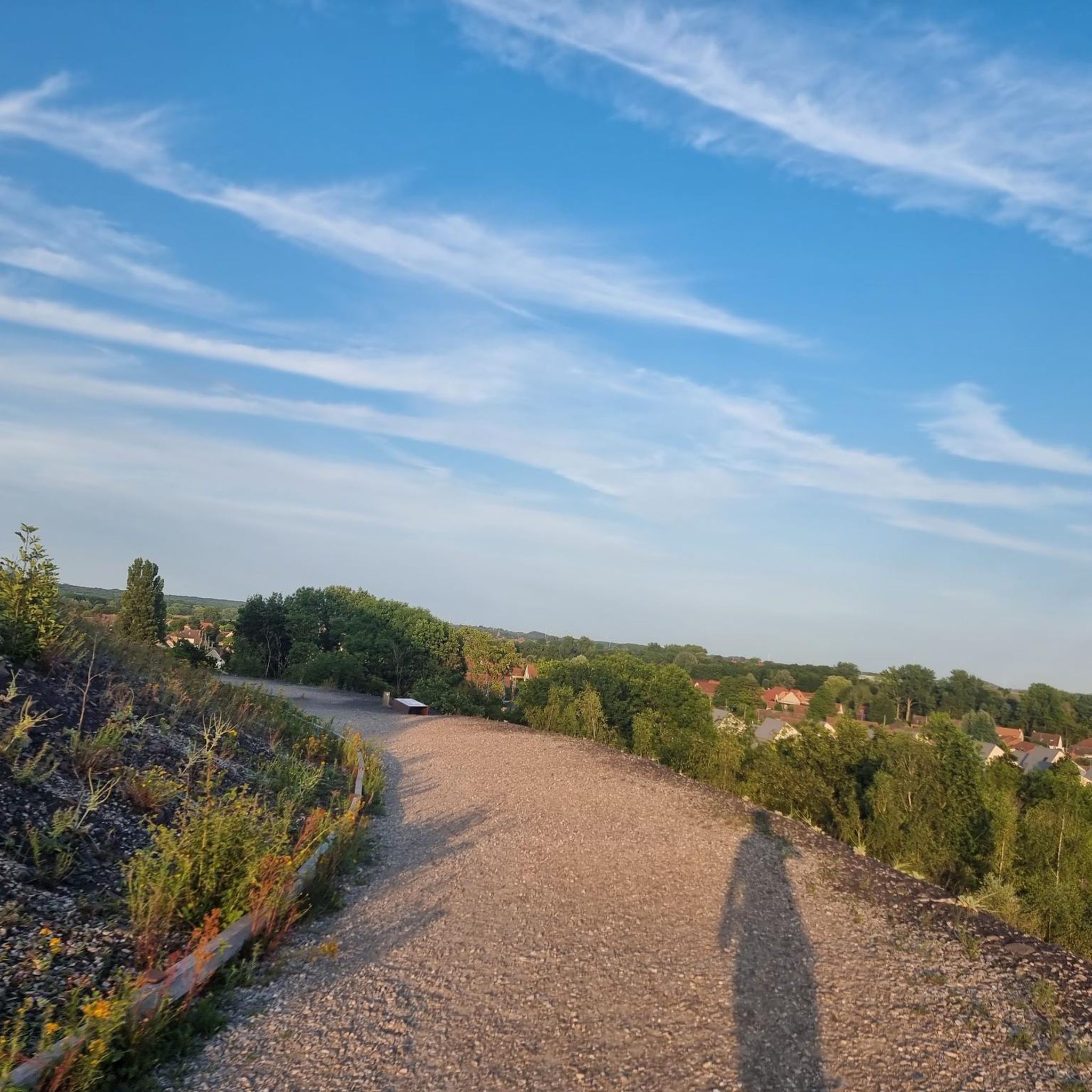
Nice place typical of the North. Difficult in gravel in wet weather.
0
0

Difficult to drive on the site at this time because of the "luxuriant" vegetation. Access to the karting level is blocked by padlocked gates.
0
0
Frequently Asked Questions
What are some of the most notable natural monuments to explore around Dourges?
The area around Dourges is unique for its re-naturalized slag heaps, which are artificial hills transformed into diverse ecosystems. Notable examples include the Leforest slag heap, known for its challenging climb and rewarding views, and the Ostricourt slag heap, which offers varied terrain with several bumps and a long single track. Another significant site is the Ladder Tree, a remarkable century-old oak with historical significance from the First World War.
Are there family-friendly natural areas or trails near Dourges?
Yes, the Ladder Tree is categorized as family-friendly and is easily accessible by bicycle. While the slag heaps can be more challenging, many offer paths suitable for walks, and the broader region includes nature reserves like the Marais de Dourges, which are generally accessible for family outings to observe local flora and fauna.
What kind of outdoor activities can I do near the natural monuments in Dourges?
The natural monuments and surrounding areas are excellent for various outdoor activities. You can enjoy hiking, mountain biking, and road cycling. For hiking, consider routes like 'Direction point of view – The beautiful steps loop from Oignies' or 'The Totem Tree – Hautois Wood loop from Oignies'. Cyclists can explore routes such as 'Harnes Lagoons – Harnes Fishing Pond loop from Dourges' or 'Oignies spoil tip – Le Pas Roland loop from Dourges'. You can find more details on these activities in the Hiking around Dourges, Road Cycling Routes around Dourges, and Cycling around Dourges guides.
What are the unique natural features of the Marais de Dourges?
The Marais de Dourges (Dourges Marsh) is a significant wetland system that highlights the region's rich natural heritage. It's an important ecological zone, part of a larger network of marshes and wetlands. These areas are crucial for biodiversity, offering preserved ecosystems with unique plant communities adapted to wetland environments, various bird species, and other wildlife. They provide tranquil settings for nature observation and walking.
Are there any natural monuments with historical significance in the Dourges area?
Yes, the Ladder Tree is a prime example. This remarkable century-old oak is not only a natural monument but also a historical site, having been used as an observation post by the German army during the First World War. You can still observe some of the iron bars that were inserted into its trunk to form a ladder.
What is the best time of year to visit the natural monuments around Dourges?
Spring and autumn are generally ideal for visiting the natural monuments around Dourges. During these seasons, the weather is typically mild, making outdoor activities like hiking and cycling more comfortable. The changing foliage in autumn and the blooming flora in spring also add to the scenic beauty of the re-naturalized slag heaps and wetland areas like the Marais de Dourges.
Can I find viewpoints with panoramic scenery among the natural monuments?
Absolutely. Many of the re-naturalized slag heaps offer elevated positions with excellent views. For instance, the Leforest slag heap provides a notable viewpoint from its summit, though it requires a climb on foot. The Roost-Warendin Slag Heap 138 also offers good views, and the Terril Estevelles allows you to admire the surrounding landscape from its top.
Are the natural monuments around Dourges dog-friendly?
Many natural areas and trails around Dourges, including the re-naturalized slag heaps and marshlands, are generally dog-friendly, especially if your dog is on a leash. It's always recommended to keep dogs under control and clean up after them to preserve the natural environment for all visitors. Specific rules may vary, so look for local signage.
What are the typical terrain and difficulty levels for trails on the slag heaps?
The slag heaps offer varied terrain. For example, the Ostricourt slag heap features several bumps and a long single track, with a nice climb and a very steep descent. The Leforest slag heap involves a technical climb, with the summit only accessible on foot due to steep sections. The Terril Estevelles also presents a challenging climb with switchbacks. Expect intermediate to challenging sections, often with narrow paths and sometimes slippery surfaces.
What other regional nature reserves are accessible from Dourges?
Beyond the immediate Dourges area, several regional nature reserves offer preserved ecosystems. These include the Réserve naturelle régionale du Marais de Wagnonville (approx. 8km), the Réserve naturelle régionale de la Tourbière de Vred (approx. 19km), and the Réserve naturelle régionale du Pré des Nonnettes (approx. 20km). These sites are excellent for observing local flora and fauna in diverse wetland and peat bog environments.
What do visitors enjoy most about the natural monuments around Dourges?
Visitors particularly appreciate the unique blend of industrial heritage and re-naturalized landscapes. The challenging climbs on the slag heaps are often cited, especially for mountain bikers and gravelists, along with the rewarding panoramic views from the summits. The historical significance of sites like the Ladder Tree also adds a fascinating dimension to the natural exploration.
Most popular routes around Dourges
Most popular attractions around Dourges

Get inspired with the komoot mobile app


Explore more
Extend your search for the best caves by checking out these guides of the top ones around Dourges:
