Top 3 Natural Monuments around Stundweiler
Best natural monuments around Stundweiler are found in a region known for its diverse natural environments, including the Sauer Delta Nature Reserve. This protected area features an unusual landscape of willow bushes, marshy areas, and reed beds, offering significant ornithological and botanical value. The Sauer River, which partly forms the border between Germany and France, flows through this area before joining the Rhine. Visitors can explore various natural features and historical sites within this scenic setting.
Best natural monuments around Stundweiler
- The most popular natural monuments is War Memorial in Parc Naturel Régional des Vosges du Nord, a man-made monument that is also considered a natural monument. This site is family-friendly and offers a blend of historical significance within a natural park setting.
- Another must-see spot is Redoubt of the Lauter Line, a historical site and natural monument located in a forest. Here, visitors can observe fortifications from the War of the Spanish Succession, situated along a path beside the Lauter River.
- Visitors also love Unmissable tree, a natural monument with historical significance. This ancient tree, estimated to be between 350 and 500 years old, has a trunk circumference of over 8 meters and stands near a well dating from 1732.
- Stundweiler is known for its historical sites, natural monuments, and other natural features. The area offers a variety of natural monuments to see and explore, from ancient trees to protected landscapes.
- The natural monuments around Stundweiler are appreciated by the komoot community, with more than 50 upvotes and 12 photos shared by visitors.
Last updated: June 21, 2026
Redoubt of the Lauter Line
Highlight • Historical Site
The Lauterlinie was built during the War of the Spanish Succession between 1701 and 1714 under the French Marshal de Villars. The fortification was supposed to prevent enemy (German) troops from marching across the Lauter border into Alsace.
Erdschanzen (redoubts) lay in the course of the line at irregular intervals. Their total number was 51 pieces. The jumps had shapes that were adapted to the terrain.
You can find more about this here:
morr-siedelsbrunn.de/lauterlinie
Translated by Google •
Tip by

War Memorial in Parc Naturel Régional des Vosges du Nord
Highlight • Monument
Translated by Google •
Tip by

Sign up now to discover places like this
Get recommendations on the best single tracks, peaks, & plenty of other exciting outdoor places.
Sign up for free
Ash (Fraxinus)
Highlight • Natural Monument
Translated by Google •
Tip by

Unmissable tree
Highlight • Natural Monument
Translated by Google •
Tip by

Start today with a free account
Your next adventure awaits.
Login or Signup

Tips from the Community

Such cenotaphs or war memorials are still very important today as a memorial to the many dead. “Now you, O Lord, are letting your servant depart in peace, as you said…” says the so-called “Song of Simeon” (Gospel of Luke chapter 2, verse 29). However, the people who are remembered here did not die in peace, but rather became victims of war and tyranny. This is why the term “Fallen Monument” is now sometimes used instead of the previously most common “war memorial”. Many places and monuments that you encounter along the way are a testament to the horror of war and tyranny - which is still significant and relevant today. They all have, and this is new for each generation, two essential functions: -1- Commemorate and remember the victims -2- Call for the preservation of peace
1
0

Ash (lat. Fraxinus) is a genus of conifers and shrubs of the Oleaceae family, which also includes olive, lilac, forsythia, viburnum, etc.
0
0

Some 8.07 m around the trunk; 0.6 m in height and more than 14 m in height, its age is estimated between 350 and 500 years. A pretty well is in front, dating from 1732.
0
0

to commemorate the dead of the two world wars.
5
0

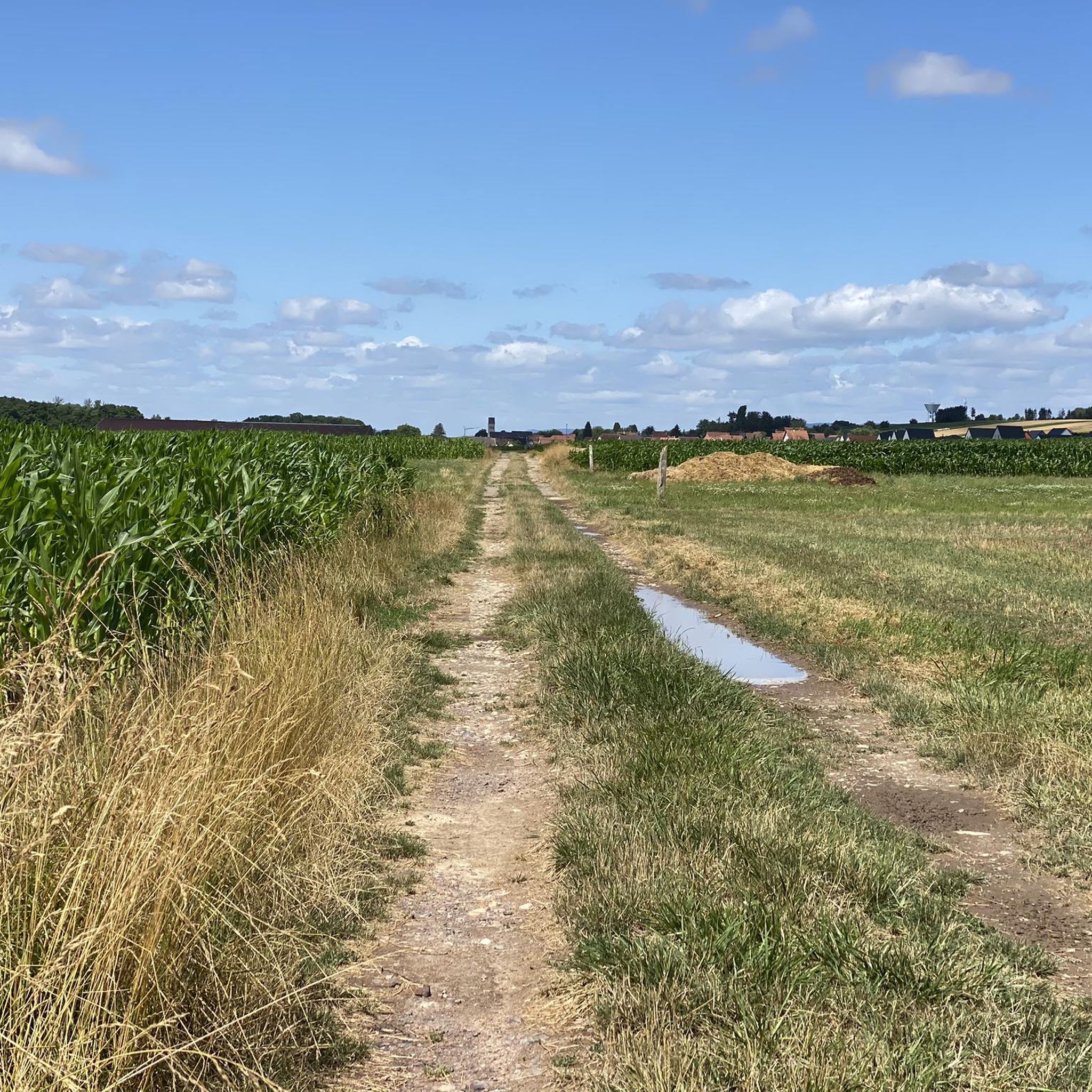
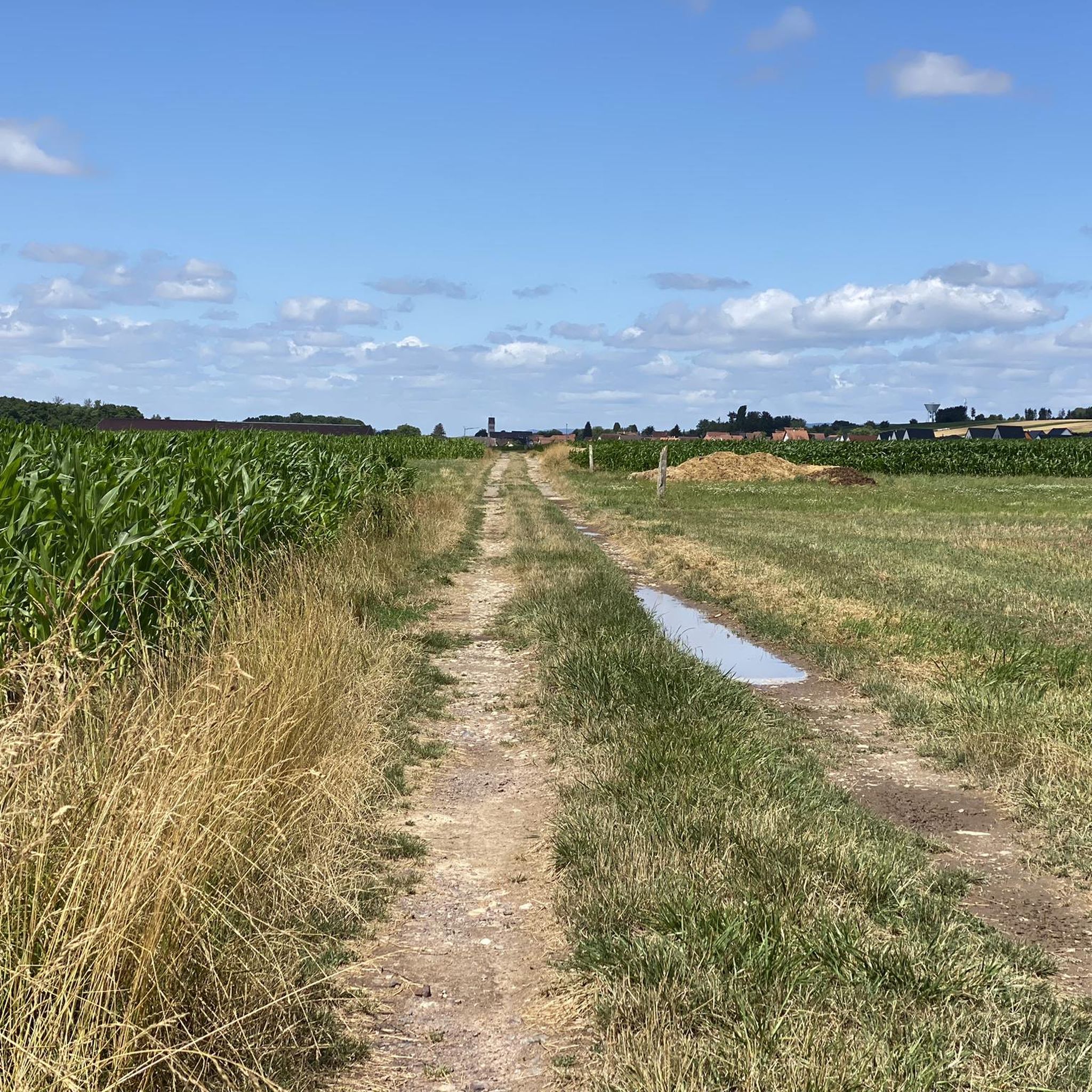
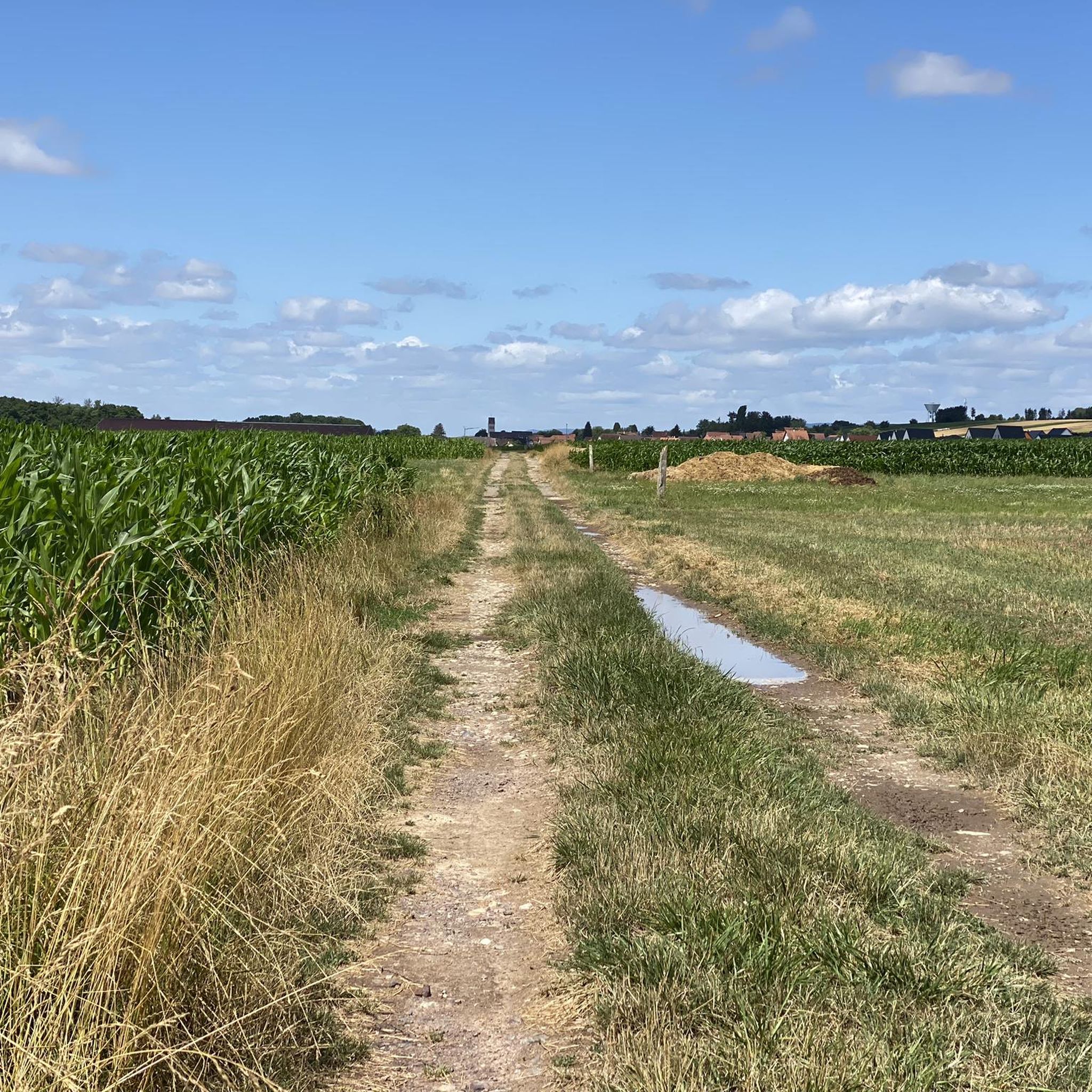
Nice path along the Lauter (La Lauter).
2
3

Here you can still see a fortification of the time. The Lauterlinie was built during the War of the Spanish Succession between 1701 and 1714 under the French Marshal de Villars. The fortification was supposed to prevent enemy (German) troops from marching across the Lauter border into Alsace. Erdschanzen (redoubts) lay in the course of the line at irregular intervals. Their total number was 51 pieces. The jumps had shapes that were adapted to the terrain. You can find more about this here: http://www.morr-siedelsbrunn.de/lauterlinie/
3
2
Frequently Asked Questions
What kind of natural monuments can I explore around Stundweiler?
Around Stundweiler, you can discover a mix of natural and historical sites. These include ancient trees like the impressive Unmissable tree, which is estimated to be 350 to 500 years old, and the Ash (Fraxinus). You can also find historical fortifications that have become part of the natural landscape, such as the Redoubt of the Lauter Line.
Are there family-friendly natural monuments in the Stundweiler area?
Yes, several natural monuments around Stundweiler are suitable for families. The War Memorial in Parc Naturel Régional des Vosges du Nord, the Ash (Fraxinus), and the Unmissable tree are all categorized as family-friendly, offering accessible and interesting spots for all ages to enjoy.
What historical natural monuments can I visit near Stundweiler?
The region around Stundweiler features natural monuments with significant historical context. The Redoubt of the Lauter Line is a fortification from the War of the Spanish Succession, where you can still see remnants of the Erdschanzen (redoubts). Additionally, the Unmissable tree is not only ancient but also has a well dating from 1732 nearby, adding to its historical charm. The War Memorial in Parc Naturel Régional des Vosges du Nord also combines natural surroundings with historical significance.
What outdoor activities can I do near these natural monuments?
The area around Stundweiler offers various outdoor activities. You can find numerous routes for cycling, mountain biking, and hiking. For example, there are several hiking trails, including moderate loops like the 'Bunker in the forest loop from Stundwiller'. Cyclists can explore traffic-free bike rides or more challenging MTB trails, often passing by natural features and historical sites.
Are there specific hiking trails that pass by natural monuments?
Yes, many hiking trails in the region allow you to experience the natural monuments. For instance, the Redoubt of the Lauter Line is situated along a nice path by the Lauter River. You can explore various hiking routes around Stundweiler, many of which incorporate natural and historical landmarks into their paths.
What unique natural features can I expect to see in the wider Stundweiler region?
Beyond specific monuments, the wider region, particularly the Sauer Delta Nature Reserve, offers unique natural features. You can expect to see an unusual landscape of willow bushes, marshy areas, and reed beds. It's a significant natural protected area with diverse Rhineland natural environments, including floodable Rhine meadows. The area is also renowned for its exceptional wildlife, especially over 180 bird species, making it a prime spot for ornithology.
Is the Rhine Cycle Route accessible from Stundweiler, and what can I see there?
While Stundweiler itself is small, it's situated near the Rhine Cycle Route, particularly in the Sauer Delta Nature Reserve. This route provides a well-maintained path through beautiful natural settings. Along the way, you can observe swans, traditional old wooden fishing boats, and a large colony of storks. The reserve is known for its ornithological, botanical, and scenic value, offering benches and picnic areas to enjoy the views.
What makes the Sauer Delta Nature Reserve special for nature lovers?
The Sauer Delta Nature Reserve is special due to its status as one of the last regions in France where the Rhine floodwaters can still spread naturally. This creates a unique ecosystem of willow bushes, marshy areas, and reed beds. It's a haven for over 180 bird species, with 77 nesting in the area, making it a significant site for birdwatching and appreciating diverse Rhineland natural environments.
Are there any ancient trees or notable individual trees to visit?
Yes, the area is home to some remarkable individual trees. The Unmissable tree is a truly ancient specimen, with a trunk circumference of over 8 meters and an estimated age of 350 to 500 years. You can also find the Ash (Fraxinus), another notable natural monument.
What is the best time to visit the natural monuments around Stundweiler?
The best time to visit largely depends on your interests. Spring and autumn offer pleasant temperatures for hiking and cycling, with vibrant foliage or blooming flora. For birdwatching in the Sauer Delta Nature Reserve, spring and early summer are ideal for observing nesting species, while autumn can bring migratory birds. The Rhine Cycle Route is enjoyable throughout the warmer months.
Can I combine a visit to a natural monument with a historical site?
Absolutely. Many sites around Stundweiler seamlessly blend natural beauty with historical significance. The Redoubt of the Lauter Line is a historical fortification nestled within a natural forest setting. Similarly, the ancient Unmissable tree is accompanied by a historic well, offering a glimpse into the past amidst nature.
Most popular routes around Stundweiler
Most popular attractions around Stundweiler

Get inspired with the komoot mobile app


Explore more
Extend your search for the best caves by checking out these guides of the top ones around Stundweiler:
