Top 18 Lakes around Zizers
Best lakes around Zizers are found within the Graubünden canton, a region known for its diverse alpine landscapes and numerous bodies of water. Zizers, situated in this area, serves as a gateway to a variety of natural features, including mountain lakes and reservoirs. The canton of Graubünden is home to hundreds of lakes, offering different experiences from high-altitude mountain idylls to warmer swimming spots. These natural and man-made water bodies contribute to the region's appeal for outdoor activities.
Best lakes…
Last updated: May 17, 2026
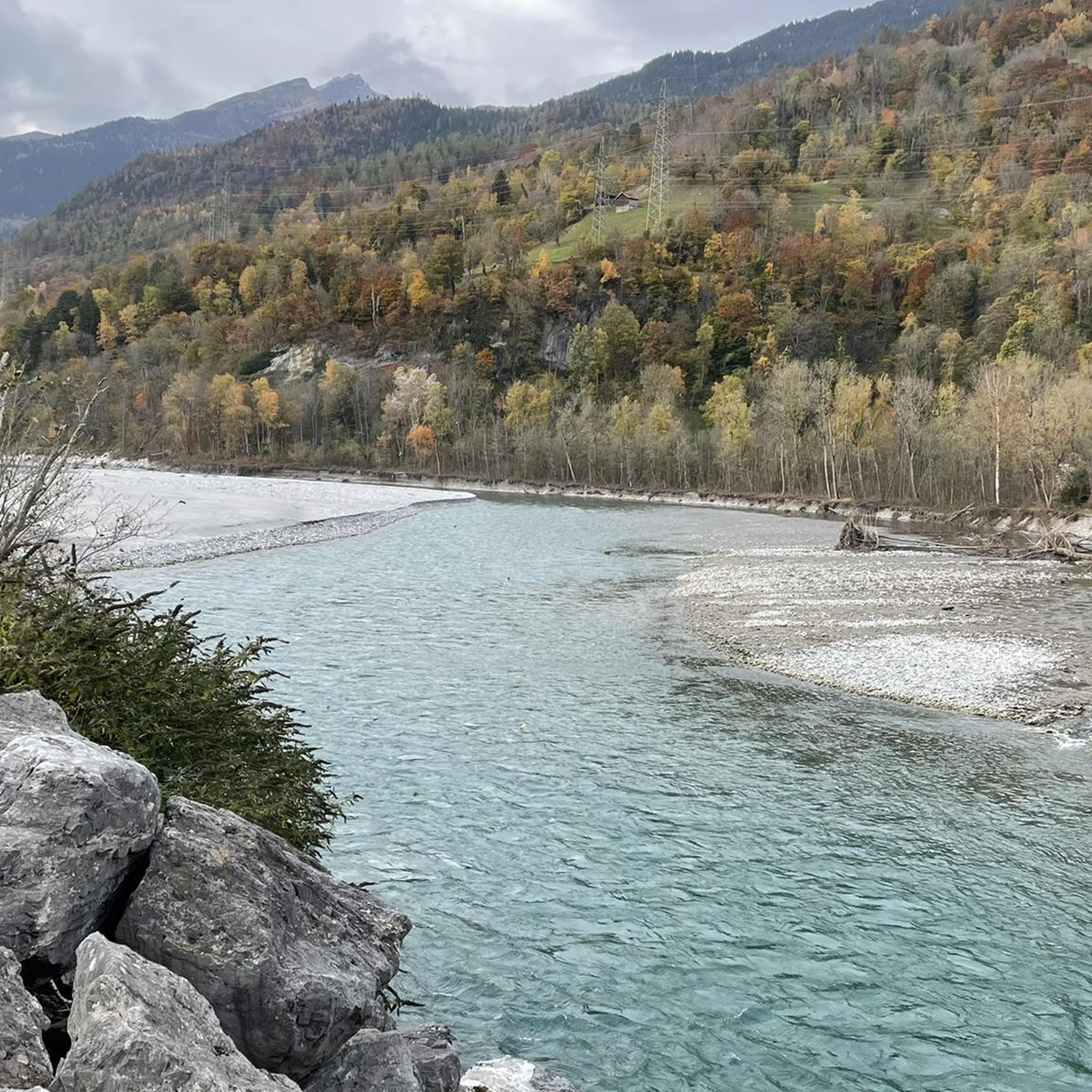
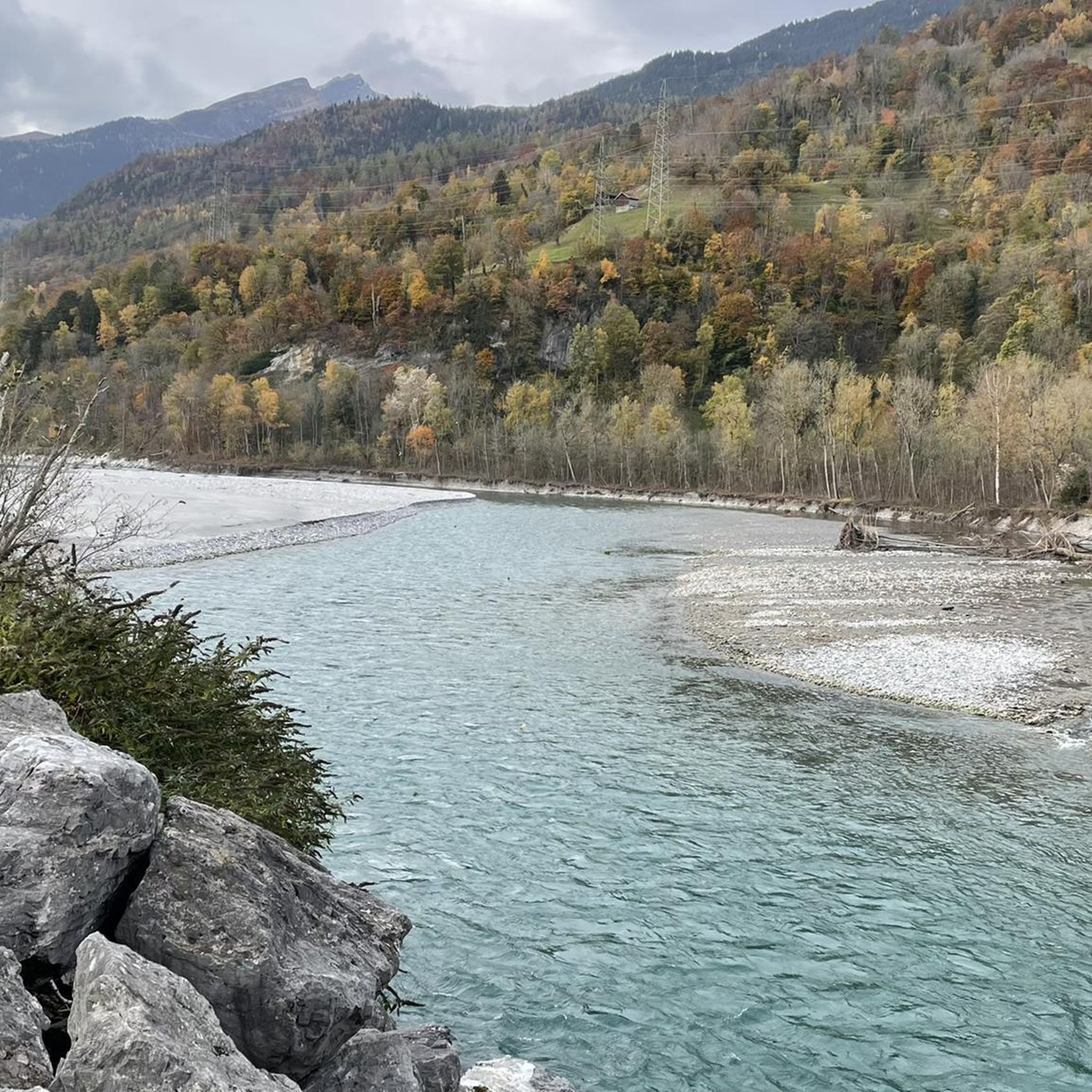
Along the Mapragg reservoir
Highlight (Segment) • Trail
Translated by Google •
Tip by

Wangsersee
Highlight • Lake
The Wangsersee is located in the St. Gallen communities of Bad Ragaz and Vilters-Wangs. The small mountain lake is not far from …
Translated by Google •
Tip by

Sign up now to discover places like this
Get recommendations on the best single tracks, peaks, & plenty of other exciting outdoor places.
Sign up for free
Saarfall Falls
Highlight • Waterfall
Small paradise for cooling off
A little gem is the Saarfall in Vilters, which flows directly into a small gravel trap. The little paradise is ideal …
Translated by Google •
Tip by
Pond in Graubünden Nature Reserve
Highlight • Lake
For a long time, Siechastuda has served as a refuge. Until around 1700, lepers lived here in a plague house, separated from the other villagers. Today, plants …
Translated by Google •
Tip by
Picnic Area at Weiher Pracaväls
Highlight • Rest Area
Repair and Improvement of the Surrounding Area of Pracavalls Pond
The pond has a capacity of approximately 3,200 m³ and is up to 4.50 m deep. The …
Translated by Google •
Tip by
Sign up for free to discover even more lakes around Zizers.
Sign up for free
Already have an account?
Start today with a free account
Your next adventure awaits.
Login or Signup


Tips from the Community

Siechastuda – Jenins For a long time, Siechastuda has served as a refuge. Until around 1700, lepers lived here in a plague house, separated from the other villagers. Today, plants and animals that depend on wetlands seek refuge here, as these are now scarce in the intensively farmed Rhine Valley of Graubünden. But it's not just water-loving creatures like the beaver that feel at home in this protected habitat of national importance. Well over 200 plant species, butterflies, bats, hedgehogs, martens, snakes, deer, and many other animals appreciate this near-natural island in the agricultural area. Deadwood is an important component of a naturally developed forest. Standing and fallen deadwood in various stages of decomposition and diameter classes provides a vital habitat for a vast number of creatures. Around 6,000 animal, fungal, and lichen species found in Swiss forests depend on deadwood. Many of these are on the Red List because their habitat has shrunk considerably due to a lack of naturally aged forests with decay phases. According to the guidelines of the Canton of Graubünden and the Federal Office for the Environment, 2-3 deadwood islands should be maintained for every 100 hectares of forest area. Text / Source: Zweckverband Falknis, Werkhofstrasse 14, 7304 Maienfeld https://www.zweckverbandfalknis.ch/naturschutz
15
0

Pracavalls Pond, Pfäfers Repair and Improvement of the Surrounding Area of Pracavalls Pond The pond has a capacity of approximately 3,200 m³ and is up to 4.50 m deep. The stability of the dam poses certain risks due to vegetation growth, seepage, etc. A GG 200 diversion line (built in 1910) leads from the pond toward the clinic. This line feeds hydrant No. 17. Upstream of the pond is a concrete basin including a sand trap, which formerly served as a firewater reservoir for the psychiatric clinic. The concrete basin will be dismantled and replaced in the same location with a natural channel as an inlet to the pond. The pond will be partially filled, the waterside slopes flattened, and then resealed. The existing bottom outlet and the GG 200 diversion line will be closed or dismantled. The maximum water depth in the newly designed pond is 1.20 m. This will also increase safety for users of the nearby "Schweizerfamilie Feuerstelle" (Swiss Family Fireplace). Hydrant No. 17, which previously fed water from the pond, will be relocated and connected to the Pfäfers water supply network. Client: Building Construction Office of the Canton of St. Gallen Text / Source: wlw Bauingenieure AG, Zurich / Mels https://www.wlw-ingenieure.ch/projekte-detail/214.html
14
0

The Saar Falls, cascading into the pond in front of it, are worth a detour (assuming there's enough water...). The view from the back to the front, with the Gonzen in the background, is also very beautiful.
1
0

The first lake on the 5-lake hike is not even signposted from the Pizolhütte, but it is worth a visit.
0
0
Wangser See, Pizol First lake on the famous 5-lake hike The Wangser See is the first lake on the famous 5-lake hike and can also be hiked from Laufböden, where it forms part of the 2-lake hike, which is particularly popular with families, together with the lower Vilterser Seeli. The Wangser See is beautifully nestled in a plateau, which always offers hikers spectacular views of the surrounding mountains, both near and far. The Wangser See is also popular with fishermen; licenses are available at the valley stations of the Pizol cable cars. Text / Source: Heidiland Tourism https://outdoor.heidiland.com/de/punkt/see/wangser-see/38022706/?utm_medium=referral&utm_source=embed&utm_campaign=embed-plugin-referral&utm_term=https%3A%2F%2Fpizol.com%2F
14
0
Wangsersee, Pizol at 2205 meters above sea level The Wangsersee is located in the St. Gallen communities of Bad Ragaz and Vilters-Wangs. The small mountain lake is not far from the mountain station of the Pizolbahnen or the Pizolhütte at an altitude of 2205 meters above sea level. The Valaisbach flows down the valley from the Wangsersee. On the shores of the lake you have a magnificent view of the mountains in the Pizol area. The Wangsersee is also the start or end point of the five-lake hike, which also passes the Wildsee, the Schottensee, the Schwarzsee and the Baschalvasee. Text / Source: Schweizersee.ch https://www.schweizersee.ch/wangsersee/
14
0

The Wangsersee is one of the many crystal-clear and impressive mountain lakes in the Pizol. It is located not far from the Pizolhütte mountain restaurant, where you can enjoy excellent food.
1
0
Frequently Asked Questions
Which lakes near Zizers are popular for their unique features?
The komoot community highly appreciates several lakes near Zizers. Along the Mapragg reservoir offers scenic dirt roads and singletracks. Wangsersee, located at 2205 meters above sea level, provides magnificent mountain views and is a starting point for the famous five-lake hike. Mapraggsee is known for its striking turquoise blue water and beautiful single trails along its shores.
Are there lakes suitable for swimming near Zizers?
Yes, the Graubünden region offers several excellent swimming lakes. Caumasee near Flims is famous for its warm, turquoise waters (19°C to 24°C in summer) and features an island and diving tower. Crestasee, also near Flims, has crystal-clear, spring-fed waters perfect for a refreshing dip. Barnagn Lake in Savognin is another warmer option in the Swiss Alps, while Heidsee in Lenzerheide has a designated swimming area shielded from the wind.
What outdoor activities can I do around the lakes near Zizers?
Beyond enjoying the lakes themselves, you can find numerous outdoor activities. Many lakes, like Silsersee, offer opportunities for paddle boarding and hiking on nearby trails. Heidsee is known for wind sailing due to its unique thermal wind. For more structured activities, explore the hiking trails around Zizers, road cycling routes, or running trails that often pass by or offer views of the region's beautiful waters.
Are there family-friendly lakes or picnic spots near Zizers?
Absolutely. The Pond in Graubünden Nature Reserve is a family-friendly spot. Additionally, the Picnic Area at Weiher Pracaväls offers a large picnic area with a fireplace, shelter, and seating, making it ideal for families. Mapraggsee is also noted as family-friendly with its accessible trails.
Which lakes offer scenic views or photography opportunities?
Many lakes in the Graubünden region are incredibly scenic. Caumasee is often called one of Switzerland's most beautiful mountain lakes due to its striking turquoise color. Lai da Palpuogna, located near the Albula Pass, has been voted one of Switzerland's most beautiful spots for its idyllic color and surrounding countryside. Wangsersee provides magnificent views of the Pizol mountains, and Mapraggsee is admired for its turquoise blue water.
How accessible are the lakes near Zizers by public transport?
Several lakes are well-connected by public transport. Caumasee is accessible by public transport to Flims Waldhaus, followed by a walk or shuttle bus. Heidsee in Lenzerheide is only 200 meters from a Post-Bus stop. Lai da Palpuogna is easily reached by train to Preda, followed by a 1.7 km walk. Untersee, Arosa is accessible by public bus, and Barnagn Lake is a 600m walk from the Savognin Post-Bus stop.
Are there any lakes near Zizers known for their unique natural characteristics?
Yes, the region boasts lakes with distinct natural features. Crestasee is a protected natural site with crystal-clear, spring-fed waters that renew completely within three days, ensuring its purity. The Pond in Graubünden Nature Reserve is a vital habitat for numerous plant and animal species, including beavers, in the Rhine Valley of Graubünden.
Can I find mountain lakes at higher altitudes near Zizers?
Yes, the Graubünden canton is rich in high-altitude mountain lakes. Wangsersee is a prime example, situated at 2205 meters above sea level near the Pizolbahnen mountain station. The Seeben Lakes (Grosssee, Heusee, Schwarzsee) in the Flumserberg area are also located at approximately 1,620 meters above sea level, offering an idyllic alpine setting.
What do visitors particularly enjoy about the lakes around Zizers?
Visitors frequently highlight the stunning natural beauty, the tranquility, and the diverse recreational opportunities. The clear, often turquoise waters, combined with the surrounding mountain landscapes, create a serene atmosphere. Many appreciate the well-maintained trails for hiking and cycling, as well as the options for swimming, paddle boating, and picnicking by the water.
Are there opportunities for wild swimming in the lakes near Zizers?
While specific designated wild swimming spots are not always explicitly marked, many of the natural, clear lakes in Graubünden, such as Crestasee and Silsersee, offer pristine conditions that are popular for swimming outside of official lidos. Always exercise caution and be aware of local regulations and water temperatures when considering wild swimming.
When is the best time to visit the lakes near Zizers?
The best time to visit largely depends on your desired activities. For swimming and water sports, the summer months (June to September) are ideal, as lakes like Caumasee and Barnagn Lake offer warmer temperatures. For hiking and enjoying the scenic beauty, late spring (May) through early autumn (October) provides pleasant weather and vibrant landscapes. Winter offers a different charm, with opportunities for winter hiking around frozen lakes, though access to some higher-altitude lakes may be limited.
Most popular routes around Zizers
Most popular attractions around Zizers

Get inspired with the komoot mobile app


Explore more
Still not found your perfect lake around Zizers? Check out the guides of these regions to see even more beautiful places.
