Top 11 Natural Monuments around Pianottoli-Caldarello
Natural monuments around Pianottoli-Caldarello are characterized by diverse landscapes, from coastal features to mountain peaks. Situated in southern Corsica, the region offers a blend of natural heritage and geological formations. Visitors can explore various natural landmarks, including significant mountain ranges and ancient trees. This area provides opportunities to experience different natural environments.
Best natural monuments around Pianottoli-Caldarello
- The most popular natural monuments is Cauria Cork Oak, a natural monument that is an ancient cork oak tree. This tree, estimated…
Last updated: May 24, 2026
The Man of Cagna
Highlight • Natural Monument
Translated by Google •
Tip by

Col de Bacino
Highlight • Natural Monument
Translated by Google •
Tip by

Sign up now to discover places like this
Get recommendations on the best single tracks, peaks, & plenty of other exciting outdoor places.
Sign up for free
Cauria Cork Oak
Highlight • Natural Monument
Translated by Google •
Tip by

Oriu di A Fossa
Highlight • Structure
The Oriu di A Fossa is one of the nicer ones.
Translated by Google •
Tip by

Lion of Roccapina
Highlight • Natural Monument
Translated by Google •
Tip by

Sign up for free to discover even more natural monuments around Pianottoli-Caldarello.
Sign up for free
Already have an account?
Start today with a free account
Your next adventure awaits.
Login or Signup
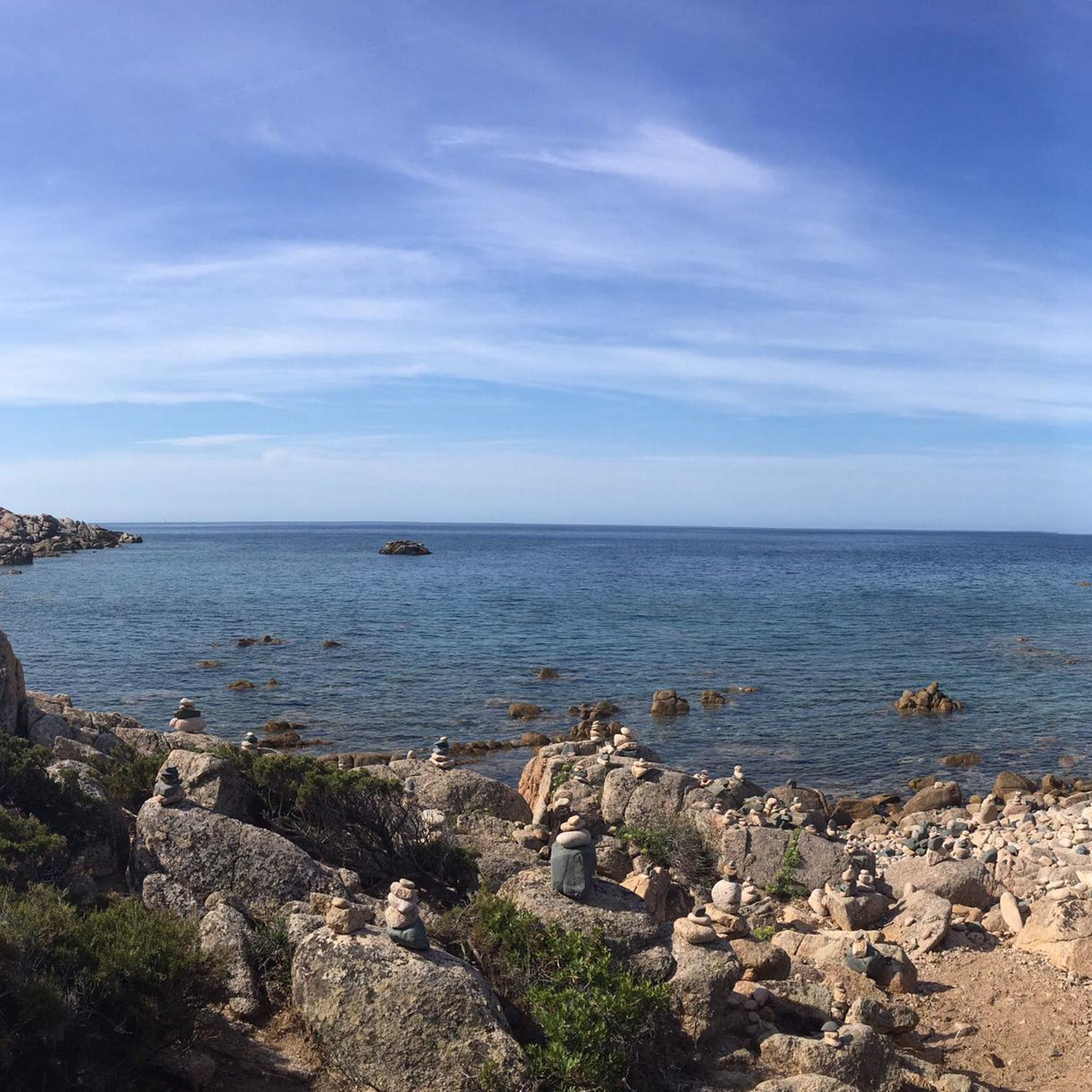
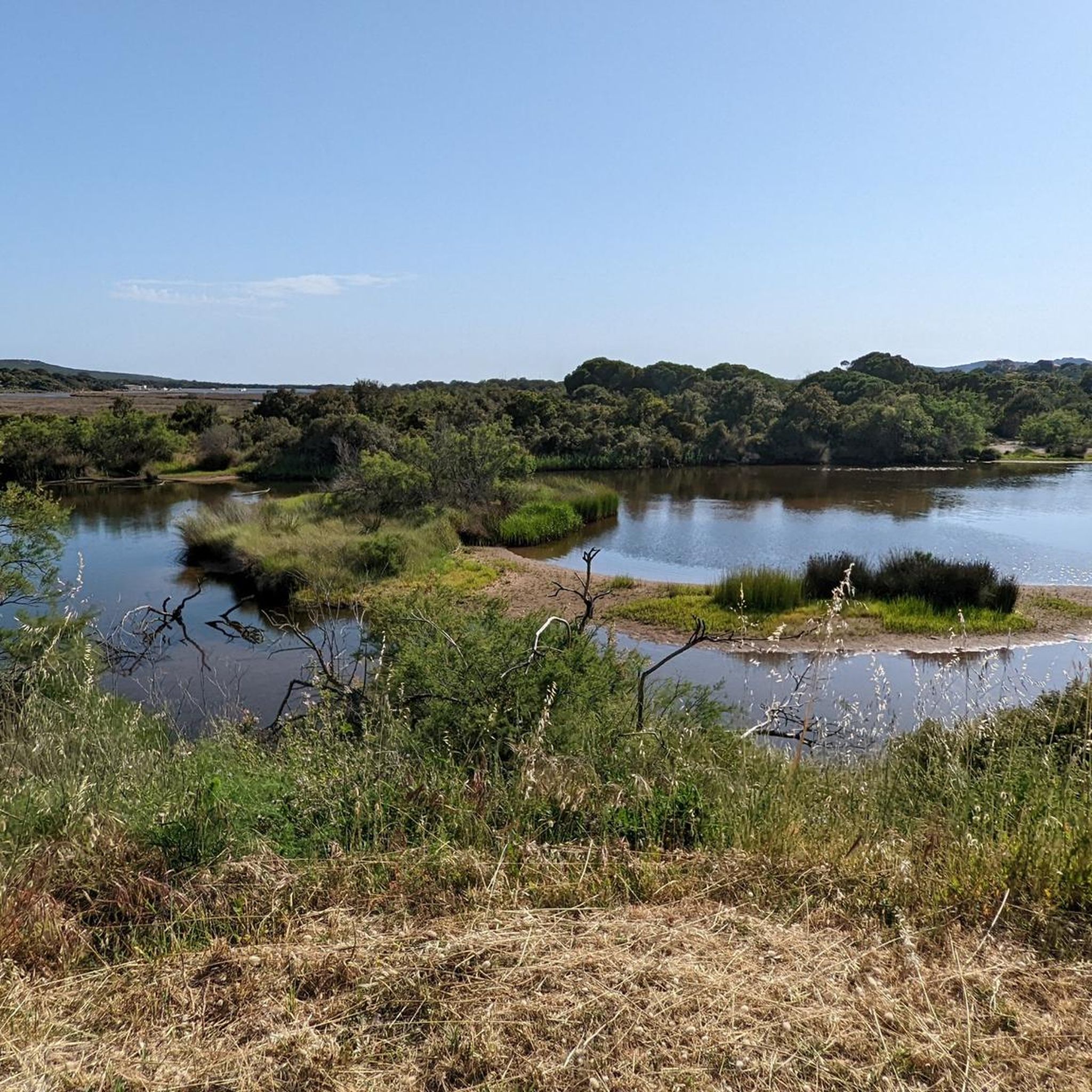
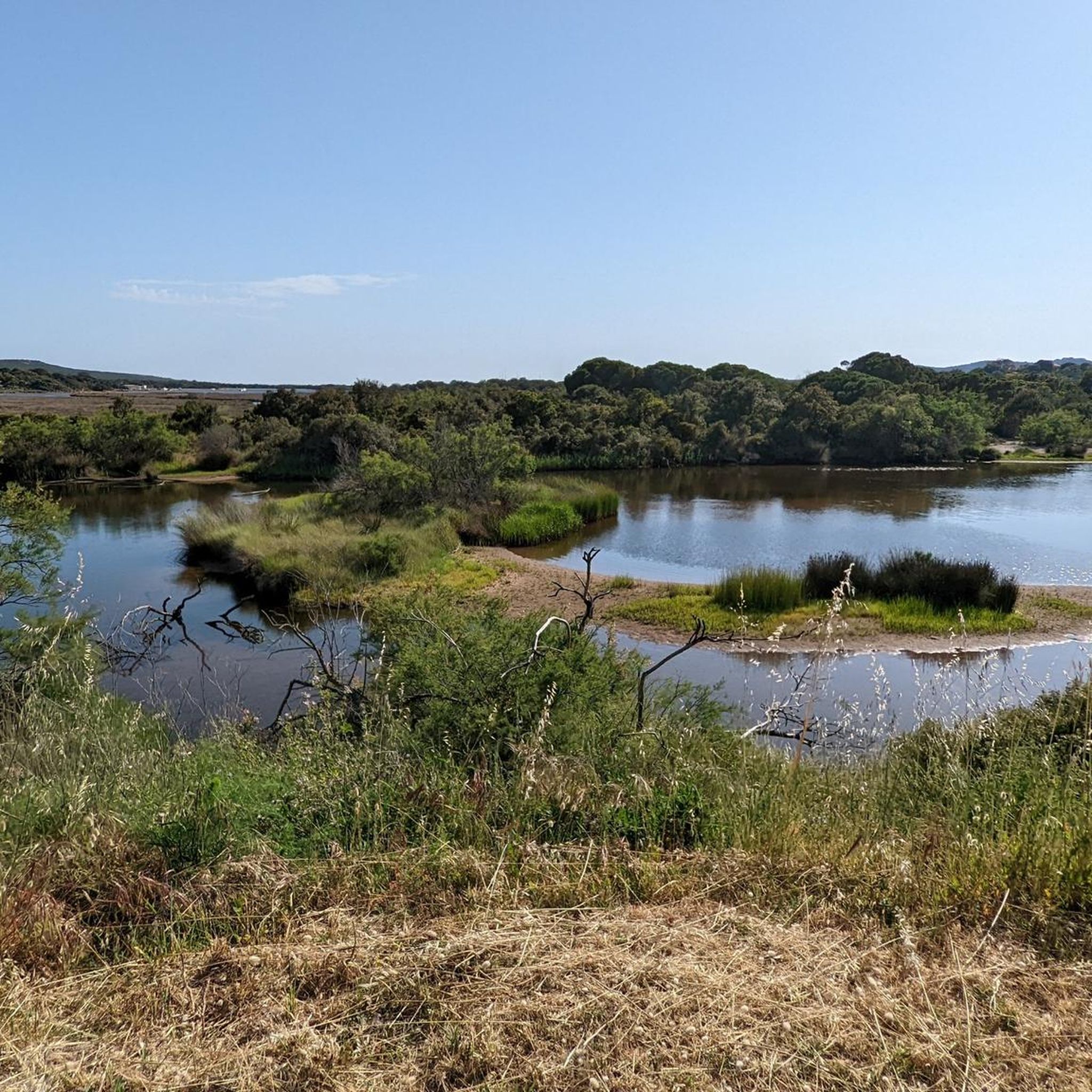
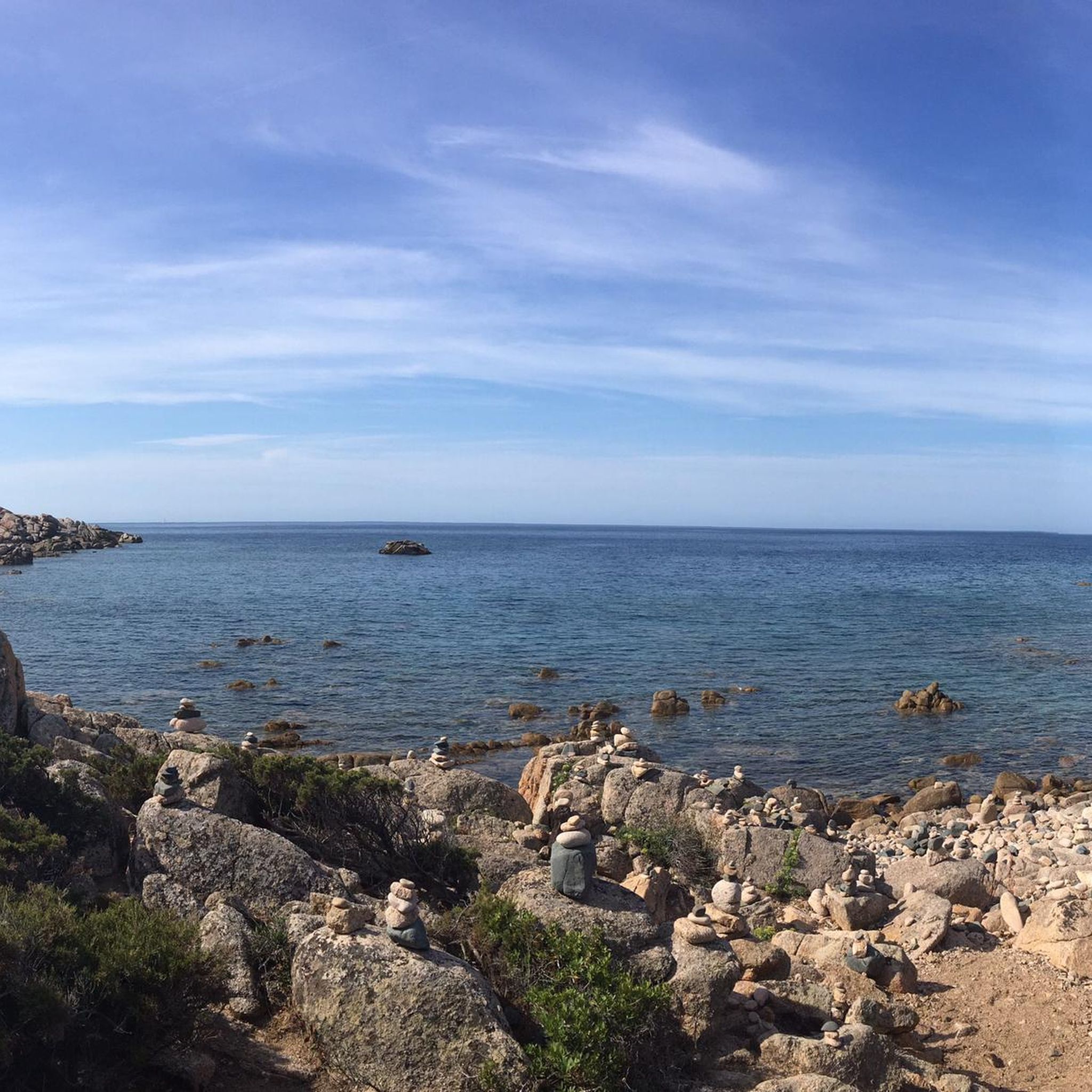
Tips from the Community

Easy to drive pass from both sides with little traffic.
0
1
The bullet holes are gone. They simply removed the entire sign. The pass is beautiful to drive on from both sides. A well-maintained road with little traffic.
0
0

At the top of the Cauria plateau, a superb cork oak stands out from the landscape. Three metres in circumference and eleven metres high, it is estimated to be 100 to 200 years old.
0
0

The Col de Bacino marks the last major ascent of the GT 20 route. It peaks at 809 meters above sea level. It forms the junction between the Alta Rocca microregion and Grand Sud Corse.
0
0

Nice hike but quite physical, a steep climb. We left at 6:15 a.m., sometimes shady but beware the cardio makes the climb hot. Too bad we did not manage to reach the summit a few meters away, not marked at all, a hiker told us that he had reached it but lying down between the rocks.
0
1

Great place! The short climb from Plage de Roccapina is worth it. Breathtaking view of the hinterland, as well as the Plage de Roccapina and the Genoese Tower
2
0

On the circular hiking trail, numerous old shepherds' shelters that were built into the Tafonifelsen can be visited. The Oriu di A Fossa is one of the nicer ones.
1
0

L'Uomo di Cagna (Omu di Cagna in Corsican) means "dog man", in reference to the two granite blocks that give the summit its anthropomorphic silhouette. It peaks at 1,217 m and offers a breathtaking view of the coast.
2
0
Frequently Asked Questions
What are some unique natural features to explore in Pianottoli-Caldarello?
Pianottoli-Caldarello offers a diverse range of natural features. You can explore the anthropomorphic granite blocks of The Man of Cagna, which resembles a 'dog man' at 1,217 meters. The region also features ancient trees like the Cauria Cork Oak, estimated to be 100 to 200 years old, and the distinctive granite formations known as 'tafoni' on the Bruzzi Peninsula.
Are there any challenging natural monuments for experienced hikers?
Yes, for experienced hikers, the ascent to The Man of Cagna (Omu di Cagna) is a physical and rewarding hike. It involves a steep climb to its 1,217-meter peak, offering breathtaking views of the Corsican coast. While challenging, the panoramic vistas make it a worthwhile endeavor.
Which natural monuments are suitable for families?
The Cauria Cork Oak is a family-friendly natural monument. Located on the Cauria plateau, it's an impressive ancient tree that provides an accessible and interesting stop for all ages. Additionally, the coastal path along the Pointe des Bruzzi offers an easy two-hour walk with sensational views, suitable for families.
What kind of wildlife can I expect to see around the natural monuments?
The natural monuments and surrounding areas are home to various wildlife. The Bouches de Bonifacio Nature Reserve, which encompasses parts of the region, is rich in marine life, making it ideal for scuba diving. On land, the granite formations of the Bruzzi Peninsula provide shelter for local wildlife such as crested cormorants and gulls. Hikers near The Man of Cagna should be aware of wild boars, especially in October.
What are the best times of year to visit the natural monuments in Pianottoli-Caldarello?
The region's natural monuments are generally best visited during spring and autumn when the weather is milder and more pleasant for outdoor activities like hiking. Summers can be hot, especially for strenuous climbs, while late autumn (e.g., October) might see more wildlife activity like wild boars in certain mountain areas.
Can I find easy walks among the natural monuments?
Yes, there are options for easy walks. The coastal path along the Pointe des Bruzzi is an easy two-hour walk offering stunning views of the Bruzzi islets, Pointe de Ventilegne, and even Sardinia. The area around the Cauria Cork Oak also provides a gentle experience.
What outdoor activities can I do near the natural monuments?
Beyond exploring the natural monuments themselves, the region offers a variety of outdoor activities. You can find numerous hiking routes, including coastal loops and mountain trails. There are also road cycling routes and running trails available. The Bouches de Bonifacio Nature Reserve and the Lavezzi Islands are excellent for boat trips, swimming, and scuba diving.
Where can I find impressive viewpoints of the region's natural beauty?
For breathtaking views, ascend to The Man of Cagna, which offers panoramic vistas of the Corsican coastline. The Col de Bacino, a mountain pass at 809 meters, also provides scenic views. Additionally, the Lion of Roccapina offers a great viewpoint of the hinterland and Roccapina beach.
Are there any coastal natural monuments or beaches worth visiting?
Pianottoli-Caldarello is renowned for its unspoiled coastline. The Bruzzi Peninsula features granite rocks shaped by erosion and leads to secluded coves like Corail beach with its astonishing red sand. The Lavezzi Islands, part of the Bouches de Bonifacio Nature Reserve, offer magnificent preserved beaches and coves. Other notable beaches include San Giovanni Beach, Arbitru Beach, and Chevanu Beach, all known for their fine sand and turquoise waters.
What geological formations are characteristic of the natural monuments in Pianottoli-Caldarello?
The region is characterized by striking granite formations. The Man of Cagna is famous for its two granite blocks forming an anthropomorphic silhouette. The Bruzzi Peninsula showcases granite rocks shaped by erosion, known as 'tafoni'. These unique geological features contribute significantly to the area's rugged beauty.
What should I bring when visiting the natural monuments?
When visiting the natural monuments, especially for hikes, it's advisable to bring appropriate footwear, sufficient water, sun protection (hat, sunscreen), and snacks. For more challenging routes like The Man of Cagna, consider trekking poles. If exploring coastal areas, swimwear and snorkeling gear might be useful.
Are there any natural monuments that offer a sense of solitude or are less crowded?
While popular, many natural sites in Pianottoli-Caldarello retain a sense of wildness. The more secluded coves on the Bruzzi Peninsula, such as Corail beach, offer a quieter experience. Arbitru beach is also cherished for its fine sand and more difficult access, which helps keep it less crowded. Exploring during off-peak seasons can also enhance the feeling of solitude.
Most popular routes around Pianottoli-Caldarello
Most popular attractions around Pianottoli-Caldarello

Get inspired with the komoot mobile app


Explore more
Extend your search for the best caves by checking out these guides of the top ones around Pianottoli-Caldarello:
