Top 4 Natural Monuments around Saint-Paulien
Best natural monuments around Saint-Paulien are found in a region characterized by its diverse geological formations and verdant landscapes. The area features volcanic peaks, ancient river sources, and striking canyons, offering a variety of natural attractions. These sites provide opportunities to observe unique geological features and explore the natural environment. The region's natural landmarks are integral to its identity, showcasing the geological history of Haute-Loire.
Best natural monuments around Saint-Paulien
- The most popular natural monuments is View of the Corboeuf…
Last updated: July 4, 2026
Le Puy-en-Velay Historic Center
Highlight • Historical Site
Translated by Google •
Tip by

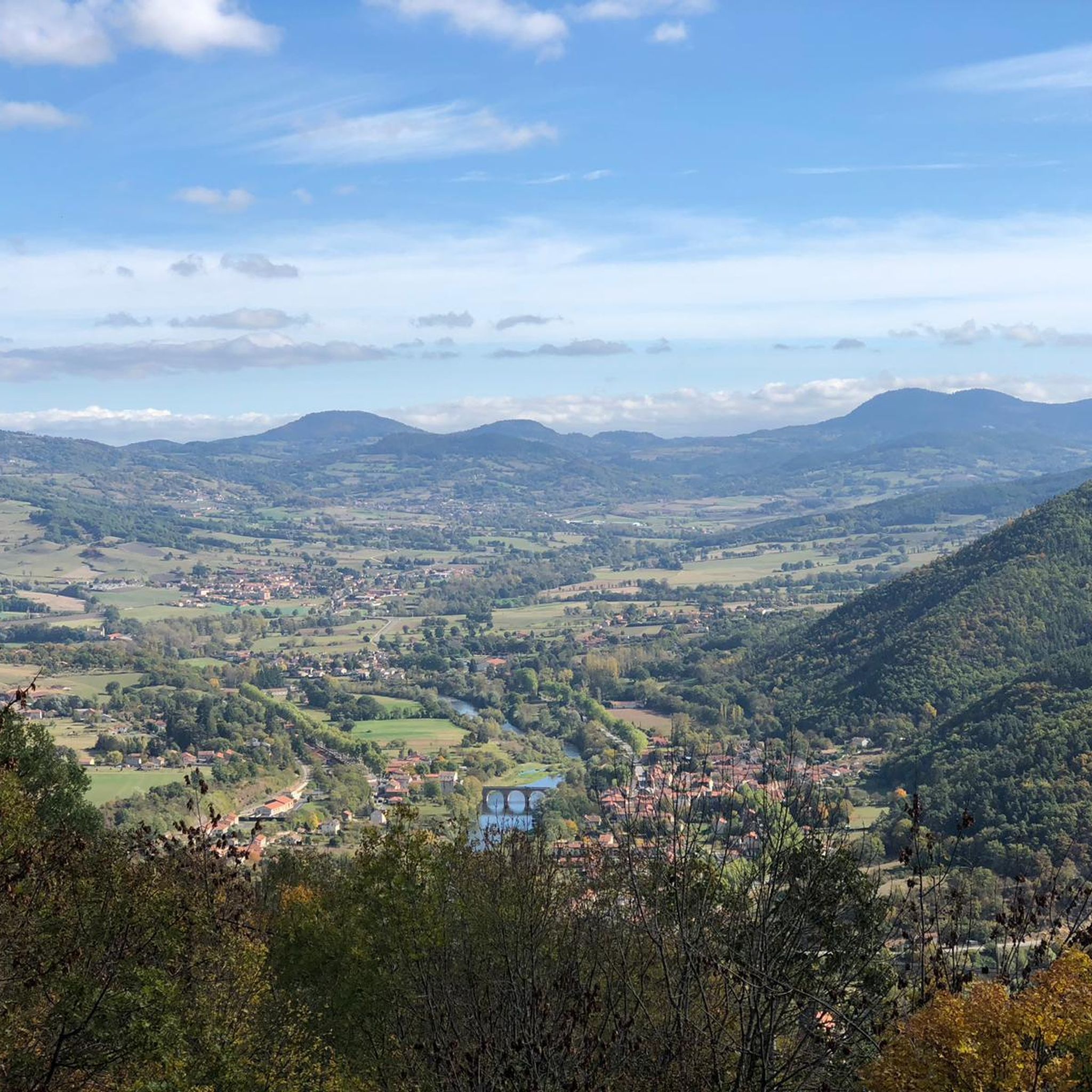
Montjoie Viewpoint
Highlight • Viewpoint
Translated by Google •
Tip by

Sign up now to discover places like this
Get recommendations on the best single tracks, peaks, & plenty of other exciting outdoor places.
Sign up for free
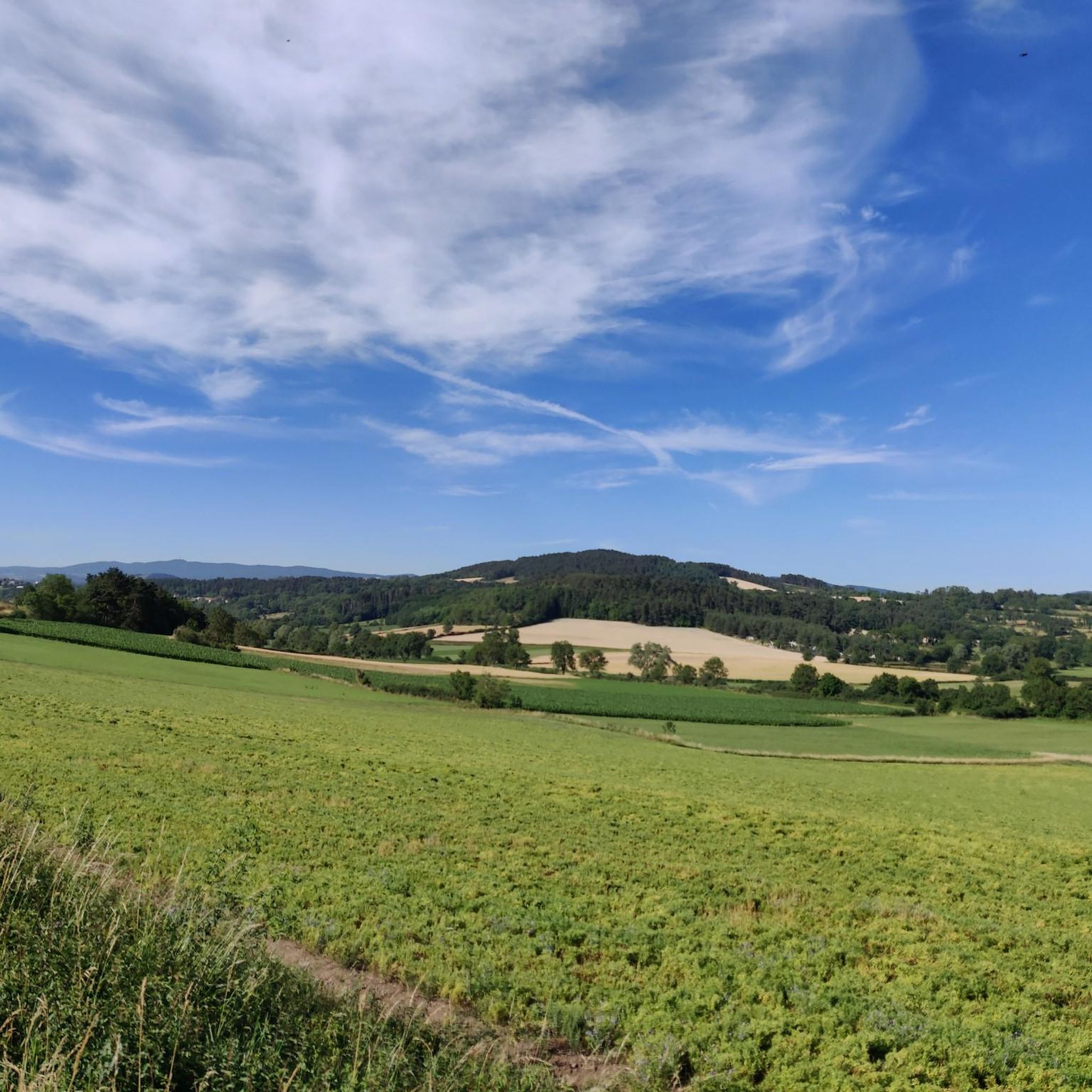
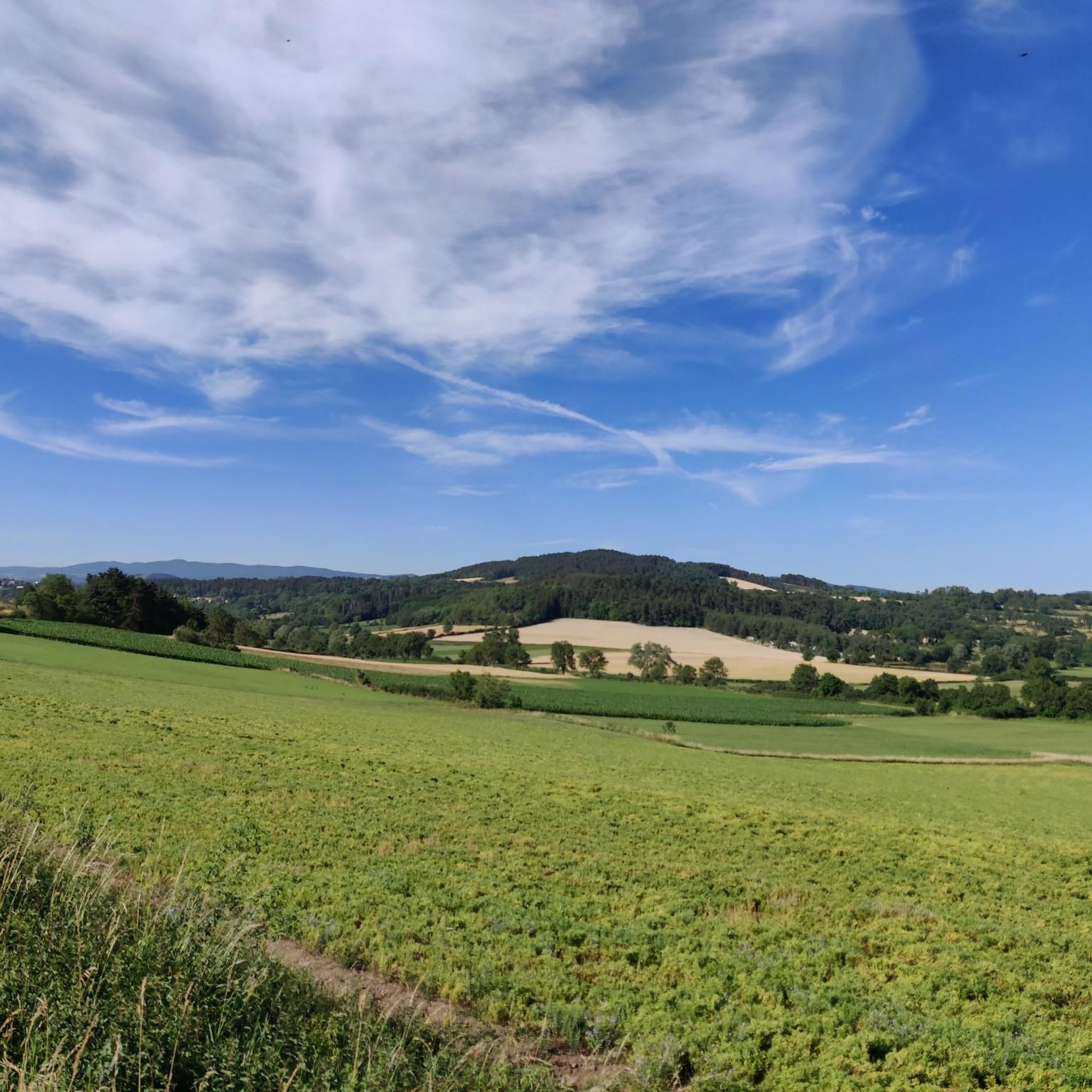
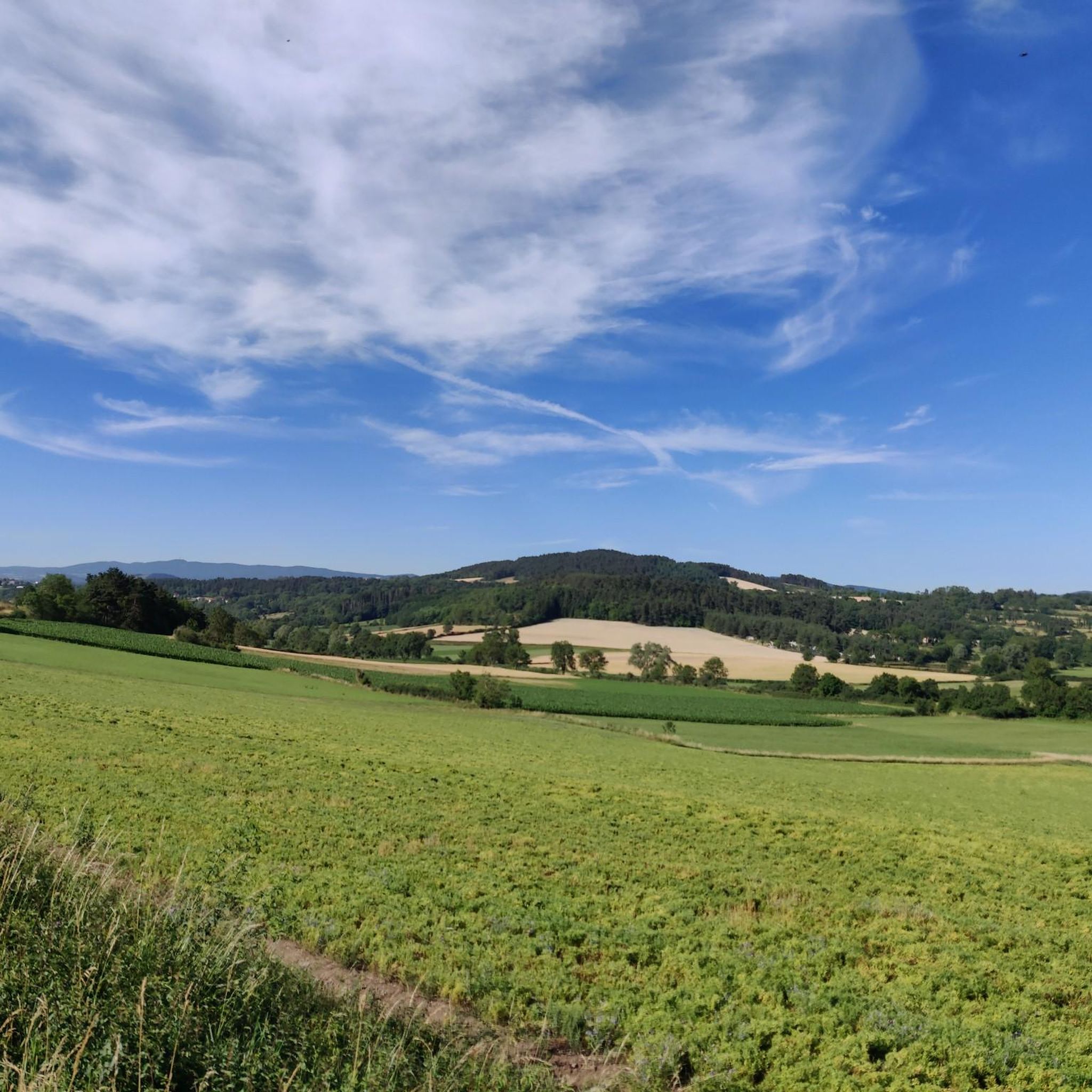
View of the Corboeuf Ravine
Highlight • Canyon
Translated by Google •
Tip by

Suc de Bartou
Highlight • Volcano
The small mountains are clearly visible from the village of Chamalières-sur-Loire.
Translated by Google •
Tip by
Forteresse de Polignac
Highlight • Castle
Polignac classified among "The most beautiful villages in France".
Translated by Google •
Tip by

Sign up for free to discover even more natural monuments around Saint-Paulien.
Sign up for free
Already have an account?
Start today with a free account
Your next adventure awaits.
Login or Signup
Tips from the Community

City of cars, everywhere even in the old town. Pedestrians can always wait to cross and bikes only get paint on the road... sometimes.
0
0

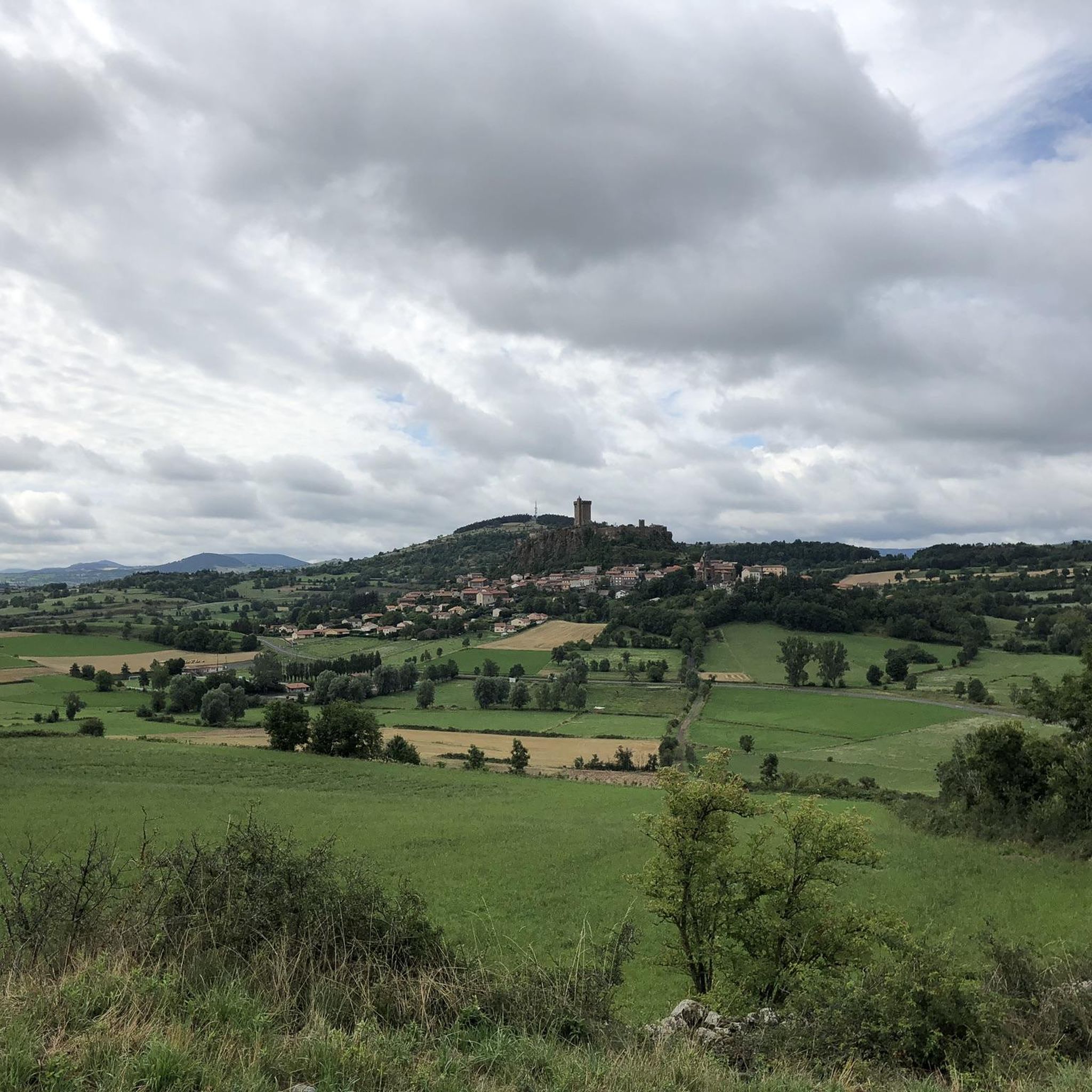
The Polignac Fortress, perched on a volcanic mound, offers a striking spectacle. Polignac classified among "The most beautiful villages in France".
0
0

Interesting to see that there is a "mountain of joy" not only in Spanish Galicia, but also here in southeastern France. These two places not only have the name in common, but also the first view of the towers of the cathedral of Santiago de Compostela with the tomb of the Holy Apostle James the Elder, or of the cathedral with the black Madonna of Le-Puy. en-Velay. The small pile of stones that have accumulated at this point, however, is reminiscent of the Spanish "Cruz de Ferro" (iron cross) on Monte Irago.
3
0

Commune with such a particular relief with the Rocher Corneille and the Rocher d'Aiguilhe.
0
0

The Suc de Bartou and the Rocher de Costaros are two small mountains neighboring each other, culminating at almost 1,000 meters and resulting from strong volcanic activity. The small mountains are clearly visible from the village of Chamalières-sur-Loire.
1
0
Le Puy-en-Velay is quite an incredible city. Granite and lava stones are everywhere. Several religious buildings, such as the huge statue of Notre-Dame de France and the church of Saint Michel-d'Aiguilhe are placed almost 100 meters high on old volcanic chimneys. These buildings serve as landmarks and can be reached by taking stairs in the rock. The city has two specialties: the famous green lentils from Puy and lace. Lacemakers still practice this unique art. You will find them especially near the steps leading to Notre Dame Cathedral. Do not miss this visit. The church and its cloister are austere but the Romanesque architecture is magnified here. There is a beautiful atmosphere in the lively streets of Le Puy. Puy also means volcano.
1
0


Puy is on the Way of St. James, is a UNESCO World Heritage Site, the medieval town with its many churches and sacred buildings is nestled against steep basalt domes. Almost all ways up to the cathedral lead over steep stairs. Our Hotel B&B de la Prevote is at the very, very top right next to the Cathedral. Although a great location and a nicely furnished hotel floor in an ancient, thick sacral walls, but hardly to reach by bike. Finally we find a way, which is super steep, narrow and paved with river pebbles. Without an e-bike you would definitely have to push hard. Strolling through the medieval, narrow, steep streets in the evening is also fun because there are many delicious restaurants.
0
0
Frequently Asked Questions
What are the most prominent natural monuments to visit around Saint-Paulien?
The region around Saint-Paulien, shaped by ancient volcanic activity, offers several distinctive natural monuments. Key sites include the View of the Corboeuf Ravine, known for its multicolored clay formations, and Suc de Bartou, a volcanic peak reaching almost 1,000 meters. Additionally, Montjoie Viewpoint provides panoramic views of the surrounding landscape and historical landmarks.
Are there any family-friendly natural monuments in the Saint-Paulien area?
Yes, the Menhir de Peyrbiaire is a family-friendly natural monument. This ancient standing stone, located near Nolhac, offers an accessible historical and natural feature for visitors of all ages.
What kind of geological features can I expect to see in the natural monuments around Saint-Paulien?
You will encounter a landscape profoundly influenced by volcanic activity. Expect to see 'sucs volcaniques' (volcanic plugs) like Suc de Bartou, which are steep-sided peaks formed by viscous lava. The Corboeuf Ravine showcases unique multicolored clay formations, a result of geological processes. Even historical sites like Château de Polignac are built upon impressive basaltic platforms, remnants of ancient lava flows.
Where can I find scenic viewpoints to appreciate the natural beauty of the region?
For breathtaking vistas, visit Montjoie Viewpoint, situated at 722 meters. From here, you can see the cathedral of Le-Puy-en-Velay and the Saint-Michel chapel perched on a volcanic needle. The View of the Corboeuf Ravine also offers a stunning perspective of its unique geological formations.
What outdoor activities can I do near the natural monuments in Saint-Paulien?
The volcanic landscape around Saint-Paulien is ideal for various outdoor activities. You can find numerous hiking trails, including routes around Mont Courant, which is the highest point within the commune. For more options, explore the hiking guide for Saint-Paulien. There are also MTB trails and cycling routes that allow you to discover the region's natural beauty.
Are there historical sites integrated with the natural monuments?
Yes, several sites combine natural beauty with historical significance. Montjoie Viewpoint is not only a natural vantage point but also a historical site, offering views of ancient religious structures. The Château de Polignac, a formidable fortress, is built on an impressive basaltic platform, showcasing how human history has intertwined with the region's volcanic geology. The Menhir de Peyrbiaire is another example, being an ancient man-made monument set within the natural landscape.
What is the best time to visit the natural monuments around Saint-Paulien?
The best time to visit is generally during spring, summer, and early autumn (April to October) when the weather is mild and the volcanic landscapes are lush and green. This period is ideal for hiking and enjoying the panoramic views without the challenges of winter conditions.
What is Mont Courant and why is it significant?
Mont Courant is the highest point within the commune of Saint-Paulien, standing at an elevation of 1069 meters. It is a significant natural monument as it exemplifies the 'sucs volcaniques' (volcanic plugs) characteristic of the Velay region. Its volcanic origins contribute to the unique and verdant landscapes, making it a popular spot for hiking and enjoying panoramic views.
What do visitors enjoy most about the natural monuments in this region?
Visitors particularly appreciate the unique geological formations, such as the multicolored clay of the Corboeuf Ravine and the distinct volcanic peaks like Suc de Bartou. The panoramic views from spots like Montjoie Viewpoint, offering sights of historical landmarks and the vast landscape, are also highly praised.
Are there any challenging hikes or intermediate trails among the natural monuments?
Many of the trails leading to or around the natural monuments are considered intermediate in difficulty. For example, reaching Montjoie Viewpoint, exploring the Corboeuf Ravine, or ascending Suc de Bartou involve moderate terrain and elevation changes, offering rewarding experiences for those seeking a bit more challenge. You can find more detailed hiking routes in the hiking guide for Saint-Paulien.
Most popular routes around Saint-Paulien
Most popular attractions around Saint-Paulien

Get inspired with the komoot mobile app


Explore more
Extend your search for the best caves by checking out these guides of the top ones around Saint-Paulien:
