Top 7 Natural Monuments around Largillay-Marsonnay
Best natural monuments around Largillay-Marsonnay offer a diverse range of natural attractions within the Jura department of France. The region is characterized by its expansive lakes, cascading waterfalls, and numerous viewpoints. These natural features provide opportunities to explore varied landscapes, from lush forests to unique geological formations. The area is well-suited for those seeking to experience the natural beauty of the Jura.
Best natural monuments around Largillay-Marsonnay
- The most popular natural monuments is La Fratte Viewpoint, a viewpoint that…
Last updated: June 21, 2026
Pont-de-Poitte
Highlight • Natural Monument
Translated by Google •
Tip by

La Fratte Viewpoint
Highlight • Viewpoint
The viewpoint is secured by barriers and thus allows you to …
Translated by Google •
Tip by

Sign up now to discover places like this
Get recommendations on the best single tracks, peaks, & plenty of other exciting outdoor places.
Sign up for free
Moss-Covered Rocks in the Forest near Lac de Vouglans
Highlight • Forest
Translated by Google •
Tip by

Quinquenouille Waterfall
Highlight • Waterfall
Translated by Google •
Tip by

Giant's Kettles
Highlight • Natural Monument
Translated by Google •
Tip by
Sign up for free to discover even more natural monuments around Largillay-Marsonnay.
Sign up for free
Already have an account?
Start today with a free account
Your next adventure awaits.
Login or Signup

Tips from the Community

The Saut de la Saisse is a waterfall in France located in the Jura massif, at the point where the Ain river flows into the Vouglans reservoir at Pont-de-Poitte and Patornay, between Lons-le-Saunier and Clairvaux-les-Lacs. A "marmite du diable", "marmite de géant" or "marmite glaciaire" in Switzerland (or simply "marmite" or "chaudron") is a more or less cylindrical natural cavity carved into the rock by ancient, generally torrential watercourses, carrying pebbles or gravel, which promotes swirling erosion (a phenomenon called "marmitage").
0
0


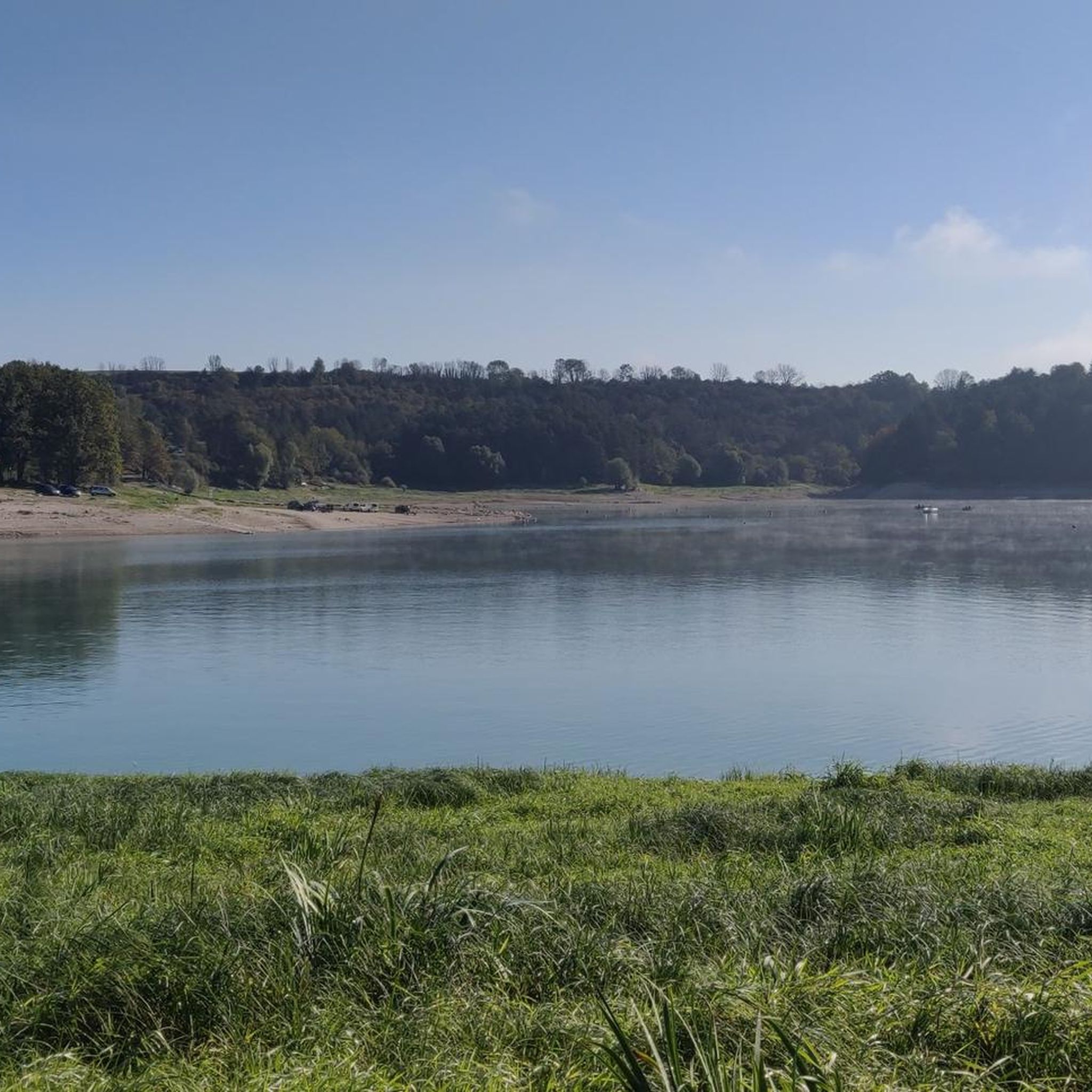
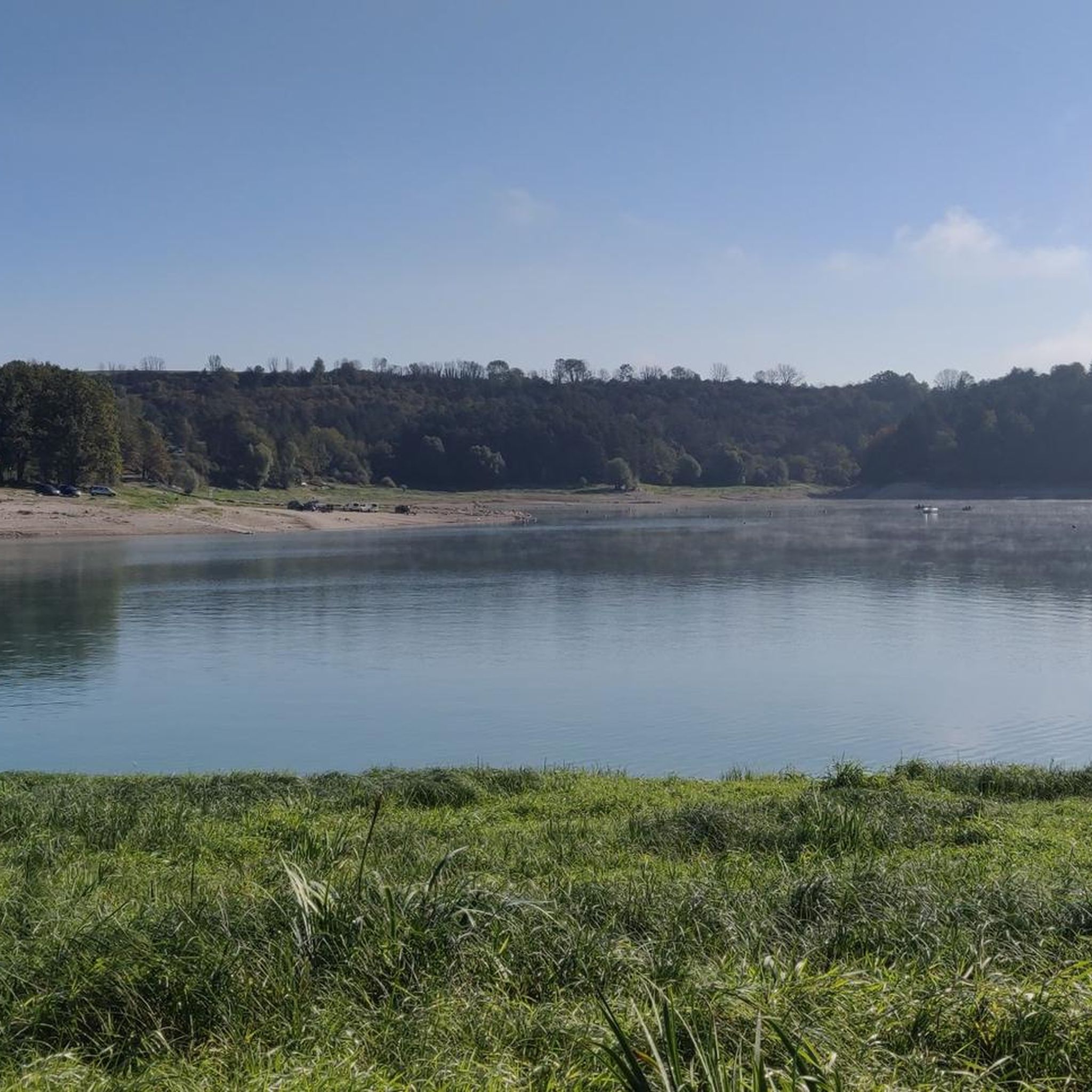
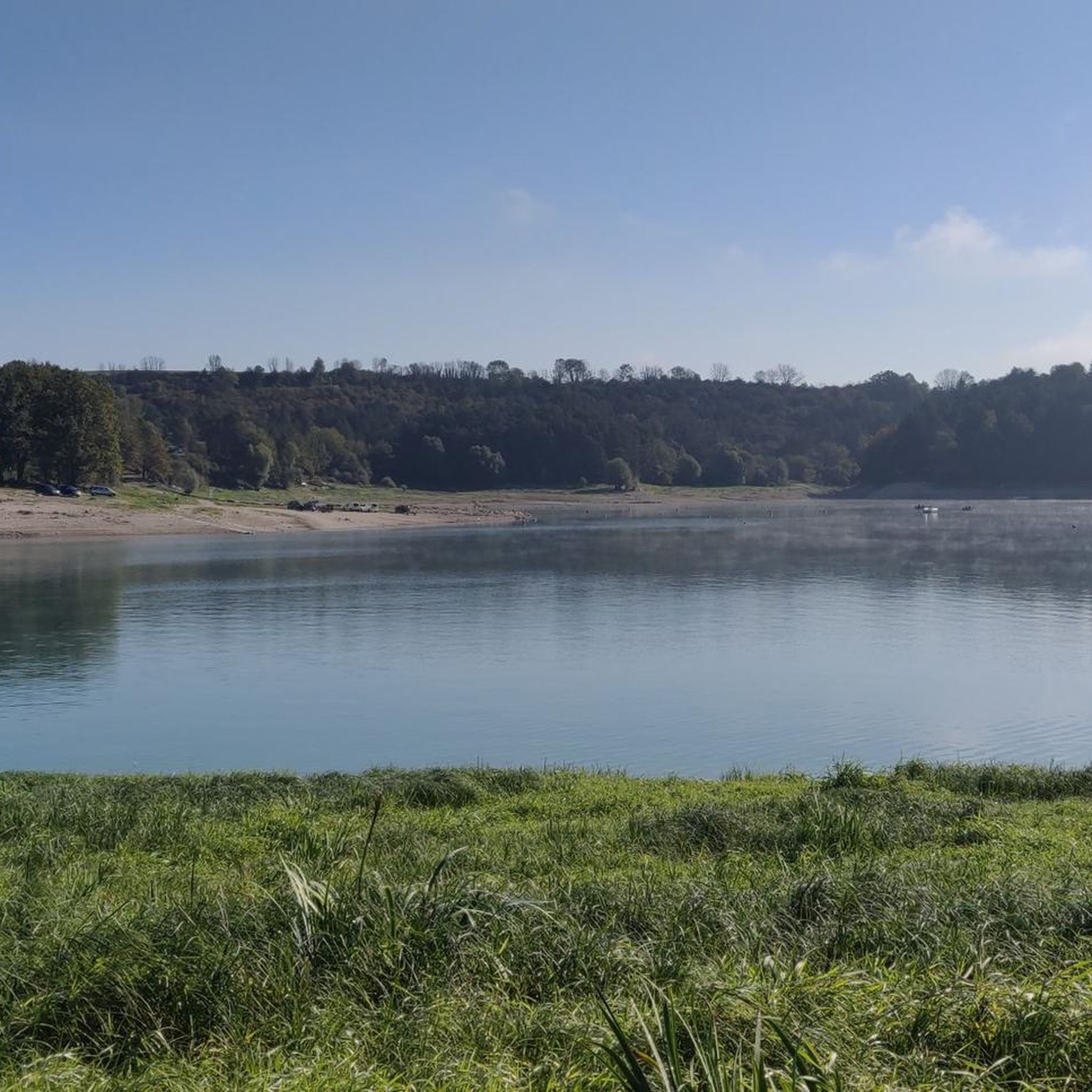
Great view of the Ain, this is where the Lac de Vouglans begins. When the water level is high, the stones are of course not so easy to see.
0
0


Around Lake Vouglans, the forest mixes with Jura geology marked by cliffs and rock. This gives rise to rock formations navigating in a universe that is both mineral and vegetal.
1
0
Shortly before reaching Lake Vouglans, the Ain crosses rocks which create a series of waterfalls. From the bridge that crosses Pont-de-Poitte, the view of this strange limestone formation is superb.
1
1

Nice view of the potholes from the bridge
0
0

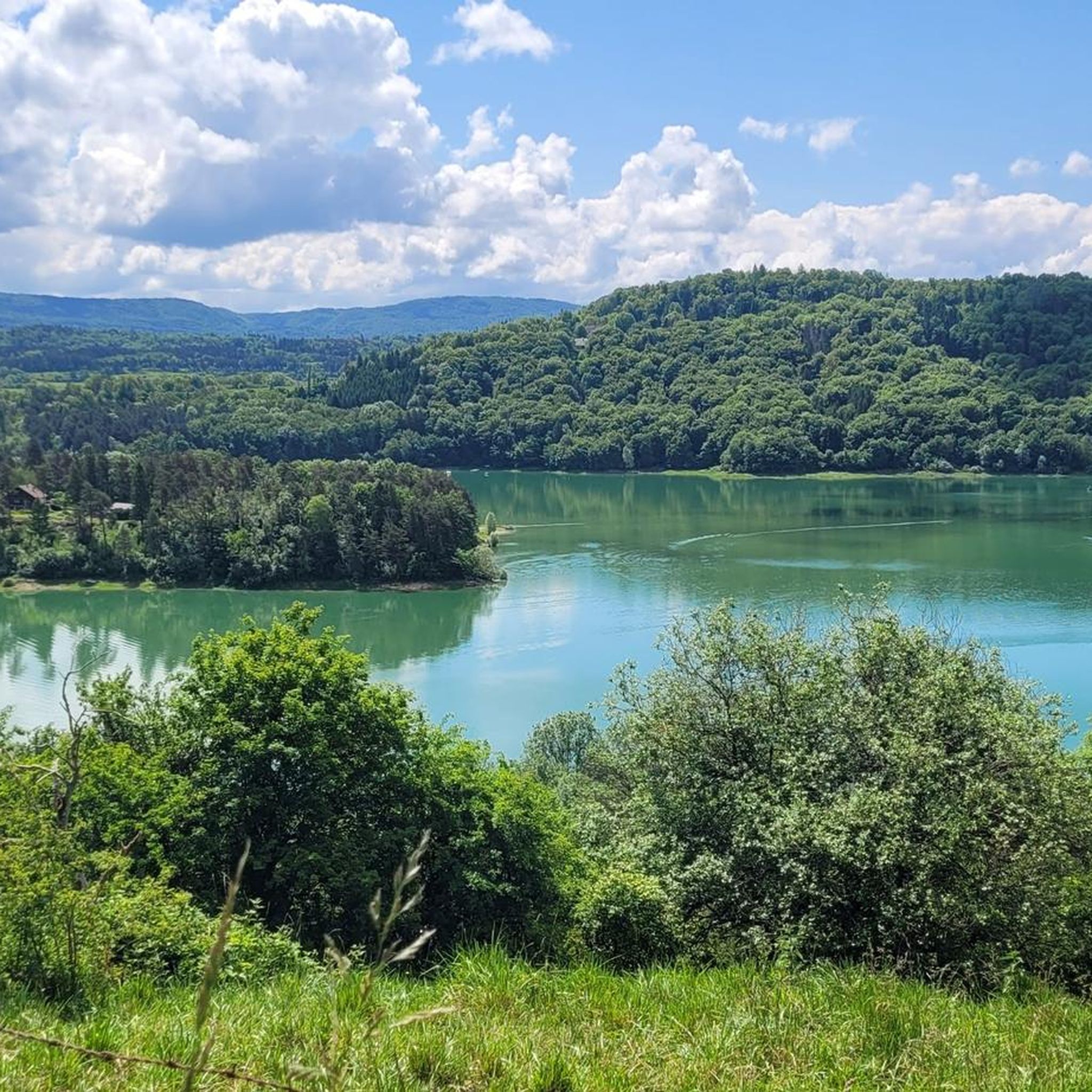
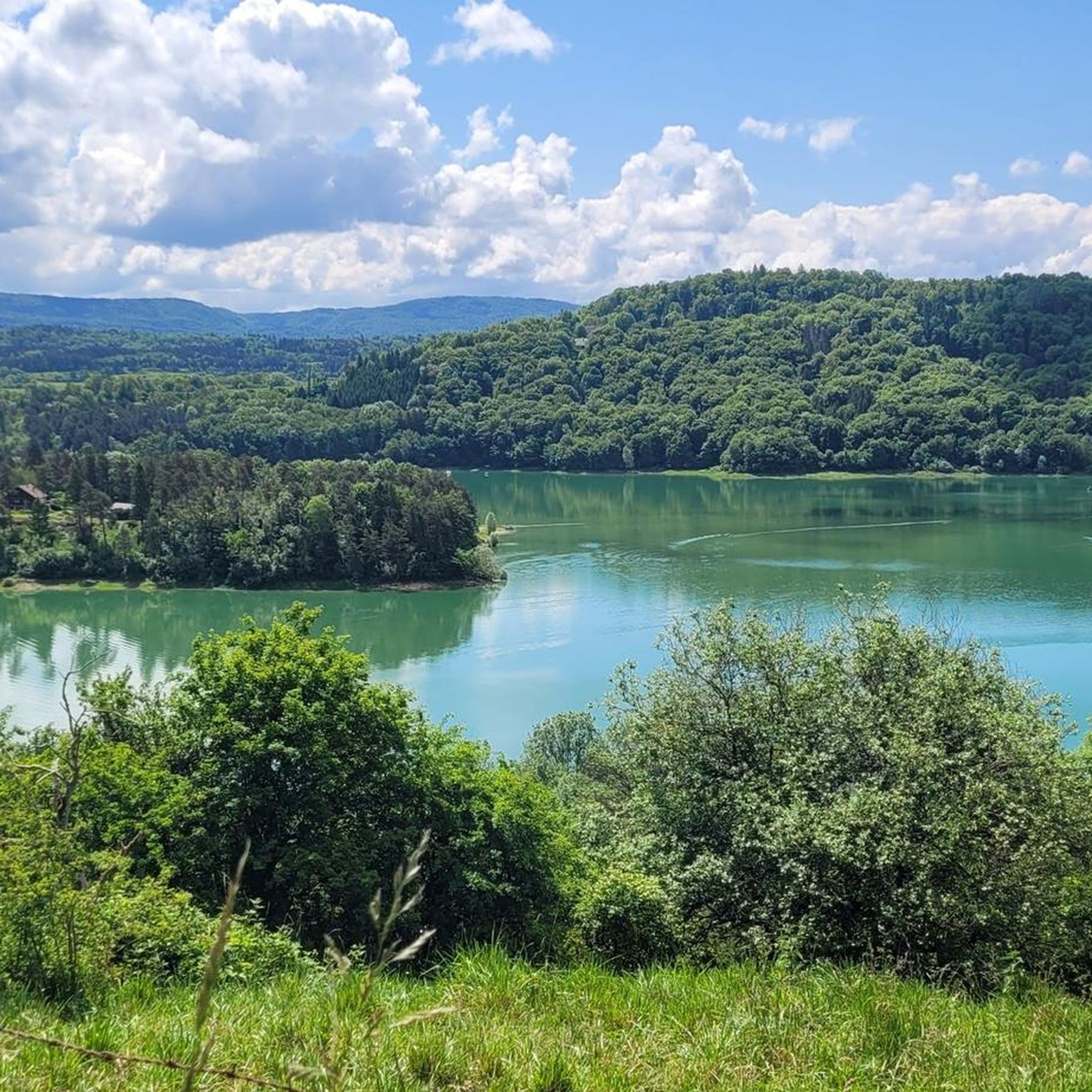
The La Fratte belvedere is a superb view of the cliffs overlooking the turquoise lake and the forest.
2
0
Frequently Asked Questions
What are the most popular natural monuments to visit around Largillay-Marsonnay?
Among the most appreciated natural monuments in the area is La Fratte Viewpoint, offering panoramic views of turquoise waters and extensive forests. Visitors also enjoy the unique geological formations of Moss-Covered Rocks in the Forest near Lac de Vouglans, where mineral and vegetal elements combine. Another popular spot is Pont-de-Poitte, a viewpoint where the Ain river begins to form Lac de Vouglans, known for its small waterfall.
Are there family-friendly natural monuments in the Largillay-Marsonnay area?
Yes, several natural monuments are suitable for families. La Fratte Viewpoint is easily accessible by a small path and features secured barriers, making it safe for children to enjoy the panoramic views. The general area around Lac de Vouglans and Lac de Chalain also offers gentle trails and beautiful scenery for family outings.
What kind of natural features can I expect to see in this region?
The Largillay-Marsonnay region, nestled in the Jura, is rich in diverse natural features. You'll encounter expansive lakes like Lac de Vouglans and Lac de Chalain, offering tranquil waters and scenic shores. The landscape is also characterized by impressive waterfalls, such as the unique Quinquenouille Waterfall, and fascinating geological formations like the Giant's Kettles near Pont-de-Poitte. Numerous viewpoints provide breathtaking panoramas of the wooded hills and turquoise lakes.
What outdoor activities can I do near these natural monuments?
The region offers a variety of outdoor activities. You can explore numerous hiking trails that lead through forests and along lake shores. For example, there are moderate hiking routes like the 'Quinquenouille Waterfall – Lake Vauglans loop' or the 'Surchauffant cliffs – View of Lac de Vouglans loop'. Cyclists can enjoy road cycling routes, such as the 'Col de Joux loop' or the 'Lac de Clairvaux-les-Lacs – Pyle Bridge loop'. Runners will also find suitable trails, including loops around Lac de Vouglans. For more details on routes, you can check the Hiking around Largillay-Marsonnay, Road Cycling Routes around Largillay-Marsonnay, and Running Trails around Largillay-Marsonnay guides.
What is the best time of year to visit the natural monuments in Largillay-Marsonnay?
The natural monuments around Largillay-Marsonnay are beautiful throughout the year, but the best time to visit for outdoor activities is typically from spring to autumn. During these seasons, the weather is generally mild, making it ideal for hiking, cycling, and enjoying the viewpoints. Summer offers lush greenery and opportunities for lakeside activities, while spring and autumn provide vibrant foliage and fewer crowds.
Are there any impressive waterfalls in the area?
Yes, the region is home to the impressive Quinquenouille Waterfall, where water falls like rain along an overhanging cliff, creating a unique and beautiful spectacle. While not directly in Largillay-Marsonnay, the famous Cascades du Hérisson are also located nearby and are a renowned natural attraction in the Jura, known for their series of spectacular waterfalls.
Can I bring my dog to the natural monuments and trails?
Many natural areas and trails in the Jura region, including those around Largillay-Marsonnay, are generally dog-friendly. However, it's always recommended to keep your dog on a leash, especially in protected areas or near wildlife. Please check specific signage at each location for any restrictions, particularly around popular viewpoints or sensitive natural sites.
Are there accessible trails for visitors with limited mobility?
While many trails in the Jura can be rugged, some viewpoints and paths offer easier access. La Fratte Viewpoint is noted for its accessibility via a small path, making it possible for a wider range of visitors to enjoy the panoramic views. It's advisable to check specific trail conditions and accessibility information for each site before your visit.
Where can I find parking for these natural monuments?
Parking is generally available at or near the access points for many natural monuments and popular viewpoints. For instance, there are often designated parking areas close to sites like La Fratte Viewpoint and around the lakes such as Lac de Vouglans. For specific locations, it's best to consult local maps or guidebooks, as parking availability can vary.
What makes the geology of the Largillay-Marsonnay area unique?
The geology of the Largillay-Marsonnay area is characteristic of the Jura region, marked by limestone cliffs, rock formations, and deep valleys. This creates a distinctive landscape where mineral and vegetal elements intertwine, particularly evident around Lac de Vouglans with its Moss-Covered Rocks in the Forest. The Giant's Kettles near Pont-de-Poitte are another excellent example of the fascinating geological processes at play, showcasing nature's power in shaping the landscape.
Can I find places to eat or stay near the natural monuments?
While Largillay-Marsonnay itself is a smaller commune, the broader region around Lac de Vouglans and other popular natural sites offers various options for accommodation, cafes, and restaurants. Nearby towns and villages will have amenities ranging from local eateries to hotels and guesthouses. Camping is also a popular option, especially around Lac de Vouglans, providing a way to stay close to nature.
Most popular routes around Largillay-Marsonnay
Most popular attractions around Largillay-Marsonnay

Get inspired with the komoot mobile app


Explore more
Extend your search for the best caves by checking out these guides of the top ones around Largillay-Marsonnay:
