Top 4 Natural Monuments around Saint-Jean-De-La-Rivière
Best natural monuments around Saint-Jean-De-La-Rivière include diverse coastal and inland features. This region, near Barneville-Carteret, offers a landscape characterized by rocky promontories, extensive beaches, and unique dune systems. These natural areas provide opportunities to observe geological formations and varied ecosystems. The proximity to the English Channel influences the local environment, contributing to its distinct natural heritage.
Best natural monuments around Saint-Jean-De-La-Rivière
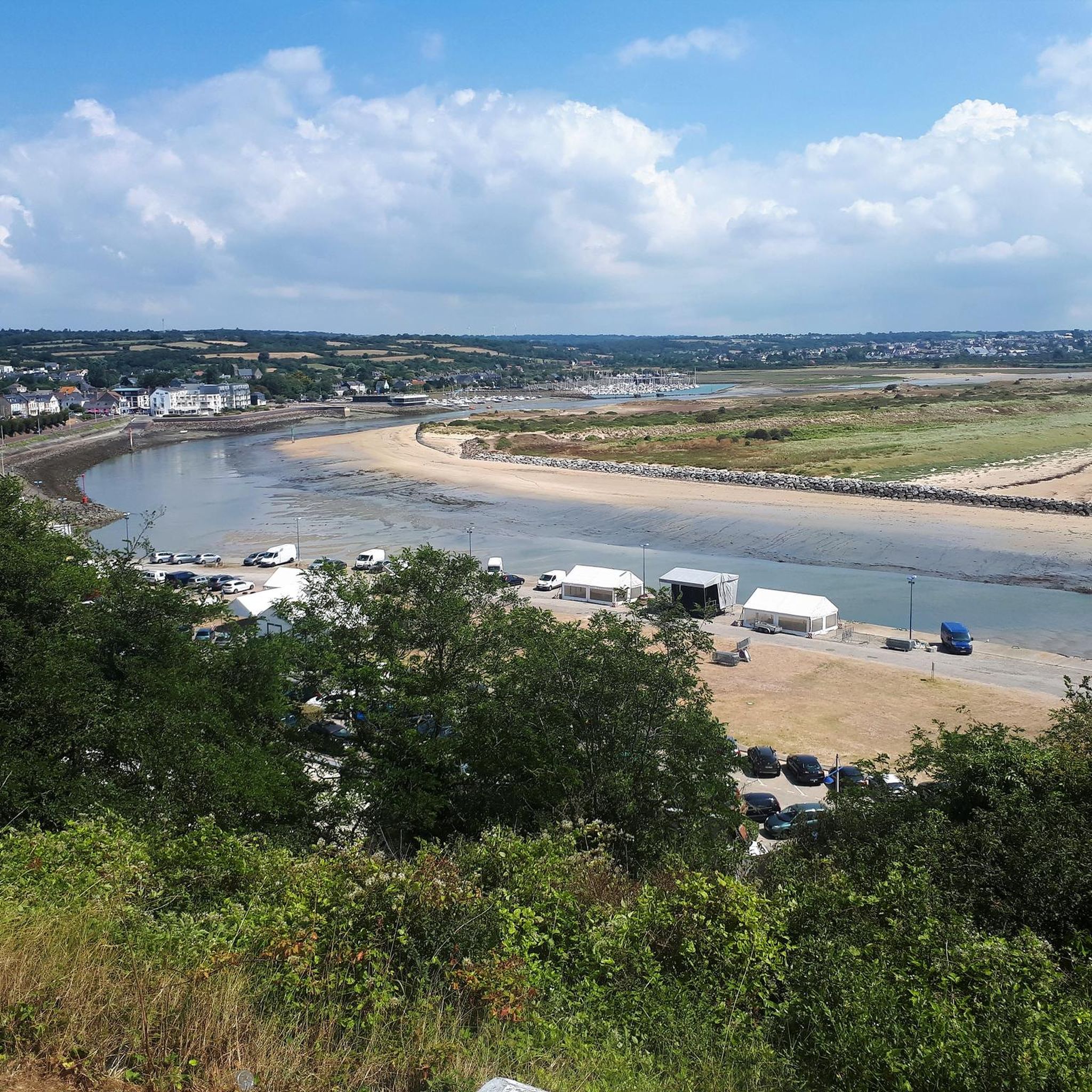
- The most popular natural monument is The Lindbergh Dunes, a natural monument and viewpoint. This dune system is…
Last updated: July 4, 2026
Fontaine Saint Germain
Highlight • Natural Monument
Translated by Google •
Tip by

The Capes Route
Highlight • Trail
Translated by Google •
Tip by
Sign up now to discover places like this
Get recommendations on the best single tracks, peaks, & plenty of other exciting outdoor places.
Sign up for free
The Lindbergh Dunes
Highlight • Natural Monument
Translated by Google •
Tip by

Sangsurière and Adriennerie Nature Reserve
Highlight (Segment) • Natural Monument
Translated by Google •
Tip by

Flèche de Barneville
Highlight • Beach
Translated by Google •
Tip by

Start today with a free account
Your next adventure awaits.
Login or Signup
Popular around Saint-Jean-De-La-Rivière
Tips from the Community


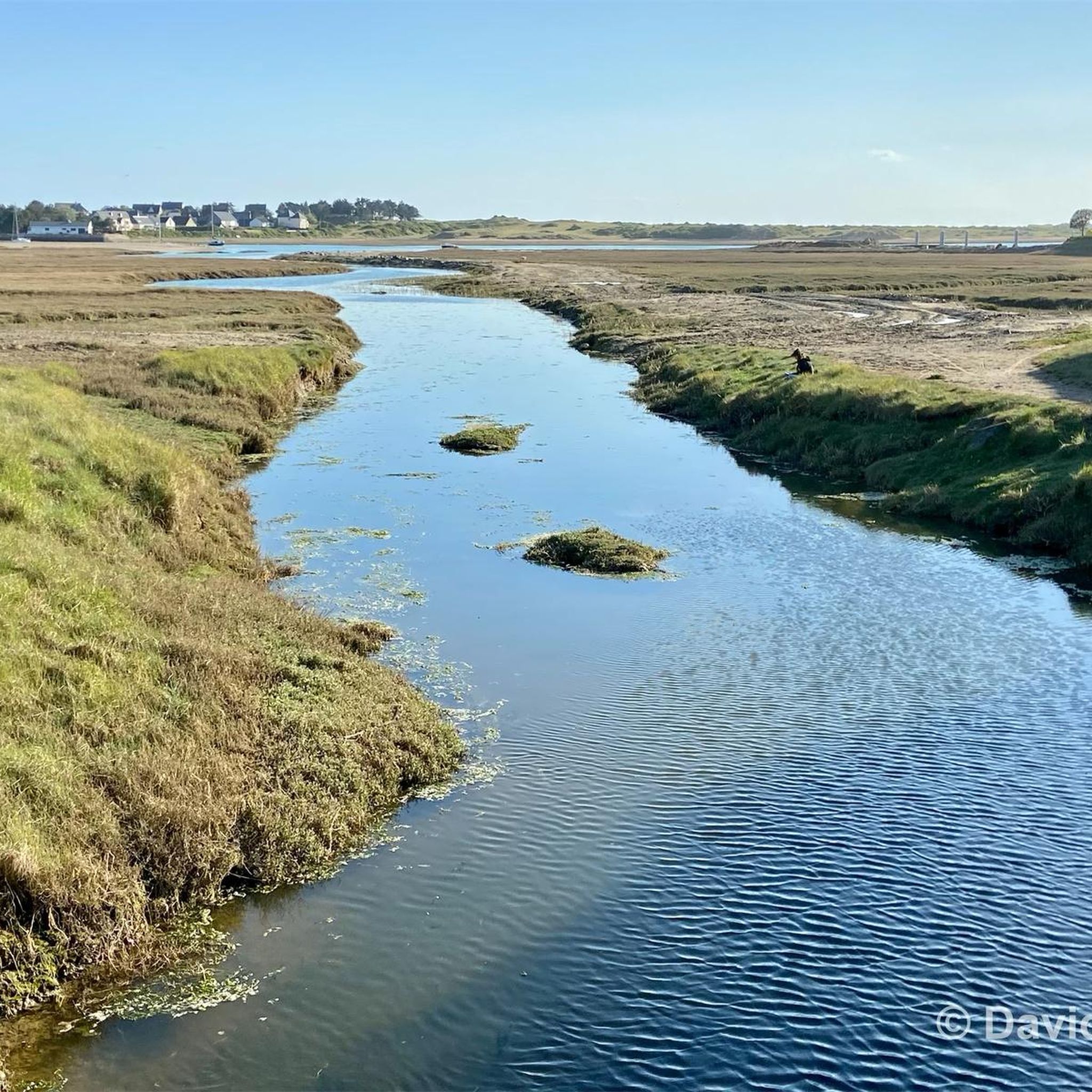
The nature reserve is home to the last active peatlands in the region. It serves as a refuge for a wide diversity of flowers. In particular, there are several carnivorous plants. On the wildlife side, the reserve is a sanctuary for many birds and insects.
0
0

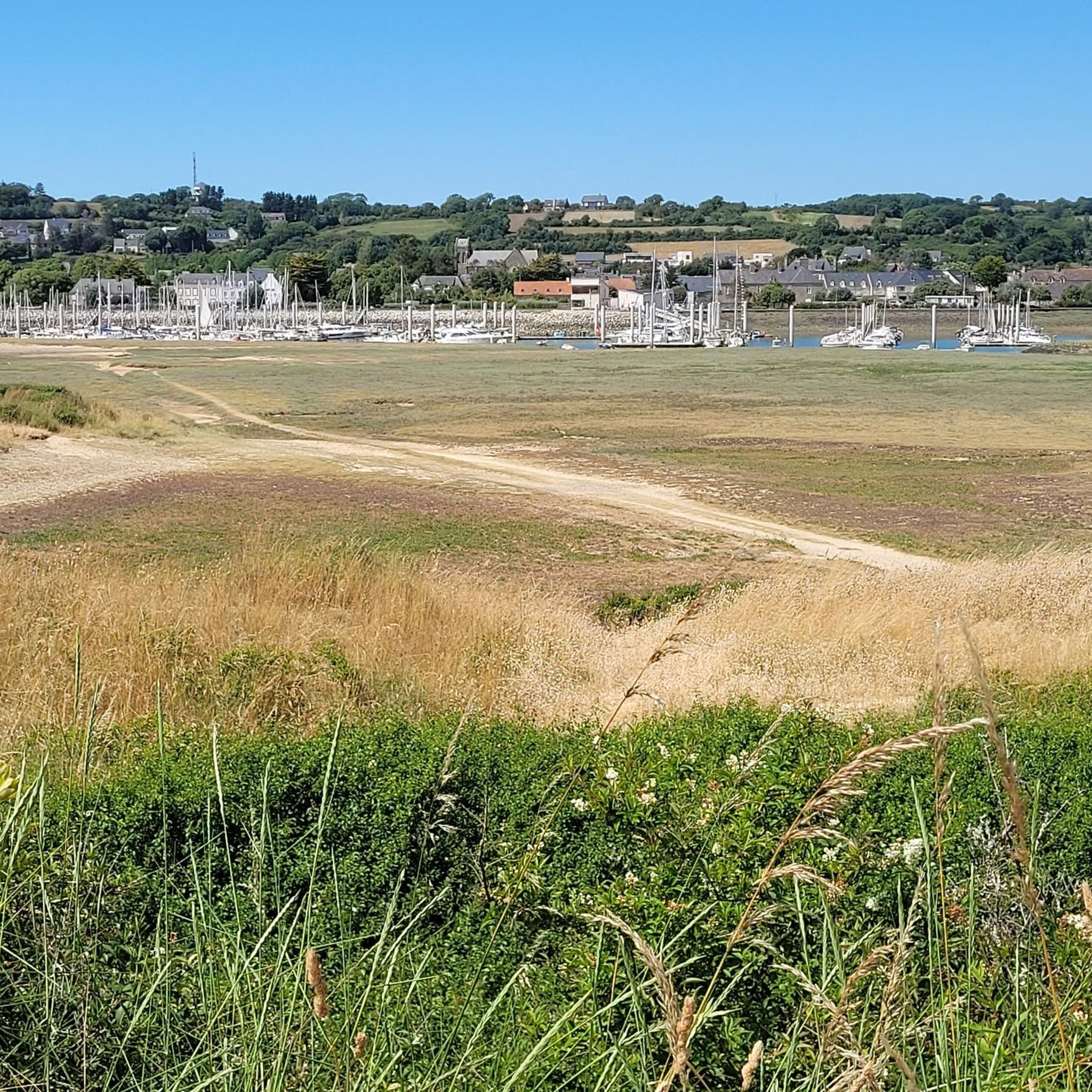
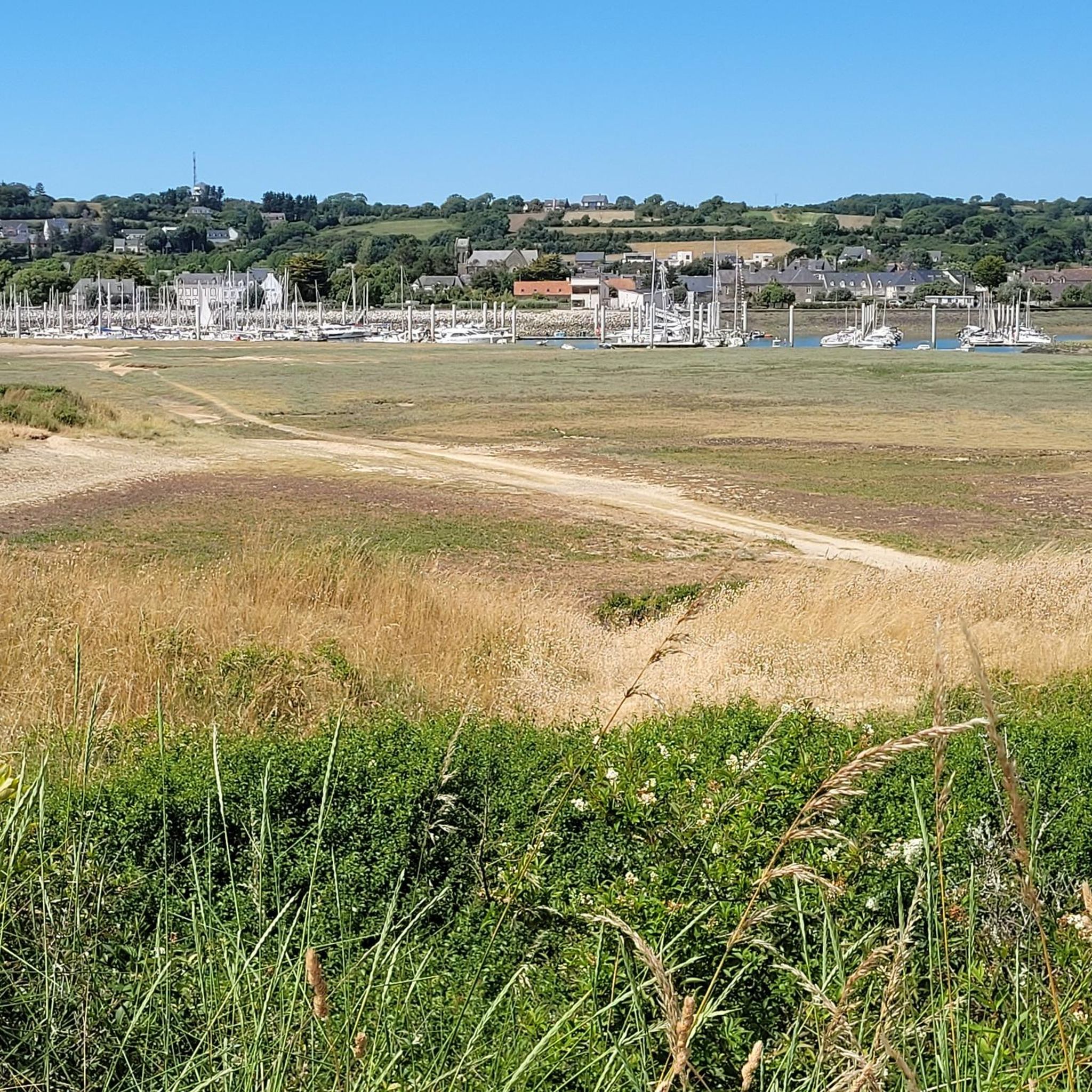
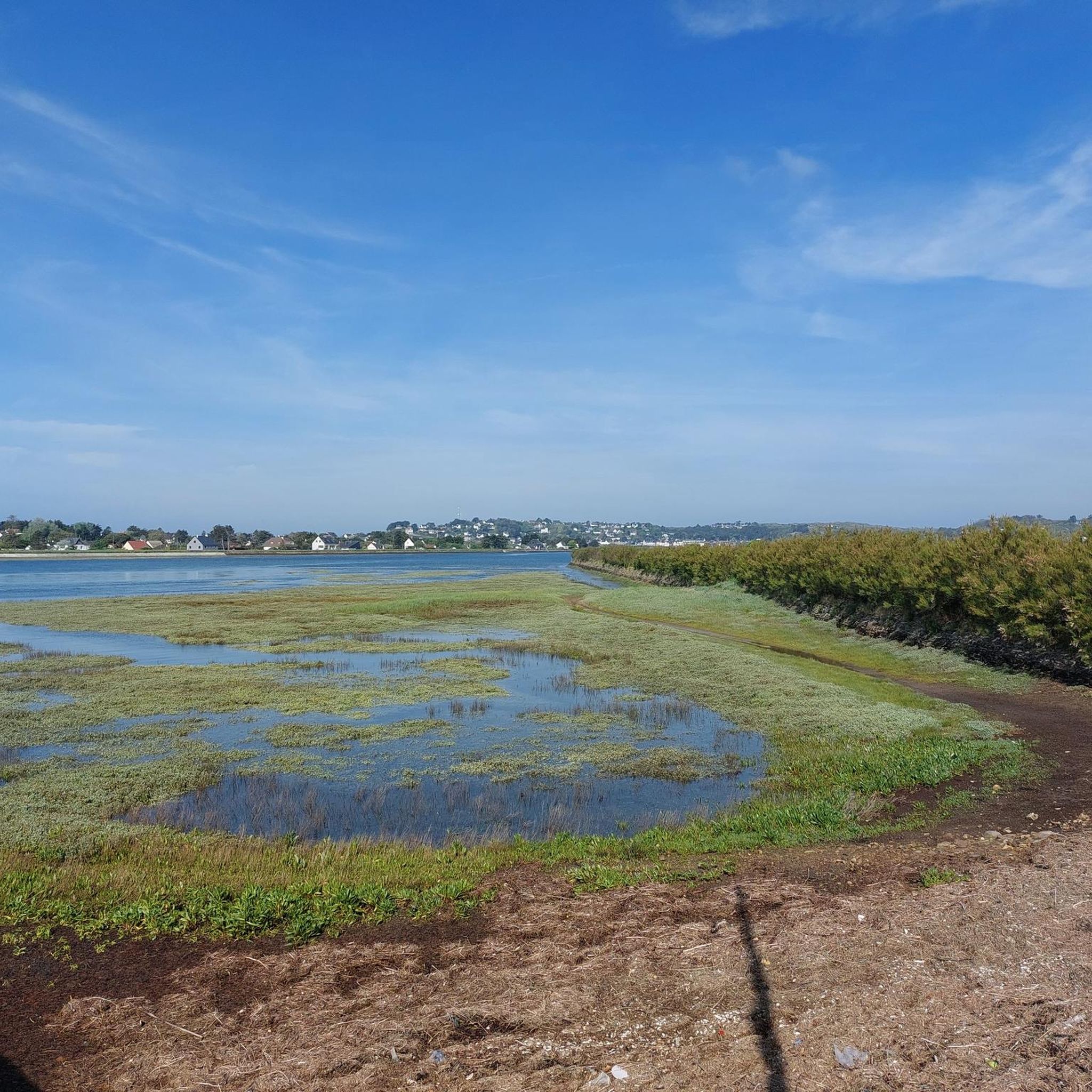
wild and protected site on the other side of the fishing port
1
0

Be careful on the paths at Cap Carteret. There are also (poisonous!) snakes there. So it's better to keep dogs close to you.
1
1

It's great that the dunes are still accessible with a dog (it's different in other countries). Please stick to the leash requirement in the fenced area and collect your dog's piles if they haven't just fallen into one of the many rabbit holes. Please keep the dunes accessible to all.
3
0

Between the cape and the dunes, in a still wild site, is the small Saint-Germain fountain with legendary therapeutic virtues. A sign indicates the direction, but you really have to look for the fountain. You will find it, to the right of the path, going down towards the beach, in lush vegetation which invades it little by little, not far from the "old church".
3
0
Frequently Asked Questions
What are the most popular natural monuments around Saint-Jean-De-La-Rivière?
The region offers a variety of natural monuments, with some of the most appreciated by visitors being The Lindbergh Dunes, known for their accessibility and natural environment. Another popular choice is The Capes Route, which provides stunning coastal views. For nature enthusiasts, the Sangsurière and Adriennerie Nature Reserve is highly regarded for its unique peatlands and diverse flora and fauna.
Are there family-friendly natural monuments in the area?
Yes, the Sangsurière and Adriennerie Nature Reserve is noted as family-friendly, offering an opportunity to explore active peatlands and observe diverse plant and insect life. The extensive dune systems, such as The Lindbergh Dunes, also provide gentle terrain suitable for family strolls and nature observation.
Can I bring my dog to the natural monuments?
Yes, The Lindbergh Dunes are explicitly noted as dog-friendly. Visitors are encouraged to keep dogs on a leash in fenced areas and to clean up after them to help preserve the natural environment for everyone.
What kind of natural features can I expect to see?
You can expect to see diverse coastal and inland features. The region is characterized by extensive dune systems, such as those at Saint-Jean-de-la-Rivière and The Lindbergh Dunes, which are ecologically vital. The dramatic Cap de Carteret, accessible via The Capes Route, features rugged cliffs, expansive heathland, and panoramic views of the English Channel and Channel Islands. Inland, the Sangsurière and Adriennerie Nature Reserve protects active peatlands and a variety of unique flora, including carnivorous plants.
Are there good hiking opportunities near Saint-Jean-De-La-Rivière's natural monuments?
Absolutely. The Capes Route offers a beautiful hiking trail with great views, forming part of the long-distance GR223 trail. This route winds through gorse-covered slopes and provides an immersive experience in the wild coastal landscape. The dune systems also offer excellent opportunities for leisurely walks.
What is the Sangsurière and Adriennerie Nature Reserve known for?
The Sangsurière and Adriennerie Nature Reserve is home to the last active peatlands in the region. It serves as a crucial refuge for a wide diversity of flowers, including several carnivorous plants, and supports many birds and insects, making it a significant ecological site.
Is there any historical significance to the natural monuments?
While primarily natural, some sites hold historical interest. For instance, the Fontaine Saint Germain is a small fountain with legendary therapeutic virtues, located in a wild site between the cape and the dunes, near an 'old church'. Along the coastal paths, particularly around Cap de Carteret, you can also discover historical remnants like old natural stone walls and church ruins, adding a cultural layer to the natural exploration.
What is the best time of year to visit the natural monuments?
The coastal natural monuments, such as the dunes and Cap de Carteret, are beautiful year-round. Spring and summer offer pleasant weather for hiking and enjoying the vibrant flora, while autumn can provide dramatic coastal scenery. Always check local weather conditions before your visit, as coastal areas can be exposed to strong winds.
Are there cycling routes available near the natural monuments?
Yes, the area around Saint-Jean-De-La-Rivière offers various cycling opportunities. You can find several road cycling, touring bicycle, and gravel biking routes. For example, there are easy touring routes like the 'Harbor quay – Portbail Plage loop' or moderate road cycling routes such as the 'Portbail Bridge – Our Lady of Portbail loop'. You can explore more options on the Road Cycling Routes around Saint-Jean-De-La-Rivière, Cycling around Saint-Jean-De-La-Rivière, and Gravel biking around Saint-Jean-De-La-Rivière guide pages.
How accessible are the natural monuments, and is parking available?
Many natural monuments, like The Lindbergh Dunes, are accessible for exploration. While specific parking details for each site are not always listed, the region is generally well-equipped for visitors arriving by car, especially near popular coastal spots like Cap de Carteret and the dune systems. Public transport options might be limited, so planning your journey is recommended.
What do visitors enjoy the most about Saint-Jean-De-La-Rivière's natural monuments?
Visitors particularly appreciate the stunning views, especially along The Capes Route, which offers vistas over Jersey and Guernsey. The preserved nature of the dune systems, like The Lindbergh Dunes, is also highly valued for nature observation. The unique ecological importance of sites like the Sangsurière and Adriennerie Nature Reserve, with its carnivorous plants and diverse wildlife, also draws significant interest.
Are there any unique geological features to observe?
Yes, the Cap de Carteret is a prominent geological site. It marks a significant transition at the end of the Armorican Massif, revealing traces of Precambrian deformed granites and metamorphic schist, Cambrian folded arkose, and Ordovician shale and sandstone. The coastal dunes themselves are also geologically interesting, acting as natural barriers and sand reservoirs.
Most popular routes around Saint-Jean-De-La-Rivière
Most popular attractions around Saint-Jean-De-La-Rivière

Get inspired with the komoot mobile app


Explore more
Extend your search for the best caves by checking out these guides of the top ones around Saint-Jean-De-La-Rivière:
