Top 7 Natural Monuments around Branville-Hague
Best natural monuments around Branville-Hague are found within the wider La Hague region of Normandy, France. This area is characterized by its wild and preserved coastal landscapes, serving as an excellent starting point for exploration. The region features rugged cliffs, extensive marshlands, and unique dune ecosystems. It offers diverse natural environments for outdoor activities.
Best natural monuments around Branville-Hague
- The most popular natural monuments is Pointe du Bec de l'Âne, a viewpoint that offers fantastic views along the coast. From this spot, visitors can see far across the English Channel.
- Another must-see spot is Vauville Pond Nature Reserve, a natural monument encompassing a 60-acre reserve. Visitors can observe diverse plants and exotic animals, including various bird species from an observatory.
- Visitors also love Castel Vendon, a natural monument featuring a rock with a singular shape. This site is notable for a treasure discovery in 1792 and its depiction in paintings by local artist Jean-François Millet.
- Branville-Hague is known for its dramatic coastal cliffs, unique dune systems, and significant nature reserves. The area offers a variety of natural monuments to see and explore, from rugged coastlines to wetland ecosystems.
- The natural monuments around Branville-Hague are appreciated by the komoot community, with more than 40 upvotes and 13 photos shared by visitors.
Last updated: August 28, 2026
Vauville Pond Nature Reserve
Highlight • Natural Monument
In order to continue to protect this beautiful area, one should really stick to it, not to leave the trail.
Cost: none
Translated by Google •
Tip by

Pierres Pouquelées Covered Passage
Highlight • Historical Site
Translated by Google •
Tip by

Sign up now to discover places like this
Get recommendations on the best single tracks, peaks, & plenty of other exciting outdoor places.
Sign up for free
Biville Dunes
Highlight • Natural Monument
Translated by Google •
Tip by

Pointe du Bec de l'Âne
Highlight • Viewpoint
Translated by Google •
Tip by

Castel Vendon
Highlight • Natural Monument
The rock was painted by Jean-François Millet, a local artist who lived nearby. Part of his work can be seen in the Thomas Henry museum in Cherbourg.
Translated by Google •
Tip by
Sign up for free to discover even more natural monuments around Branville-Hague.
Sign up for free
Already have an account?
Start today with a free account
Your next adventure awaits.
Login or Signup
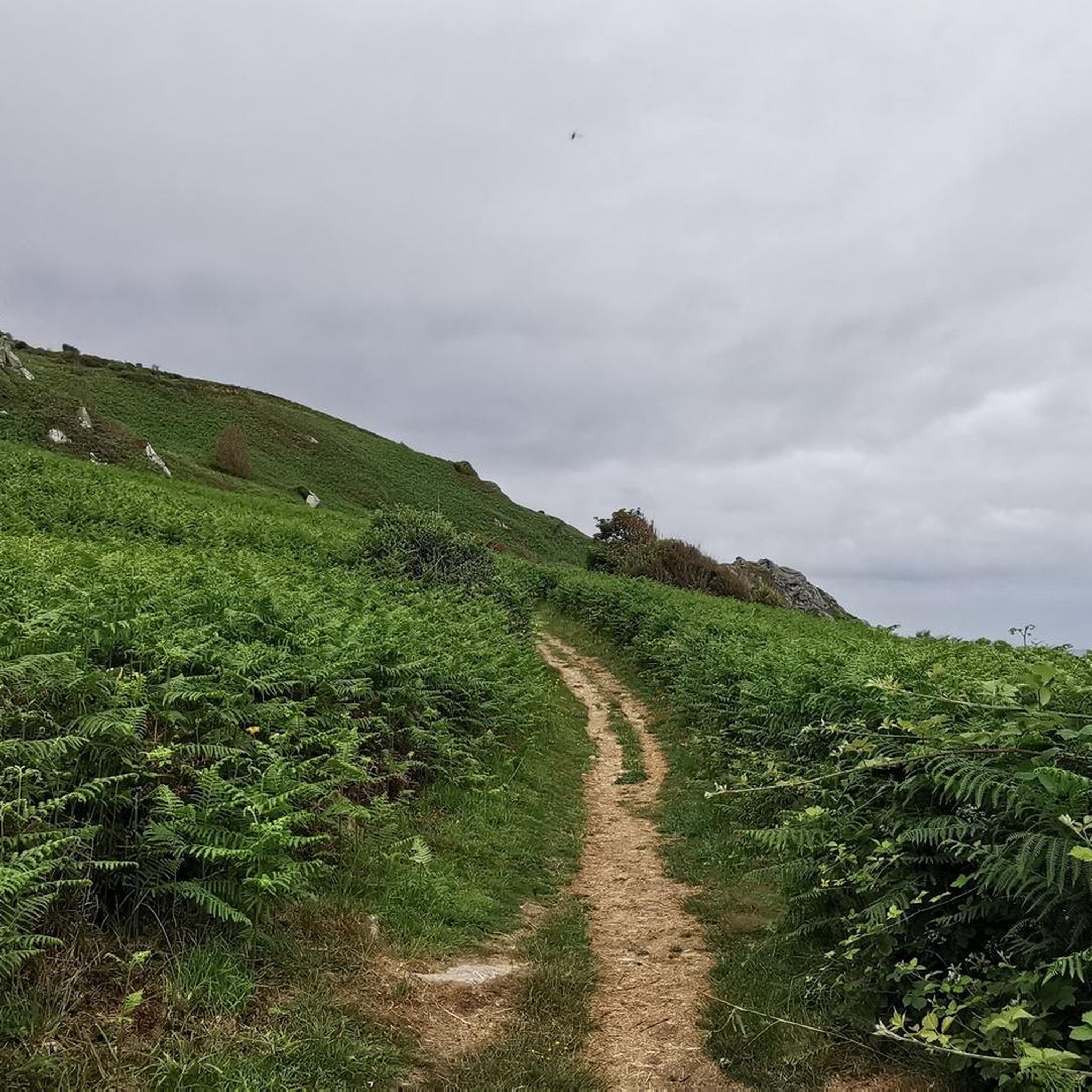

Tips from the Community

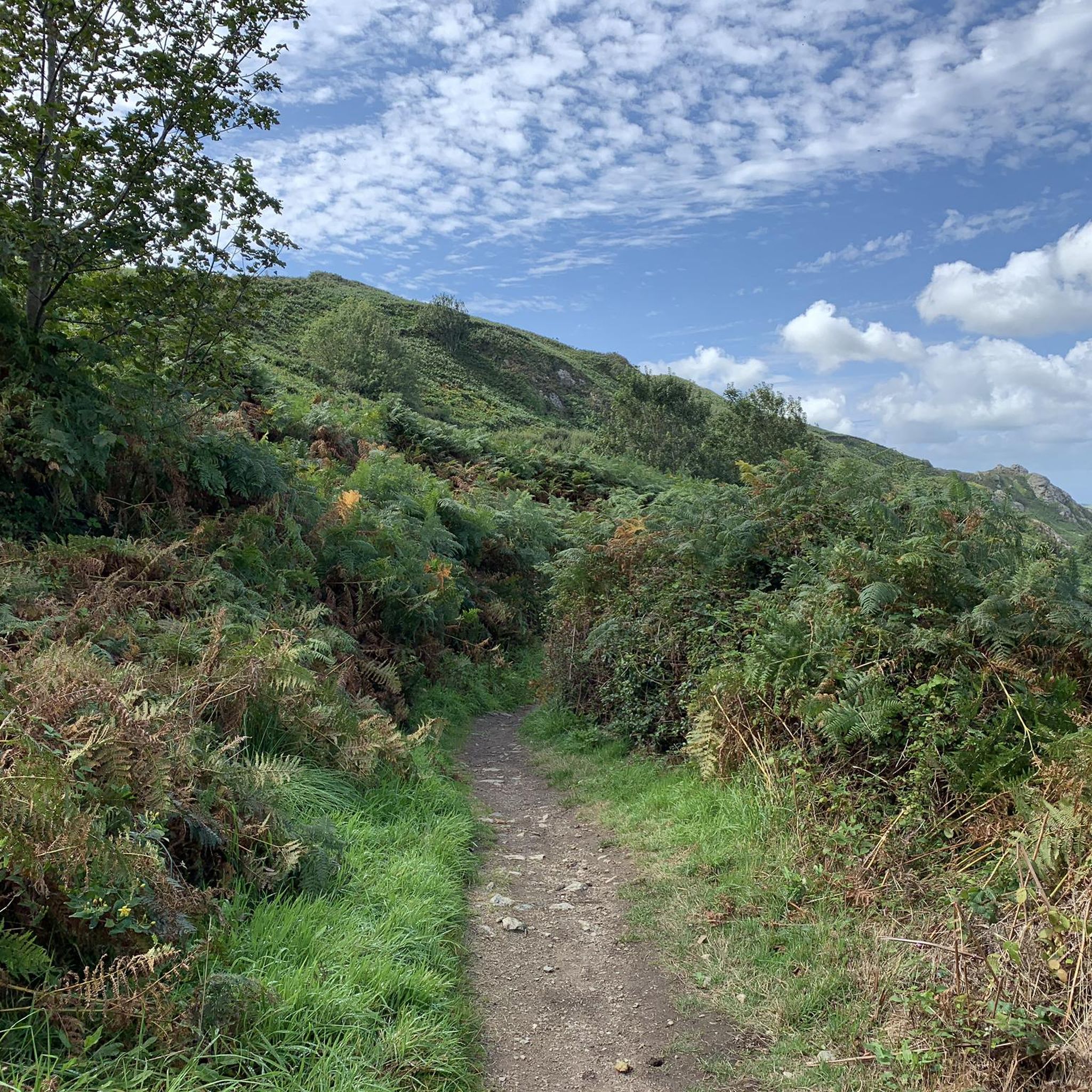
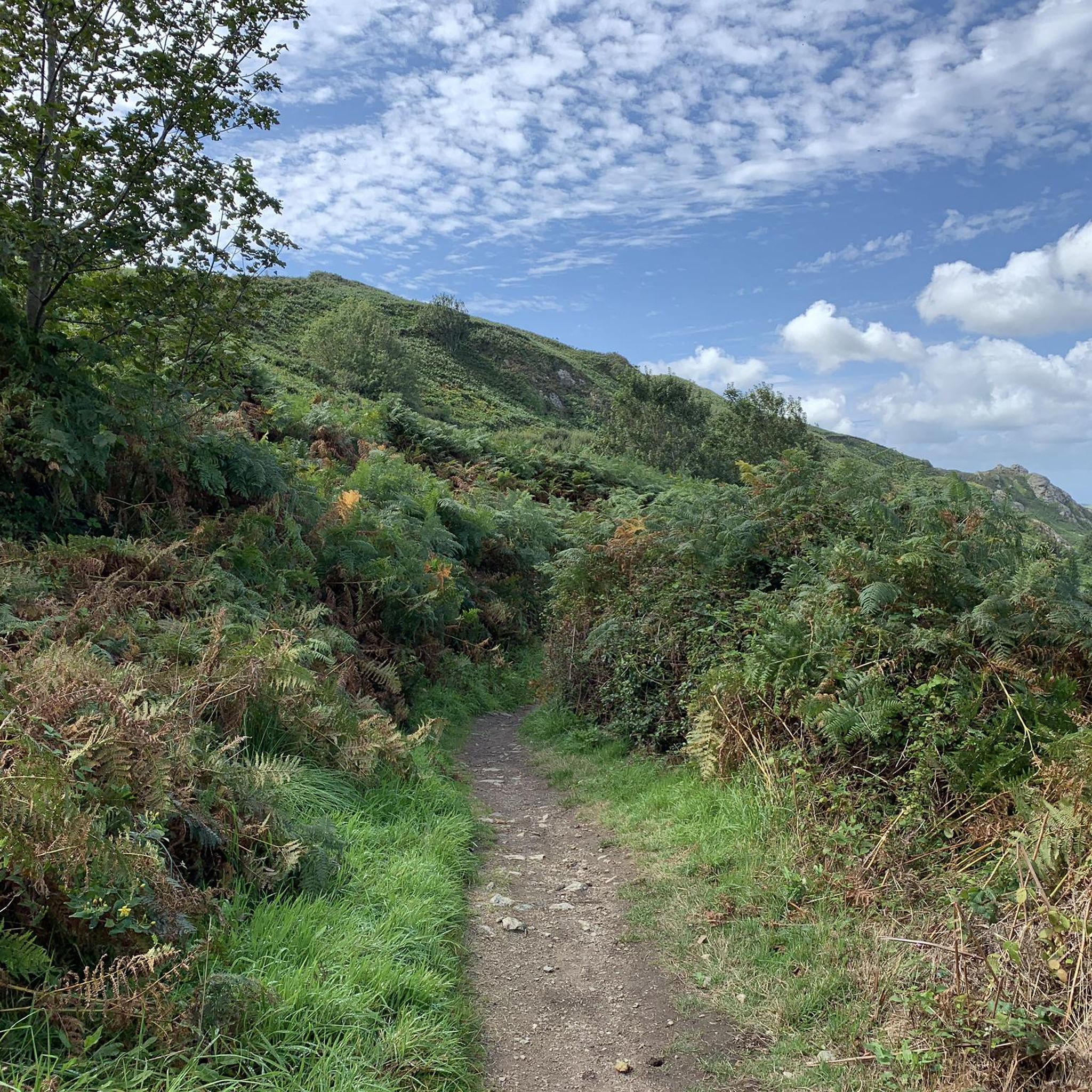
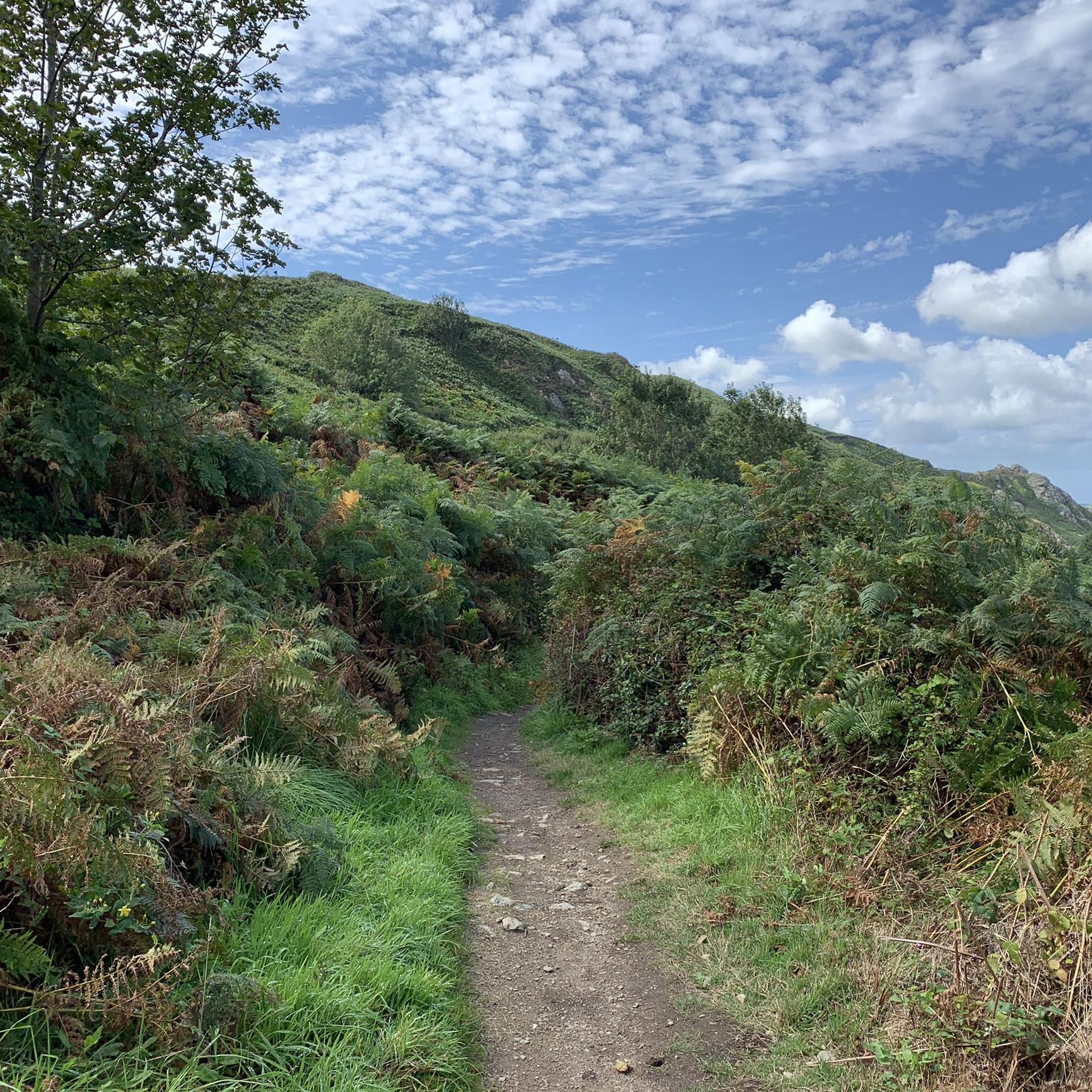
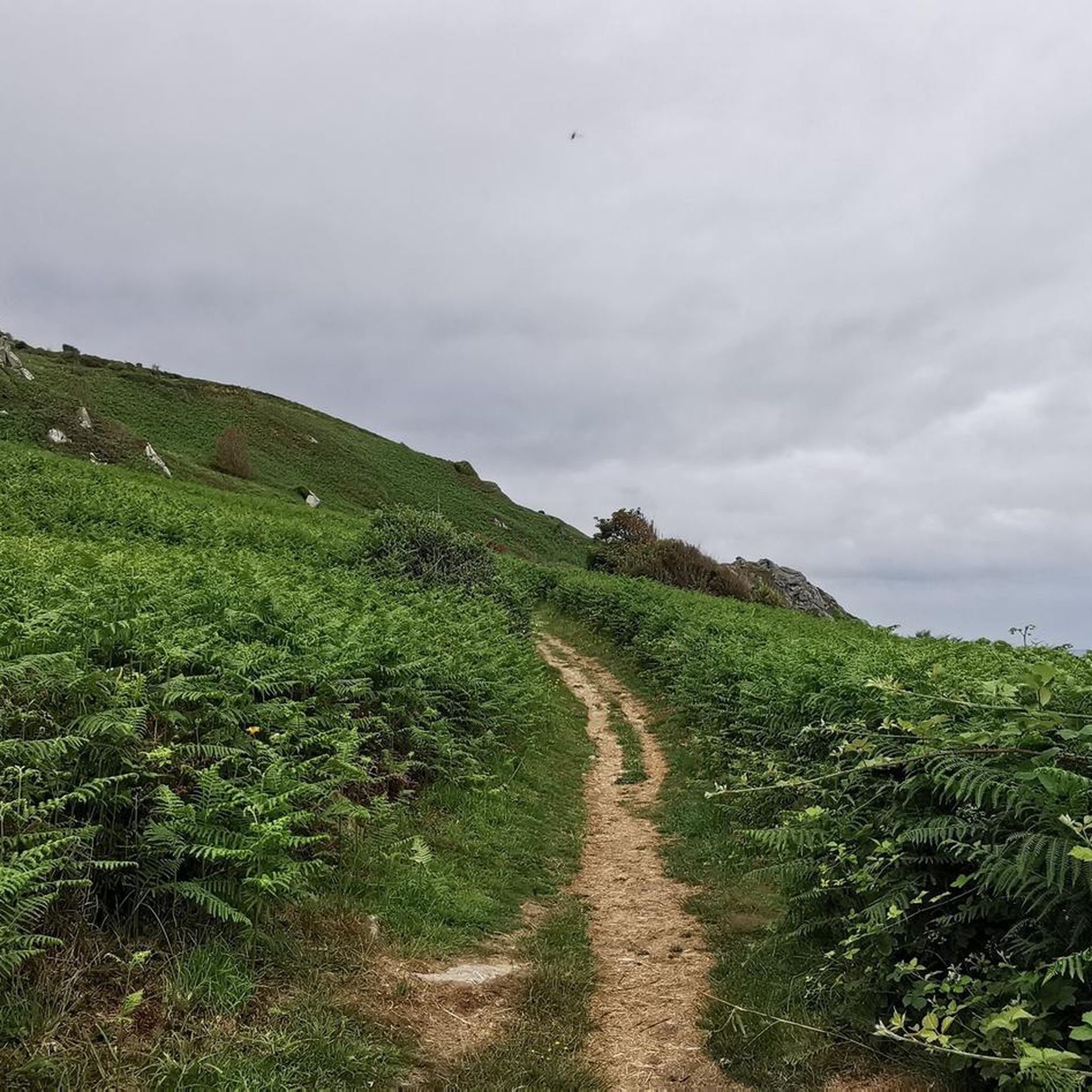
Breathtaking views of the sea and the cliffs. The island of Jersey can be seen in the distance.
0
0

This ancient tomb is partly collapsed. A covered walkway was always covered with stones or earth. What you can see now is what remains of the structure of this Neolithic monument. This dolmen is dated 4,500 years before present time. You have a beautiful 360 degree view when you are on site.
1
0
Castel Vendon is a rock which has a singular shape. In 1792, a treasure was discovered buried at its foot. It was a terracotta vase containing coins from the High Roman Empire. The rock was painted by Jean-François Millet, a local artist who lived nearby. Part of his work can be seen in the Thomas Henry museum in Cherbourg.
2
0

The young JF Millet loved this place very much, we find Castel Vendon on several of his works
3
0

The Pierres Pouquelées are a Neolithic covered walkway dating around 4500 BC. There is a beautiful view of Vauville and the Manche The covered walkway faces north-west/south-east. Very ruined, it is currently 14.50 m long for an interior width of about 1.25 m and an exterior width of 2.40 m for a height under the table of 1.20 m. The entrance appears to be sideways to the southwest. The slabs are in quartz sandstone, except for two cover tables which are in granite and probably come from a site 3 km away, located at sea level. The covered walkway was excavated in 1755, before the covering tables were removed, by the Royal Academic Society of Cherbourg. At the beginning of the 19th century (around 1830), the cover tables were recovered by the inhabitants in order to build a bridge. Alerted, the sub-prefect of Valognes ordered it to be put back in place, but the blocks were simply deposited on the site: they are certainly those lying on the ground a few meters from the alley1. A good part of the orthostats disappeared in 1833.
1
0

England is not far away, at least visually…
6
0
Fantastic views as far as the eye can see
7
0
Frequently Asked Questions
What are some highly-rated natural monuments around Branville-Hague?
Visitors frequently praise the diverse natural beauty of the region. Among the top-rated natural monuments are Pointe du Bec de l'Âne, offering fantastic coastal views, and the Vauville Pond Nature Reserve, known for its rich biodiversity. Another unique spot is Castel Vendon, a distinctively shaped rock with historical significance.
What kind of natural landscapes can I expect to see in the La Hague region?
The La Hague region, near Branville-Hague, offers a variety of dramatic natural landscapes. You can expect to see rugged coastal cliffs, such as those near Nez de Jobourg, extensive marshlands in areas like the Parc Naturel Régional des Marais du Cotentin et du Bessin, and unique dune systems like the Biville Dunes. The area is characterized by its wild and preserved natural heritage.
Where can I go for wildlife spotting near Branville-Hague?
For excellent wildlife spotting, particularly birds, the Vauville Pond Nature Reserve is a prime location. This 60-acre reserve features a bird observatory where you can observe diverse species in their natural wetland habitat. The Parc Naturel Régional des Marais du Cotentin et du Bessin also offers extensive opportunities for birdwatching, especially for migratory species from October onwards.
Are there any historical or cultural sites alongside natural monuments?
Yes, the region combines natural beauty with historical interest. For instance, near the natural monument of Castel Vendon, a treasure from the High Roman Empire was discovered. Additionally, the Pierres Pouquelées Covered Passage is a significant Neolithic tomb dating back approximately 4,500 years, offering a glimpse into ancient history amidst the natural surroundings.
Are there family-friendly natural sites or activities near Branville-Hague?
Many natural sites in the La Hague region are suitable for families. The Vauville Pond Nature Reserve offers easy paths for observing plants and animals, though dogs are not permitted. Exploring the Biville Dunes can also be an adventurous activity for families, with opportunities for climbing and enjoying the unique sandy environment.
What outdoor activities can I do near these natural monuments?
The area around Branville-Hague is excellent for various outdoor activities. You can enjoy extensive hiking along the GR223, also known as the 'customs officers' path,' which offers stunning coastal views. Cycling is also popular, with options for road cycling, touring bicycle routes, and mountain biking trails that explore the diverse landscapes, including routes through the Biville Dunes and along the coast.
What is the best time of year to visit the natural monuments in La Hague?
The La Hague region offers beauty year-round, but the best time depends on your interests. Spring and summer are ideal for hiking and enjoying the coastal scenery and blooming flora. From October onwards, the Parc Naturel Régional des Marais du Cotentin et du Bessin becomes a crucial wetland zone for migratory birds, making autumn and winter excellent for birdwatching. During winter, the marshlands become 'white' as they are covered by floodwaters, creating a distinctive landscape.
Are there any permits required for hiking or visiting natural monuments?
Generally, no specific permits are required for hiking on public trails or visiting the natural monuments in the La Hague region. However, it's always advisable to stick to marked paths, especially in nature reserves like the Vauville Pond Nature Reserve, to protect the delicate ecosystems. Always check local signage for any specific restrictions or guidelines.
What do visitors enjoy most about the natural monuments around Branville-Hague?
Visitors particularly enjoy the breathtaking panoramic views, especially from spots like Pointe du Bec de l'Âne, where they can see far across the English Channel. The dramatic scale of the cliffs, the unique ecosystems of the dunes, and the tranquility of the nature reserves are also highly appreciated. Many find the experience of being at the 'end of the world' along the GR223 trail to be a highlight.
Are there dog-friendly trails near Branville-Hague's natural monuments?
While many outdoor areas in La Hague are dog-friendly, it's important to note that some specific natural reserves have restrictions. For example, dogs (even on a leash) are not allowed in the Vauville Pond Nature Reserve. However, many sections of the coastal GR223 trail and other paths outside protected reserves are suitable for walks with dogs, provided they are kept on a leash and you respect local regulations, especially concerning beaches during certain seasons.
What are the parking options for visiting natural monuments?
Parking is generally available near popular natural monuments and trailheads. For instance, there is parking at the beach near the Biville Dunes. For coastal areas like Nez de Jobourg, designated parking lots are typically provided to accommodate visitors exploring the cliffs and trails. It is recommended to check specific locations for available parking facilities before your visit.
Is public transport available to reach natural monuments in La Hague?
While Branville-Hague is a small commune, public transport options exist to reach some areas of the wider La Hague region. However, direct access to all natural monuments by public transport can be limited. It is often more convenient to use a car to explore the more remote natural sites. For detailed information on routes and schedules, it's best to consult local transport services in the Cotentin peninsula.
Most popular routes around Branville-Hague
Most popular attractions around Branville-Hague

Get inspired with the komoot mobile app


Explore more
Extend your search for the best caves by checking out these guides of the top ones around Branville-Hague:
