Top 14 Natural Monuments around Cassagnas
Natural monuments around Cassagnas are found within the Cévennes National Park, a UNESCO Biosphere Reserve and World Heritage site. This region features diverse environments, including granitic highlands, forests, limestone plateaus, gorges, and deep valleys. The area offers a blend of natural geological formations and ancient human history, providing varied landscapes for exploration.
Best natural monuments around Cassagnas
- The most popular natural monuments is Tarn Bridge, a bridge where the Tarn River flows amidst large granite blocks. It provides a…
Last updated: June 20, 2026
Tarn Bridge
Highlight • Bridge
Translated by Google •
Tip by

La Can de l’Hospitalet
Highlight (Segment) • Viewpoint
Translated by Google •
Tip by

Sign up now to discover places like this
Get recommendations on the best single tracks, peaks, & plenty of other exciting outdoor places.
Sign up for free
Les Amoureux Rock Formations
Highlight (Segment) • Natural Monument
The …
Translated by Google •
Tip by

The Tarn at Cocurès
Highlight • River
Translated by Google •
Tip by

Menhir at the Col de la Pierre Plantée
Highlight • Monument
Translated by Google •
Tip by

Sign up for free to discover even more natural monuments around Cassagnas.
Sign up for free
Already have an account?
Start today with a free account
Your next adventure awaits.
Login or Signup

Other adventures around Cassagnas

Tips from the Community


Wonderful old bridge over the Tarn. You then peacefully follow the Tarn.
0
0

bridge over the Tarn ideal for a break / picnic
0
0

The 2010 photos took the city and the valley. While sorting through the photos, I first noticed the two shapes, then a third in the foreground on the right. The legend, (completely plotted), sees the two characters overlooking the city, and in a corner on the right, a third form. Who is this curious person among the first who just want to kiss each other? NB: The position is slightly "offset", depending on your direction.
0
0

The Tarn bridge is a Roman work where it is good to swim. Here, the Tarn flows in the middle of large granite blocks very typical of the Cévennes. All you have to do is lean against the shade of one of these large granite balls, your legs stretched out in the water. The ideal break!
1
0

When traveling the Stevenson Way (GR70) one is rewarded for taking the longer route to Florac and staying on the GR70. Here the still young Tarn has dug deep. On both sides of the gorge are steep cliffs. The gorge is even accessible from the other side at Cocurès.
5
0

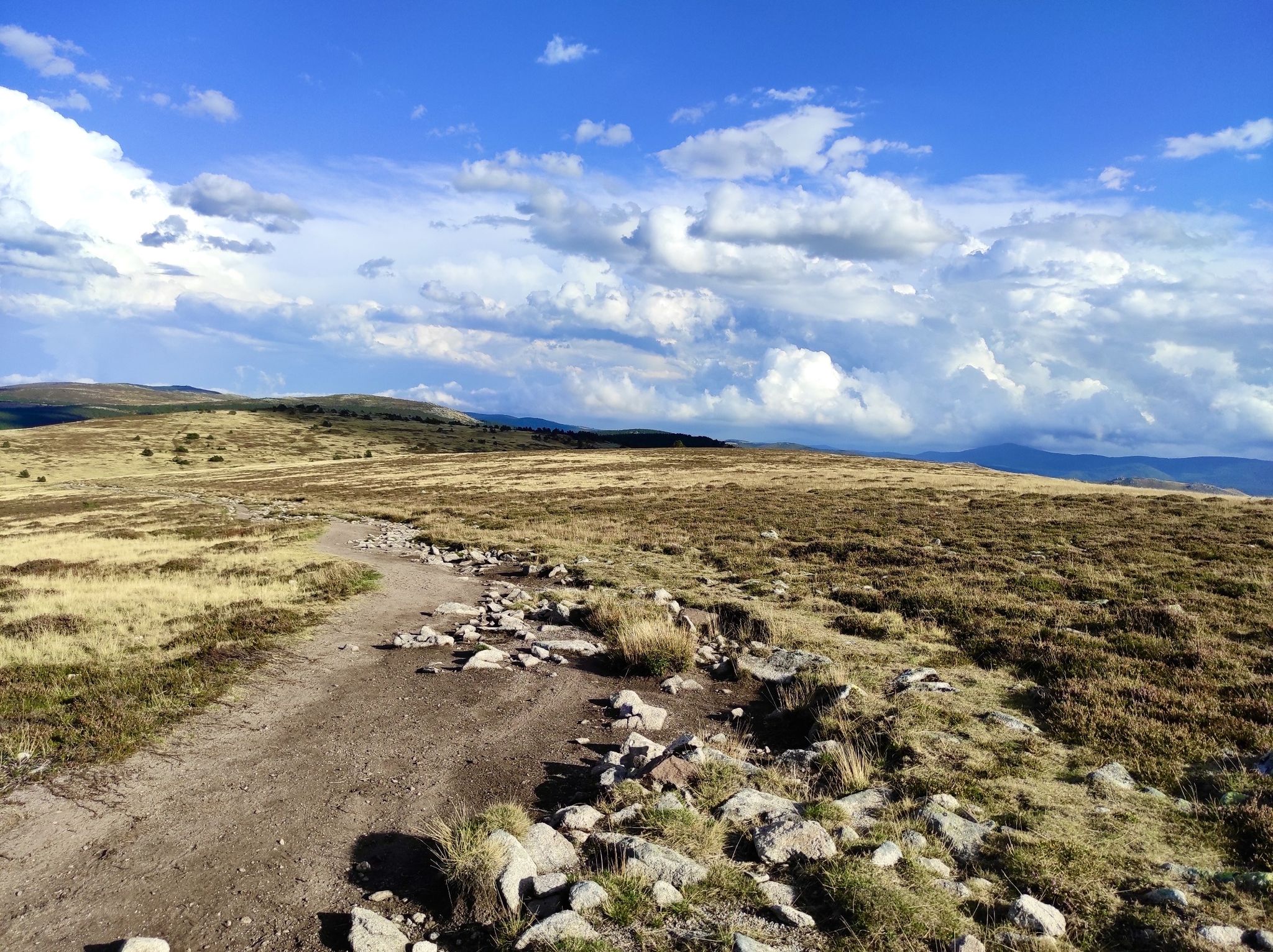
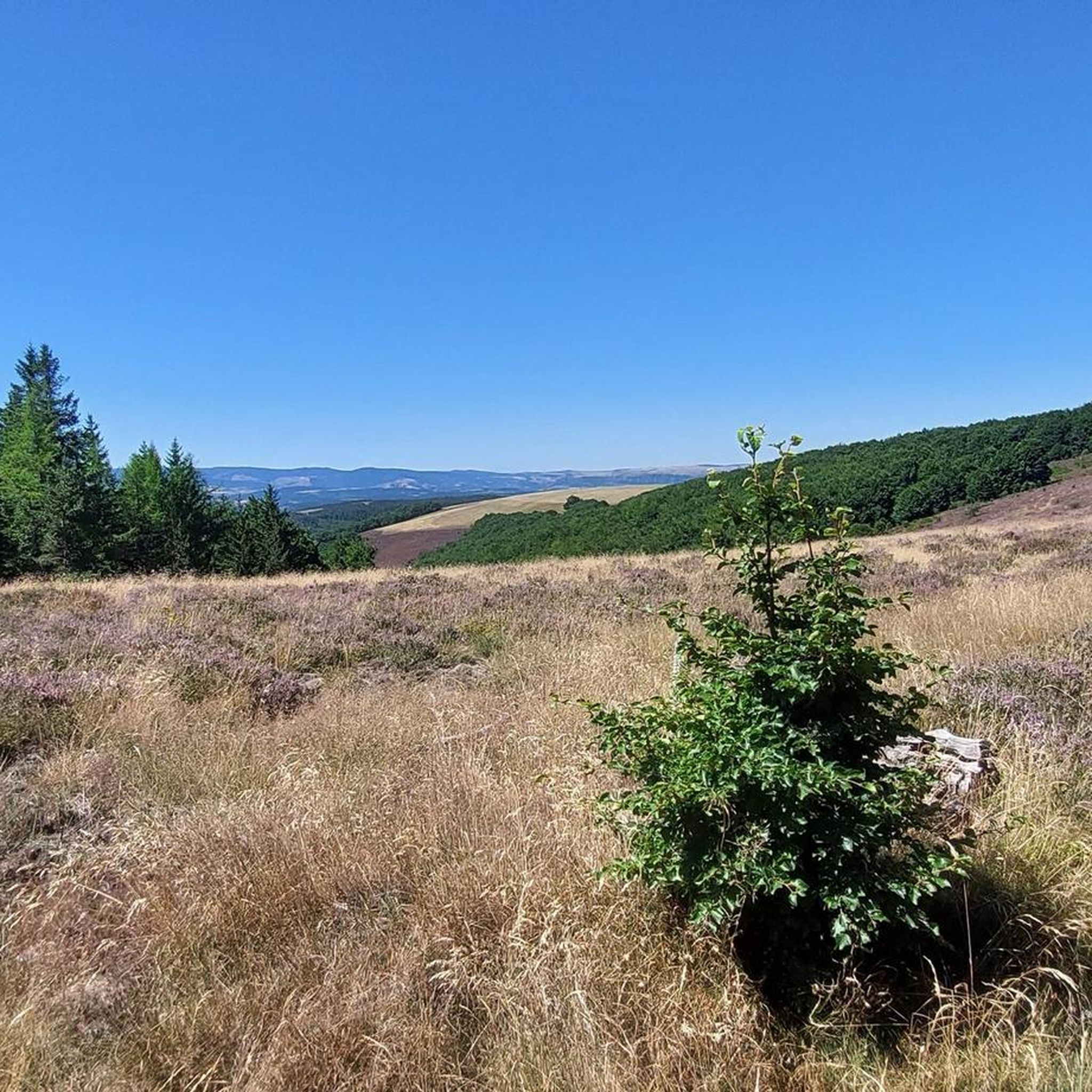
The Can de l'Hospitalet is a plateau separated from the Causse Méjean by the Tarnon. It offers magnificent views of the Cévennes. Its highest point, the Serre de Montgros, culminates at an altitude of 1,111m.
0
0
Frequently Asked Questions
What are some popular natural monuments to visit near Cassagnas?
Visitors frequently enjoy the Tarn Bridge, where the Tarn River flows amidst large granite blocks, offering a refreshing spot for swimming. Another popular choice is La Can de l’Hospitalet, a viewpoint providing magnificent vistas of the Cévennes. The Menhir at the Col de la Pierre Plantée is also appreciated for its blend of ancient history and natural landscape.
What unique geological formations can I explore around Cassagnas?
The region is rich in diverse geological formations. You can explore the dramatic Gorges du Tarn, one of Europe's largest canyons, with towering cliffs carved by the Tarn River. Underground, the Les Amoureux Rock Formations offer an interesting natural monument, while further afield, Aven Armand boasts a 'forest' of over 400 stalagmites, including the world's tallest. The Grotte de la Cocalière is another stunning cave with spectacular limestone concretions and rare calcite diamonds.
Are there any historical natural monuments in the area?
Yes, the area around Cassagnas features several sites that blend natural beauty with historical significance. The Menhir at the Col de la Pierre Plantée is a prehistoric megalithic structure testifying to human presence during the Neolithic period. Similarly, the Dolmen de Claroudens, located within a hiking loop from Cassagnas, is another ancient human mark within the natural landscape.
What outdoor activities can I do near these natural monuments?
The Cévennes National Park offers a wide range of outdoor activities. You can enjoy hiking, cycling, and mountain biking on numerous trails. For example, there are many hiking routes around Cassagnas, including those leading to the Dolmen de Claroudens or the Col de la Planette. The Gorges du Tarn are ideal for canoeing and kayaking, while the Tarn River at Pont-de-Montvert is perfect for swimming.
Are there hiking trails suitable for exploring the natural monuments?
Absolutely. The region is a hiker's paradise. You can find numerous hiking trails around Cassagnas that lead to or offer views of natural monuments. For instance, a moderate loop takes you to the Dolmen de Claroudens via the Stevenson path, and another challenging route explores the Col de la Planette, offering elevated perspectives of the Cévennes National Park.
Can I go swimming near any natural monuments?
Yes, the Tarn Bridge is a popular spot where the Tarn River flows amidst large granite blocks, perfect for a refreshing swim. The Tarn River at Pont-de-Montvert, a short distance from Cassagnas, also provides excellent opportunities for swimming in a picturesque setting.
Are there family-friendly natural monuments around Cassagnas?
Many natural monuments in the area are suitable for families. The Tarn Bridge is considered family-friendly, offering a pleasant spot for picnics and swimming. Exploring the Dolmen de Claroudens on a hiking loop can also be an engaging activity for families interested in history and nature. The Cévennes National Park generally provides varied environments suitable for different activity levels.
What is the best time to visit the natural monuments around Cassagnas?
The best time to visit the natural monuments around Cassagnas is generally during spring (April to June) and autumn (September to October). During these seasons, the weather is pleasant for outdoor activities like hiking and exploring, and the landscapes are particularly beautiful with spring blooms or autumn colors. Summer can be warm, especially in the gorges, but is ideal for water activities.
What kind of views can I expect from viewpoints in the area?
The viewpoints around Cassagnas offer breathtaking panoramic vistas of the Cévennes National Park. From La Can de l’Hospitalet, you can see extensive woodlands and the rugged beauty of the Cévennes. Mont Aigoual, though a bit further, is renowned for its sweeping views that can extend to the Mediterranean and the Alps on clear days. The Cirque de Navacelles also provides dramatic perspectives of a deep canyon and its unique incised meander.
Are there any natural monuments that are part of the Cévennes National Park?
Yes, Cassagnas is nestled within the Cévennes National Park, which itself is a UNESCO Biosphere Reserve and World Heritage site. Many of the natural monuments mentioned, such as Mont Lozère, Mont Aigoual, and the various gorges and valleys, are integral parts of this protected area, showcasing its diverse geological formations and rich biodiversity.
What do visitors enjoy most about the natural monuments around Cassagnas?
Visitors particularly enjoy the blend of natural beauty and historical significance. Many appreciate the opportunity to swim and picnic at spots like the Tarn Bridge. The stunning panoramic views from places like La Can de l’Hospitalet are also highly praised. The presence of ancient sites like the Menhir at the Col de la Pierre Plantée adds a unique historical dimension to the natural exploration.
Are there any specific natural monuments known for their unique rock formations?
Yes, the Les Amoureux Rock Formations are a notable example, with a local legend adding to their intrigue. The Gorges du Tarn also feature impressive rock faces and cliffs carved by the river. Additionally, the underground caves like Aven Armand and Grotte de la Cocalière are famous for their spectacular stalactites, stalagmites, and other limestone concretions.
Most popular routes around Cassagnas
Most popular attractions around Cassagnas

Get inspired with the komoot mobile app


Explore more
Extend your search for the best caves by checking out these guides of the top ones around Cassagnas:
