Top 5 Natural Monuments around La Croix-Avranchin
Best natural monuments around La Croix-Avranchin are found in the surrounding region of Saint-James and the Avranchin. This area is characterized by its hydrographic network, including the Couesnon River, which forms an estuary at Mont Saint-Michel. The landscape features a mosaic of wetlands, forests, and riverbanks, providing diverse natural habitats. These natural features offer opportunities for exploring the local environment.
Best natural monuments around La Croix-Avranchin
- The most popular natural monument is Banks of the Sélune at Pontaubault, a…
Last updated: July 4, 2026
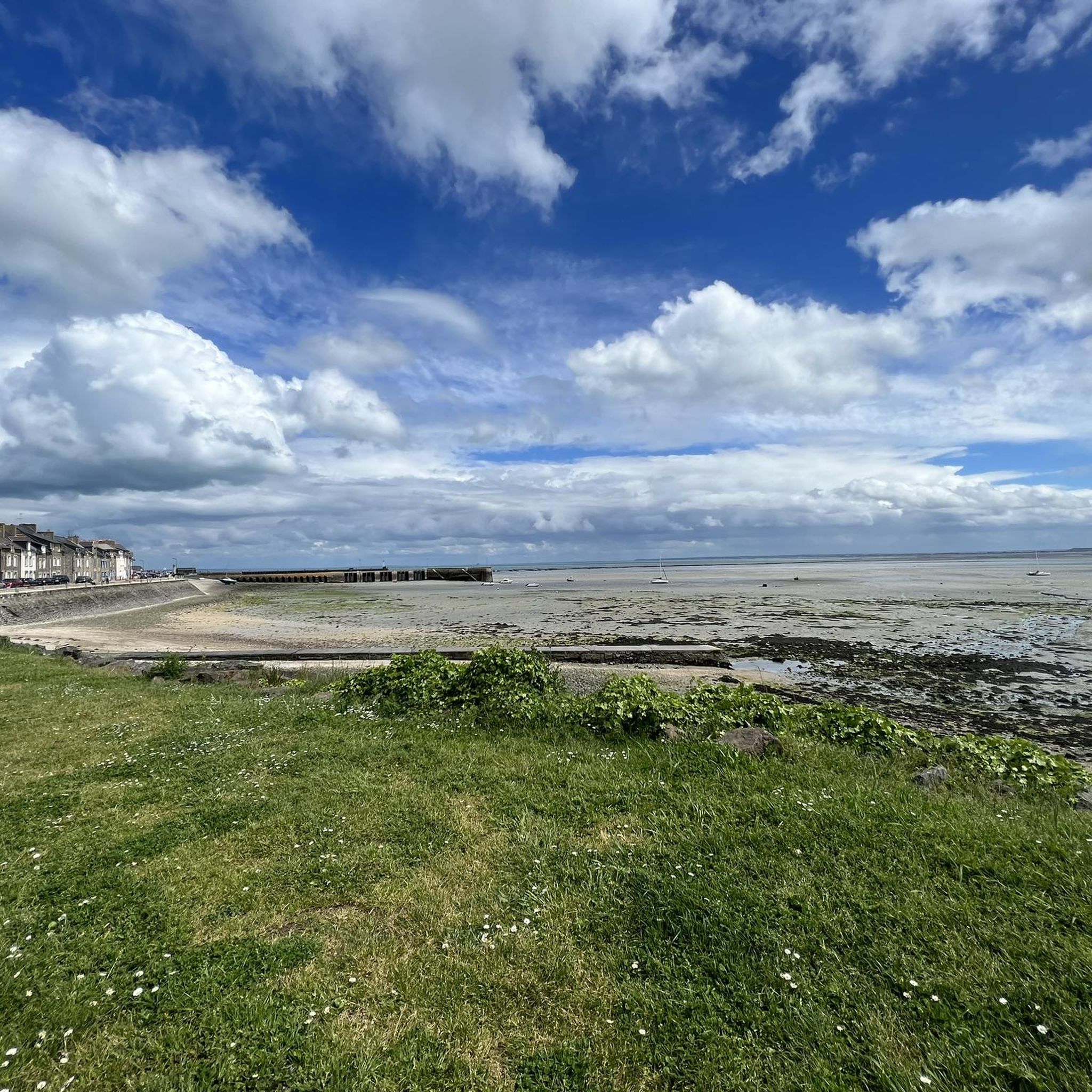
Banks of the Sélune at Pontaubault
Highlight • River
Translated by Google •
Tip by

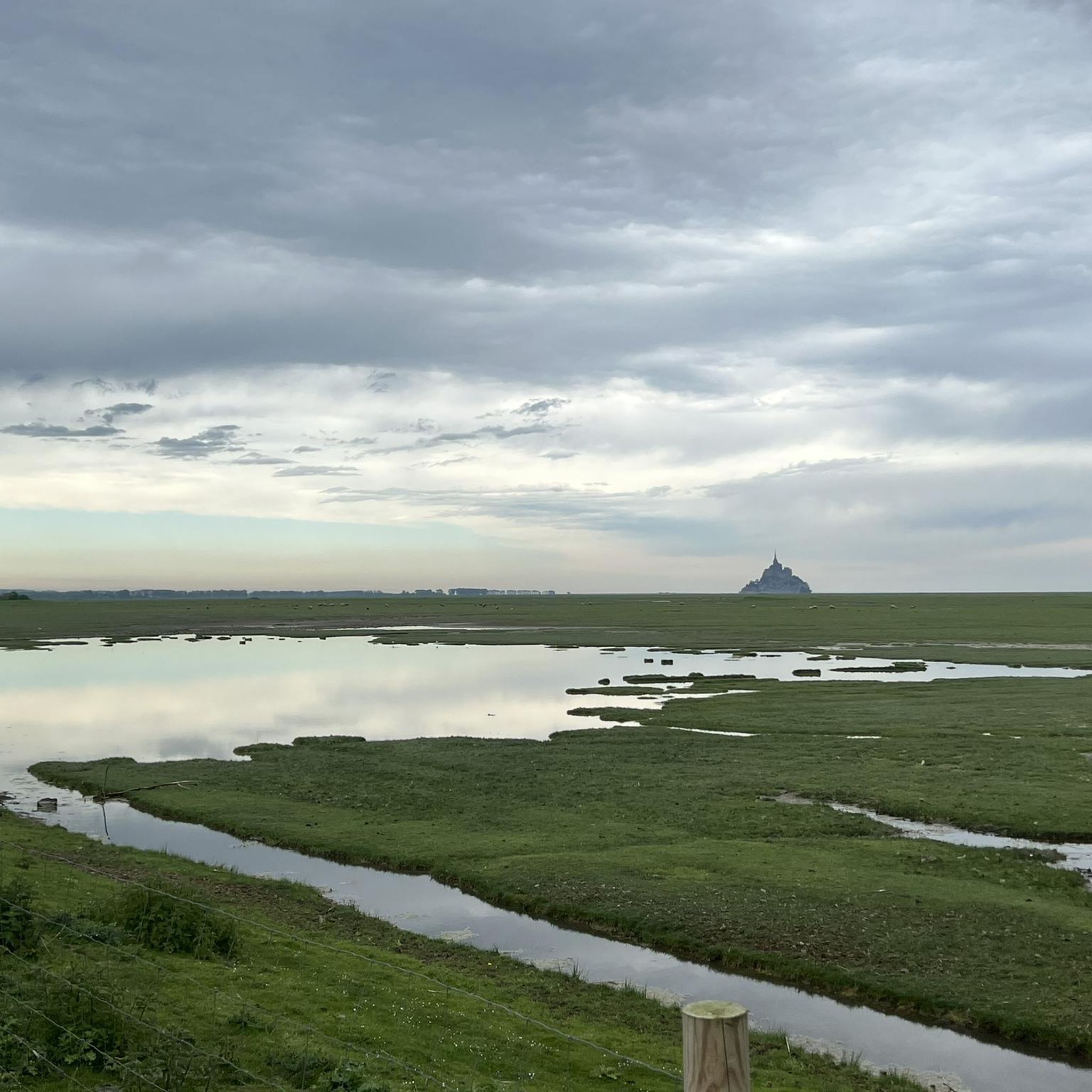
View of Mont Saint-Michel
Highlight • Viewpoint
Translated by Google •
Tip by

Sign up now to discover places like this
Get recommendations on the best single tracks, peaks, & plenty of other exciting outdoor places.
Sign up for free
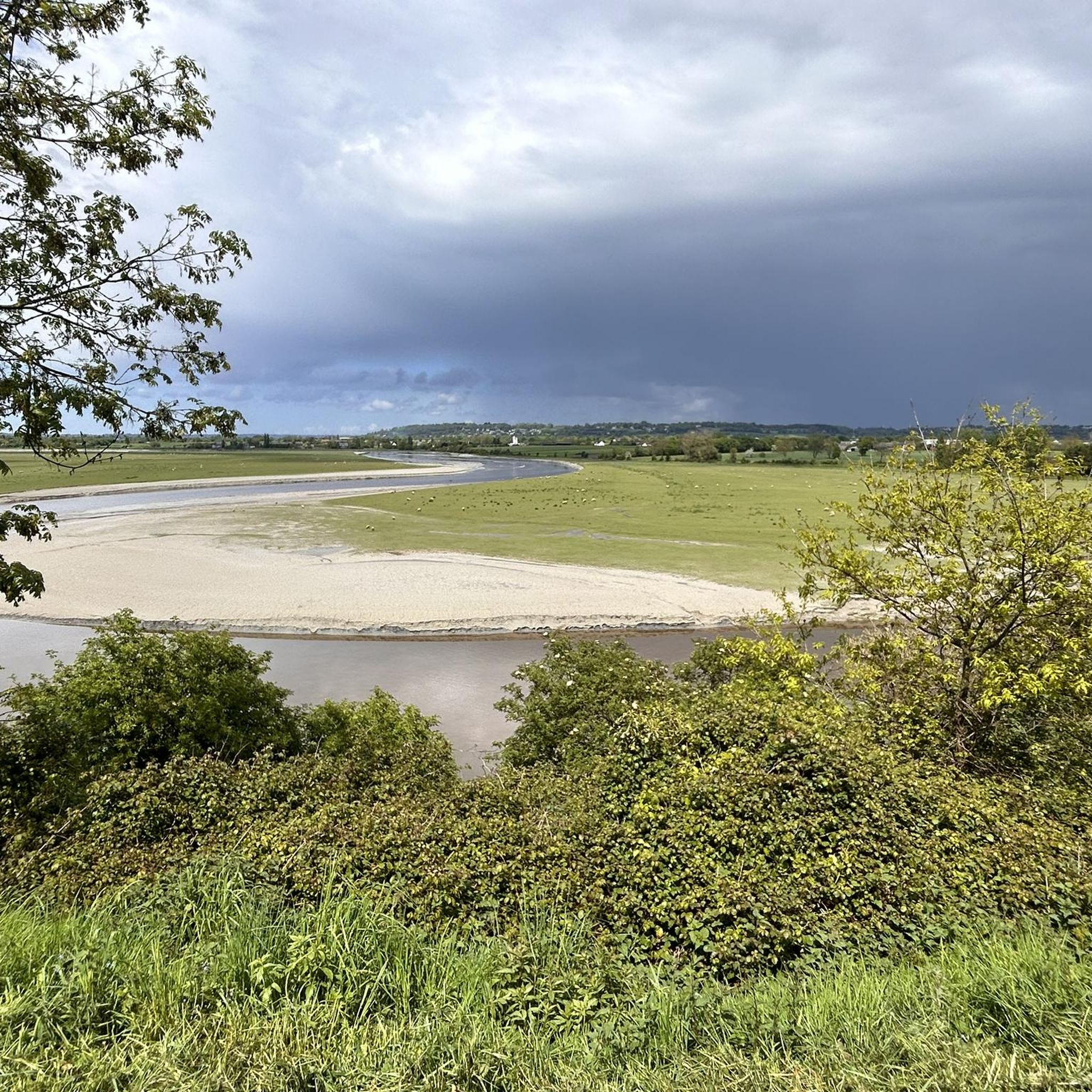
Sélune Estuary
Highlight (Segment) • River
Tip by

Saint-Benoît Polishing Stone
Highlight • Monument
Translated by Google •
Tip by

Start today with a free account
Your next adventure awaits.
Login or Signup

Tips from the Community

Parts of the route along the sea do not exist or are forbidden for bicycles
0
0

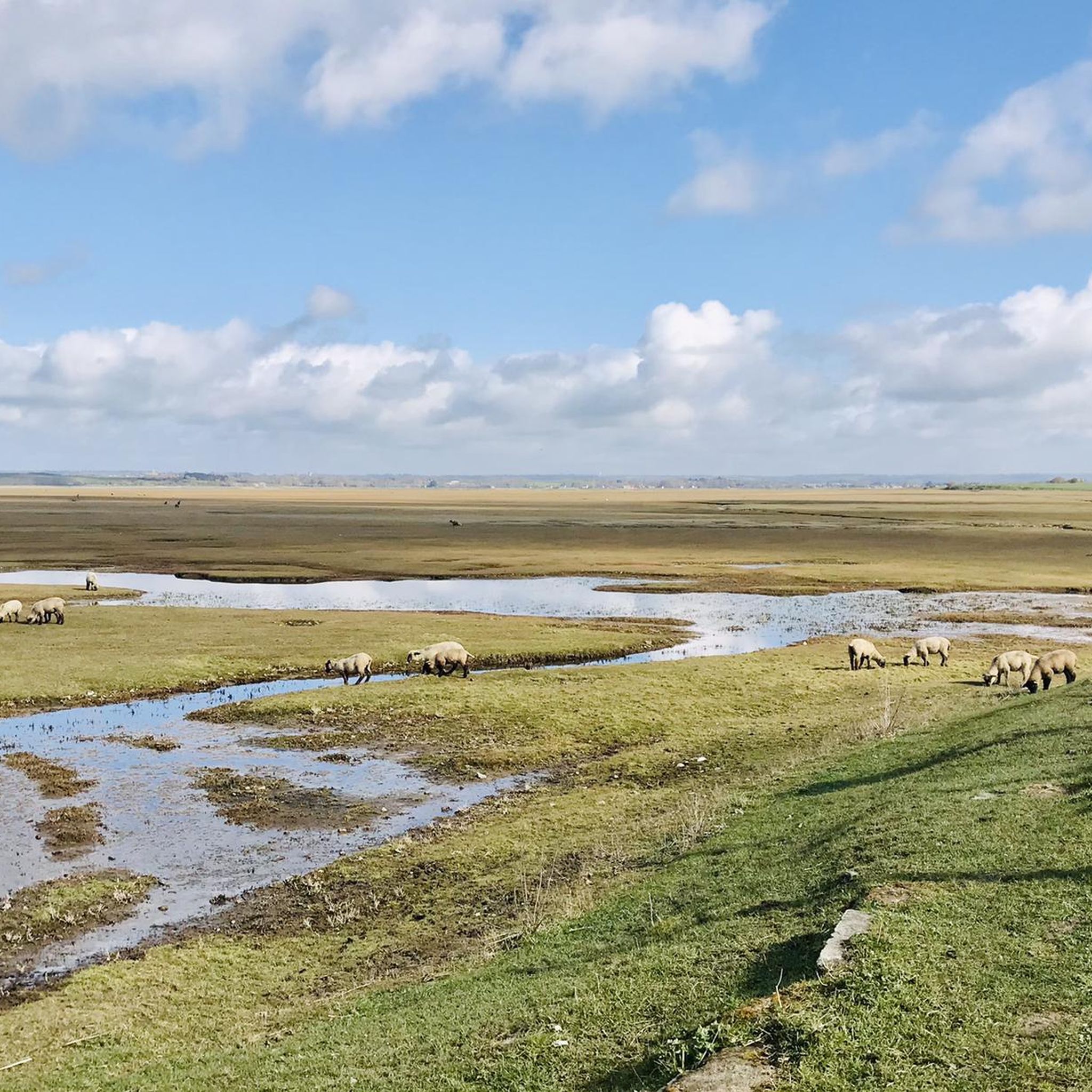
So peaceful. Soon you will be among the crowds visiting this iconic location but for now, it is just you and the moutons.
0
0

Magnificent landscape with its green pastures of salt meadows. Gradually approaching Mount Mich Mich
2
0

Nice opportunity for a break. Picnic area with a good view
2
0

Cycle route along the Sélune estuary with a view of Mont St Michel
0
0

The route is composed of a quiet road, with a gravel cycle track alongside, for those who don't want to worry about cars.
0
0

It seems that sheep are often grazing in these salt meadows facing Mt. It is therefore a good spot for a rather emblematic photo of the bay of Mont St Michel.
0
0
This polisher, dating from around 4,000 BC, is a quartz block of modest size, 1.25 m by 0.50 m, barely level with the grass. On its surface, there are a dozen parallel grooves and a basin. The bowl was used to polish flints and the grooves to sharpen the edges of axes. Excavations have uncovered polished axes, one of which is jade. The place is also called "Pierre de Saint-Benoît". Because according to one of the legends attached to this monument, it would be Saint Benedict petrified: the pink veins that run through the block would be the veins of the saint and the grooves his ribs. The water in the basin is said to have curative and febrifuge properties: feverish people came on pilgrimage, sprinkled themselves with this water and placed offerings in the grooves, hoping for the cure of their ailments. It is reached by a little busy and very pleasant little road.
0
0
Frequently Asked Questions
What natural features can I explore around La Croix-Avranchin?
The region around La Croix-Avranchin, now part of Saint-James, is rich in natural features, primarily centered around its hydrographic network. You can explore the significant Couesnon River, known for its estuary near Mont Saint-Michel and its ecological importance as part of the Natura 2000 network. Other notable features include the Loison River, various wetlands, and woodlands like the Forêt de Fougères, offering diverse natural habitats.
Are there any significant rivers or estuaries to visit near La Croix-Avranchin?
Yes, the area is defined by its rivers and estuaries. The Couesnon River is a major feature, forming an estuary at Mont Saint-Michel. You can also visit the Banks of the Sélune at Pontaubault, where the Sélune river gradually widens into a vast bay, and the Sélune Estuary itself, which offers scenic views, including those of Mont Saint-Michel.
What unique historical natural monuments can I find in the area?
A truly unique historical natural monument is the Saint-Benoît Polishing Stone. This quartz block, dating back to around 4,000 BC, features parallel grooves and a basin. It was historically used by prehistoric people for polishing flints and sharpening axes, making it a fascinating blend of natural rock formation and ancient human activity.
Where can I find scenic viewpoints of the natural landscape?
For scenic views, the Banks of the Sélune at Pontaubault offer a beautiful perspective of the river opening into a bay, with green salt meadows and a view of the old Pontaubault bridge. The Sélune Estuary also provides excellent viewpoints, especially along its cycle route, where you can often see Mont Saint-Michel in the distance.
Are there opportunities for hiking or walking near these natural monuments?
Absolutely. The riverbanks, wetlands, and woodlands in the region provide excellent opportunities for walking and hiking. For specific routes, you can explore the various options listed in the Running Trails around La Croix-Avranchin guide, which includes paths suitable for walking, such as the moderate 'Étang du Margotin loop from Saint-James' or easier loops from Crollon and La Croix-Avranchin.
What kind of cycling routes are available around the natural monuments?
The area offers several cycling opportunities, particularly along the waterways. The Sélune Estuary features a dedicated cycle route with views of Mont Saint-Michel. For more options, consult the Cycling around La Croix-Avranchin guide, which includes routes like 'The Couesnon at Beauvoir – Pont d'Orson loop' for an easy ride, or more moderate options like 'Moulin de la Saline – View of Cancale and Its Harbor loop'.
Are the natural monuments around La Croix-Avranchin suitable for families?
Yes, many natural sites are family-friendly. The Banks of the Sélune at Pontaubault and the Sélune Estuary are great for gentle walks or cycling with children. The Saint-Benoît Polishing Stone also offers an engaging historical element that can be interesting for all ages, with its ancient legends and archaeological significance.
Can I bring my dog to these natural sites?
Generally, natural outdoor areas like riverbanks and trails are suitable for dogs, provided they are kept on a leash and owners clean up after them. Specific rules may apply to nature reserves or private lands, so it's always best to check local signage. The open spaces along the Sélune and Couesnon rivers are typically welcoming for dog walks.
What is the best time of year to visit the natural monuments?
Spring and autumn are often ideal for visiting the natural monuments around La Croix-Avranchin. During these seasons, the weather is typically mild, making outdoor activities like hiking and cycling more comfortable. The landscapes are also particularly beautiful, with lush greenery in spring and vibrant colors in autumn. Summer can also be pleasant, but may be busier.
What kind of wildlife can I expect to see?
The wetlands and river ecosystems, particularly along the Couesnon River, are vital habitats for various bird species, as recognized by its Natura 2000 designation. You might spot wading birds, waterfowl, and other avian life. The regional nature preserves also protect fish like pike and several protected plant species, offering opportunities for nature observation.
Are there any 'hidden gems' or lesser-known natural spots worth exploring?
Beyond the main highlights, the broader network of smaller rivers like the Loison, which originates in Saint-James, and local ponds such as the Étang du Chalopin, offer quieter, more intimate natural experiences. Exploring the less-traveled paths along these waterways can reveal peaceful spots and local wildlife away from more popular areas.
What do visitors enjoy most about the natural monuments in this region?
Visitors particularly appreciate the serene beauty of the river landscapes, especially the salt meadows along the Sélune. The opportunity for peaceful walks and cycles with scenic views, including distant glimpses of Mont Saint-Michel, is highly valued. The historical intrigue of sites like the Saint-Benoît Polishing Stone also adds a unique dimension to the natural exploration.
Most popular routes around La Croix-Avranchin
Most popular attractions around La Croix-Avranchin

Get inspired with the komoot mobile app


Explore more
Extend your search for the best caves by checking out these guides of the top ones around La Croix-Avranchin:
