Top 20 Natural Monuments around Île-Aux-Moines
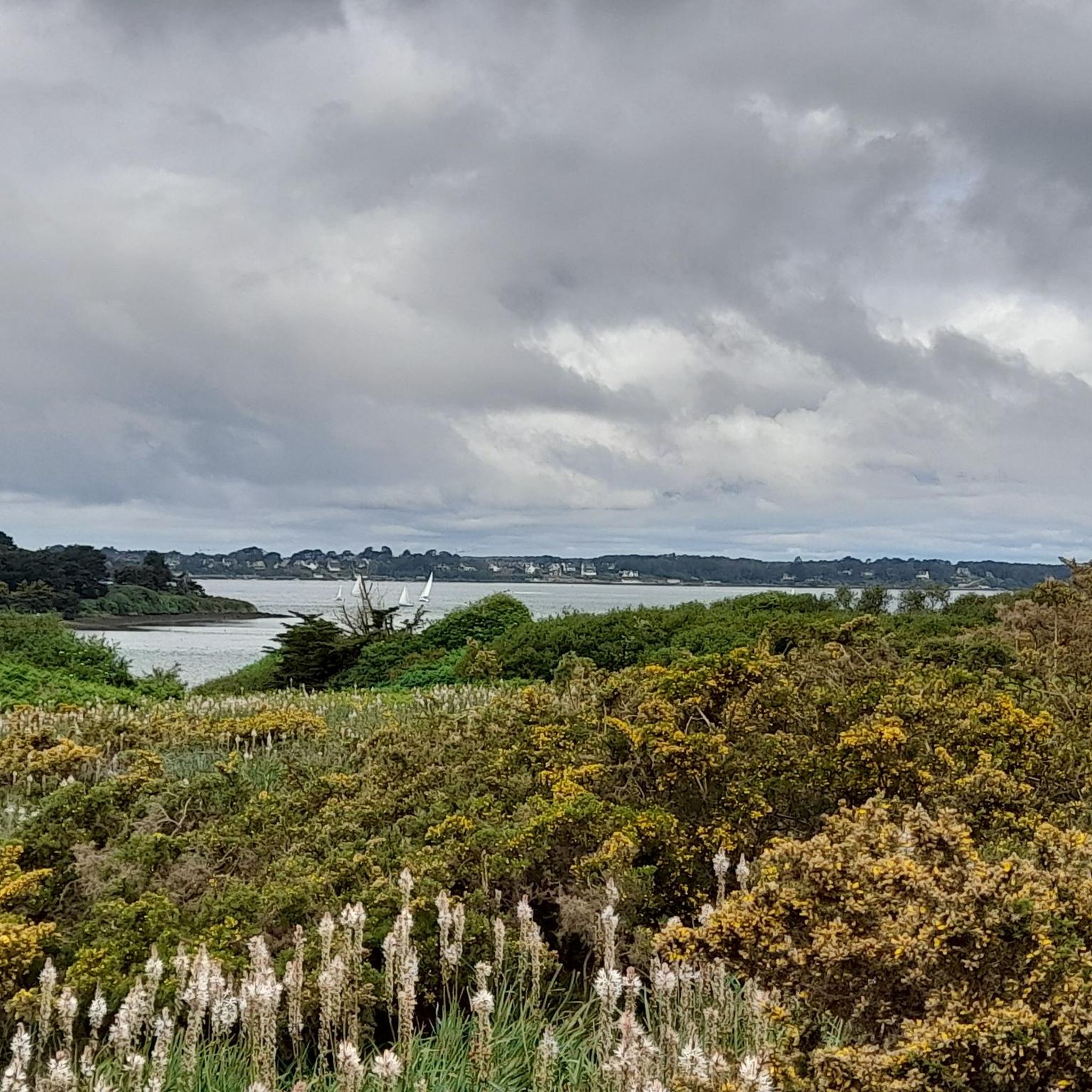
Best natural monuments around Île-Aux-Moines include diverse landscapes and historical sites within the Gulf of Morbihan. The island features a mosaic of pine and oak woods, heathland, and meadows overlooking the sea. Its coastline is characterized by numerous beaches and coves, alongside ancient megalithic structures integrated into the natural environment. These features contribute to the island's appeal for those exploring its natural and historical significance.
Best natural monuments around Île-Aux-Moines
- The most popular natural monuments is Dolmen des Pierres Plates…
Last updated: August 14, 2026
Dolmen des Pierres Plates
Highlight • Historical Site
Translated by Google •
Tip by

Observation Tower 2 of Marais du Duer
Highlight • Viewpoint
Translated by Google •
Tip by

Sign up now to discover places like this
Get recommendations on the best single tracks, peaks, & plenty of other exciting outdoor places.
Sign up for free
Bilgroix Point
Highlight • Viewpoint
Translated by Google •
Tip by

Butte de César
Highlight • Historical Site
Translated by Google •
Tip by

Vincin Riverbanks
Highlight (Segment) • River
Translated by Google •
Tip by

Sign up for free to discover even more natural monuments around Île-Aux-Moines.
Sign up for free
Already have an account?
Start today with a free account
Your next adventure awaits.
Login or Signup
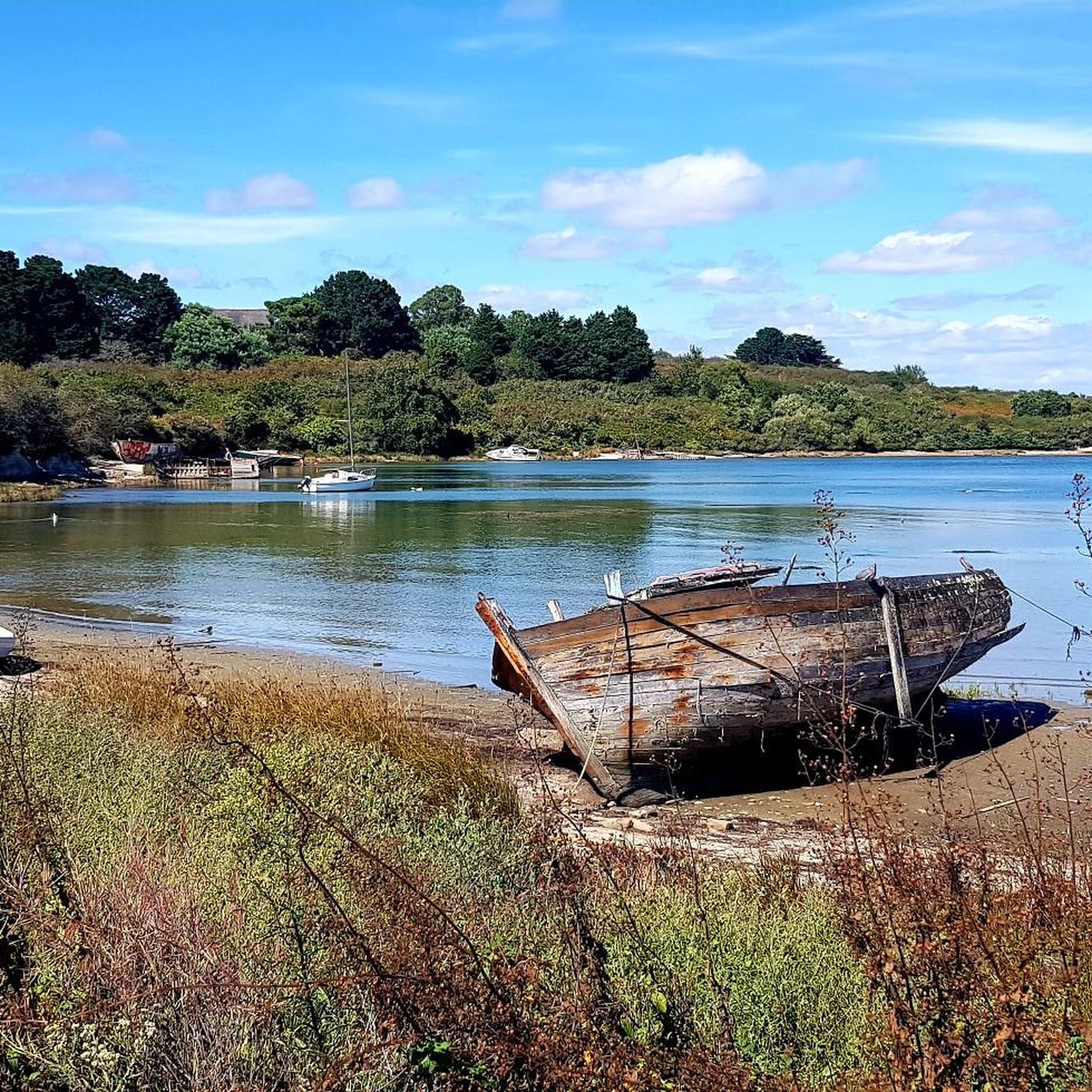
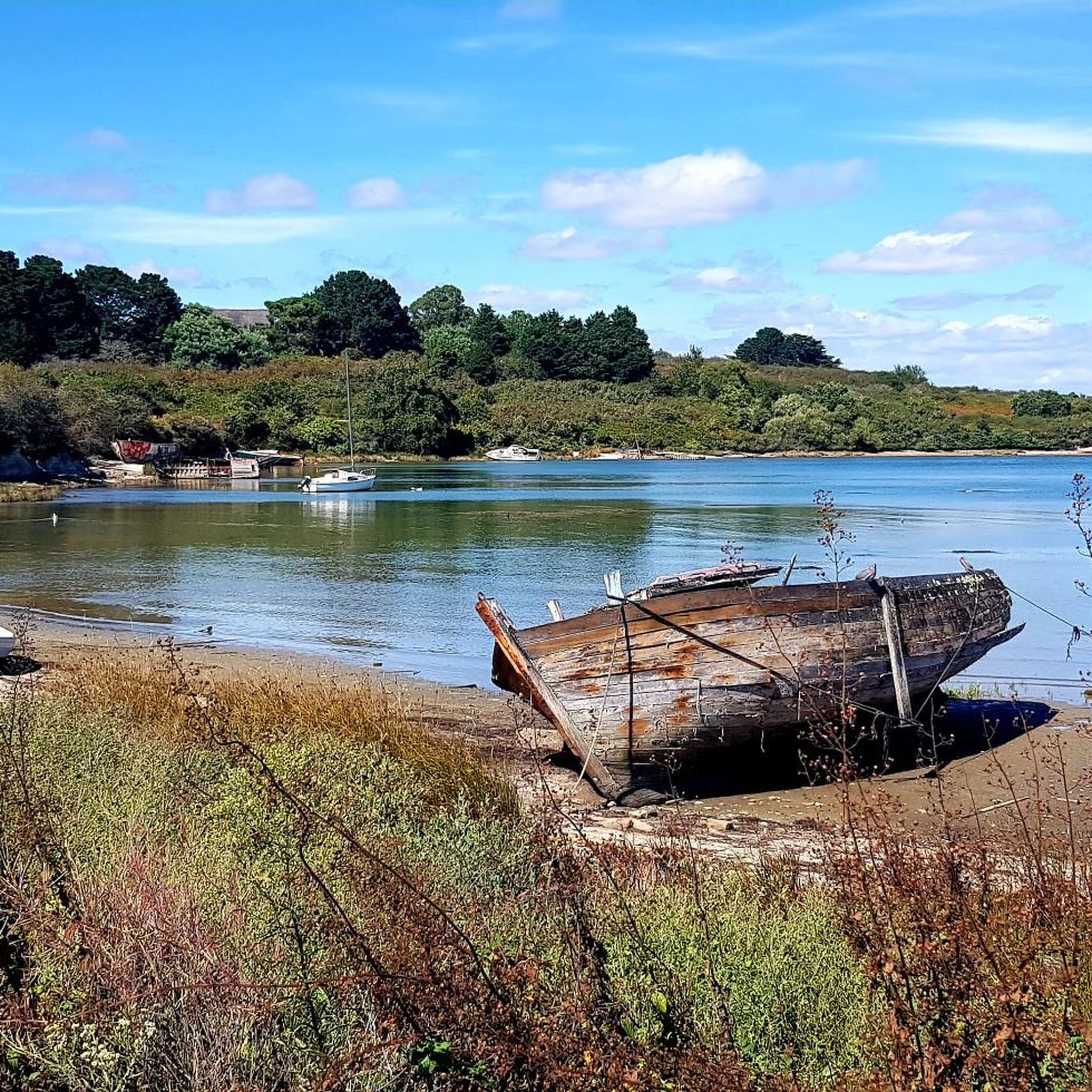
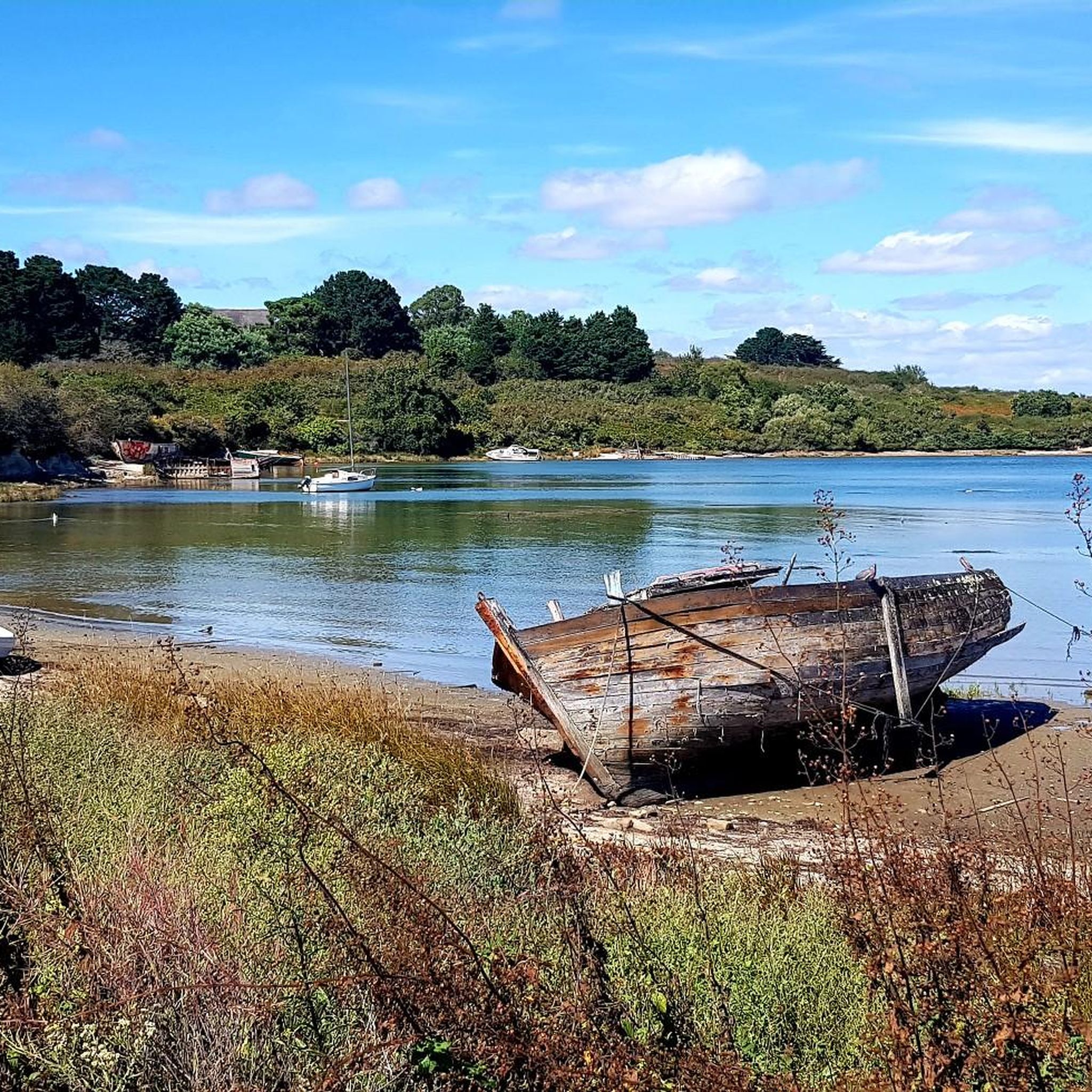
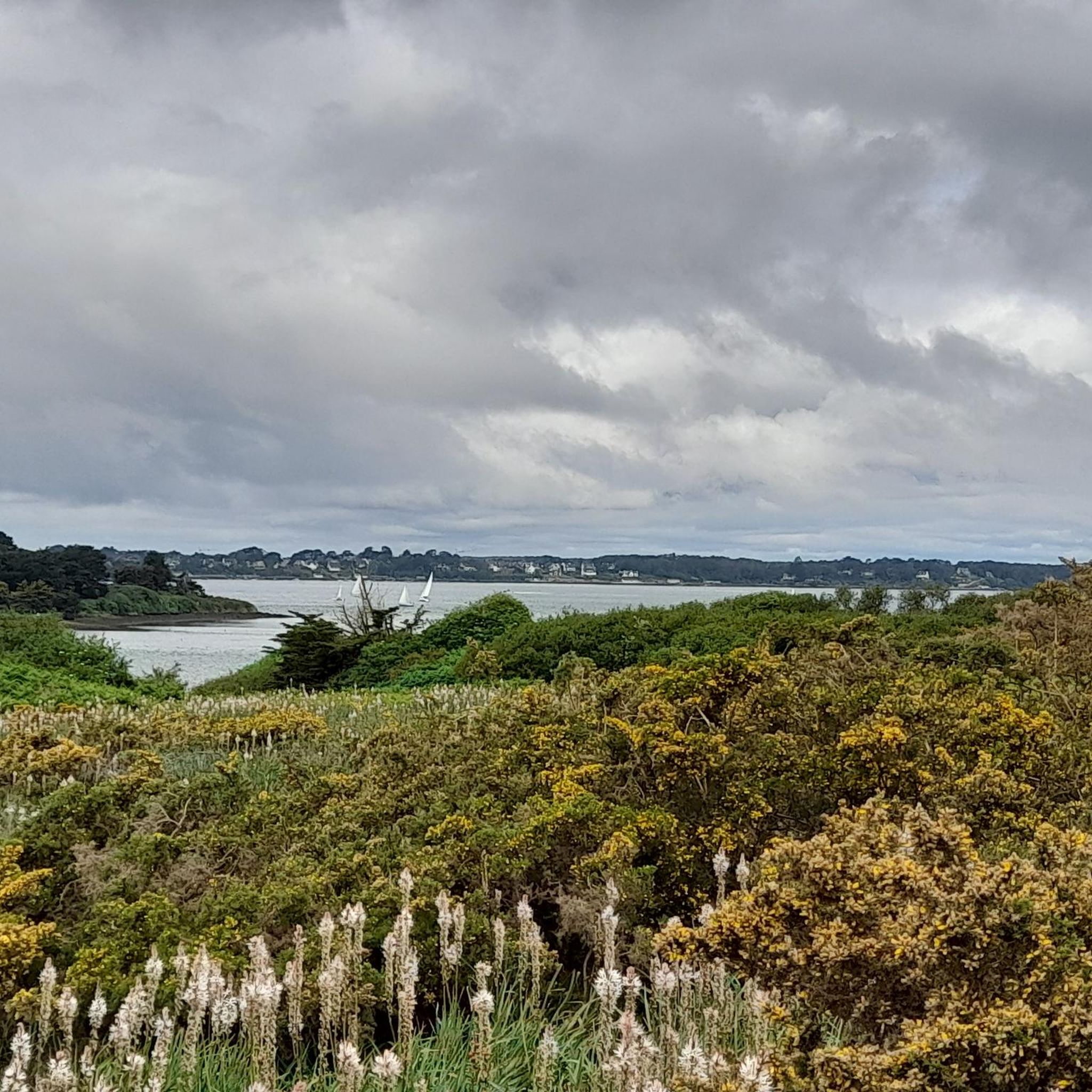

Tips from the Community

Tap a clip to paste it into the text box. Welcome to the Gboard clipboard, where the copied text will be saved.
0
0

Nice observation tower but not very suitable for telescopes. Binoculars are preferable. The windows are in the way but avoid disturbing the wildlife and protect from the rain. The Duer is also a walk along the gulf on the waters of which many migratory birds, among others, meet. Too bad we can't put some very recent photos here.
0
0

A site full of history, with a magnificent view of the bay of Quiberon. Be sure to respect the regulations of the place!
0
0

Cycle the Rives du Vincin trail, which winds through a protected natural site teeming with biodiversity. This leisurely route follows the Vincin River and takes you through lush woodlands and wetlands that are home to a variety of native bird and plant species. The area is a designated nature reserve, ensuring that its rich ecosystem is preserved. The trail is largely flat, making it ideal for a relaxed stroll, with panoramic views inviting you to pause and appreciate the serenity of the place.
1
0

The observatory is a beautiful wooden tower where you can observe many species of birds. The windows inside are unfortunately dirty with time.
1
0

Interesting dolmen right by the sea.
1
0


The Tumiac tumulus is located in Arzon, on the Rhuys peninsula, south of the Gulf of Morbihan, in Brittany. It is also known as Caesar's Mound because, according to local legend, it served as an observatory for Julius Caesar during his war against the Veneti in 56 BC. This building belongs to the large "Carnacean" tumulus, burials of Neolithic elites, such as the Saint-Michel tumulus, in Carnac, and the Ruyk tumulus, in Locmariaquer. https://fr.m.wikipedia.org/wiki/Tumulus_de_Tumiac
0
0
Frequently Asked Questions
What are the most popular natural monuments to visit around Île-aux-Moines?
Visitors particularly enjoy the Dolmen des Pierres Plates, a historical site with a menhir and carved stones located right by the sea. Another favorite is Bilgroix Point, which offers stunning panoramic views of the Gulf of Morbihan and its islands, where you can observe the strong tidal currents.
Are there family-friendly natural monuments on or near Île-aux-Moines?
Yes, several natural monuments are suitable for families. The Dolmen des Pierres Plates is an engaging historical site for all ages. The Bilgroix Point offers beautiful views that children can enjoy. Additionally, the Vincin River Nature Reserve provides a flat trail through woodlands and wetlands, perfect for a relaxed family stroll to observe native bird and plant species.
What kind of natural features can I expect to see around Île-aux-Moines?
Île-aux-Moines offers a diverse range of natural features. You'll find a mosaic of pine and oak woods, bracken-covered heathland, moors, and meadows. The island's coastline is fringed with numerous beaches and secluded coves with crystal-clear waters. Notable features include the Bois d'Amour, and the Pointe du Nioul at the southern tip, which provides breathtaking views of the Rhuys peninsula.
Are there opportunities for wildlife spotting near the natural monuments?
Yes, the region is rich in wildlife. The Vincin River Nature Reserve is a protected site teeming with biodiversity, home to various native bird and plant species. The Observation Tower 2 of Marais du Duer is part of an ornithological reserve, an old salt pan where you can observe tens of thousands of birds, including geese, teal, stilts, and terns, depending on the season.
What historical or megalithic sites are considered natural monuments in the area?
Beyond its natural landscapes, Île-aux-Moines is home to significant megalithic structures that are integrated into the natural environment. The Kergonan Cromlech is an impressive horseshoe formation of 26 menhirs, some up to 3.5 meters tall. The Pen Hap Dolmen, located on a promontory, is a burial chamber dating back 5,500 to 6,000 years, offering views overlooking the sea. The Dolmen des Pierres Plates is another notable historical site near the sea.
What outdoor activities can I do near the natural monuments of Île-aux-Moines?
The area around Île-aux-Moines is excellent for various outdoor activities. You can explore numerous running trails, such as the Guip Cove – Pointe du Nioul loop. For cycling enthusiasts, there are road cycling routes like the Kermaillard Menhir – Pen Castel Mill loop, and MTB trails, including the Port-Blanc loop. The island's coastal path also offers continuous panoramic views for hikers.
Are there specific hiking trails that showcase the natural monuments?
Yes, the island's extensive coastal path, approximately 18 km long, provides continuous panoramic views and passes by many natural features. For specific trails, consider the running routes that often double as hiking paths, such as the Cromlech de Kergonan loop, which allows you to explore the ancient megalithic site.
When is the best time to visit Île-aux-Moines to experience its natural beauty?
Île-aux-Moines enjoys a mild climate, making it pleasant for much of the year. The asphodels, a nationally protected plant species, bloom from April to May, adding vibrant color to the landscape. Spring and early summer offer lush flora and comfortable temperatures for exploring the coastal paths and woods. The island's tranquil atmosphere is present year-round, but these seasons highlight its botanical charm.
Can I find viewpoints that offer panoramic vistas of the Gulf of Morbihan?
Absolutely. Bilgroix Point is a prime location for observing the strong tidal flow and enjoying expansive views of the Gulf of Morbihan islands. The Pointe du Nioul, at the southern tip of Île-aux-Moines, also provides breathtaking views, particularly towards the Rhuys peninsula.
What do visitors appreciate most about the natural monuments around Île-aux-Moines?
Visitors consistently praise the serene beauty and diverse landscapes of Île-aux-Moines. They enjoy the tranquility of areas like the Vincin River Nature Reserve, the impressive historical significance of sites like the Dolmen des Pierres Plates, and the stunning panoramic views from points like Bilgroix Point. The blend of natural charm and ancient history makes for a unique experience.
Are there any natural monuments that are currently inaccessible or have specific restrictions?
Yes, it's important to note that the Butte de César (Tumiac tumulus), while a significant historical natural monument, is currently closed indefinitely due to the risk of collapse. Always check local information for the most up-to-date access details for any specific site.
Are there any hidden natural gems or less-known spots worth discovering?
While the entire island is often considered a 'pearl of the Gulf,' exploring the various secluded coves along the coastal path can reveal quieter, less-frequented spots for swimming or enjoying the views. The Bois d'Amour is also a particularly enchanting wooded area that offers a peaceful escape.
Most popular routes around Île-Aux-Moines
Most popular attractions around Île-Aux-Moines

Get inspired with the komoot mobile app


Explore more
Extend your search for the best caves by checking out these guides of the top ones around Île-Aux-Moines:
