Top 19 Natural Monuments around Saint-Armel
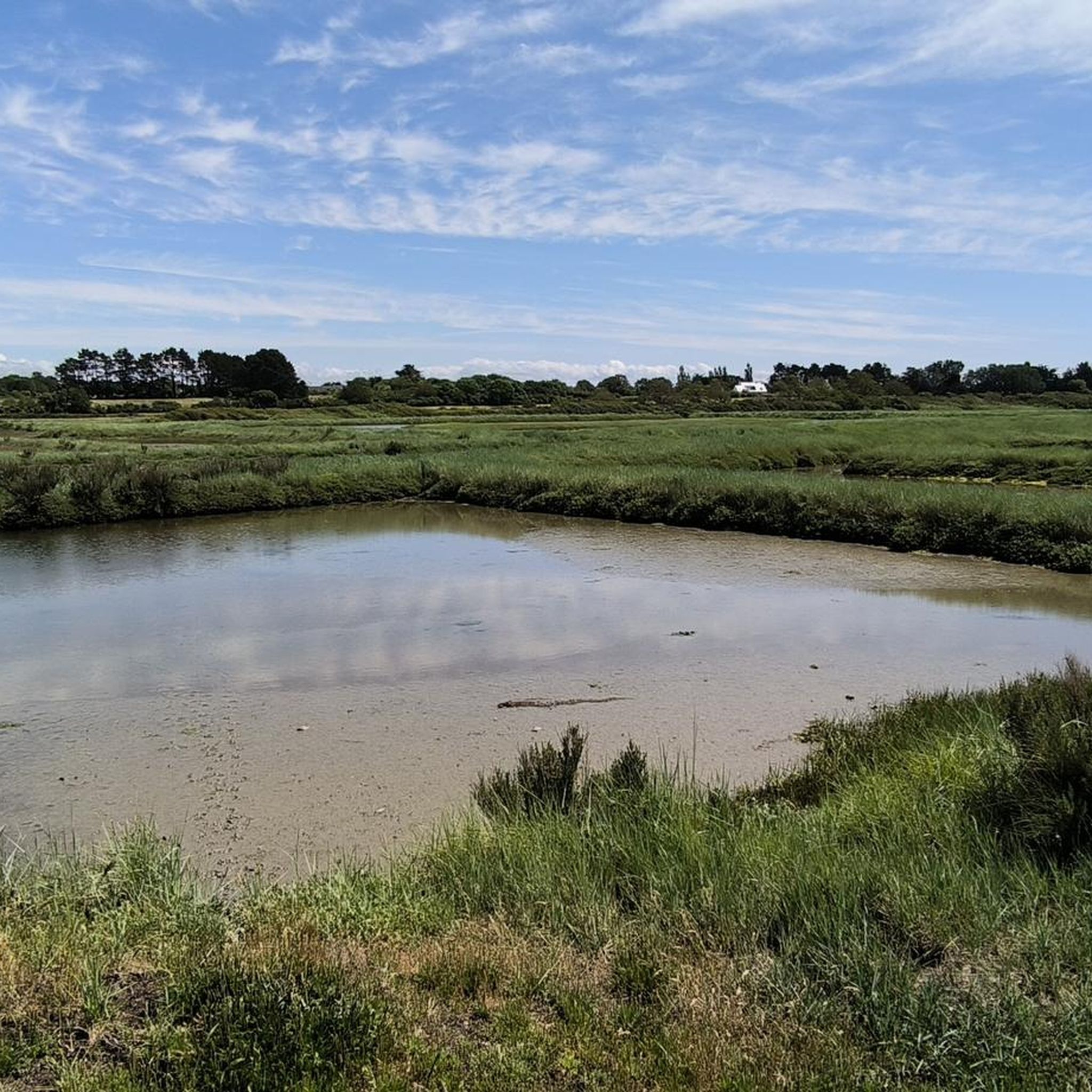
Natural monuments around Saint-Armel are primarily shaped by its location within France's Morbihan department in Brittany, nestled in the Regional Natural Park of the Gulf of Morbihan. This area features diverse natural beauty, including extensive marshlands, unique coastal landscapes, and varied ecosystems. The region is known for its rich biodiversity and traditional aquaculture practices, particularly oyster farming. These sites offer opportunities to observe local wildlife and explore the natural heritage of Brittany.
Best natural monuments around Saint-Armel
- The most popular…
Last updated: October 7, 2026
Observation Tower 2 of Marais du Duer
Highlight • Viewpoint
Translated by Google •
Tip by

Butte de César
Highlight • Historical Site
Translated by Google •
Tip by

Sign up now to discover places like this
Get recommendations on the best single tracks, peaks, & plenty of other exciting outdoor places.
Vincin Riverbanks
Highlight (Segment) • River
Translated by Google •
Tip by

Pointe de Brouel
Highlight • Viewpoint
This similarity in name with the nearby Pointe de Brouel on Île aux Moines originated four thousand …
Translated by Google •
Tip by
Kergonan Stone Circle
Highlight • Historical Site
Translated by Google •
Tip by

Sign up for free to discover even more natural monuments around Saint-Armel.
Already have an account?
Start today with a free account
Your next adventure awaits.

Tips from the Community

The Cromlech de Kergonan is located a little way back from the path. There is a small car park in front of it. This large stone circle is not fully accessible, with parts lying on private land.
0
0

Tap a clip to paste it into the text box. Welcome to the Gboard clipboard, where the copied text will be saved.
0
0

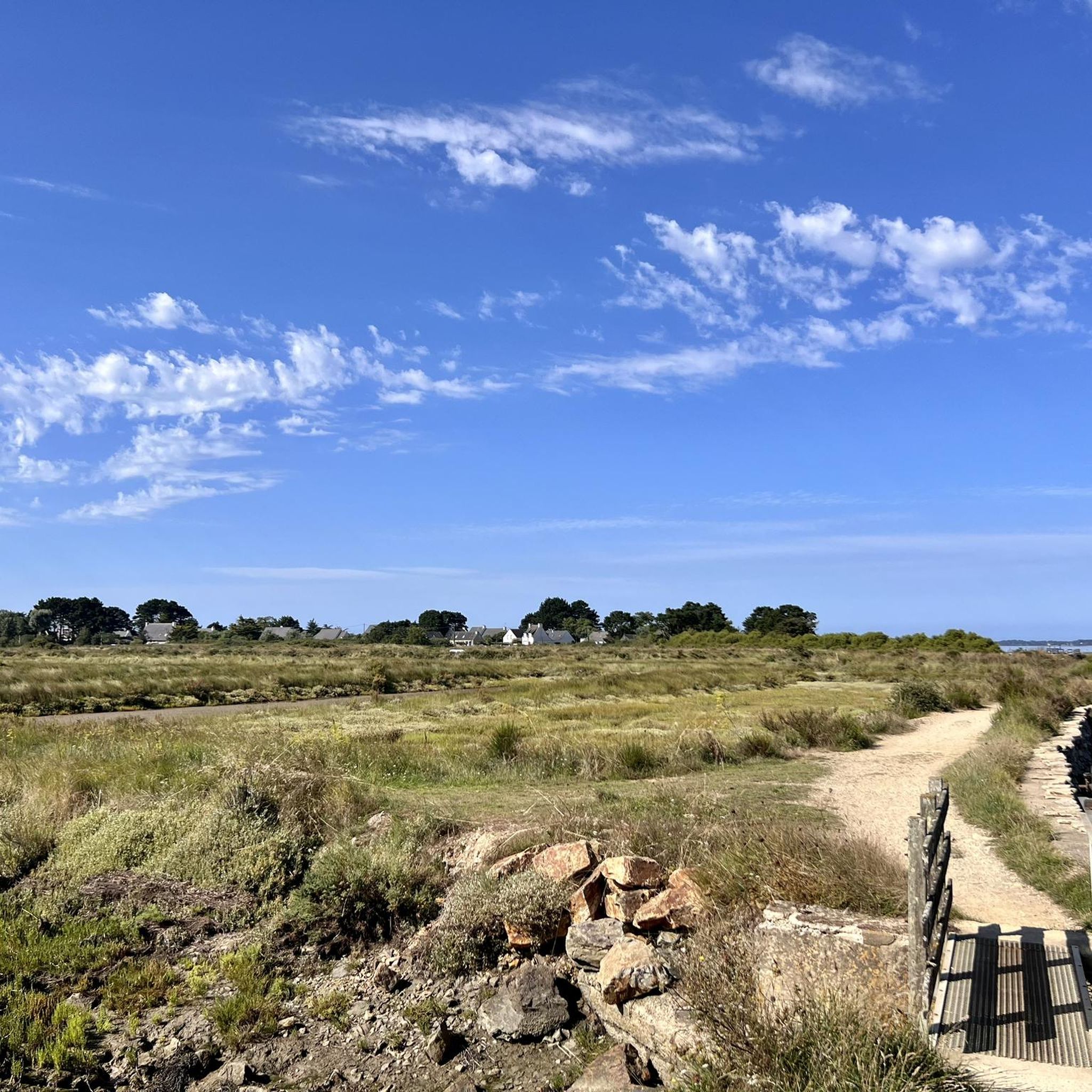
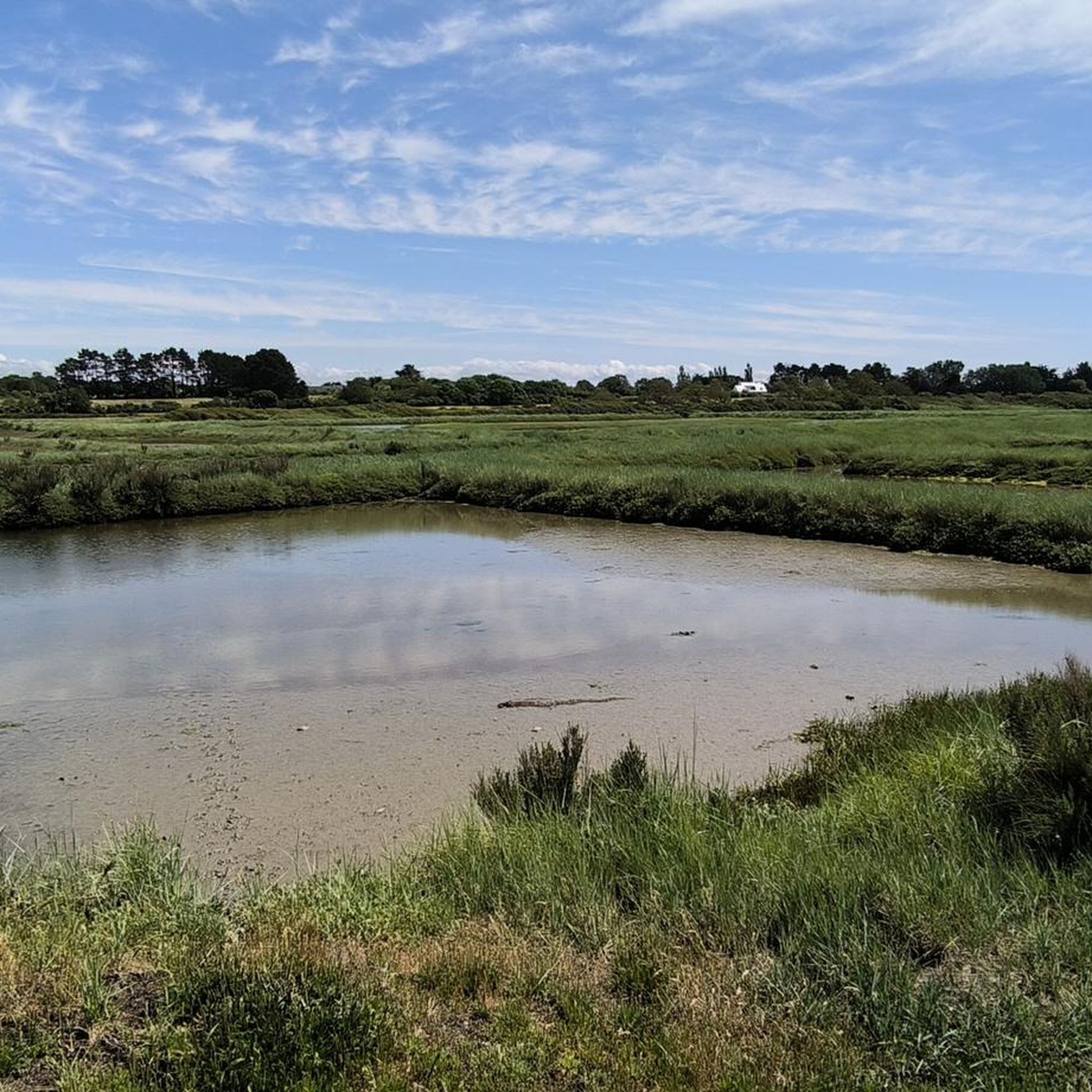
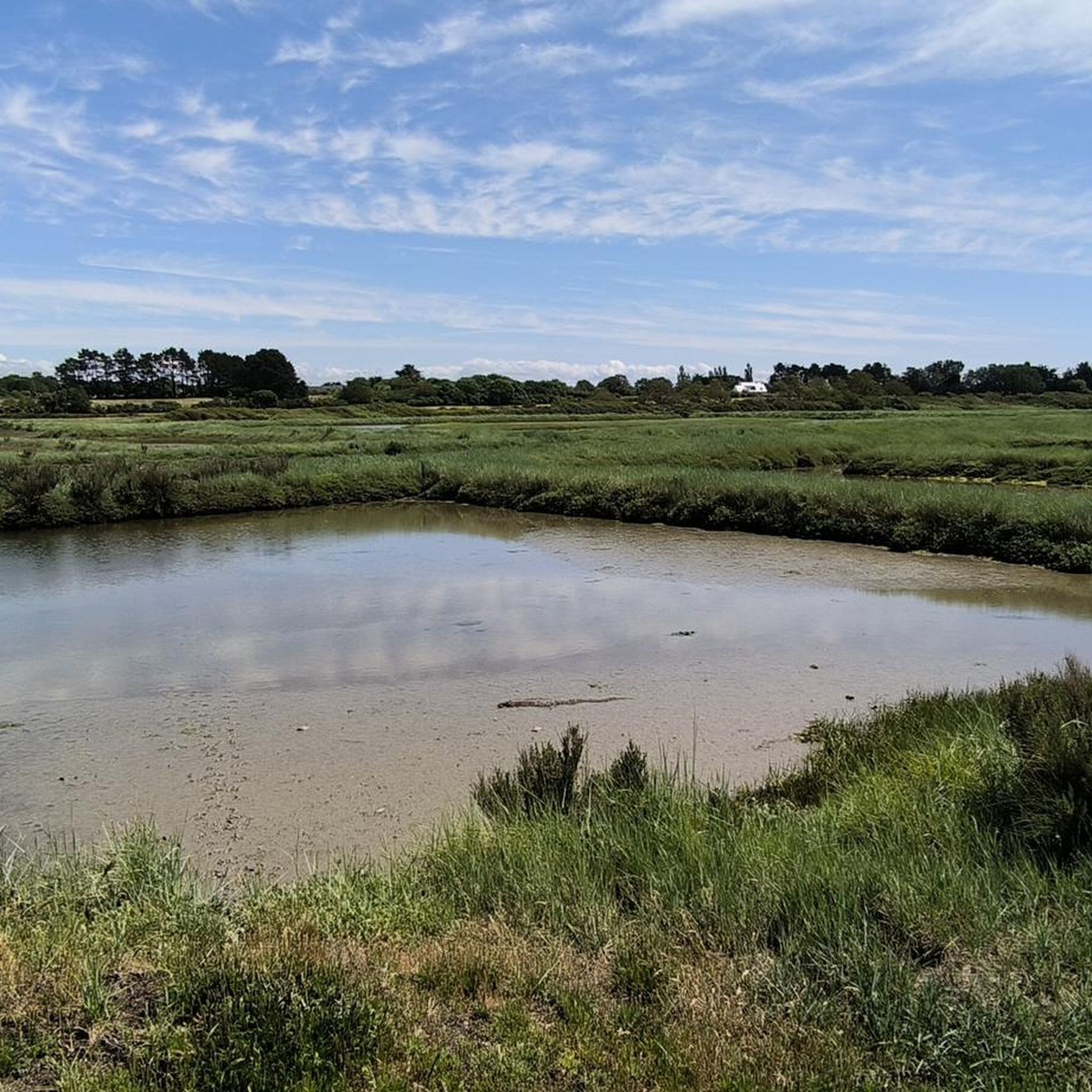
Nice observation tower but not very suitable for telescopes. Binoculars are preferable. The windows are in the way but avoid disturbing the wildlife and protect from the rain. The Duer is also a walk along the gulf on the waters of which many migratory birds, among others, meet. Too bad we can't put some very recent photos here.
0
0

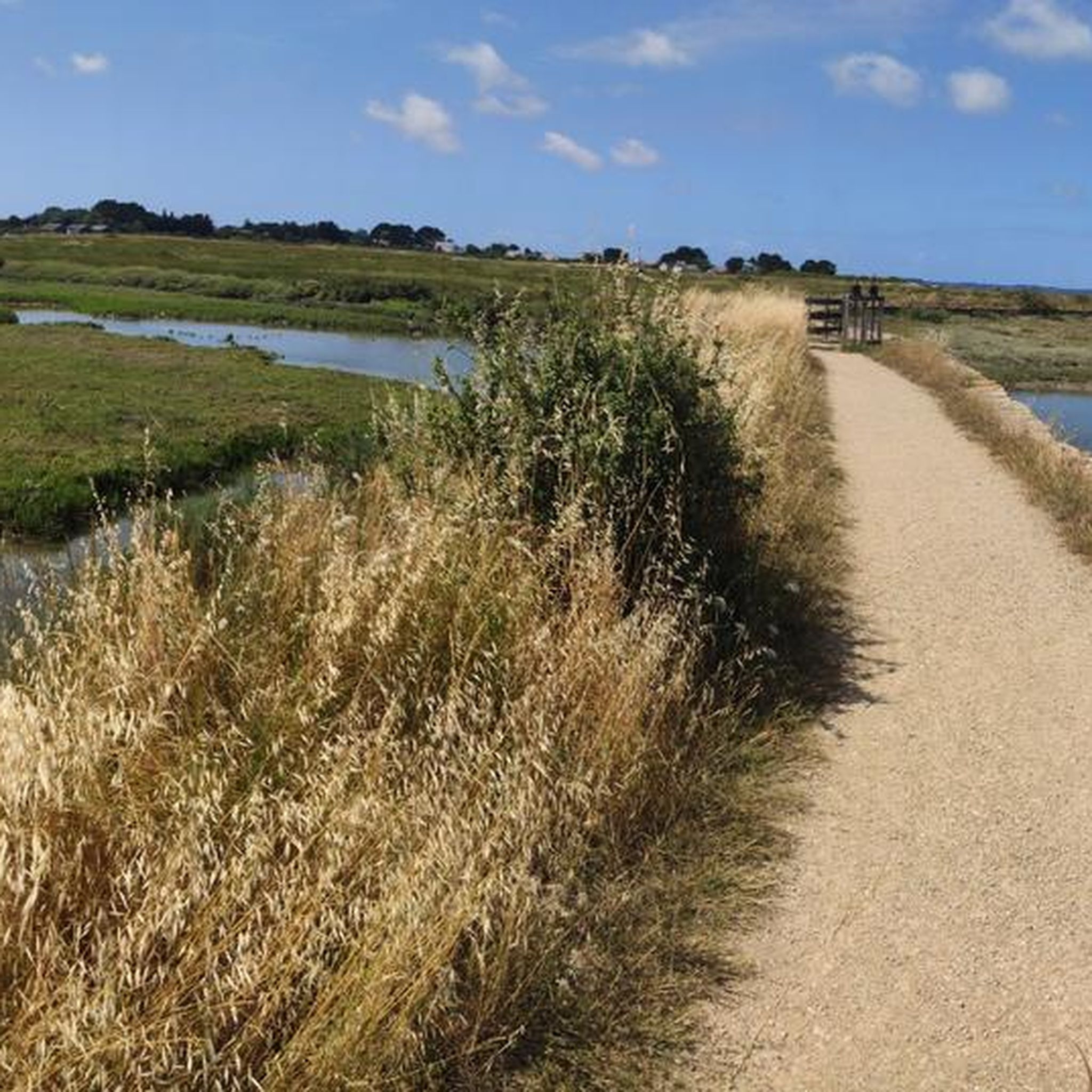
Cycle the Rives du Vincin trail, which winds through a protected natural site teeming with biodiversity. This leisurely route follows the Vincin River and takes you through lush woodlands and wetlands that are home to a variety of native bird and plant species. The area is a designated nature reserve, ensuring that its rich ecosystem is preserved. The trail is largely flat, making it ideal for a relaxed stroll, with panoramic views inviting you to pause and appreciate the serenity of the place.
1
0

The observatory is a beautiful wooden tower where you can observe many species of birds. The windows inside are unfortunately dirty with time.
1
0

The Tumiac tumulus is located in Arzon, on the Rhuys peninsula, south of the Gulf of Morbihan, in Brittany. It is also known as Caesar's Mound because, according to local legend, it served as an observatory for Julius Caesar during his war against the Veneti in 56 BC. This building belongs to the large "Carnacean" tumulus, burials of Neolithic elites, such as the Saint-Michel tumulus, in Carnac, and the Ruyk tumulus, in Locmariaquer. https://fr.m.wikipedia.org/wiki/Tumulus_de_Tumiac
0
0

The Duer ornithological reserve is an old salt pan now inhabited by tens of thousands of birds. From the two hides installed occasionally, it is possible to observe specimens throughout the year. In winter, geese and teal replace the stilts and terns that camp there in the summer. Observatory number 1 is located a little further east of the salt pan.
1
0

Pointe de Brouel is the westernmost part of the Island of Arz (Morbihan). This similarity in name with the nearby Pointe de Brouel on Île aux Moines originated four thousand years before our era, when the two islands were still connected by an isthmus. According to a legend, a young man from the Île d'Arz was madly in love with a young girl from the Île aux Moines, but her parents were opposed to his marriage and decided to entrust him to the monks. His beauty, however, joined him every day. The parents asked the superior of the monastery to chastise the couple. One evening, while Beauty was joining her lover on the isthmus, the sea separated the two islands and drowned the young girl.
1
0
Frequently Asked Questions
What are some of the most popular natural monuments around Saint-Armel?
Visitors frequently enjoy the Vincin River Nature Reserve, a protected area rich in biodiversity with woodlands and wetlands. Another popular spot is the Observation Tower 2 of Marais du Duer, an ornithological reserve perfect for birdwatching. The Truscat Saltworks, the oldest restored saltworks in the Gulf of Morbihan, also draws interest for its historical significance.
Are there family-friendly natural monuments in the Saint-Armel area?
Yes, the Vincin River Nature Reserve offers a largely flat trail through lush woodlands and wetlands, making it ideal for a relaxed stroll with children. The Observation Tower 2 of Marais du Duer is also family-friendly, providing an engaging opportunity for birdwatching.
What kind of wildlife can I observe at the natural monuments near Saint-Armel?
The region is a haven for wildlife. At the Observation Tower 2 of Marais du Duer, an ornithological reserve, you can observe thousands of birds, including geese and teal in winter, and stilts and terns in summer. The Marshes of Lasné and Ludré are also crucial refuges for migratory birds. The area around Les Fours à chaux is a Natural Zone of Ecological Floristic and Fauna Interest (ZNIEFF), home to about 50 species of birds, bats, foxes, and rabbits.
Are there historical natural monuments or sites of cultural interest?
Yes, the Truscat Saltworks is the oldest saltworks in the Gulf of Morbihan, restored to cultivation and offering a glimpse into traditional practices. While currently closed indefinitely due to collapse risk, the Butte de César is a historical tumulus classified as a historical monument. The area around Les Fours à chaux (Lime Kilns) also blends natural beauty with industrial heritage.
What outdoor activities can I do near the natural monuments around Saint-Armel?
The Regional Natural Park of the Gulf of Morbihan, where Saint-Armel is located, offers numerous opportunities for outdoor activities. You can explore various hiking trails, including those through the Marshes of Lasné and Ludré or along the Sentier du moulin. There are also dedicated MTB trails and running routes available in the area.
Are there any unique geological or botanical features to see?
The area around Les Fours à chaux (Lime Kilns) is designated as a Natural Zone of Ecological Floristic and Fauna Interest (ZNIEFF) due to its unique limestone subsoil. This supports a rich flora, including approximately 500 plant species and rare orchids such as bee orchis, pyramidal orchis, and goat orchids.
Can I access any islands or coastal features?
Yes, Pointe de Brouel is the westernmost part of the Island of Arz, offering coastal views. Additionally, Île Tascon is a unique island accessible by road at low tide, providing an adventurous way to experience the local coastal environment and glimpse a traditional way of life.
What are the best places for birdwatching in Saint-Armel?
The Observation Tower 2 of Marais du Duer is an excellent spot for birdwatching, as it's an ornithological reserve with thousands of birds throughout the year. The Marshes of Lasné and Ludré are also significant refuges for migratory birds, making them prime destinations for birdwatchers.
Are there any easy walking paths or trails suitable for a leisurely stroll?
The Vincin River Nature Reserve features a largely flat trail, perfect for a relaxed stroll through woodlands and wetlands. The Sentier du moulin also offers a pleasant, nature-abundant path for walkers and cyclists, though it can be humid.
What is the best time to visit the natural monuments around Saint-Armel?
The natural monuments around Saint-Armel, particularly the ornithological reserves like the Observation Tower 2 of Marais du Duer, offer observation opportunities throughout the year. Winter brings geese and teal, while summer sees stilts and terns. Spring and autumn are generally pleasant for hiking and enjoying the flora and fauna.
What do visitors enjoy most about the natural monuments in Saint-Armel?
Visitors appreciate the rich biodiversity and the opportunities for birdwatching, especially at sites like the Observation Tower 2 of Marais du Duer. The serene natural settings, such as the Vincin River Nature Reserve, and the blend of natural beauty with historical significance, like the Truscat Saltworks, are also highly valued.
Are there any natural monuments that are particularly good for photography?
The diverse landscapes of the Regional Natural Park of the Gulf of Morbihan, including the salt marshes and coastal areas, provide picturesque settings. The Observation Tower 2 of Marais du Duer offers excellent opportunities for wildlife photography, particularly birds. The unique accessibility of Île Tascon at low tide also presents interesting photographic subjects.
Most popular routes around Saint-Armel
Most popular attractions around Saint-Armel

Get inspired with the komoot mobile app


Explore more
Extend your search for the best caves by checking out these guides of the top ones around Saint-Armel:
