Top 4 Natural Monuments around Chevrainvilliers
Natural monuments around Chevrainvilliers are primarily found within the nearby Parc naturel régional du Gâtinais français, a region known for its diverse natural landscapes. Chevrainvilliers, located in the Seine-et-Marne department of Île-de-France, serves as a gateway to the expansive Fontainebleau Forest. This forest is recognized for its unique geological formations, including sandstone boulders and rocky outcrops, alongside varied ecosystems of oak and pine woodlands, sandy clearings, and ponds. It offers a range of natural features for exploration.
Best natural monuments…
Last updated: July 4, 2026
The Elephant
Highlight • Natural Monument
Translated by Google •
Tip by

Dame Jouanne Viewpoint
Highlight • Viewpoint
Translated by Google •
Tip by
Sign up now to discover places like this
Get recommendations on the best single tracks, peaks, & plenty of other exciting outdoor places.
Sign up for free
Mer de Sable of the Forest of Fontainebleau
Highlight • Natural Monument
Translated by Google •
Tip by

Mont Simonet
Highlight • Forest
Translated by Google •
Tip by

Magnificent panorama
Highlight • Viewpoint
Translated by Google •
Tip by

Sign up for free to discover even more natural monuments around Chevrainvilliers.
Sign up for free
Already have an account?
Start today with a free account
Your next adventure awaits.
Login or Signup



Tips from the Community

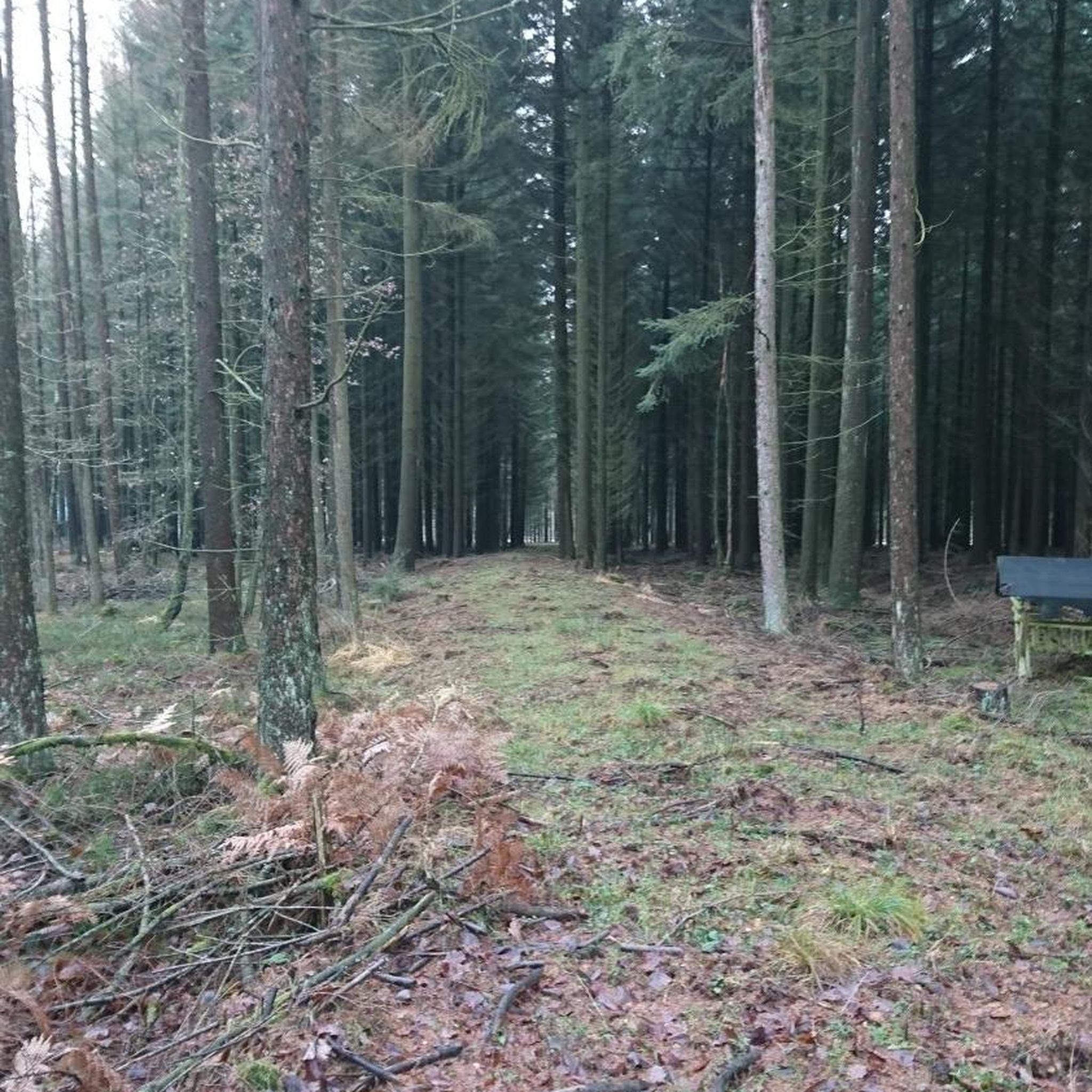
This small sector, located to the north of the classic L’Éléphant massif, is made up of generally poorly exposed blocks, the majority of which are located on the slopes of the Mont Simonet gable.
0
0

Beautiful view of the forest and the village of Larchant.
0
0
Not hard to see the elephant shape of the rock. Some nice paths and trails around.
0
0

…without forgetting the famous “dog’s ass” 🙂
1
0

Typical landscape of the forest of Fontainebleau, rocks as far as the eye can see on a sandy bottom. In a climbing paradise....but also very pleasant for hiking!
1
0

View of Larchant and its clearing.
1
0

Manoury as well as its neighbor Dame Jouanne is not only interesting for trail running but even more famous for climbing.
2
0
Frequently Asked Questions
What unique natural features can I expect to see around Chevrainvilliers?
The area around Chevrainvilliers, particularly within the Parc naturel régional du Gâtinais français and the expansive Fontainebleau Forest, is renowned for its distinctive geological formations. You'll encounter eroded sandstone boulders, rocky outcrops, and unique rock formations, such as The Elephant, a rock shaped like an elephant. The landscape also features diverse ecosystems including oak and pine woodlands, sandy clearings like the Mer de Sable of the Forest of Fontainebleau, and tranquil ponds.
Are there good viewpoints to appreciate the natural beauty of the region?
Yes, the Fontainebleau Forest offers several excellent viewpoints. The Dame Jouanne Viewpoint is a popular spot, known for its elevation and panoramic views over the forest and the marshes of Larchant. Another highlight is the Magnificent panorama, which provides superb views of the forest massif, especially on a clear day.
What outdoor activities can I do near these natural monuments?
The natural monuments around Chevrainvilliers are ideal for various outdoor activities. The Fontainebleau Forest is particularly famous for hiking, mountain biking, and rock climbing due to its unique rocky terrain. You can find numerous trails for these activities. For example, there are many MTB Trails around Chevrainvilliers and Running Trails around Chevrainvilliers, including routes that pass by highlights like The Elephant and Dame Jouanne Viewpoint.
Are there family-friendly natural monuments or activities in the area?
Absolutely. Many areas within the Fontainebleau Forest are suitable for families. The Mer de Sable of the Forest of Fontainebleau is a great family-friendly spot, offering sandy clearings and unique geological curiosities that children often enjoy exploring. The varied landscapes and marked trails provide opportunities for easy walks and nature observation for all ages.
Can I bring my dog to the natural monuments and trails?
Generally, dogs are welcome on trails and in natural areas within the Fontainebleau Forest, but it's always recommended to keep them on a leash to protect wildlife and ensure the safety of other visitors. Specific rules might apply in certain protected zones, so checking local signage is advisable.
What is the best time to visit the natural monuments around Chevrainvilliers?
The natural monuments around Chevrainvilliers and within the Fontainebleau Forest can be enjoyed year-round. Spring and autumn offer pleasant temperatures for hiking and exploring, with beautiful foliage changes. Summer is also popular, though it can be warmer, making the shaded forest trails a good option. Winter provides a different, often tranquil, experience, though some paths might be muddy or icy.
Are there any historical aspects to these natural monuments?
Yes, the Fontainebleau Forest itself has a rich history. It was once a royal hunting ground and is home to some of Europe's earliest marked trails, dating back to 1842. The Mer de Sable of the Forest of Fontainebleau also has a past as a sandstone and sand mine, with remnants from its operation in the early 20th century still visible nearby.
What kind of terrain can I expect on the trails?
The terrain varies significantly within the Fontainebleau Forest. You'll find sandy paths, rocky sections with distinctive sandstone boulders, and areas with exposed tree roots. Places like Mont Simonet exemplify the typical Fontainebleau landscape with rocks on a sandy bottom. Trails can range from easy, flat walks to more challenging routes involving climbs over rocky outcrops, suitable for different fitness levels.
Are there options for easy walks or trails for beginners?
Yes, despite the challenging climbing areas, the Fontainebleau Forest offers numerous easy trails suitable for beginners or those looking for a leisurely stroll. Many paths wind through the diverse woodlands and sandy clearings, providing a gentle introduction to the natural beauty without significant elevation changes. Look for marked trails designated as 'easy' or 'family-friendly' on local maps.
Where can I find information about parking and access to these natural monuments?
Access to the natural monuments within the Fontainebleau Forest is generally well-managed. There are numerous designated parking areas located at various entry points to the forest, often near popular highlights or trailheads. Public transport options might be limited directly to some forest areas, so driving is often the most convenient way to access many sites. Specific parking details can usually be found on local tourism websites or detailed hiking maps.
What kind of wildlife can be spotted in the area?
The Parc naturel régional du Gâtinais français and Fontainebleau Forest are rich in biodiversity. You might spot various bird species, deer, wild boar, and smaller mammals. The diverse ecosystems, including woodlands, sandy areas, and ponds, support a wide array of flora and fauna, making it an excellent spot for nature observation.
Are there any hidden natural gems worth exploring near Chevrainvilliers?
While the main highlights like The Elephant and Dame Jouanne Viewpoint are well-known, the vastness of the Fontainebleau Forest means there are countless smaller, less-frequented rocky areas, quiet clearings, and serene forest paths to discover. Exploring off the main tourist routes, while staying on marked trails, can lead to finding your own peaceful natural spots and unique rock formations.
Most popular routes around Chevrainvilliers
Most popular attractions around Chevrainvilliers

Get inspired with the komoot mobile app


Explore more
Extend your search for the best caves by checking out these guides of the top ones around Chevrainvilliers:
