Top 7 Natural Monuments around Mareil-Le-Guyon
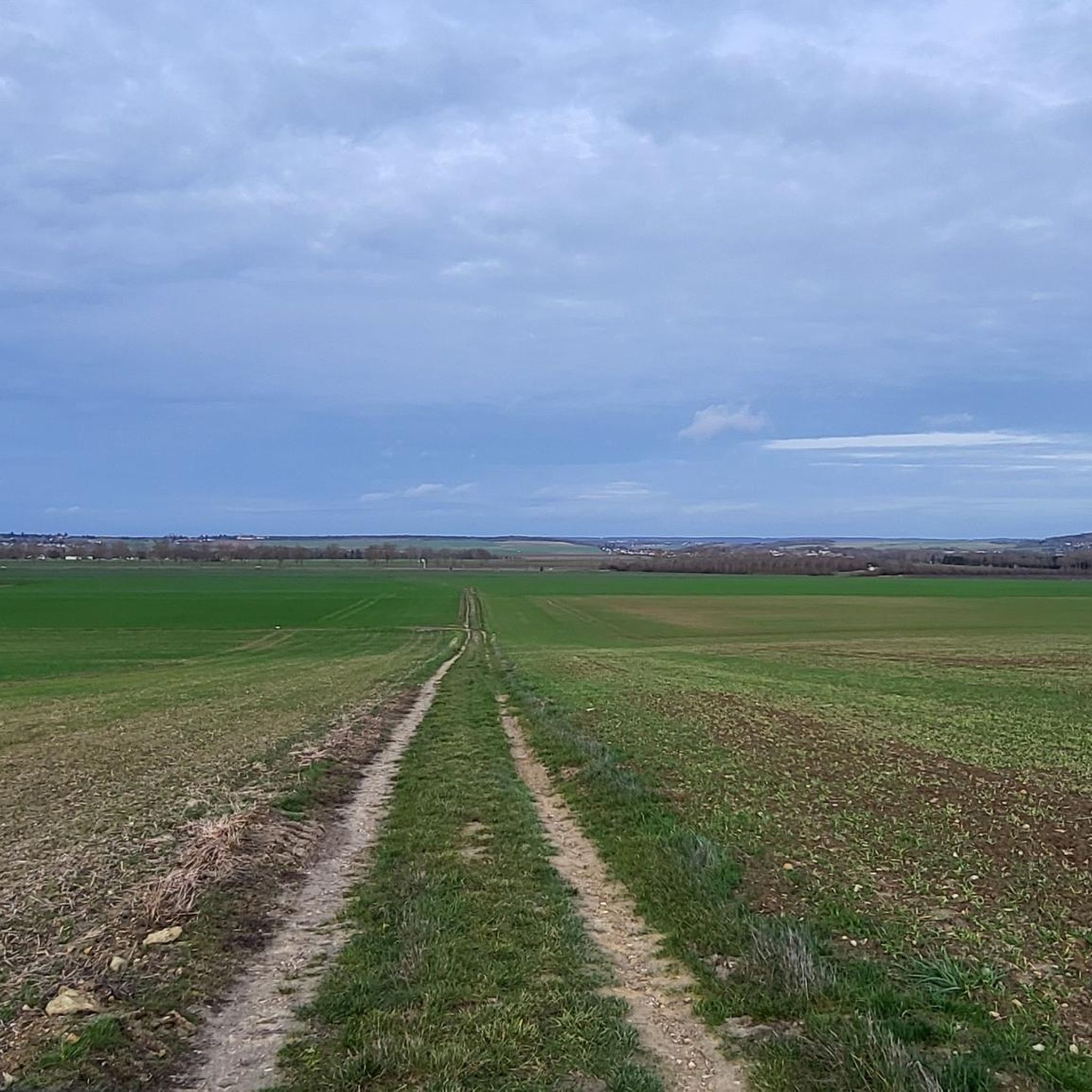
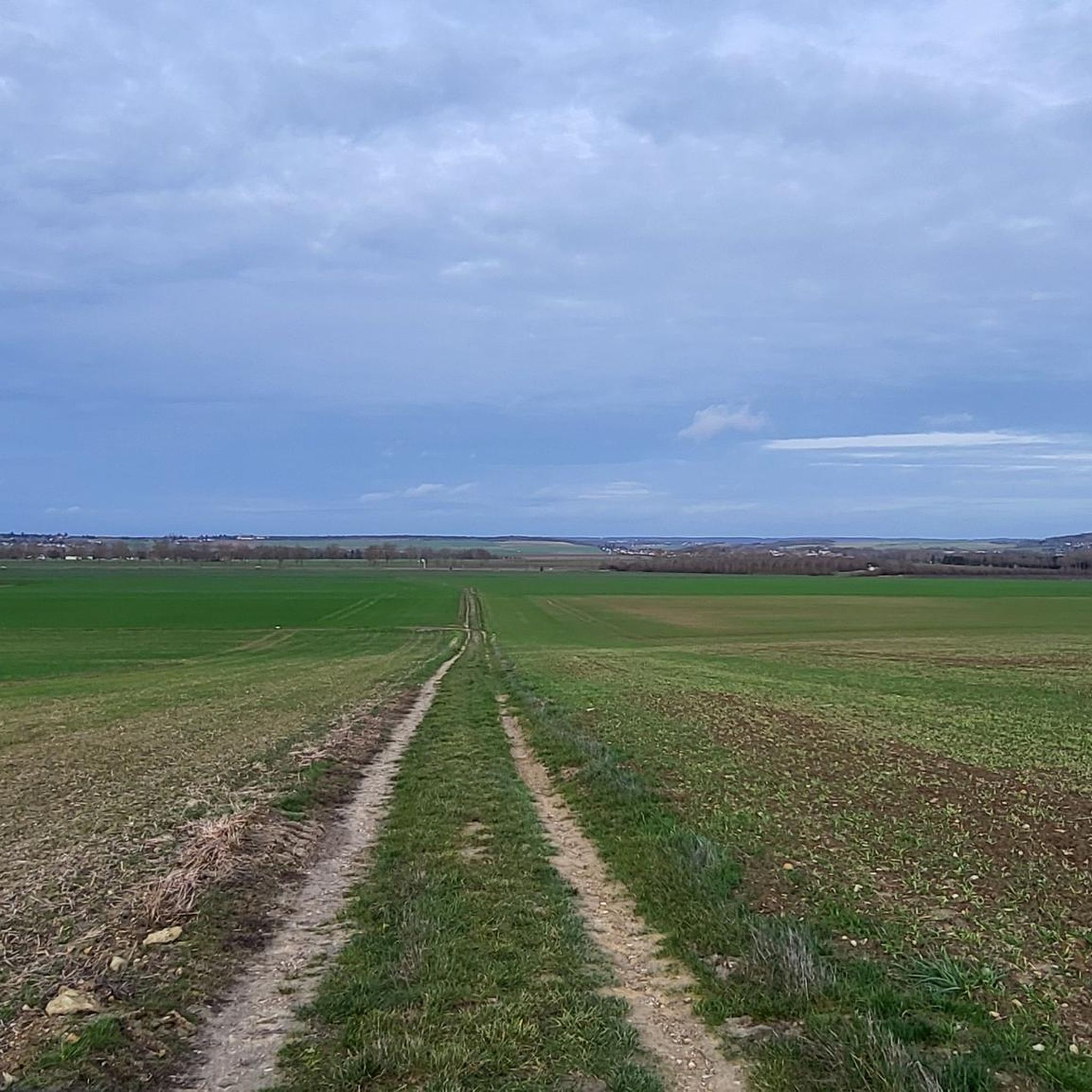
Best natural monuments around Mareil-Le-Guyon are characterized by a preserved rural environment and significant waterways. The area's natural appeal stems from its picturesque landscape, shaped by the Guyonne and Guyon rivers, and its agricultural plains. As part of the Parc Naturel Régional de la Haute Vallée de Chevreuse, Mareil-Le-Guyon benefits from a broader context of conserved natural spaces. This region offers opportunities for appreciating natural beauty and experiencing the peaceful countryside.
Best natural monuments around Mareil-Le-Guyon
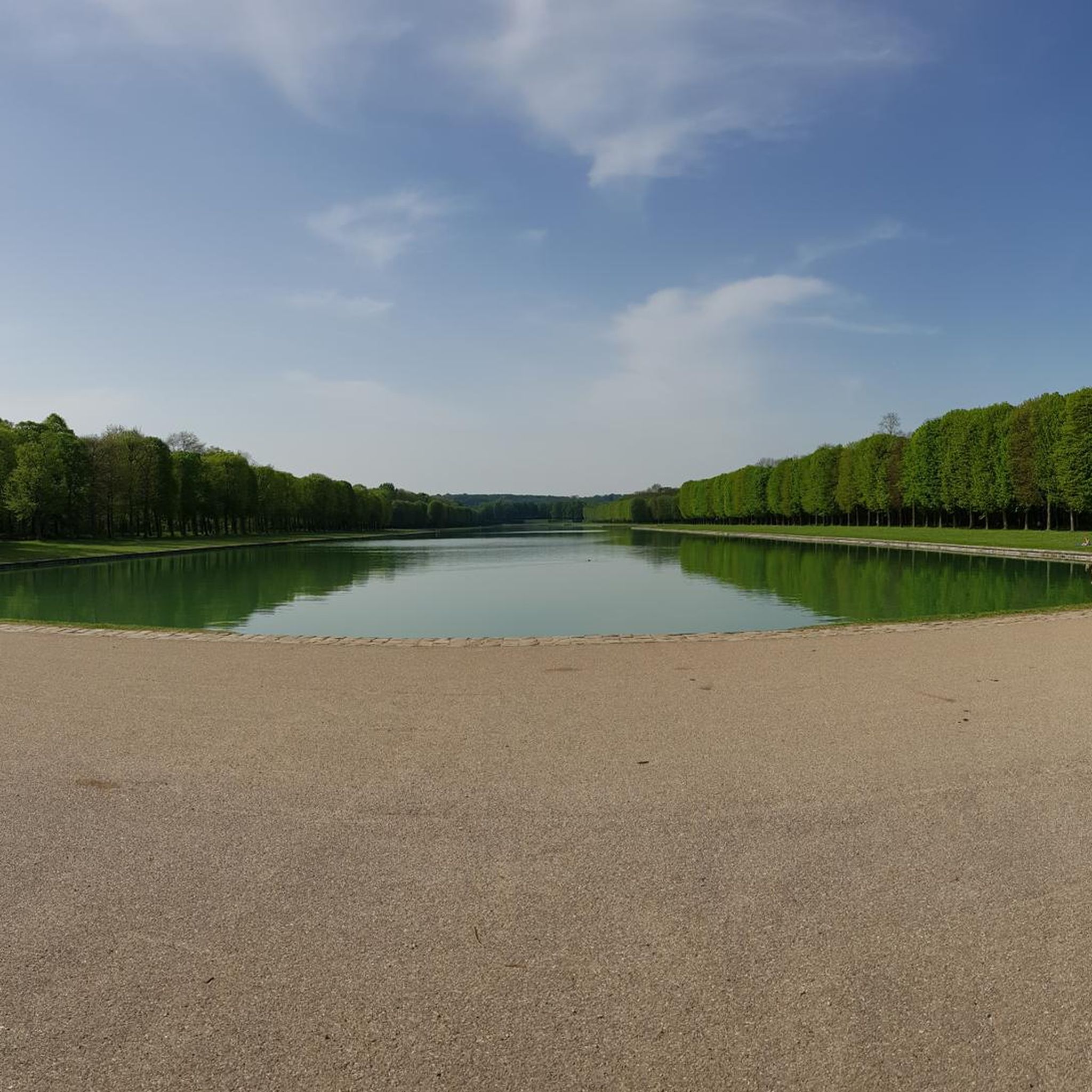
- The most popular natural monuments is Étang de Saint-Hubert, a lake that features the Pont Napoléon. This site is known for its historical hydraulic structures, developed under Louis XIV to supply water to the Domaine de Versailles.
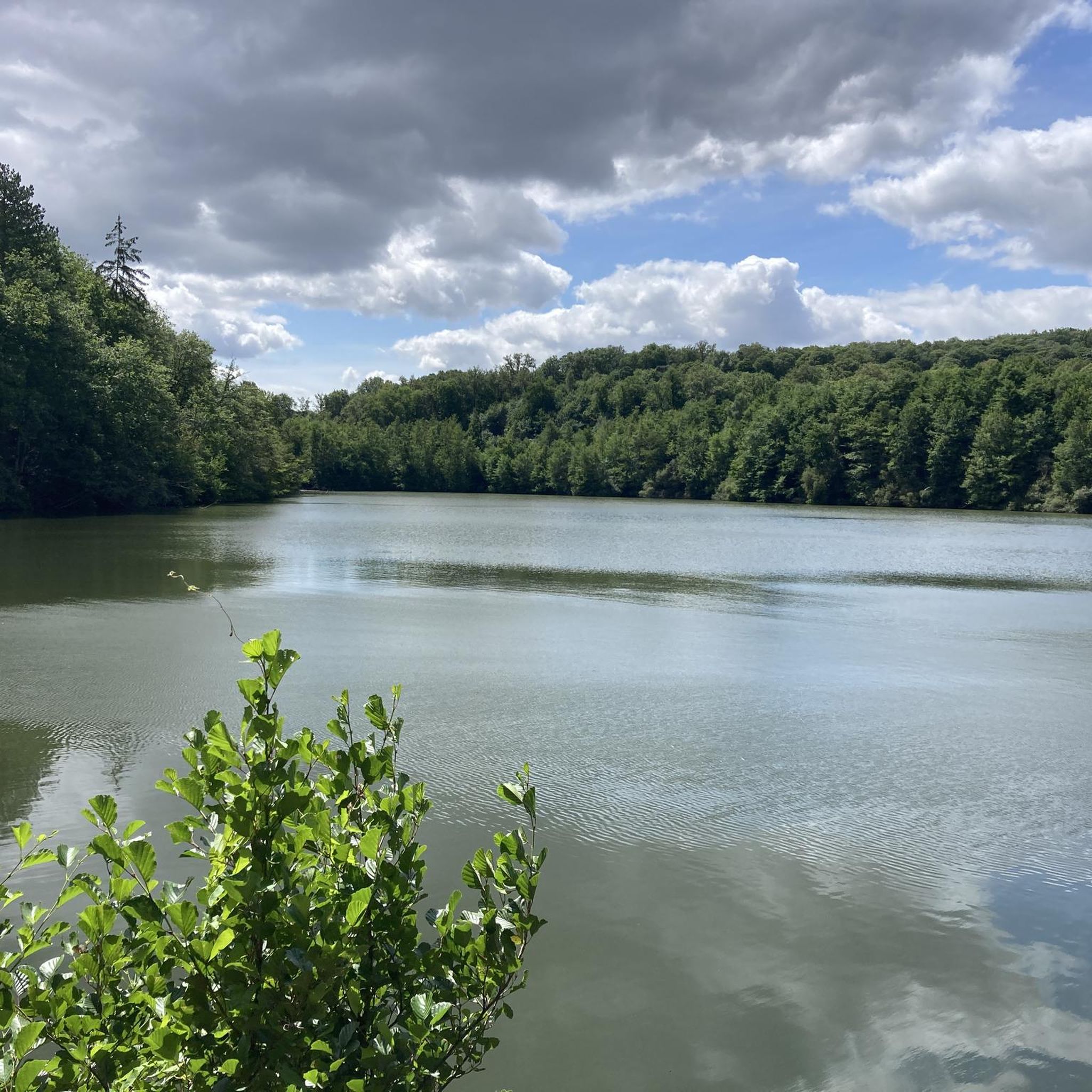
- Another must-see spot is Rompu Pond, a lake located within the Rambouillet forest. Visitors can appreciate the reflections in the water, which change with the seasons, offering a unique visual experience for hikers.
- Visitors also love Étang de Hollande, a lake developed during the reign of Louis XIV. This pond was part of a system of hydraulic structures designed by Vauban to supply water to the basins of the Domaine de Versailles.
- Mareil-Le-Guyon is known for its historical lakes and ancient trees. The region offers a variety of natural monuments to see and explore, including several ponds and notable oaks.
- The natural monuments around Mareil-Le-Guyon are appreciated by the komoot community, with 15 photos and 90 upvotes.
Last updated: October 7, 2026
Rompu Pond
Highlight • Lake
Translated by Google •
Tip by

Étang de Saint-Hubert
Highlight • Lake
Translated by Google •
Tip by

Sign up now to discover places like this
Get recommendations on the best single tracks, peaks, & plenty of other exciting outdoor places.
Étang de Hollande
Highlight • Lake
Translated by Google •
Tip by

Étang des Noës
Highlight • Lake
Translated by Google •
Tip by

Ascension Oak
Highlight • Natural Monument
Translated by Google •
Tip by
Sign up for free to discover even more natural monuments around Mareil-Le-Guyon.
Already have an account?
Start today with a free account
Your next adventure awaits.

Tips from the Community

This former retention basin was part of the network that was used to supply water to the Palace of Versailles. Today, it is a beautiful bird sanctuary where it is pleasant to walk.
0
0

Remarkable classified tree *** Pedunculate sessile oak with a height of 26m and a diameter of 1.55m.
0
0


Napoleon's bridge crossing the ponds of the Cheuvreuse valley. Very nice place to get some air in the Paris region
1
0
One of the many beautiful trees in the area! Symptom of the region of the Cheuvreuse valley with its large forests, trees and imposing vegetation.
0
0
Passing over the Pont Napoléon between the Etangs de Saint-Hubert and de Pourras in the heart of the Cheuvreuse Valley
1
0


Great course...thanks Komoot
0
0
Frequently Asked Questions
Which natural monuments around Mareil-Le-Guyon are known for their historical significance?
Several natural monuments in the area are deeply intertwined with history, particularly concerning the water supply for the Domaine de Versailles. Both Étang de Saint-Hubert and Étang de Hollande were developed during the reign of Louis XIV, with hydraulic structures designed by Vauban to channel water to Versailles. The Pont Napoléon at Étang de Saint-Hubert is another historical landmark.
Are there family-friendly natural monuments to visit in Mareil-Le-Guyon?
Yes, many of the natural monuments are suitable for families. Rompu Pond, Étang de Saint-Hubert, Étang de Hollande, and Étang des Noës are all categorized as family-friendly. The Ascension Oak also offers an accessible natural spot for all ages.
What unique natural features define the Mareil-Le-Guyon region?
Beyond the well-known ponds, the region is characterized by the tranquil Guyonne stream, which flows through the village and supports a rich riparian habitat. The area also features extensive wooded valleys and agricultural plains, contributing to its picturesque and preserved rural environment within the Parc Naturel Régional de la Haute Vallée de Chevreuse.
What outdoor activities can I do near the natural monuments?
The area around Mareil-Le-Guyon is excellent for various outdoor activities. You can explore numerous MTB trails, with options like the 'Saint-Quentin Pond – Bassin de Pissaloup loop'. For runners, there are several running routes, including the 'Mareil-le-Guyon Castle loop'. Many of these routes pass by or near the natural monuments, offering scenic views.
What is the best time to visit the natural monuments around Mareil-Le-Guyon?
The natural monuments, particularly the ponds, offer unique visual experiences throughout the year. Visitors note that the reflections in the water at Rompu Pond change beautifully with the seasons. Spring and autumn are particularly pleasant for exploring the wooded areas and enjoying the vibrant colors, while summer provides warm weather for waterside activities.
Are there any notable trees or forests to see?
Yes, the region is known for its impressive trees and forests. The Ascension Oak is a remarkable classified tree, standing 26 meters tall with a diameter of 1.55 meters. The area is part of the Chevreuse valley, characterized by its large forests and imposing vegetation, offering a true sense of natural escape.
What do visitors enjoy most about the natural monuments in Mareil-Le-Guyon?
Visitors frequently appreciate the tranquil beauty and historical context of the sites. The ever-changing reflections on Rompu Pond are a highlight, described as 'veritable open-air frescoes'. The historical hydraulic systems at Étang de Saint-Hubert and Étang de Hollande also draw interest, offering a glimpse into the past. The peaceful, natural setting is a common theme in visitor feedback.
Can I find places to eat or stay near the natural monuments?
While Mareil-Le-Guyon is a small commune, its integration into the Parc Naturel Régional de la Haute Vallée de Chevreuse means there are options in nearby villages. You can find cafes, pubs, and various accommodations such as gites and chambre d'hôtes in the surrounding area, offering a chance to experience local hospitality after exploring the natural sites.
What is the difficulty level of walks around the natural monuments?
Most walks around the natural monuments, especially the ponds, are generally considered easy to moderate. The terrain is often flat or gently undulating, making it accessible for a wide range of visitors. For example, the running and MTB trails in the area offer varying difficulty grades, from easy to moderate, allowing you to choose a path that suits your fitness level.
Are there any less crowded natural monuments to visit for a peaceful experience?
While the main ponds are popular, the broader landscape of Mareil-Le-Guyon, with its agricultural fields and wooded valleys, offers many serene spots. Exploring the areas along the Guyonne stream or the substantial wooded park surrounding the Château de Mareil can provide a more secluded experience, allowing for quiet contemplation of nature.
What kind of wildlife can I expect to see around the ponds?
The ponds and surrounding wetlands are home to diverse wildlife. At Étang des Noës, visitors have noted seeing many swans and cygnets, especially in May. The riparian habitats along the Guyonne stream also support various bird species and small mammals, making the area ideal for nature observation.
Most popular routes around Mareil-Le-Guyon
Most popular attractions around Mareil-Le-Guyon

Get inspired with the komoot mobile app


Explore more
Extend your search for the best caves by checking out these guides of the top ones around Mareil-Le-Guyon:
