Top 5 Mountain Passes around Belmont-De-La-Loire
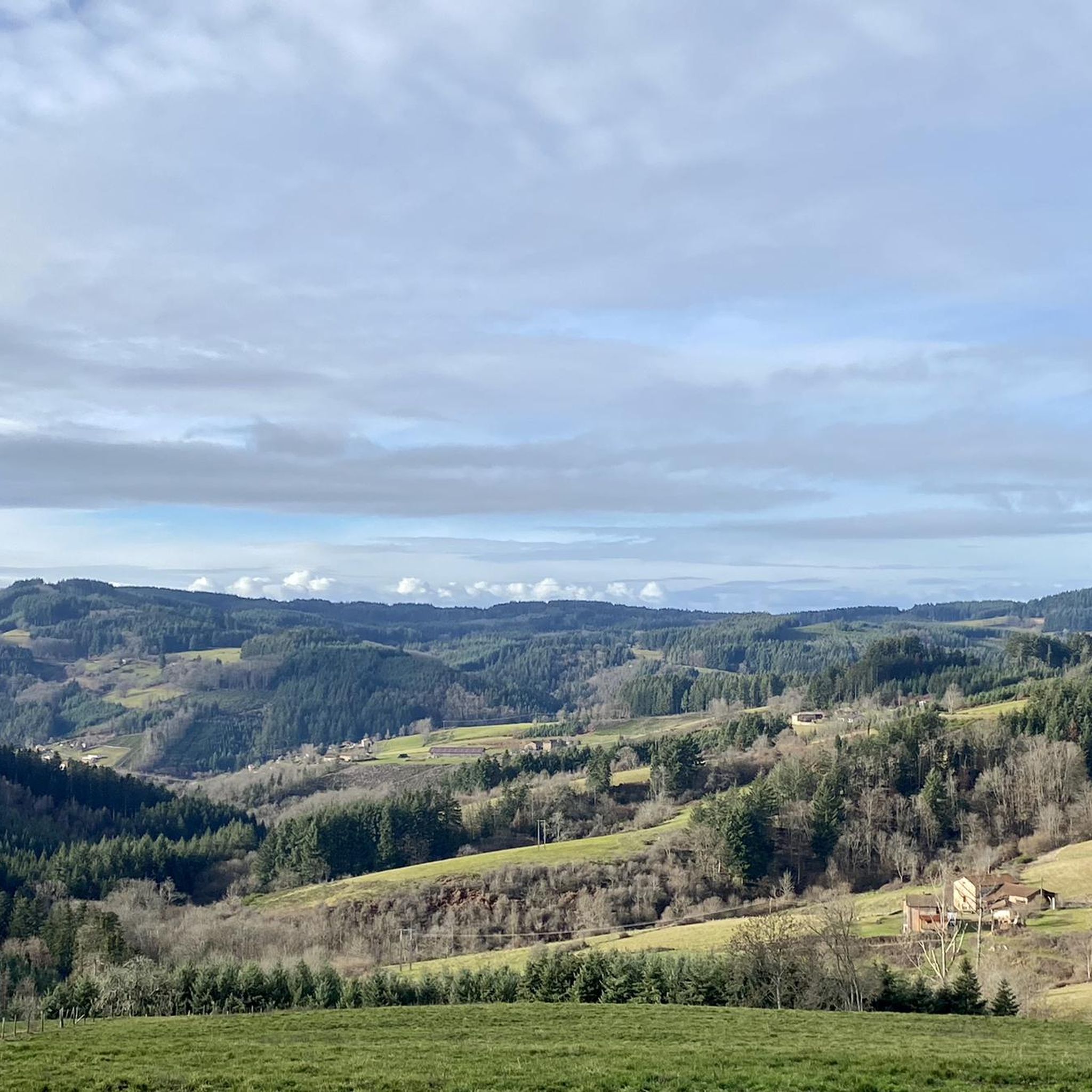
Best mountain passes around Belmont-De-La-Loire are situated in the Haut Beaujolais mountains, a region characterized by its hilly terrain in central France. This area is classified as a mountain zone, offering access to several notable mountain passes in its immediate vicinity. The landscape provides a blend of natural features and opportunities for outdoor exploration.
Best mountain passes around Belmont-De-La-Loire
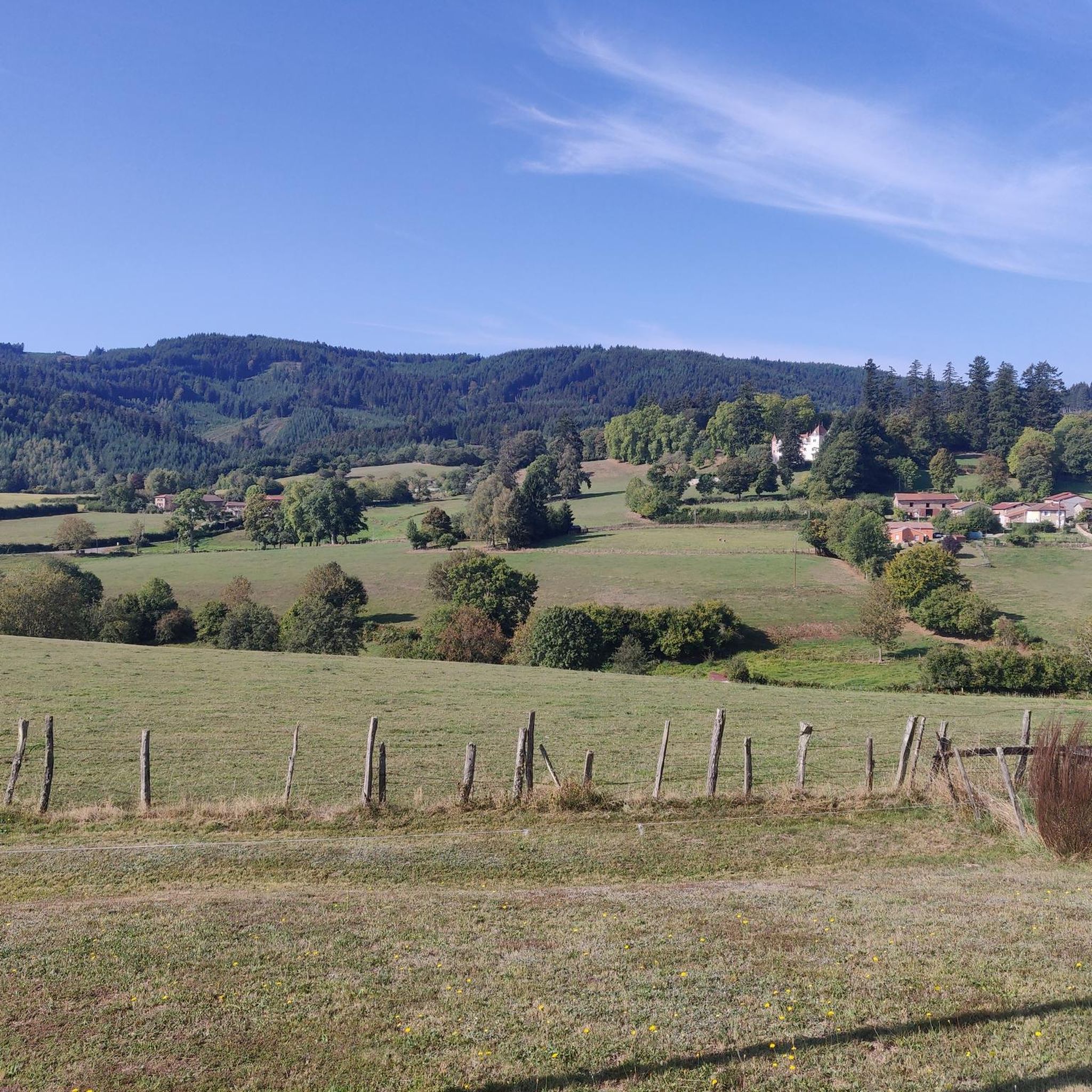
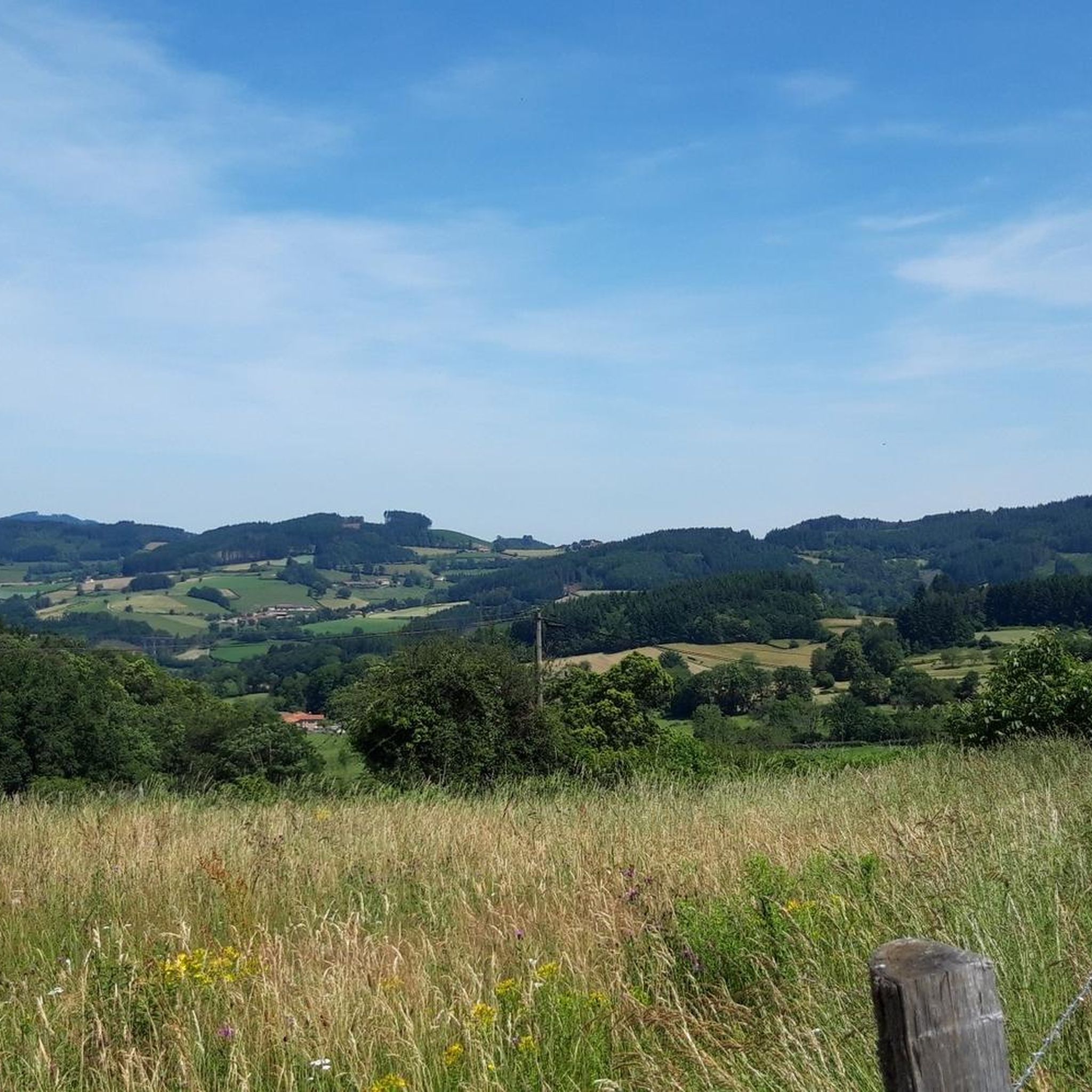
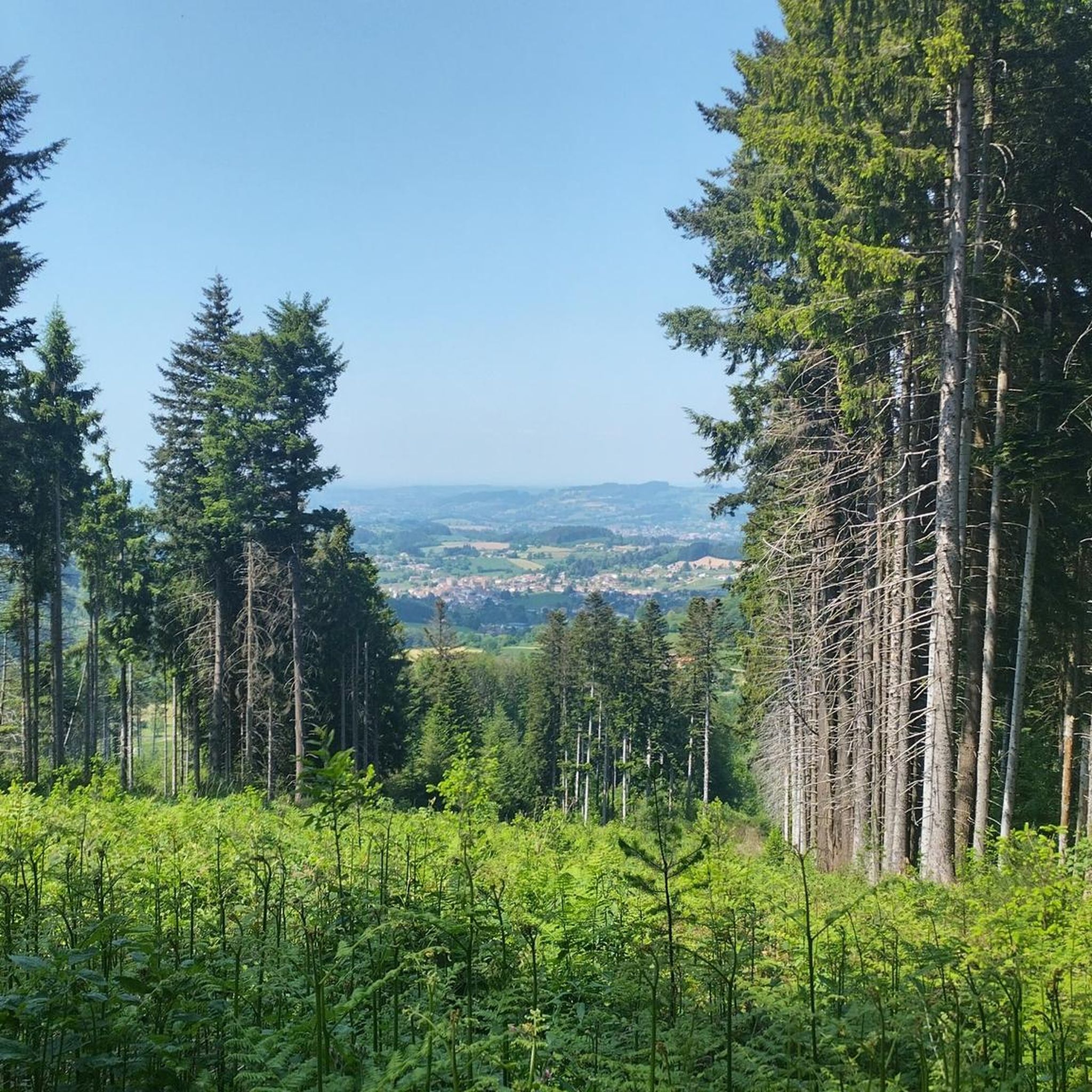
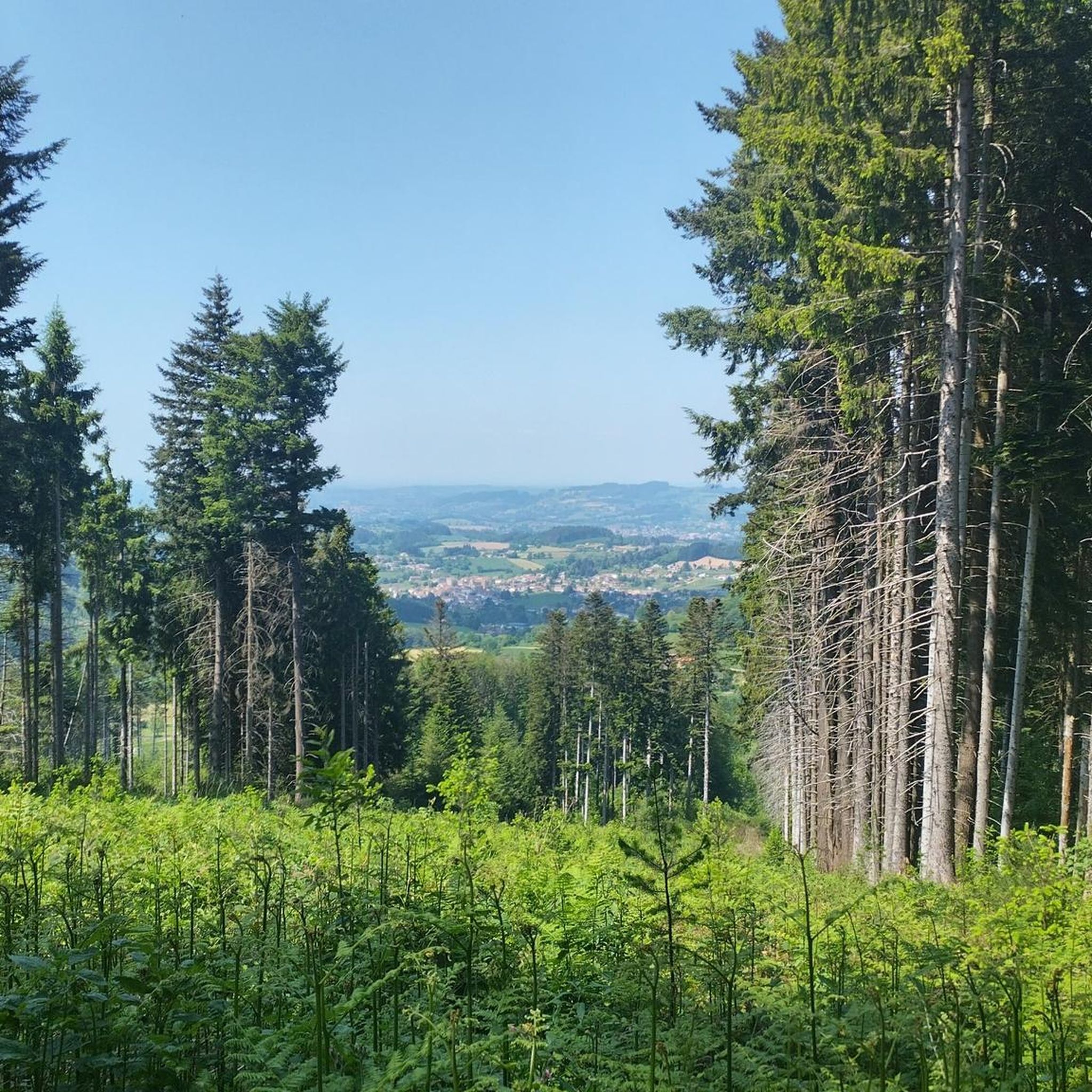
- The most popular mountain passes is Col de Favardy (862 m), a mountain pass that offers a distinct forest atmosphere. It is a popular cycling challenge with gradients around 7-8% and serves as a hub for numerous gravel and mountain bike trails, including the GR7 hiking trail.
- Another must-see spot is Col du Pavillon, a mountain pass with unobstructed views on its western slope. Visitors can expect a break at the Le Pavillon hostel-hotel, which provides food after climbing the pass.
- Visitors also love Col des Aillets (715 m), a mountain pass encountered between the Ecorbans and the Écharmeaux. This pass is well-shaded and less crowded, offering a quiet experience despite having few viewpoints.
- Belmont-De-La-Loire is known for passes with historical significance, cycling challenges, and panoramic views. The region offers a variety of mountain passes to see and explore, catering to different outdoor activities like hiking and cycling.
- The mountain passes around Belmont-De-La-Loire are appreciated by the komoot community, with more than 10 photos and 15 upvotes.
Last updated: July 4, 2026
Croix d'Ajoux
Highlight • Religious Site
Translated by Google •
Tip by

Col de Favardy (862 m)
Highlight • Mountain Pass
Translated by Google •
Tip by

Sign up now to discover places like this
Get recommendations on the best single tracks, peaks, & plenty of other exciting outdoor places.
Sign up for free
Col du Pavillon
Highlight • Mountain Pass
Translated by Google •
Tip by

Écharmeaux Pass
Highlight • Mountain Pass
Translated by Google •
Tip by

Col des Aillets (715 m)
Highlight • Mountain Pass
Translated by Google •
Tip by
Sign up for free to discover even more mountain passes around Belmont-De-La-Loire.
Sign up for free
Already have an account?
Start today with a free account
Your next adventure awaits.
Login or Signup
Tips from the Community

Wonderful stage stop on my Camino https://huettemann.eu/de/2023/10/von-cluny-an-die-loire-berndscamino/
0
0

Col de Favardy alt 856m Departure from many trails
0
0

The pass of the pavilion culminates at 755 meters above sea level. The view of the western slope is quite unobstructed. I recommend a stop at the Le Pavillon hostel-hotel, which offers good food and allows you to take a break after climbing the pass.
0
0

The statue of Napoleon I is the work of a local man, Jean Molette (1819-1889).
2
1
Located on the watershed between the Atlantic and the Mediterranean, the Écharmeaux pass offers an open panorama over the upper Azergues valley.
2
1

“Each of these crosses can tell its own story and what prompted people to erect “their” cross at this point. (...) These wayside crosses were erected as visible signs and attract the attention of many people. The cross is a symbol of life. It stands as a sign of our Christian hope and wants to direct our gaze to Jesus Christ, who has overcome death (...). The cross is part of our life as it was in the life of Jesus. So I wish that many people … visit the crosses, whether as places of stillness and breathing space before God, whether as places for community gatherings, prayer and praise to God.” (Text source: Dean Rainald M. Ollig in: “Crossroads. Small sacred monuments as a sign of popular piety")
3
1

Pass to do in the sequence between the Ecorbans and the Echarmeaux. No big drop offs, fairly gritty road, wide and few viewpoints. Well shaded and fairly uncrowded road. It doesn't look like it's a pass and yet!
0
0
Nice pass to do from the Azergues valley via St Nizier and the Col de la Croix Nicelle: until the Croix Nicelle the percentages are around 7/8% then the final flattens out. From Ranchal or from St Vincent de Reins via St Bonnet le Troncy, the climbs are less complicated but long because the pass is quite high at 862 m. The view at the top is non-existent but the forest atmosphere can be appreciable in foggy weather which gives it a mysterious atmosphere. Many gravel or mountain bike trails converge here and the GR7 passes by.
1
0
Frequently Asked Questions
What are some of the most notable mountain passes to explore around Belmont-de-la-Loire?
Beyond the immediate vicinity of Belmont-de-la-Loire, the broader Loire department offers several significant passes. These include Col de Favardy (862 m), known for its forest atmosphere and as a hub for gravel and mountain bike trails. Col du Pavillon offers unobstructed views on its western slope and a hostel-hotel for breaks. Col des Aillets (715 m) provides a quiet, shaded experience. Further afield in the Pilat Massif, you'll find Col de l'Œillon (1233m), famous for its panoramic views and Tour de France history, and Col de la Croix Cazard (865m), appreciated by cyclists for its steady gradient and scenic routes.
What kind of views and natural features can I expect at these mountain passes?
Many passes offer stunning vistas. From Col de l'Œillon, you can enjoy expansive views of the Rhône Valley, the Vercors, and even the Alps on clear days. Col du Pavillon provides unobstructed views to the west. The route to Col de l'Œillon winds through coniferous forests, heathland with heather and broom, and scree slopes. Col de Favardy (862 m) is characterized by its distinct forest atmosphere, which can be particularly appreciable in foggy weather. The region is rich in woodlands and offers opportunities to spot diverse flora.
Are there challenging routes for experienced cyclists or hikers near Belmont-de-la-Loire's mountain passes?
Yes, several passes offer challenging ascents. Col de l'Œillon, for instance, has ascents from Chavanay (19 km, 5.6% average gradient) and La Terrasse-sur-Dorlay (15 km, 5.2% average gradient), making it a rewarding climb for cyclists. Col de Favardy (862 m) is a popular cycling challenge with gradients around 7-8% on some approaches. For hiking, the Pilat Regional Natural Park, where Col de l'Œillon is located, offers various trails with different difficulty levels. You can also find challenging MTB routes like the "Col du Pavillon – Favardy Pass loop" which is 47 km long. Explore more options on the MTB Trails around Belmont-De-La-Loire guide.
What outdoor activities can I do near these mountain passes?
The area around Belmont-de-la-Loire and its mountain passes is excellent for various outdoor activities. Cycling is very popular, with passes like Col de l'Œillon and Col de la Croix Cazard being favorites. Hiking and trail running are also prominent, with numerous trails crisscrossing the woodlands. Mountain biking is well-supported, especially around Col de Favardy (862 m) which serves as a hub for gravel and MTB trails. You can find detailed routes for these activities in the Cycling around Belmont-De-La-Loire, MTB Trails around Belmont-De-La-Loire, and Running Trails around Belmont-De-La-Loire guides.
Are there any historical or cultural points of interest at the mountain passes?
Yes, some passes have historical significance. Col de l'Œillon has been climbed four times by the Tour de France, adding a layer of sporting history. The Écharmeaux Pass features a statue of Napoleon and is located on the watershed between the Atlantic and the Mediterranean, offering an open panorama over the upper Azergues valley. Additionally, the Croix d'Ajoux highlight, while not a pass itself, is a significant religious building often encountered on routes through the area, representing local cultural heritage.
What is the best time of year to visit the mountain passes around Belmont-de-la-Loire?
The region is generally pleasant for outdoor activities from spring through autumn. Spring brings fresh greenery and blooming flora, while summer offers warm weather ideal for longer rides and hikes. Autumn provides beautiful fall foliage and cooler temperatures. While winter hiking is possible, some higher passes might experience snow and colder conditions, requiring appropriate gear. Always check local weather forecasts before heading out.
Are there family-friendly options for exploring the mountain passes?
While some passes involve challenging ascents, many routes in the broader Belmont-de-la-Loire area and the Pilat Massif offer gentler sections suitable for families. The region's woodlands and natural parks provide opportunities for shorter, less strenuous walks. For specific family-friendly trails, it's best to consult local tourism resources or trail guides, as difficulty can vary greatly. Belmont-de-la-Loire itself has a local hiking circuit called "Circuit de la Croix bleue" which might be suitable.
Where can I find amenities like cafes or accommodation near the mountain passes?
Some passes, like Col du Pavillon, have amenities directly at the summit, such as the Le Pavillon hostel-hotel which offers food. In general, you'll find cafes, restaurants, and accommodation in the villages and towns surrounding the passes, such as Belmont-de-la-Loire itself or other communes within the Loire department. It's advisable to plan your route and check for available services in advance, especially when venturing into more remote areas.
Is public transport available to reach the mountain passes, or is a car necessary?
While Belmont-de-la-Loire is accessible, reaching the specific mountain passes often requires personal transportation. Public transport options directly to the pass summits are generally limited. A car provides the most flexibility to access various starting points for cycling or hiking routes. For detailed information on local transport, you might check regional tourism sites like Loire Tourisme.
What should I wear or bring for a trip to the mountain passes?
Given the varied terrain and potential for changing weather, it's essential to dress in layers. Comfortable hiking or cycling shoes are a must. Depending on the activity, bring water, snacks, a map or GPS device, sun protection, and rain gear. For more challenging routes, consider a first-aid kit. If cycling, a helmet is crucial. The high-altitude air can be fresh, so even on warm days, a light jacket might be useful.
Are there any specific regulations or permits needed for hiking or cycling in the area?
Generally, for hiking and cycling on established trails and roads in the Loire department, no specific permits are required. However, if you plan to venture into protected areas like the Pilat Regional Natural Park, it's always good practice to be aware of any local regulations regarding camping, fires, or wildlife. Always respect private property and follow Leave No Trace principles. For specific details on the Pilat Massif, you can consult Pilat Tourisme.
Most popular routes around Belmont-De-La-Loire
Most popular attractions around Belmont-De-La-Loire

Get inspired with the komoot mobile app


Explore more
See even more epic mountain passes by checking out these guides around Belmont-De-La-Loire:
