Top 4 Natural Monuments around Belle-Église
Natural monuments around Belle-Église offer diverse natural attractions near Belle-Église, located in the Oise department of France. The region features significant natural beauty and unique geological formations. Visitors can explore a variety of landscapes, from wetlands to forests and ancient sites. These natural features provide opportunities for outdoor activities and appreciation of the local environment.
Best natural monuments around Belle-Église
- The most popular natural monuments is Singletrack along the Marais de Stors, a trail that runs along the Stors…
Last updated: July 4, 2026
Singletrack along the Marais de Stors
Highlight (Segment) • Trail
Translated by Google •
Tip by

The Blue Lake of Carnelle
Highlight • Forest
Translated by Google •
Tip by
Sign up now to discover places like this
Get recommendations on the best single tracks, peaks, & plenty of other exciting outdoor places.
Sign up for free
Pierre de Lait Polishing Stone
Highlight • Historical Site
Translated by Google •
Tip by

Auversian Geological Site
Highlight • Natural Monument
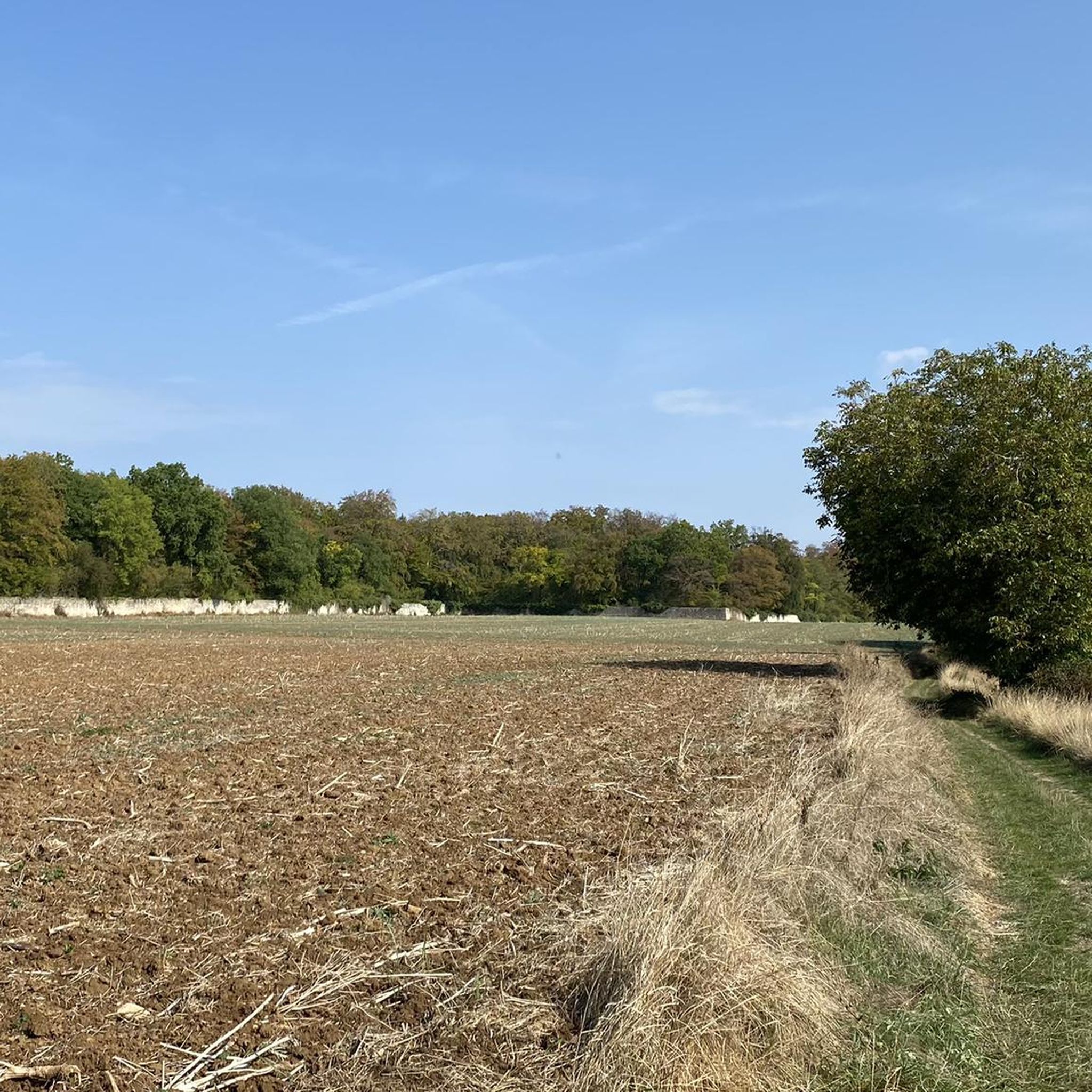
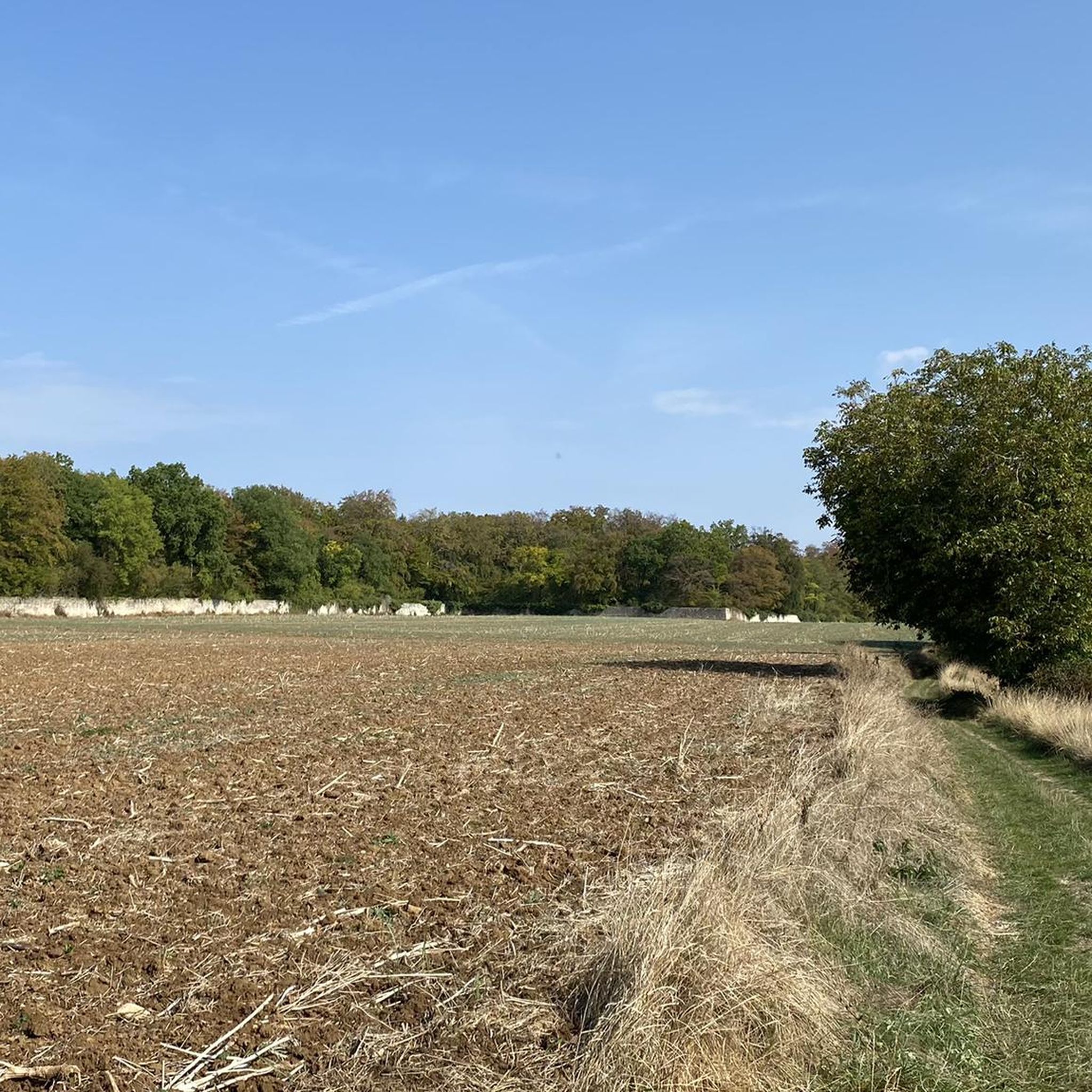
The interest of this quarry lies in the geological substrate, formed from the famous sands of Auvers.
valdoise.fr/888-site-geologique-de-l-auversien.htm
Translated by Google •
Tip by

Breathtaking view of the Stors Marsh
Highlight • Natural Monument
Translated by Google •
Tip by
Sign up for free to discover even more natural monuments around Belle-Église.
Sign up for free
Already have an account?
Start today with a free account
Your next adventure awaits.
Login or Signup

Tips from the Community

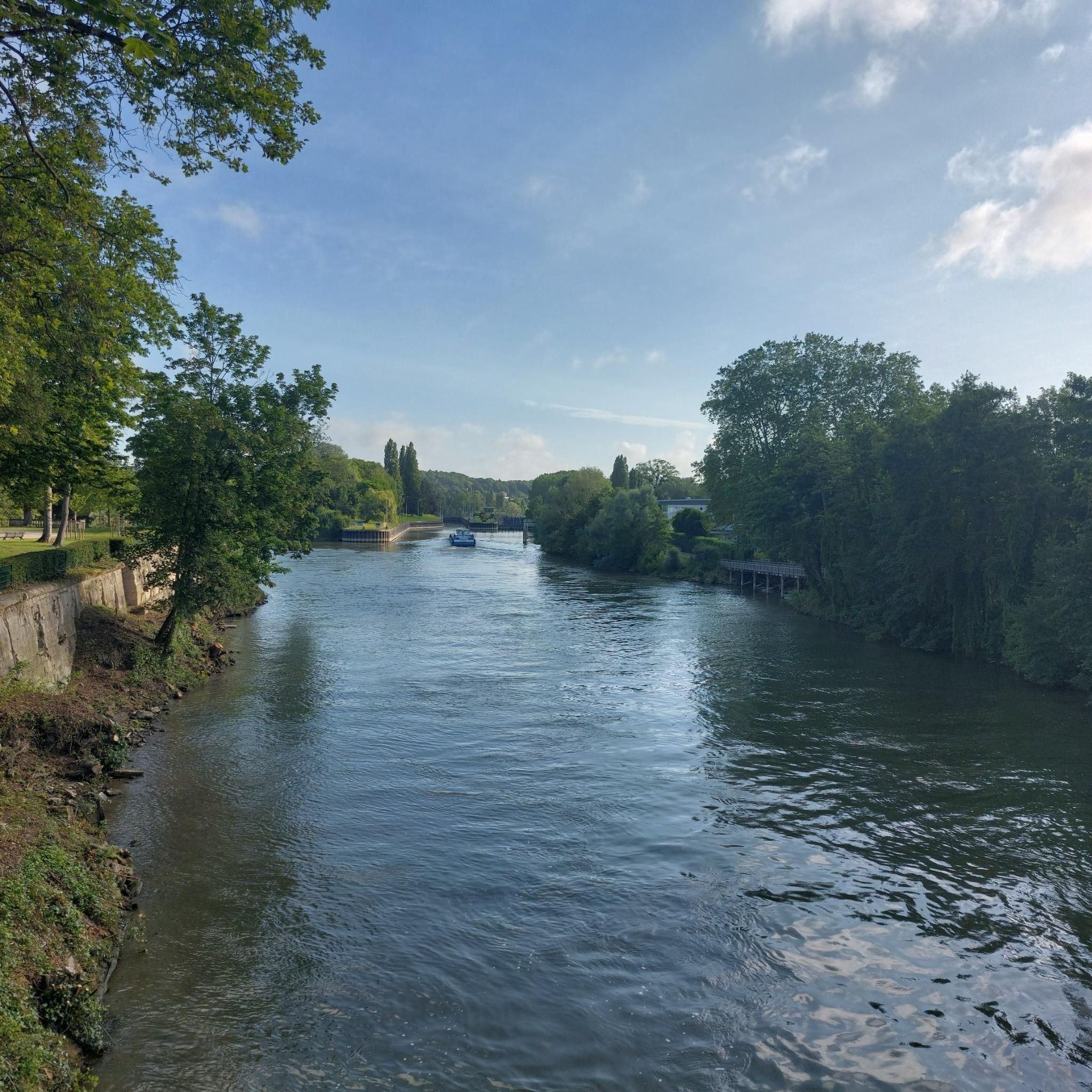
What is to be remembered from this route is the passage through the Carnelle forest. However, there are too many roads on the Isle Adam and along the Oise. No particular difficulty.
0
0

pretty lake hidden in the middle of the forest
0
0

in a beautiful forest we arrive there with a magnificent sun which warms up a little
0
0

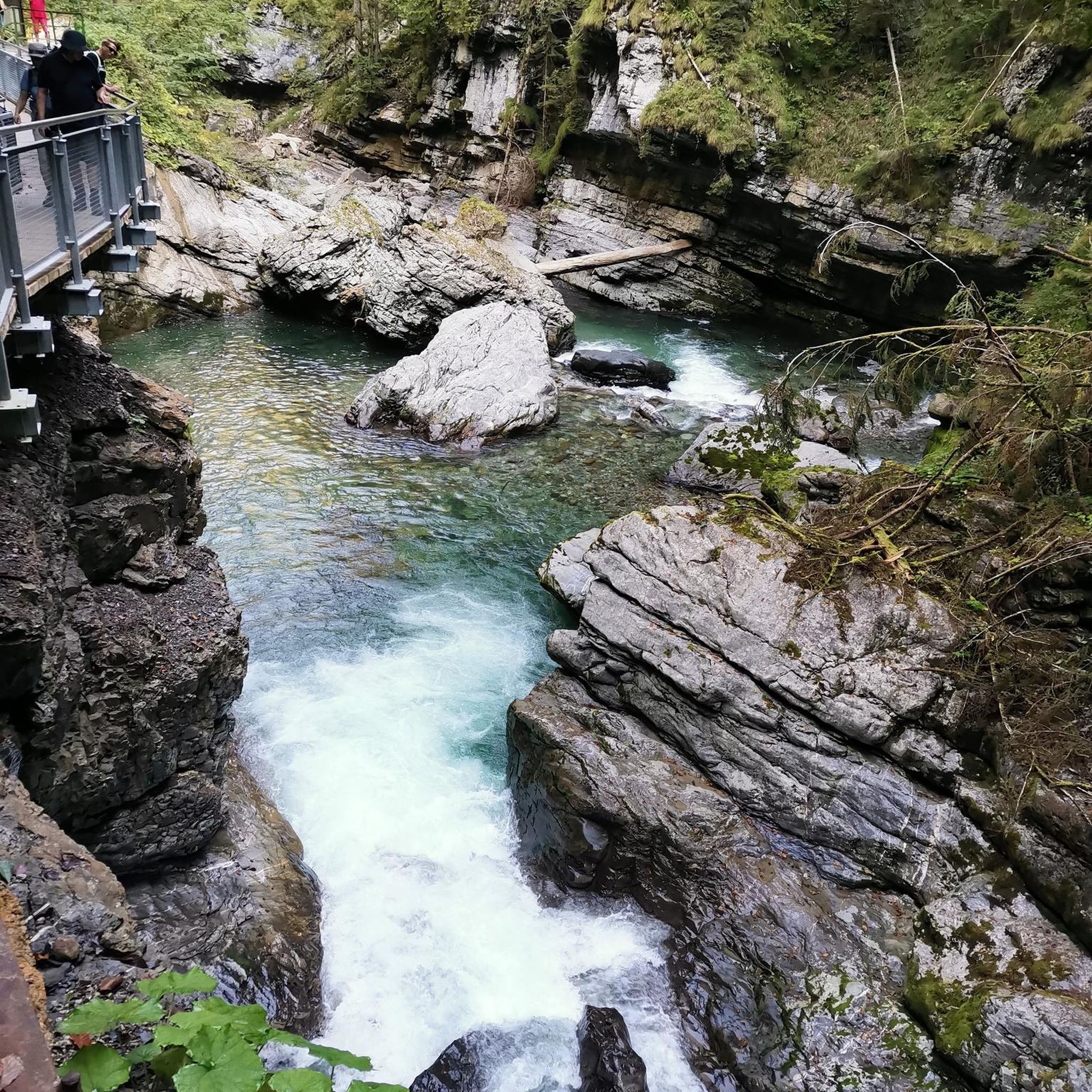
This bucolic path runs along the Stors marsh nature reserve. The ground quickly becomes muddy in bad weather and the days following the rain. That said, the setting is beautiful along the rock faces. For the rest, it's a fairly easy single.
0
0

Magnificent natural reserve that this marsh of Stors.
0
0
Here we have a beautiful view of the Marais de Stors nature reserve, a preserved site in the middle of the forest. We appreciate the density of the greenery. Over the year, you can admire the different colors, like an open-air fresco. It is the only swamp in the region, which makes it a unique place to discover during a running outing.
0
0
Lac Bleu is one of the two bodies of water in the Carnelle forest. On sunny days, its name takes on its full meaning. But there is another reason for the name of this lake from ancient quarries. The rock at the bottom is a mixture of gypsum and marl. The color is changing due to algae, but originally it is deep blue. Around the lake, one can appreciate oaks, beeches and chestnuts. A feast for the eye!
1
0

The Blue Lake, like the small pond located a few dozen meters away, has been built in old marl quarries, which give the water a bluish color. For this reason, they reach a depth of 20 to 30 m and swimming is prohibited there for safety reasons. On the other hand, you can go fishing there. The ponds have replaced the quarries, and the presence of green marls, which color their bed, explains their astonishing variation in color. Going from turquoise blue to emerald green, depending on the depth, the time of day, the intensity of the light.
0
0
Frequently Asked Questions
What are the most popular natural monuments around Belle-Église?
The region offers several unique natural monuments. Among the most popular are the Singletrack along the Marais de Stors, known for its picturesque path along rock faces, and The Blue Lake of Carnelle, famous for its distinctive blue hue on sunny days. Visitors also appreciate the historical significance of the Pierre de Lait Polishing Stone, a Neolithic archeological site.
Are there family-friendly natural monuments to visit near Belle-Église?
Yes, several natural monuments are suitable for families. The Blue Lake of Carnelle is a great option, offering a beautiful forest setting that's enjoyable for all ages. The Auversian Geological Site is also considered family-friendly, providing an educational experience about the region's geological substrate.
What kind of natural features can I expect to see around Belle-Église?
You'll encounter a diverse range of natural features. These include the unique marshlands of the Stors nature reserve, dense forests with oaks, beeches, and chestnut trees around Carnelle, and distinctive geological formations like the gypsum and marl rock at the bottom of the Blue Lake. You can also find ancient sandstone blocks and old quarries showcasing the region's natural history.
What outdoor activities can I do near these natural monuments?
The area around Belle-Église is excellent for various outdoor activities. You can enjoy hiking and running on trails that wind through forests and along marshlands. Cycling and mountain biking are also popular, with routes exploring the diverse landscapes. For specific routes, you can explore the Cycling around Belle-Église, Running Trails around Belle-Église, and MTB Trails around Belle-Église guides.
What makes the Marais de Stors nature reserve special?
The Marais de Stors nature reserve is a unique and preserved site, notable for its rich flora and fauna within a mosaic of sensitive environments. It's the only swamp of its kind in the region, offering a tranquil setting along rock faces. Visitors particularly enjoy the Breathtaking view of the Stors Marsh, which provides a panoramic perspective of its dense greenery.
Is the terrain challenging for hiking near Belle-Église's natural monuments?
The terrain varies. The Singletrack along the Marais de Stors is generally considered a fairly easy singletrack, though it can become muddy after rain. Other trails, especially those with viewpoints like the Breathtaking view of the Stors Marsh, may include intermediate climbs. Overall, there are options for various fitness levels.
What is the best time to visit the natural monuments around Belle-Église?
The natural monuments can be enjoyed throughout the year, with each season offering a different charm. Spring and autumn provide pleasant temperatures for hiking and vibrant colors, especially in the forests surrounding The Blue Lake of Carnelle. On sunny days, the lake's blue color is particularly striking. Be aware that marshy areas like the Singletrack along the Marais de Stors can be muddy after wet weather.
Are there any historical or archeological natural monuments in the area?
Yes, the region combines natural beauty with historical significance. The Pierre de Lait Polishing Stone is a notable archeological site, featuring a sandstone block used as a polisher in the Neolithic period, dating back 4500 years. Additionally, the Auversian Geological Site is an old quarry with educational value, showcasing the geological substrate of the area.
What do visitors enjoy most about the natural monuments around Belle-Église?
Visitors frequently highlight the serene natural beauty and the sense of discovery. The distinctive blue color of The Blue Lake of Carnelle is often described as a 'feast for the eyes.' The historical depth of sites like the Pierre de Lait Polishing Stone, where one can imagine ancient human activity, also leaves a lasting impression. The peaceful forest settings and unique marshland views are consistently praised.
Can I bring my dog to the natural monuments?
While specific rules for each site can vary, many natural areas in France, including forests and trails, are generally dog-friendly, especially if dogs are kept on a leash. It's always recommended to check local signage or official park websites for the most up-to-date regulations regarding pets in specific nature reserves like the Marais de Stors or the Carnelle forest.
Are there any viewpoints to appreciate the natural landscapes?
Yes, there are excellent viewpoints. The Breathtaking view of the Stors Marsh offers a stunning panorama of the preserved nature reserve. Additionally, The Blue Lake of Carnelle itself is considered a viewpoint due to its captivating color and the surrounding forest scenery.
Most popular routes around Belle-Église
Most popular attractions around Belle-Église

Get inspired with the komoot mobile app


Explore more
Extend your search for the best caves by checking out these guides of the top ones around Belle-Église:
