Top 7 Natural Monuments around Saint-Planchers
Best natural monuments around Saint-Planchers offer diverse natural attractions and landscapes in the immediate vicinity and wider Normandy region. The commune serves as a base for exploring coastal areas with expansive sandy beaches and significant regional nature parks. These areas provide varied ecosystems, from salt meadows and estuaries to wetlands and cliffs, suitable for nature enthusiasts. The region is characterized by its unique tidal ranges and preserved natural heritage.
Best natural monuments around Saint-Planchers
- The most popular natural monuments is…
Last updated: July 4, 2026
Havre de la Vanlée
Highlight • Natural
Translated by Google •
Tip by

Customs Officers' Path – Lude Valley and Beaches from Carolles to Saint-Jean-le-Thomas
Highlight (Segment) • Trail
Translated by Google •
Tip by

Sign up now to discover places like this
Get recommendations on the best single tracks, peaks, & plenty of other exciting outdoor places.
Sign up for free
Sard Rock
Highlight • Natural Monument
Translated by Google •
Tip by

Sol Roc
Highlight • Natural Monument
Translated by Google •
Tip by
Les Cent Vergées Peatland
Highlight • Natural
Translated by Google •
Tip by

Sign up for free to discover even more natural monuments around Saint-Planchers.
Sign up for free
Already have an account?
Start today with a free account
Your next adventure awaits.
Login or Signup

Tips from the Community

The documentary film "Border Paths – The Customs Officers' Trail" is described on its website as follows: "The historic Customs Officers' Trail begins at the famous pilgrimage site of Mont Saint-Michel and is now one of France's most popular hiking trails. Along its 1,700 kilometers, between Mont Saint-Michel in the north and Saint-Nazaire in the south of the Breton peninsula, hikers can discover impressive landscapes with a rich diversity of flora and fauna. Passing rugged cliffs, expansive dunes, and seemingly endless beaches, hikers become border crossers on a floating border that shifts with the rhythm of the tides." ``` The video about the "Sentier des Douaniers" (duration: 43 minutes / language: German) in the ARD media library can be accessed via the following link =>> https://www.ardmediathek.de/video/grenzwege-der-zoellnerpfad/grenzwege-der-zoellnerpfad/mdr/Y3JpZDovL21kci5kZS9zZW5kdW5nLzI4MjA0MC81MjE2OTktNTAxNzM2
0
0

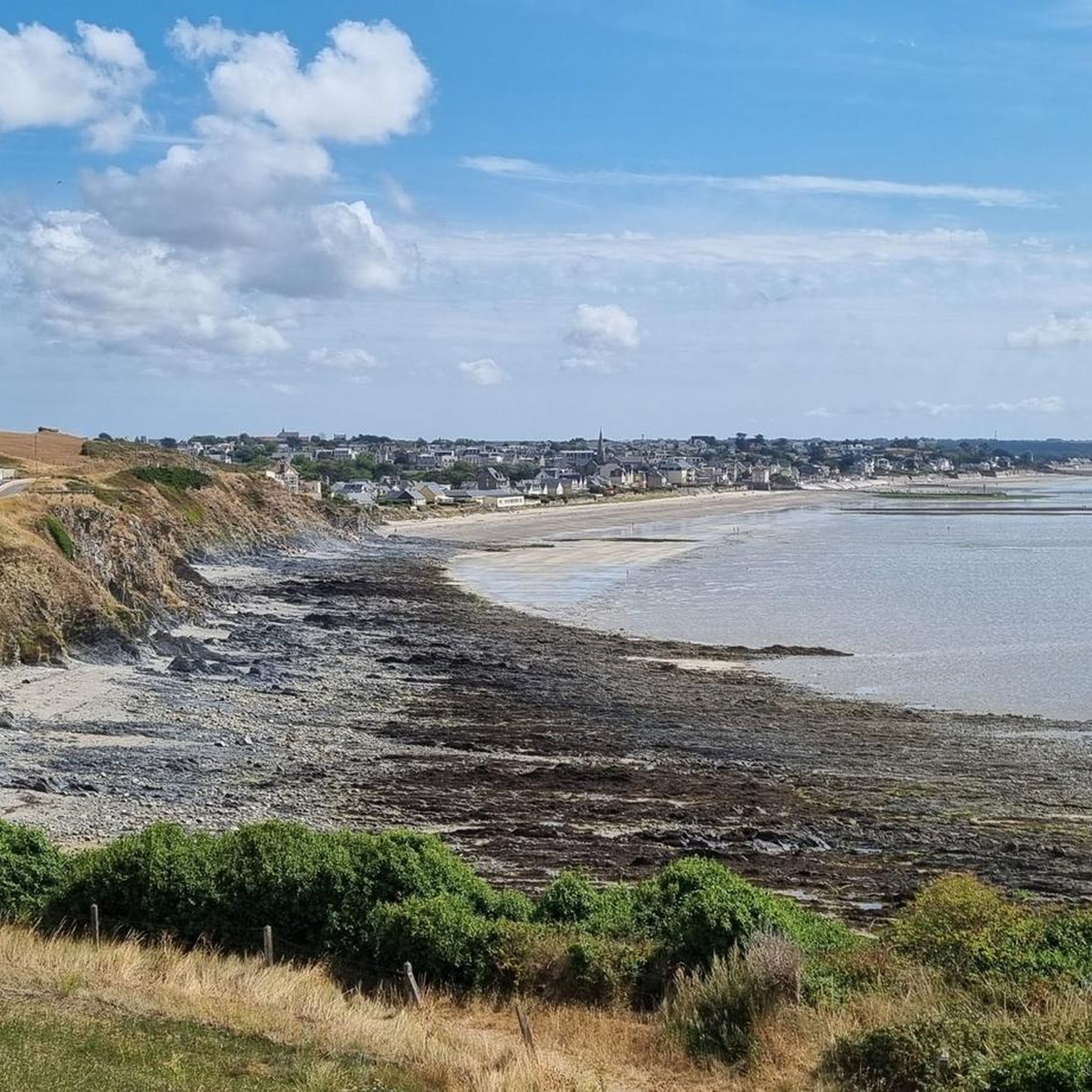
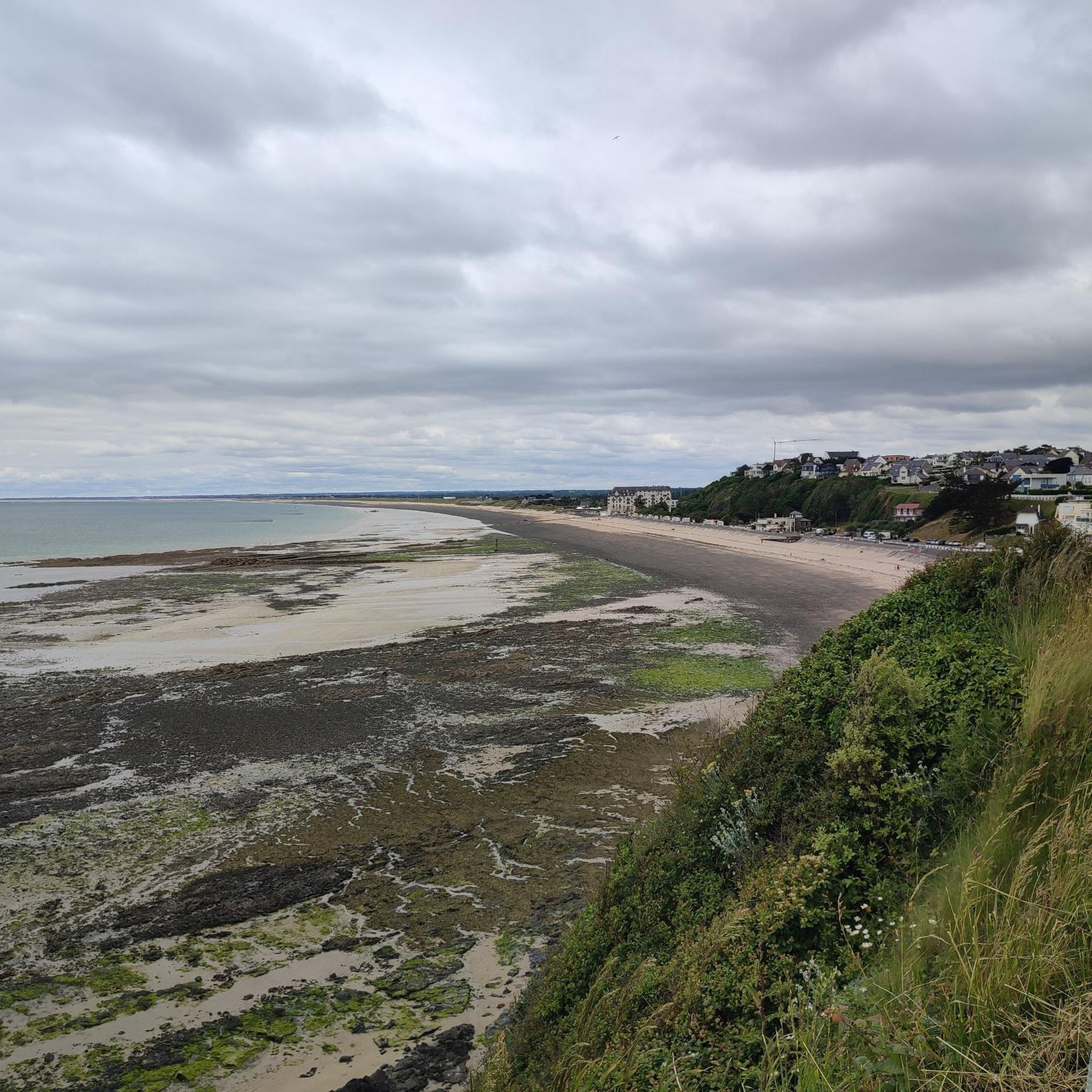
Between Carolles and Saint-Jean-le-Thomas, beaches, cliffs, and the picturesque Lude Valley alternate. From the valley, the Rocher du Sard and the historic Cabane Vauban offer spectacular views of the Bay of Mont Saint-Michel. Part of the route runs along the historic Customs Path, where sentries and customs officers once monitored the coast. The flat sandy beaches and mudflats at low tide invite strolls, and the GR 223 combines nature, history, and coastal panorama for a particularly charming hike.
2
0
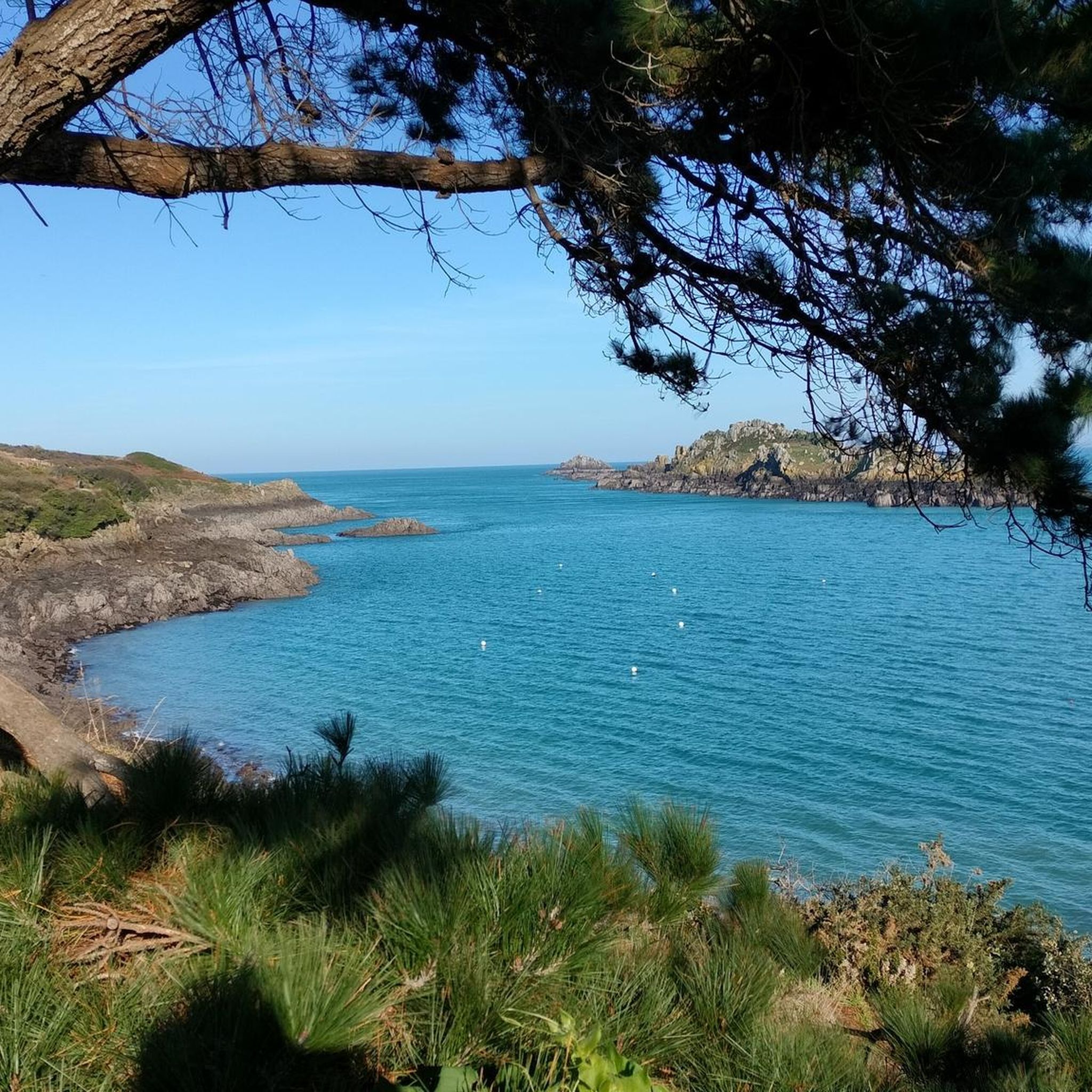
The Rocher du Sard lies above the Vallée du Lude. This striking granite rock rises about 70 meters above the sea and offers a commanding view of the Bay of Mont Saint-Michel. Local legend says that the rock was a refuge for the Devil during his battle with the Archangel Michael—hence its nickname, Rocher du Diable.
1
0

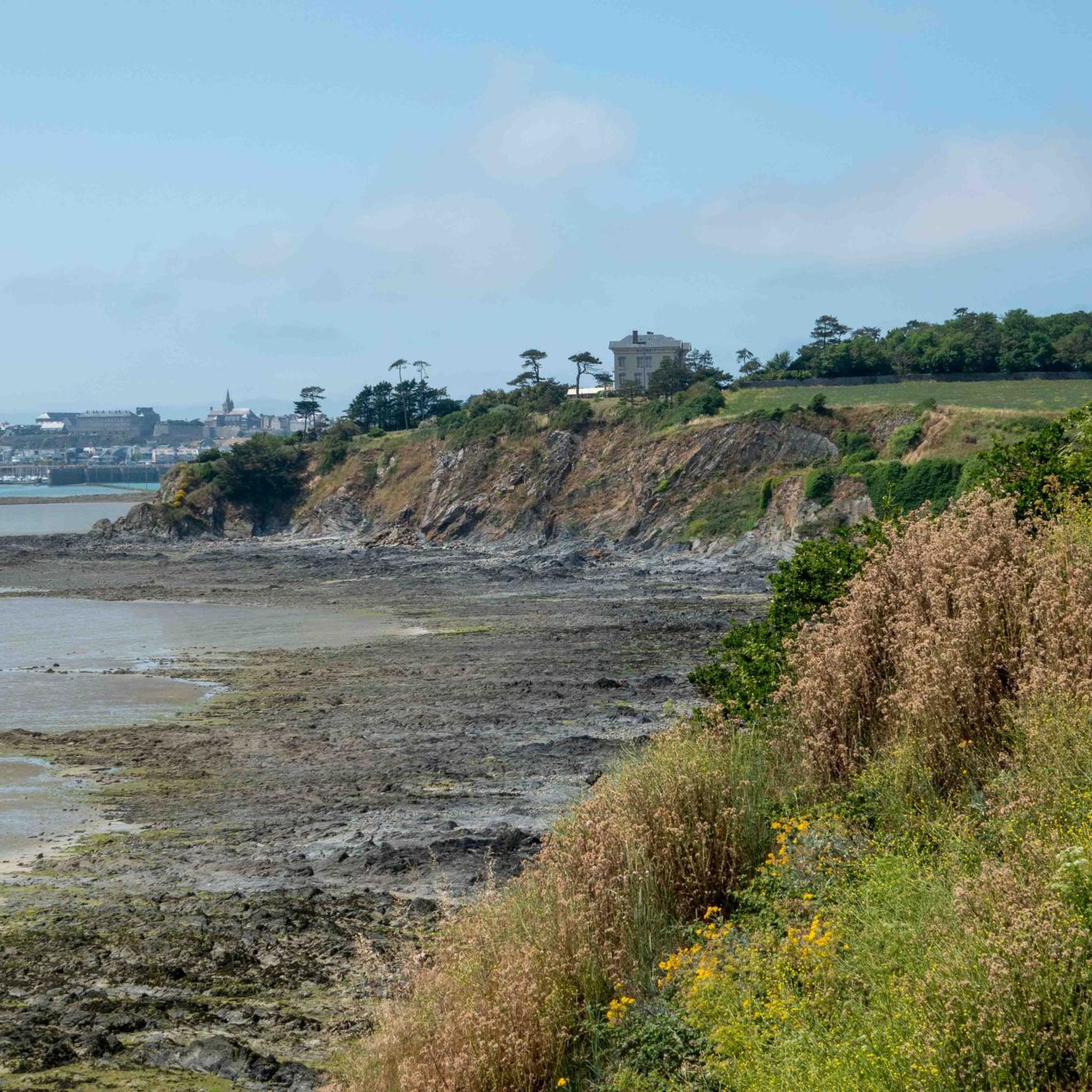
submersible road - wild haven - Pay attention to tide times in spring water!!
0
0


To be visited in different seasons to appreciate the various flowers, heather, broom...
2
0
Departing from Angey, short walk to discover a site of peat moors.
2
0
Frequently Asked Questions
What types of natural monuments can I explore around Saint-Planchers?
The Saint-Planchers area offers a diverse range of natural monuments, from unique coastal havens and scenic cliffside trails to prominent rock formations and serene inland valleys. You can discover salt meadows, estuaries, peatlands, and the distinctive Norman bocage landscape.
Where can I find panoramic views of Mont Saint-Michel near Saint-Planchers?
For breathtaking views of Mont Saint-Michel and its bay, you should visit Sard Rock, which culminates at 70 meters and offers commanding vistas. The Customs Officers' Path – Lude Valley and Beaches from Carolles to Saint-Jean-le-Thomas also provides beautiful panoramic views from its cliffside sections. Additionally, Sol Roc offers excellent views of the famous monastery island across the bay on clear days.
Are there any unique coastal natural monuments to visit?
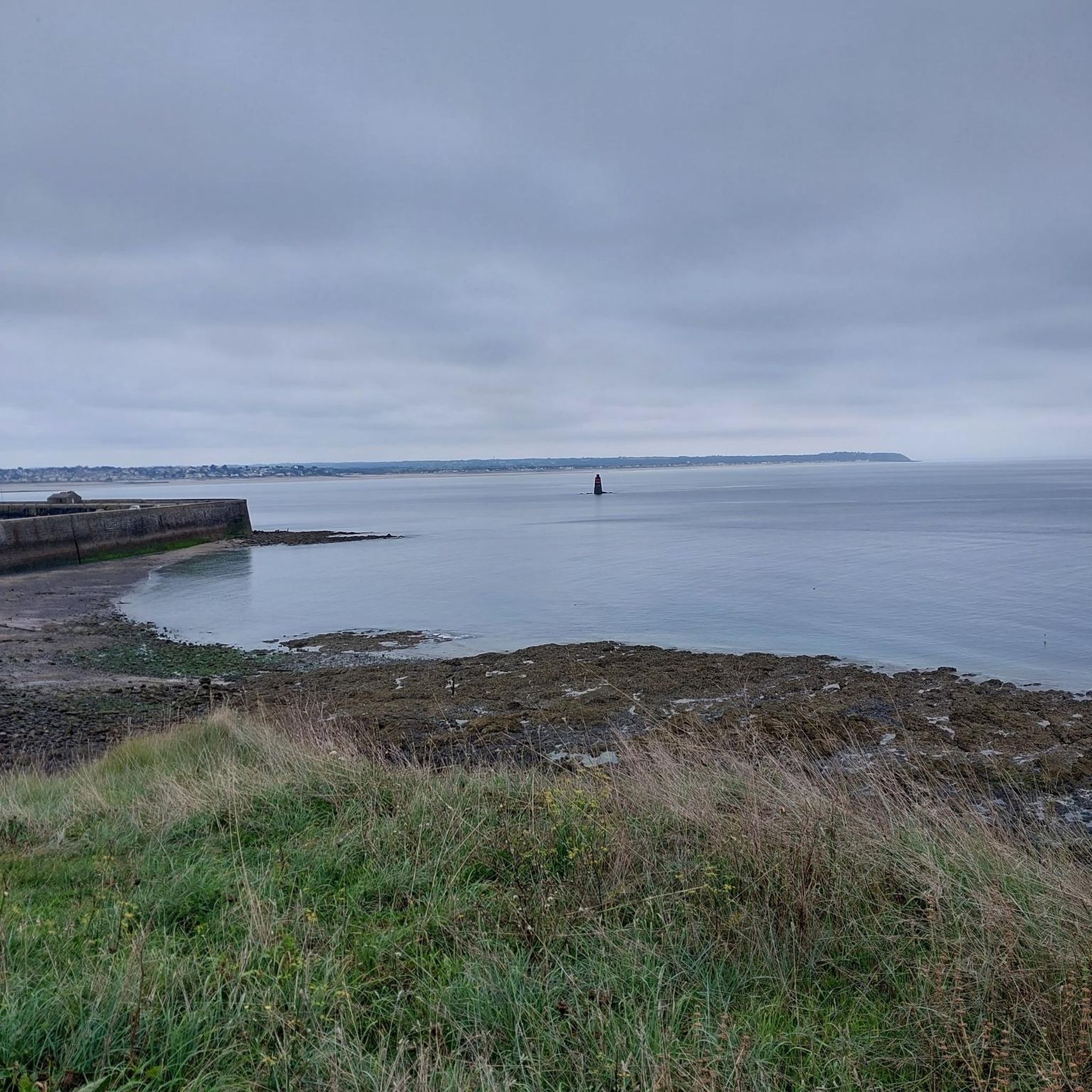
Yes, the Havre de la Vanlée is a must-see. This natural monument features extensive salt meadows and salt flats, accessible by a submersible road at low tide. It serves as an estuary for the Vanlée river and is known for its free-roaming sheep and mussel and oyster farms. Another coastal gem is Sol Roc, a spectacular rocky shoreline with a sandy beach emerging at low tide.
What is the Vallée de l'Oiselière, and what makes it special?
The Vallée de l'Oiselière is a serene and picturesque valley within Saint-Planchers, characterized by lush greenery and a historical watercourse that once powered four mills. It's known for its peaceful ambiance, historical connections (including a restored priory), and is ideal for quiet contemplation and hiking. The blend of natural beauty and local history makes it a unique natural site.
Can I experience the traditional Norman bocage landscape?
Absolutely. Saint-Planchers boasts an extensive network of rural paths, including 17 kilometers specifically for hiking, that immerse visitors in the classic Norman bocage landscape. This environment is defined by its distinctive pattern of small fields, dense hedgerows, and scattered woodlands, offering a quintessential French countryside experience. Informative markers along these paths share historical facts, blending natural exploration with cultural discovery.
Are there family-friendly natural monuments or trails around Saint-Planchers?
Yes, Les Cent Vergées Peatland offers a short, family-friendly walk to discover its unique peat moors and diverse flora. The extensive network of rural paths through the Norman bocage also provides various easy walking options suitable for families.
What outdoor activities can I do near these natural monuments?
The region around Saint-Planchers is excellent for various outdoor activities. You can enjoy hiking on trails like the Hudimesnil Church – Hudimesnil pond loop, or explore the longer Saint-Pair-sur-Mer Beach – Champ Picnic Area loop. Cycling is also popular, with routes such as the Moulin de la Hiette loop. For runners, there are several running loops available, including one directly from Saint-Planchers.
What historical connections do the natural sites around Saint-Planchers have?
Many natural sites here are steeped in history. The Vallée de l'Oiselière, for instance, has paths narrating tales of its past, including its association with the abbots of Mont-Saint-Michel and local millers. The Customs Officers' Path owes its name to the Gabelous, customs officers who patrolled these coastal routes from the 17th to the 20th century to protect against smugglers. Even Sard Rock has local legends, sometimes called 'Devil's Rock' due to a tale of a battle between the Devil and Archangel Michael.
What is the best time to visit the natural monuments around Saint-Planchers?
The spring and summer months (April to September) generally offer the most pleasant weather for exploring the natural monuments and hiking trails, with milder temperatures and longer daylight hours. Spring is particularly beautiful for seeing the diverse flowers and heather at sites like Les Cent Vergées Peatland. However, the coastal areas can be enjoyed year-round, with low tide offering unique perspectives on places like Havre de la Vanlée.
Are there any hidden natural gems or less-known spots worth discovering?
While not entirely hidden, the extensive network of rural paths through the Norman bocage offers many opportunities to discover tranquil, less-trafficked spots. These trails provide a deep connection with the local environment and its history, away from more prominent tourist attractions. The Vallée de l'Oiselière, with its peaceful ambiance and historical elements, also provides a serene escape.
What do visitors enjoy most about the natural monuments in Saint-Planchers?
Visitors frequently appreciate the diverse natural beauty, from the unique ecosystems of the Havre de la Vanlée with its free-roaming sheep, to the stunning panoramic views of Mont Saint-Michel from Sard Rock. The historical context of sites like the Customs Officers' Path and the tranquil atmosphere of the Vallée de l'Oiselière also receive high praise. The opportunity for invigorating walks amidst unspoiled nature is a major draw.
Most popular routes around Saint-Planchers
Most popular attractions around Saint-Planchers

Get inspired with the komoot mobile app


Explore more
Extend your search for the best caves by checking out these guides of the top ones around Saint-Planchers:
