Top 5 Natural Monuments around Grisy-Les-Plâtres
Best natural monuments around Grisy-Les-Plâtres are found within the Parc naturel régional du Vexin français, a region characterized by its agricultural plateau and preserved natural heritage. The area's geology includes ancient gypsum quarries, hinting at its significant natural features. Visitors can explore a landscape shaped by both natural processes and historical human interaction. This makes Grisy-Les-Plâtres a destination for those interested in natural history and serene rural scenery.
Best natural monuments around Grisy-Les-Plâtres
- The most popular natural monument is Pierre…
Last updated: May 23, 2026
Pierre de Lait Polishing Stone
Highlight • Historical Site
Translated by Google •
Tip by

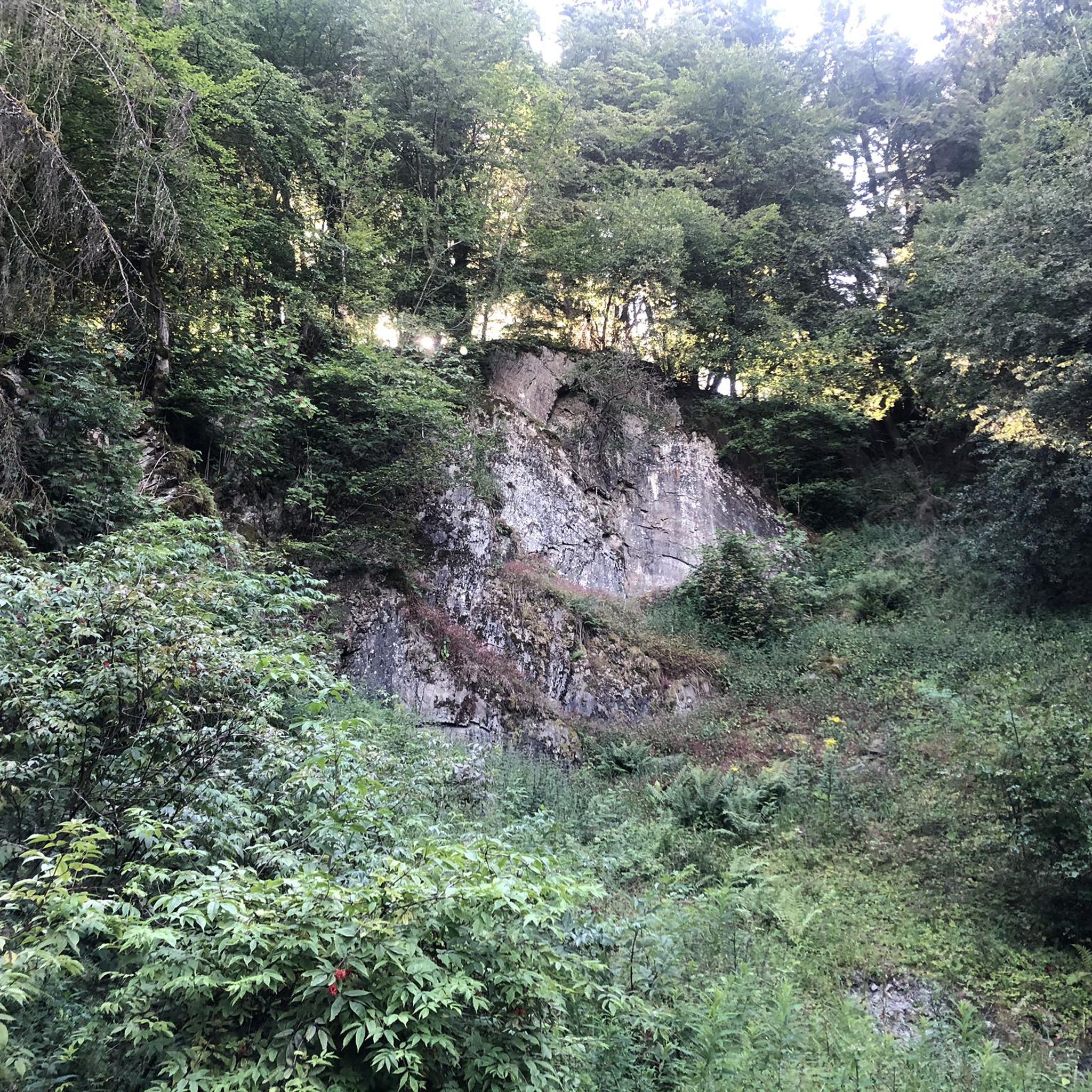
Auversian Geological Site
Highlight • Natural Monument
The interest of this quarry lies in the geological substrate, formed from the famous sands of Auvers.
valdoise.fr/888-site-geologique-de-l-auversien.htm
Translated by Google •
Tip by

Sign up now to discover places like this
Get recommendations on the best single tracks, peaks, & plenty of other exciting outdoor places.
Sign up for free
Butte de Rosne
Highlight • Summit
Translated by Google •
Tip by

The Ancient Chestnut Trees of Butte de Marines
Highlight • Natural Monument
Translated by Google •
Tip by

View of the Vexin
Highlight • Viewpoint
Translated by Google •
Tip by

Start today with a free account
Your next adventure awaits.
Login or Signup


Tips from the Community


I looked for the old chestnut trees, but alas I saw nothing! Maybe I didn't take the right path. But on the side of the GR, a lot of barriers and signs “private property, no entry, traps, etc.,” made me not want to get off the trail!
0
0

Magnificent point of view, you can even see Paris in the distance, when the weather is clear
1
0


Superb viewpoint at the top of a Vexin hill (after a short 2km climb at 3% via the Rhus road)
2
0

The mounds of Rosne or mounds of Rône are located in the Vexin, on the border of the departments of Val-d'Oise and Oise. At 216 meters above sea level, they are the highest point in the departments of Val-d'Oise and Oise and the highest natural point in the Île-de-France region.
1
0
in a beautiful forest we arrive there with a magnificent sun which warms up a little
0
0
Frequently Asked Questions
What are some of the most notable natural monuments to visit around Grisy-Les-Plâtres?
The region offers several distinct natural monuments. You can explore the ancient Pierre de Lait Polishing Stone, a Neolithic archaeological site, or the Auversian Geological Site, known for its unique sands. For panoramic views, visit the View of the Vexin, and don't miss the ancient Chestnut Trees of Butte de Marines, some over 300 years old.
Are there any natural monuments suitable for families with children?
Yes, several natural monuments are family-friendly. The Auversian Geological Site is primarily for educational purposes and public awareness, making it an interesting stop for curious minds. Additionally, the Butte de Rosne offers easy and quiet access, suitable for family outings.
What kind of geological features can I expect to see in the area?
Grisy-Les-Plâtres and its surroundings are rich in geological history. You can visit the Auversian Geological Site, which showcases the geological substrate formed from the famous sands of Auvers. The broader region, particularly the Réserve Naturelle Nationale des Coteaux de la Seine, features dramatic calcareous slopes, chalk cliffs, and pinnacles, offering unique geological formations for the Île-de-France region.
Where can I find the best panoramic views of the Vexin landscape?
For breathtaking vistas, head to the View of the Vexin. This superb viewpoint atop a Vexin hill offers extensive panoramas, and on clear days, you might even spot Paris in the distance. Another excellent spot is the Butte de Rosne, which is the highest natural point in the Île-de-France region.
What outdoor activities can I do near these natural monuments?
The area around Grisy-Les-Plâtres is ideal for various outdoor pursuits. You can explore numerous trails for running, cycling, or gravel biking. The Réserve Naturelle Nationale des Coteaux de la Seine is particularly popular for hiking and nature observation, offering a chance to discover its rich biodiversity.
Are there any ancient or historical natural sites in the region?
Absolutely. The Pierre de Lait Polishing Stone is a significant Neolithic archaeological site where ancient humans sharpened their tools. Additionally, the Ancient Chestnut Trees of Butte de Marines are over 300 years old, offering a glimpse into the region's long natural history.
What kind of wildlife can be observed near the natural monuments?
The Réserve Naturelle Nationale des Coteaux de la Seine, closely linked to Grisy-les-Plâtres, is a biodiversity hotspot. It hosts a rich variety of insects, including praying mantises and various butterflies, six reptile species like the green lizard and smooth snake, and about sixty bird species such as the red-backed shrike and cirl bunting. Keep an eye out for these species while exploring the trails.
Is there a specific trail that combines natural beauty with local heritage?
Yes, the Sentier du Patrimoine (Heritage Trail) in Grisy-les-Plâtres is designed to do just that. While it highlights cultural and historical aspects of the village, it also emphasizes the commune's environmental heritage, passing through wooded areas and offering scenic views of the agricultural landscape. It's a pleasant way to connect with both the natural and historical ambiance.
What is the best time of year to visit the natural monuments around Grisy-Les-Plâtres?
Spring and autumn are generally ideal for visiting the natural monuments. During these seasons, the weather is pleasant for outdoor activities like hiking and cycling, and the landscapes are particularly vibrant with blooming flora or rich autumnal colors. The Réserve Naturelle Nationale des Coteaux de la Seine, in particular, showcases its diverse plant life beautifully in spring.
Are there any unique gardens or cultivated natural spaces to visit?
Yes, the Jardin de Campagne in Grisy-les-Plâtres is a remarkable garden. It's a vibrant natural haven with over a thousand varieties of perennial plants, old roses, and shrubs, set within an 18th-century farm. It also features unique artistic elements like woven living willow arches, making it a significant natural and cultural attraction for nature and gardening enthusiasts.
Are dogs allowed on the trails around the natural monuments?
While many natural areas in France are dog-friendly, it's always best to check specific regulations for each site. For instance, nature reserves like the Réserve Naturelle Nationale des Coteaux de la Seine often require dogs to be on a leash to protect wildlife. Local trails like the Sentier du Patrimoine are generally more accommodating, but always ensure your dog is under control.
Most popular routes around Grisy-Les-Plâtres
Most popular attractions around Grisy-Les-Plâtres

Get inspired with the komoot mobile app


Explore more
Extend your search for the best caves by checking out these guides of the top ones around Grisy-Les-Plâtres:
