Top 8 Natural Monuments around Sainte-Geneviève-Lès-Gasny
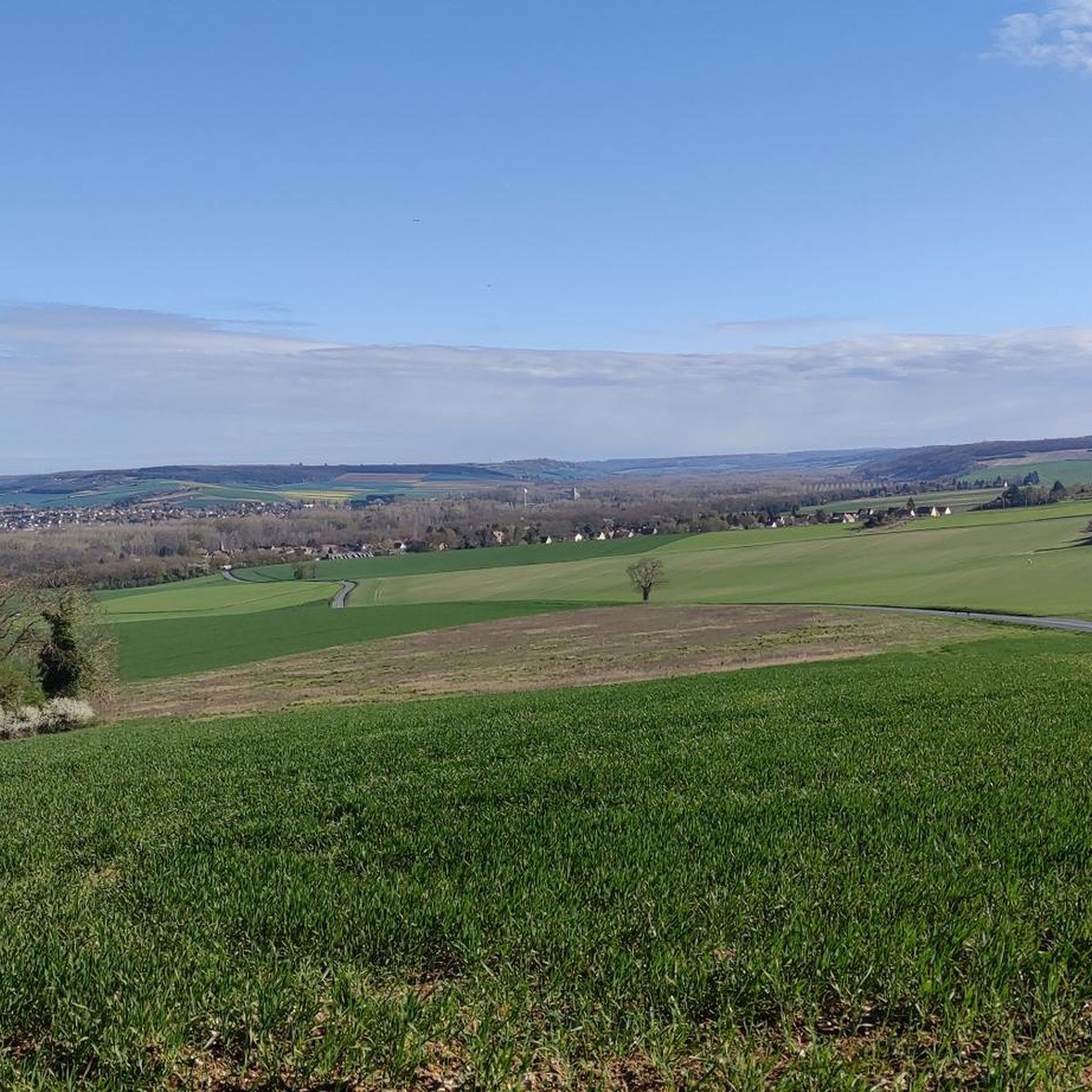
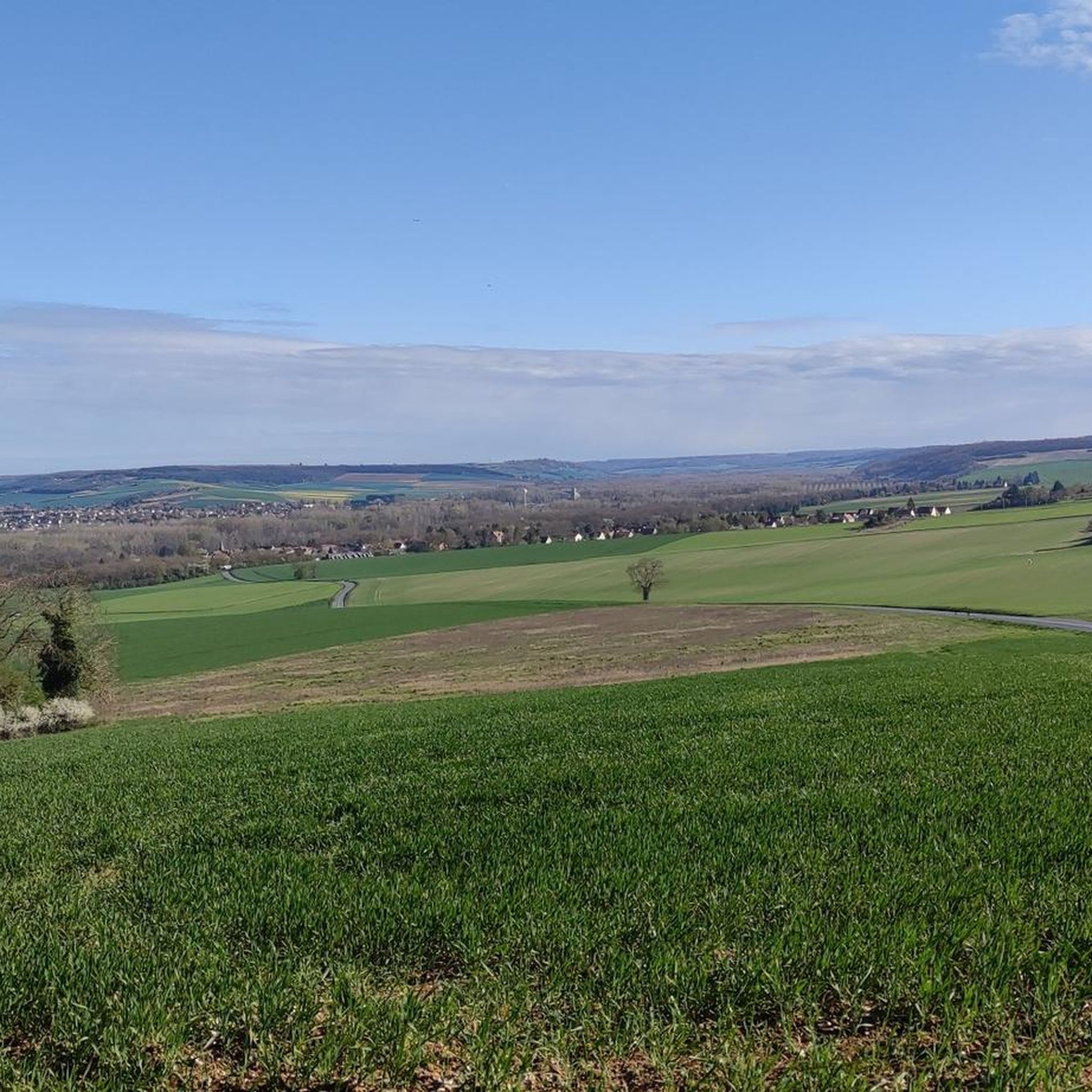
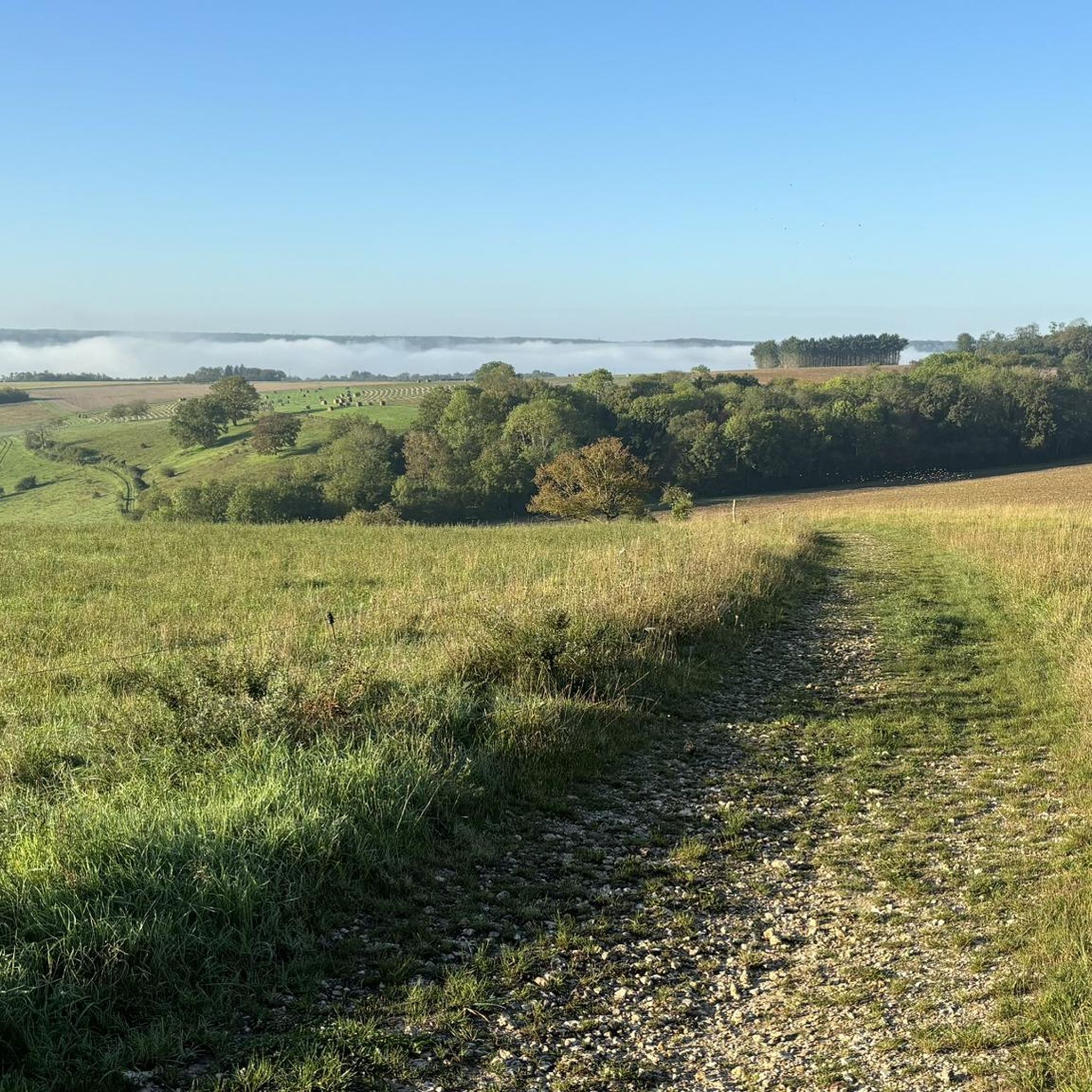
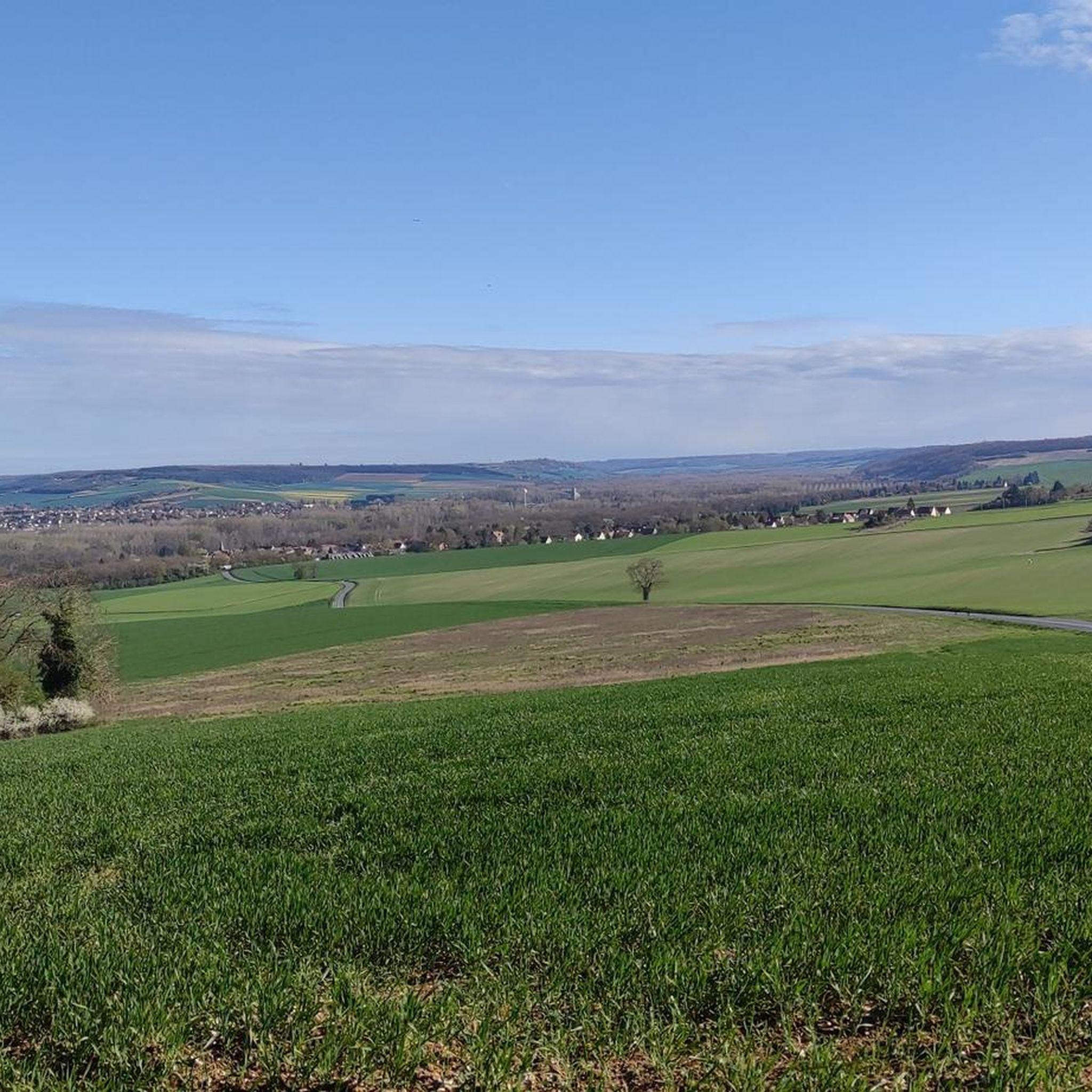
Best natural monuments around Sainte-Geneviève-Lès-Gasny offer opportunities to explore the region's natural beauty. The area is characterized by its rolling countryside, forests, and proximity to the Seine and Eure valleys. Visitors can engage with the local flora and fauna through extensive hiking trails and green spaces. This region provides a serene escape and connection with nature.
Best natural monuments around Sainte-Geneviève-Lès-Gasny
- The most popular natural monuments is Cliffs of La Roche-Guyon, a natural monument that offers views of limestone…
Last updated: July 4, 2026
Claude Monet Gardens and Foundation
Highlight • Natural Monument
Translated by Google •
Tip by

Cliffs of La Roche-Guyon
Highlight • Natural Monument
Translated by Google •
Tip by

Sign up now to discover places like this
Get recommendations on the best single tracks, peaks, & plenty of other exciting outdoor places.
Sign up for free
Coteaux de la Seine
Highlight • Natural Monument
Translated by Google •
Tip by
Monet's Water Garden
Highlight • Structure
Tip by

Villarceaux Estate
Highlight • Castle
Built in the 17th century, the chateau has housed prominent …
Tip by
Sign up for free to discover even more natural monuments around Sainte-Geneviève-Lès-Gasny.
Sign up for free
Already have an account?
Start today with a free account
Your next adventure awaits.
Login or Signup
Popular around Sainte-Geneviève-Lès-Gasny


Tips from the Community

Here we enter a work of art created for us by the great impressionist Claude Monet.
1
0

Very well-maintained facility, easy to reach with the hordes of tour buses
1
0

We can only recommend this
0
0

Lots of beautiful things to see in this part of Vexin
1
0

Avoid weekends during peak season if you want to visit...
1
0


This Harten, which is the size of a small park, is a total work of art. I am not judging it from a botanical perspective, but as someone who paints under the influence of impressionism. Incidentally, his Japanese bridge can be admired as a painting in the Metropolitan Museum of Art, (“Met”), in New York. I have already looked at several important museums in the world (the Museum of Modern Art in NYC was disappointing), and can therefore say that the Met is a museum of superlatives, without going into too much detail. Monet is represented here with around 15 works.
3
0

In 1893, ten years after his arrival in Giverny, Monet bought the plot of land adjacent to his property, on the other side of the railway and road. It was crossed by a small stream, the Ru, a branch of the Epte. With the support of the prefecture, Monet had the first small pond dug, despite opposition from his peasant neighbors, who feared that his strange plants would poison the water. Later, the pond was enlarged to its current size. The water garden is asymmetrical and curved. Monet was inspired by Japanese gardens, which he knew from prints. The painter was a passionate collector of Japanese woodcuts.
2
0
Frequently Asked Questions
What are the most popular natural monuments around Sainte-Geneviève-Lès-Gasny?
The region boasts several highly-rated natural monuments. Among the most popular are the iconic Claude Monet Gardens and Foundation, renowned for its Water Lily Garden, and the dramatic Cliffs of La Roche-Guyon, offering breathtaking views of the Seine. Visitors also appreciate the historical and natural beauty of Villarceaux Estate with its extensive park.
Are there family-friendly natural monuments in the area?
Yes, several natural monuments are suitable for families. The Claude Monet Gardens and Foundation and its Water Garden offer a beautiful and engaging experience for all ages. The Villarceaux Estate, with its vast park and castles, is also a great option for a family outing. The Cliffs of La Roche-Guyon provide scenic views that can be enjoyed by families.
What unique geological features can I explore near Sainte-Geneviève-Lès-Gasny?
The region is notable for its impressive chalk cliffs. The Cliffs of La Roche-Guyon are a prime example, featuring dramatic limestone formations and 'boves' – cavities carved into the rock. You can also visit the unique Troglodyte Church of Haute-Isle, which is carved directly into a cliff face, showcasing the area's distinctive geology.
Are there natural monuments with historical significance?
Absolutely. The Claude Monet Gardens and Foundation is a living piece of art history, inspiring many Impressionist masterpieces. The Villarceaux Estate combines natural beauty with centuries of history, featuring two castles and meticulously maintained gardens. The Troglodyte Church of Haute-Isle is a rare historical religious site carved into the rock, offering a glimpse into ancient practices.
What kind of natural landscapes can I expect to see in the region?
The area around Sainte-Geneviève-Lès-Gasny is characterized by its serene rural setting, rolling countryside, and proximity to the Seine and Eure river valleys. You'll find lush forests, vibrant cultivated gardens like those at Giverny, and dramatic geological formations such as the chalk cliffs of La Roche-Guyon. It's an unspoilt and authentic environment, typical of Normandy.
What outdoor activities can I do near these natural monuments?
The region offers various outdoor activities. You can explore numerous road cycling routes, including a "Large loop along the Seine in the Eure" or "The Epte River – Le Moulin de Fourges loop from Gasny." For running, trails like the "Claude Monet's House – Giverny Vineyards loop" are popular. Cycling options include the "Cliffs of La Roche-Guyon loop from Sainte-Geneviève-lès-Gasny." Find more details on these activities in our guides for Road Cycling, Running, and Cycling.
Are there hiking trails near the natural monuments?
While specific hiking trails directly linked to each natural monument aren't detailed, the broader region provides ample opportunities for walking and exploring. The area's rural setting and proximity to the Seine River offer scenic paths. For running, which often uses similar routes to hiking, you can find options like the "Cliffs of La Roche-Guyon – Viewpoint loop from Sainte-Geneviève-lès-Gasny" in our Running Trails guide.
What do visitors enjoy most about the natural monuments in this region?
Visitors consistently praise the serene beauty and historical depth of the natural monuments. Many highlight the meticulously maintained gardens of Claude Monet's Giverny, noting how they perfectly reflect his paintings. The panoramic views from the Cliffs of La Roche-Guyon are also a major draw, offering stunning vistas of the Seine. The unique combination of natural scenery and historical architecture, such as at Villarceaux Estate, is also highly appreciated.
What is the best time to visit the natural monuments around Sainte-Geneviève-Lès-Gasny?
The best time to visit largely depends on your interests. For the Claude Monet Gardens, spring and summer (April to October) are ideal to see the flowers and water lilies in full bloom. The seasonal changes provide a constantly evolving spectacle. For geological sites like the Cliffs of La Roche-Guyon, good weather is preferable for enjoying the views, making late spring to early autumn generally pleasant. Arriving early in the morning is often recommended for popular sites to avoid crowds.
Are there any hidden gems or less crowded natural monuments to discover?
While the main attractions are well-known, the region's rural character means there are always quieter spots. The Troglodyte Church of Haute-Isle, carved into a cliff, offers a unique and often less crowded historical and natural experience. Exploring the broader landscapes around the Seine and Eure valleys can also lead to tranquil discoveries away from the main tourist paths.
Can I find cafes or accommodation near the natural monuments?
Yes, the villages surrounding these natural monuments, such as Giverny (near Monet's Gardens) and La Roche-Guyon (near the cliffs), offer various options for cafes, restaurants, and accommodation. You'll find charming local establishments where you can enjoy a meal or stay overnight, enhancing your visit to the region.
Most popular routes around Sainte-Geneviève-Lès-Gasny
Most popular attractions around Sainte-Geneviève-Lès-Gasny

Get inspired with the komoot mobile app


Explore more
Extend your search for the best caves by checking out these guides of the top ones around Sainte-Geneviève-Lès-Gasny:
