Top 10 Natural Monuments around Trédrez-Locquémeau
Natural monuments around Trédrez-Locquémeau showcase a diverse coastal landscape in Brittany, characterized by its unique geological formations and natural habitats. This picturesque area features impressive cliffs, rocky promontories, and significant ecological sites. The region offers various natural features for exploration, from ancient megaliths to protected wildlife areas.
Best natural monuments around Trédrez-Locquémeau
- The most popular natural monuments is Milliau Island Covered Gallery, a historical site that features a Neolithic covered gallery tomb constructed from pink granite. This monument offers a view of the Côte de Granit Rose and is accessible at low tide.
- Another must-see spot is Turtle Rock, a viewpoint. Visitors can observe this small, turtle-shaped granite island, which is part of a protected natural area.
- Visitors also love Kerguntuil Megaliths, an archeological site featuring a passage grave and dolmen from the late Neolithic period. These monuments are notable for their large stone slabs and historical significance.
- Trédrez-Locquémeau is known for its ancient megalithic structures, unique rock formations, and protected natural areas. The region offers a variety of natural monuments, including historical sites and viewpoints, to see and explore.
- The natural monuments around Trédrez-Locquémeau are appreciated by the komoot community, with more than 170 upvotes and over 60 photos shared by visitors.
Last updated: July 4, 2026
Kerguntuil Megaliths
Highlight • Historical Site
Here is the translation of the information panel:
The stone monuments of Kerguntuil are remains from the late Neolithic period (around 2000 BC). The passage grave, consisting of several stone slabs, and the dolmen are two very fine examples of megaliths (assemblies of large stones) erected in Western Europe during this period.
Did you know that these passages were rediscovered in the 1930s thanks to the dedication of local volunteers who excavated and restored the monument? It is very likely that our ancestors used these monuments as collective burial sites. Today, these remains bear witness to the architectural genius of these prehistoric people, but also to their worldview. Look at the engravings inside, on the pillars of the mound foundation burial: These pairs of raised protrusions, engraved in relief, are said to represent breasts and the Great Mother Goddess of the Neolithic period.
Translated by Google •
Tip by

Milliau Island Covered Gallery
Highlight • Historical Site
Translated by Google •
Tip by

Sign up now to discover places like this
Get recommendations on the best single tracks, peaks, & plenty of other exciting outdoor places.
Sign up for free
Turtle Rock
Highlight • Viewpoint
Translated by Google •
Tip by

LPO Bird Protection Center Les Sept-Îles
Highlight • Rest Area
The protection center for injured or oil-contaminated animals is not open to the public.
Translated by Google •
Tip by

Pointe de Bihit
Highlight • Viewpoint
Translated by Google •
Tip by

Sign up for free to discover even more natural monuments around Trédrez-Locquémeau.
Sign up for free
Already have an account?
Start today with a free account
Your next adventure awaits.
Login or Signup

Tips from the Community

The roof table measures 5.75 m long, 3.55 m wide and 0.75 m thick. The orthostat on the north side measures 2 m high, 1.50 m wide and 0.20 m thick. It continues to the west with a dry stone wall which does not appear to be original. The orthostat on the west side is slightly domed. It measures 2.55 m wide by 2.305 m high with a thickness between 0.40 m at the base and 0.30 m at the top. The southern orthostat is backed by the slope. It measures 2.50 m wide, 2.40 m high and 0.35 m thick. The internal chamber measures 5 m long by 3 m wide with a height under the slab of 2 m
1
0

If you pass by it's quite nice, but it's not worth making the extra trip!
0
1

This Neolithic covered gallery tomb on Milliau Island measures 9.3 meters long and is constructed from distinctive pink granite quarried from Ploumanac'h. The monument features ten standing stones on the north side and five on the south, originally covered by five granite slabs, though only three remain in position today. The structure's current open-ended design makes it unclear whether it functioned as a covered walkway or a side-entrance burial chamber.
0
0
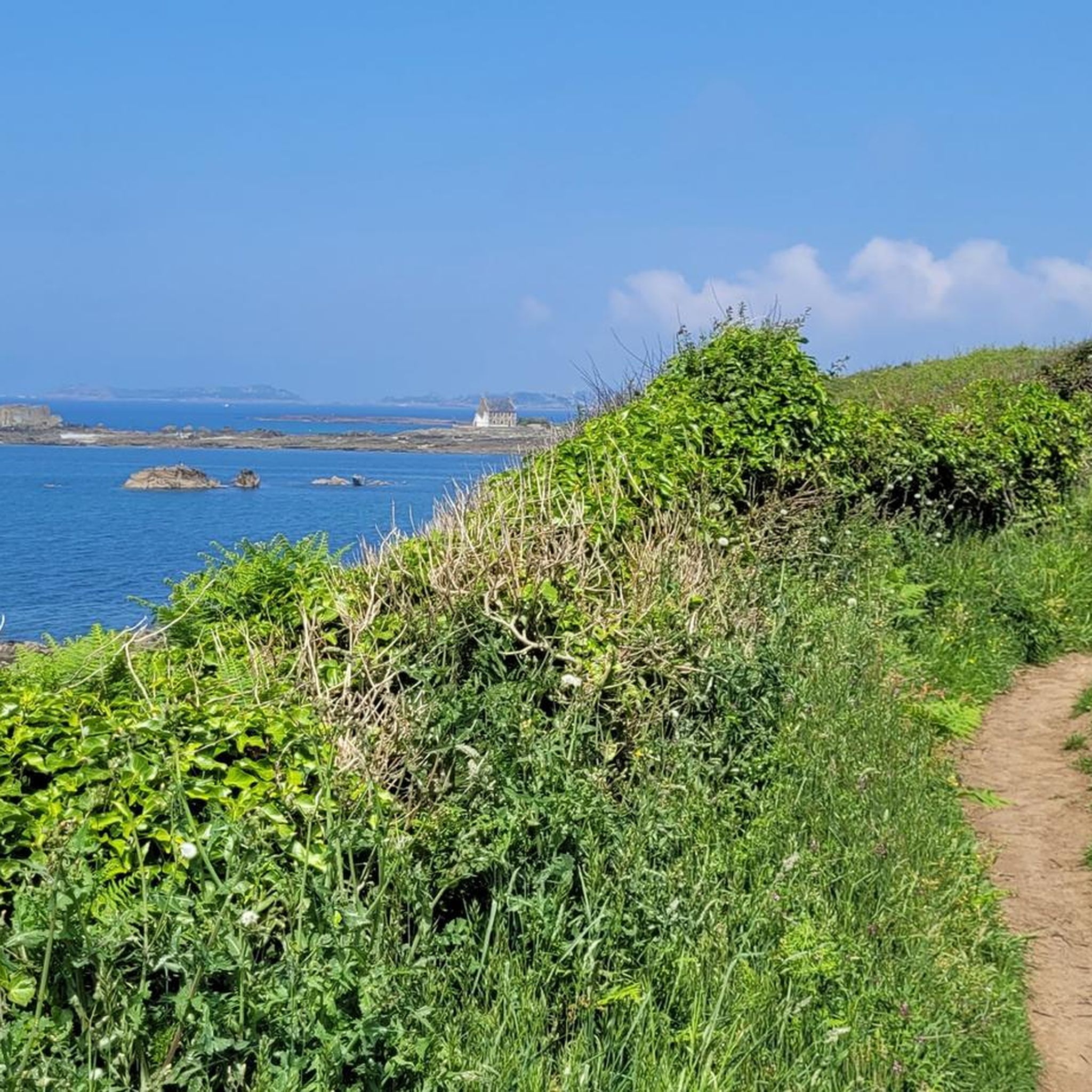
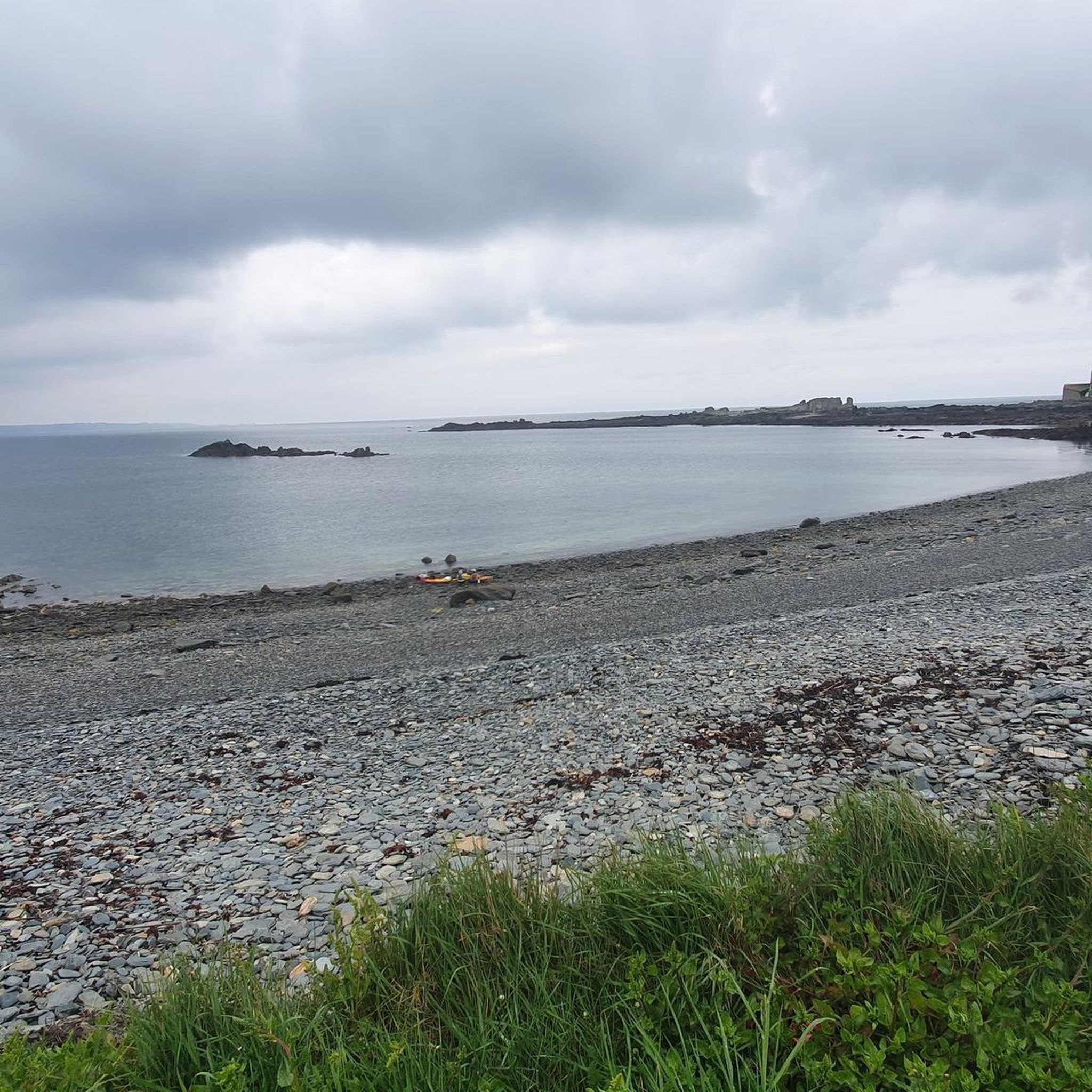
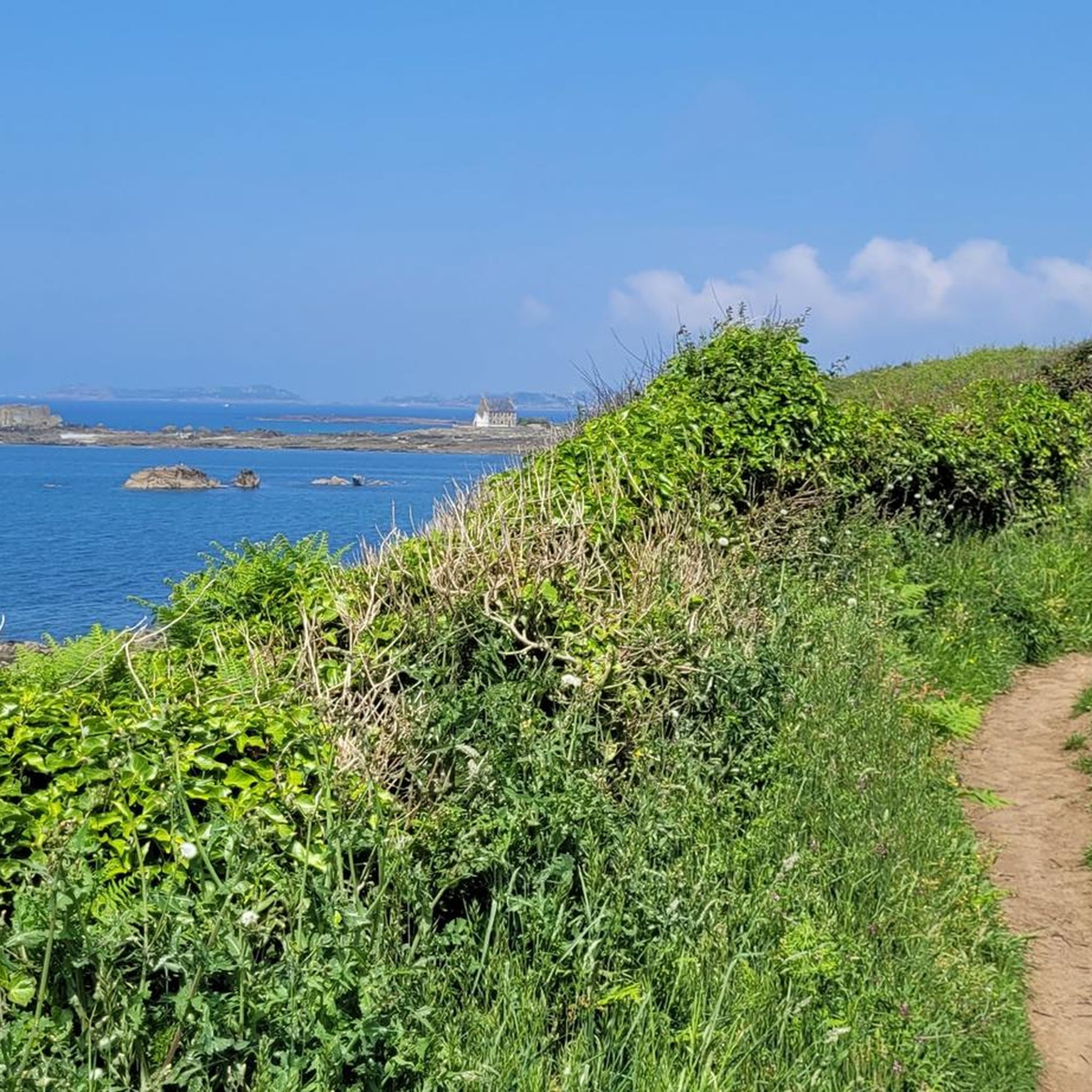
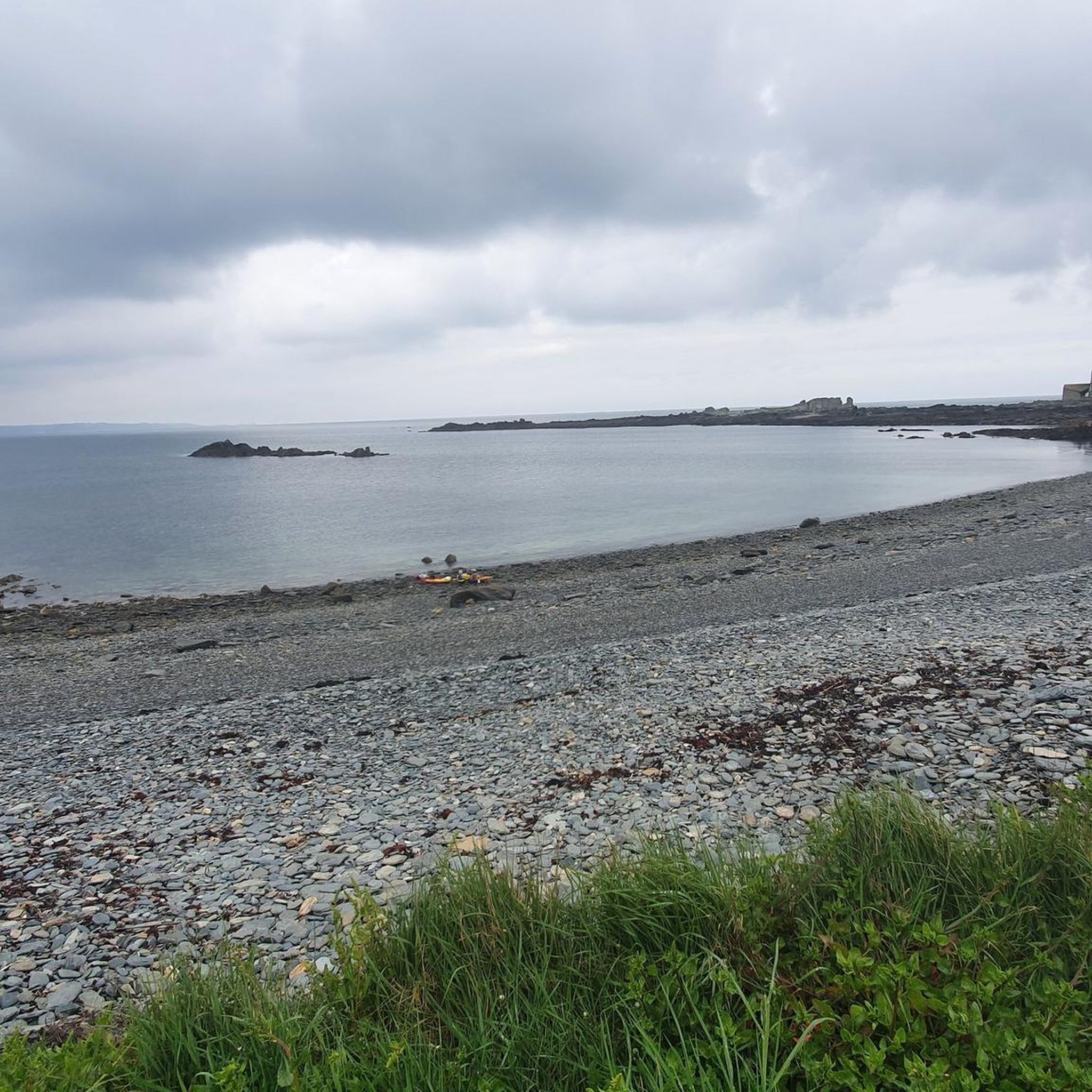
A small turtle-shaped uninhabited granite island located approximately 400 meters west of Pointe de Bihits near Trébeurden on Brittany's Pink Granite Coast. The rocky outcrop forms part of a protected natural area of ecological, wildlife, and botanical interest alongside the nearby Pointe de Bihit
0
0

A large, a really large stone slab as a cover – I was really astonished. Here is the translation of the information panel: The stone monuments of Kerguntuil are remains from the late Neolithic period (around 2000 BC). The passage grave, consisting of several stone slabs, and the dolmen are two very fine examples of megaliths (assemblies of large stones) erected in Western Europe during this period. Did you know that these passages were rediscovered in the 1930s thanks to the dedication of local volunteers who excavated and restored the monument? It is very likely that our ancestors used these monuments as collective burial sites. Today, these remains bear witness to the architectural genius of these prehistoric people, but also to their worldview. Look at the engravings inside, on the pillars of the mound foundation burial: These pairs of raised protrusions, engraved in relief, are said to represent breasts and the Great Mother Goddess of the Neolithic period.
1
0

The building of the old quarry now houses a bird protection center run by the LPO organization, comparable to the BUND in Germany. There is a lot of information and also a television screen that constantly shows current images of a colony of "Fou de Basse" - "Northern Gannets" on one of the "Seven Islands". This means that the animals can be observed without being disturbed. The protection center for injured or oil-contaminated animals is not open to the public.
0
0

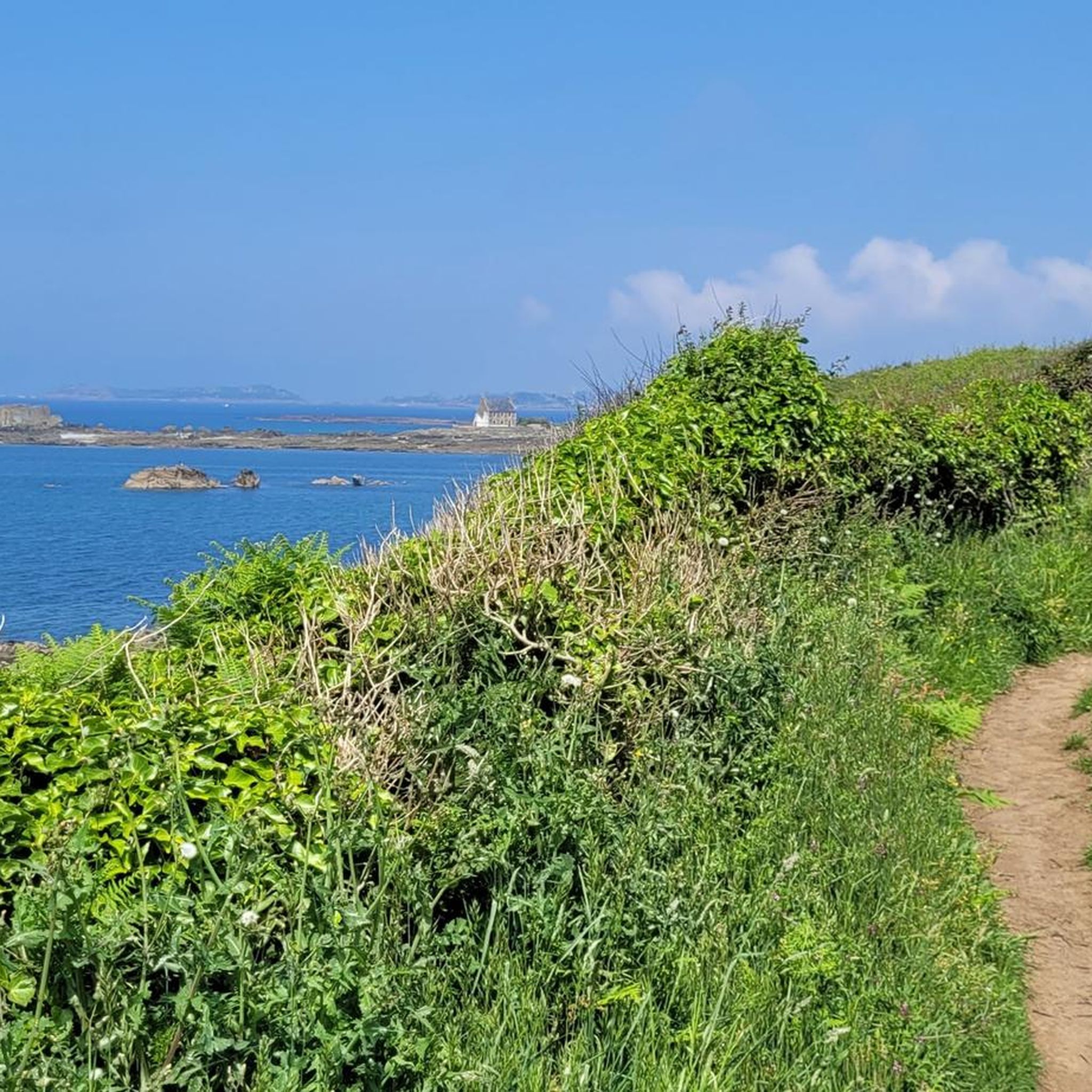
Nice vestige on Milliau Island.
0
0

The dolmen and the covered alley of Kergüntuil (or Kergünteil) are two megalithic buildings separated by a hundred meters located in the town of Trégastel. The dolmen consists of three orthostats and a cover table. It is difficult to characterize its architecture because the building served as a dwelling then as a stable. It is backed by an embankment which perhaps corresponds to the remains of the original tumulus.
0
0
Frequently Asked Questions
What are some unique natural features to explore around Trédrez-Locquémeau?
The region boasts a diverse coastal landscape. You can explore the impressive Turtle Rock, a small, turtle-shaped granite island, or the dramatic Cliffs of Trédrez, which stretch for kilometers and offer breathtaking panoramic views. The Pointe de Dourven also features granite chaos and diverse wild vegetation.
Are there historical or archaeological natural monuments in Trédrez-Locquémeau?
Yes, the area is rich in history. You can visit the Kerguntuil Megaliths, an archaeological site with a passage grave and dolmen from the late Neolithic period. Another significant site is the Allée Couverte of Île Grande, a covered granite path dating back approximately 5000 years. Additionally, Milliau Island Covered Gallery is a Neolithic tomb constructed from pink granite, accessible at low tide.
What kind of wildlife can I observe at the natural monuments?
The Lagune du Vorlenn, located at the Pointe de Séhar, is a vital ecological site and sanctuary for migratory birds and rare flora. The area around Turtle Rock is also a protected natural area of ecological, wildlife, and botanical interest.
What hiking opportunities are available near the natural monuments?
The Cliffs of Trédrez are traversed by the Sentier des Douaniers (customs officers' path), offering stunning views. You can find various hiking routes, such as the 'Trédrez Cliffs Circuit' or 'Beg an Nerv – Beg ar Forn loop from Étang du Vorlen'. For more options, explore the Hiking around Trédrez-Locquémeau guide.
Are there family-friendly natural monuments to visit?
Yes, several natural monuments are suitable for families. The Kerguntuil Megaliths and the Allée Couverte of Île Grande are both listed as family-friendly. The LPO Bird Protection Center Les Sept-Îles also offers an educational experience for all ages.
What is the best time to visit the natural monuments in Trédrez-Locquémeau?
The coastal natural monuments are beautiful year-round. However, for hiking and enjoying the outdoors, spring and autumn offer pleasant temperatures. Visiting during low tide is essential for accessing sites like Île Milliau and exploring the base of the Cliffs of Trédrez.
How can I visit Île Milliau and what can I expect there?
Île Milliau is accessible on foot at low tide via a causeway from Trébeurden. It's a 23-hectare island with a rich history, including a Neolithic covered alley. The highest point, Penn Milieo (52m), offers a stunning 360-degree panoramic view, perfect for picnics. Suitable times for access are usually posted at the harbor in Trébeurden.
What do visitors enjoy most about the natural monuments in Trédrez-Locquémeau?
Visitors frequently highlight the impressive scale of the ancient structures, such as the large stone slabs at the Kerguntuil Megaliths. The unique shapes of natural formations like Turtle Rock and the breathtaking coastal views from places like the Cliffs of Trédrez are also highly appreciated.
Are there mountain biking or gravel biking routes near the natural monuments?
Yes, the region offers various cycling opportunities. You can find routes like the 'Pink Granite Coast MTB Loop' or 'Lannion – Saint-Efflam Beach loop from Trédrez-Locquémeau'. For more detailed information, refer to the Gravel biking around Trédrez-Locquémeau guide or the MTB Trails around Trédrez-Locquémeau guide.
What is the significance of the Pointe de Dourven?
Pointe de Dourven is a rocky promontory marking the southern entrance to the Léguer estuary, offering expansive views of the Bay of Lannion. It's known for its granite chaos, dramatic cliffs, and diverse wild vegetation. Historically, it served as a fortified outpost and surveillance point, with remnants like a guardhouse still visible.
Where can I find information about bird protection in the area?
The LPO Bird Protection Center Les Sept-Îles, housed in an old quarry building, provides a lot of information about local birdlife. It features screens showing live images of a Northern Gannet colony, allowing observation without disturbance.
Most popular routes around Trédrez-Locquémeau
Most popular attractions around Trédrez-Locquémeau

Get inspired with the komoot mobile app


Explore more
Extend your search for the best caves by checking out these guides of the top ones around Trédrez-Locquémeau:
