Top 20 Natural Monuments around Trégastel
Best natural monuments around Trégastel are characterized by extraordinary pink granite rock formations, sculpted by centuries of natural erosion along the Pink Granite Coast. This region in Brittany, France, offers a unique geological landscape with distinctive coastal features and lush valleys. The area is known for its copper-pink granite, a blend of mica, feldspar, and quartz, forming fantastical shapes. Trégastel provides opportunities to explore these natural wonders and picturesque coastal environments.
Best natural monuments around Trégastel
- The most popular natural…
Last updated: October 7, 2026
Along the pink granite coast
Highlight • Monument
Translated by Google •
Tip by

Mean Ruz Lighthouse
Highlight • Monument
Translated by Google •
Tip by

Sign up now to discover places like this
Get recommendations on the best single tracks, peaks, & plenty of other exciting outdoor places.
Rock formation near Ploumanac'h
Highlight • Natural Monument
Translated by Google •
Tip by

Sainte-Anne des Rochers Chapel
Highlight • Religious Site
Translated by Google •
Tip by

Kerguntuil Megaliths
Highlight • Historical Site
Here is the translation of the information panel:
The stone monuments of Kerguntuil are remains …
Translated by Google •
Tip by

Sign up for free to discover even more natural monuments around Trégastel.
Already have an account?
Start today with a free account
Your next adventure awaits.

Tips from the Community

The Sainte-Anne des Rochers chapel was severely damaged in a fire on June 12, 2026. Approximately 75% of the slate roof was destroyed, and parts of the roof structure collapsed. The fire department managed to salvage several historical statues and liturgical objects from the interior. The completion of restoration work and reopening are scheduled for 2028.
0
0

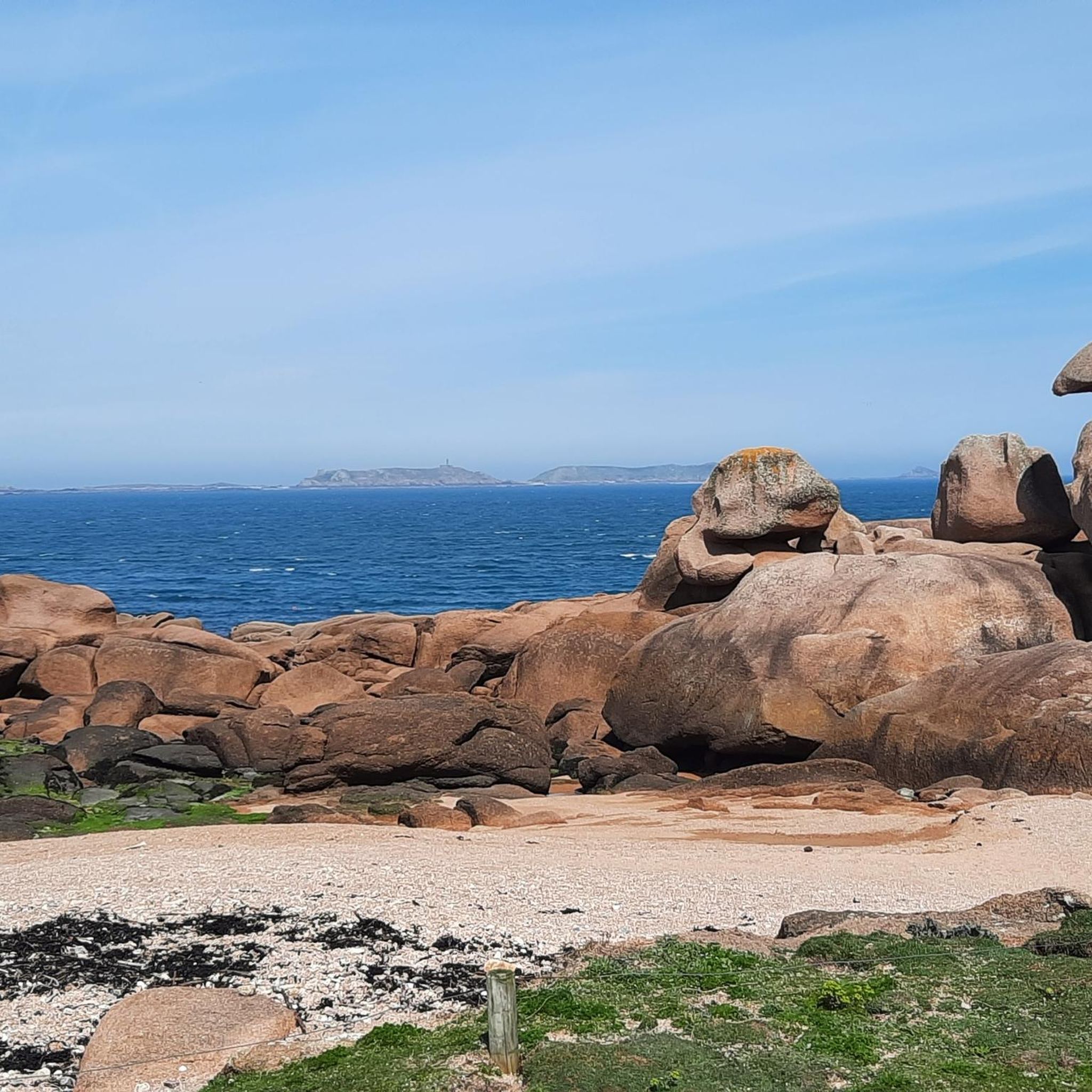
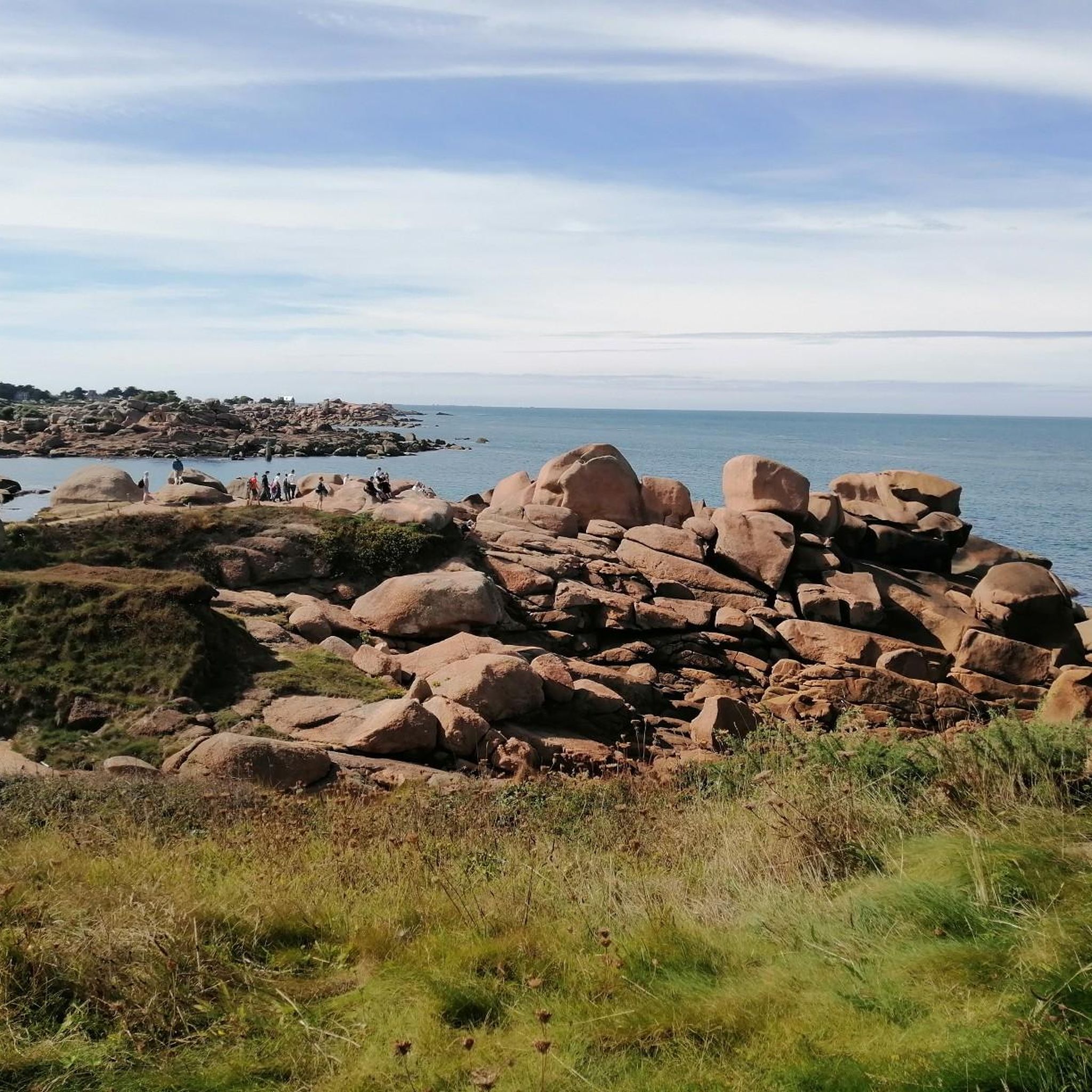
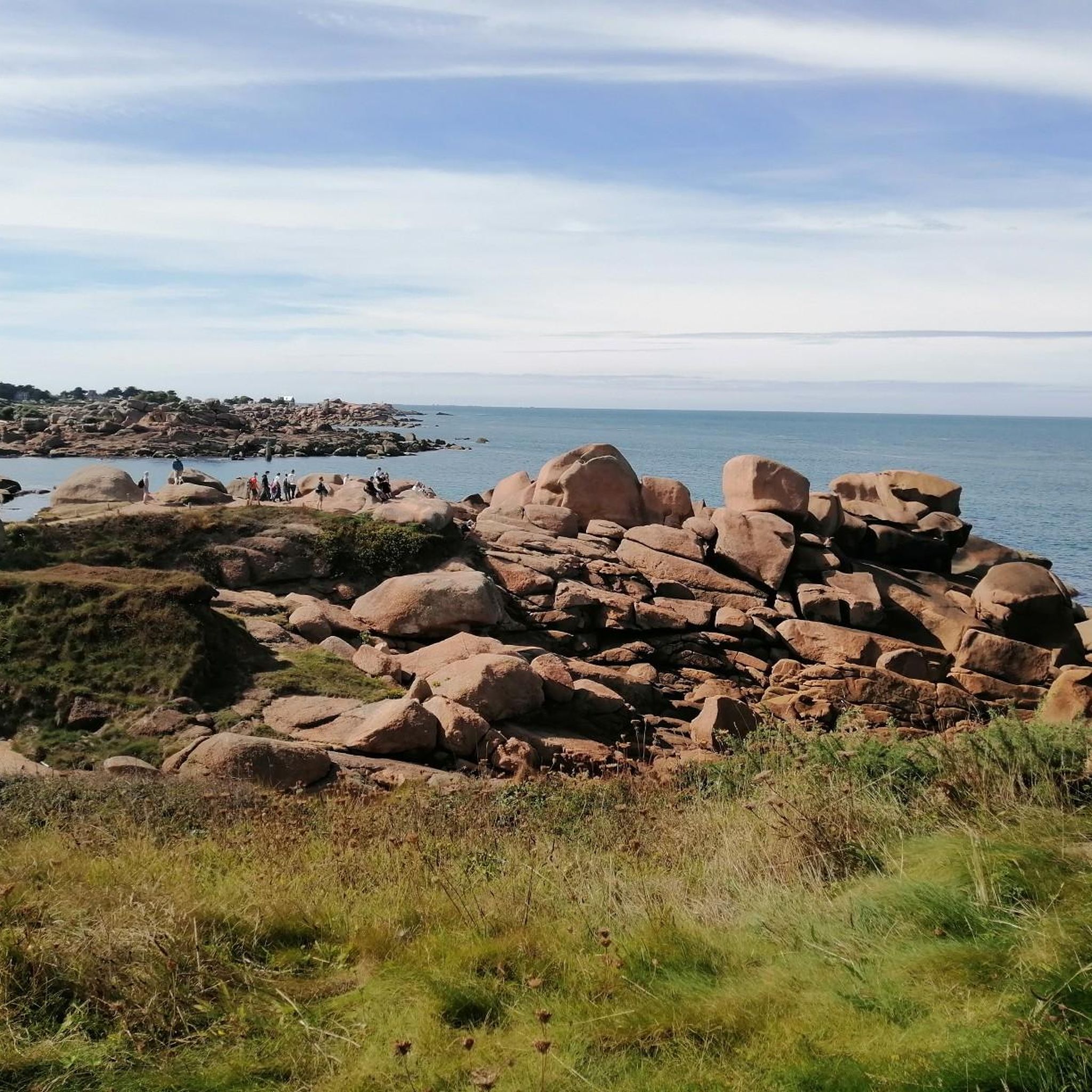
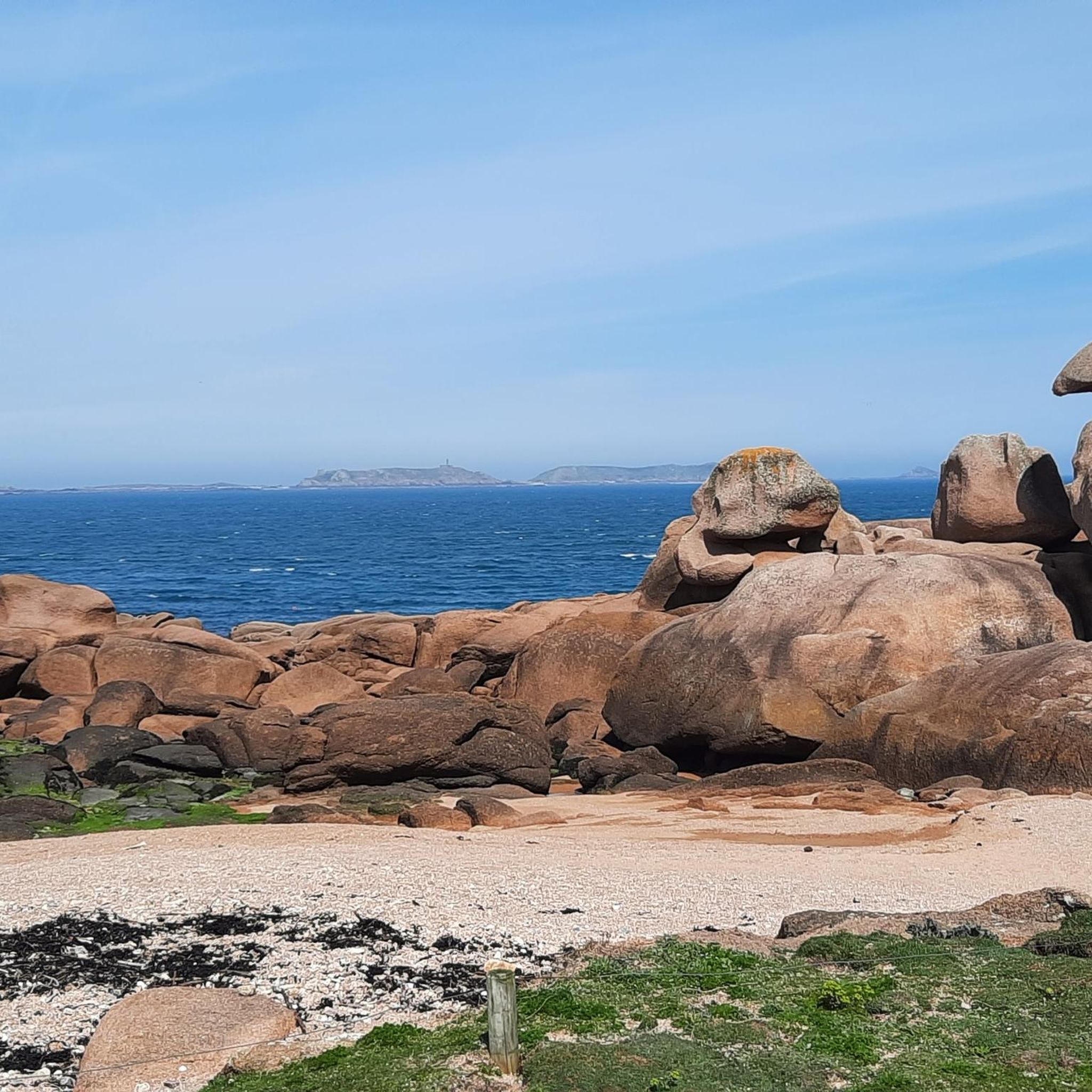
What a great trail. Climbing on the stones, hearing the sea roar, the wind whistles around your ears. Whoever lets their imagination run wild can discover figures in many of the stones. What nature has created here over the years amazes me.
0
0

The Phare de Mean Ruz, also known as the Ploumanac'h Lighthouse, is one of the most famous landmarks of Brittany's Pink Granite Coast. The original tower was built in 1860, but was destroyed during World War II and rebuilt in 1946 in its original form. Since 1948, it has once again emitted its signature flashing red light across the sea, visible for up to 11 nautical miles. At approximately 15 meters high, the lighthouse marks the entrance to Ploumanac'h Bay. Unfortunately, access to the lighthouse is closed to the public.
2
0
The Ploumanac'h Lighthouse (Phare de Mean Ruz) is nestled among the striking pink granite cliffs. Built in 1946 from pink granite, it serves to ensure navigation by marking dangerous coves and cliffs. At approximately 15 meters high, the square tower is a popular photo subject and a typical stop for hikers on the historic Sentier des Douaniers (Customs Officers' Trail). Other nearby attractions include the Château du Diable and the Petite Baie de Ploumanac'h.
1
0
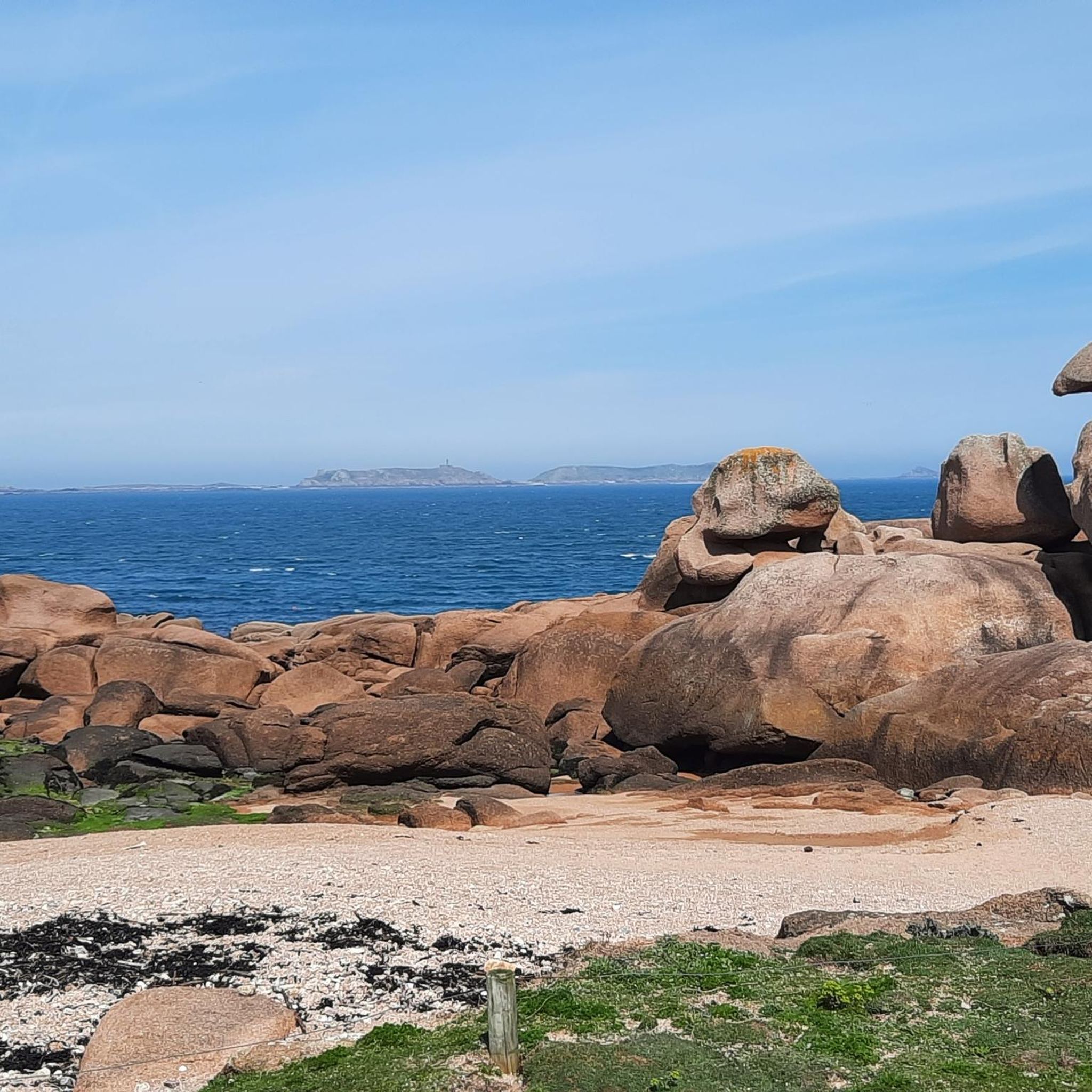
Over millions of years, the interplay of wind, rain, sea, and erosion has carved the most incredible forms out of solid pink granite. Bizarre boulders rise from the ground everywhere, some resembling small castles, others resembling strange animals. Particularly striking is the Château du Diable, whose castle-like silhouette captures visitors' imaginations. The entire coastal landscape is so dramatic and unique that one almost feels as if they are in another world.
2
0

The roof table measures 5.75 m long, 3.55 m wide and 0.75 m thick. The orthostat on the north side measures 2 m high, 1.50 m wide and 0.20 m thick. It continues to the west with a dry stone wall which does not appear to be original. The orthostat on the west side is slightly domed. It measures 2.55 m wide by 2.305 m high with a thickness between 0.40 m at the base and 0.30 m at the top. The southern orthostat is backed by the slope. It measures 2.50 m wide, 2.40 m high and 0.35 m thick. The internal chamber measures 5 m long by 3 m wide with a height under the slab of 2 m
1
0

If you pass by it's quite nice, but it's not worth making the extra trip!
0
1

The current lighthouse was built in 1946 to replace the original 1860 lighthouse that German forces destroyed in August 1944, with architects required to harmonize the design with the protected surrounding landscape. The lighthouse features interior mosaics created by renowned Rennes artist Isidore Odorico and offers panoramic views of Costaérès Castle and the Seven Islands archipelago.
1
0
Frequently Asked Questions
What makes the natural monuments around Trégastel unique?
The natural monuments around Trégastel are primarily characterized by their extraordinary copper-pink granite rock formations. This stretch of the Pink Granite Coast is one of only three such locations globally, where centuries of natural erosion have sculpted these rocks into fantastical, often whimsical, forms. This unique geology creates a vibrant contrast against the blue sea and lush landscapes.
What are some of the most striking rock formations to see in Trégastel?
Trégastel's coastline is dotted with uniquely shaped granite rocks. You can find formations with imaginative names like "Pile of Crepes," "The Witch," and "The Artist Palette." A notable example is the Rock of the Tortues (Turtle Rock) near Coz Pors beach, where several pink granite rocks resemble turtles. The Rock formation near Ploumanac'h also features bizarre boulders, some resembling small castles or strange animals, such as the 'Château du Diable'.
What do visitors particularly enjoy about the natural monuments in Trégastel?
Visitors frequently praise the stunning beauty and unique geological features. Many describe the Pink Granite Coast as a 'walking paradise' and an 'Eldorado for hiking,' appreciating the dramatic and unique coastal landscape. The imaginative shapes of the rocks invite visitors to engage with the landscape and discover their own interpretations, making it a memorable experience for photography and marveling at nature's artistry.
Are there family-friendly natural monuments in Trégastel?
Yes, several natural monuments in Trégastel are suitable for families. The Mean Ruz Lighthouse is considered family-friendly, offering great views. The beaches like Coz Pors and Grève Blanche are also excellent for families to observe the rock formations and enjoy the coastal environment. Additionally, the Sainte-Anne des Rochers Chapel and Kerguntuil Megaliths are family-friendly sites that combine natural beauty with historical interest.
What kind of outdoor activities can I do near Trégastel's natural monuments?
The area around Trégastel offers a variety of outdoor activities. You can enjoy running on trails like the 'Customs Trail – Men Ruz Lighthouse loop' or 'Greve Blanche Bay – Coz Pors Beach loop'. For cycling enthusiasts, there are gravel biking routes such as the 'Pink Granite Coast MTB Loop' or 'Sainte-Anne Bay – Plage de Quo Vadis loop'. Mountain biking options include the 'Path overlooking the Radome loop'. You can find more details on these activities in the running, gravel biking, and MTB guides for Trégastel.
Are there good hiking trails to explore the natural monuments?
Absolutely. The Pink Granite Coast is renowned for its hiking opportunities. The GR34 customs path, particularly on Presqu'île Renote, offers breathtaking views of the 7-island archipelago and distinctive rock formations. A very well-maintained hiking trail also leads through the pink granite cliffs near Ploumanac'h. Be aware that some sections may require climbing over rocks.
Beyond the coast, are there other natural areas to explore in Trégastel?
Yes, inland from the coast, you can explore the Vallée des Traouïero. This natural area offers a contrasting landscape known for its 'chaos of rocks carpeted with moss' amidst a lush environment of beech, oak, and chestnut trees. Footpaths wind along the Kérougant stream, and the valley is home to various ferns, including the Royal Fern, creating a mystical and tranquil experience.
Are there any historical or archaeological natural monuments to explore?
Yes, Trégastel offers sites with both natural and historical significance. The Kerguntuil Megaliths are remains from the late Neolithic period (around 2000 BC), featuring a passage grave and a dolmen. These monuments offer insight into the architectural genius and worldview of prehistoric people. The Sainte-Anne des Rochers Chapel also has historical roots, with construction signs dating back to the Neolithic period.
What is the best time of year to visit Trégastel's natural monuments?
The natural monuments in Trégastel are beautiful year-round, but the best time to visit is generally during the spring (April-June) and early autumn (September-October). During these periods, the weather is typically pleasant for walking and exploring, and the tourist crowds are often smaller than in the peak summer months. The spectacle of the rocks also changes constantly with the tides, offering unique views at different times of day.
Where can I experience the Pink Granite Coast up close?
The Presqu'île Renote is an excellent place to experience the Pink Granite Coast up close. A walk along the famous GR34 customs path on this peninsula offers breathtaking views of the 7-island archipelago and the distinctive rock formations. You'll also find sights like Tourony beach and the island castle of Château de Costaérès, along with rich marine biodiversity, especially at low tide.
Are there any lighthouses among the natural monuments?
Yes, the Mean Ruz Lighthouse (officially Phare de Ploumanac’h) stands prominently amidst the rugged granite rocks. It offers spectacular views, particularly in the evenings when the setting sun illuminates the reddish rocks and the lighthouse, creating a picturesque scene.
Can I bring my dog to the natural monuments in Trégastel?
While specific regulations can vary, many coastal paths and natural areas in Brittany are dog-friendly, especially if dogs are kept on a leash. It's generally advisable to check local signage at specific beaches or natural sites for any restrictions. The GR34 customs path, which runs along much of the Pink Granite Coast, is often accessible with dogs.
Most popular routes around Trégastel
Most popular attractions around Trégastel

Get inspired with the komoot mobile app


Explore more
Extend your search for the best caves by checking out these guides of the top ones around Trégastel:
