Top 6 Natural Monuments around Lézardrieux
Best natural monuments around Lézardrieux are found in the Côtes-d'Armor department of Brittany, France. The region features unique geological formations, diverse ecosystems, and coastal landscapes. These sites offer opportunities to observe specific flora and fauna adapted to the marine environment. The area is characterized by its distinctive granite rocks and a microclimate supporting varied vegetation.
Best natural monuments around Lézardrieux
- The most popular natural monuments is Rock Formations – North Coast of Île de Bréhat, a natural monument that…
Last updated: June 20, 2026
Beauport Abbey
Highlight • Monument
Translated by Google •
Tip by

Sillon de Talbert viewpoint
Highlight • Beach
Translated by Google •
Tip by

Sign up now to discover places like this
Get recommendations on the best single tracks, peaks, & plenty of other exciting outdoor places.
Sign up for free
Sillon de Talbert Nature Reserve
Highlight • Natural Monument
Tip by

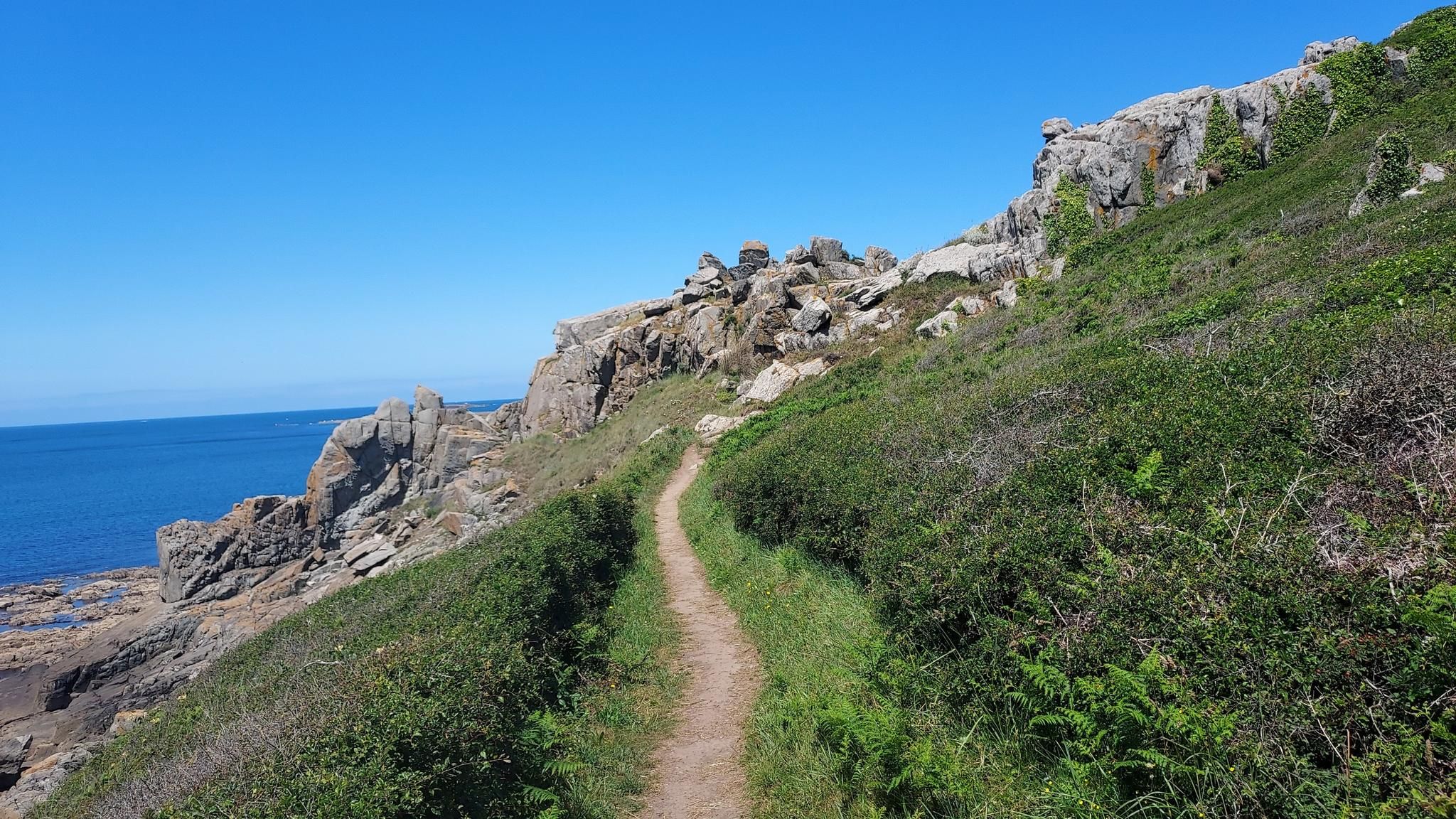
Rock Formations – North Coast of Île de Bréhat
Highlight • Natural Monument
Translated by Google •
Tip by

Breach of the Sillon de Talbert
Highlight • Beach
Tip by
Sign up for free to discover even more natural monuments around Lézardrieux.
Sign up for free
Already have an account?
Start today with a free account
Your next adventure awaits.
Login or Signup
Other adventures around Lézardrieux

Tips from the Community

pp Olpolol Plpl Mature Olll
0
1
Hike on the wild coast with beautiful views of the Bréhat archipelago
0
0

A very beautiful monastery ruin. All descriptions of the individual sights are multilingual, so you can get by very well even without sufficient knowledge of French.
1
0

A coastal strip of sand and pebbles extending 3.2 km into the sea, the Sillon is a geomorphological curiosity unique in Europe due to its size. (cotesdarmor.com) It is forbidden to cycle on the Sillon.
0
0

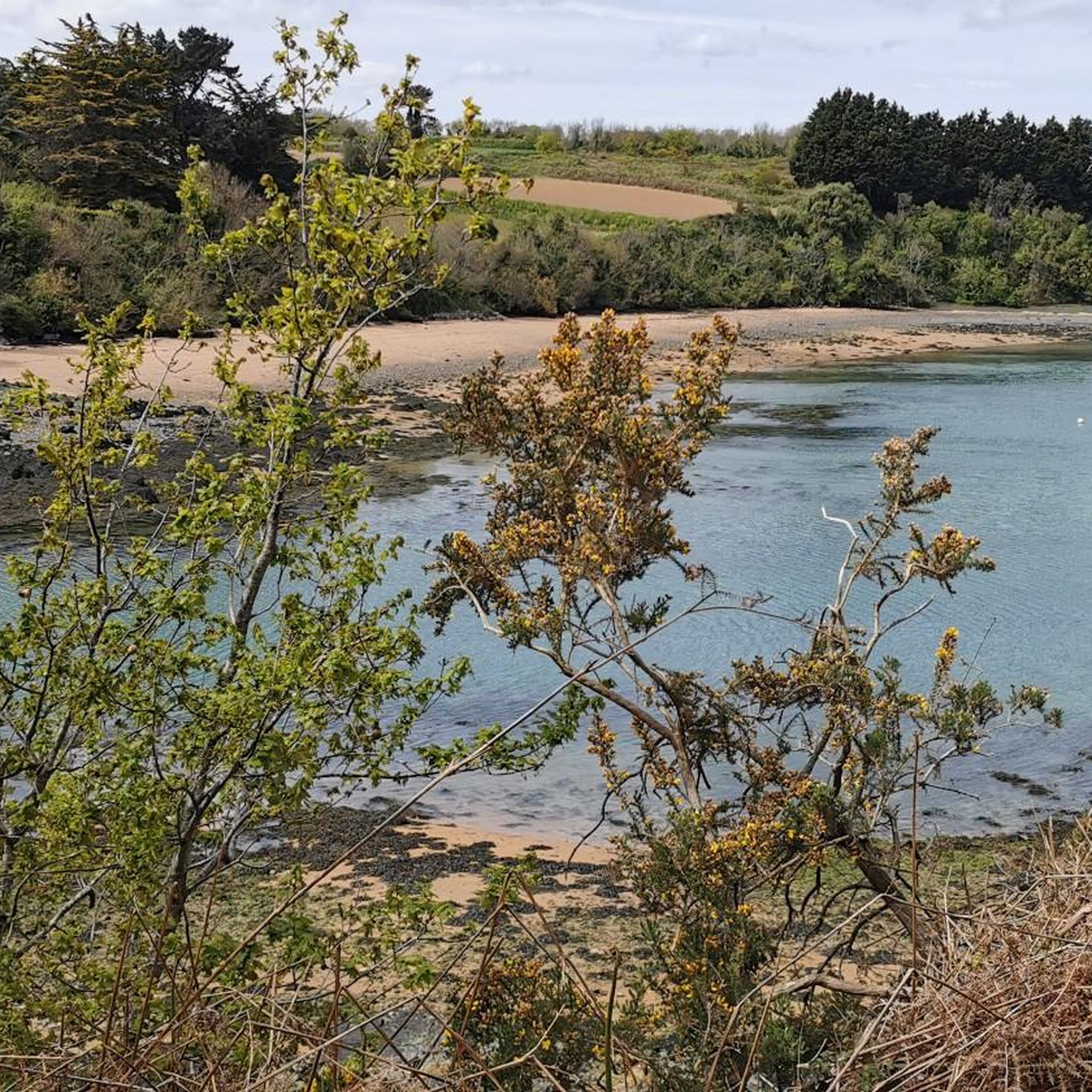
The Sillon de Talbert, a natural spectacle of a special kind. The Sillon is a 35-meter-wide headland that extends three kilometers into the sea. At high tide it is completely submerged, at low tide it opens up a hiking trail that reveals an extremely diverse flora and fauna. You can observe numerous species of birds here, or photograph sea kale and blue thistles. According to myth, the magician Merlin conjured up the path to get to his fairy Viviane, who lived on the island of Talbert. According to another legend, Morgane fell in love with King Arthur on the island of Talbert. Since she could not get to him, she threw stones into the sea, which then turned into this headland. As mystical and magical as these legends sound, the headland of pebbles and stones was actually created by the Trieux and Jaudy rivers, which flow into the sea on both sides of the peninsula. When visiting the Sillon de Talbert, the tide times must be observed. The headland is only passable for a few hours at low tide. Warning signs indicate this and indicate visiting times. The coast guard has often been called out and rescued people trapped by the sea from their predicament.
3
0

In the bay of Paimpol, Beauport Abbey is a remarkable monastic complex, a major witness to religious architecture in Brittany. It is also an exemplary place of conservation, where the interests of the monument combine with those of an exceptional natural site. At the dawn of the 13th century, Count Alain de Goëlo founded the Beauport Abbey and installed canons of the Premonstratensian order there. For 500 years, the religious community shaped the place and implemented important developments, while respecting their monastic rules and the needs of their community life. Closed during the French Revolution, then sold as national property, the abbey buildings were in turn transformed into a stable, town hall, bourgeois apartments, school and cider house.
0
0

A very beautiful monastery complex that is worth a visit, as the starting point of the Way of St. James is located right next to the Abbaye de Beauport.
4
0

A unique, strictly protected, sensitive nature reserve. Many ground-nesting birds nest between the pebbles here. That's why it's very important to strictly adhere to the rules posted during the breeding season. This is especially true for dog owners at this time. Do not leave the designated paths or exceed the marked boundaries.
2
0
Frequently Asked Questions
What are some remarkable natural sites around Lézardrieux?
Lézardrieux is surrounded by several remarkable natural sites. The Sillon de Talbert viewpoint offers a unique geological formation, a narrow strip of sand and pebbles stretching into the sea. The Rock Formations – North Coast of Île de Bréhat are also a must-see, showcasing the distinctive pink granite rocks of the region. These sites are known for their unique landscapes and biodiversity.
What unique geological features can I observe near Lézardrieux?
The region boasts fascinating geological features. The Sillon de Talbert Nature Reserve is a prime example, a 3.2-kilometer long pebble promontory that acts as a natural barrier. This unique formation, composed of sand, gravel, and pebbles, is a result of ancient glacial activity and sea level changes. The Bréhat Archipelago, visible from the coast, is renowned for its striking pink granite rocks, shaped by millennia of natural forces.
Are there any historical or cultural sites near the natural monuments?
Yes, while exploring the natural beauty, you can also visit historical sites. The Beauport Abbey, located in the bay of Paimpol, is a significant monastic complex dating back to the 13th century. It offers a glimpse into Brittany's religious architecture and history, set in an exceptional natural environment.
Are there family-friendly natural monuments around Lézardrieux?
Many natural monuments around Lézardrieux are suitable for families. The Sillon de Talbert Nature Reserve offers an accessible nature trail along its ridge, perfect for observing unique landscapes and wildlife. The car-free Île de Bréhat, accessible by ferry from Pointe de l'Arcouest, provides safe exploration on foot or by bicycle, with numerous coves and beaches for children to enjoy.
What is the best time to visit the natural monuments in this region?
The best time to visit the natural monuments around Lézardrieux is generally from spring to early autumn (April to September). During these months, the weather is milder, making outdoor exploration more pleasant. The Bréhat Archipelago, in particular, benefits from a mild microclimate, allowing exotic plants like agapanthus to flourish, blooming beautifully from April to September.
What outdoor activities can I do near these natural monuments?
The area around Lézardrieux offers a variety of outdoor activities. You can find numerous running trails, such as the moderate 'L'Arcouest (GR34) – Port of Loguivy-de-la-Mer loop', or explore gravel biking routes like the 'Paimpol – Port of Loguivy-de-la-Mer loop'. For road cyclists, there are routes like the 'Loguivy-de-la-mer – View of Bréhat Island loop'. You can find more details on these activities and routes in the dedicated guides for Running Trails around Lézardrieux, Gravel biking around Lézardrieux, and Road Cycling Routes around Lézardrieux.
Are there good spots for birdwatching?
Yes, the Sillon de Talbert Nature Reserve is an excellent spot for birdwatching. It is a crucial nesting ground for marine birds, including plovers, and serves as a significant migration and wintering site for many wading birds. Its diverse habitats, including dunes, pebble banks, and salt marshes, support a rich avian population, making it a prime location for ornithology in the Côtes d'Armor.
How long should I plan for a visit to these natural monuments?
The duration of your visit depends on the site. For the Sillon de Talbert Nature Reserve, it's advisable to plan a few hours, keeping in mind tide times as the promontory is only fully passable at low tide. A trip to the Bréhat Archipelago, including the ferry ride and exploration of the island, can easily take a full day to appreciate its beauty and various trails.
Are there parking facilities near the natural monuments?
Parking is generally available near the access points to these natural sites. For instance, near the Sillon de Talbert viewpoint, there is bicycle parking at the Maison du Sillon, and car parking is typically found nearby. For Île de Bréhat, parking is available at Pointe de l'Arcouest, the ferry embarkation point, as the island itself is car-free.
What do visitors particularly enjoy about the natural monuments here?
Visitors frequently praise the unique geological formations and the stunning coastal panoramas. The Pink Granite Coast is particularly admired for its wild beauty and distinctive rock formations. The Rock Formations – North Coast of Île de Bréhat offer magnificent views, especially along the coastal paths that allow visitors to avoid main streets and fully immerse themselves in the scenery.
Is it possible to visit with dogs?
While many outdoor areas in Brittany are dog-friendly, specific rules may apply to protected natural reserves. For example, the Sillon de Talbert Nature Reserve is an important nesting ground for seabirds, so dogs might need to be kept on a leash or restricted in certain areas to protect wildlife. It's always best to check local signage or official websites for the most current regulations regarding pets at each specific site.
Are there any hidden gems or less-known natural spots worth exploring?
Beyond the well-known sites, the entire coastline around Lézardrieux offers numerous smaller coves and viewpoints that are less frequented. Exploring the coastal paths, such as those leading to the Pink Granite Coast, can reveal secluded spots with equally dramatic scenery and unique rock formations, providing a more intimate experience with nature.
Most popular routes around Lézardrieux
Most popular attractions around Lézardrieux

Get inspired with the komoot mobile app


Explore more
Extend your search for the best caves by checking out these guides of the top ones around Lézardrieux:
