Top 12 Natural Monuments around Bréau-Et-Salagosse
Best natural monuments around Bréau-Et-Salagosse include diverse landscapes within the Gard department, offering a range of natural features. The region is characterized by dramatic canyons, ancient underground caves, and panoramic mountain views. These natural sites are part of the Cévennes National Park, a UNESCO World Heritage site, showcasing unique geological formations and rich natural heritage. Visitors can explore a variety of environments, from river-carved gorges to high mountain summits.
Best natural monuments around Bréau-Et-Salagosse
- The most popular natural monuments is…
Last updated: November 3, 2026
Cirque de Navacelles
Highlight • Gorge
Translated by Google •
Tip by

The 4000 Steps
Highlight (Segment) • Summit
In …
Translated by Google •
Tip by

Sign up now to discover places like this
Get recommendations on the best single tracks, peaks, & plenty of other exciting outdoor places.
Minier Pass
Highlight • Mountain Pass
Translated by Google •
Tip by

Lake des Pises
Highlight • Lake
Translated by Google •
Tip by

The Blandas Viewpoints
Highlight • Viewpoint
Translated by Google •
Tip by

Sign up for free to discover even more natural monuments around Bréau-Et-Salagosse.
Already have an account?
Start today with a free account
Your next adventure awaits.
Tips from the Community

Superb artificial lake and an impressive dam
0
0

Great report and impressions of the Cévennes @JakobusPilger👍 But a bit long 😅😃
0
0

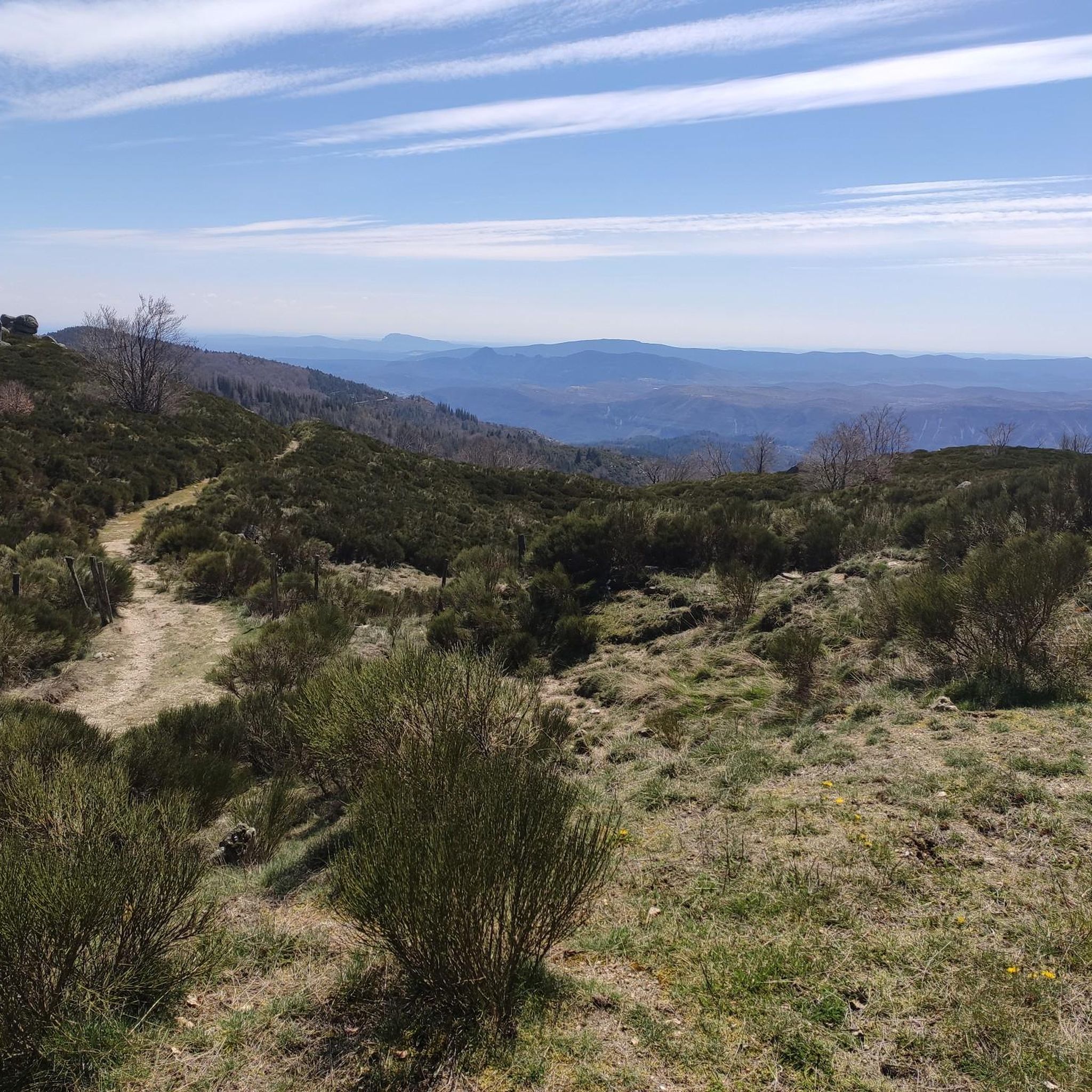
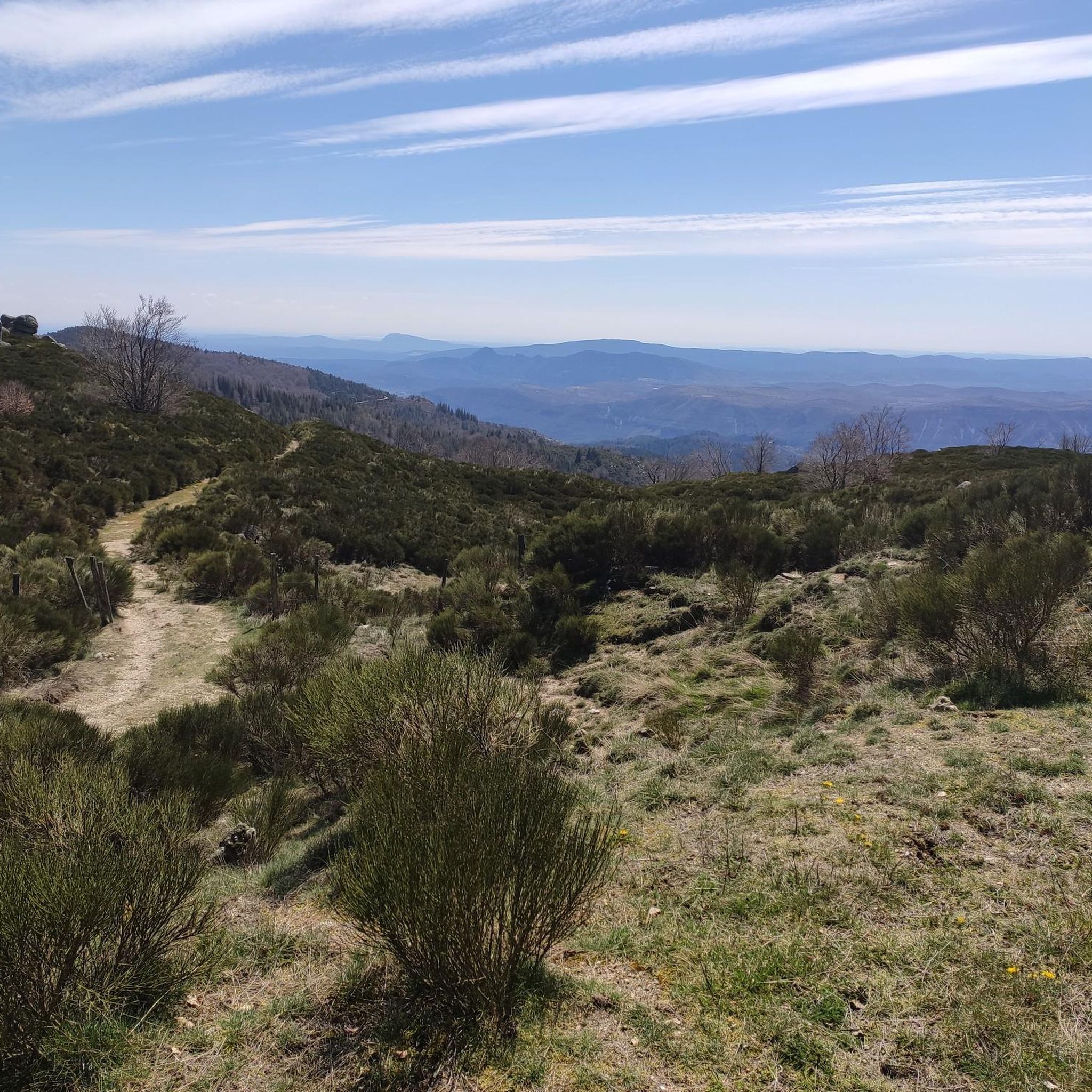
Under the title "France's Wild South," an episode of the British television series "National Parks – Protected Natural Wonders" on 3sat presents the Cévennes mountains. The accompanying text on the website states: "Lush green mountains, barren plateaus, and deep gorges characterize this landscape, which, unlike France's coasts, has not yet been discovered by mass tourism. It also boasts some of the country's most spectacular river landscapes." The compelling documentary, available in German, can be viewed in the media library at the following link: https://www.3sat.de/dokumentation/nationalparks-geschuetzte-naturwunder/nationalparks-geschuetzte-naturwunder-cevennen-frankreichs-wilder-sueden-102.html
2
0

Lake Pises is nestled in the valleys of the Cévennes Regional Natural Park. A peaceful place where you can forget about time.
1
0
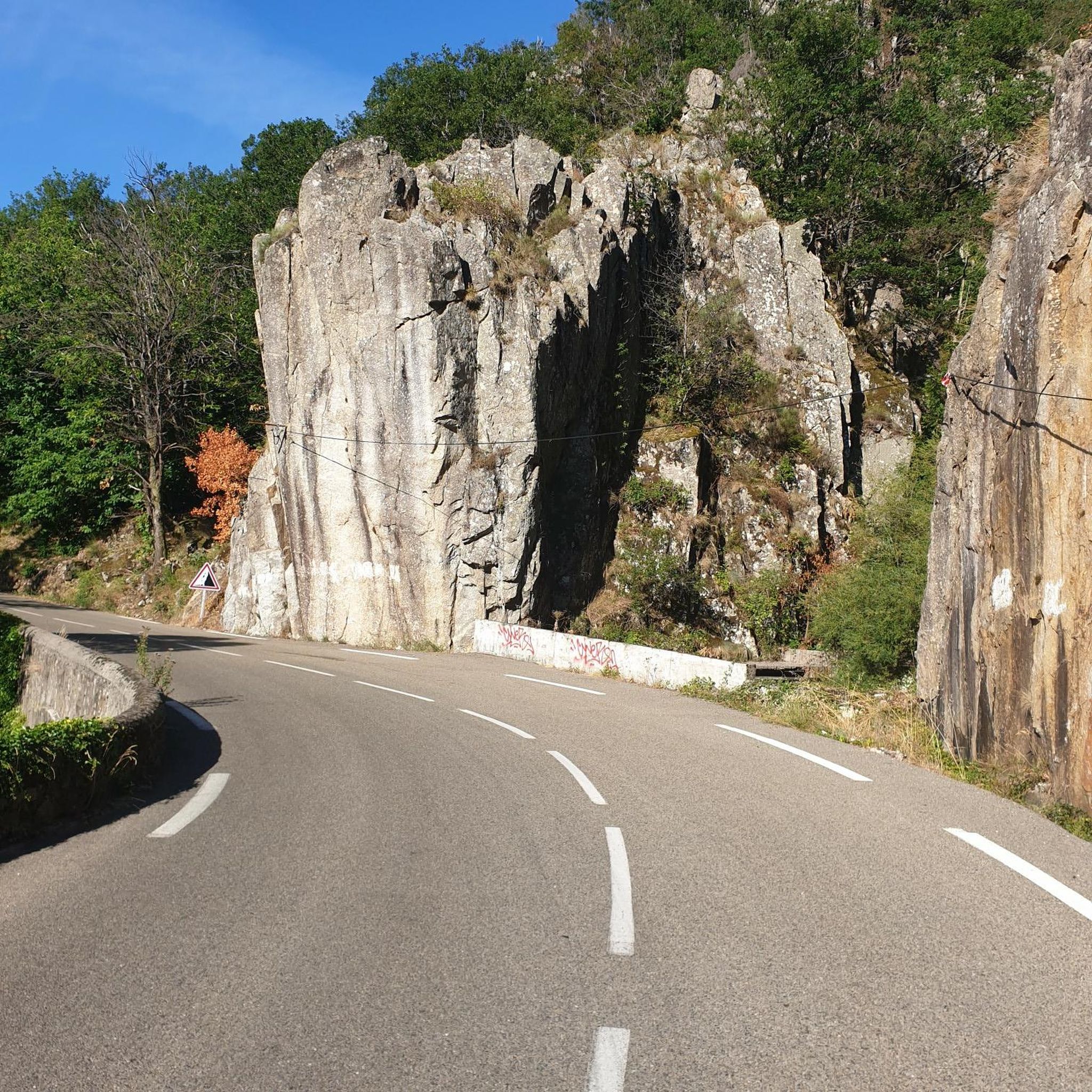
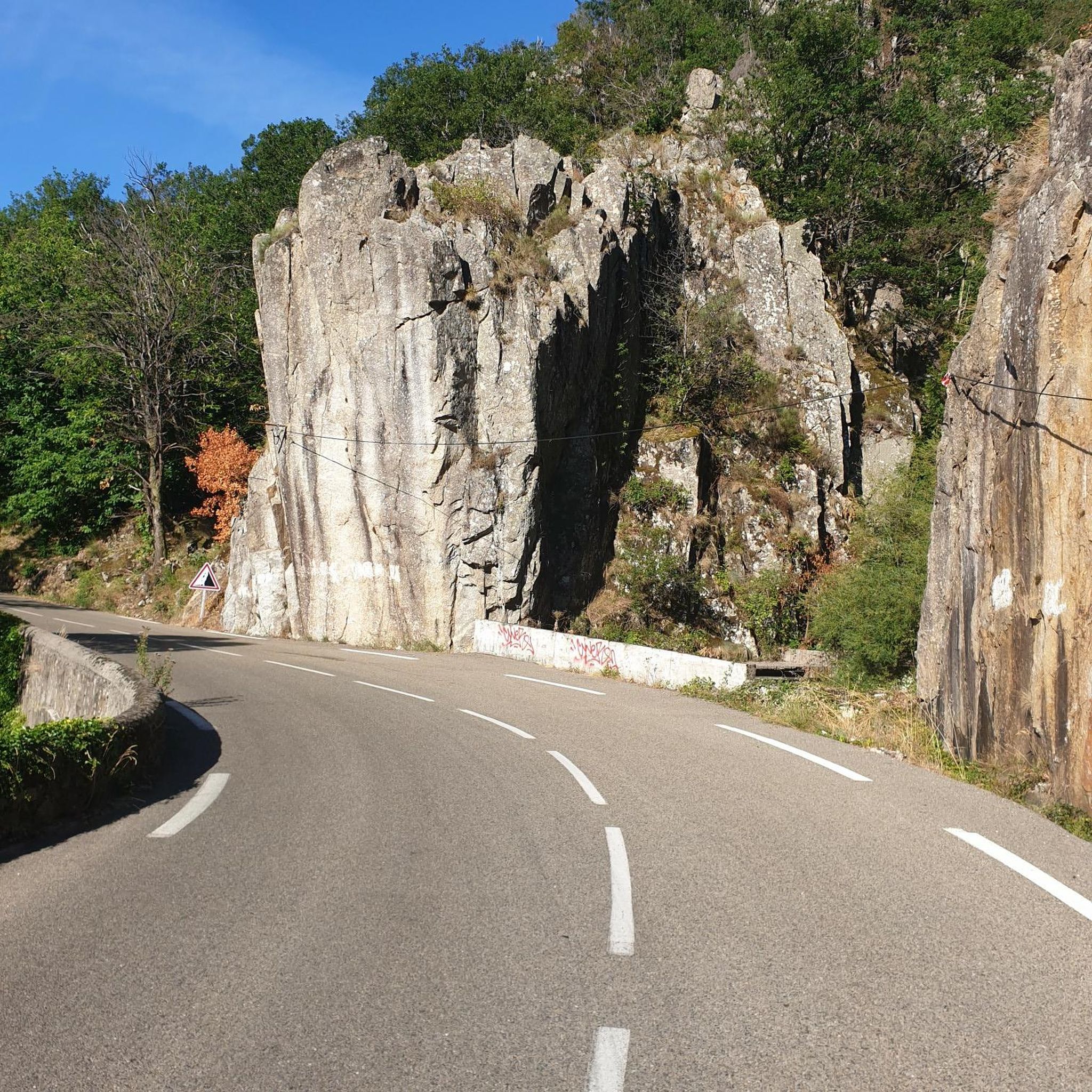
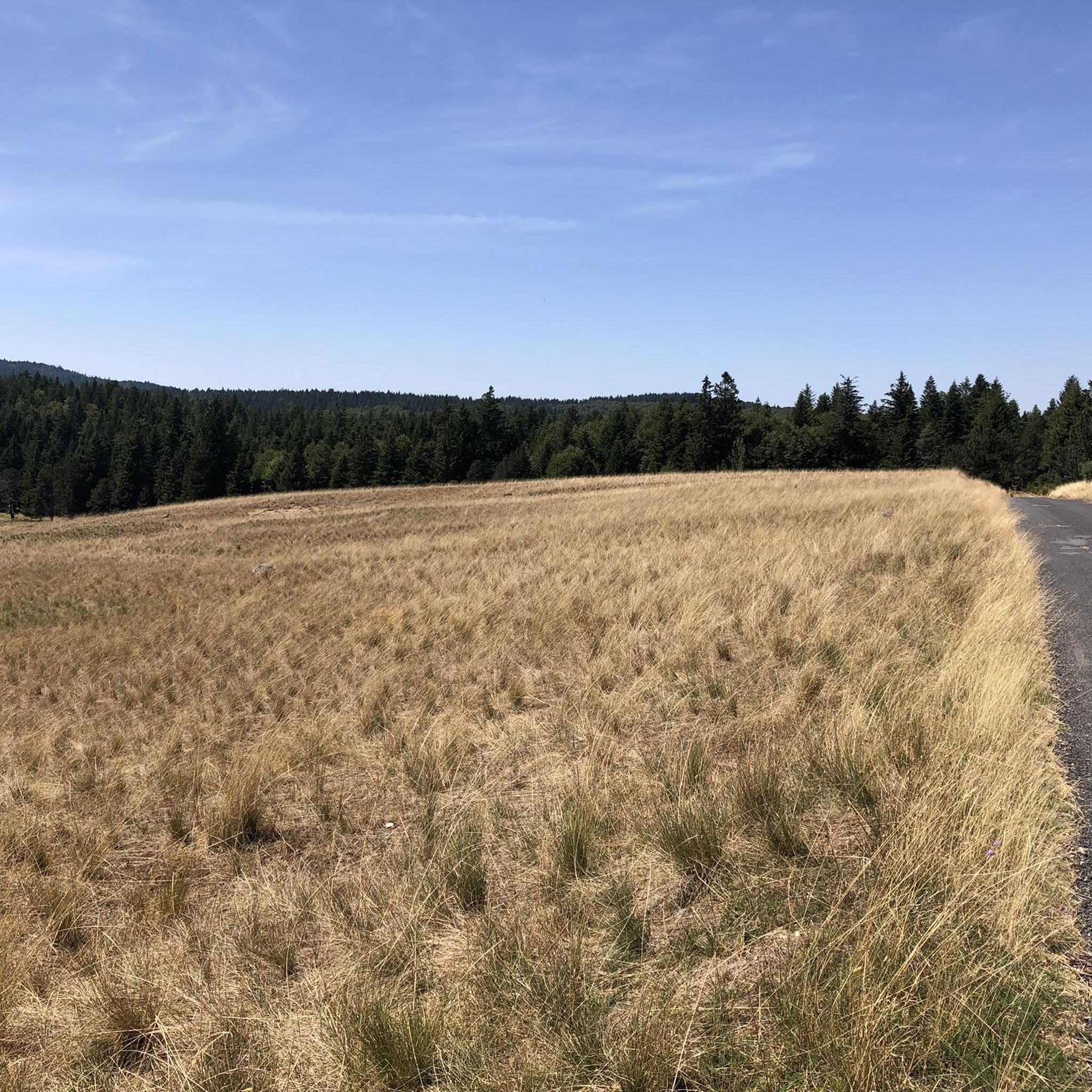
This pass, discreetly nestled among the fir trees, is a great road and pedestrian crossing. It also allows cyclists and gravel enthusiasts to take the trails that go a little deeper into the coniferous forests.
0
0


Caussenard museum and possible to have a drink
0
0
Frequently Asked Questions
What unique natural features can I explore around Bréau-Et-Salagosse?
The region around Bréau-Et-Salagosse offers a diverse range of natural features. You can explore dramatic canyons like the Cirque de Navacelles, which is a spectacular natural amphitheater, or the deep Gorges du Tarn. There are also impressive mountain summits such as Mont Aigoual, the highest point in the Gard department, and fascinating underground caves like the Grotte des Demoiselles and the Abîme de Bramabiau.
Are there any impressive viewpoints to experience the landscape?
Yes, the area is rich in breathtaking viewpoints. Mont Aigoual, for instance, offers panoramic views that can stretch from the Alps to the Pyrenees and the Mediterranean Sea on a clear day. The Cirque de Navacelles has several belvederes, such as Blandas and Baume Auriol, providing spectacular perspectives of the 300-meter-deep natural amphitheater. Additionally, the Gorges du Tarn feature exceptional panoramas from spots like Point Sublime and Roc des Hourtous.
What geological wonders can I discover in the area?
The region is a geological marvel. You can explore the Abîme de Bramabiau, considered the birthplace of speleology, where the Bonheur river emerges from a 70-meter-high fissure. The Grotte des Demoiselles is another stunning limestone cave system known for its mesmerizing stalactite and stalagmite formations, including the massive 'Organ' and rare helictite formations. The Cirque de Navacelles is a unique geological formation, a 300-meter-deep natural amphitheater formed by river erosion.
What is the best time to visit the natural monuments around Bréau-Et-Salagosse?
The best time to visit is generally during the spring (April to June) and autumn (September to October) when the weather is pleasant for outdoor activities and the landscapes are vibrant. Summer (July and August) is also popular, especially for activities in and around the rivers like the Gorges du Tarn, but it can be quite warm. Winter can be challenging, especially for higher elevations like Mont Aigoual, which experiences extreme conditions and heavy snowfall.
Are the natural monuments around Bréau-Et-Salagosse family-friendly?
Many natural monuments in the area are suitable for families. The Grotte des Demoiselles offers guided tours with easy access via a funicular, making it enjoyable for all ages. The Cirque de Navacelles allows families to explore the charming hamlet and enjoy the waterfall. For those seeking a bit more adventure, the Abîme de Bramabiau also offers guided tours into its underground world.
Can I bring my dog to these natural monuments?
Yes, some natural monuments are dog-friendly. For example, the Abîme de Bramabiau explicitly states that dogs are welcome on its cave tours. For other outdoor sites like the Cirque de Navacelles or trails around Mont Aigoual, dogs are generally permitted on leashes, especially within the Cévennes National Park, but it's always advisable to check specific site regulations beforehand.
What outdoor activities can I do near these natural monuments?
The region is a paradise for outdoor enthusiasts. You can enjoy extensive hiking, with trails like The 4000 Steps leading to Mont Aigoual. The Gorges du Tarn are perfect for kayaking and canoeing. Mountain biking is popular around Mont Aigoual and the Minier Pass. For more detailed route information, you can explore guides for hiking, gravel biking, and MTB trails around Bréau-Et-Salagosse.
Are there hiking trails near these natural monuments?
Absolutely! The area is crisscrossed with hiking trails. You can challenge yourself on The 4000 Steps, a historic path ascending to the observatory of Mont Aigoual. The Cirque de Navacelles offers trails to descend into the cirque and walk along the Vis River. Many routes also pass through the Gorges du Tarn. For a comprehensive list of routes, check out the Hiking around Bréau-Et-Salagosse guide.
What is the significance of Mont Aigoual?
Mont Aigoual is the highest point in the Gard department and the second-highest peak in the Cévennes at 1,567 meters. It's renowned as the wettest place in France due to the convergence of Atlantic and Mediterranean air currents. A unique feature is its meteorological observatory, built in 1887, which is the last continuously inhabited weather station in France. On clear days, it offers exceptional panoramic views.
What makes the Cirque de Navacelles special?
The Cirque de Navacelles is a spectacular, 300-meter-deep natural amphitheater formed by the erosion of the Vis River. It's unique for its distinctive oxbow lake feature with a fertile island in its center, contrasting with the surrounding dry gorges. This site is classified as a Grand Site de France and is a UNESCO World Heritage site, recognized for its unique geological landscape and the harmony between human activity and nature.
Can I visit underground caves or chasms in the area?
Yes, the region is home to impressive underground formations. The Grotte des Demoiselles is a stunning limestone cave system with magnificent stalactites and stalagmites, including the 'Cathedral' chamber. Another must-visit is the Abîme de Bramabiau, where the Bonheur river emerges from a high fissure, creating a powerful cascade. Both offer guided tours into the Earth's depths.
What do visitors enjoy most about the natural monuments around Bréau-Et-Salagosse?
Visitors frequently praise the breathtaking panoramas and the sense of tranquility found in these natural settings. The Cirque de Navacelles is often described as a 'treasure of French heritage' with a 'sumptuous panorama.' Hikers appreciate the challenging yet rewarding trails like The 4000 Steps, noting the 'consistently steep but easy to walk' paths and the 'exceptional panorama' from Mont Aigoual. The unique geological formations of the caves and chasms also leave a lasting impression.
Most popular routes around Bréau-Et-Salagosse
Most popular attractions around Bréau-Et-Salagosse

Get inspired with the komoot mobile app


Explore more
Extend your search for the best caves by checking out these guides of the top ones around Bréau-Et-Salagosse:
