Top 6 Natural Monuments around Collorgues
Best natural monuments around Collorgues are found within a region rich in geological and historical significance. Collorgues itself is known for its Neolithic flint exploitation centers, including hypogea and statue-menhirs, which highlight the area's ancient natural and human history. The surrounding Gard department features diverse natural attractions, from striking waterfalls and river gorges to extensive cave systems and unique rock formations. This area offers a range of natural features for exploration.
Best natural monuments around Collorgues
- The most popular natural…
Last updated: June 20, 2026
Le Castellas – View over the Gardon
Highlight • Viewpoint
Translated by Google •
Tip by

Source of the Eure
Highlight • River
Translated by Google •
Tip by

Sign up now to discover places like this
Get recommendations on the best single tracks, peaks, & plenty of other exciting outdoor places.
Sign up for free
Baume-Latrone Cave
Highlight • Cave
Translated by Google •
Tip by
Ochres of Fougeras
Highlight • Viewpoint
Formerly exploited for the many uses of ochre, it is now a magnificent natural site.
Translated by Google •
Tip by
Porte de la Lune (Natural Arch)
Highlight • Natural Monument
Translated by Google •
Tip by

Sign up for free to discover even more natural monuments around Collorgues.
Sign up for free
Already have an account?
Start today with a free account
Your next adventure awaits.
Login or Signup


Tips from the Community

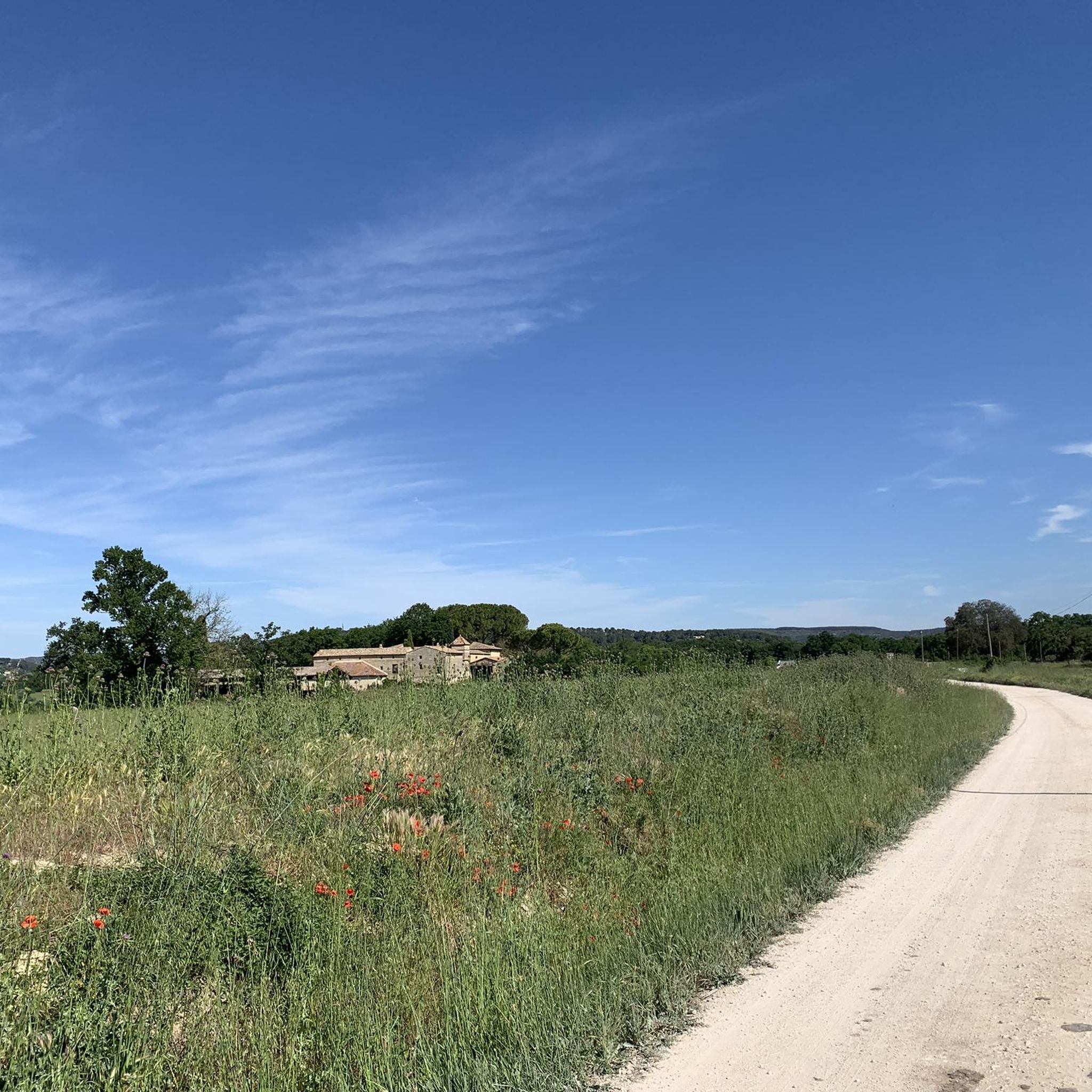
In the 1st century AD, the Romans harnessed the abundant water supply of the Alzon River, the source of the Eure River, located in a small valley at the foot of the city. It is here that the water begins its long journey (over 50 km) to Nîmes via an aqueduct, the most spectacular part of which remains the Pont du Gard, a UNESCO World Heritage Site, spanning the Gardon River. The Eure Valley is a must-see destination for walks for both the residents of Uzès and tourists.
0
0

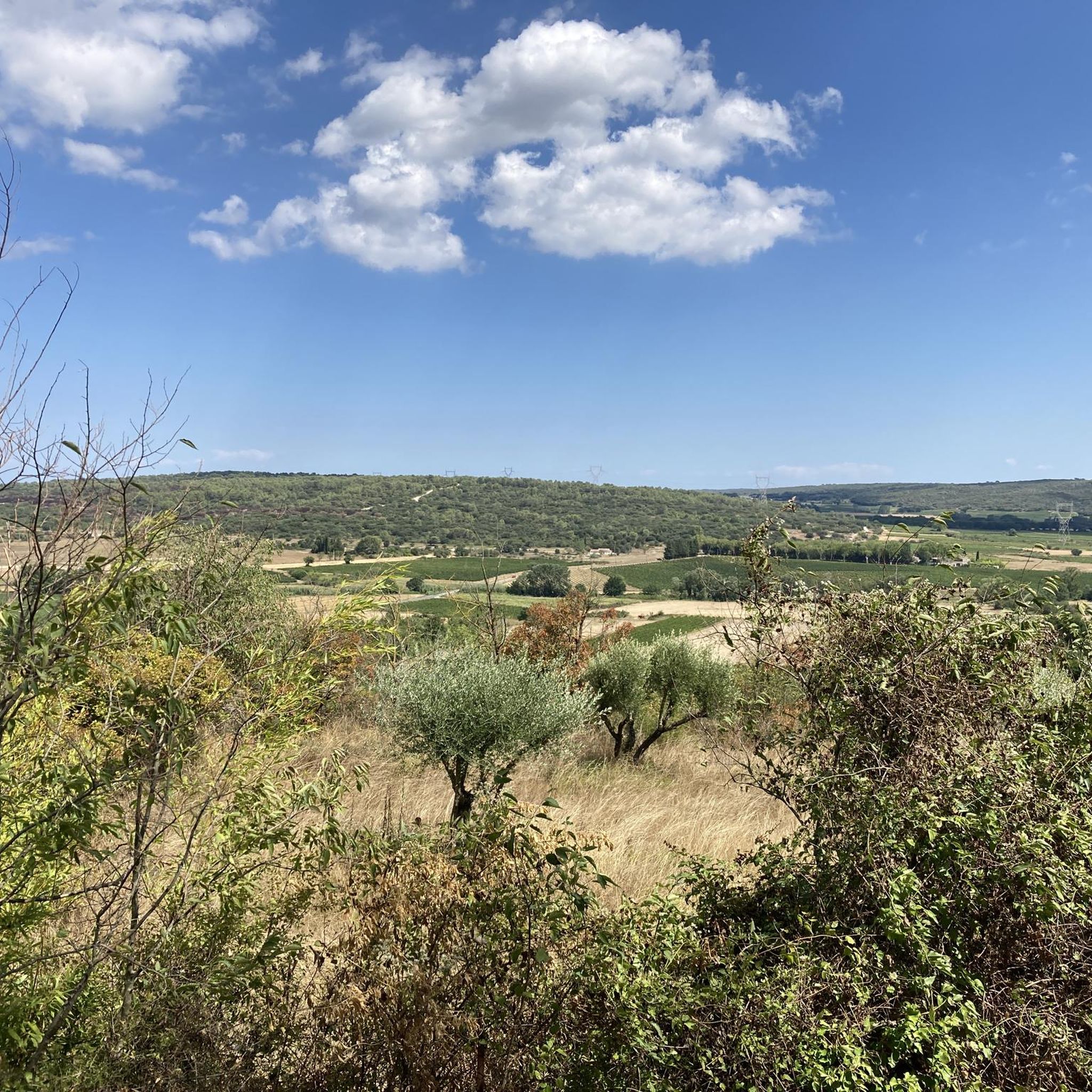
Beautiful viewpoint over the meanders of the Gardon below
0
0
Superb view of the meandering Gardon River below. The small adjoining cave provides shelter if needed, but access is a bit tricky.
0
0

to the left of the panoramic view of the Gardon to the right a cave in the cliff
0
0

The source that was channeled by the Romans via a long canal and the Pont du Gard to Nimes.
0
0

Stunning and sporty
0
0

To do during the beautiful off-season days. In summer, access is regulated according to the level of forest fire risk.
0
0

Les Ocres de Fougeras, not far from Nîmes, is a magnificent natural site. Formerly exploited for the many uses of ochre, it is now a magnificent natural site.
3
0
Frequently Asked Questions
What unique natural and historical features are found directly in Collorgues?
While Collorgues itself doesn't have traditional natural monuments, the area is historically significant for its Neolithic flint exploitation centers. You can find evidence of ancient hypogea (underground structures) and statue-menhirs, particularly on the Mas-Gaillard hill. These sites offer a glimpse into the region's deep natural and human history, showcasing natural cave-like formations and ancient artifacts.
Beyond Collorgues, what are some significant natural monuments in the surrounding Gard department?
The wider Gard department offers several impressive natural sites. Highlights include the striking Le Castellas – View over the Gardon, which provides a magnificent belvedere over the Gardon river. Other notable sites in the region are the Cascades du Sautadet, known for their waterfalls and unique geological features, and the spectacular Gorges de l'Ardèche, famous for its canyon and the Pont d'Arc natural arch.
Are there opportunities for hiking near the natural monuments around Collorgues?
Yes, the region offers various hiking opportunities. You can explore trails around the Source of the Eure, which was historically channeled by the Romans. For more extensive hiking, consider the Bois de Païolive, a unique forest with ancient oak trees and eroded limestone formations. You can find numerous running trails in the area, with options like the 'Running loop from Saint-Chaptes' or 'Château d'Aubussargues loop from Garrigues-Sainte-Eulalie'. For more details, refer to the Running Trails around Collorgues guide.
What kind of outdoor activities can I do in the region besides hiking?
Beyond hiking, the area around Collorgues is excellent for cycling. You can find various mountain biking trails, such as the 'St Chaptes Uzès loop from Saint-Chaptes' or the 'Village descent – Rochemaure footbridge loop from Saint-Chaptes'. Gravel biking is also popular, with routes like the 'Lovers' Alley – The Viaduct loop from Arpaillargues-et-Aureilhac'. For more information on these activities, check out the MTB Trails around Collorgues guide and the Gravel biking around Collorgues guide.
Are there family-friendly natural monuments suitable for all ages?
Absolutely. The Source of the Eure is considered family-friendly, offering pleasant walks in the Eure Valley. The Cascades du Sautadet are also a popular spot for families to enjoy the scenic beauty and unique rock formations. Exploring the Bois de Païolive can be an adventurous and engaging experience for children due to its unique 'labyrinth of rocks'.
When is the best time of year to visit the natural monuments around Collorgues?
The off-season, particularly spring and autumn, offers ideal conditions for visiting the natural monuments. During these times, the weather is generally pleasant for outdoor activities like hiking and exploring, and sites like Le Castellas – View over the Gardon are particularly photogenic. In summer, access to some areas might be regulated due to forest fire risks, so it's best to check local conditions.
What are some notable cave systems to explore in the region?
The region is rich in fascinating cave systems. The Baume-Latrone Cave, located on the heights of the Gardon, is a prehistoric site with ancient animal representations. Further afield, you can visit the Grotte de la Cocalière, known as one of France's most beautiful caves, or the vast Grotte de Saint-Marcel with its underground river. The Grotte des Demoiselles is also magnificent, featuring enormous stalactite and stalagmite formations.
What should I wear or bring when visiting these natural monuments?
When exploring the natural monuments, especially caves or hiking trails, it's advisable to wear comfortable walking shoes or hiking boots. For cave visits, a flashlight is essential. During warmer months, bring water, sun protection, and consider insect repellent. For sites like Le Castellas – View over the Gardon, which offers panoramic views, a camera is highly recommended.
Are there any unique geological formations or viewpoints to discover?
Yes, the region boasts several unique geological formations and stunning viewpoints. The Porte de la Lune (Natural Arch) offers panoramic views of the Gardon and includes a cave within the cliff. The Bois de Païolive is a remarkable 'labyrinth of rocks' where ancient trees grow amidst eroded limestone. Additionally, the Ochres of Fougeras present a magnificent natural site with vibrant ochre formations.
Can I observe wildlife at the natural monuments?
Many of the natural sites in the region offer opportunities for wildlife observation. The Réserve naturelle nationale des Gorges de l'Ardèche, for instance, is known for its rich biodiversity, making it a prime location to observe various species in their natural habitat. While specific wildlife sightings are never guaranteed, these natural environments provide habitats for local flora and fauna.
Is parking available at the natural monuments?
Parking availability varies by site. For popular attractions like the Cascades du Sautadet or the major cave systems, designated parking areas are generally provided, though they may be paid during peak season. For more remote natural viewpoints or trailheads, parking might be less formal or limited. It's always a good idea to check specific access information for each location you plan to visit.
Are there facilities like cafes or restaurants near these natural monuments?
Facilities like cafes and restaurants are typically found in nearby towns and villages rather than directly at the natural monument sites themselves. Larger attractions like the Gorges de l'Ardèche or major caves might have visitor centers with basic amenities. For a wider selection of dining options, you would usually need to travel to the closest commune.
Most popular routes around Collorgues
Most popular attractions around Collorgues

Get inspired with the komoot mobile app


Explore more
Extend your search for the best caves by checking out these guides of the top ones around Collorgues:
