Top 4 Natural Monuments around Le Faou
Best natural monuments around Le Faou include a blend of ancient woodlands and significant geological formations. This village, situated within the Armorique Regional Natural Park, is known for its natural harbor where the Faou River meets the sea. The area offers diverse natural landscapes, from expansive forests to panoramic viewpoints, providing varied outdoor experiences.
Best natural monuments around Le Faou
- The most popular natural monuments is Summit of Ménez Hom, a summit that dominates the bay of Brest and…
Last updated: July 4, 2026
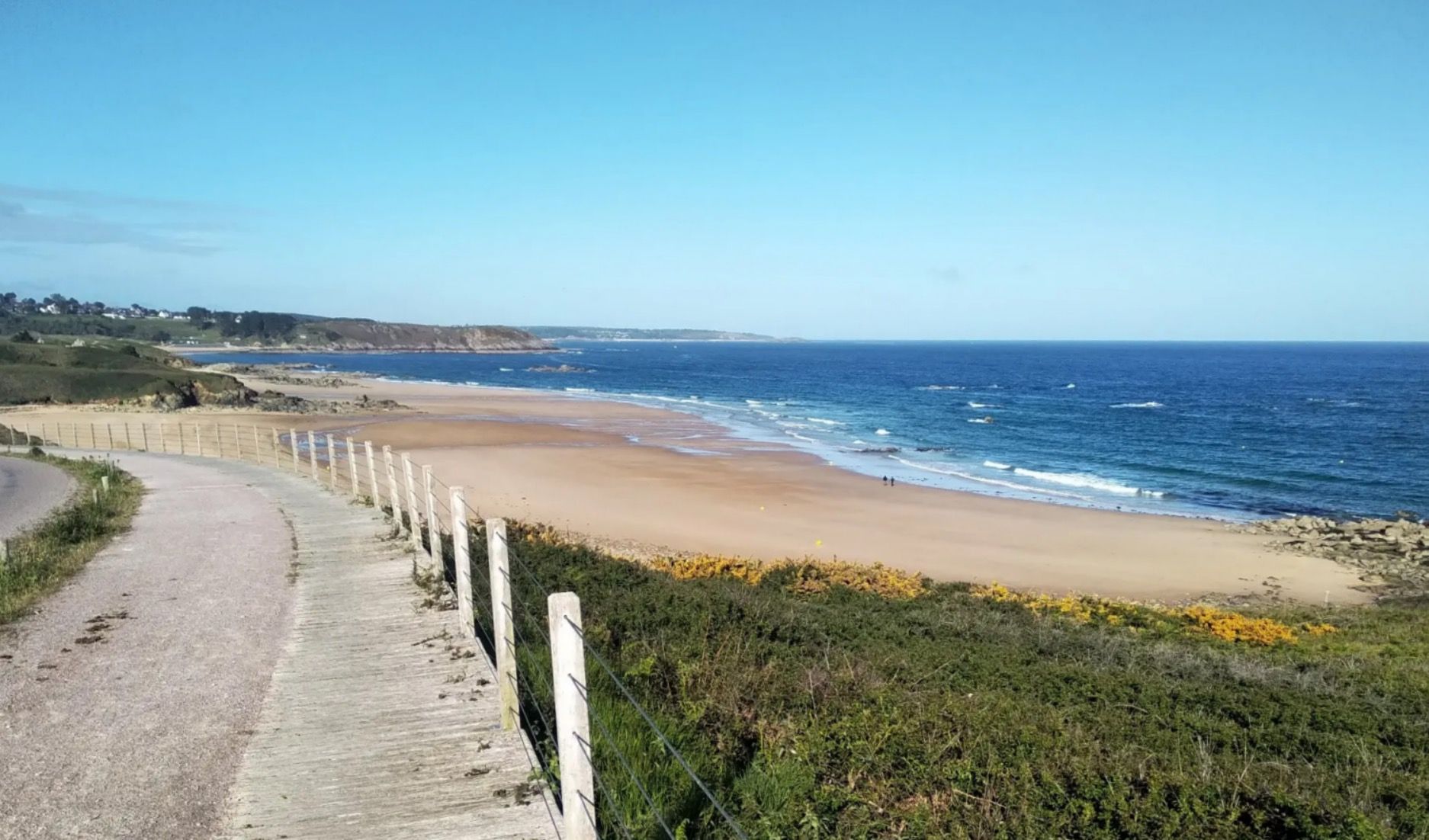
Summit of Ménez Hom
Highlight • Summit
Translated by Google •
Tip by

Landévennec Integral Biological Nature Reserve
Highlight • Forest
Translated by Google •
Tip by

Sign up now to discover places like this
Get recommendations on the best single tracks, peaks, & plenty of other exciting outdoor places.
Sign up for free
Saint-Conval Fountain
Highlight • Natural Monument
Translated by Google •
Tip by

Les Rochers de Cléguer – Argol Climbing Rocks
Highlight • Climb
Translated by Google •
Tip by

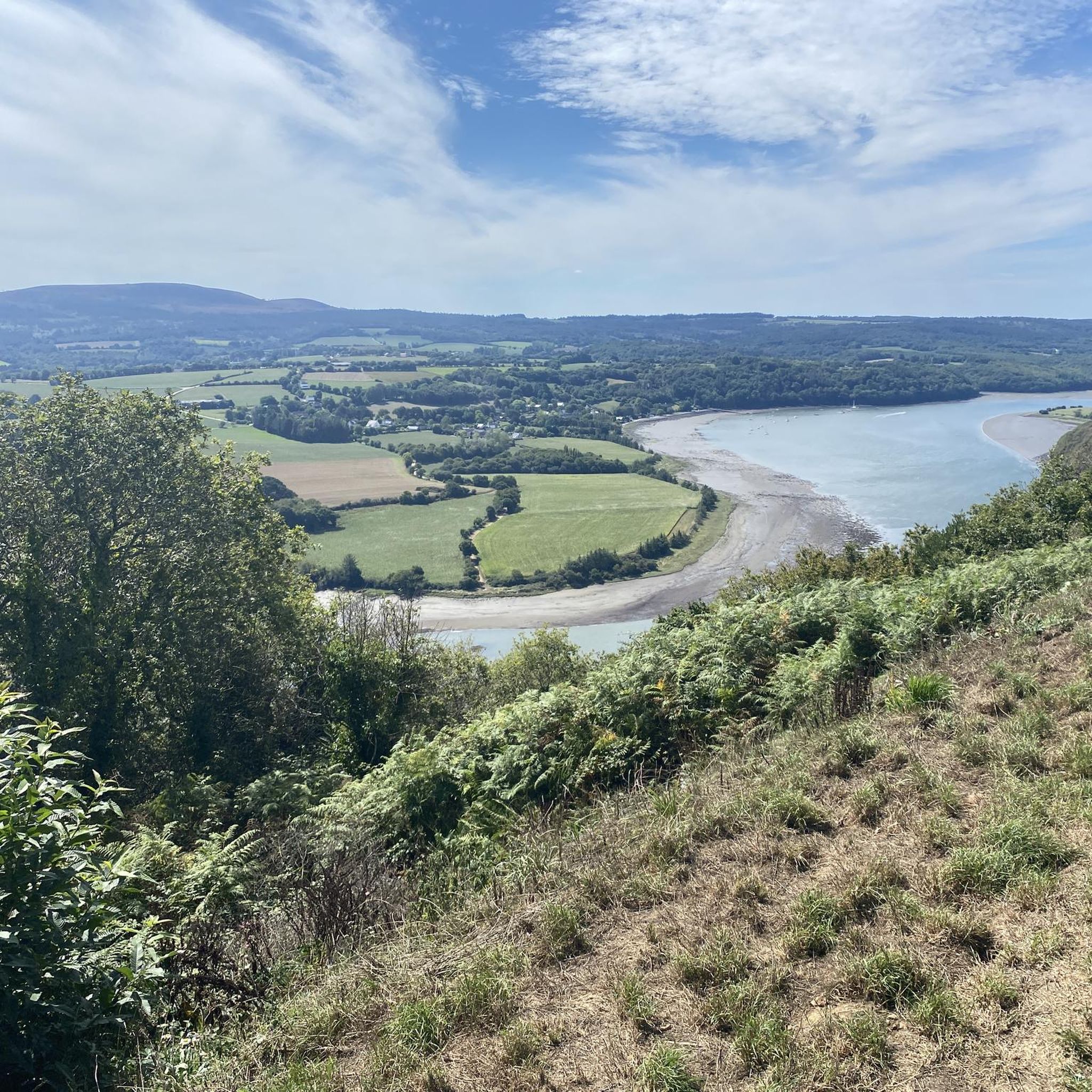
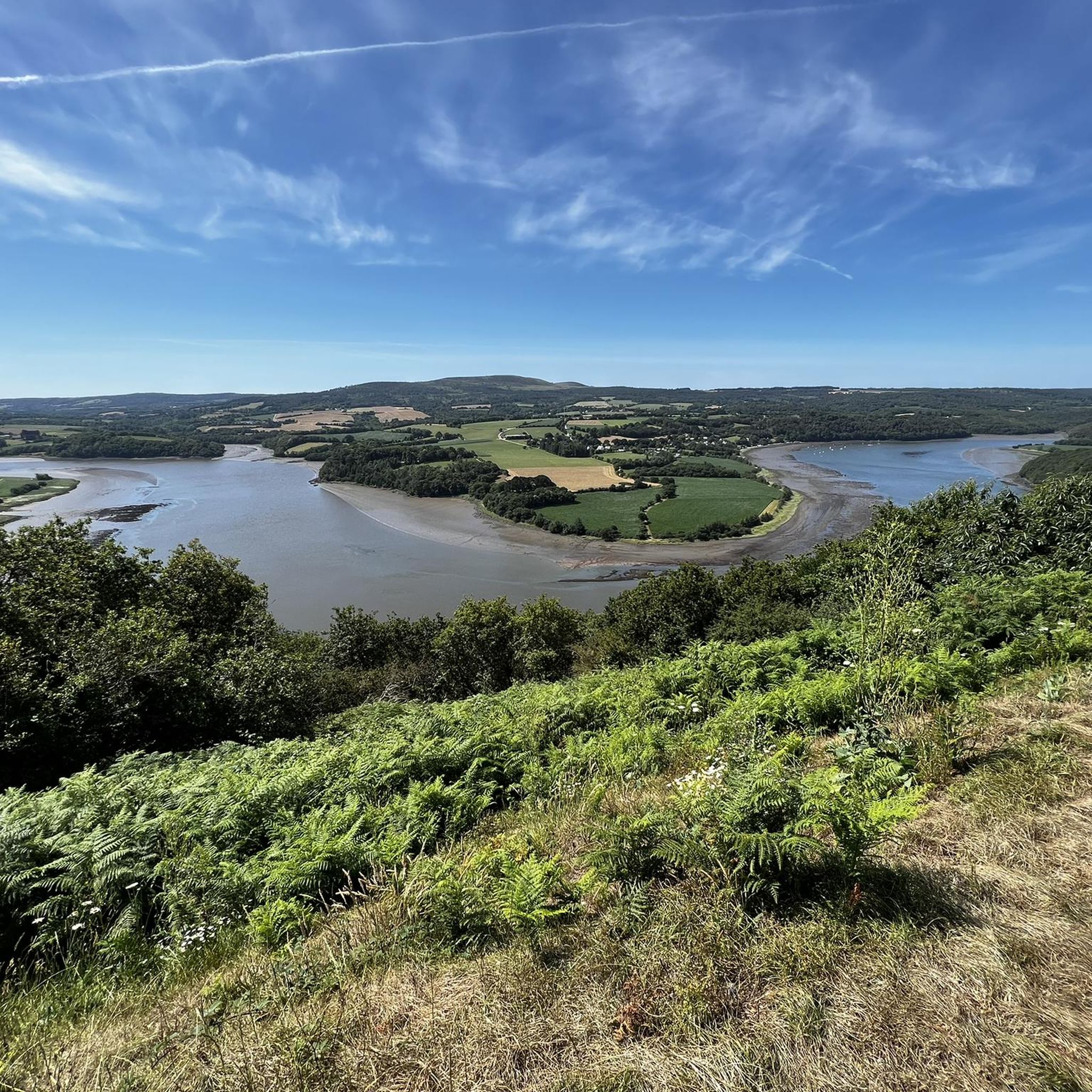
View of the Aulne Maritime Valley
Highlight (Segment) • Viewpoint
Translated by Google •
Tip by

Start today with a free account
Your next adventure awaits.
Login or Signup
Other adventures around Le Faou

Tips from the Community

The fountain was built in the first half of the 17th century and is intended to commemorate the hermit Saint Coval, who is said to have lived here around 600.
0
0
Interesting rocky landscape, mainly used for climbing, but also worth a visit.
0
0

The fountain decorated with a statue of Saint-Gonval and the Calvary are the only remains of a 15th century chapel destroyed during the Second World War. The Crannou forest was, under the reign of Louis XIV, exploited for wood intended for naval construction. A house and its outbuildings were assigned to the Intendant directing the operation and the chapel was then served.
1
0

Since 2006, part of the Landévennec national forest has been labeled an “integral biological nature reserve”. In this area protected by the ONF (National Forestry Office), there are no less than 81 species of mushrooms, 11 species of bats, 25 species of nesting birds as well as 83 species of bryophyte (mosses and liverworts). Hiking on these lands is a privilege. To preserve the fauna and flora, don't stray off the beaten track.
0
0

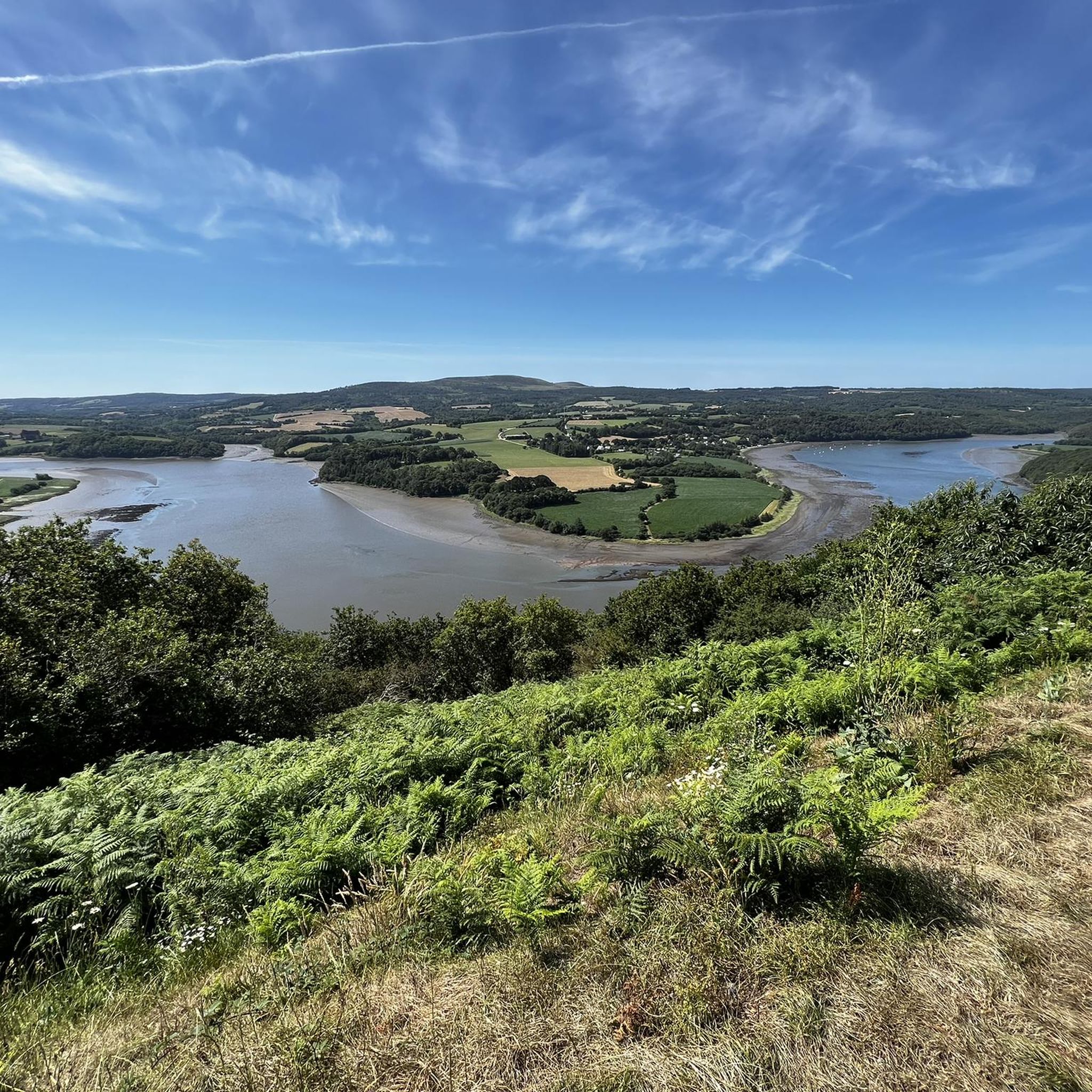
In the Armorique Regional Natural Park, the roads of the Aulne maritime meander between wooded moors, rounded slopes, shores and heritage treasures.
0
0

Superb view of the whole point of Crozon! To be explored in good weather, of course!
2
0

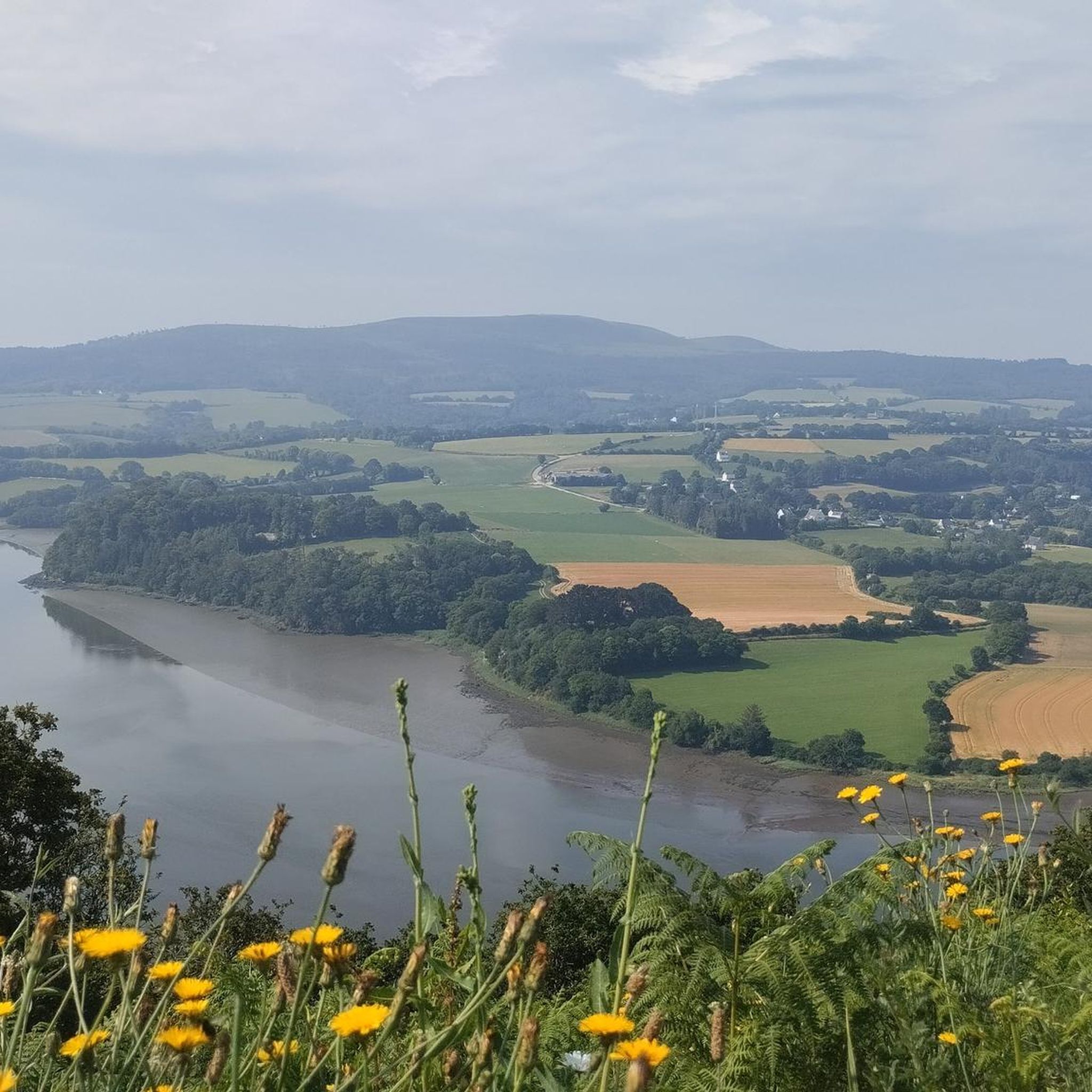
View of the fields and the harbor in the distance.
0
0

Menez Hom - the highest elevation on the peninsula with a wonderful view - definitely recommended!
2
0
Frequently Asked Questions
What are some of the most notable natural monuments to visit around Le Faou?
Le Faou is surrounded by diverse natural monuments. You can explore the panoramic views from the Summit of Ménez Hom, a classified natural heritage site. Another significant area is the Landévennec Integral Biological Nature Reserve, a protected forest known for its rich biodiversity. Don't miss the historic Saint-Conval Fountain, nestled within the Cranou Forest.
Are there family-friendly natural monuments in the Le Faou area?
Yes, several natural monuments around Le Faou are suitable for families. The Summit of Ménez Hom is considered family-friendly, offering accessible paths and stunning 360° views. The Cranou Forest, where the Saint-Conval Fountain is located, also features numerous well-maintained trails perfect for family outings.
What kind of wildlife can I expect to see in the natural monuments around Le Faou?
The natural monuments around Le Faou are rich in biodiversity. The Landévennec Integral Biological Nature Reserve, for instance, is home to 81 species of mushrooms, 11 species of bats, and 25 species of nesting birds. The Cranou Forest also boasts a variety of flora and fauna, including rare and protected species, making it a great spot for nature observation.
What outdoor activities can I do near these natural monuments?
The region around Le Faou offers a wide range of outdoor activities. You can enjoy hiking through the Cranou Forest, with routes like the 'Red bridge – Cranou Forest loop'. For cyclists, there are numerous road cycling routes, such as the 'Châteaulin – Térénez suspension bridge loop', and mountain biking trails, including the 'Le Faou – Térénez Bridge loop'. You can find more details on these activities in the hiking, road cycling, and MTB guides for Le Faou.
Are there hiking trails near the natural monuments, and what are their difficulty levels?
Yes, there are many hiking trails. For example, within the Cranou Forest, you can find easy routes like the 'Red bridge – Cranou Forest loop' (6.4 km) and moderate options such as the 'Cranou Forest loop' (9.7 km). More challenging trails, like the 'Cranou Forest – Viewpoint loop' (21.1 km), are also available. Remember to stay on marked paths, especially in protected areas like the Landévennec Integral Biological Nature Reserve, to preserve the fauna and flora.
What is the best time of year to visit the natural monuments around Le Faou?
The natural monuments around Le Faou can be enjoyed throughout the year, each season offering a unique experience. Spring and autumn provide pleasant temperatures for hiking and cycling, with vibrant foliage or blooming flora. Summer is ideal for longer days and exploring the coast, while winter offers a serene, cool atmosphere, especially in the ancient Cranou Forest, though some trails might be muddy.
Are there any historical natural sites in the area?
Absolutely. The Saint-Conval Fountain, located within the Cranou Forest, is a natural monument with significant historical roots, dating back to the 17th century and commemorating the hermit Saint Coval. The Cranou Forest itself has historical importance, as its oak and beech trees were once used for shipbuilding by the Royal Navy.
Can I find viewpoints with panoramic scenery among the natural monuments?
Yes, the region is known for its stunning viewpoints. The Summit of Ménez Hom offers exceptional 360° views of the Bay of Brest and the Bay of Douarnenez. Additionally, the Les Rochers de Cléguer – Argol Climbing Rocks also provide interesting rocky landscapes and views, even if you're not climbing.
Is Le Faou part of a larger natural park?
Yes, Le Faou is strategically located within the **Armorique Regional Natural Park**. This vast park encompasses a diverse range of landscapes, from the rugged cliffs of the Crozon peninsula to the moorlands and hills of the Monts d'Arrée, offering a wide array of natural attractions beyond the immediate vicinity of Le Faou.
What makes Le Faou's natural harbor unique?
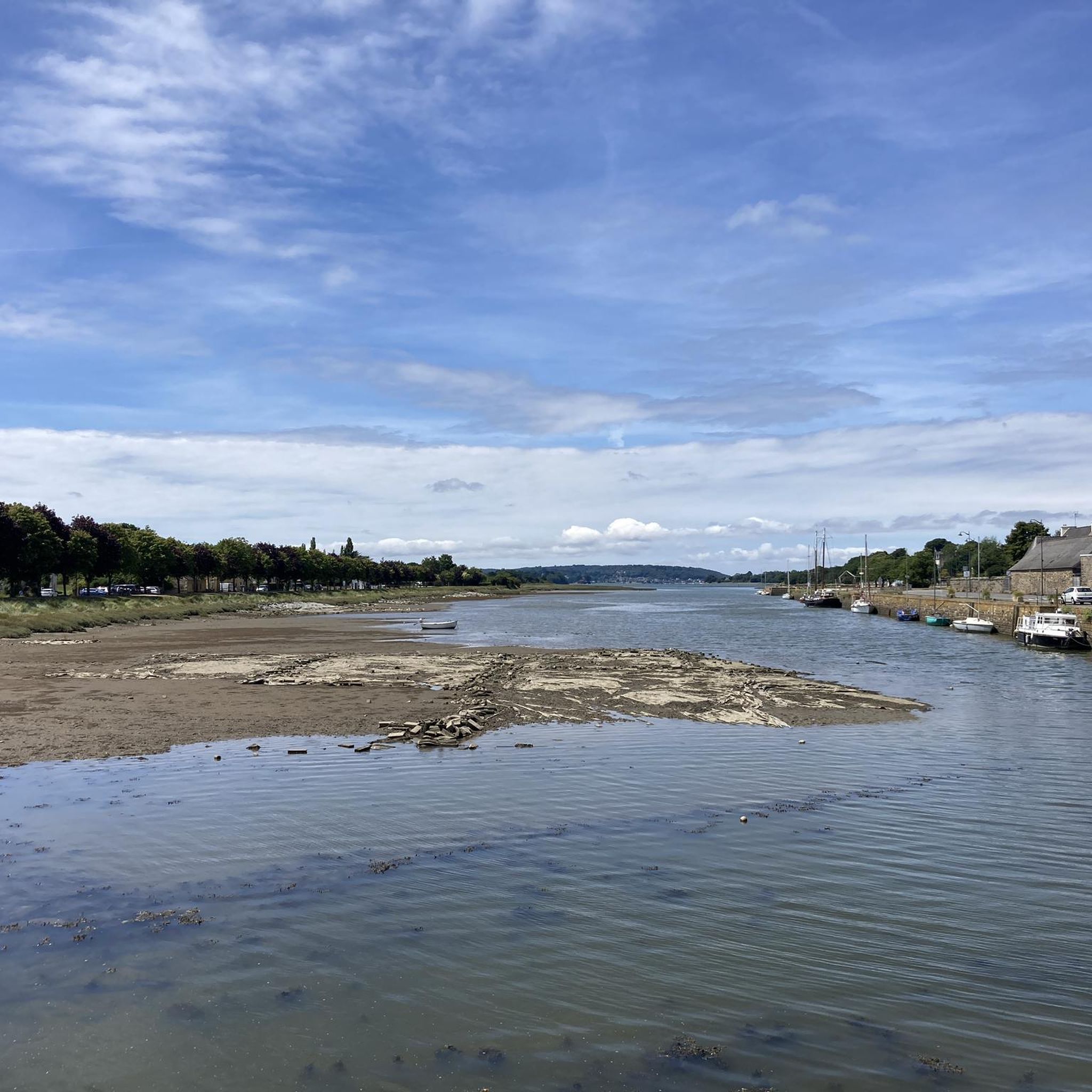
Le Faou is situated at the eastern end of a natural inlet where the Faou River meets the sea, forming a unique natural harbor. This tidal estuary, part of the Brest Bay, historically served as a bustling timber trading port. Today, it offers picturesque scenery of tidal flats and wooded headlands, providing pleasant walks along the waterfront and changing perspectives throughout the day with the tides.
What should I wear when exploring the natural monument trails around Le Faou?
For exploring the natural monument trails around Le Faou, it's advisable to wear comfortable, layered clothing suitable for varying weather conditions. Sturdy hiking shoes are recommended, especially for forest trails which can be uneven or muddy. Bringing a waterproof jacket is also a good idea, as Brittany weather can be unpredictable.
Are there any hidden natural gems or less-known spots worth discovering near Le Faou?
While the Cranou Forest and Ménez Hom are well-known, exploring the smaller, less-trafficked paths within the Armorique Regional Natural Park can reveal hidden gems. The tidal flats and sheltered coves around Le Faou's natural harbor also offer serene and less crowded spots for quiet contemplation and photography, especially during low tide.
Most popular routes around Le Faou
Most popular attractions around Le Faou

Get inspired with the komoot mobile app


Explore more
Extend your search for the best caves by checking out these guides of the top ones around Le Faou:
