Top 16 Natural Monuments around Montbrun
Best natural monuments around Montbrun are found in a region characterized by diverse geological formations and expansive landscapes. The village is situated in the Lot Valley, offering views of surrounding natural environments. This area features plateaus, unique rock formations, and historical sites integrated with nature. The natural monuments provide opportunities to observe varied flora and geological structures.
Best natural monuments around Montbrun
- The most popular natural monuments is La Can de l’Hospitalet, a viewpoint that is a plateau separated…
Last updated: May 23, 2026
Notre-Dame de Cénaret Chapel
Highlight • Religious Site
Very beautiful buildings ranging from medieval times to the …
Translated by Google •
Tip by

Dolmen at Col de la Pierre Plate
Highlight • Mountain Pass
His chamber, covered by a large slab and open towards the east, is three …
Translated by Google •
Tip by

Sign up now to discover places like this
Get recommendations on the best single tracks, peaks, & plenty of other exciting outdoor places.
Sign up for free
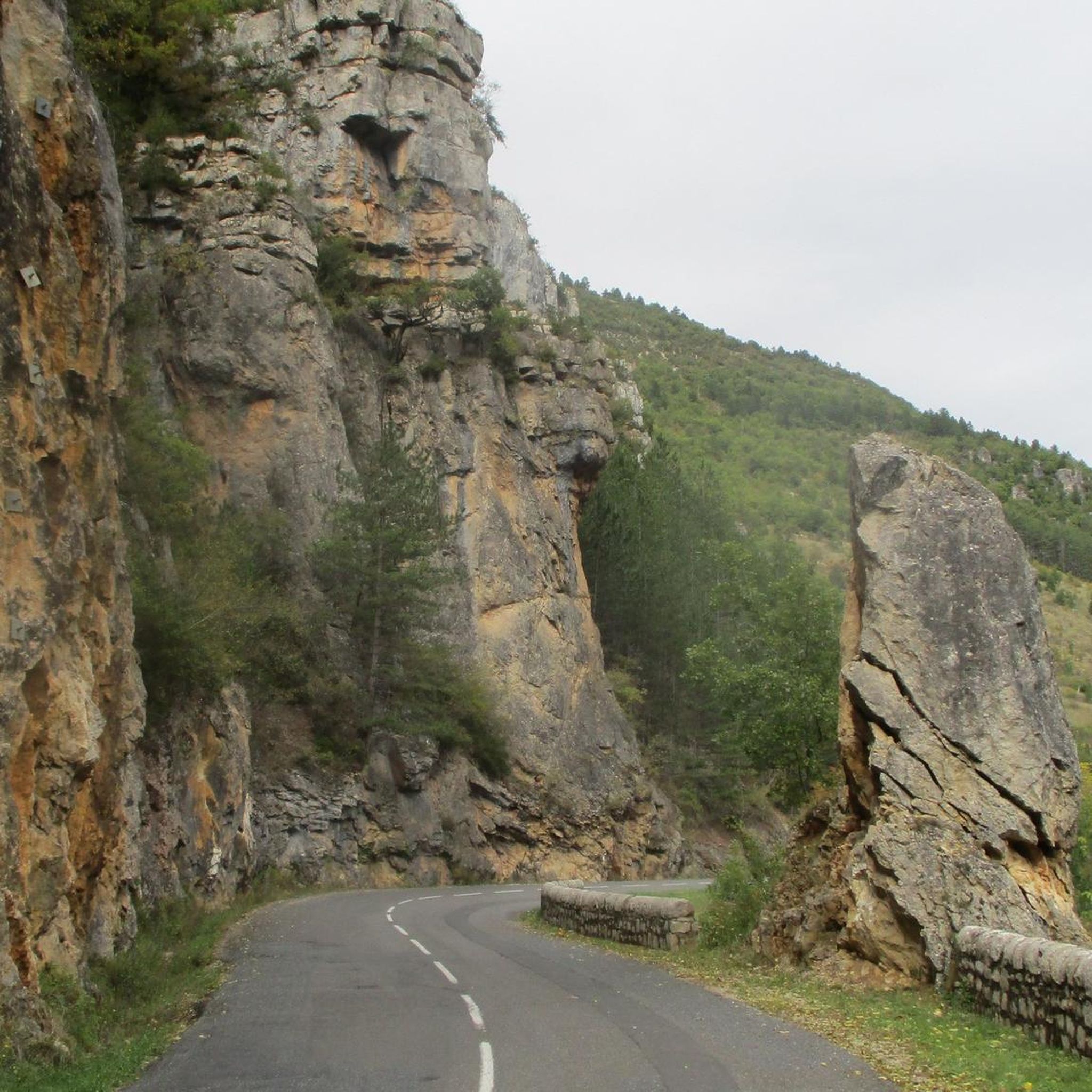
Blajoux fairy chimneys
Highlight • Natural Monument
Translated by Google •
Tip by
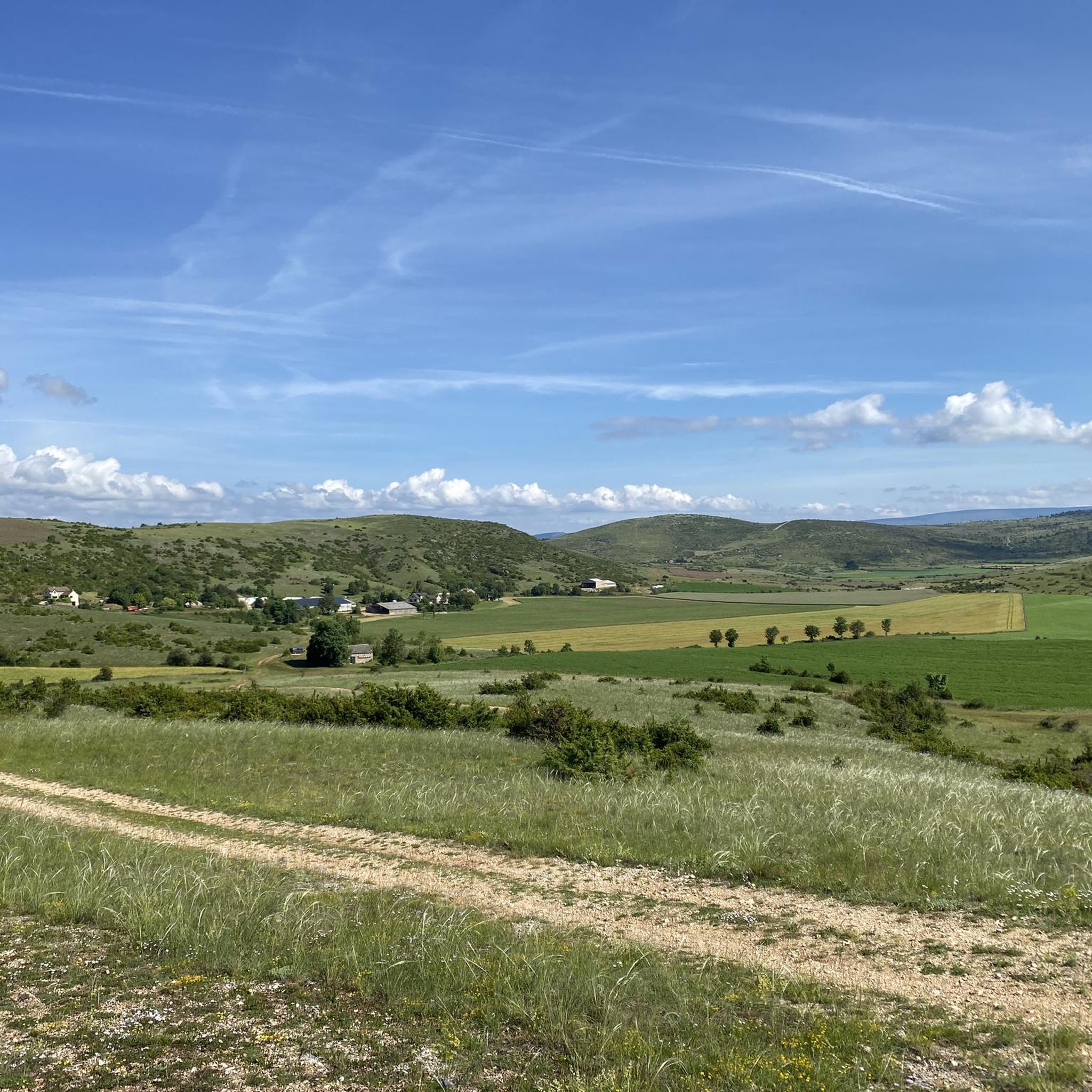
La Can de l’Hospitalet
Highlight (Segment) • Viewpoint
Translated by Google •
Tip by

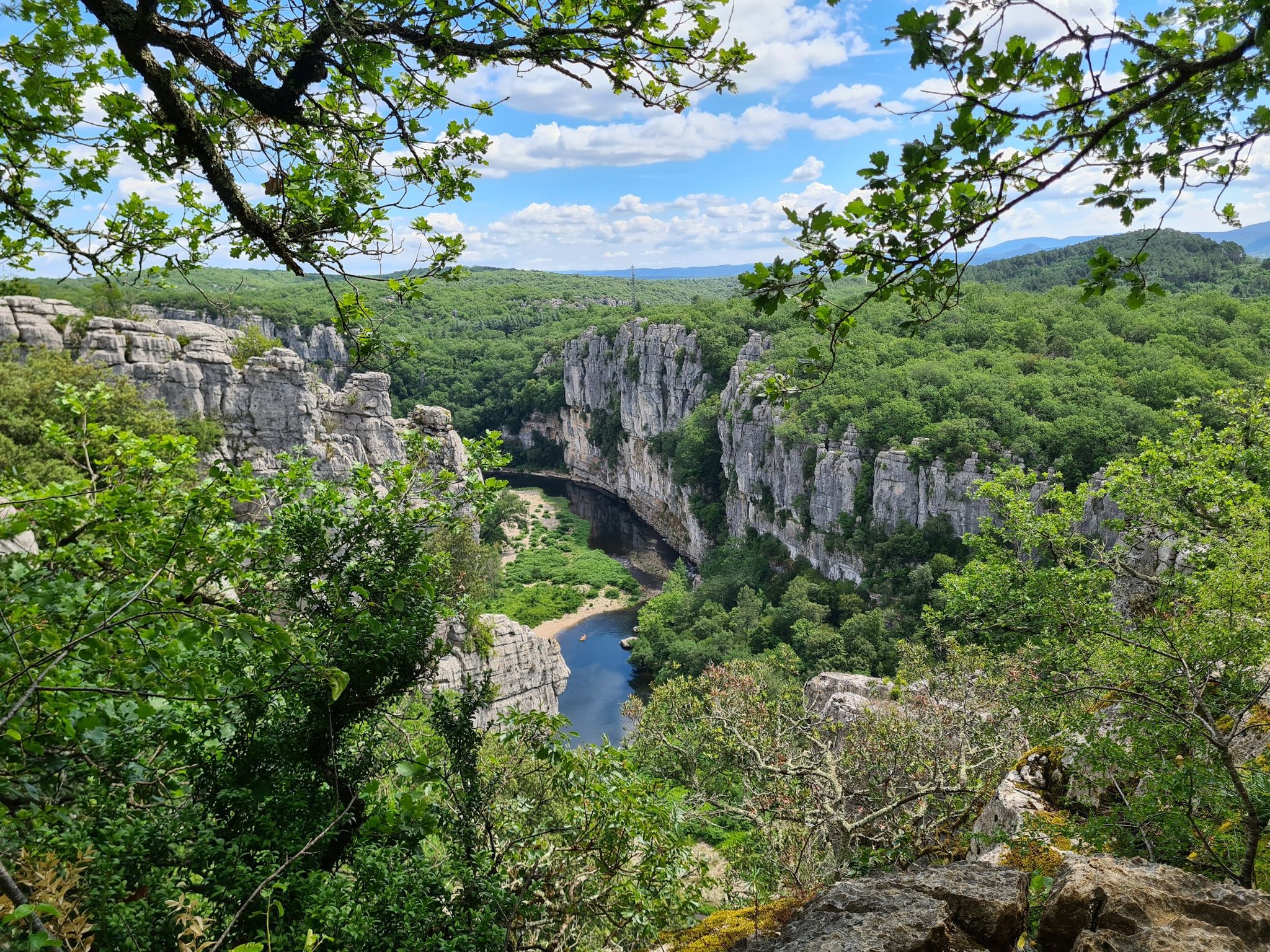
Chaos de Nîmes-le-Vieux
Highlight • Natural Monument
Translated by Google •
Tip by
Sign up for free to discover even more natural monuments around Montbrun.
Sign up for free
Already have an account?
Start today with a free account
Your next adventure awaits.
Login or Signup

Other adventures around Montbrun

Tips from the Community


old mill, magnificent to see it is used to display local and artisanal products
0
0

Nestled under a rock wall at the bottom of the village of Saint-Chély du Tarn, the Notre-Dame de Cénaret chapel, dating from the 12th century, sits near a spring leading to an underground lake. It's definitely worth the detour!
0
0

This Marian shrine, dedicated to the Mother of God under the customary title "Notre Dame" (Our Lady), crouches – at least so it seems – almost protectively under the ledge.
0
0

Small but fine rock chapel, which is not at all expected in the place
1
0
Unfortunately, hikers are not welcome there. The path was blocked every 20-30 meters with branches laid across it, which were obviously placed there specially. Our hike came to an abrupt end in front of a sheep fence that was stretched across the path. Meanwhile, someone had left a large dog mess in front of the driver's door of our car, which we had parked nearby on the edge of a small hamlet. The message was clear.
2
0

This chapel built in the 12th century at the entrance to a cave is impressive. It is now a craft shop. Very beautiful buildings ranging from medieval times to the Renaissance are to be discovered all around in the village of Saint-Chély-du-Tarn.
1
0

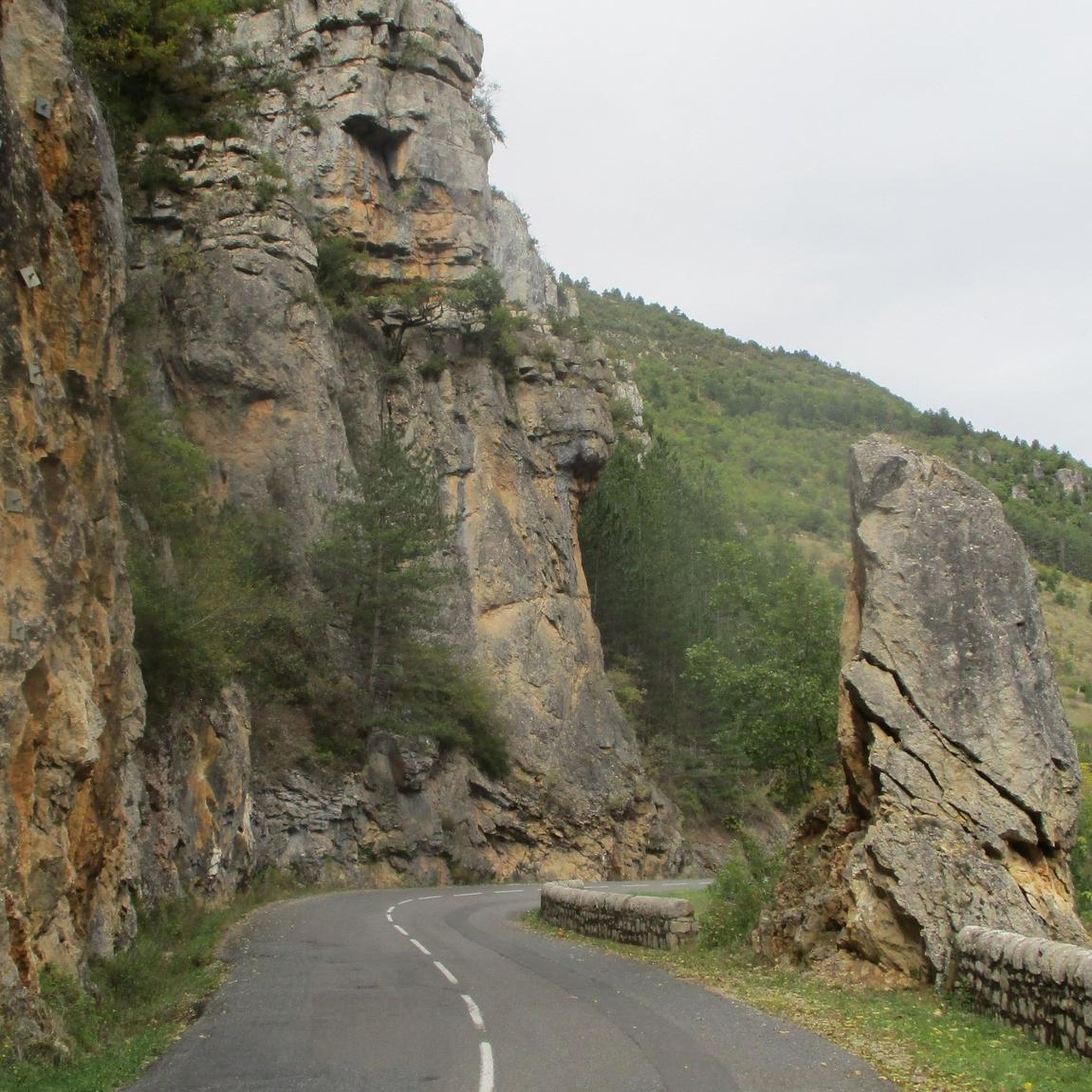
The Col de la Pierre Plate, at an altitude of 1016m, obviously owes its name to the dolmen whose enormous megalith that crowns it has a perfectly flat shape.
0
0
Frequently Asked Questions
What unique natural features can I explore around Montbrun?
The Montbrun area is rich in diverse geological formations. You can discover striking rock formations like the Blajoux fairy chimneys, which offer splendid views of the Tarn gorges. Another notable site is the Chaos de Nîmes-le-Vieux, a unique landscape featuring hundreds of dolomitic rocks that resemble a limestone forest.
Are there any historical or cultural sites integrated with the natural monuments?
Yes, the region combines natural beauty with historical significance. You can visit the Notre-Dame de Cénaret Chapel, a 12th-century chapel built into a cave, offering a unique blend of architecture and natural setting. Additionally, the Dolmen at Col de la Pierre Plate is a well-preserved megalithic tomb, providing a glimpse into ancient history amidst a natural mountain pass.
What are the best viewpoints to experience the landscapes around Montbrun?
For breathtaking panoramic views, head to La Can de l’Hospitalet. This plateau offers magnificent vistas of the Cévennes, with its highest point reaching 1,111 meters. The Saut de la Mounine also provides an unparalleled panoramic view of the Lot Valley and Montbrun village from a height of 150 meters.
What outdoor activities can I do near these natural monuments?
The area around Montbrun is excellent for various outdoor activities. You can find numerous routes for mountain biking, running, and cycling. For example, there are challenging MTB trails like the 'Pont Vieux d'Ouézac – Gorges du Tarn Trail loop' and scenic running routes such as 'Le Mont Gargo – trail starting from Cros-Garnon'. Explore more options on the MTB Trails around Montbrun, Running Trails around Montbrun, and Cycling around Montbrun guide pages.
Are there family-friendly natural monuments around Montbrun?
Many natural monuments in the region can be enjoyed by families. Sites like the Blajoux fairy chimneys offer visually striking geological formations that can captivate children, while the expansive views from La Can de l’Hospitalet provide open spaces for exploration. Always check the specific trail difficulty for each site to ensure it's suitable for all family members.
What is the best time of year to visit the natural monuments in Montbrun?
The best time to visit is generally from spring through autumn (April to October). During these months, the weather is pleasant for outdoor activities, and the diverse flora, especially around sites like the Blajoux fairy chimneys, is vibrant with color. Winter can offer a different, quieter experience, but some trails might be more challenging due to weather conditions.
Are there dog-friendly walking trails near Montbrun's natural monuments?
Many natural areas and trails around Montbrun are suitable for walks with dogs, provided they are kept on a leash and you follow local regulations, especially in protected areas or near livestock. While specific dog regulations for each monument are not always detailed, general outdoor etiquette applies. Always be mindful of other visitors and wildlife.
Is public transport available to reach the natural monuments?
Public transport options directly to individual natural monuments can be limited. It is generally recommended to use a personal vehicle or consider local taxi services to reach trailheads or specific sites. The village of Montbrun itself may have some local bus routes, but access to more remote natural sites often requires private transport.
Where can I find parking information for natural monuments around Montbrun?
Parking availability varies by site. For popular viewpoints and natural attractions, small parking areas or roadside pull-offs are often available near the main access points or trailheads. It's advisable to check specific location details or local signage upon arrival, especially during peak seasons, as spaces can be limited.
Are there any wheelchair-accessible natural sights near Montbrun?
Most natural monuments in the Montbrun region involve uneven terrain, trails, or viewpoints that may not be fully wheelchair accessible. While some panoramic viewpoints might offer easier access, the unique geological formations and historical sites often require walking on natural paths. It's best to research specific sites for accessibility details if this is a concern.
What do visitors enjoy most about the natural monuments in Montbrun?
Visitors frequently praise the stunning panoramic views, the unique geological formations, and the rich, diverse flora. The contrast between the striking fairy chimneys and the vibrant plant life, as well as the expansive vistas from plateaus like La Can de l’Hospitalet, are often highlighted. The blend of natural beauty with historical elements, such as the dolmens and cave chapels, also adds to the appeal.
Can I find cafes or restaurants near the natural monument trails?
While the natural monuments themselves are often in more remote settings, you can find cafes and restaurants in the nearby village of Montbrun and other surrounding hamlets. It's a good idea to plan your visit to include a stop in one of these villages for refreshments before or after your exploration, as amenities directly at the natural sites are typically minimal.
Most popular routes around Montbrun
Most popular attractions around Montbrun

Get inspired with the komoot mobile app


Explore more
Extend your search for the best caves by checking out these guides of the top ones around Montbrun:
