Top 5 Natural Monuments around Petit-Canal
Natural monuments around Petit-Canal Guadeloupe offer a blend of ecological discovery and historical reflection within a diverse natural landscape. This commune in Guadeloupe features significant natural sites, including extensive mangroves and picturesque islets. The region provides opportunities to explore unique plant life and observe diverse wildlife. Its geography, situated along the Grand Cul-de-Sac Marin, contributes to its rich biodiversity.
Best natural monuments around Petit-Canal
- The most popular natural monuments is Pointe du Souffleur Blowhole, a natural monument known for its distinctive sea sounds. This site is considered a beautiful natural wonder and is worth stopping to observe.
- Another must-see spot is View of the Bay in Sanctuaire Agoa, a viewpoint offering scenic vistas of the bay. Visitors can enjoy the beautiful bay, though conditions may vary, and a local restaurant is recommended.
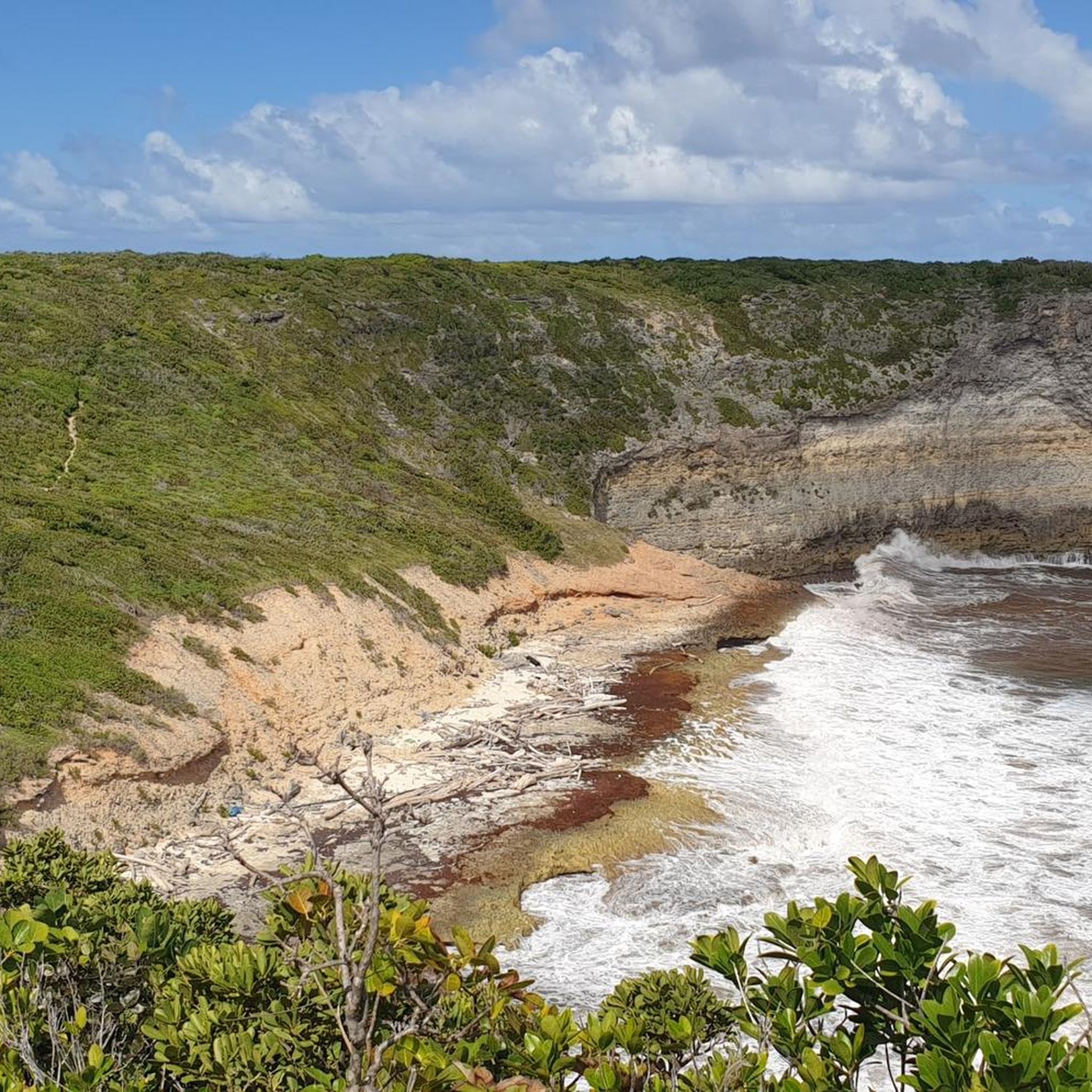
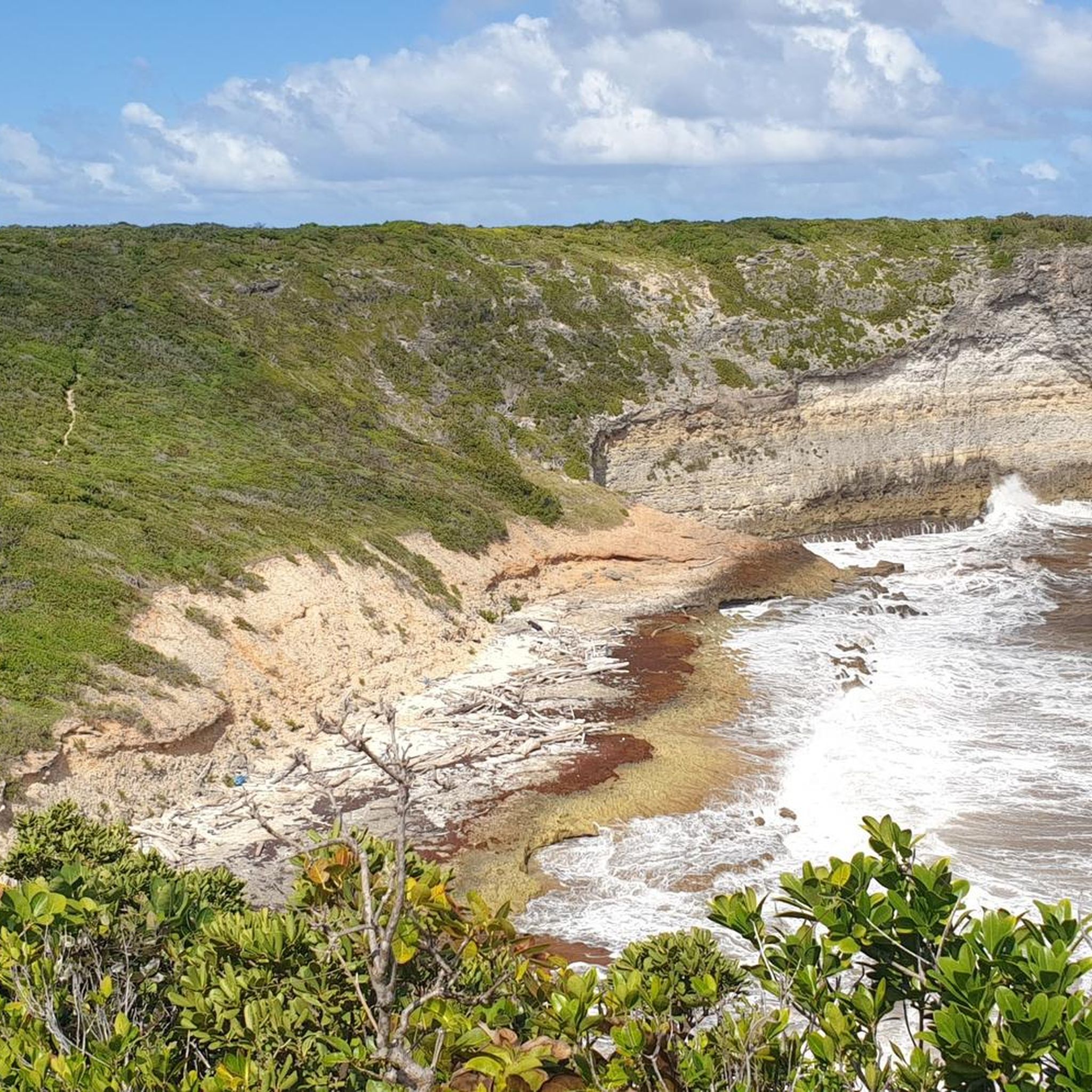
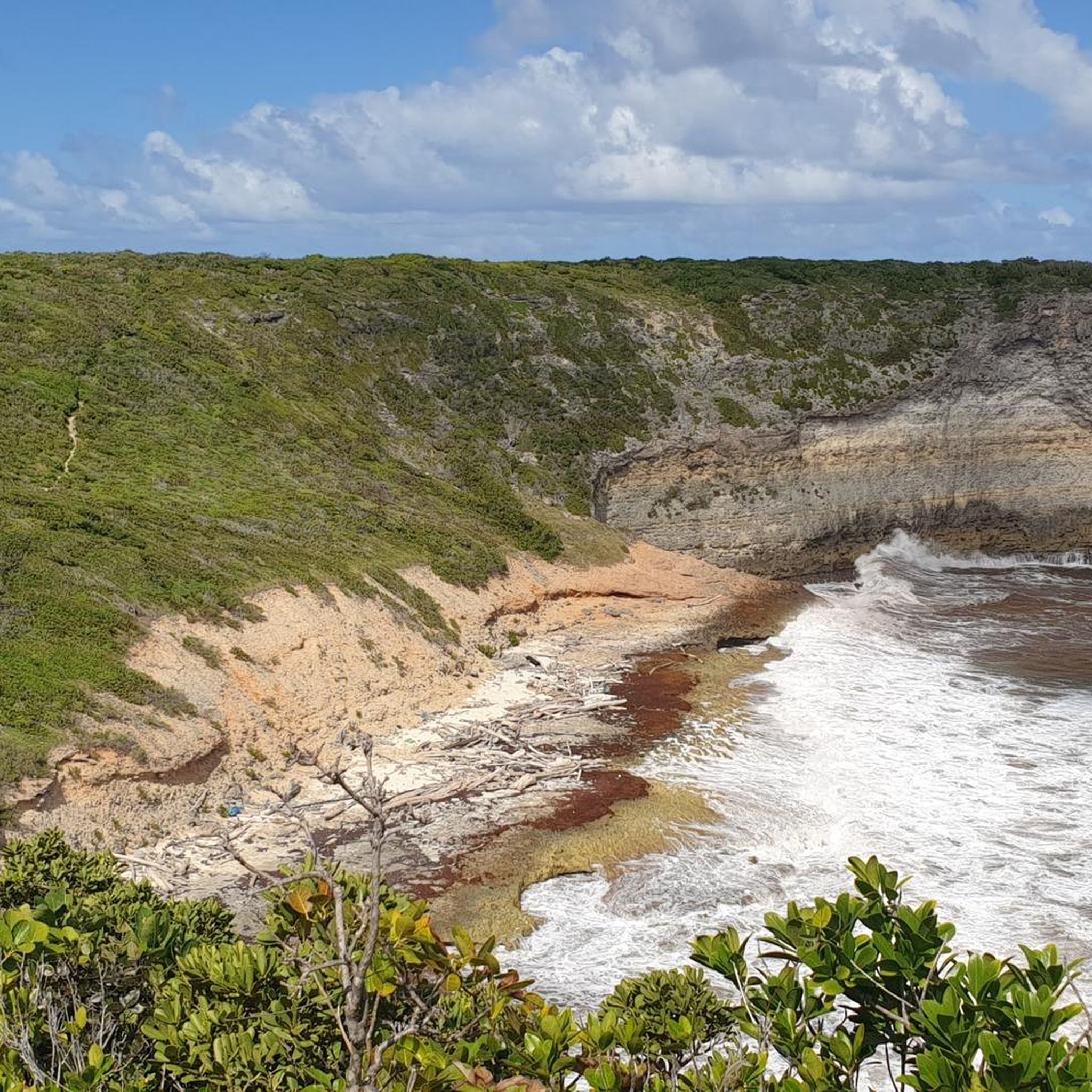
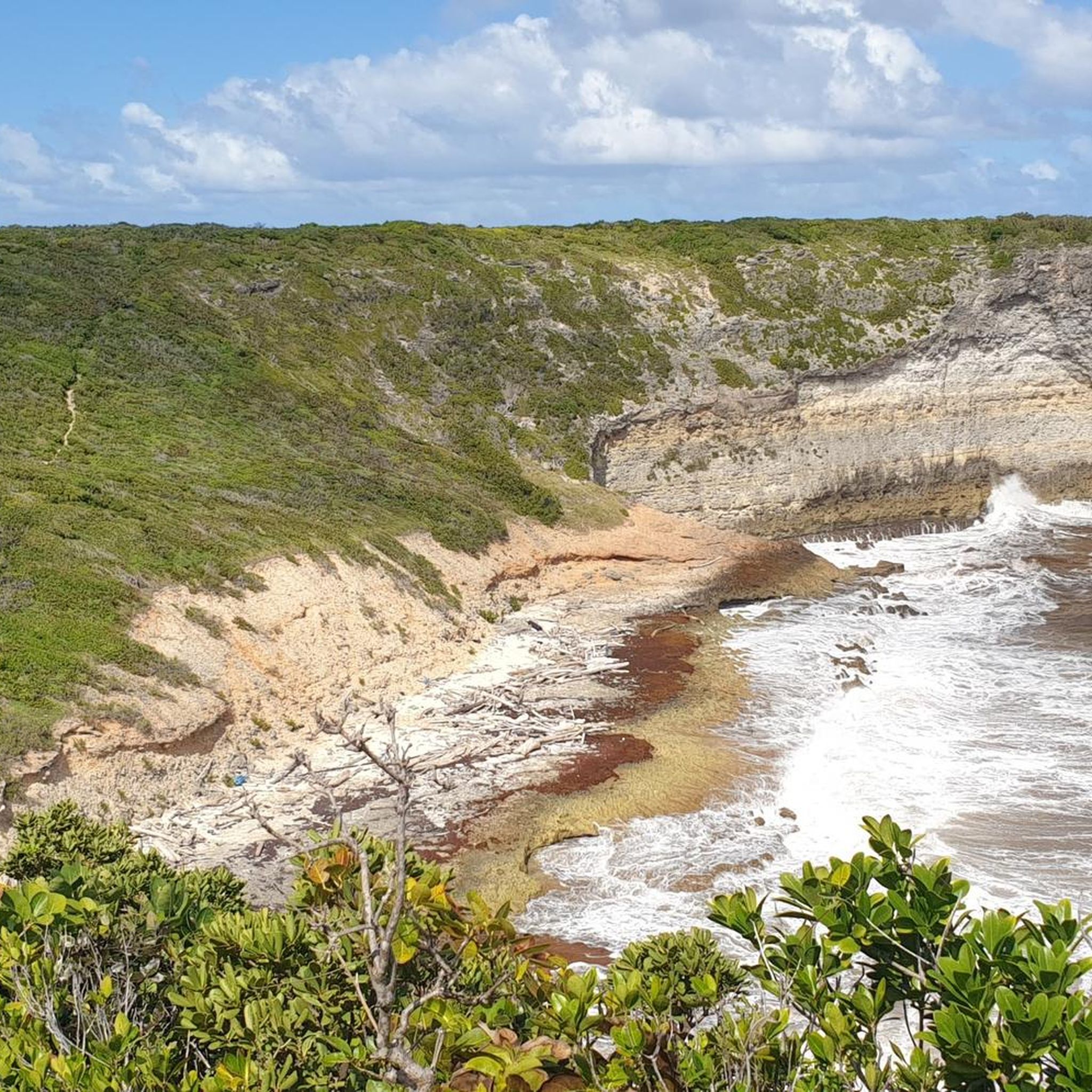
- Visitors also love Porte d'Enfer Beach and Cliffs, a beach and natural monument featuring great views of the cliffs. This location offers a super landscape, but visitors should bring water.
- Petit-Canal is known for its blowholes, beaches, and viewpoints. The area offers a variety of natural monuments to see and explore, from coastal formations to scenic overlooks.
- The natural monuments around Petit-Canal are appreciated by the komoot community, with 21 upvotes and 18 photos shared by visitors.
Last updated: July 3, 2026
Pointe du Souffleur Blowhole
Highlight • Natural Monument
Translated by Google •
Tip by

Porte d'Enfer Beach and Cliffs
Highlight (Segment) • Beach
Translated by Google •
Tip by

Sign up now to discover places like this
Get recommendations on the best single tracks, peaks, & plenty of other exciting outdoor places.
Sign up for free
Ravine in Aire d'Adhésion du Parc National de Guadeloupe
Highlight • Gorge
Translated by Google •
Tip by

View of the Bay in Sanctuaire Agoa
Highlight • Viewpoint
Translated by Google •
Tip by
View of Pointe de la Grande Vigie Cliffs
Highlight • Viewpoint
Translated by Google •
Tip by

Sign up for free to discover even more natural monuments around Petit-Canal.
Sign up for free
Already have an account?
Start today with a free account
Your next adventure awaits.
Login or Signup
Tips from the Community

Wear sturdy shoes, the paths have sharp edges.
0
0

The hike is exclusively in the woods or undergrowth, the beautiful view only at the end. There are some passages that are a little difficult
0
0

Super landscape but take water with you
0
0
Bring time and enjoy it
0
0

On the way to the Pointe de la Grande Vigie there are always wonderful views.
0
0

The hike can also be much longer on the steep coast, but you should think about the way back.
0
0

Beautiful bay, but only without Zaragoza grass. Unfortunately, when the current is bad, a stinking red sea is created. The on-site restaurant is recommended. But it doesn't open anymore when the grass gets the upper hand.
0
0

Great views of the cliffs.
2
0
Frequently Asked Questions
What unique natural features can I explore in Petit-Canal?
Petit-Canal offers a diverse range of natural features. You can explore the extensive mangrove ecosystem, which is the largest in the Lesser Antilles, or relax on the wild and preserved Porte d'Enfer Beach and Cliffs. The region also features unique coastal formations like the Pointe du Souffleur Blowhole, known for its distinctive sea sounds.
Where can I find scenic viewpoints around Petit-Canal?
For breathtaking vistas, visit the View of the Bay in Sanctuaire Agoa, which offers beautiful views of the bay. Another notable spot is the View of Pointe de la Grande Vigie, providing scenic overlooks of the coastline.
What kind of plant life can I discover in Petit-Canal's natural monuments?
The Nature Park (Parc Paysager) is a significant natural monument dedicated to conserving the flora of northern Grande Terre. It features an arboretum with approximately 300 species, a medicinal plant garden, and over 500 local plant species, including edible and dyeing plants. The Gaïac (ironwood) is its emblem, and you can also find traveler's trees and frangipani.
Can I observe wildlife in the natural areas of Petit-Canal?
Yes, the mangrove ecosystem around Petit-Canal is rich in biodiversity. Excursions, often by glass-bottomed boat or kayak, allow you to discover the lagoon, coral reef, and islets like Ilet aux Oiseaux (Bird Islet), where you can witness various fish, crabs, and exotic birds.
Are there hiking opportunities near Petit-Canal's natural monuments?
Yes, there are several hiking routes available. For example, you can explore the Ravine in Aire d'Adhésion du Parc National de Guadeloupe, which offers a very nice, easy place for hiking. You can find more hiking trails, including a loop from Plage de la Porte d'Enfer to Pointe du Souffleur Blowhole, in the Hiking around Petit-Canal guide.
What other outdoor activities are available around Petit-Canal?
Beyond hiking, Petit-Canal offers opportunities for cycling. You can explore various routes for mountain biking, such as the Bois de Chabert loop from Morne-à-l'Eau, or enjoy road cycling routes like the Grands Fonds – Anse Bertrand loop. Detailed routes can be found in the MTB Trails around Petit-Canal and Road Cycling Routes around Petit-Canal guides.
Are the natural monuments in Petit-Canal suitable for families?
Many natural sites in Petit-Canal are suitable for families. The Nature Park (Parc Paysager) offers a relaxing environment for discovery and learning about local flora. Exploring the mangrove by glass-bottomed boat or kayak can be an engaging experience for all ages. Beaches like Anse Maurice provide calm settings for relaxation and swimming.
What should I wear when visiting the natural monuments?
It's advisable to wear sturdy shoes, especially if you plan to hike or explore coastal areas like View of the Bay in Sanctuaire Agoa or the Porte d'Enfer Beach and Cliffs. Bringing enough water is also recommended, particularly for longer explorations.
What is the best time to visit Petit-Canal's natural monuments?
The best time to visit Petit-Canal and its natural monuments is generally during the dry season, from December to May, when the weather is most pleasant for outdoor activities. This period offers ideal conditions for exploring beaches, mangroves, and hiking trails.
Are there any historical natural sites in Petit-Canal?
While not a natural monument in itself, the Canal des Rotours, dug in the 18th century, is a historic canal that connects the town to the sea and offers a glimpse into the region's past alongside its natural surroundings. It played a role in the transport of sugarcane.
What do visitors enjoy most about the natural monuments around Petit-Canal?
Visitors frequently appreciate the stunning natural beauty and unique geological formations. The Pointe du Souffleur Blowhole is praised for its beautiful sea sounds and being a natural wonder. The Porte d'Enfer Beach and Cliffs are loved for their super landscape and great views. The overall appeal lies in the blend of ecological discovery and tranquil settings.
Is there a specific park dedicated to nature conservation in Petit-Canal?
Yes, the Nature Park (Parc Paysager) in Petit-Canal is a five-hectare park established in 1992 to conserve the flora of northern Grande Terre. It's an excellent place for relaxation and discovery, showcasing diverse plant species and offering insights into Creole medicine and indigenous flora. You can find more information about the park on Guadeloupe Tourisme.
Most popular routes around Petit-Canal
Most popular attractions around Petit-Canal

Get inspired with the komoot mobile app


Explore more
Extend your search for the best caves by checking out these guides of the top ones around Petit-Canal:
