Top 16 Natural Monuments around Rosis
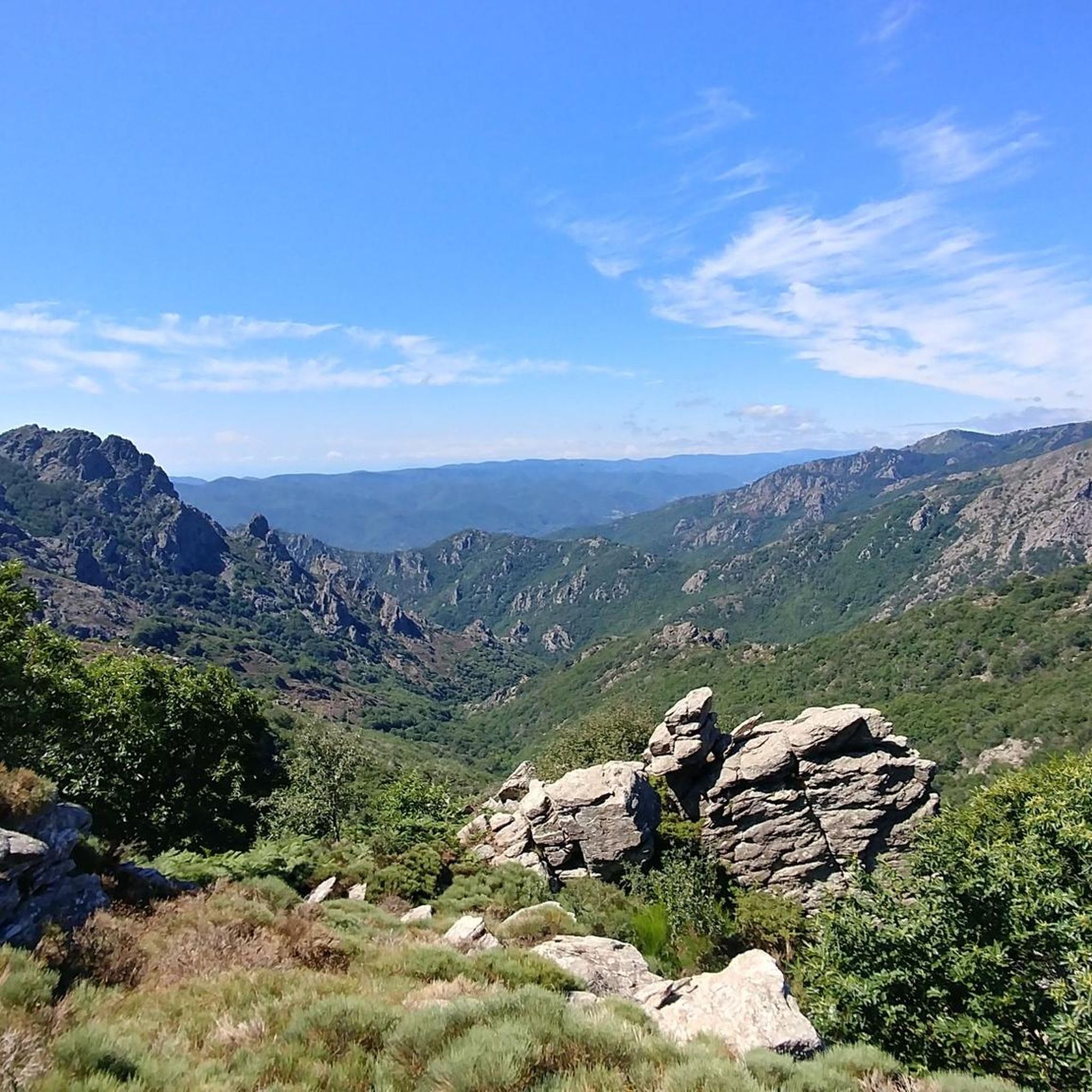
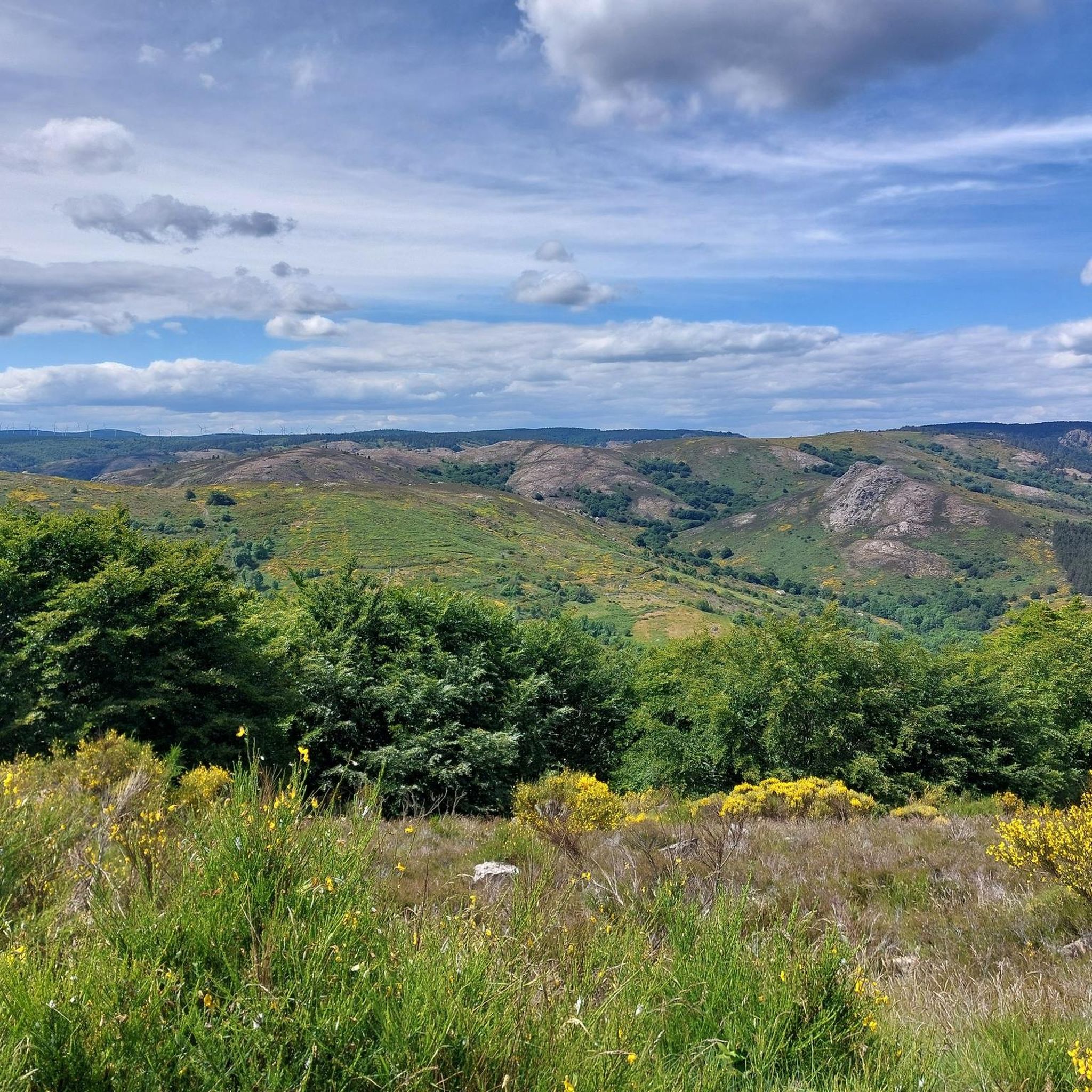
Natural monuments around Rosis are situated within the Haut-Languedoc Regional Natural Park in southern France. The commune of Rosis is part of the Hérault department, an area characterized by its rugged natural landscape. The Caroux massif, a prominent geographical feature, defines much of the surrounding terrain. Visitors can explore significant natural attractions such as the Gorges d'Héric and Gorges de Colombières, which showcase the region's geological formations.
Best natural monuments around Rosis
- The most popular natural monuments is Orientation table…
Last updated: August 13, 2026
Orientation table at Mont Caroux
Highlight • Viewpoint
Translated by Google •
Tip by

Gouffre du Cerisier Natural Pool and Waterfall
Highlight • Waterfall
Translated by Google •
Tip by

Sign up now to discover places like this
Get recommendations on the best single tracks, peaks, & plenty of other exciting outdoor places.
Sign up for free
L'Espinouse Pass (1,124 m)
Highlight • Mountain Pass
Translated by Google •
Tip by

Fontfroide Pass
Highlight • Mountain Pass
A few passages at 10%, with little traffic.
Translated by Google •
Tip by

Old bridge over the Heric stream
Highlight • River
Translated by Google •
Tip by

Sign up for free to discover even more natural monuments around Rosis.
Sign up for free
Already have an account?
Start today with a free account
Your next adventure awaits.
Login or Signup
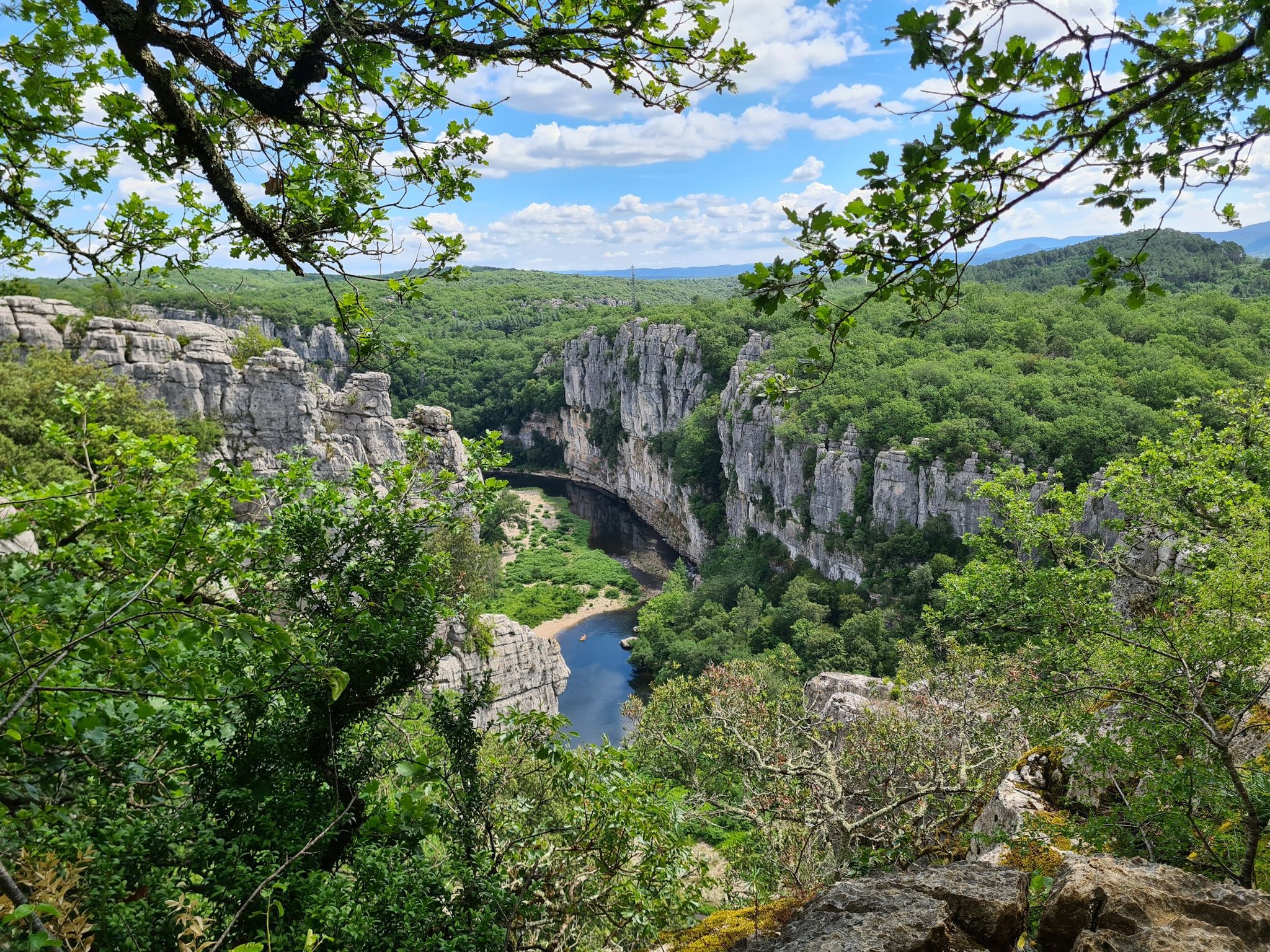
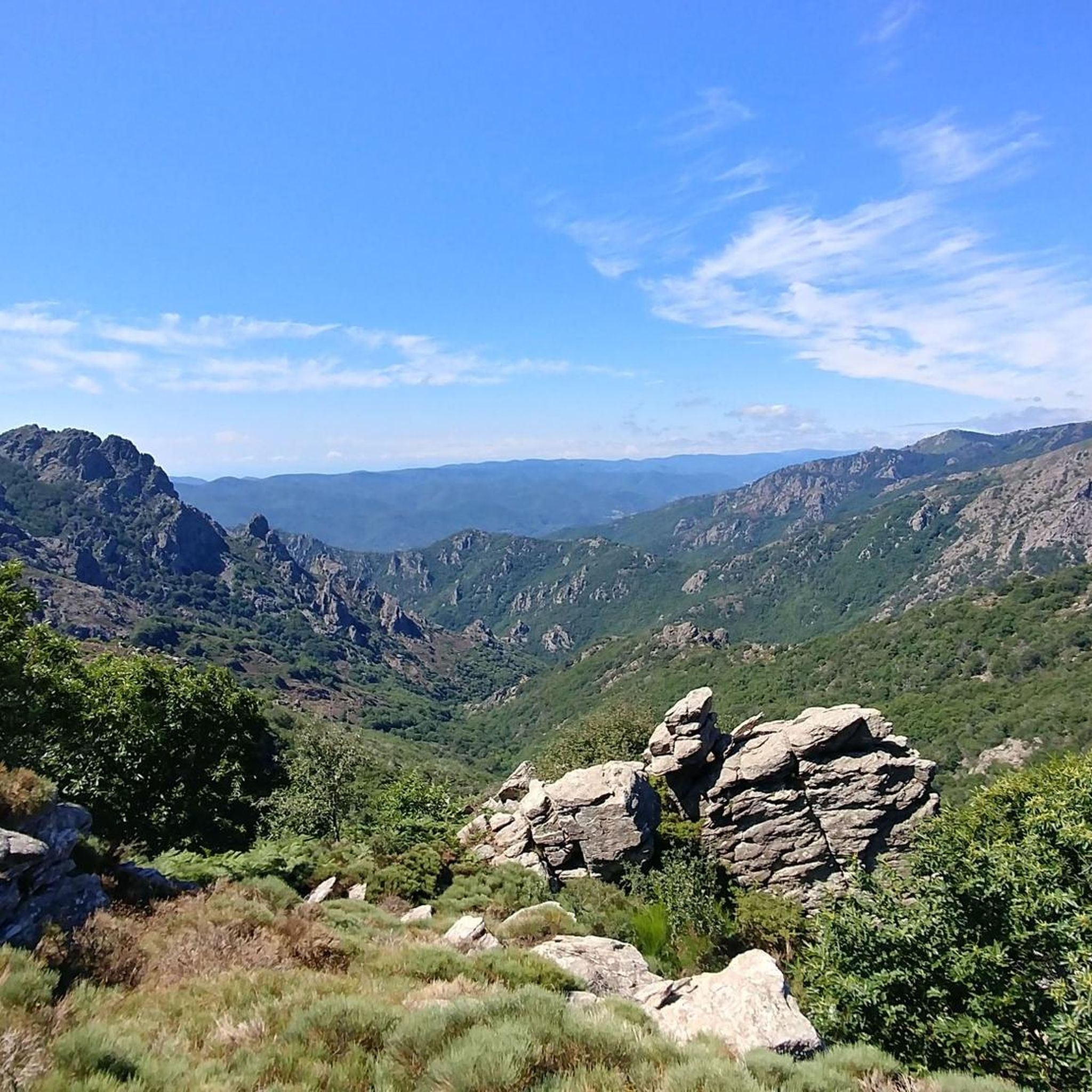
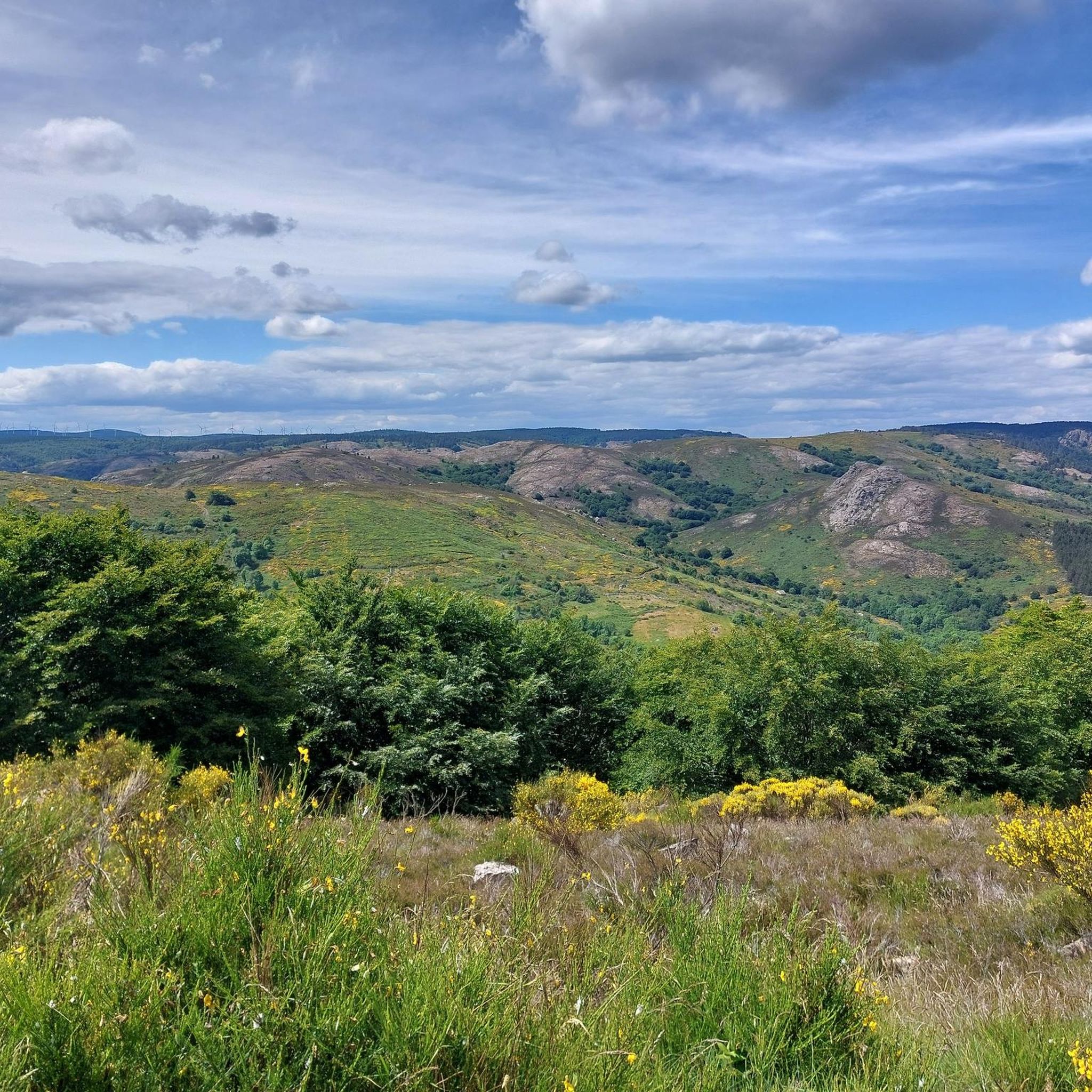

Other adventures around Rosis

Tips from the Community

Above Saint-Martin-de-l'Arçon, a superb view unfolds over the valley and surrounding hills. Choose a sunny day with clear skies to fully appreciate its beauty!
0
0

Great views at the summit
0
0
Very nice pool to cool off in
0
0

A very pleasant climb from Lamalou-les-Bains! The beginning is (very) steep (7-8% average over quite a few kilometers), but it becomes more rolling after that.
0
0

Very beautiful view from the orientation table. The different landscapes crossed to get there are magnificent
1
0


Orientation board on a viewing platform with super panoramic views
0
0

At the crossroads between the Agout sector and the Erich gorges. On the edge of the national reserve.
0
0
Frequently Asked Questions
What kind of natural monuments can I expect to find around Rosis?
The natural monuments around Rosis, situated within the Haut-Languedoc Regional Natural Park, primarily feature rugged landscapes, impressive gorges, and significant geological formations. You'll discover stunning viewpoints, natural pools, waterfalls, and challenging mountain passes. The area is defined by the Caroux massif, offering a diverse range of natural attractions.
Are there any notable viewpoints among the natural monuments?
Yes, the region offers several impressive viewpoints. The Orientation table at Mont Caroux is a popular spot, providing wonderful distant views from an altitude of about 1100m. Another excellent viewpoint is L'Espinouse Pass (1,124 m), located in the heart of a nature reserve.
Where can I find natural pools or waterfalls for swimming?
The Gouffre du Cerisier Natural Pool and Waterfall is a must-see spot. It features crystal clear waters and is one of the most beautiful natural basins in the Gorges d’Héric, perfect for a refreshing swim on a warm day.
What are the options for hiking near the natural monuments around Rosis?
The area around Rosis is excellent for hiking, especially within the Caroux massif. You can explore trails like the Caroux Summit Trail or the Héric Hamlet loop from Douch. For more options, check out the Hiking around Rosis guide, which offers various routes, including those passing by the natural monuments.
Are there cycling routes that pass by these natural monuments?
Absolutely. The region is popular for cycling, with routes like the challenging climb to Fontfroide Pass, which offers magnificent views on the descent. For more cycling adventures, you can explore the Cycling around Rosis guide or the Gravel biking around Rosis guide for routes that traverse the scenic landscapes.
What is the terrain like for hiking and cycling in the Rosis area?
The terrain around Rosis is characterized by the rugged Caroux massif, featuring significant elevation changes. Hiking trails can range from moderate to difficult, often involving steep ascents and descents, especially in the gorges. Cycling routes, such as those leading to mountain passes, are known for challenging and steady climbs, sometimes with gradients up to 10%.
Are the natural monuments around Rosis suitable for families with children?
Many natural monuments, particularly those with natural pools like the Gouffre du Cerisier, can be enjoyable for families. While some trails are challenging, there are also easier sections within the gorges. It's advisable to check specific route details for suitability with younger children.
Can I bring my dog to the natural monuments and trails?
Generally, dogs are welcome on trails in natural parks in France, but it's always best to keep them on a leash, especially in protected areas or near wildlife. Specific rules might apply to certain natural monuments or reserves, so look for local signage.
What is the best time of year to visit the natural monuments around Rosis?
The spring and autumn months are generally ideal for visiting. The weather is milder, making hiking and cycling more comfortable. Summer can be quite warm, but the natural pools offer a refreshing escape. Winter can bring colder temperatures and potentially snow at higher elevations, making some areas less accessible.
What geological features define the natural monuments in this region?
The natural monuments around Rosis are primarily defined by the geological features of the Caroux massif. This includes deep gorges like the Gorges d'Héric and Gorges de Colombières, carved by rivers, as well as rugged mountain formations and exposed rock faces. These features create dramatic landscapes and unique natural pools.
How can I access the natural monuments around Rosis, particularly regarding parking?
Access to many natural monuments, especially within the gorges, often involves driving to nearby hamlets like Douch or Colombières-sur-Orb. Parking is typically available at trailheads or designated areas, though it can be crowded during peak season. Public transport options are limited, so a car is generally recommended for exploring the wider area.
Are there any natural monuments that offer a less strenuous or beginner-friendly experience?
While many trails in the Caroux massif can be challenging, some sections of the gorges, particularly near accessible hamlets, offer flatter or less strenuous walks. For example, the path leading to the Gouffre du Cerisier is generally manageable, though it can be busy. Look for routes described as 'easy' or 'moderate' in the hiking guides.
What do visitors particularly enjoy about the natural monuments in the Rosis area?
Visitors frequently praise the stunning natural beauty and the sense of tranquility. The crystal-clear waters of the natural pools, the panoramic views from viewpoints like Mont Caroux, and the challenging yet rewarding climbs of the mountain passes are often highlighted. Many appreciate the opportunity for outdoor activities in a relatively untouched natural setting.
Most popular attractions around Rosis

Get inspired with the komoot mobile app


Explore more
Extend your search for the best caves by checking out these guides of the top ones around Rosis:
