Top 14 Natural Monuments around Fonds-Saint-Denis
Best natural monuments around Fonds-Saint-Denis are found within Martinique's lush tropical rainforest, part of the Martinique Regional Nature Park. This region is characterized by its volcanic peaks, deep gorges, and abundant waterfalls. The natural landscape offers diverse experiences, from challenging volcanic hikes to tranquil river walks and botanical explorations.
Best natural monuments around Fonds-Saint-Denis
- The most popular natural monuments is Ascent to L'Aileron (Montagne Pelée), a volcanic ascent that winds through lush tropical vegetation. It offers expansive views of…
Last updated: October 7, 2026
Mount Pelée Trail
Highlight • Trail
Translated by Google •
Tip by

Jardin de Balata
Highlight • Natural Monument
Translated by Google •
Tip by

Sign up now to discover places like this
Get recommendations on the best single tracks, peaks, & plenty of other exciting outdoor places.
Ascent to L'Aileron (Montagne Pelée)
Highlight • Climb
Translated by Google •
Tip by

Balata Botanical Garden, Martinique
Highlight • Natural Monument
On an area of about 3 …
Translated by Google •
Tip by

Le Chinois Summit
Highlight (Segment) • Summit
Rocks can be very slippery and have large gaps between them. Smooth-soled trainers used by many are not suitable. Boots or at …
Tip by

Sign up for free to discover even more natural monuments around Fonds-Saint-Denis.
Already have an account?
Start today with a free account
Your next adventure awaits.
Popular around Fonds-Saint-Denis
Tips from the Community

A very difficult hike; it's astonishing how many people are wearing inadequate footwear. Steep ascents and descents with high steps, often slippery due to the frequent cloud cover. The final section from the third refuge to the summit of "Le Chinois" is only recommended for experienced hikers, as it consists almost entirely of boulders. It's also advisable to wear long trousers, as you'll frequently be scraping along bushes. The detour of about 150 meters to the summit cross to the left of the arrival point on the crater rim is a good path, but unfortunately very overgrown. Nevertheless, it's an absolutely worthwhile detour because the cross offers a fantastic view south across the entire island, and you can also look down into the crater.
0
0
Difficult hike, unmaintained trails, broken steps, lots of climbing and crevasses on the way up. Very cloudy at the summit despite arriving around 7 a.m. But very beautiful view of the Caldera Pass.
0
0


This trail, which winds through lush tropical vegetation, leads hikers to breathtaking viewpoints of the island and the Atlantic Ocean. As you climb, the landscapes reveal themselves with cliffs, green valleys, and at the top, a breathtaking view of the caldera and the surrounding area.
1
1

Along the Sentier de la Montagne Pelée, you will hike one of the most iconic volcanoes in the Caribbean. During your climb, you will pass through lush rainforests and rugged volcanic landscapes, with breathtaking views of the island of Martinique, but also of the Atlantic and the Caribbean Sea.
3
1

The Jardin de Balata covers an area of approximately 16,000 square meters and offers visitors numerous walking paths and viewpoints from which to admire the beauty of the flora.
1
0
The Jardin de Balata covers an area of approximately 16,000 square meters and offers visitors numerous walking paths and viewpoints from which to admire the beauty of the flora.
1
0

The park can be visited in a walk of about 2 hours, taking time to discover and observe. A suspension bridge course at treetop level allows you to walk through part of the garden to the top of the mahogany trees. Here in the garden almost 3000 species of tropical plants, including 300 different species of palm trees, were collected.
4
0
Frequently Asked Questions
What are some of the most popular natural monuments to visit around Fonds-Saint-Denis?
Visitors frequently enjoy the serene Ascent to L'Aileron (Montagne Pelée) for its volcanic landscapes and views, the lush Balata Botanical Garden, Martinique for its diverse flora, and the adventurous Mount Pelée Trail. Other popular spots include the picturesque Saut Gendarme waterfall and the historic Canal de Beauregard.
Are there any family-friendly natural monuments in the Fonds-Saint-Denis area?
Yes, several natural monuments are suitable for families. The Balata Botanical Garden, Martinique is an excellent choice with its walking paths and diverse plant collection. The Saut Gendarme waterfall is also very family-friendly, offering easy accessibility, a refreshing pool for dipping feet, and a shaded, shallow play area downstream.
What kind of geological features can I expect to see in the natural monuments around Fonds-Saint-Denis?
The region is characterized by its volcanic origins. You can explore majestic volcanic peaks like the Pitons du Carbet and Mount Pelée, dramatic gorges such as the Gorges de la Falaise and Alma Gorges, and numerous waterfalls like Saut Gendarme and those along the Alma River. These features create a diverse landscape of rugged terrain, lush rainforests, and natural pools.
Are there challenging hikes among the natural monuments near Fonds-Saint-Denis?
Yes, for experienced hikers, the region offers strenuous trails. The Mount Pelée Trail and the Pitons du Carbet provide challenging ascents through lush rainforests to spectacular panoramic views. The final section to Le Chinois Summit on Mount Pelée is particularly demanding, often involving navigating boulders and slippery conditions.
What is the best time of year to visit the natural monuments in Martinique?
The best time to visit Martinique's natural monuments is generally during the dry season, which runs from December to May. During these months, you can expect less rain, lower humidity, and more pleasant hiking conditions. The rainy season (June to November) can bring heavy downpours, making trails slippery and increasing the risk of flash floods in gorges.
Can I find natural monuments with historical significance in this area?
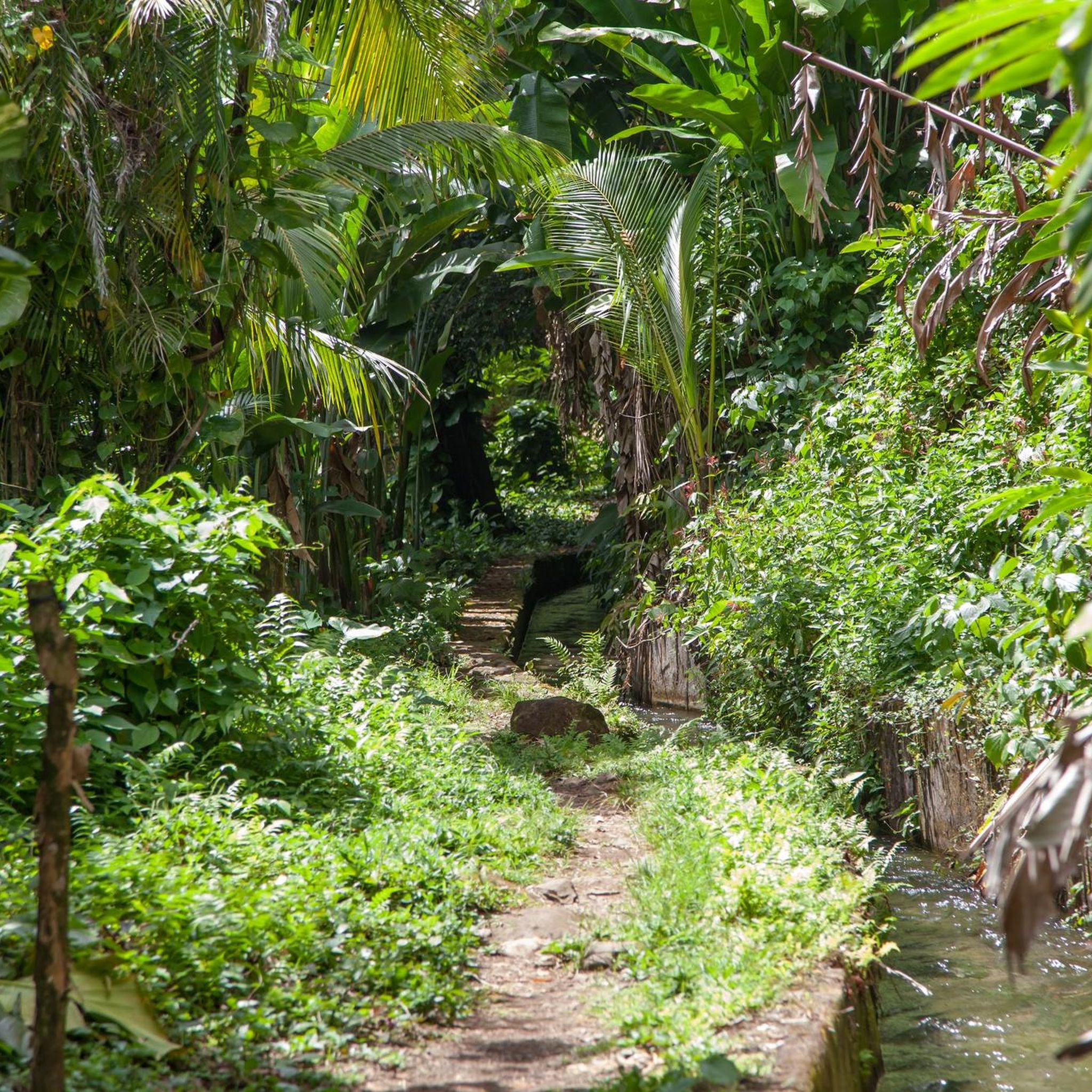
Absolutely. The Canal de Beauregard, also known as Canal des Esclaves, is a significant historical natural monument. This 7-kilometer irrigation canal was built by enslaved people in 1760 to supply water to distilleries. Hiking along its narrow path offers a unique blend of natural beauty and a poignant connection to the island's past.
What should I wear when hiking to natural monuments around Fonds-Saint-Denis?
It's advisable to wear appropriate hiking footwear with good grip, as trails can be steep and slippery, especially in wet conditions. Long trousers are recommended to protect against vegetation. Bringing rain gear is also wise, as tropical showers can occur unexpectedly. For some trails, like the Gorges de la Falaise, swimwear might be useful for refreshing dips.
Are there any easy or beginner-friendly hikes to natural monuments?
Yes, there are options for beginners. The Saut Gendarme waterfall is easily accessible and requires minimal hiking. The Canal de Beauregard offers a generally easy and popular hike, allowing you to explore the tropical vegetation and historical heritage, though some sections require caution due to drop-offs. The Balata Botanical Garden, Martinique also provides gentle walking paths.
What outdoor activities can I do near the natural monuments around Fonds-Saint-Denis?
Beyond exploring the natural monuments themselves, the region offers various outdoor activities. You can find numerous hiking trails, including moderate routes like the Jesuits Trail or easy ones like the Maison Rousse loop. For more details on hiking, visit the Hiking around Fonds-Saint-Denis guide. Road cycling routes are also available, with options ranging from moderate to difficult, as detailed in the Road Cycling Routes around Fonds-Saint-Denis guide.
Are guides required for visiting certain natural monuments?
For some natural monuments, especially those involving challenging terrain or water activities, a guide is strongly recommended or even required. For instance, a guide is mandatory for the Gorges de la Falaise due to the nature of the terrain and potential for flash floods. Similarly, a guide is highly recommended for the strenuous trails of the Pitons du Carbet due to their steep, slippery, and sometimes unmarked paths.
What are the Alma River and Gorges known for?
The Alma River, also known as Balata River or White River, is one of Martinique's longest and flows through the heights of Fonds-Saint-Denis. It's known for its multiple natural pools, a magnificent 40-meter-high waterfall, and exceptional biodiversity. The Alma Gorges offer an exhilarating hike through dense forest, with opportunities for canyoning and rock jumping into natural pools.
Where can I find panoramic viewpoints of the island?
Many natural monuments offer breathtaking panoramic views. The Pitons du Carbet, particularly from elevations above 800 meters, provide spectacular vistas of Martinique, Mount Pelée, and both the Atlantic and Caribbean coasts. Similarly, the Mount Pelée Trail and the Ascent to L'Aileron offer expansive views of the island and the surrounding seas.
Most popular routes around Fonds-Saint-Denis
Most popular attractions around Fonds-Saint-Denis

Get inspired with the komoot mobile app


Explore more
Extend your search for the best caves by checking out these guides of the top ones around Fonds-Saint-Denis:
