Top 9 Natural Monuments around Vicq
Best natural monuments around Vicq showcase a landscape characterized by unique geological formations, extensive wetlands, and ancient forests. The region offers a variety of natural reserves and woodlands for exploration. These areas provide opportunities to observe diverse ecosystems and significant natural features. There are 9 natural monuments around Vicq, offering varied outdoor experiences.
Best natural monuments around Vicq
- The most popular natural monuments is Le Caillou-qui-Bique, a natural monument consisting of a 20 to 25 meter high rock. This…
Last updated: May 6, 2026
Le Caillou-qui-Bique
Highlight • Natural Monument
A little step back in time... …
Translated by Google •
Tip by

Marais d'Harchies-Hensies-Pommerœul Nature Reserve
Highlight • Natural Monument
Translated by Google •
Tip by

Sign up now to discover places like this
Get recommendations on the best single tracks, peaks, & plenty of other exciting outdoor places.
Sign up for free
Bois d'Angre
Highlight • Forest
Translated by Google •
Tip by

Trees with mistletoe
Highlight • Forest
The white, berry-like fruit is spread by birds. …
Translated by Google •
Tip by
Les Catillons
Highlight • Natural Monument
Translated by Google •
Tip by
Sign up for free to discover even more natural monuments around Vicq.
Sign up for free
Already have an account?
Start today with a free account
Your next adventure awaits.
Login or Signup
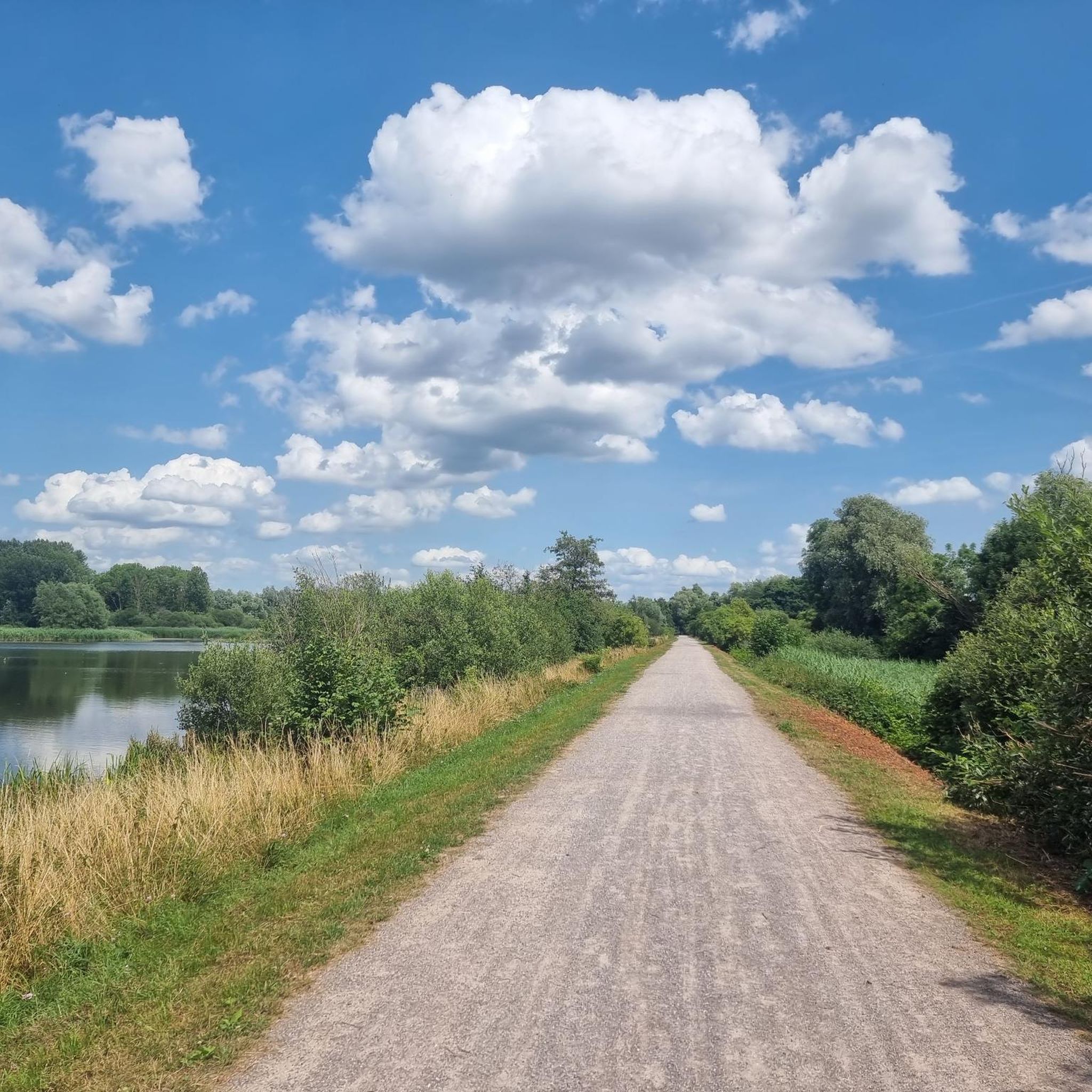
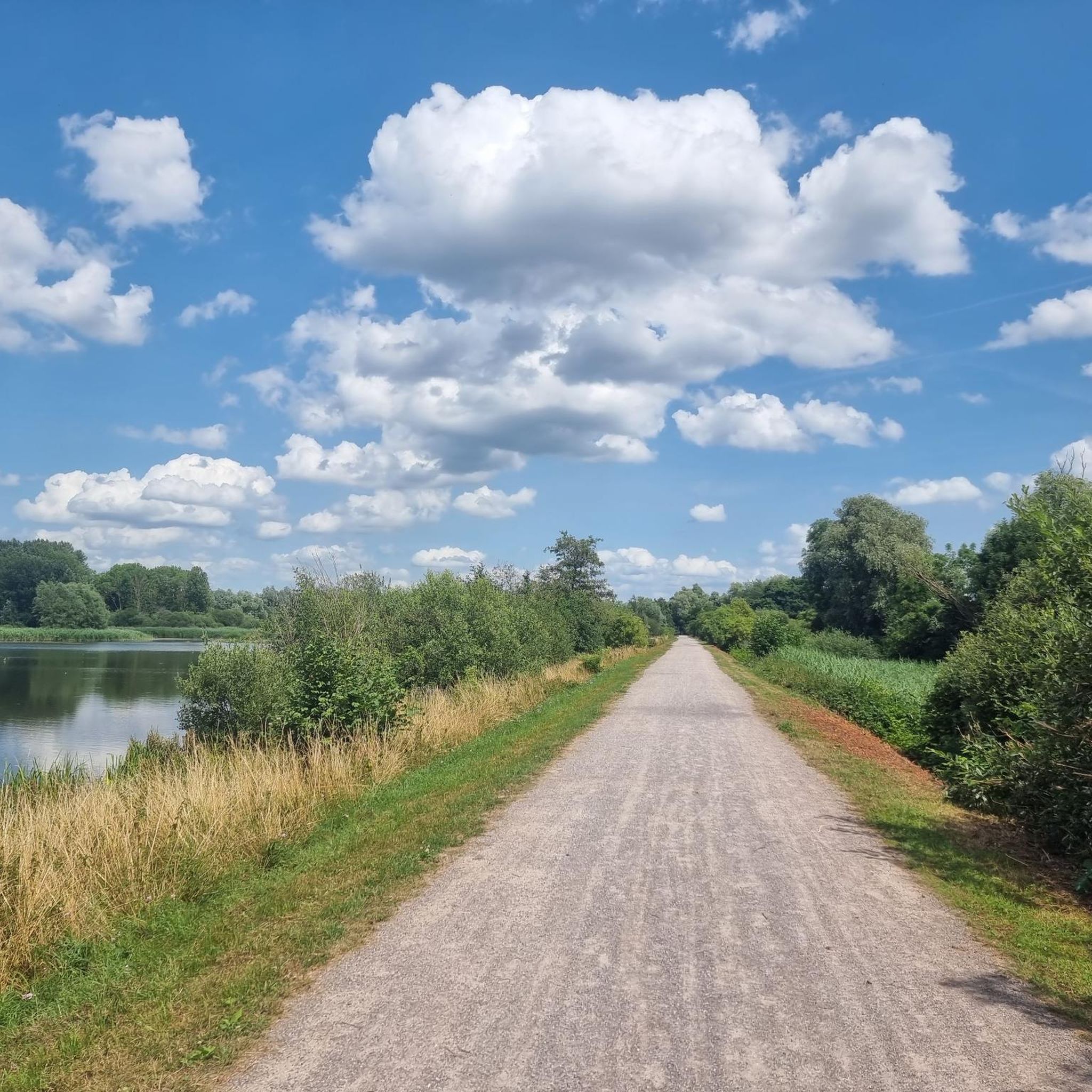
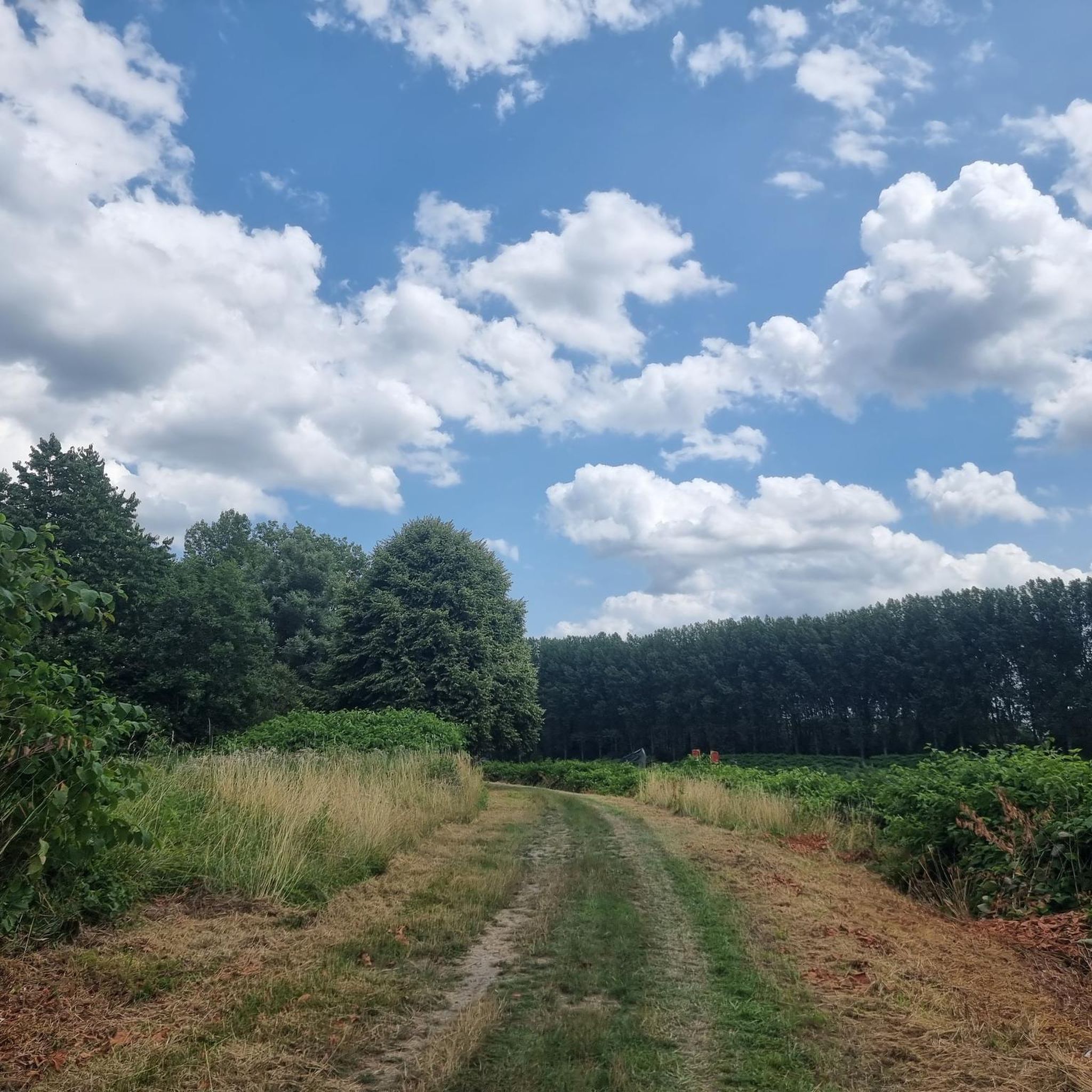
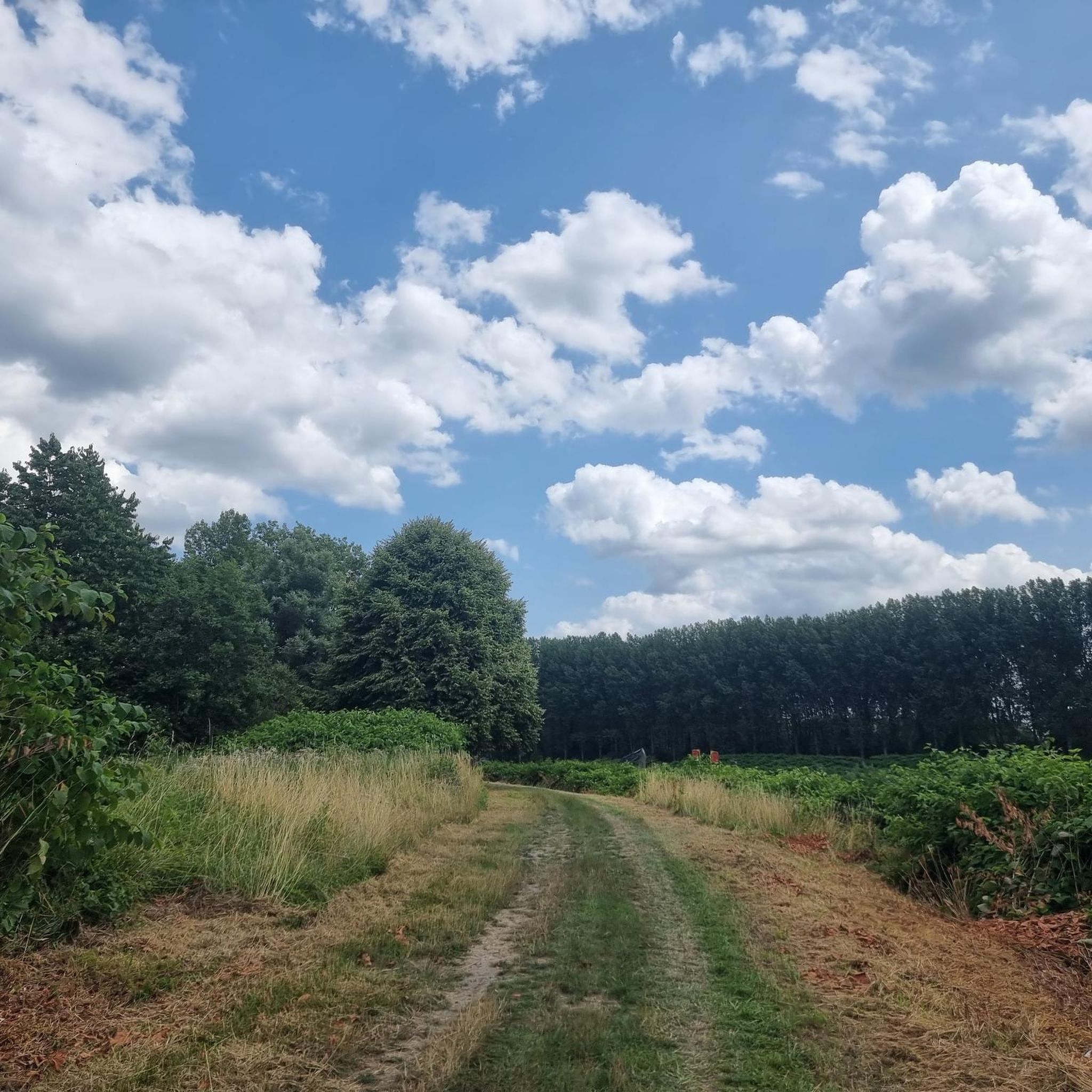

Tips from the Community

Attention change of regulation, a part of the reserve is forbidden to bicycles. I saw it this morning.
0
0

The Bois d'Angre, located in Honnelles, is a forest renowned for the Caillou-qui-Bique, a 370 million year old pudding rock. This forest is home to rich biodiversity with oaks, ash trees and various rare species. A place of legends and hikes, the Angre woods is a precious natural site in Wallonia, managed by Natagora and other organizations to preserve its unique fauna and flora.
2
0

Ornithological nature reserve, with magnificent species. Several observation points set up for bird watching. accessible to PMR.
3
0

This rock formation is very special in the forest!
2
0

There are two viewing huts on the route. But especially many ornithologists. This must clearly be a special place!
9
0
Located in the heart of the Haine valley, between Mons and Tournai, the marshy complex of Harchies-Hensies-Pommeroeul, better known as the Marais d'Harchies, is a major site for the fauna and flora of Wallonia. Covering an area of 550 hectares, this site of great biological interest is home to many species and constitutes an important transit site during bird migration and offers ideal conditions for the nesting and wintering of numerous species. Its registration as a “Ramsar” wetland confirms its importance on an international scale. https://oiseaumaraisdharchies.be/
9
0
A legend has been perpetuated for generations on this 25 meter high stone planted on a ridge (in patois we say that it rocks). A little step back in time... Saint-Ghislain completes the construction of its abbey. The devil decides that he will take advantage of the inauguration day to destroy the abbey and its occupants, by throwing an enormous stone found in the Pyrenees at the community. An angel warns Saint-Ghislain of the imminent danger weighing on the abbey. He gathers as many pairs of worn shoes as possible, which he slips into a huge bag and takes to the road to meet the evil one. Coming across a poor fellow in rags with holes in his shoes at this place, the devil, quite exhausted by the heavy load, questions him: “Is the abbey of Saint-Ghislain still far away? ". - “I’m coming from there, if it’s far!” » replies the old man while emptying his bag, filled with threadbare shoes, in front of the devil. Discouraged and disappointed, Satan preferred to give up, dropping his heavy stone on the ground and walking away blaspheming, fooled by the subterfuge. An hour and a half. N.B.: some historians say that this is the legend of Saint Remacle, during the construction of Stavelot Abbey. You are therefore free to substitute Remacle for Saint-Ghislain since this substitution does not modify the spirit of the story. In both cases, the devil is defeated. Cfr de informatiesteen ter hoogte van Le Chalet de Garde.
10
1
The Bois d'Angre or Bois du Caillou-qui-bique is a Belgian forest located in Angre in the commune of Honnelles in the Walloon region, on a private plot. It is particularly known for its "poudingue" (hard rock sediment), 370 million years old, 25 meters high, whose shape is reminiscent of a human face. He is also said to have inspired the poet Émile Verhaeren. https://fr.wikipedia.org/wiki/Bois_d%27Angre
6
0
Frequently Asked Questions
What are some unique natural monuments to explore around Vicq?
Around Vicq, you can discover several distinctive natural monuments. One notable site is Le Caillou-qui-Bique, a 20 to 25 meter high pudding rock known for its unique balance and local legends. Another significant area is the Marais d'Harchies-Hensies-Pommerœul Nature Reserve, Wallonia's largest reed-covered wetland, which is a haven for diverse bird species. Additionally, the Bois d'Angre offers ancient woodlands with rich biodiversity and multiple trails.
What kind of wildlife can I observe at the Marais d'Harchies-Hensies-Pommerœul Nature Reserve?
The Marais d'Harchies-Hensies-Pommerœul Nature Reserve is a prime location for wildlife observation, especially birds. It is Wallonia's largest reed-covered area, providing habitat for over 300 bird species, some of which are rare or threatened. The site is recognized as a Ramsar area and a Special Protection Area, making it a popular spot for birdwatchers. Remember to bring binoculars for the best experience!
Are there family-friendly natural monuments around Vicq?
Yes, several natural monuments around Vicq are suitable for families. The Bois d'Angre is a forest renowned for its rich biodiversity and offers multiple trails that are great for family walks. The Harchies-Hensies-Pommerœul Marsh also provides a natural setting for families to explore and observe nature.
What is the legend behind Le Caillou-qui-Bique?
The Le Caillou-qui-Bique, a 20 to 25 meter high rock, is steeped in local legend. One popular tale recounts how the devil, intending to destroy an abbey, was tricked by a saint into dropping this enormous stone, which then became the Caillou-qui-Bique. This unique pudding rock, seemingly balancing on a ridge, has inspired stories for generations.
What outdoor activities can I do near these natural monuments?
The area around Vicq offers various outdoor activities. You can find numerous routes for gravel biking, cycling, and road cycling. For instance, you can explore routes like the 'Étang Chabaud-Latour – Lake view loop' for gravel biking or the 'Sebourg Waterfall – Maison rouge loop' for cycling. These routes often pass through or near natural areas. You can find more details on these activities in the Gravel biking around Vicq, Cycling around Vicq, and Road Cycling Routes around Vicq guides.
Are there any unique natural phenomena or plants to look out for?
Yes, one interesting natural phenomenon to observe is the presence of Trees with mistletoe. Mistletoe is an evergreen semi-parasite that grows on trees, known for its leathery leaves and white, berry-like fruit. It's often associated with folklore and is a unique sight in the local forests.
What is the terrain like for exploring natural monuments in the region?
The terrain around Vicq varies. For instance, the Le Caillou-qui-Bique is a large rock formation on a ridge, while the Marais d'Harchies-Hensies-Pommerœul Nature Reserve consists of extensive wetlands and reed beds. Forests like the Bois d'Angre offer woodland trails. The wider region, including the Parc Naturel Régional Scarpe-Escaut, features a mix of meadows, farmlands, peat bogs, plateaus, plains, and valleys, providing diverse landscapes for exploration.
When is the best time to visit the natural monuments around Vicq?
The best time to visit the natural monuments around Vicq largely depends on your preferred activities. Spring and autumn generally offer pleasant weather for hiking and cycling, with vibrant foliage or blooming flora. For birdwatching at the Marais d'Harchies-Hensies-Pommerœul Nature Reserve, migration seasons (spring and autumn) can be particularly rewarding. Summer is also suitable, though it can be warmer, while winter offers a different, often quieter, perspective of the landscapes.
Are there regional natural parks near Vicq that offer more extensive natural experiences?
Yes, the wider region around Vicq is home to the Parc Naturel Régional Scarpe-Escaut, France's oldest regional natural park. This park offers vast expanses of meadows, farmlands, peat bogs, and forests, with numerous opportunities for walking, horse riding, or cycling. A notable feature within this park is the Mare à Goriaux, a large water-filled reservoir. For more information on regional natural parks in the Hauts-de-France region, you can visit hautsdefrancetourism.com.
What do visitors enjoy most about the natural monuments around Vicq?
Visitors frequently appreciate the unique geological formations, such as the legendary Le Caillou-qui-Bique, and the rich biodiversity found in areas like the Marais d'Harchies-Hensies-Pommerœul Nature Reserve. The extensive wetlands and ancient forests, such as Bois d'Angre, provide opportunities for peaceful exploration and wildlife observation. The komoot community has shared over 70 photos and given more than 220 upvotes, highlighting the visual appeal and enjoyable experiences these sites offer.
Can I find forests with diverse flora and fauna near Vicq?
Absolutely. The Bois d'Angre is an excellent example, known for its rich biodiversity including oaks, ash trees, and various rare species. It's a precious natural site managed for the preservation of its unique fauna and flora. Additionally, the Mormal Forest, located south-south-east of Vicq, is the largest forest in the region, offering hundreds of kilometers of paths for immersing oneself in nature.
Are the natural monuments around Vicq generally accessible?
While specific accessibility details vary by site, the Marais d'Harchies-Hensies-Pommerœul Nature Reserve is noted as being wheelchair accessible, offering opportunities for a wider range of visitors to enjoy its natural beauty. For other sites, it's advisable to check specific trail conditions, as some forest paths or geological sites might have uneven terrain.
Most popular attractions around Vicq

Get inspired with the komoot mobile app


Explore more
Extend your search for the best caves by checking out these guides of the top ones around Vicq:
