Top 5 Natural Monuments around L'Aiguillon-Sur-Mer
Best natural monuments around L'Aiguillon-Sur-Mer showcase a diverse coastal landscape at the southern tip of the Vendée coast. This region is characterized by its unique blend of marine and terrestrial ecosystems, including sandy points, bays, and nature reserves. The area provides habitats for a variety of wildlife, particularly migratory birds. Visitors can explore protected natural environments that highlight the region's ecological significance.
Best natural monuments around L'Aiguillon-Sur-Mer
- The most popular natural monuments is Pointe Saint-Clément, a viewpoint that offers…
Last updated: July 3, 2026
Pointe de l'Aiguillon
Highlight • Viewpoint
Translated by Google •
Tip by

Pointe Saint-Clément
Highlight • Viewpoint
Translated by Google •
Tip by

Sign up now to discover places like this
Get recommendations on the best single tracks, peaks, & plenty of other exciting outdoor places.
Sign up for free
Coastal Path of the Falaise du Pertuis Breton
Highlight (Segment) • Trail
This strait opens to the …
Translated by Google •
Tip by
La Dive Hill
Highlight • Viewpoint
Translated by Google •
Tip by

Casse de la Belle Henriette Nature Reserve
Highlight (Segment) • Natural Monument
A walking area for holidaymakers, we are here in an enchanting area.
Translated by Google •
Tip by

Start today with a free account
Your next adventure awaits.
Login or Signup
Popular around L'Aiguillon-Sur-Mer

Other adventures around L'Aiguillon-Sur-Mer

Tips from the Community


It is through this magnificent nature reserve that we enter Le Faute-sur-Mer. A walking area for holidaymakers, we are here in an enchanting area.
0
0

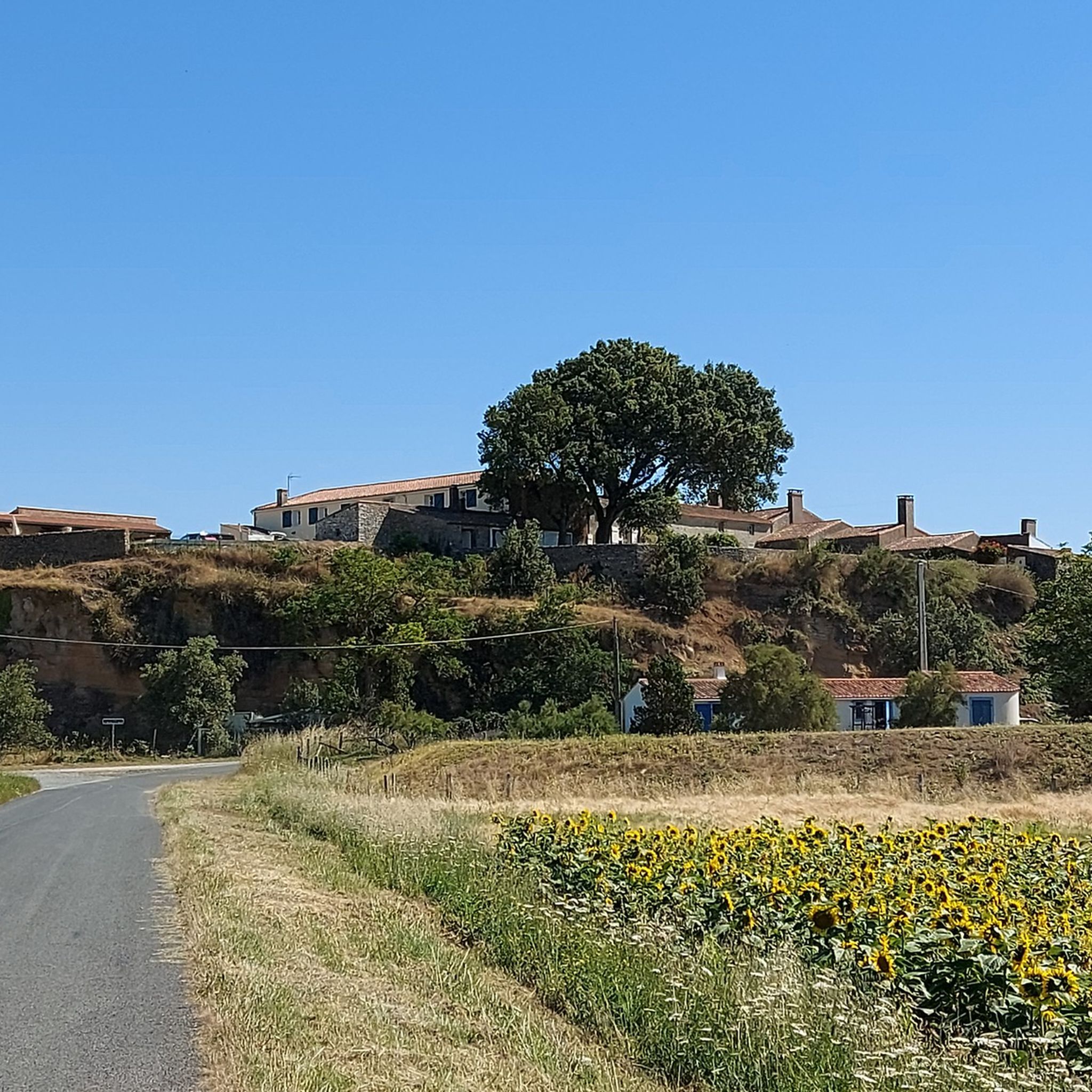
This prominent hill rising out of the plain is the remnant of an island when the sea was much more extensive in the 2nd century BC. There must have been a priory here of the abbey in the nearby village of St. Michel de l'Herm. A small chapel now stands in a private garden. The moinerie (monks' quarters) and school are privately owned.
2
0

What a beauty!
0
0

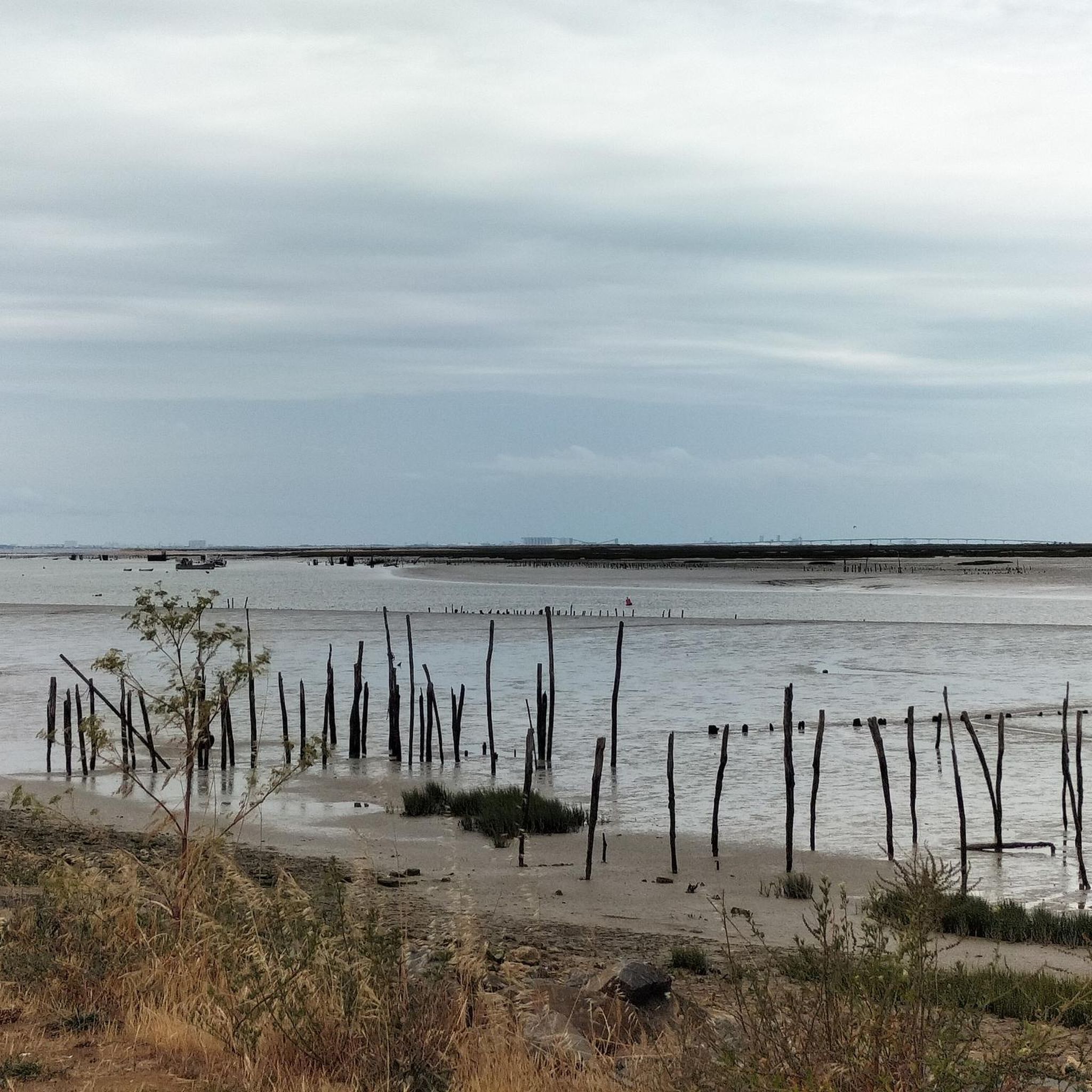
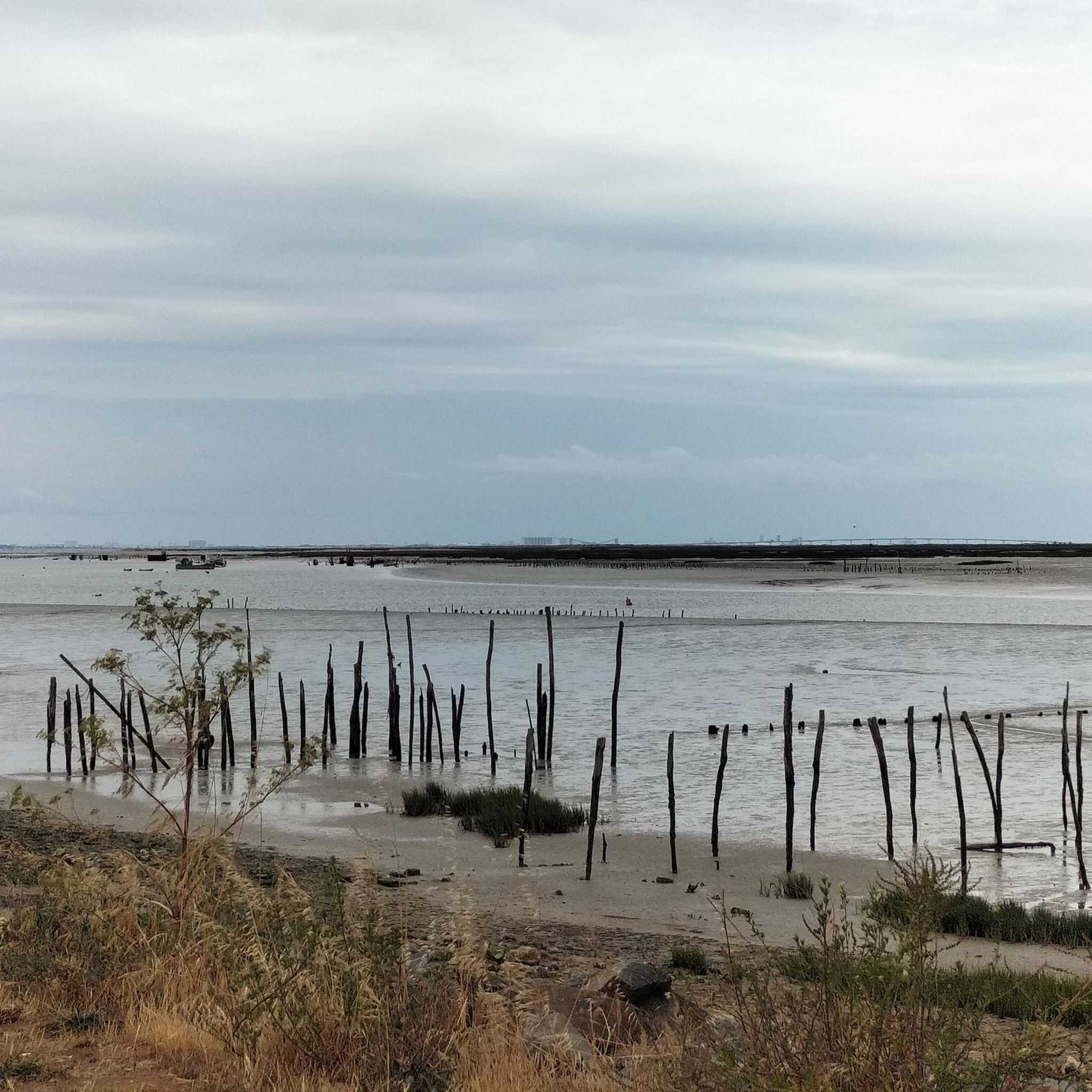
North of Baie de l'Aiguillon, this sandy point was once a protection for ships. A real break between the marsh and the sea, the dunes cohabit with the mudflats and salt meadows. Located in the middle of the migratory axis, the Pointe de l'Aiguillon allows you to observe more than 400,000 migratory birds each year. From April to August, be vigilant: the Kentish Plover breeds on the beach. To preserve the eggs and the broods, please walk DOWN the beach.
0
0

All along the road to the tip, provided you take a look over the dike, you can admire this little end of the world with a view of the tip of Arçay, the port of La Rochelle and the bridge of the Island of Re. In the heart of a vast ornithological nature reserve.
0
0

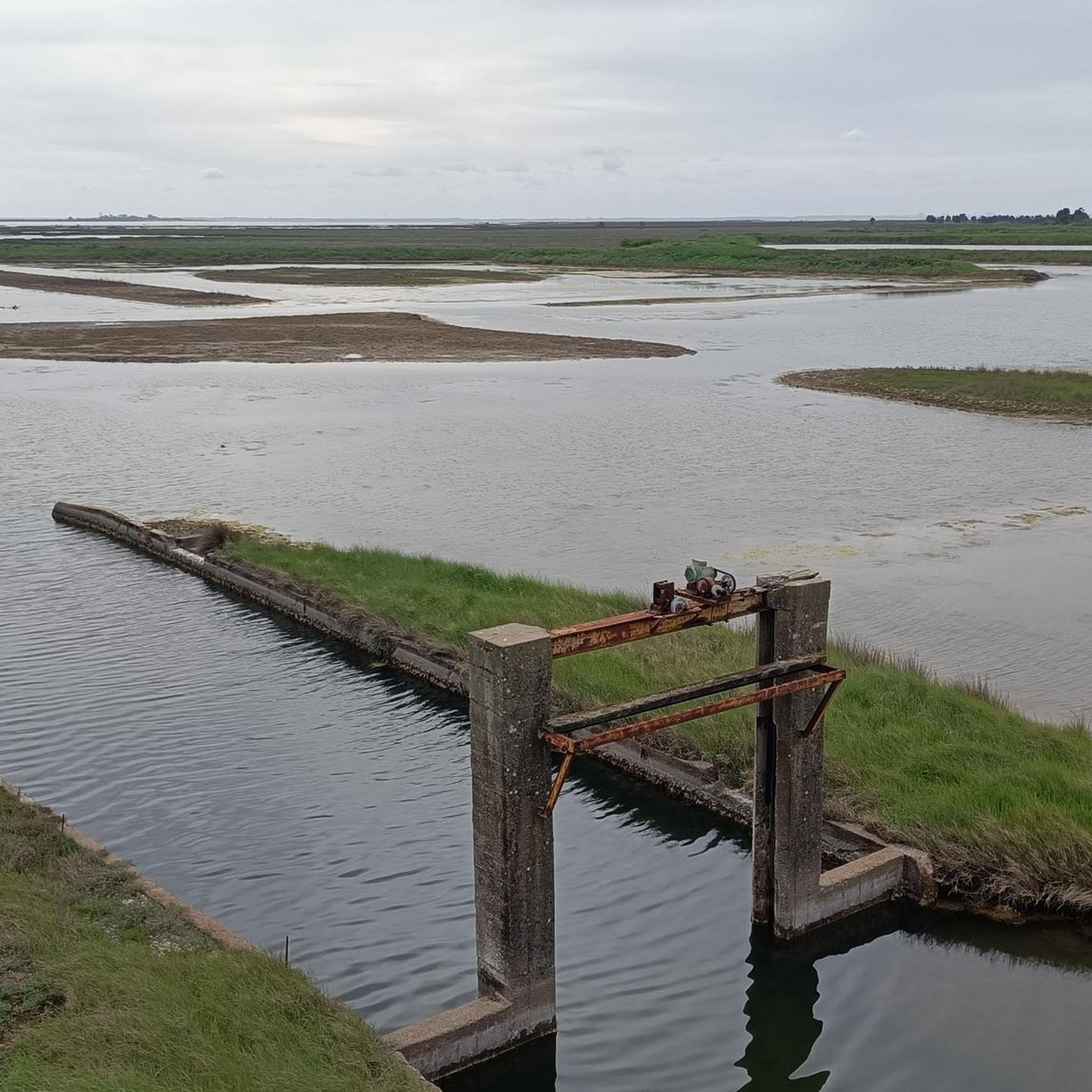
Beginning of the sensitive natural area protected from the Breton sluice, the strait located between the northeast coast of Île de Ré and the mainland. This strait opens to the north-west on the Atlantic Ocean off Sables-d'Olonne and ends, in its south-eastern part, by the bay of l'Aiguillon (mouth of the Sèvre Niortaise) towards the north and the Ile de Ré bridge to the south.
1
1

Between La Rochelle and Pointe Saint-Clément in Esnandes, this coastal path is perfectly practicable by bike. Very beautiful point of view on the bay of Aiguillon, the island of Ré but especially the cliffs of the Breton pertuis.
1
1
Frequently Asked Questions
What are the most popular natural monuments around L'Aiguillon-Sur-Mer?
Visitors frequently enjoy Pointe Saint-Clément, a viewpoint offering extensive views of the Aiguillon Bay Nature Reserve. Another highly appreciated spot is the Casse de la Belle Henriette Nature Reserve, known for its enchanting walking areas and beach. The Pointe de l'Aiguillon is also very popular, especially for its birdwatching opportunities and views of the Île de Ré Bridge.
Are there family-friendly natural monuments in the area?
Yes, several natural monuments are suitable for families. Both Pointe Saint-Clément and Casse de la Belle Henriette Nature Reserve are categorized as family-friendly, offering pleasant environments for walks and exploration. The Pointe de l'Aiguillon is also a great option, where families can observe migratory birds and enjoy the sandy point.
What kind of natural features can I expect to see?
The region boasts diverse natural features. You'll find sandy points like Pointe de l'Aiguillon with its dunes, mudflats, and salt meadows. The Pointe Saint-Clément offers cliffside viewpoints over the Aiguillon Bay. You can also explore nature reserves such as the Casse de la Belle Henriette Nature Reserve, which includes a beach and preserved natural environments.
What is the best time to visit the natural monuments for birdwatching?
The Pointe de l'Aiguillon is a crucial migratory axis, attracting over 400,000 migratory birds annually. The best times for birdwatching are generally during spring and autumn migration periods. However, it's important to note that between April and August, the Kentish Plover breeds on the beach, so visitors are asked to walk down the beach to protect eggs and broods.
Are there any historical sites among the natural monuments?
Yes, La Dive Hill is a natural monument with historical significance. It is the remnant of an island from the 2nd century BC and once housed a priory. While the priory and school are now privately owned, the hill itself offers a glimpse into the region's past.
What outdoor activities can I do near these natural monuments?
The area around L'Aiguillon-Sur-Mer offers various outdoor activities. You can find numerous cycling routes, including road cycling, mountain biking, and touring bicycle options. For detailed routes, explore the Road Cycling Routes around L'Aiguillon-Sur-Mer, MTB Trails around L'Aiguillon-Sur-Mer, and Cycling around L'Aiguillon-Sur-Mer guides. Many natural monuments, like the Casse de la Belle Henriette Nature Reserve, are also ideal for walking and exploring.
Are there specific trails for hiking or walking?
Yes, the Coastal Path of the Falaise du Pertuis Breton is an excellent option for walking, offering beautiful views of the Aiguillon Bay and the Île de Ré. The Casse de la Belle Henriette Nature Reserve also provides an enchanting area for walking. For more extensive options, consider the various cycling guides which often include paths suitable for walking.
What makes the Baie de l'Aiguillon significant?
The Baie de l'Aiguillon is a significant natural site, part of the Réserve naturelle nationale de la Baie de l'Aiguillon. It's characterized by unique habitats like salt meadows (Mizottes) and mudflats (slikke), which host exceptional biodiversity. This area is crucial for migratory and wintering waterbirds, including Greylag Geese, Shelducks, and Avocets, making it a prime location for observing coastal ecosystems.
Can I observe oyster beds in the area?
Yes, at low tide, you can observe oyster beds at the Pointe de l'Aiguillon. This offers a unique insight into the local marine environment and aquaculture.
What do visitors enjoy most about the natural monuments in L'Aiguillon-Sur-Mer?
Visitors particularly appreciate the extensive views, such as those from Pointe Saint-Clément, and the opportunity to observe diverse wildlife, especially migratory birds at sites like Pointe de l'Aiguillon. The preserved natural environments, like the Casse de la Belle Henriette Nature Reserve, are also highly valued for their peaceful walking areas and natural beauty.
Is the Pointe d'Arçay considered a natural monument near L'Aiguillon-sur-Mer?
While located in the neighboring commune of La Faute-sur-Mer, the Pointe d'Arçay is often associated with the natural attractions of L'Aiguillon-sur-Mer due to its close proximity and ecological significance. This 9 km long peninsula is a unique and preserved area with over 200 hectares of holm oak and pine forests, making it a delightful spot for hikers and nature lovers.
Most popular routes around L'Aiguillon-Sur-Mer
Most popular attractions around L'Aiguillon-Sur-Mer

Get inspired with the komoot mobile app


Explore more
Extend your search for the best caves by checking out these guides of the top ones around L'Aiguillon-Sur-Mer:
