Top 9 Natural Monuments around Fontanès
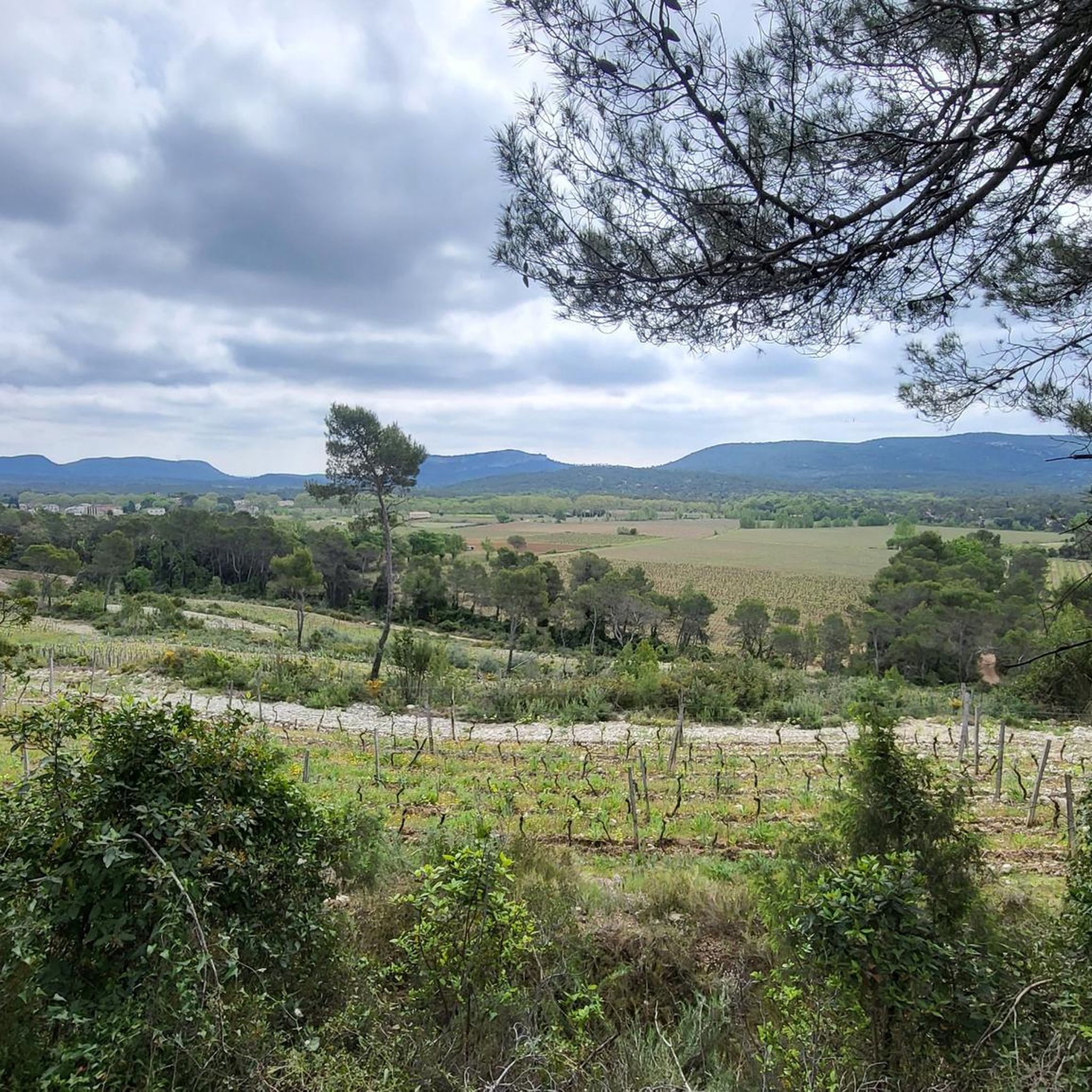
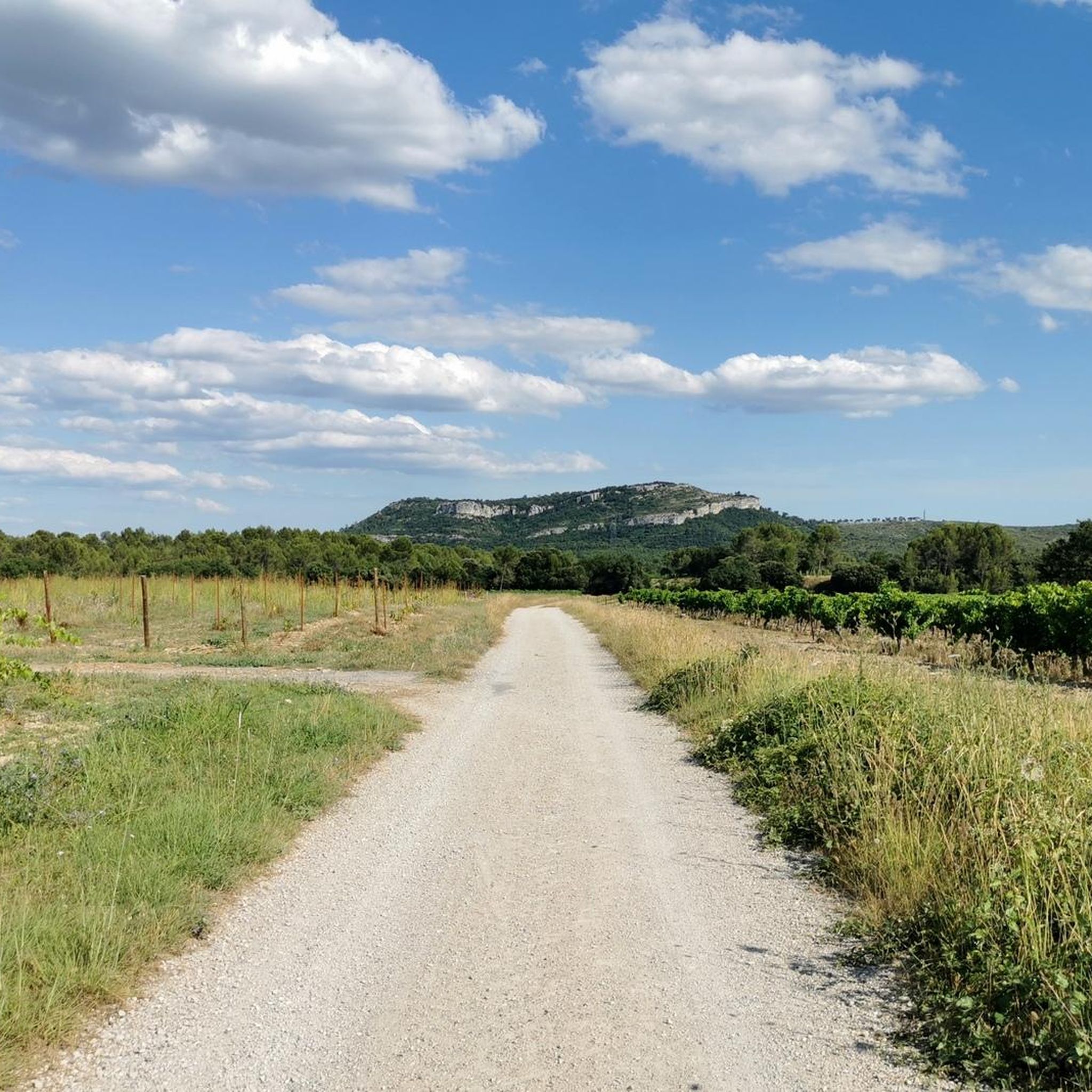
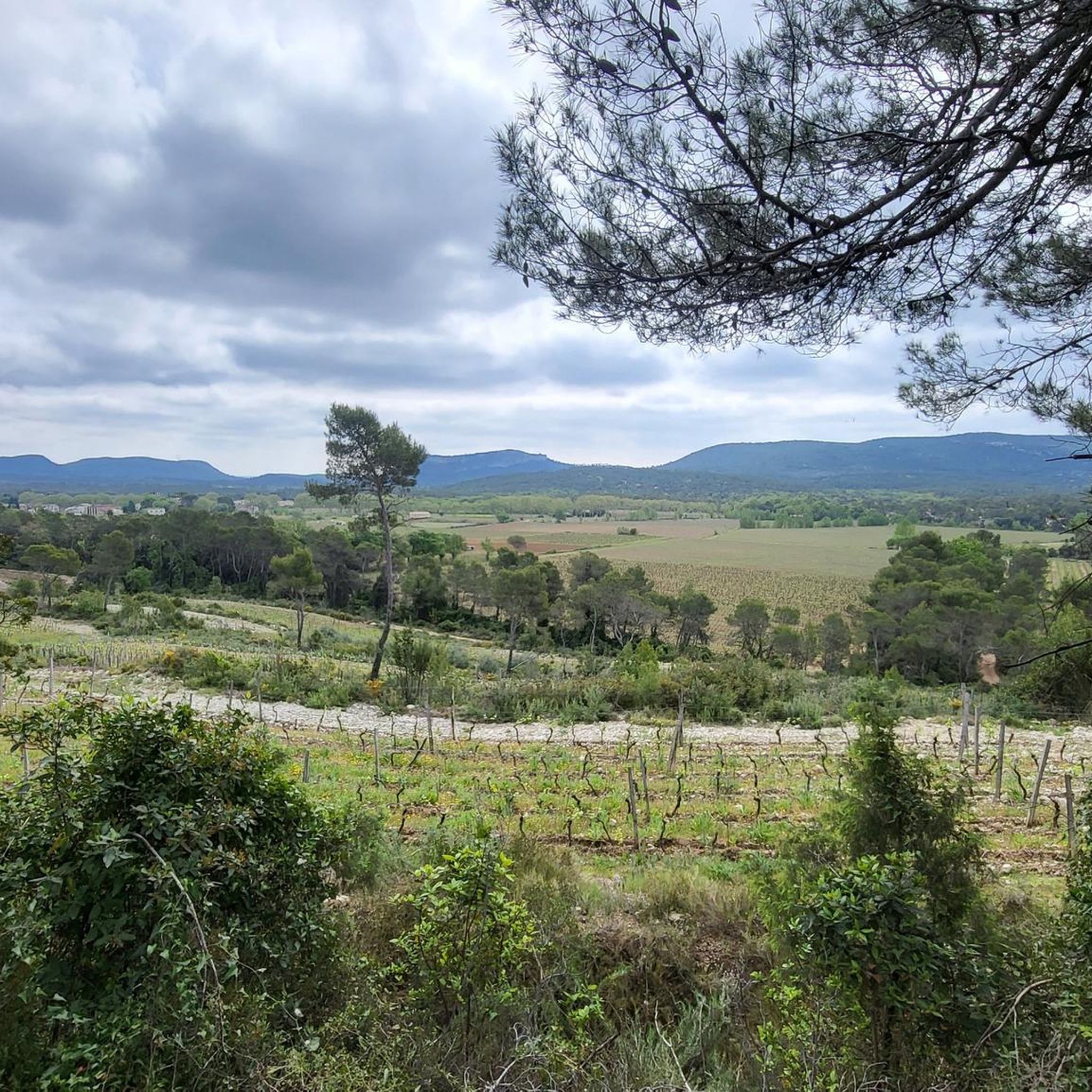
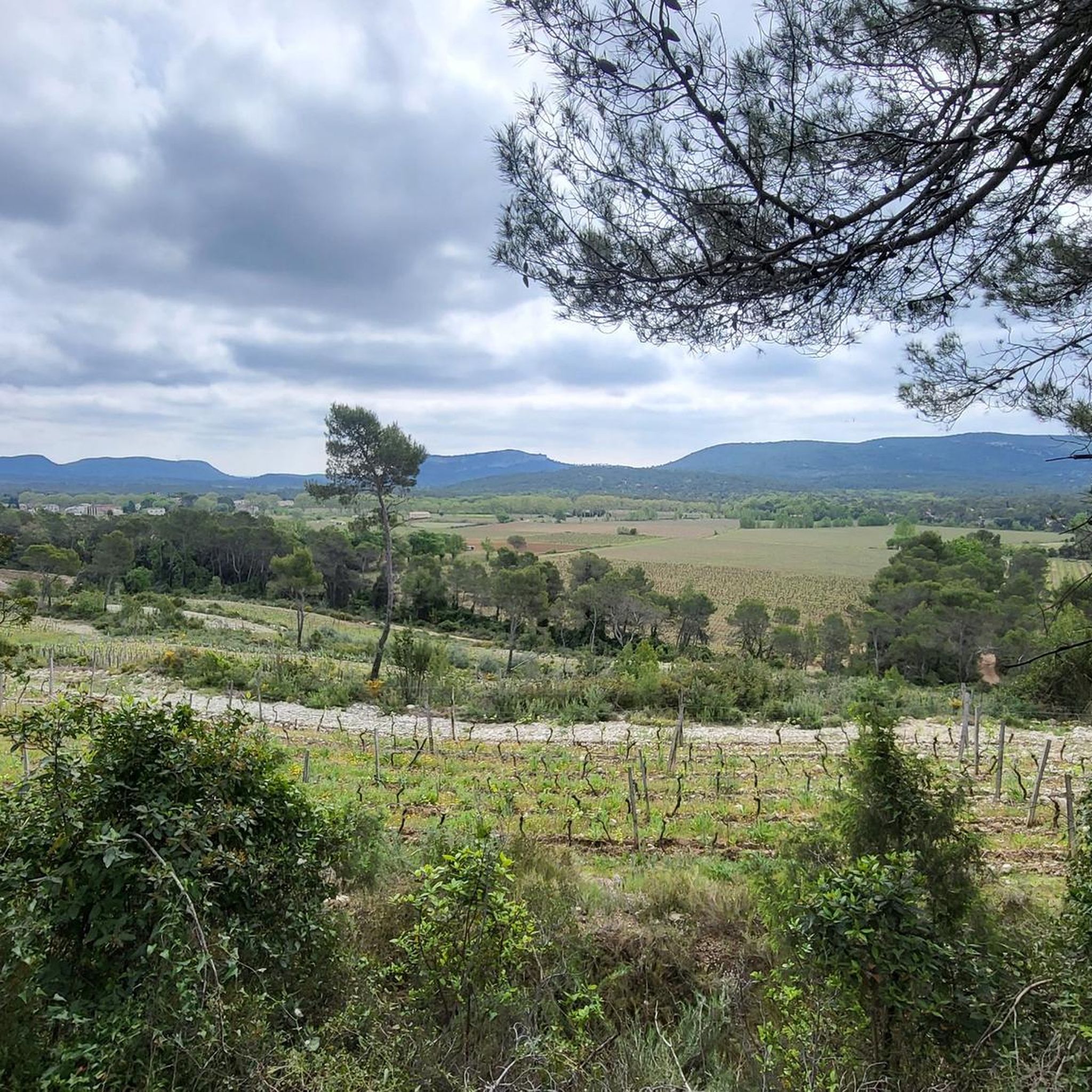
Best natural monuments around Fontanès are found within a landscape characterized by natural meadows, woodlands, and karstic massifs. This region, part of the Hautes Garrigues du Montpelliérais Natura 2000 site, features diverse habitats including humid areas and dry grasslands. The area is shaped by vineyards, scrublands, and a preserved natural environment, offering an immersion in rural Languedoc. Fontanès itself is known for its authentic charm, built heritage, and natural setting between vineyards and scrublands.
Best natural monuments around Fontanès
- The…
Last updated: June 19, 2026
Lez Resurgence
Highlight • River
Translated by Google •
Tip by

Lez Spring
Highlight • River
Translated by Google •
Tip by

Sign up now to discover places like this
Get recommendations on the best single tracks, peaks, & plenty of other exciting outdoor places.
Sign up for free
Moulins des Foux de Lauret
Highlight • Historical Site
Translated by Google •
Tip by

Roc du Midi Orientation Table
Highlight • Viewpoint
Translated by Google •
Tip by

Orientation table
Highlight • Viewpoint
Translated by Google •
Tip by
Sign up for free to discover even more natural monuments around Fontanès.
Sign up for free
Already have an account?
Start today with a free account
Your next adventure awaits.
Login or Signup
Tips from the Community

A truly surprising and magnificent place! Waterproof shoes are recommended.
0
0
A magical and magnificent place not to be missed! Waterproof shoes recommended!
0
0

It’s a shame that the resurgence can only be seen through a fence, there are fences everywhere… Precaution against vandalism?
0
0

very nice hike to see and do not miss the cave of the Bois de Paris be careful slippery and lamp necessary
0
0

The stone millstones bear witness to the mill's past activity. Be careful, the river stones are very slippery.
0
0
Be careful, even in dry periods, the stones in the river bed remain very slippery and you quickly find yourself on your buttocks 😅
1
0

Beautiful place, the layout of the walkways is a real plus. High attendance on the other hand.
1
0

Very pretty place found by chance during our hike. Magnificent site to preserve.
0
0
Frequently Asked Questions
What unique natural features can I discover around Fontanès?
The Fontanès area, nestled within the Parc naturel régional des Causses du Quercy, is rich in diverse habitats. You'll find extensive natural meadows, humid areas, woodlands, and karstic massifs. A particularly special sight is the Snake's Head Fritillary (*Fritillaria meleagris*), a rare flower that thrives in the water meadows of the Lemboulas and Boulou valleys. The region also features impressive geological formations and river systems like the Lez Resurgence and Lez Spring.
Are there any viewpoints offering panoramic vistas of the region?
Yes, the area boasts several stunning viewpoints. The View of the Cévennes and the Sea from Pic Saint-Loup offers a spectacular 360° panorama, allowing you to see Montpellier, the sea, the Cévennes, and even Mont Ventoux on clear days. Another excellent spot is the Roc du Midi Orientation Table, which provides magnificent views over the plain of Asperes.
What are some family-friendly natural monuments to visit?
For families, the Lez Resurgence and Lez Spring are excellent choices. Both river sites are suitable for picnicking, with the Lez Spring offering walkways for easier access and shade from plane trees. These spots provide a relaxing natural environment for all ages.
What kind of hiking trails can I find near the natural monuments?
The Fontanès area offers a variety of hiking trails, ranging from easy to moderate. You can explore routes like the 'Puech des Mourgues – Orientation table loop' or the 'Lake Cécélès loop'. These trails allow you to experience the diverse landscapes, including wetlands, woodlands, and dry grasslands. For more hiking options, refer to our comprehensive guide on Hiking around Fontanès.
Are there opportunities for cycling around the natural monuments?
Absolutely. The region around Fontanès is well-suited for cycling, with routes for both touring bicycles and road bikes. You can find challenging routes like the 'Illuminated tunnel – Quissac loop' or more moderate options such as the 'Ascent and Descent of Lauret – Lake Jantou loop'. Discover more routes in our guides for Cycling around Fontanès and Road Cycling Routes around Fontanès.
What is the best time of year to visit the natural monuments in Fontanès?
Spring (April-May) is particularly rewarding, especially if you wish to see the rare Snake's Head Fritillary in bloom in the water meadows. Autumn (September-October) also offers pleasant weather for hiking and exploring the landscapes. Summer can be warm, but river sites like the Lez Resurgence and Lez Spring provide refreshing spots.
Are there any historical sites among the natural monuments?
Yes, the area combines natural beauty with historical interest. The Moulins des Foux de Lauret is a notable historical site that also features natural elements like a river and waterfall. It's a picturesque spot for a picnic and offers a glimpse into the region's past.
What should I wear when visiting the natural monuments?
Comfortable hiking shoes or sturdy sneakers are highly recommended, especially for trails leading to viewpoints like Pic Saint-Loup, where the terrain can be challenging. Layered clothing is advisable as temperatures can vary, and bring sun protection (hat, sunscreen) and plenty of water, particularly during warmer months.
Can I bring my dog to the natural monuments?
Many natural areas and trails around Fontanès are dog-friendly, but it's always best to keep your dog on a leash, especially in protected areas or near wildlife. Always check specific regulations for each site you plan to visit. The general trails in the Parc naturel régional des Causses du Quercy are usually accessible with dogs.
What kind of wildlife can I expect to see?
The diverse habitats, including wetlands and dry grasslands, support a variety of wildlife. The Lez Resurgence is part of a Natura 2000 classified site, indicating its ecological importance. You might spot various bird species, insects, and amphibians, particularly in the humid areas. The protected status of the Snake's Head Fritillary also highlights the botanical richness.
How long should I plan for a visit to the natural monuments?
The duration of your visit depends on your interests. A short visit to a single highlight like the Lez Spring might take an hour or two for a picnic. For more extensive exploration, such as hiking to Pic Saint-Loup or exploring the water meadows, plan for a half-day or full-day excursion. Many visitors spend several days to fully appreciate the region's natural beauty and trails.
Are there any hidden natural gems worth exploring?
While the main highlights are well-known, the broader Parc naturel régional des Causses du Quercy is full of smaller, less-trafficked spots. Exploring the network of natural meadows and humid areas, particularly in the Lemboulas and Boulou valleys, can reveal unique flora like the Snake's Head Fritillary. Local walking routes, such as the 'Fontanes Round Walk' (approx. 10.8 km), often lead through these less-discovered natural habitats.
Most popular routes around Fontanès
Most popular attractions around Fontanès

Get inspired with the komoot mobile app


Explore more
Extend your search for the best caves by checking out these guides of the top ones around Fontanès:
