Top 8 Natural Monuments around La Latette
Best natural monuments around La Latette offer a diverse range of natural features within the Jura Mountains region of France. The landscape is characterized by powerful karst springs, impressive waterfalls, and scenic river valleys. Visitors can explore a variety of natural attractions, from the sources of major rivers to dramatic cascades. This area provides extensive opportunities for experiencing the region's unique geological formations and lush environments.
Best natural monuments around La Latette
- The most popular natural monuments is The source…
Last updated: July 3, 2026
The source of the Doubs
Highlight • River
On this promontory you can also admire the superb peat bogs of Mouthe in the background, and the forest of Haute-Joux in the background.
Translated by Google •
Tip by

Moulin du Saut Waterfall
Highlight • Waterfall
Translated by Google •
Tip by

Sign up now to discover places like this
Get recommendations on the best single tracks, peaks, & plenty of other exciting outdoor places.
Sign up for free
Ain Spring
Highlight • River
Translated by Google •
Tip by

Maillys Falls
Highlight • Waterfall
Translated by Google •
Tip by
Saine Spring
Highlight (Segment) • River
Translated by Google •
Tip by

Sign up for free to discover even more natural monuments around La Latette.
Sign up for free
Already have an account?
Start today with a free account
Your next adventure awaits.
Login or Signup
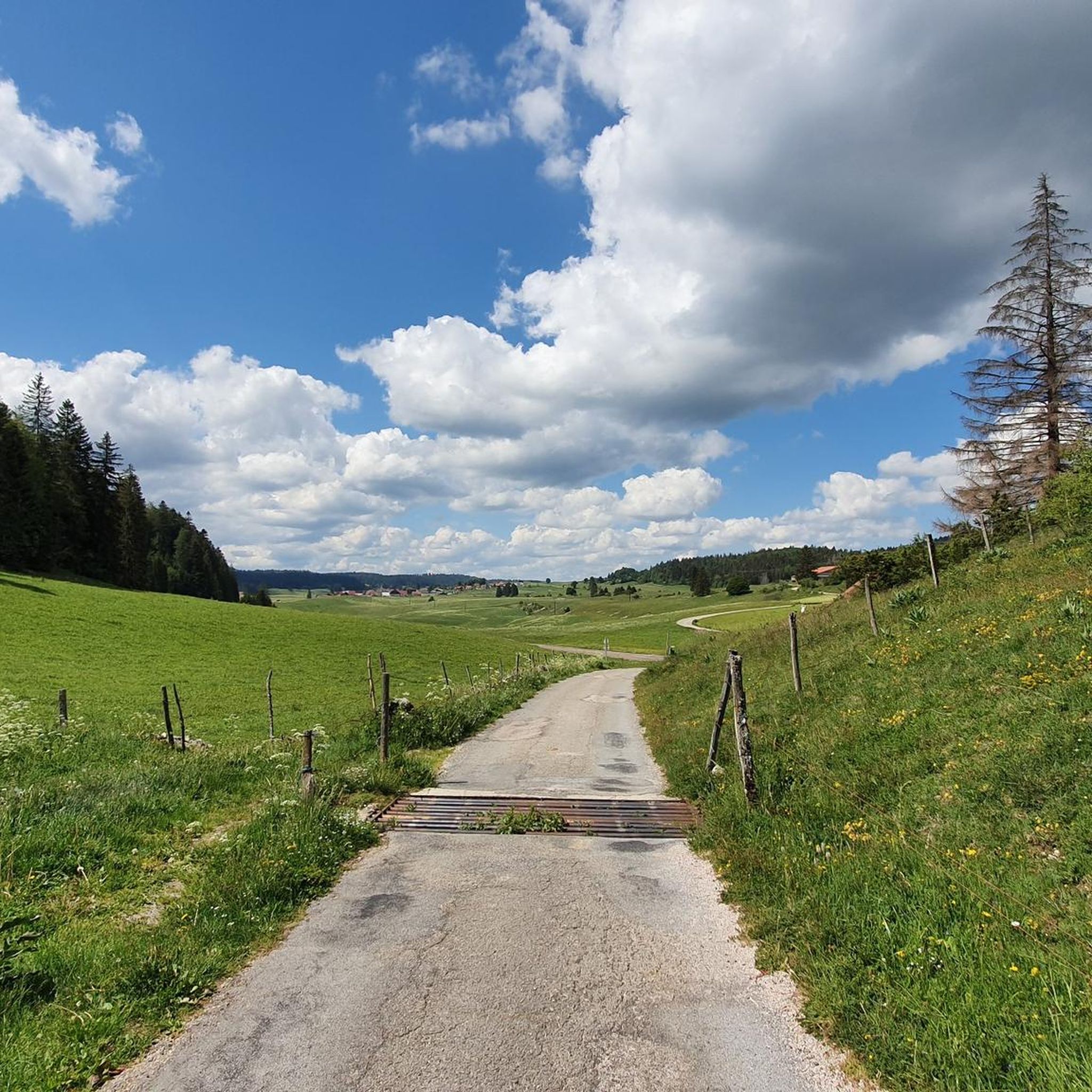
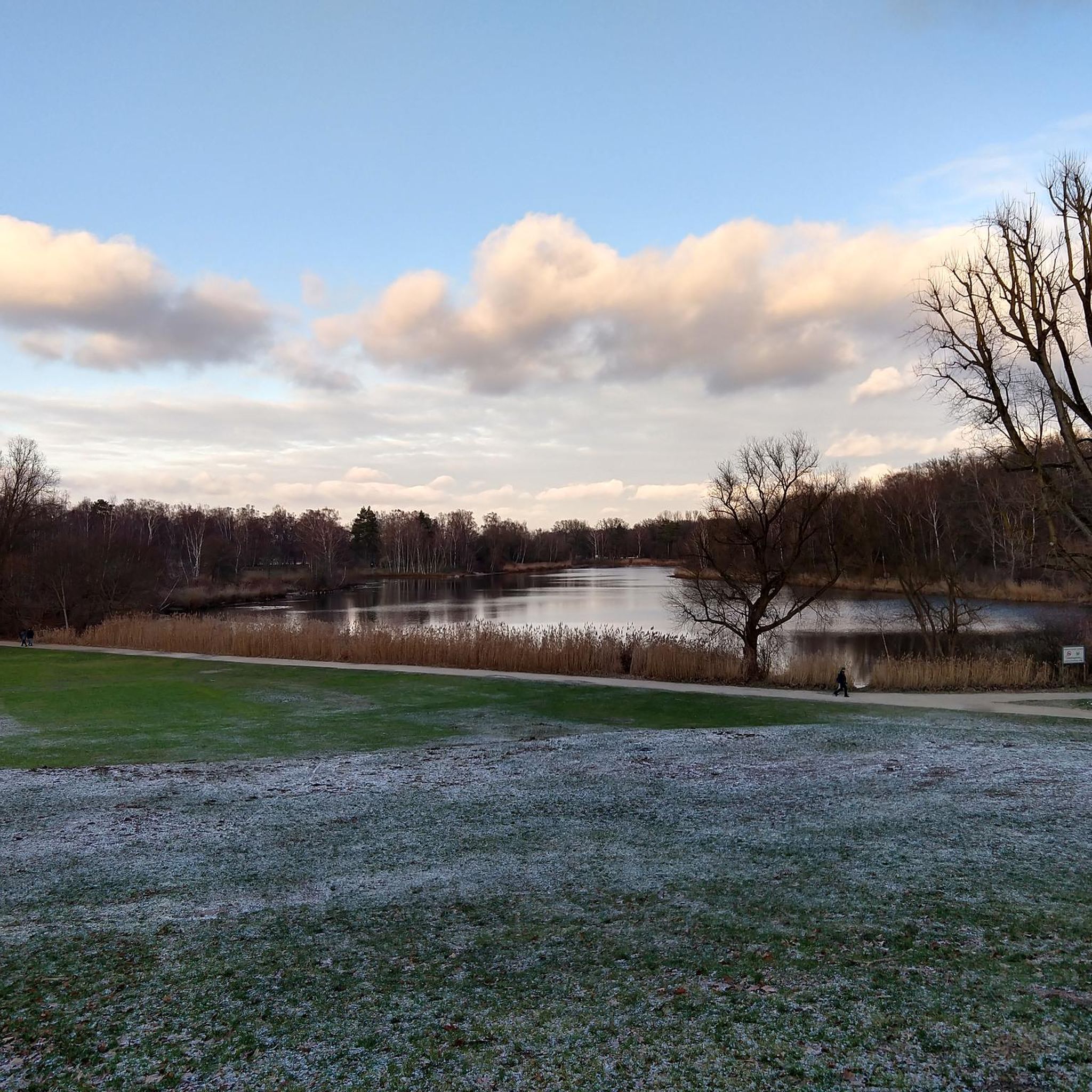
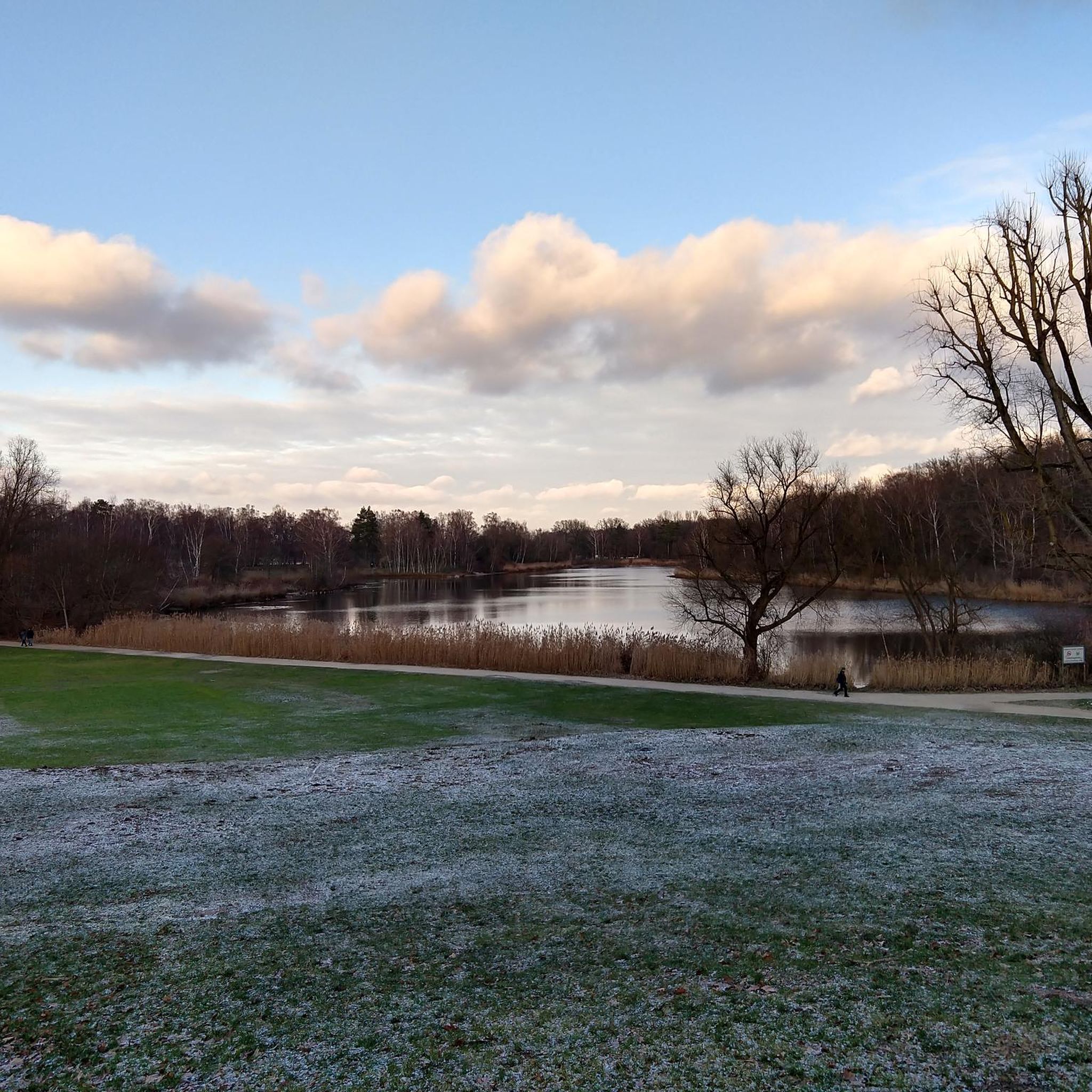
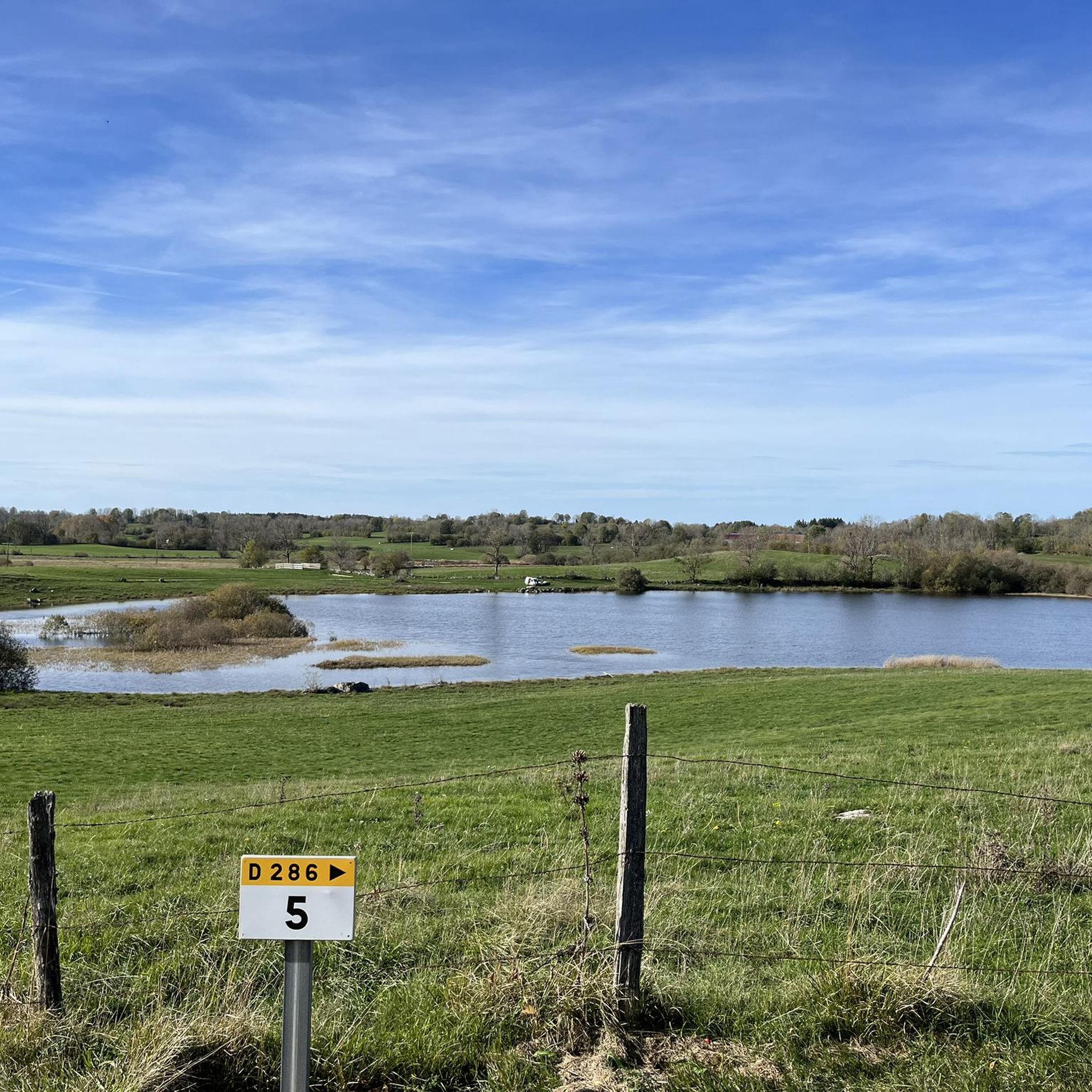

Tips from the Community

Viewpoint above the Doubs source with beautiful views through a forest clearing to Mouthe and the Doubs river.
6
0
The source of the Doubs River is a powerful karst spring in a heavily karstified area of the Jura Mountains. It lies at an altitude of 937 meters at the foot of the forested, up to 1,419-meter-high Mont Risoux mountain range, which straddles the border between France and Switzerland. The Doubs River rises from a small, approximately five-meter-deep spring basin in a cave in the rock.
6
0

The Serpentine, (first tributary of the Ain river whose source is located a little higher) forms a small lake near the ruins of a mill. It is from a cornice that this beautiful natural waterfall 15 meters high comes to life when the water level is sufficient.
1
0

Very impressive, about 1 km walk from the parking lot nearby, swimming not possible and not recommended
0
0


Ain Falls
0
0

The water source of the Doubs is actually fed by an underground outflow from nearby Lac du Joux, Switzerland, above the ridge line.
2
0
This belvedere accompanies the source of the Doubs below and offers a breathtaking view of the Haute-Joux forest.
2
0
Frequently Asked Questions
What are some unique natural monuments to visit near La Latette?
Near La Latette, you can explore several distinctive natural monuments. The Source of the Doubs is a powerful karst spring offering views over cliffs and peat bogs. Another impressive site is the Moulin du Saut Waterfall, a 15-meter cascade formed by the Serpentine river, especially vibrant after rainfall. For a tranquil experience, visit the Saine Spring, a wild and preserved river source accessible via a wooden footbridge.
What kind of natural features can I expect to see around La Latette?
The area around La Latette, nestled in the Jura Mountains, is rich in diverse natural features. You'll find powerful karst springs, impressive waterfalls, and scenic river valleys. The landscape is characterized by towering limestone cliffs, dense forests like the Forêt de la Joux, and numerous beautiful lakes such as Lac du Fioget and Lac d'Ilay. Geological marvels like the Reculée de Baume-les-Messieurs and subterranean caves like the Gouffre de Poudrey also showcase the region's unique geology.
Are there family-friendly natural monuments around La Latette?
Yes, several natural monuments near La Latette are suitable for families. The Source of the Doubs and the Saine Spring both offer easy access and short walks, making them enjoyable for all ages. The Ain Spring also features footbridges and interpretation panels, providing an engaging and relaxing experience for families.
What outdoor activities can I do near these natural monuments?
The region around La Latette offers extensive opportunities for outdoor activities. You can enjoy hiking on trails like the 'La Source de l'Ain — loop by Doye' or the 'Moulin du Saut Waterfall loop from Nozeroy'. Mountain biking is also popular, with routes such as the 'Nozeroy – Nozeroy loop from Nozeroy'. For more detailed information on hiking, mountain biking, or gravel biking routes, you can explore the dedicated guides: Hiking around La Latette, MTB Trails around La Latette, and Gravel biking around La Latette.
What do visitors particularly enjoy about the natural monuments in this area?
Visitors frequently praise the impressive power and beauty of the cascading waters, the immersive hiking experiences through lush surroundings, and the stunning panoramic views. The geological formations, such as the towering limestone cliffs and unique spring sources, are also highly appreciated. Many find the sites wild, preserved, and relaxing, with the opportunity to observe local ecosystems. The area's appeal is reflected in over 140 photos shared and more than 210 upvotes from the komoot community.
Are there any impressive waterfalls to visit besides Moulin du Saut?
Absolutely. While the Moulin du Saut Waterfall is a local highlight, the broader Jura region is famous for the Cascades du Hérisson. This series of 31 jumps and 7 major waterfalls along the Hérisson River is one of the most significant natural sites in the Franche-Comté region, offering a spectacular walking path. You can also find the picturesque Tuf waterfall within the Reculée de Baume-les-Messieurs, and the Maillys Falls where the river weaves through cracks in the bedrock.
What is the best time of year to visit the natural monuments near La Latette?
The best time to visit the natural monuments near La Latette generally depends on your preferred activities. Spring (April-June) is ideal for seeing waterfalls at their fullest due to snowmelt and rain, and for enjoying lush greenery. Summer (July-August) offers pleasant weather for hiking and water activities in the Jura Lakes. Autumn (September-October) provides beautiful fall foliage, while winter (December-March) transforms the landscape for snowshoeing, especially at higher elevations like Crêt de la Neige.
Are there any notable viewpoints in the area?
Yes, the region offers several magnificent viewpoints. The belvedere at the Source of the Doubs provides views over cliffs and peat bogs. Further afield, the Pic de l'Aigle, at 993 meters, offers stunning panoramic views of the Jura landscape, including the Hérisson Valley and several lakes. On clear days, you might even spot the Mont Blanc massif. The 'Viewpoint of the 4 Lakes' is another popular spot for breathtaking vistas over Lac de Narlay, Lac d'Ilay, and the Petit and Grand Maclu lakes.
Can I explore underground natural formations near La Latette?
For those interested in subterranean wonders, the Gouffre de Poudrey is a significant natural attraction in the broader Jura Mountains. Often referred to as an 'underground cathedral,' it features impressive stalagmite formations and offers a unique experience exploring the geological formations beneath the Jura landscape.
Are there opportunities for water-based activities near La Latette?
While La Latette itself is not directly on a large body of water, the wider Jura Lakes Region, easily accessible from La Latette, offers numerous opportunities for water-based activities. Lakes such as Lac du Fioget, Lac de Narlay, Lac de Chalain, and Lake Vouglans are perfect for swimming, paddle boating, canoeing, or simply enjoying the tranquil natural settings.
Are there any natural monuments that are particularly good for photography?
Many natural monuments in the area offer fantastic photographic opportunities. The dramatic cascades of the Cascades du Hérisson, the towering cliffs and picturesque Tuf waterfall of the Reculée de Baume-les-Messieurs, and the panoramic vistas from Pic de l'Aigle are particularly photogenic. The crystal-clear waters and unique rock formations at Maillys Falls also provide stunning subjects.
What is the highest point in the Jura Mountains that I can visit?
The highest point in the Jura Mountains is Crêt de la Neige, reaching an elevation of 1720 meters. It offers expansive and breathtaking views and is a prime location for hiking in summer and snowshoeing in winter, providing a wide perspective of the surrounding mountainous terrain.
Most popular routes around La Latette
Most popular attractions around La Latette

Get inspired with the komoot mobile app


Explore more
Extend your search for the best caves by checking out these guides of the top ones around La Latette:
