Top 6 Natural Monuments around Beauvoir-Sur-Mer
Best natural monuments around Beauvoir-Sur-Mer are found in the Vendée region of France, characterized by its coastal landscapes and extensive wetlands. This area features unique geological formations and diverse ecosystems, including tidal causeways and salt marshes. The natural environment provides opportunities for observing local flora and fauna, as well as understanding traditional regional activities. Beauvoir-Sur-Mer offers a variety of natural sites for exploration.
Best natural monuments around Beauvoir-Sur-Mer
- The most popular natural monuments is Salt Pans and White Paths of…
Last updated: July 3, 2026
Pointe de la Casie
Highlight • Viewpoint
Translated by Google •
Tip by

Salt Pans and White Paths of Noirmoutier
Highlight • Natural Monument
Translated by Google •
Tip by

Sign up now to discover places like this
Get recommendations on the best single tracks, peaks, & plenty of other exciting outdoor places.
Sign up for free
Pont d'Yeu Beach
Highlight • Beach
Translated by Google •
Tip by

Sébastopol Polder Nature Reserve
Highlight • Natural Monument
Nesting place for terns, seagulls and avocets, with a high concentration in April/May, which offers an impressive natural spectacle with the noise and smell ...
Translated by Google •
Tip by

Stork Observation Platform in Marais Breton
Highlight • Viewpoint
Translated by Google •
Tip by
Start today with a free account
Your next adventure awaits.
Login or Signup

Tips from the Community


Pointe de Casie offers an unforgettable experience as you cruise right along Bourgneuf Bay on the island's east coast. This strip of land, which also serves as a seawall, offers commanding views of both land and sea.
0
0

Pointe de la Casie offers an exhilarating mountain biking experience with its rugged trails and breathtaking views. Located in a beautiful coastal area, the trail seems to sink into the ocean as it skirts the island of Noirmoutier.
1
0

Very beautiful and long sandy beach. The Pont d'Yeu is in fact a geological curiosity: two opposing sea currents collide here and have created over the millennia a sand and pebble bank 4 kilometers long, which is discovered at low tide. The limestone base has long served as an open-air quarry for builders in the region.
3
0
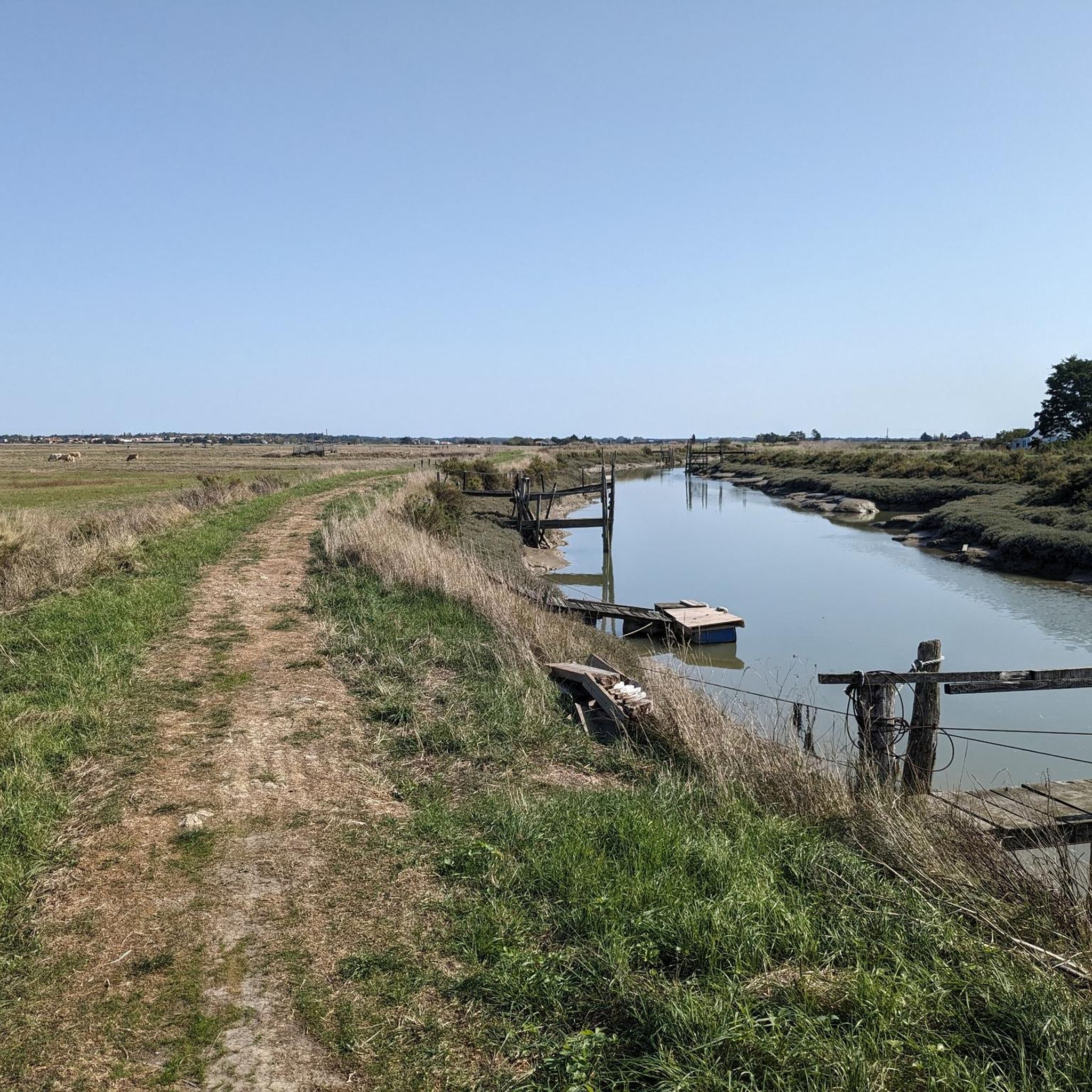
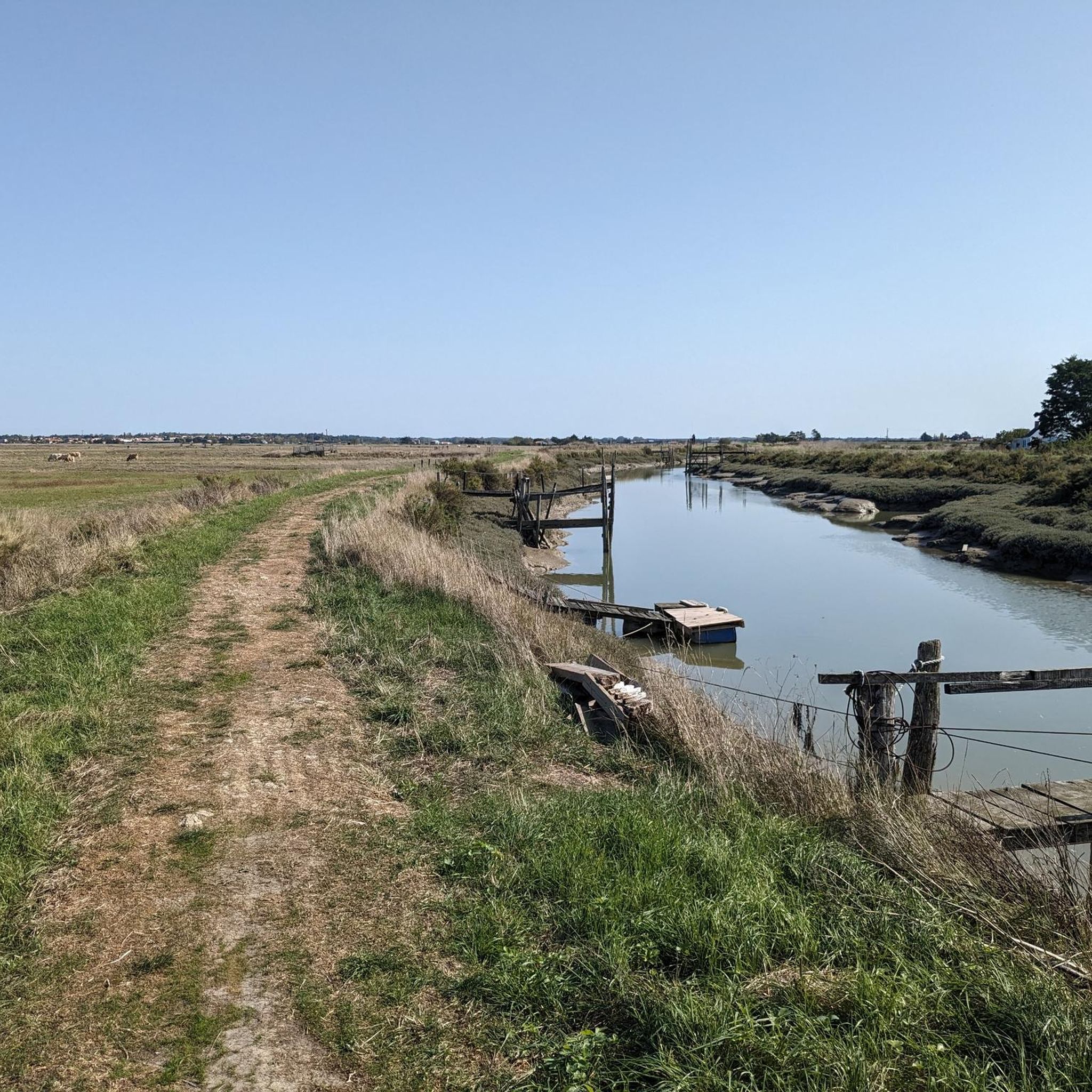
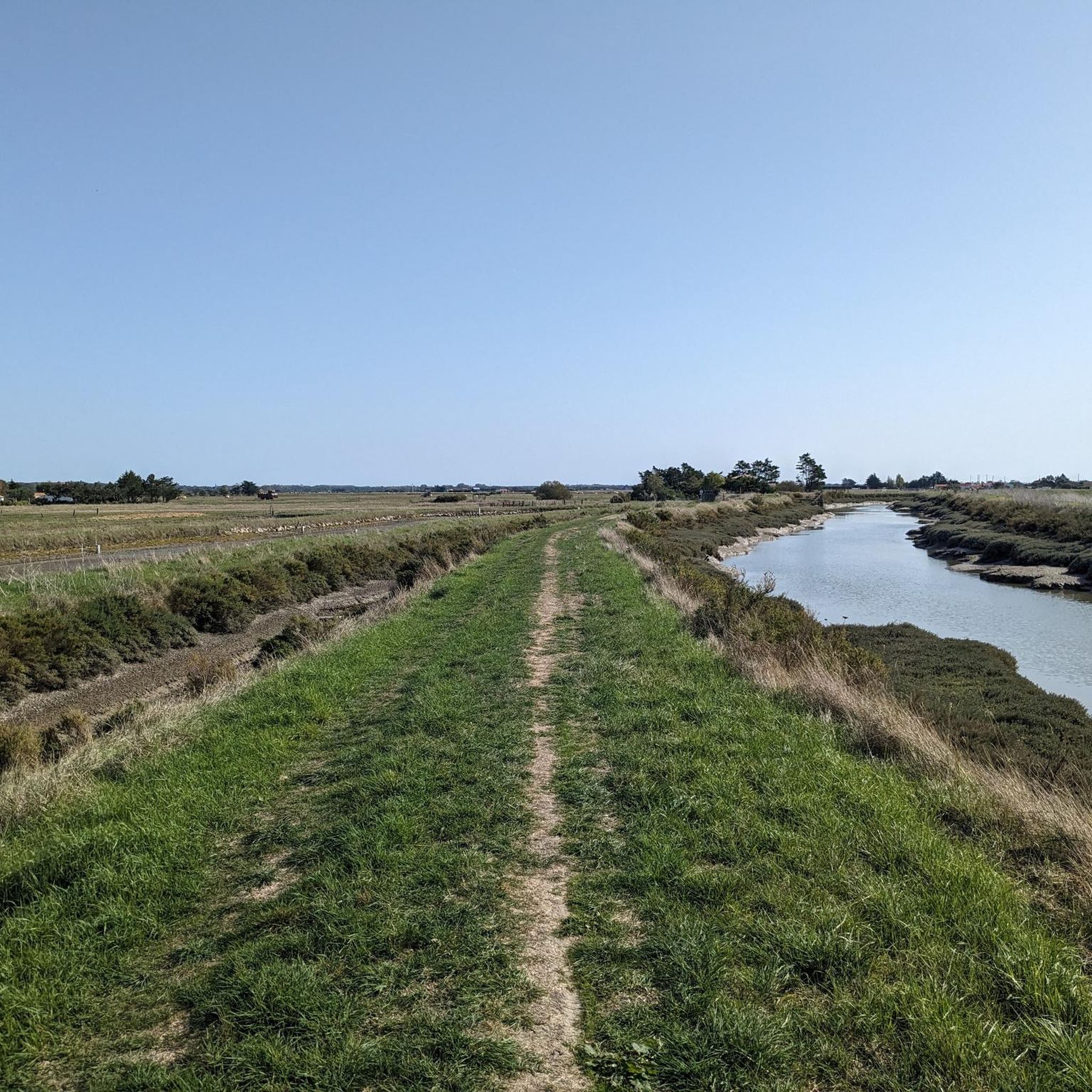
Superb horseshoe-shaped pond, which was used for a long time for fish farming.
0
0
Good place to observe some of the 170 species of birds that frequent the reserve.
0
0

At the edge of the road this kind of raised kiosk is in fact an observatory to admire the storks. They appeared in the marsh in 1992. And since then platforms like this one have been built to encourage their nesting. It is estimated that there are between 40 and 50 nests in the area. They can be observed there during the spring until mid-July.
0
0

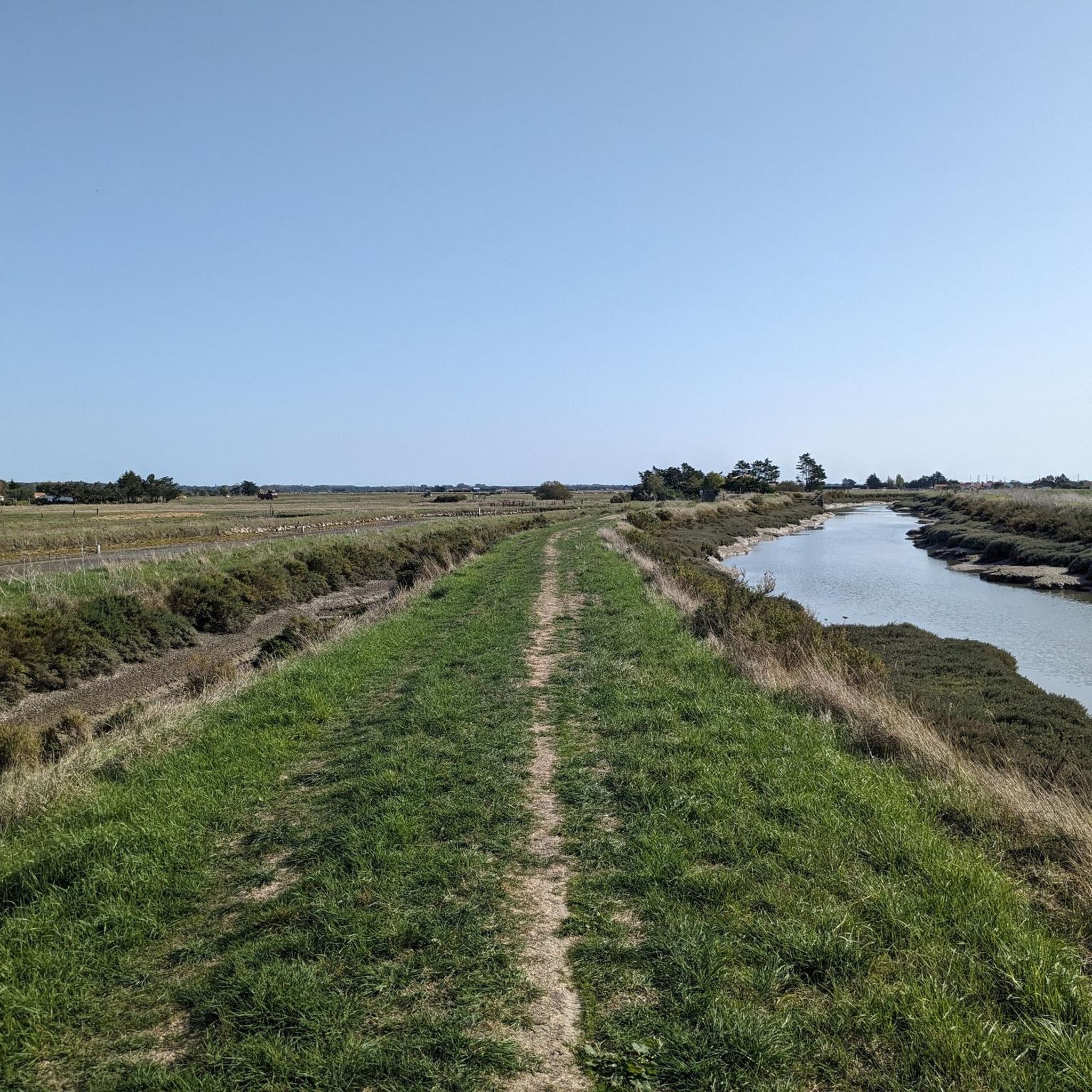
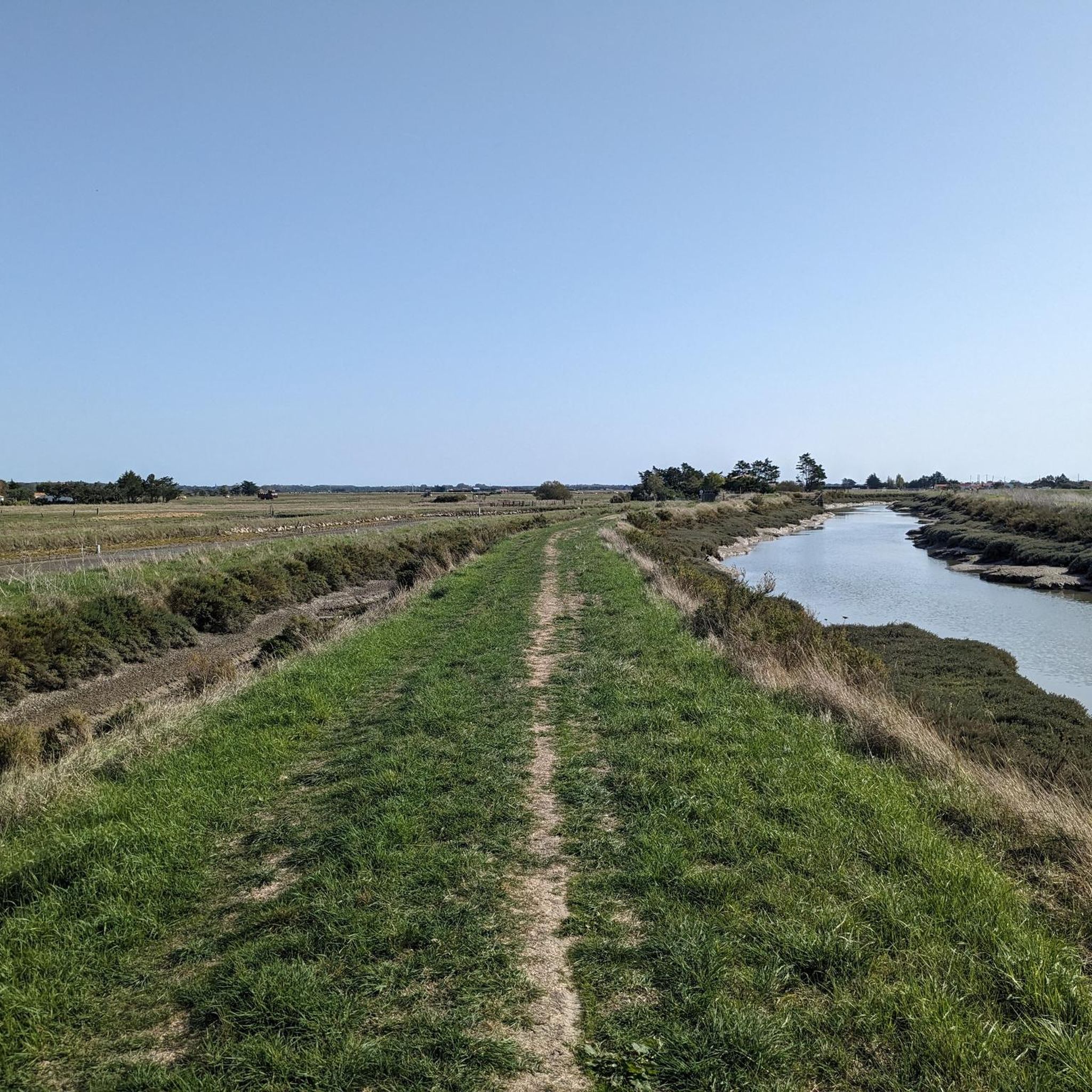
Superb section.
0
0
Frequently Asked Questions
What are some of the most unique natural monuments to explore around Beauvoir-Sur-Mer?
The region offers several distinct natural monuments. You can experience the extraordinary Salt Pans and White Paths of Noirmoutier, known for its 170 bird species and historical fish farming ponds. Another unique site is the Passage du Gois, a submersible causeway that connects Beauvoir-Sur-Mer to Noirmoutier Island, only passable at low tide. For coastal views, Pointe de la Casie offers trails that appear to merge with the ocean.
What kind of natural features can I expect to see in the Beauvoir-Sur-Mer region?
Beauvoir-Sur-Mer is characterized by its diverse coastal landscapes and extensive wetlands. You'll find unique geological formations like the tidal Passage du Gois, vast mudflats, and oyster beds. The region also features extensive salt marshes and wetlands, such as the Marais Breton Vendéen and Marais de la Pétillère, which are rich in biodiversity and play a role in traditional salt production.
Are there family-friendly natural attractions in Beauvoir-Sur-Mer?
Yes, several natural monuments are suitable for families. The Salt Pans and White Paths of Noirmoutier are considered family-friendly, offering opportunities for bird observation. Sébastopol Polder Nature Reserve, with its stabilized gravel path, is also a great option for families, especially during nesting season for terns and avocets. Additionally, Pont d'Yeu Beach is a beautiful sandy beach perfect for family outings.
When is the best time of year to visit the natural monuments in Beauvoir-Sur-Mer?
The spring months, particularly April and May, are excellent for visiting, especially if you're interested in birdwatching at sites like the Sébastopol Polder Nature Reserve, where nesting birds are highly active. Stork observation at the Stork Observation Platform in Marais Breton is also best during spring until mid-July. Generally, warmer, drier months offer more comfortable conditions for exploring the coastal and wetland areas.
What outdoor activities can I do near the natural monuments?
The area around Beauvoir-Sur-Mer is ideal for various outdoor activities. You can enjoy cycling, gravel biking, and mountain biking on numerous routes. For example, there are many cycling routes like the "Nice gravel through polder" or longer tours such as "Marais de Lyarne – Saint-Jean-de-Monts loop." Explore more options on the Cycling around Beauvoir-Sur-Mer guide, the Gravel biking around Beauvoir-Sur-Mer guide, or the MTB Trails around Beauvoir-Sur-Mer guide.
Are there hiking trails near these natural monuments?
Yes, many natural monuments feature trails suitable for walking and hiking. For instance, Pointe de la Casie offers coastal trails, and the Sébastopol Polder Nature Reserve has a stabilized gravel path for easy exploration. The Marais Breton Vendéen also provides peaceful environments for hiking and cycling through its wetlands.
What do visitors enjoy most about the natural monuments around Beauvoir-Sur-Mer?
Visitors frequently appreciate the unique natural spectacles and the opportunities for wildlife observation. The dramatic tidal changes at the Passage du Gois, the rich birdlife at the Salt Pans and White Paths of Noirmoutier, and the impressive nesting activity at Sébastopol Polder Nature Reserve are often highlighted. The breathtaking coastal views from spots like Pointe de la Casie are also highly rated.
Can I visit the natural monuments around Beauvoir-Sur-Mer with my dog?
While specific regulations for each site vary, many natural areas in France, especially coastal paths and open marshes, are generally dog-friendly, often requiring dogs to be on a leash. It's always best to check local signage at each specific natural monument for any restrictions, particularly in nature reserves where wildlife protection is paramount.
Are there accessible natural sites around Beauvoir-Sur-Mer?
The Sébastopol Polder Nature Reserve features a stabilized gravel path, which can offer easier access for some visitors. For other sites, accessibility can vary depending on the terrain, which often includes coastal trails, mudflats, and wetland paths. It's advisable to check specific conditions for each location if accessibility is a concern.
How long should I plan for a visit to these natural monuments?
The duration of your visit can vary greatly. For a site like the Passage du Gois, you might spend an hour or two experiencing the tidal phenomenon and exploring the mudflats. Visiting a nature reserve like Sébastopol Polder Nature Reserve or the Salt Pans and White Paths of Noirmoutier could take a few hours, especially if you're birdwatching or taking a leisurely walk. A full day could be dedicated to exploring multiple sites or engaging in activities like cycling through the Marais Breton Vendéen.
What are the main differences between the Marais Breton Vendéen and the Marais de la Pétillère?
The Marais Breton Vendéen is an extensive network of wetlands, canals, and salt marshes, known for its rich biodiversity, migratory birds, and historical salt production. It offers wide-ranging opportunities for exploration by canoe, paddle, hiking, and cycling. The Marais de la Pétillère, while also a significant wetland (swamp), is generally considered a smaller, more localized area within the broader Marais Breton Vendéen, likely offering similar serene nature observation experiences but on a more intimate scale.
Are there opportunities for birdwatching in the Beauvoir-Sur-Mer area?
Absolutely. The region is a haven for birdwatchers. The Salt Pans and White Paths of Noirmoutier are home to 170 species of birds. The Sébastopol Polder Nature Reserve is a crucial nesting site for terns, seagulls, and avocets, especially active in April and May. Additionally, the Stork Observation Platform in Marais Breton allows you to observe storks during spring and early summer.
Most popular routes around Beauvoir-Sur-Mer
Most popular attractions around Beauvoir-Sur-Mer

Get inspired with the komoot mobile app


Explore more
Extend your search for the best caves by checking out these guides of the top ones around Beauvoir-Sur-Mer:
