Top 5 Natural Monuments around Muzillac
Best natural monuments around Muzillac offer a diverse landscape characterized by coastal features, historical sites, and natural waterways. The region's geography includes significant natural attractions like the Etang de Pen Mur, known for its ecological value and extensive water body. Muzillac provides opportunities to explore a blend of natural beauty and historical elements, making it a notable area for outdoor enthusiasts. The guide features 5 natural monuments to discover.
Best natural monuments around Muzillac
- The most popular natural monuments is…
Last updated: October 6, 2026
Toad Dolmen
Highlight • Historical Site
Translated by Google •
Tip by

Pointe de la Grande Île de Mesquéry
Highlight • Viewpoint
Translated by Google •
Tip by

Sign up now to discover places like this
Get recommendations on the best single tracks, peaks, & plenty of other exciting outdoor places.
Port ès Gerbes
Highlight • River
Translated by Google •
Tip by

Sea Cave at Plage de la Mine d'Or
Highlight • Cave
Translated by Google •
Tip by

Roz Allanic Cave
Highlight • Cave
Translated by Google •
Tip by

Start today with a free account
Your next adventure awaits.

Tips from the Community

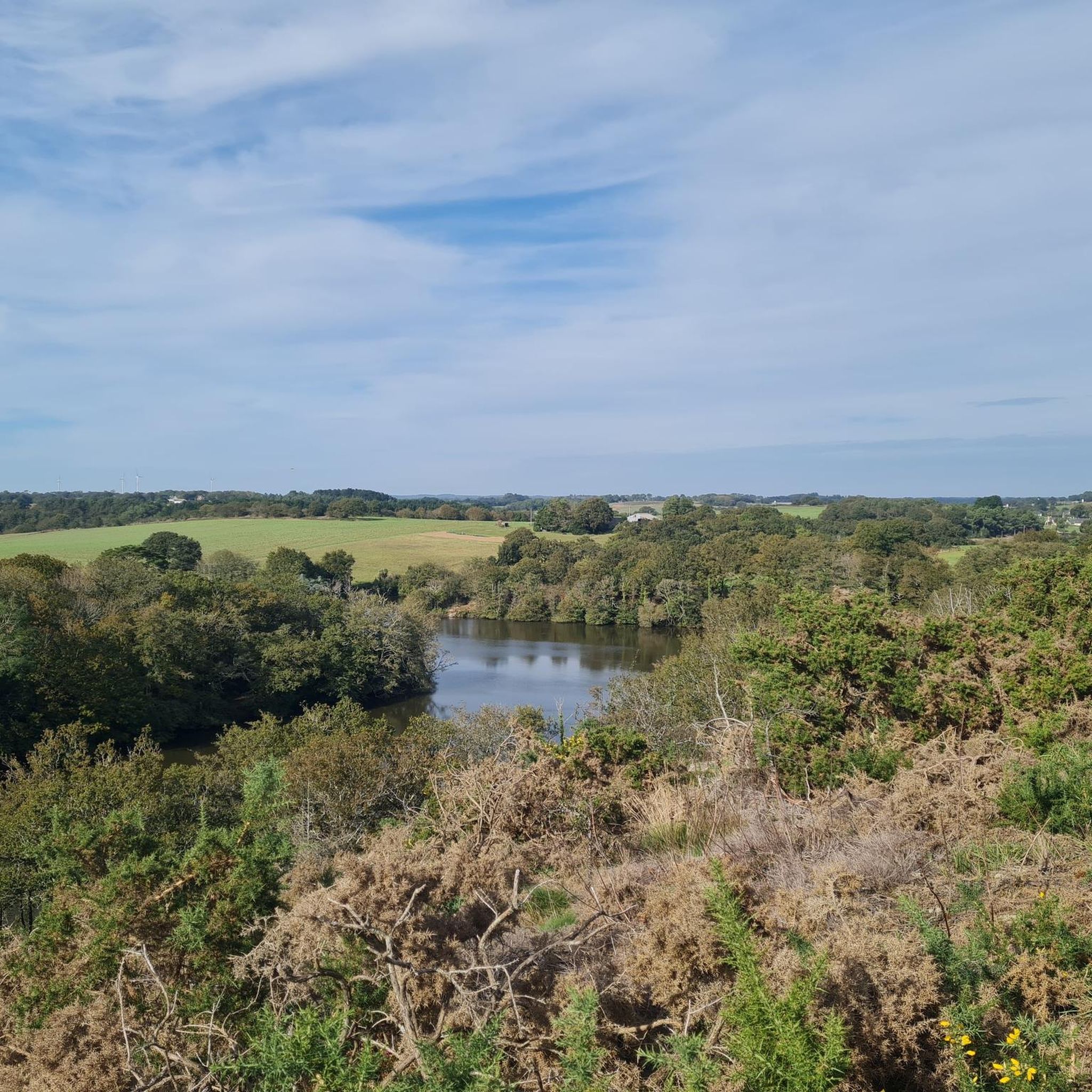
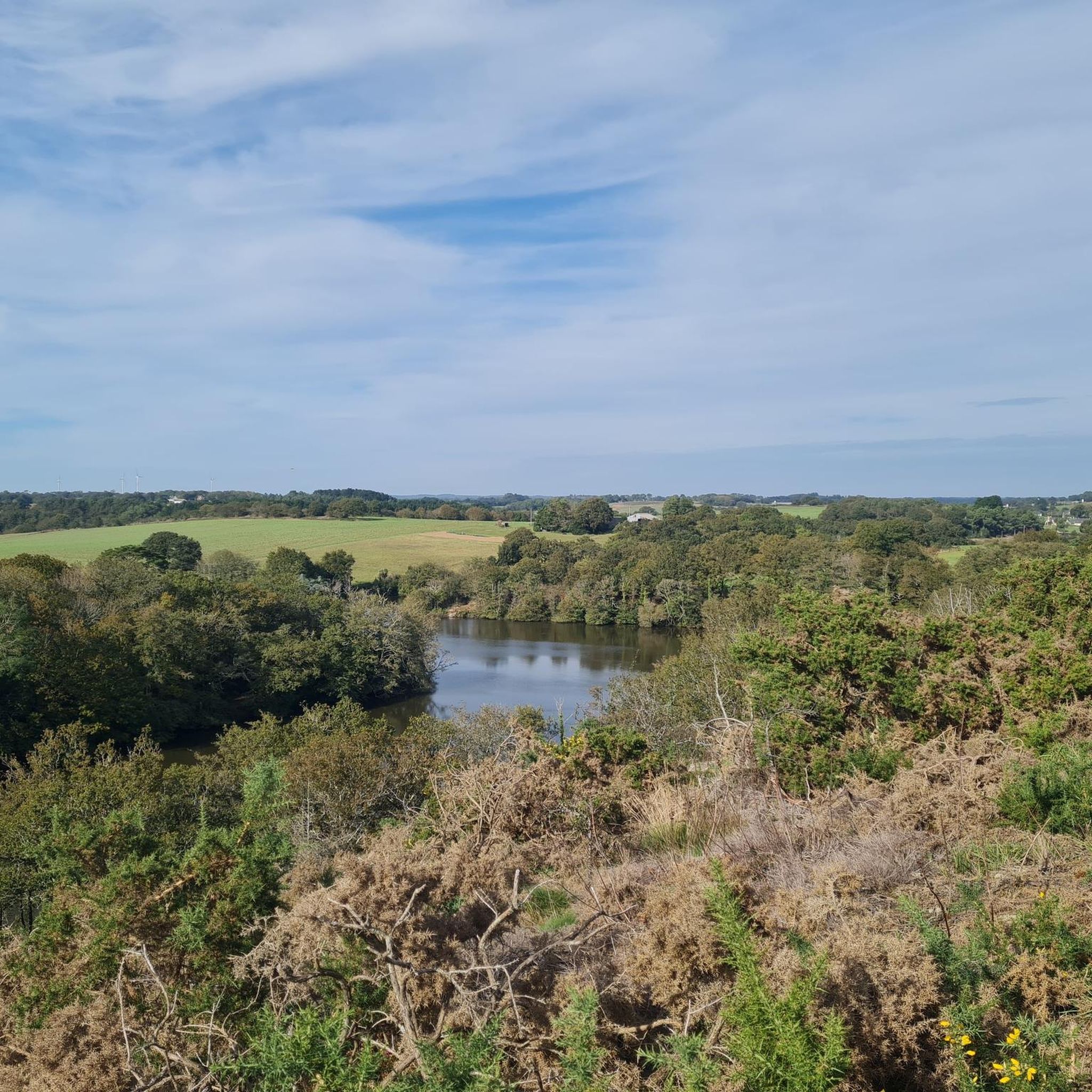
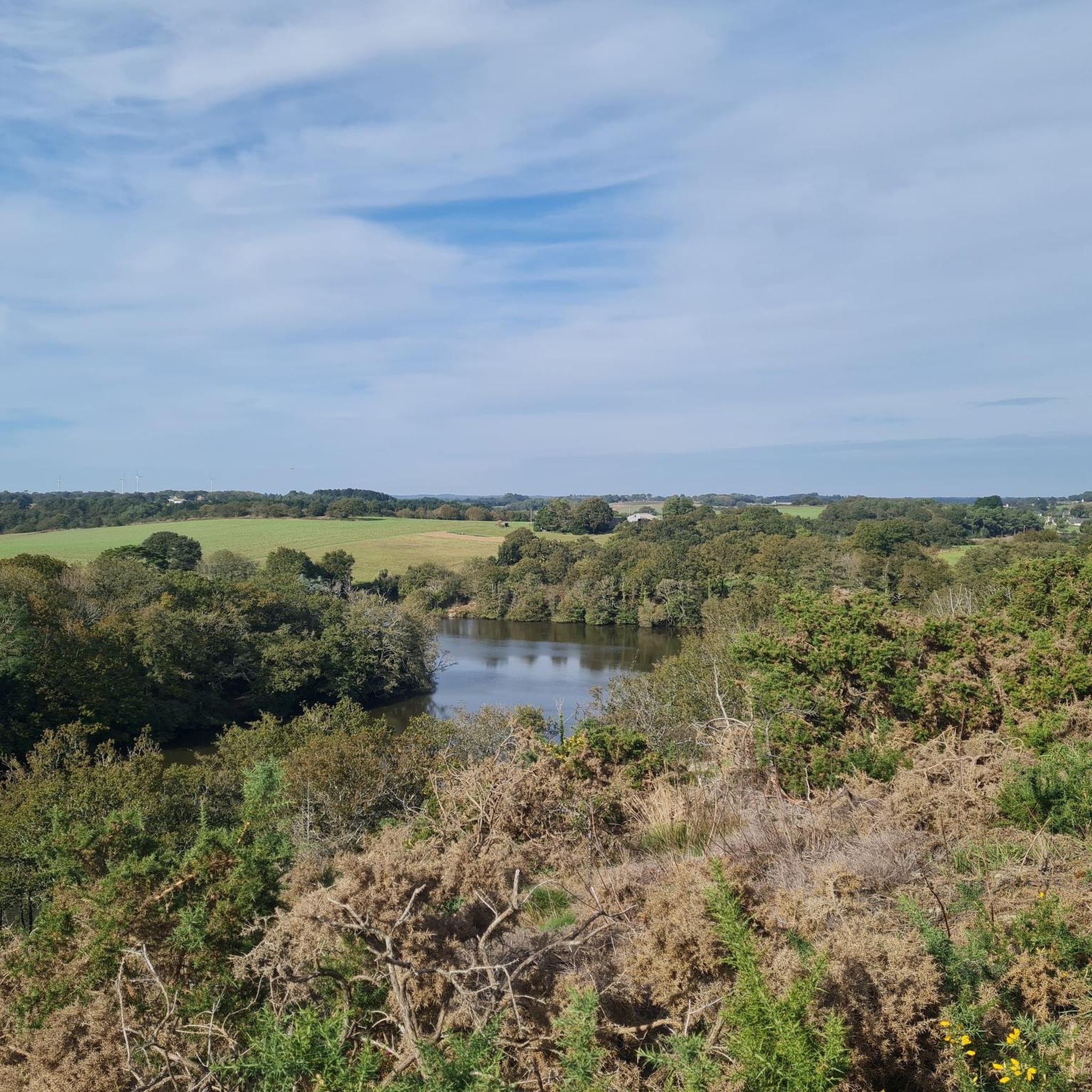
It’s a beautiful little roadside sanctuary. The name of this place comes from the Breton word Roz which means height. Historians confirm that at this location, even if it is very degraded and there are very few traces left, a feudal mound overlooked the passage.
0
0

The Crapaud dolmen, listed as a historic monument since 1978, belongs to the long list of dolmens that spread across Brittany. Archaeologists suggest that it dates from the Neolithic period, between approximately 5800 and 2500 BCE.
0
0

You can squeeze through one of the crevices to get into the chamber beyond. The cave is only accessible at low tide.
1
0

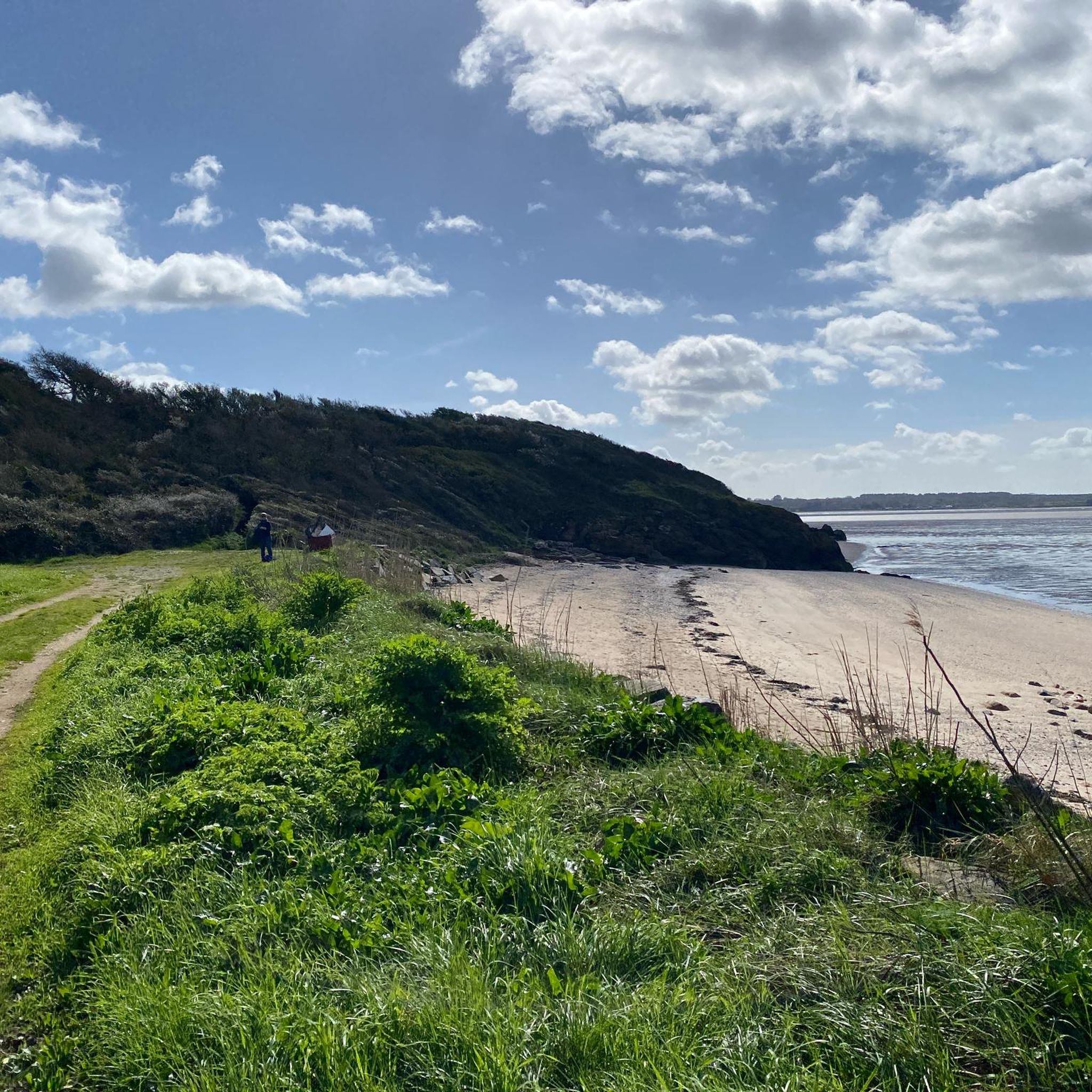
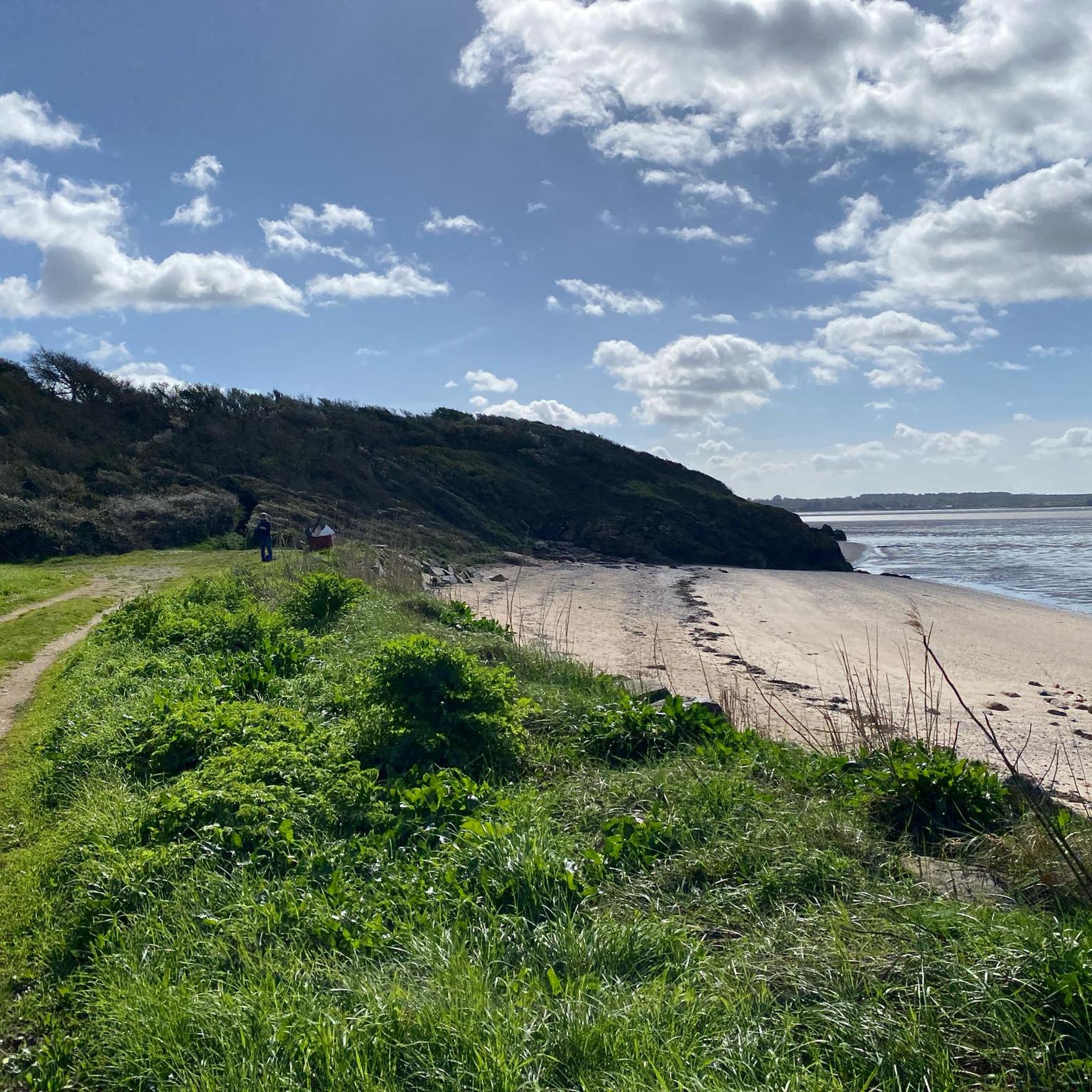
Before reaching the tip of Pen Bé which is at sea level, you can take advantage of this much higher point of view and the cliffs which offer you beautiful views of the surrounding coastline.
3
0


Can you find the mooring rings in the rock? Formerly this place was used for trade between the two banks of the Vilaine, now it is a place suitable for swimming or simply to peacefully enjoy the stream.
1
1
Frequently Asked Questions
What are some of the most popular natural monuments to visit around Muzillac?
Visitors frequently enjoy the historical significance of the Toad Dolmen, a Neolithic site. Another favorite is Pointe de la Grande Île de Mesquéry, which offers elevated coastal views. The Fontaine de Kercohan, a natural spring with historical ties, is also a popular spot.
Are there family-friendly natural monuments in the Muzillac area?
Yes, several natural monuments are suitable for families. The Toad Dolmen is a fascinating historical site that can be explored by all ages. Additionally, Port ès Gerbes offers a peaceful riverside setting, ideal for enjoying the stream and observing nature.
What kind of natural features can I expect to see around Muzillac?
Muzillac is rich in diverse natural features. You can explore coastal viewpoints with cliffs at Pointe de la Grande Île de Mesquéry, discover a tranquil river setting at Port ès Gerbes, and even find a unique Sea Cave at Plage de la Mine d'Or, accessible at low tide. The region also features the significant Etang de Pen Mur, known for its vast water body, diverse flora, and fauna.
Are there historical or cultural sites among the natural monuments?
Absolutely. The Toad Dolmen is a prominent historical monument dating back to the Neolithic period. The Fontaine de Kercohan also holds historical and religious significance. Furthermore, the Etang de Pen Mur features the ancient Moulin de Pen Mur, a former paper mill with roots in the 15th century, adding a cultural layer to the natural landscape.
What outdoor activities can I do near the natural monuments in Muzillac?
The area around Muzillac offers various outdoor activities. You can find numerous hiking trails, such as the 'Pen Mur dam – Pen Mur Mill loop' (8.05 km) or the 'Toad Dolmen – Port de Pen Lan loop' (12.12 km). For cycling enthusiasts, there are road cycling routes like the 'Muzillac, La Roche-Bernard, and Arzal Dam Loop' (41 km) and mountain biking trails, including the 'Villaine Valley – Gaillard Footbridge loop' (49.14 km). You can find more details on these activities in the Hiking around Muzillac, Road Cycling Routes around Muzillac, and MTB Trails around Muzillac guides.
Are there specific hiking trails around the Etang de Pen Mur?
Yes, the Etang de Pen Mur is well-equipped with hiking trails. You can walk around the entire pond on a complete pedestrian itinerary. Popular options include the 'Circuit des Chouans' (7.8 km), the 'Boucle de Laluisso' (around 2 km), and the 'Boucle Saint-Eloi' (1.9 km). These trails offer opportunities for wildlife observation and enjoying the tranquil environment.
What kind of wildlife can be observed at the Etang de Pen Mur?
The Etang de Pen Mur is known for its rich biodiversity. Visitors might spot European otters and Cordulia dragonflies along the pond and the Saint-Éloi River. Various water birds like kingfishers and herons are also present. Depending on the season, you can also admire wild flowers such as asphodels, hyacinths, and daffodils.
What is the best time to visit the natural monuments around Muzillac?
The Etang de Pen Mur is described as a tranquil destination ideal for nature lovers and outdoor enthusiasts, suggesting it can be enjoyed across various seasons. For hiking and outdoor activities, spring and autumn generally offer pleasant weather. Summer is also popular, especially for coastal areas, but can be busier. Winter walks can be peaceful, though some trails might be wilder.
Are there any natural monuments that are challenging to access?
The Sea Cave at Plage de la Mine d'Or is noted as challenging, as it is only accessible at low tide and requires squeezing through crevices to enter the chamber beyond. Most other natural monuments, like the dolmens and viewpoints, are generally more accessible.
What do visitors enjoy most about the natural monuments in Muzillac?
Visitors appreciate the blend of natural beauty and historical elements. They enjoy the elevated perspectives of the coastline from viewpoints like Pointe de la Grande Île de Mesquéry and the historical depth of sites such as the Toad Dolmen. The peaceful environment of places like Etang de Pen Mur, with opportunities for hiking and wildlife observation, is also highly valued.
Is there parking available near the Etang de Pen Mur?
While specific parking locations are not detailed, the Etang de Pen Mur is a significant natural site with established hiking trails, including a complete pedestrian itinerary. It is reasonable to expect designated parking areas or roadside parking options near trailheads, especially given its popularity for outdoor activities.
Can I bring my dog to the natural monument trails in Muzillac?
While specific regulations for dogs on all trails are not provided, many natural areas in France permit dogs on leash. For the Etang de Pen Mur, it's a popular hiking spot, and generally, dogs on leash are welcome on public trails. It's always advisable to check local signage for any specific restrictions or protected areas.
Are there any hidden gem natural monuments around Muzillac?
While the guide focuses on prominent sites, the Fontaine de Kercohan is described as being 'isolated to the south-west of the village' and requiring 'a small detour of less than 500 meters round trip' to reach, suggesting it might be a less-frequented, peaceful spot for those looking to explore off the main path.
Most popular routes around Muzillac
Most popular attractions around Muzillac

Get inspired with the komoot mobile app


Explore more
Extend your search for the best caves by checking out these guides of the top ones around Muzillac:
