Top 6 Natural Monuments around Savigny-Le-Sec
Best natural monuments around Savigny-Le-Sec offer a diverse landscape characterized by its rich biodiversity and unique geological features. The region is particularly known for its calcareous grasslands, such as the Pelouses calcaires d'Epagny et de Savigny-le-Sec, which host a wide array of flora and fauna. Visitors can explore a variety of natural sites, from serene lakes to intriguing caves, providing opportunities for outdoor exploration.
Best natural monuments around Savigny-Le-Sec
- The most popular natural monument is Mare des Chenaux, a…
Last updated: July 3, 2026
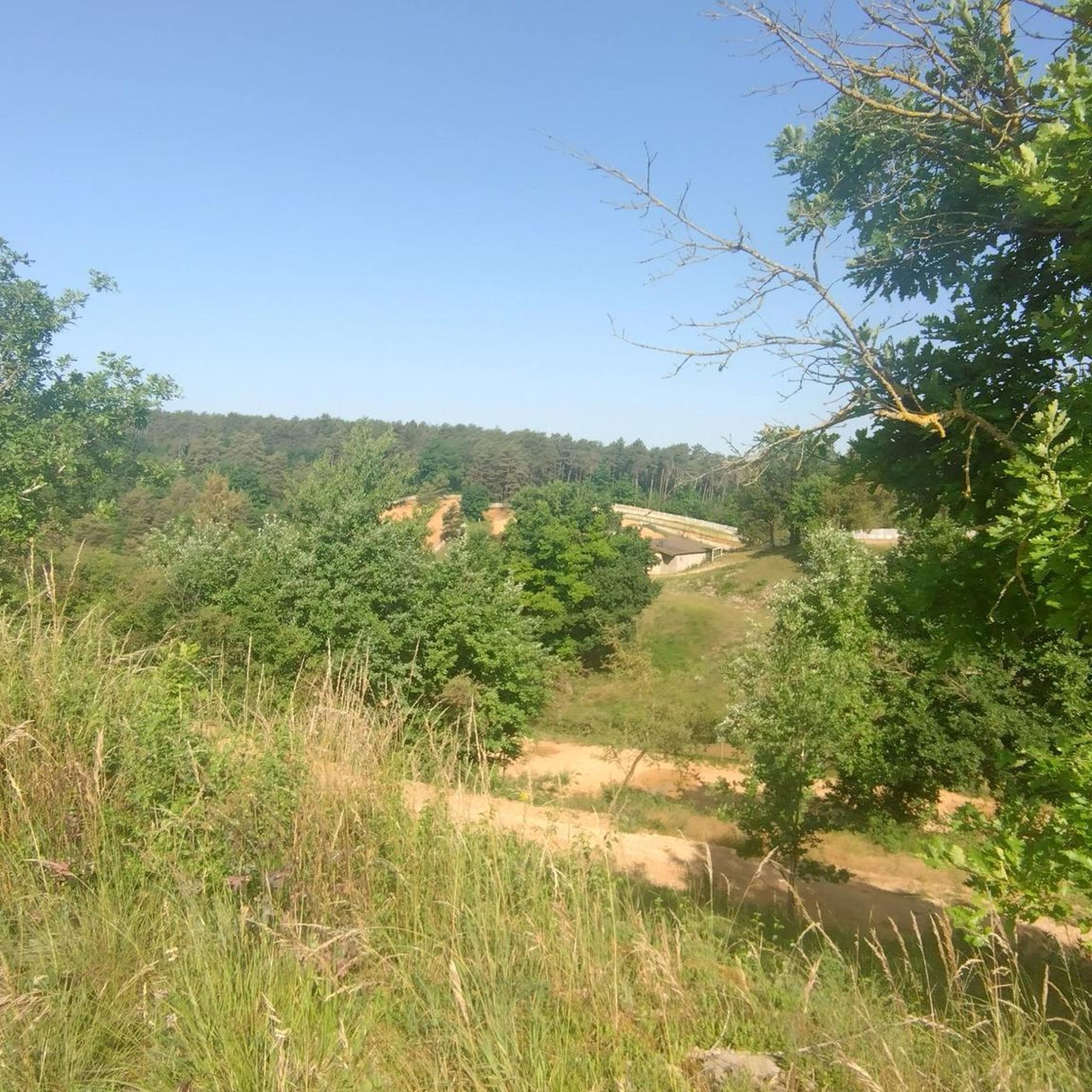
Mare des Chenaux
Highlight • Lake
Translated by Google •
Tip by

Caves of Parc de Jouvence
Highlight • Cave
Translated by Google •
Tip by

Sign up now to discover places like this
Get recommendations on the best single tracks, peaks, & plenty of other exciting outdoor places.
Sign up for free
Fontaine de Ronge
Highlight • Structure
It served as a watering trough, a washing place for iron ore.
It has been restored and bricked up
for the greatest pleasure of hikers and cyclists.
Translated by Google •
Tip by

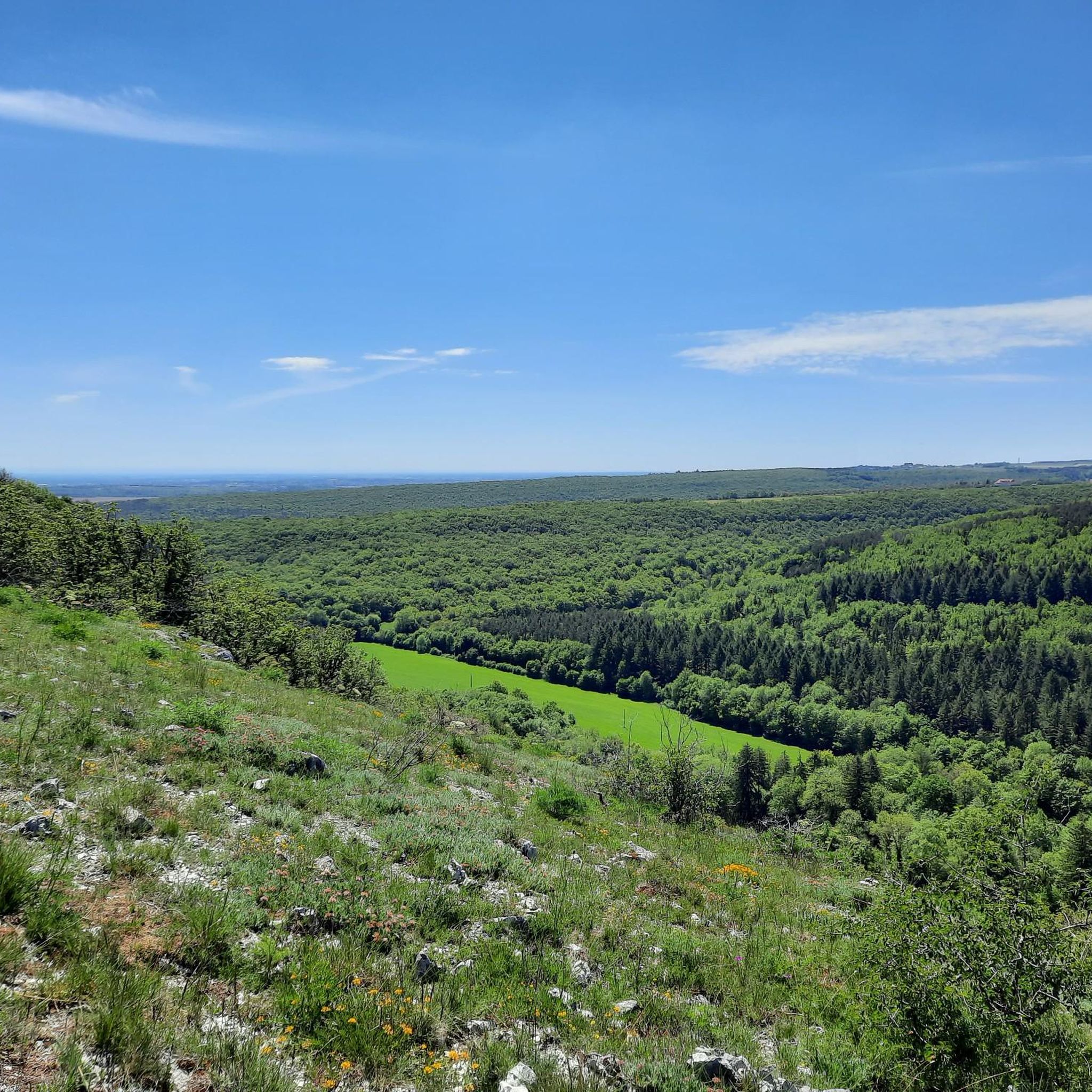
Gouffre de la Combe aux Prêtres
Highlight • Cave
several entrances and a total length of more than 28 km.
Was discovered in a small quarry in 1969. …
Translated by Google •
Tip by

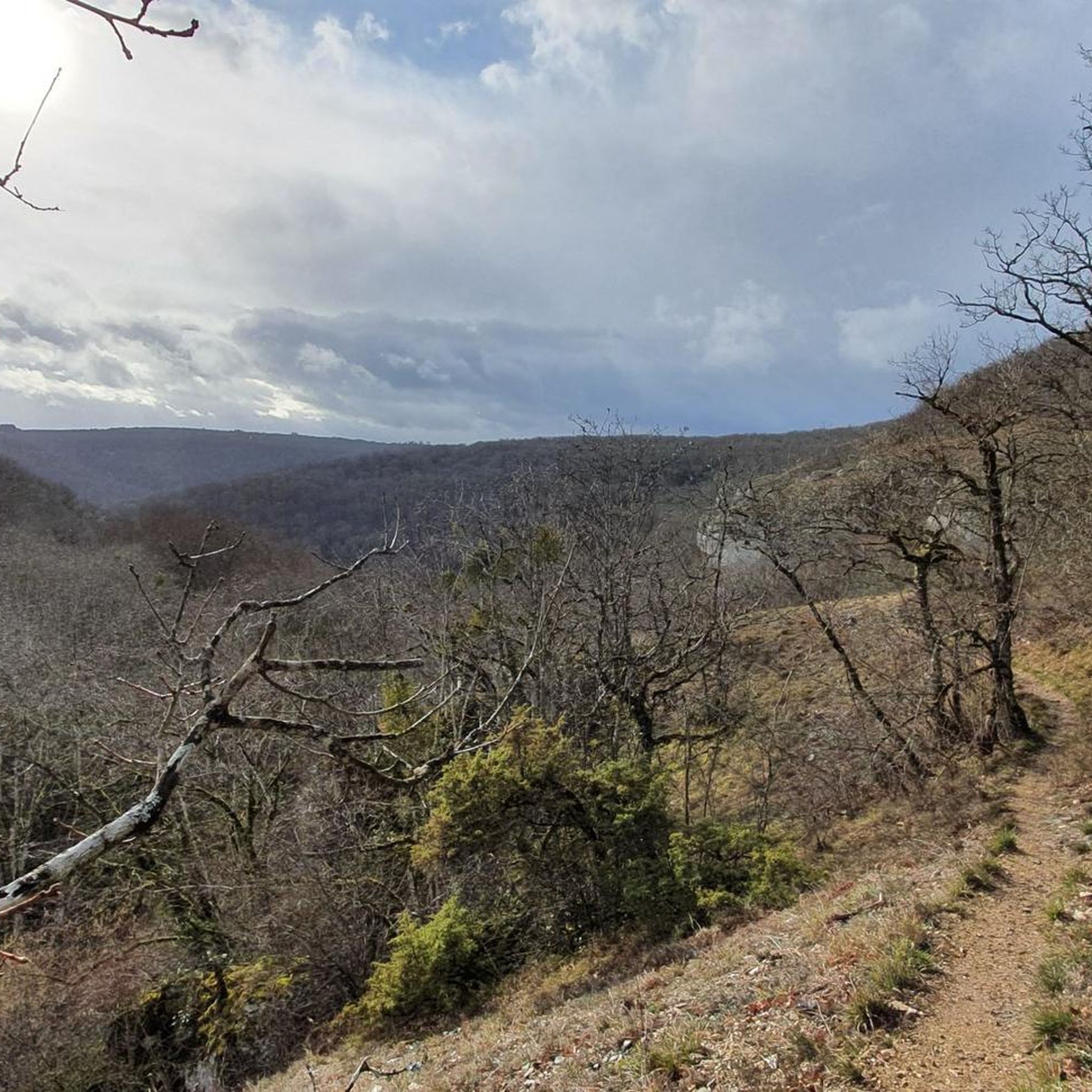
Combe de Saussy (GR7)
Highlight (Segment) • Forest
♥ accessible in gravel, hunters in season.
Translated by Google •
Tip by

Sign up for free to discover even more natural monuments around Savigny-Le-Sec.
Sign up for free
Already have an account?
Start today with a free account
Your next adventure awaits.
Login or Signup


Tips from the Community

Very beautiful and long climb in the forest. Be careful, it is very stony at the beginning, even if it remains doable on gravel (done with 40 mm at the front for my part)
0
0

A great place to relax and have a snack - especially when there is water either in the pond itself or flowing from the rock in the narrow cave above the pond.
1
0


Fountain by the roadside in the middle of the fields. It served as a watering trough, a washing place for iron ore. It has been restored and bricked up for the greatest pleasure of hikers and cyclists.
1
0
I confirm, nice place to take a break !!!
1
0

Good sturdy walking shoes with a lot of profile are absolutely a must.
1
0
This is an original activity... shared in KOMOOT. What a discovery that there is an underground world in the region?!... Impressive photos of experienced speleologists! Thank you for sharing, we want more!!!
2
1

Ideal for a break in the forest. Non-drinkable water.
1
0
Frequently Asked Questions
What unique natural features can I explore in Savigny-Le-Sec?
Savigny-Le-Sec is particularly known for its calcareous grasslands, such as the Pelouses calcaires d'Epagny et de Savigny-le-Sec, which are rich in biodiversity. You can also discover a serene lake, Mare des Chenaux, and intriguing cave systems like the Caves of Parc de Jouvence and Gouffre de la Combe aux Prêtres.
What kind of wildlife can I expect to see in the natural monuments around Savigny-Le-Sec?
The calcareous grasslands are a haven for wildlife. You might spot around a hundred bird species, as well as wild animals like hares, roe deer, and deer. The area is also home to various insects, including butterflies, grasshoppers, and crickets, and reptiles like the smooth snake.
Are there any family-friendly natural monuments in the area?
Yes, several spots are suitable for families. Mare des Chenaux is a lake offering a nice place for a break in the forest. The Caves of Parc de Jouvence feature many hiking trails and information boards. Additionally, the restored Fontaine de Ronge is a perfect spot for a break for hikers and cyclists.
What are the best times to visit the natural monuments in Savigny-Le-Sec?
The calcareous grasslands, which are a significant natural feature, thrive during dry periods. Therefore, late spring and summer are ideal for experiencing the rich flora, including the protected Mountain Inula flower and various wild orchids, and observing the abundant wildlife.
What outdoor activities can I do near these natural monuments?
The region offers a variety of outdoor activities. You can find numerous hiking routes, such as the 'Hercules of Messigny – La roche château loop' or 'Caves of Parc de Jouvence – View of Dijon loop'. For cyclists, there are road cycling routes like the 'Brognon Castle – Château d'Arcelot loop'. Runners can enjoy trails like the 'Running loop from Savigny-le-Sec'. You can find more details on these activities in the Hiking around Savigny-Le-Sec, Road Cycling Routes around Savigny-Le-Sec, and Running Trails around Savigny-Le-Sec guides.
Are there specific hiking trails to explore the natural monuments?
Yes, the Caves of Parc de Jouvence is a great starting point for many hikes, featuring information boards in an important karst area. The Combe de Saussy (GR7) offers a beautiful and long climb through the forest. Many sites, especially the calcareous grasslands, often have marked trails for visitors to explore.
What kind of plants and flowers can I see in the calcareous grasslands?
The calcareous grasslands are renowned for their rich flora. A significant highlight is the protected Mountain Inula (Inula montana) flower. These grasslands in Burgundy host over 70 remarkable plant species and approximately 30% of the known flora in metropolitan France, including various wild orchids.
Are there any historical or cultural sites among the natural monuments?
While primarily natural, some sites also carry historical significance. The Fontaine de Ronge, for instance, is a man-made fountain that served as a watering trough and washing place, now restored and appreciated by visitors. The calcareous grasslands themselves represent a historical and landscape heritage contributing to the identity of the Burgundy region.
What makes the Pelouses calcaires d'Epagny et de Savigny-le-Sec ecologically important?
These grasslands are considered important ecological corridors, vital for the preservation of numerous species. They are part of the Natura 2000 network, ensuring their protection. They also play a role in limiting the risk of forest fires by acting as natural firebreaks.
What do visitors enjoy most about the natural monuments in Savigny-Le-Sec?
Visitors appreciate the tranquility and natural beauty. For example, Mare des Chenaux is praised as a 'nice place for a break in the forest'. The Caves of Parc de Jouvence are noted for their 'very nice park with many hiking trails'. The Fontaine de Ronge is considered 'perfect for a break' for hikers and cyclists.
Are there any challenging natural monuments or trails for experienced adventurers?
Yes, the Gouffre de la Combe aux Prêtres is described as a 'huge cave system with an underground river' and is categorized as challenging, suitable for experienced speleologists. The Combe de Saussy (GR7) also offers a 'very beautiful and long climb in the forest' which can be stony at the beginning.
Most popular routes around Savigny-Le-Sec
Most popular attractions around Savigny-Le-Sec

Get inspired with the komoot mobile app


Explore more
Extend your search for the best caves by checking out these guides of the top ones around Savigny-Le-Sec:
