Top 6 Natural Monuments around Billiat
Best natural monuments around Billiat are located in the Ain department of the Auvergne-Rhône-Alpes region in France. This area is characterized by a landscape rich in natural beauty, offering several notable natural attractions. The region features diverse terrain, from river gorges and wetlands to elevated summits, providing varied opportunities for exploration. Visitors can discover significant natural features and reserves within and near the Billiat location.
Best natural monuments around Billiat
- The most popular natural monuments is Crêt de la Goutte…
Last updated: May 22, 2026
Valserine Gorges
Highlight • Gorge
Translated by Google •
Tip by

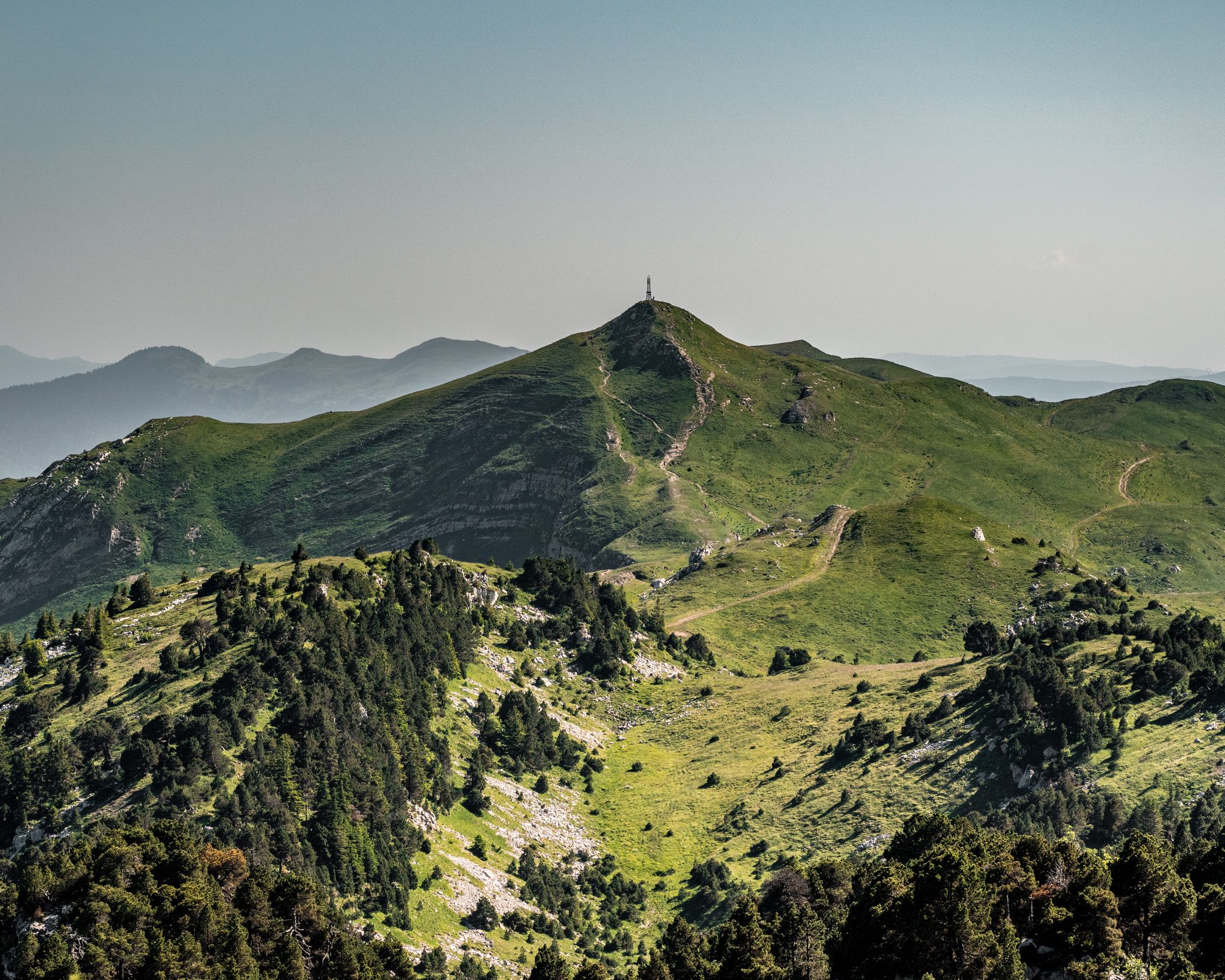
Crêt de la Goutte
Highlight • Summit
Translated by Google •
Tip by

Sign up now to discover places like this
Get recommendations on the best single tracks, peaks, & plenty of other exciting outdoor places.
Sign up for free
Fish Pass in Parc naturel régional du Haut-Jura
Highlight • Structure
Translated by Google •
Tip by

Valserine Valley
Highlight • River
Translated by Google •
Tip by
Saint-Germain-de-Joux
Highlight • Settlement
Showing Translation
Tip by

Sign up for free to discover even more natural monuments around Billiat.
Sign up for free
Already have an account?
Start today with a free account
Your next adventure awaits.
Login or Signup
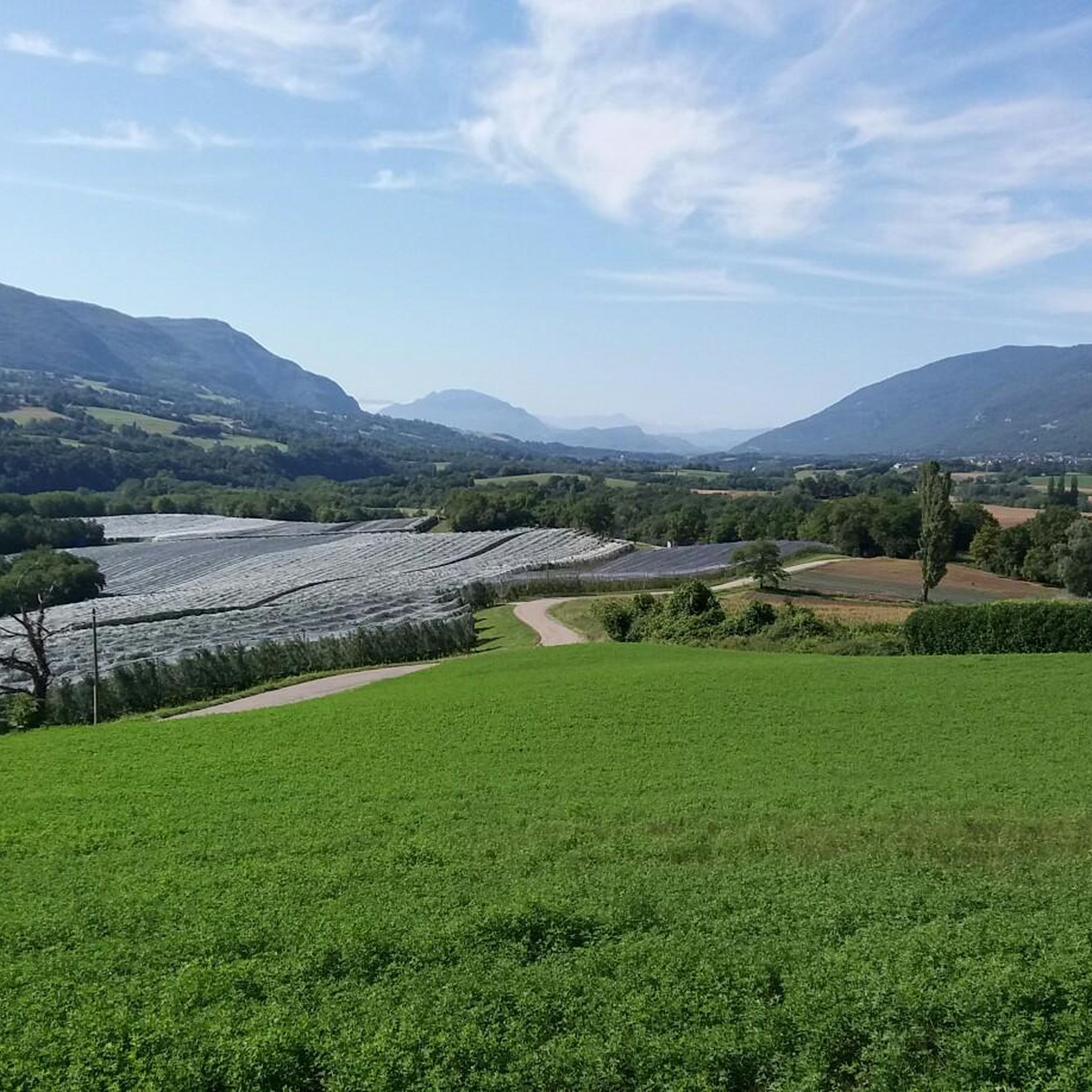
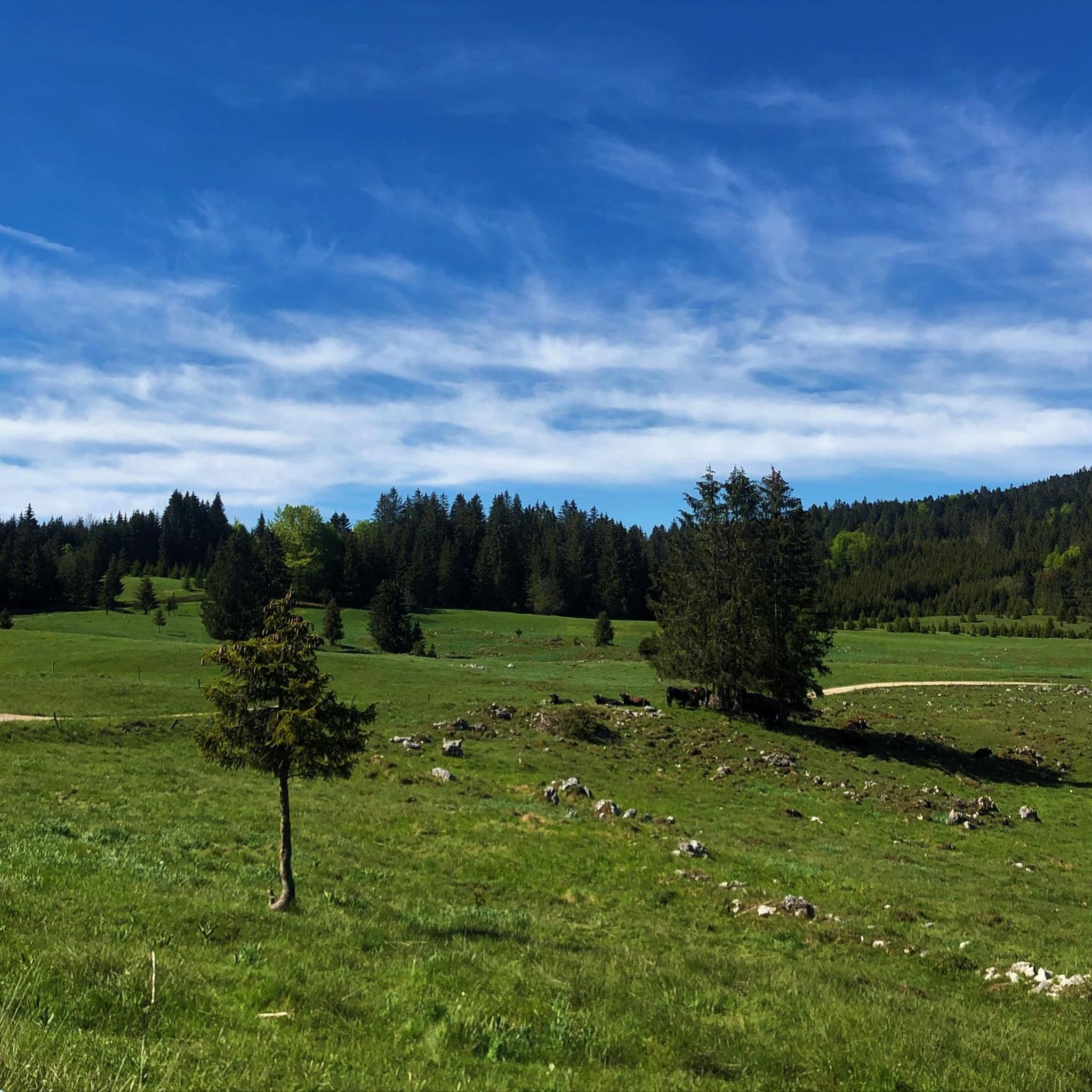

Other adventures around Billiat

Tips from the Community

Nestled in the Semine valley, Saint-Germain-de-Joux offers a preserved natural setting. Don't miss the "marmites de géants" (giant's cauldrons), these rock formations carved by water, accessible from the village.
0
0

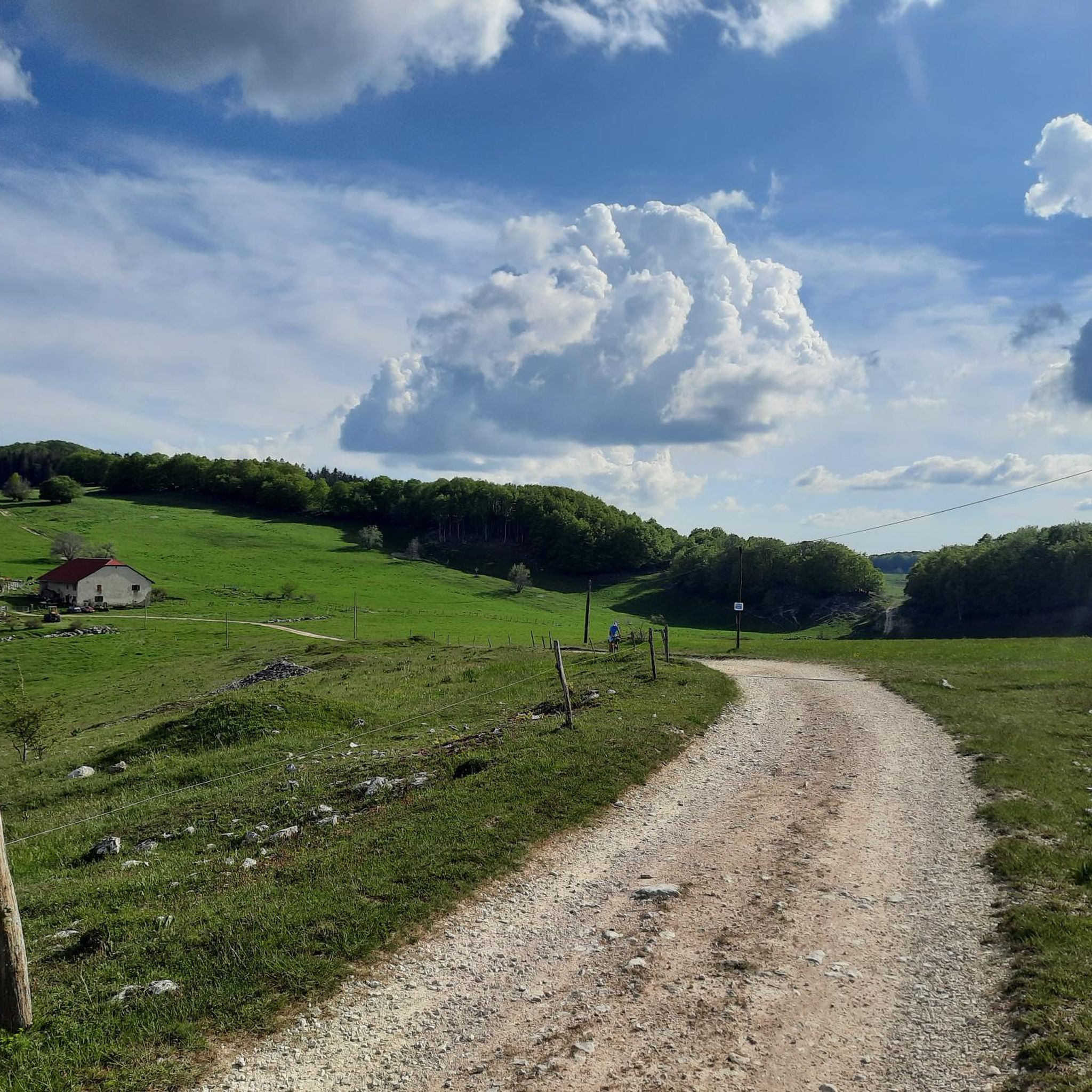
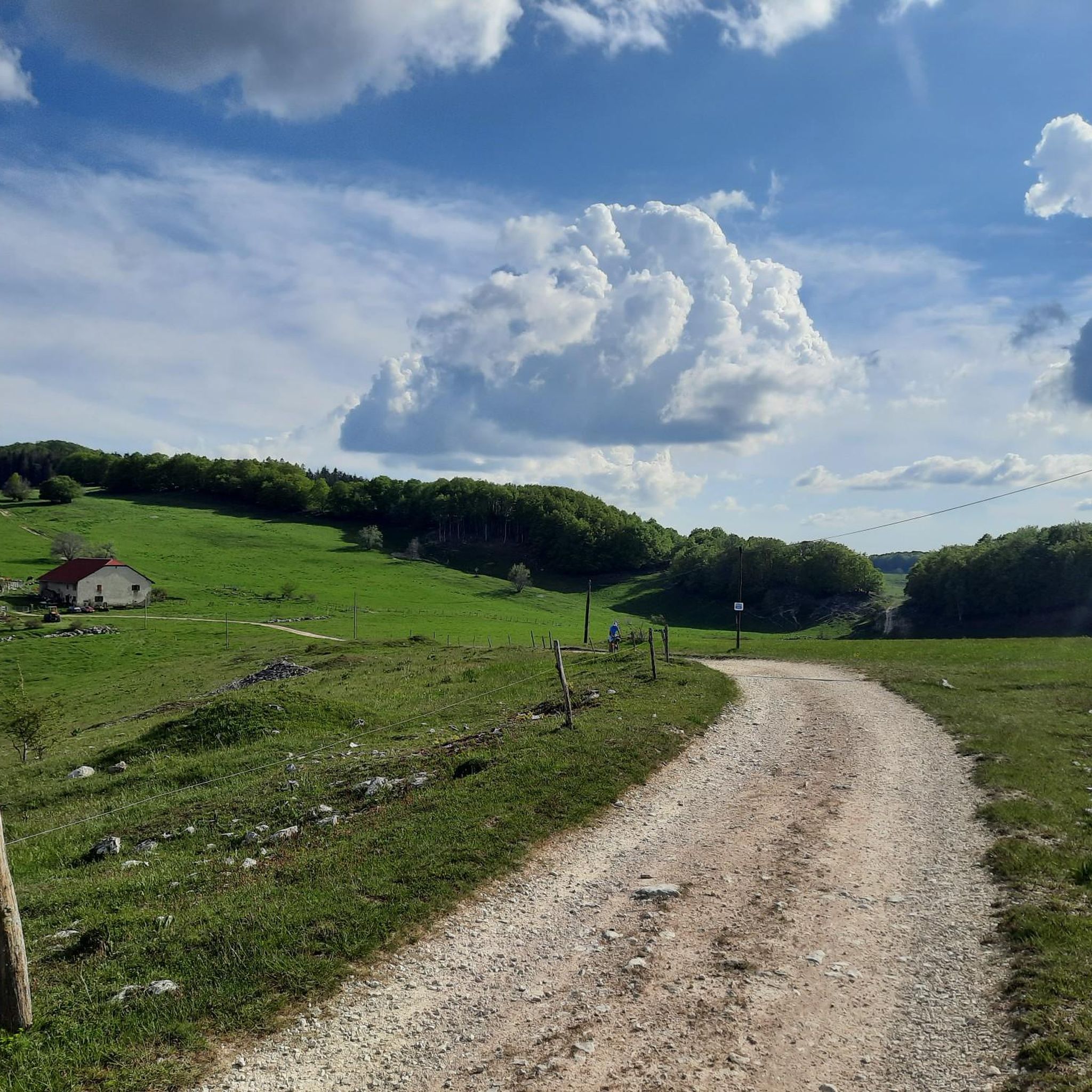
Magnificent hike! So many beautiful landscapes as far as the eye can see
0
0

Nestled in the Semine valley, Saint-Germain-de-Joux offers a preserved natural setting. Don't miss the Giant's Kettles, these rock formations carved by water, accessible from the village.
0
0

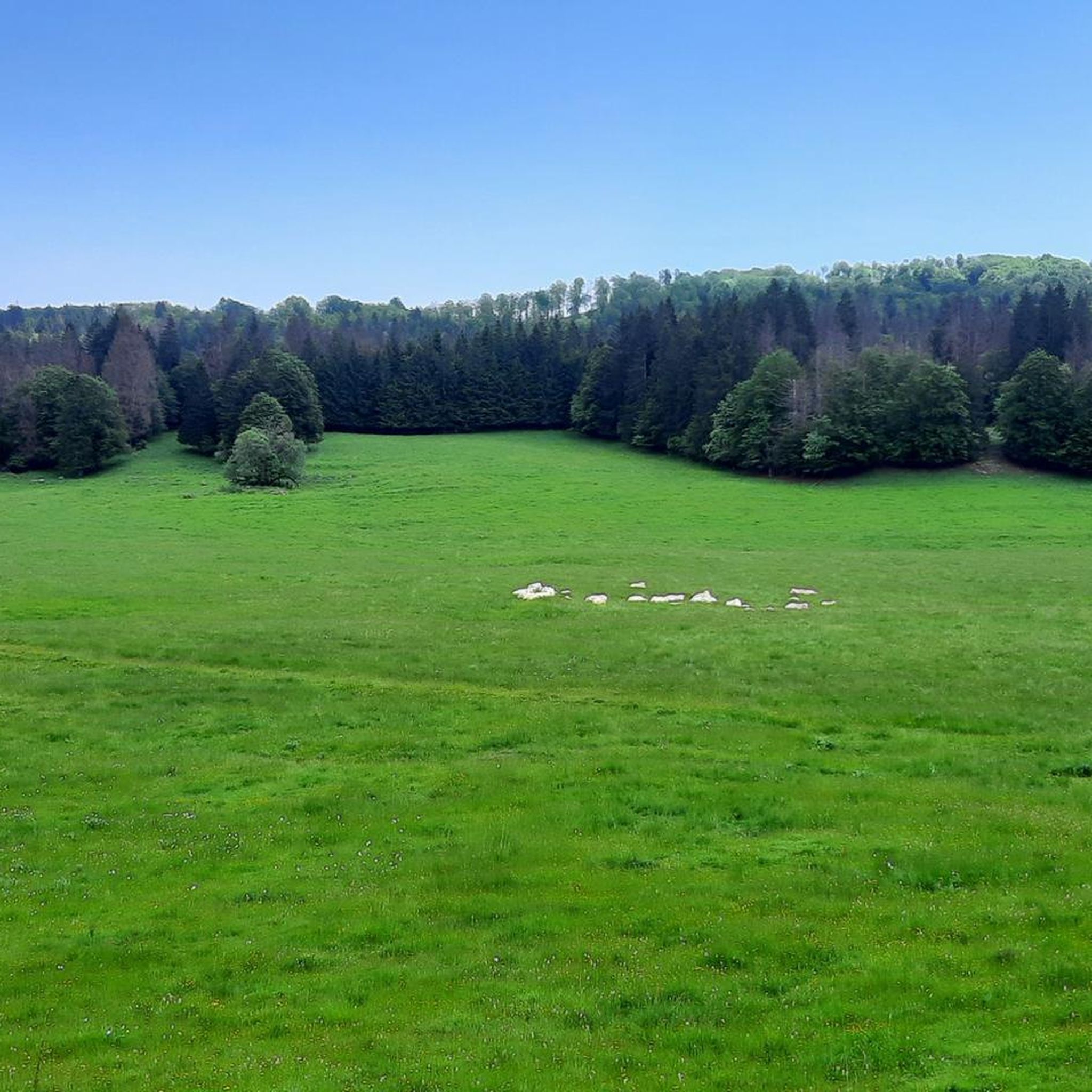
Magnificent viewpoint, not to be missed under any circumstances.
1
0

The river has regained its tranquility here, its course is more peaceful. It is the colors of the water that change. This phenomenon is just as fascinating as the rapids seen previously.
0
0

These fascinating elements are in fact devices that allow fish to cross man-made obstacles such as dams or weirs for migrating fish.
2
0

The Crêt de la Goutte is located at an altitude of 1,621 meters and offers a superb view of the Alps, from Chablais to Écrins.
2
0
Frequently Asked Questions
What kind of natural features can I expect to see around Billiat?
The Billiat area, situated in the Ain department, is characterized by a diverse landscape. You can explore dramatic river gorges, such as the Valserine Gorges, where the river has carved unique formations into limestone rock. There are also elevated summits like Crêt de la Goutte offering panoramic views, and peaceful river valleys like the Valserine Valley. The region also features unique geological formations where streams disappear into crevices, as seen at La Tine de Parrant.
Are there family-friendly natural monuments or activities around Billiat?
Yes, there are options suitable for families. The Fish Pass in Parc naturel régional du Haut-Jura is a fascinating man-made structure designed to help fish migrate past dams, which can be observed up close and is often enjoyed by families. The more peaceful sections of the Valserine Valley also offer gentle walks suitable for all ages.
What are some significant natural landmarks in the broader Auvergne-Rhône-Alpes region?
Beyond Billiat, the Auvergne-Rhône-Alpes region offers a wealth of natural wonders. You can visit the dramatic Pertes de la Valserine, where the Valserine River carves deep gorges and appears to vanish. Further afield, explore the expansive Plateau de Retord for hiking with views of Mont Blanc, or the diverse Pilat Regional Natural Park. The Auvergne Volcanoes Regional Natural Park, a UNESCO site, features the iconic Puy-de-Dôme, while Vanoise National Park in the Alps offers stunning alpine scenery and abundant wildlife. For more information on the region's nature, you can visit france.fr.
What outdoor activities can I do near these natural monuments?
The area around Billiat is excellent for various outdoor activities. You'll find numerous opportunities for running, with routes like the 'Running loop from Billiat' or 'Crêt du Nû – Les Terments loop from Sur le Bois de Billiat'. Cycling is also popular, with options ranging from road cycling routes such as 'The Haute Chaîne du Jura national nature reserve - loop' to touring bicycle routes like 'View of Mont Blanc – Retord Farm loop from Ochiaz'. For more details on these and other routes, refer to the Running Trails around Billiat, Road Cycling Routes around Billiat, and Cycling around Billiat guides.
When is the best time to visit the natural monuments around Billiat?
The best time to visit largely depends on your preferred activities. Spring and autumn offer pleasant temperatures for hiking and cycling, with vibrant foliage or blooming flora. Summer is ideal for enjoying the rivers and longer daylight hours, though it can be busier. Winter provides opportunities for snow-related activities in higher elevations, but some paths might be less accessible. Generally, late spring to early autumn (May to October) is excellent for exploring most natural monuments.
Can I visit these natural monuments with my dog?
Many natural areas in France, including those around Billiat, are generally dog-friendly, especially on marked trails. However, regulations can vary, particularly within nature reserves or protected areas. It's always advisable to keep your dog on a leash to protect local wildlife and ensure the safety of other visitors. Specific rules for each highlight are not always available, so check local signage upon arrival.
What do visitors enjoy most about the natural monuments around Billiat?
Visitors frequently highlight the stunning viewpoints and the dramatic geological formations. The panoramic views of the Alps from Crêt de la Goutte are particularly praised. The powerful erosive forces visible in the Valserine Gorges and the unique phenomenon of the river disappearing at La Tine de Parrant are also highly appreciated for their natural beauty and intrigue.
Is parking available at these natural monuments?
For many natural monuments and trailheads in the region, designated parking areas are available. For instance, viewpoints overlooking the Rhône and Etournel Marshes often have specific parking bays. However, it's recommended to check specific locations or trail starting points for detailed parking information, as availability can vary. Some smaller, more remote sites might have limited or no official parking.
What kind of wildlife might I encounter near Billiat's natural monuments?
The diverse ecosystems around Billiat, from river valleys to forests and higher elevations, support various wildlife. In the wetlands and river areas, you might spot various bird species. Forested areas could be home to deer, wild boar, and smaller mammals. The broader Auvergne-Rhône-Alpes region, especially in parks like Vanoise, is known for larger animals such as marmots, ibex, and even lynx or wolves, though these are rarer sightings closer to Billiat.
Are there any lesser-known natural monuments or hidden gems around Billiat?
While the main highlights are well-documented, exploring the smaller tributaries and less-trafficked paths along the Valserine River can reveal hidden spots. The phenomenon at La Tine de Parrant, where a stream disappears into a crevice, offers a unique geological sight that might be considered a hidden gem for those seeking something off the main tourist routes.
How can I reach the natural monuments around Billiat by public transport?
Public transport options to reach specific natural monuments directly can be limited in rural areas like Billiat. While there might be regional bus services connecting larger towns, accessing remote trailheads or viewpoints often requires a car. It's advisable to check local bus schedules for the Ain department if you plan to rely on public transport, but be prepared for potential gaps in service or longer travel times.
Are there circular walks around the natural monuments?
Yes, many of the hiking and cycling routes in the area are designed as loops, allowing for circular exploration. For example, the 'Running loop from Billiat' offers a circular route for runners. Similarly, cycling guides feature loops like 'Col de Cuvery Loop from Bellegarde' or 'Valserine Gorges – Stone Bridge loop from Ochiaz'. These allow you to experience the natural beauty without retracing your steps. You can find more details in the Running Trails around Billiat and Cycling around Billiat guides.
Most popular routes around Billiat
Most popular attractions around Billiat

Get inspired with the komoot mobile app


Explore more
Extend your search for the best caves by checking out these guides of the top ones around Billiat:
