Top 13 Natural Monuments around Saint-Briac-Sur-Mer
Best natural monuments around Saint-Briac-Sur-Mer feature a diverse coastal landscape. The region is characterized by rocky headlands, sandy beaches, and unique geological formations shaped by the Atlantic Ocean. These natural features offer panoramic views and opportunities to observe local flora and fauna. The area provides various natural settings for outdoor exploration.
Best natural monuments around Saint-Briac-Sur-Mer
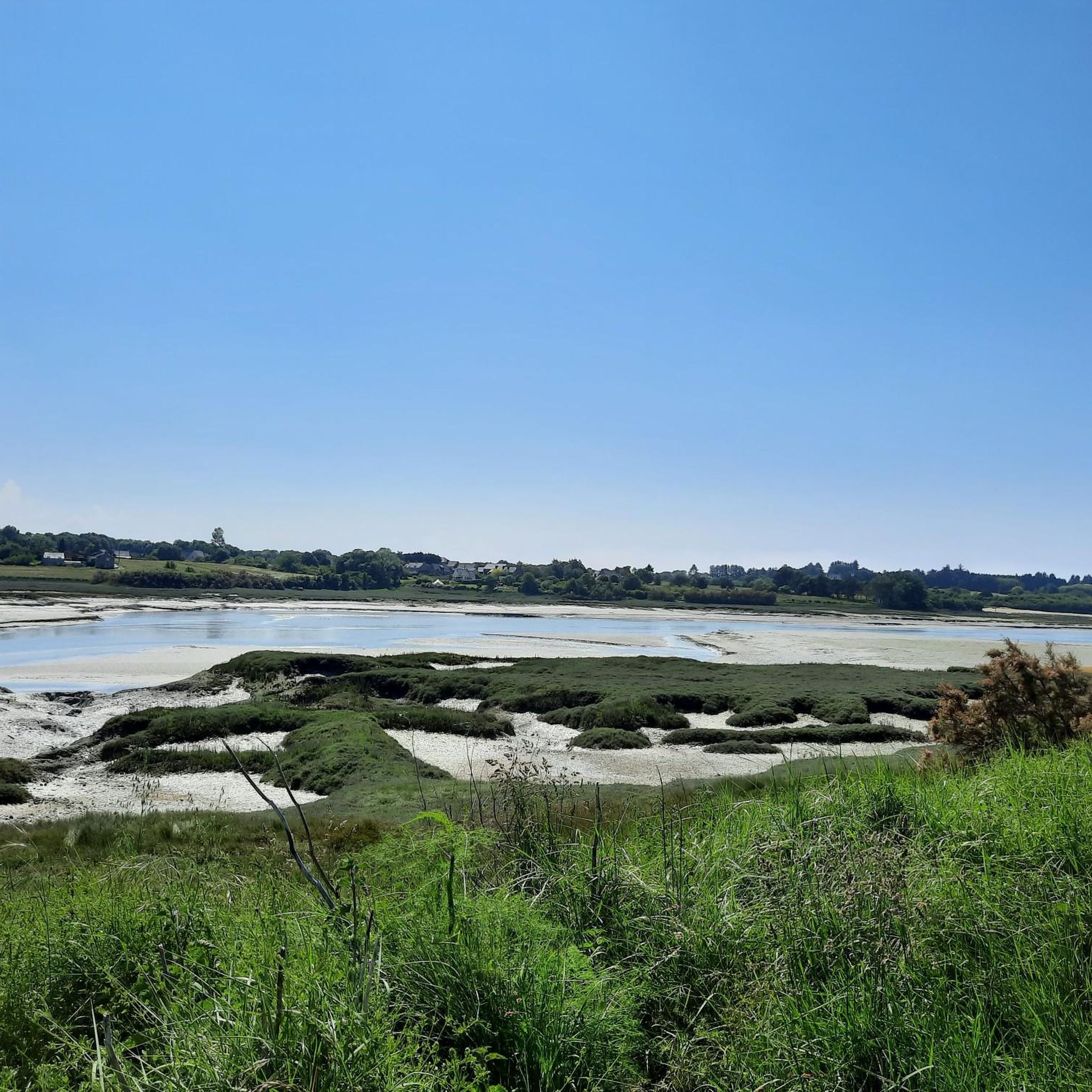
- The most popular natural monuments is Pointe du Chevet, a viewpoint that offers views over the entire Bay of Arguenon. This location provides access to the Île des Ébihens at low tide.
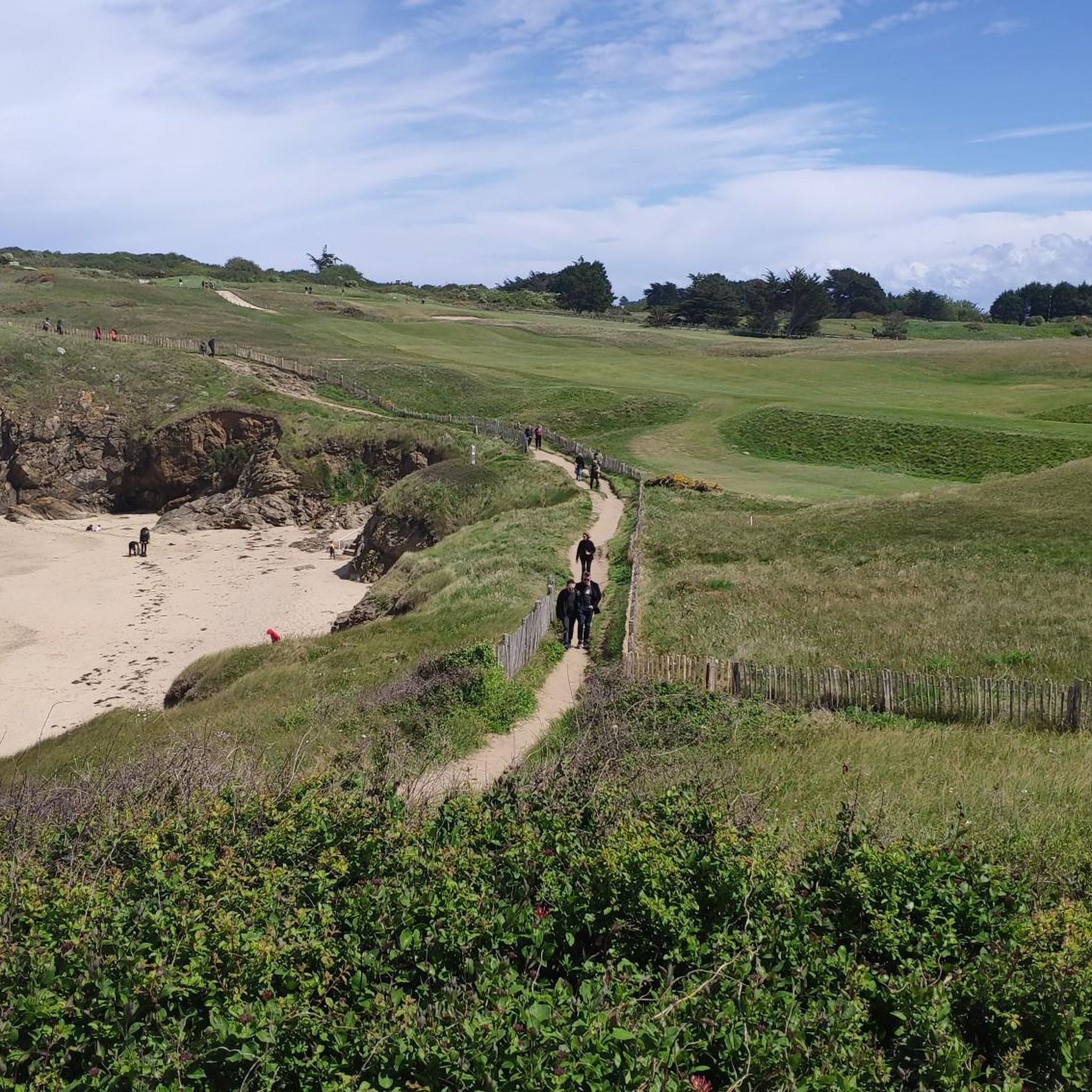
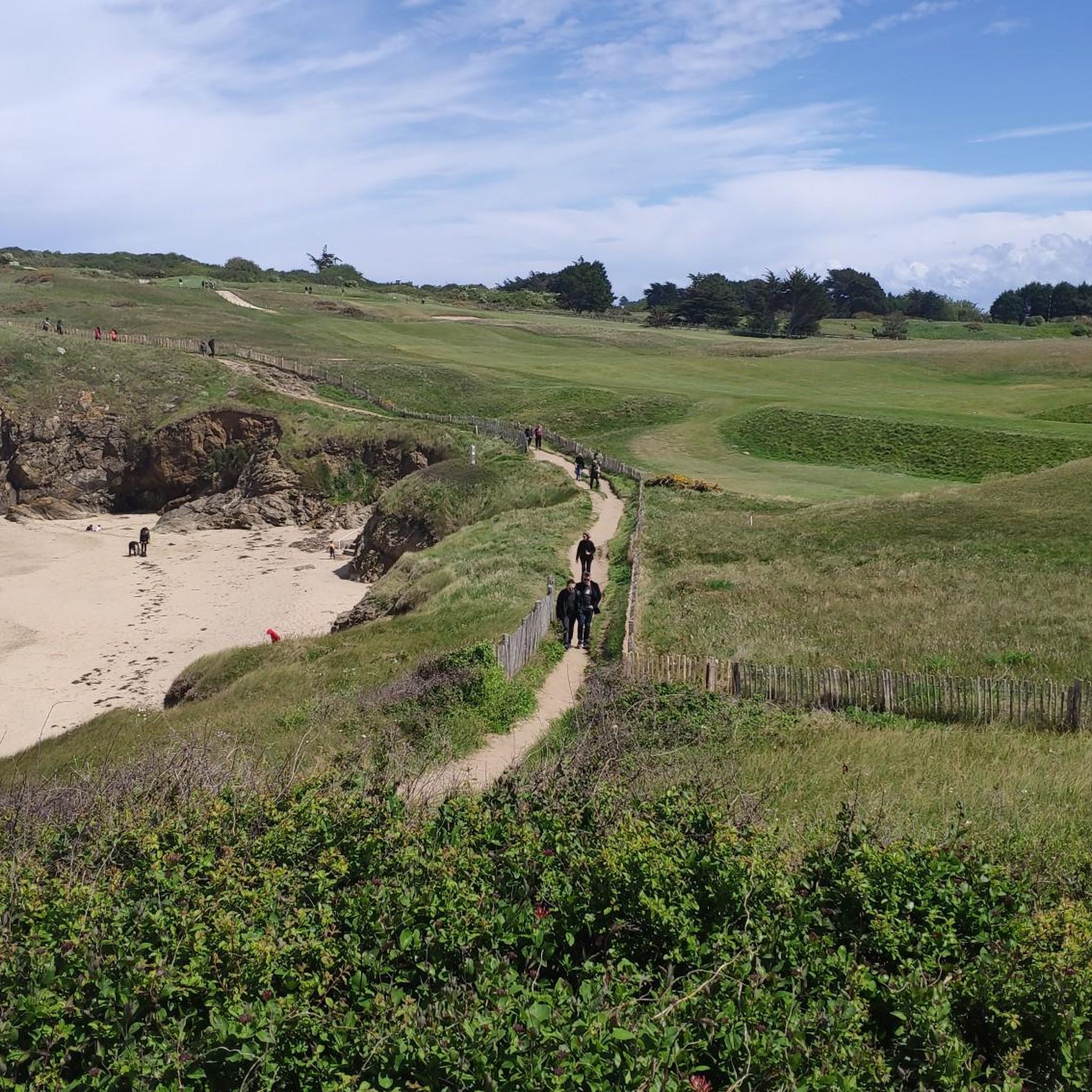
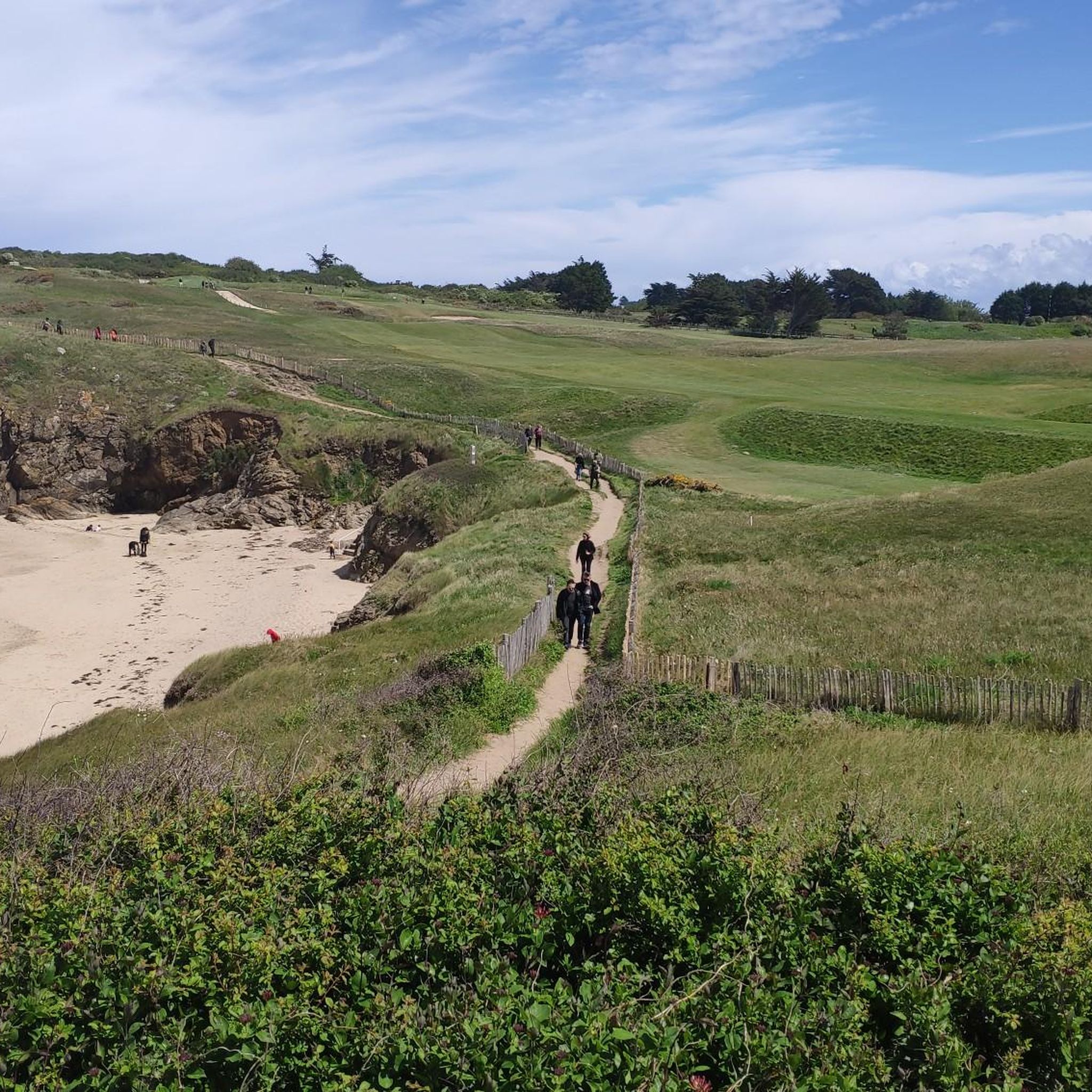
- Another must-see spot is La Pointe du Puits, a viewpoint located on the coast. This wild site offers a panorama of the Atlantic Ocean and jagged cliffs.
- Visitors also love Pen Guen Beach, a beach known for its wide, gently sloping sand. This beach faces the Ebihens islands.
- Saint-Briac-Sur-Mer is known for its rocky headlands, beaches, and coastal forests. The area offers a variety of natural monuments to see and explore, including viewpoints and trails.
- The natural monuments around Saint-Briac-Sur-Mer are appreciated by the komoot community, with 249 upvotes and 120 photos shared by visitors.
Last updated: July 2, 2026
Pointe du Chevet
Highlight • Viewpoint
Translated by Google •
Tip by

Parc de la Briantais
Highlight • Forest
Translated by Google •
Tip by

Sign up now to discover places like this
Get recommendations on the best single tracks, peaks, & plenty of other exciting outdoor places.
Sign up for free
La Pointe du Puits
Highlight • Viewpoint
Translated by Google •
Tip by

Pen Guen Beach
Highlight • Beach
Translated by Google •
Tip by

Bouchots of Plage du Sillon
Highlight • Structure
Translated by Google •
Tip by

Sign up for free to discover even more natural monuments around Saint-Briac-Sur-Mer.
Sign up for free
Already have an account?
Start today with a free account
Your next adventure awaits.
Login or Signup
Tips from the Community

Beautiful panoramic view over two bays and several islands off the coast.
0
0

great place ideal for a little family walk
0
0


Pointe du Puits, located on the coast of the Crozon peninsula in Brittany, offers an exceptional panorama of the Atlantic Ocean and the jagged cliffs. Accessible after a short hike, this wild and preserved site is perfect for lovers of nature and wide open spaces. The view extends over the turquoise waters and the secret coves below, offering a breathtaking spectacle, particularly at sunset. The coastal paths invite you to explore, between heather-covered moors and maritime scents.
1
3

At high tide it is the end of the headland, at low tide you can walk further to the next island.
0
1

Saint Jacut de la mer. A very beautiful peninsula to enjoy without moderation...plus the shopkeepers are very nice...
1
1

Quite pretty and above all very useful for protecting the dike.
1
0

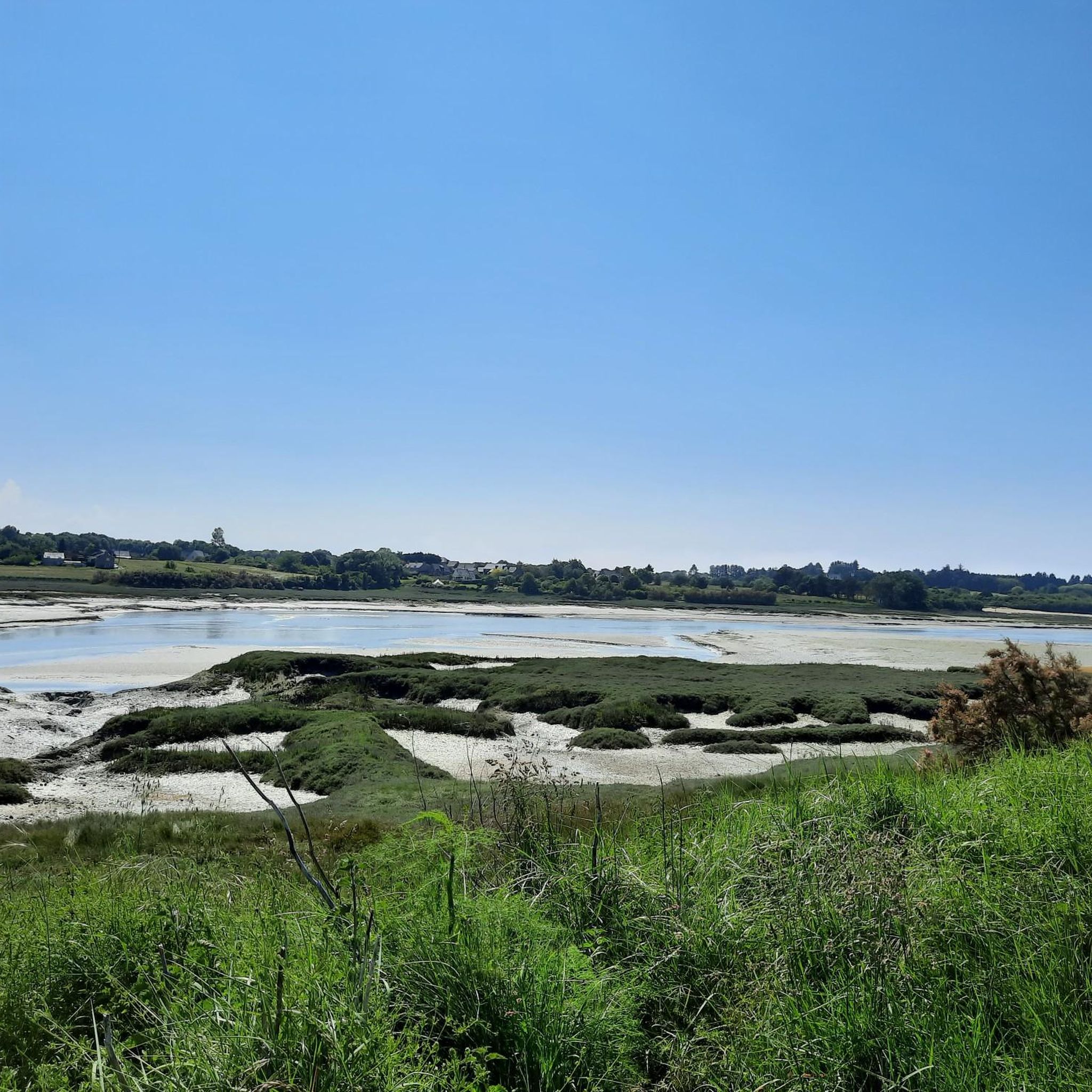
A veritable fist buried in the Atlantic, the Pointe du Chevet offers beautiful views over the entire Bay of Arguenon. Further away, the island of Ebihens as well as the island of Colombière are flush with the ocean.
0
0
Frequently Asked Questions
What are some unique natural monuments to explore near Saint-Briac-sur-Mer?
Near Saint-Briac-sur-Mer, you can discover several unique natural monuments. The Pointe de la Garde Guérin, the highest point of the Ille-et-Vilaine coastline, offers exceptional panoramic views and unique migmatite rock formations. Further afield, Cap Fréhel is a vast coastal moorland with dramatic pink sandstone cliffs and a significant bird sanctuary. For a unique tidal experience, the Île du Guesclin is accessible by a natural sand path at low tide, revealing rich biodiversity in its surrounding waters.
Are there hiking trails to explore these natural monuments?
Yes, the region offers numerous hiking opportunities. The Pointe de la Garde Guérin features marked footpaths for safe exploration. At Cap Fréhel, well-maintained paths lead to breathtaking viewpoints. The coastal path (GR34) in Saint-Briac-sur-Mer itself allows for scenic walks, revealing hidden coves and stunning panoramas. You can find various hiking routes, such as the Saint-Briac Coastal Trail or the View of Île Agot – La Garde Guérin Point loop, to explore these natural wonders.
Which natural monuments are suitable for families with children?
Several natural monuments are family-friendly. Pen Guen Beach is known for its wide, gently sloping sand, ideal for children. The Parc de la Briantais offers a large landscaped park with play areas and safe walks. The beach near Île du Guesclin is also great for exploring marine life at low tide. Additionally, the Pointe du Chevet is a popular spot where kids can look for green crabs under stones at low tide.
What kind of geological features can I expect to see among the natural monuments?
The natural monuments around Saint-Briac-sur-Mer showcase diverse geological features. The Pointe de la Garde Guérin is characterized by migmatite rock, a fascinating mix of granite and schist/gneiss. Cap Fréhel is famous for its dramatic pink sandstone and shale cliffs that plunge into the English Channel. The Île du Guesclin is a rocky granite island, and the entire coastline is shaped by significant tidal phenomena, among the highest in Europe.
What is the best time of year to visit the natural monuments?
The spring and summer months (April to September) are generally ideal for visiting the natural monuments. During spring, the moorlands at Cap Fréhel burst into color with gorse and heather blooms. Summer offers pleasant weather for coastal walks and beach activities. However, the dramatic coastal views and powerful waves can be particularly spectacular during strong winds outside of peak season, offering a different kind of experience.
Can I observe wildlife and unique flora at these natural sites?
Absolutely. The natural monuments are rich in biodiversity. The coastal heathlands, thickets, and grasslands at Pointe de la Garde Guérin are home to over 300 plant species, and its historical blockhouses shelter protected bat species. Cap Fréhel is a significant bird sanctuary, providing a habitat for numerous seabirds like northern fulmars, European shags, and Atlantic puffins. The restored dune system near Île du Guesclin supports specific flora like sea holly and sea lavender, along with varied fauna.
Are there opportunities for cycling or gravel biking near the natural monuments?
Yes, the area around Saint-Briac-sur-Mer offers excellent routes for both cycling and gravel biking. You can find various tours that take you past stunning natural monuments and coastal scenery. For example, consider the Baie de la Fresnaye – Cap Fréhel Lighthouse loop for gravel biking, or the Baie de la Fresnaye – Cap Fréhel Coast loop for cycling, which offer challenging and scenic rides.
What do visitors enjoy most about the natural monuments in this region?
Visitors particularly enjoy the breathtaking panoramic views, especially from viewpoints like Pointe du Chevet and La Pointe du Puits, which offer vistas of the Atlantic Ocean and jagged cliffs. The diverse coastal landscapes, from sandy beaches like Pen Guen Beach to dramatic rocky headlands, are highly appreciated. The opportunity to explore unique geological formations and observe rich flora and fauna also contributes to a memorable experience.
Are there any historical elements integrated with the natural monuments?
Yes, some natural monuments also hold historical significance. The Pointe de la Garde Guérin, for instance, has been classified for its natural and historical heritage since 1932 and features historical blockhouses that now provide shelter for bats. While the fort on Île du Guesclin is private, the island itself has a historical presence. Additionally, the Pointe de la Malouine is near some of the region's most beautiful historic villas.
Are the natural monuments accessible by public transport or do they require a car?
While some natural monuments might be reachable by local bus routes, having a car generally offers more flexibility to explore the various sites around Saint-Briac-sur-Mer, especially those slightly further afield like Cap Fréhel. However, many coastal paths, such as the GR34, are accessible directly from towns, and some highlights like Pointe de la Garde Guérin are equipped with marked footpaths from nearby parking areas.
Are there any natural monuments that offer views of distant islands?
Yes, several natural monuments provide views of distant islands. From the Pointe de la Garde Guérin, on clear days, you can see the Chausey Islands. The Pointe du Chevet offers views over the entire Bay of Arguenon, including the Île des Ébihens and the Île de la Colombière. Pen Guen Beach also faces the Ebihens islands, providing a picturesque backdrop.
What should I wear when visiting the natural monuments, especially for hiking?
When visiting the natural monuments, especially for hiking, it's advisable to wear comfortable walking shoes or hiking boots suitable for varied terrain, which can include rocky paths, sandy beaches, and coastal trails. Layers of clothing are recommended as coastal weather can change quickly. A windproof and waterproof jacket is often useful, and don't forget sun protection, even on cloudy days, due to exposure along the coast.
Most popular routes around Saint-Briac-Sur-Mer
Most popular attractions around Saint-Briac-Sur-Mer

Get inspired with the komoot mobile app


Explore more
Extend your search for the best caves by checking out these guides of the top ones around Saint-Briac-Sur-Mer:
